


مقدمة
In 5G communications, microwave radar, and high-speed data transmission, signal integrity and transmission speed determine device success. معيار مواد ثنائي الفينيل متعدد الكلور like FR4 often cause signal attenuation at high frequencies due to dielectric loss. For these demanding applications, you need a circuit board with a “golden medium”—تفلون ثنائي الفينيل متعدد الكلور. As a professional الشركة المصنعة لثنائي الفينيل متعدد الكلور, UGPCB delivers high-precision Teflon PCBs from 2 layers to 34 layers using advanced production processes.

What is Teflon PCB?
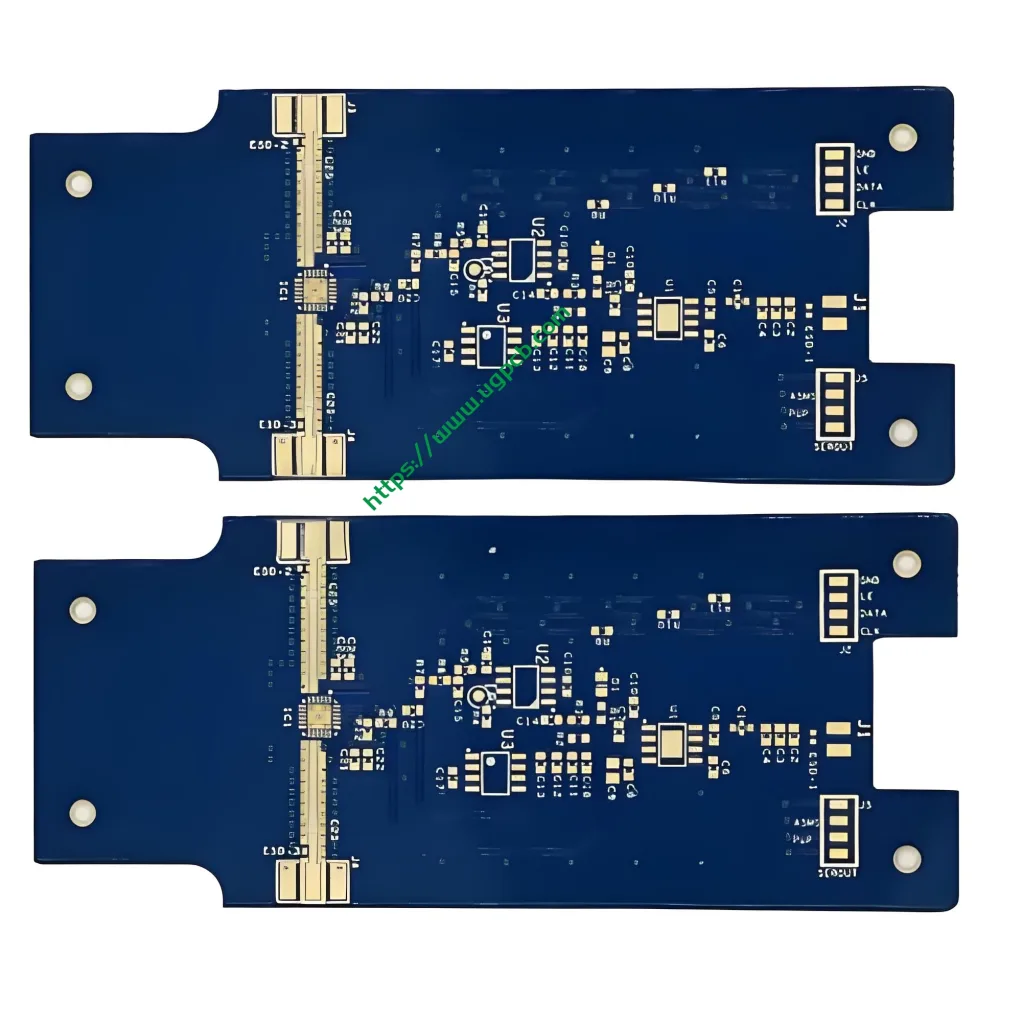
تفلون ثنائي الفينيل متعدد الكلور refers to لوحات الدوائر المطبوعة made with polytetrafluoroethylene (PTFE, commonly known as Teflon) laminate material. Due to its extremely stable chemical and electrical properties, this material works ideally in high-frequency electronic equipment where frequency performance is critical.
Core Materials and Performance Parameters
Teflon’s exceptional high-frequency performance comes from its unique physical and electrical characteristics. UGPCB manufactures Teflon PCBs with these core specifications:
-
ثابت العزل الكهربائي (DK): 2.0 – 3.5. This low Dk ensures fast signal propagation with stable values across wide frequency ranges.
-
عامل التبديد (ص): Extremely low (typically below 0.002). Df measures signal loss—lower values mean better signal integrity. UGPCB enforces strict incoming inspection for material Dk/Df to guarantee high-frequency performance.
-
طبقات: 2 layers – 34 طبقات. Whether you need simple double-sided boards or complex 34-layer multilayer PCBs, UGPCB’s professional lamination processes deliver.
-
سمك المجلس: 0.1mm – 12mm, meeting diverse power and structural requirements.
-
سمك النحاس: Base copper 0.5أوقية, finished copper thickness 1أوقية, balancing current capacity with line precision.
-
الانتهاء من السطح: Immersion Gold or ISIG. These flat finishes support the skin effect of high-frequency signals and minimize loss.
Scientific Classification
-
By Base Material: Specialty Material PCB (Organic Resin category – PTFE-based)
-
By Frequency: High Frequency Microwave PCB
-
By Structure: Multilayer Rigid PCB (including hybrid constructions)
-
By Application: RF/Microwave Circuit Board
Working Principle and Key Design Points
In microwave high-frequency circuits, signal wavelengths become extremely short during transmission. تفلون ثنائي الفينيل متعدد الكلور works by using its ultra-low dielectric constant and loss to confine electromagnetic waves within precisely impedance-controlled traces (typically 50 أو 75 أوم), minimizing reflection and attenuation.
Key Design Considerations
Two factors matter most when designing UGPCB Teflon PCBs:
-
High RF Line Precision: High-frequency traces like antenna feed lines and microstrips require strict width and spacing control. Small errors cause impedance mismatch. UGPCB uses high-precision etching to ensure accurate RF line formation.
-
Dk/Df Material Selection: Choose materials with Dk values matching your operating frequency. UGPCB helps you select and verify materials like Rogers or Taconic series.
Product Classification and Structure
Teflon PCBs classify by structure and material combination:
-
Pure Teflon PCB: Made entirely from PTFE laminates. These offer maximum stability but cost more. Due to PTFE’s soft nature, they often need special fixtures.
-
Hybrid Teflon PCB: To balance cost and mechanical strength, Teflon+FR4 hybrid construction works well. High-frequency layers use Teflon while other layers use FR4. This requires advanced lamination to match different thermal expansion coefficients. UGPCB has extensive hybrid lamination experience.
UGPCB Production Process and Quality Control
Quality Teflon PCBs require strict process control:
-
Pretreatment: Teflon’s low surface energy demands plasma or sodium-naphthalene treatment before drilling to enhance copper adhesion in via holes.
-
حفر: PTFE’s softness and glass content require different drilling parameters than FR4. We use specialized bits to prevent burrs and rough hole walls.
-
تصفيح: After special activation, hole walls achieve strong copper connections.
-
Pattern Transfer: High-precision alignment and exposure in cleanroom conditions ensure RF line accuracy.
-
النقش: We strictly control side etching to maintain trace rectangularity, critical for high-frequency impedance.
-
فحص الجودة: Finished products undergo IPC-A-600 visual inspection and 100% electrical testing, meeting IPC6012 الفئة الثانية أو الفئة الثالثة متطلبات.
التطبيقات الأولية
With excellent microwave properties, UGPCB Teflon PCBs serve these fields:
-
Telecommunications Infrastructure: Power amplifiers, antenna systems
-
Satellite Communications: LNBs, transponder modules
-
Automotive Radar: 77GHz millimeter-wave radar, collision avoidance systems
-
الفضاء & الدفاع: Navigation equipment, التدابير المضادة الإلكترونية
-
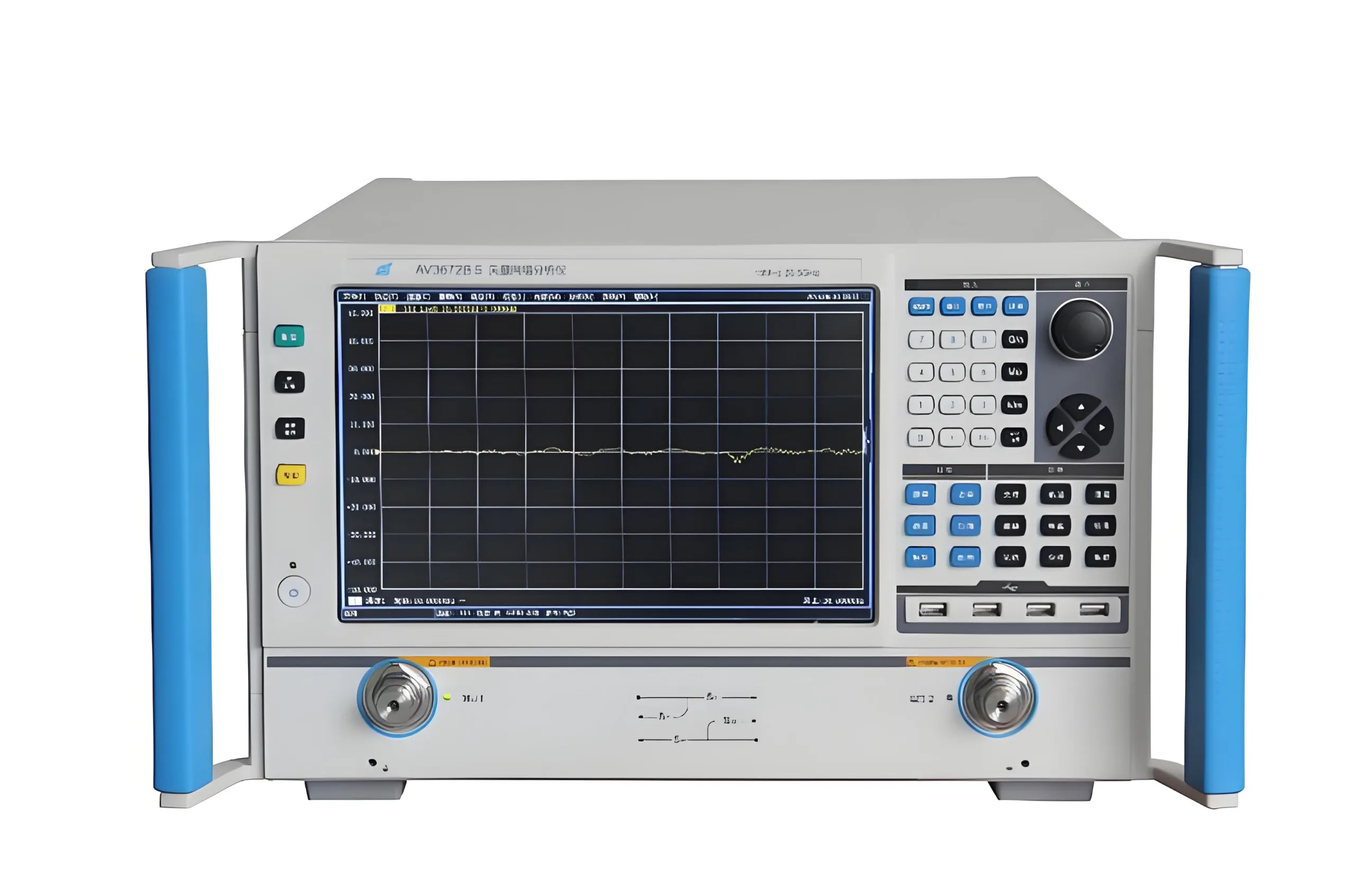
Test Instruments: Network analyzers, high-frequency probes, test fixtures

Why Choose UGPCB for Teflon PCBs?
-
High-Frequency Expertise: We understand Dk/Df impacts on signals. We control everything from material selection through production.
-
High-Multilayer Capability: We handle up to 34 layers of Teflon and hybrid constructions for complex designs.
-
Precision Focus: We specialize in high-accuracy RF lines with impedance tolerance within ±5% or tighter.
-
Quality Certified: We strictly follow IPC6012 Class II/III standards, providing reliable quality assurance.
Take Action Today
Great microwave equipment starts with a great تفلون ثنائي الفينيل متعدد الكلور. If you need stable, موثوق, high-performance PCB solutions for high-frequency applications, UGPCB is your trusted partner.
Do not let material limitations restrict your design possibilities.
[Submit your PCB design files (Gerber) and requirements. Get a professional quote and DFM analysis from UGPCB today!]