

Introduction to 4 Strati di controllo industriale PCBA
Panoramica
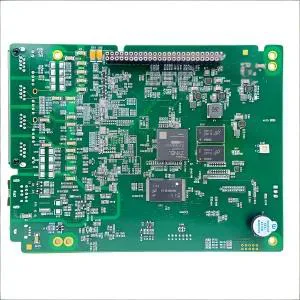
IL 4 Layers Industrial Control PCBA is a sophisticated assemblaggio del circuito stampato designed for industrial control applications. It features four layers of conductive material, which allows for complex circuitry and high-density componente posizionamento. This PCBA is essential for various industrial automation and control systems due to its reliability and performance.

Definizione
UN 4 Layers Industrial Control PCBA refers to a multi-layer printed circuit board assembly that incorporates four layers of copper traces, separated by dielectric layers. This design enables more compact and efficient circuit designs suitable for industrial environments.
Principio di lavoro
The working principle of a 4 Layers Industrial Control PCBA involves the use of multiple layers of conductive copper traces embedded within non-conductive substrate layers. These layers are interconnected through vias (plated-through holes) to allow electrical signals to travel between different layers. The surface mount technology (SMT) and through-hole technology (Tht) components are soldered onto the PCB, creating a functional circuit.
Applicazioni
Questo tipo di PCB is widely used in industrial control systems, tra cui:
- Automation equipment
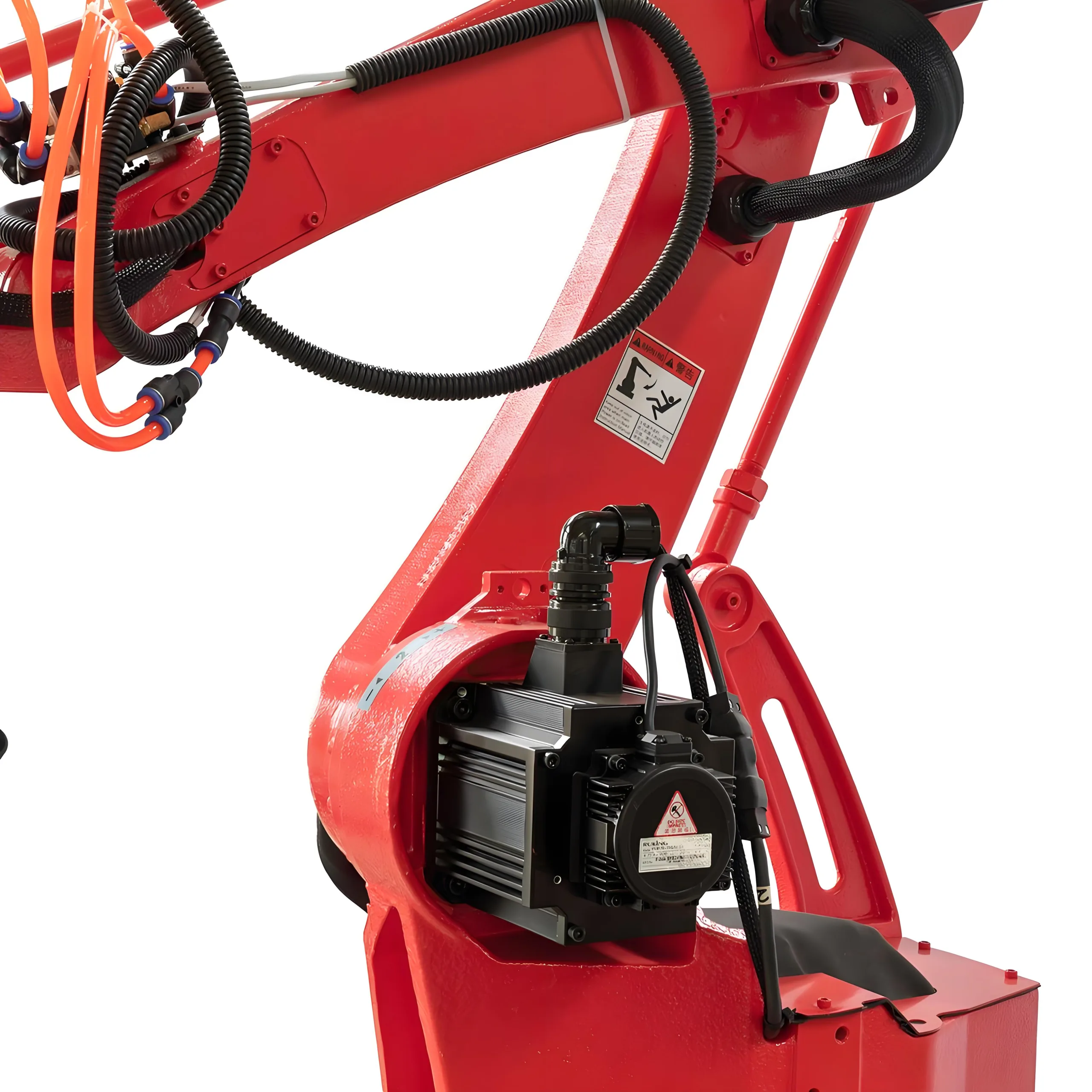
- Robotica
- Machine control units
- Sensor interfaces
- Power distribution boards

Classificazione
I PCBA possono essere classificati in base a diversi criteri:
- Per numero di strati: Monofacciale, a doppia faccia, multistrato (tra cui 4 strati)
- Per tipo di componenti: Foro, Monte della superficie, o una combinazione di entrambi
- By industry standards: RoHS compliant, senza piombo, ecc.
Materiali
The primary materials used in the construction of a 4 Layers Industrial Control PCBA include:
- Copper foil for the conductive layers
- Fiberglass or composite materials for the dielectric layers
- HASL senza piombo (Heat Sink Assembly Level) finitura superficiale
- Green solder mask for protection and insulation
Prestazione
Le prestazioni di questo PCBA sono caratterizzate da:
- Alta conducibilità termica dovuta agli strati di rame
- Bassa perdita di segnale e alta integrità del segnale
- Resistance to environmental factors such as humidity, temperature variations, and mechanical stress
- Conformità agli standard di assemblaggio ROHS e senza piombo
Struttura
The structure of a 4 Layers Industrial Control PCBA typically includes:
- Four layers of copper traces separated by dielectric layers
- Via (plated-through holes) for inter-layer connectivity
- Surface mount and through-hole components soldered onto the board
- A green solder mask covering the top layer for protection and identification
Caratteristiche
Le caratteristiche chiave di questo PCBA includono:
- High density and compact design suitable for space-constrained applications
- Capacità di gestione termica superiore
- Enhanced durability and longevity in harsh industrial environments
- Compatibility with a wide range of electronic components
Processo di produzione
The production process of a 4 Layers Industrial Control PCBA involves several steps:
- Progetto: Utilizzo di software specializzato per creare il layout del circuito e il posizionamento dei componenti.
- Preparazione del materiale: Selecting and preparing the copper foil, dielectric layers, e altri materiali.
- Stacking strato: Impilando gli strati di rame e materiali dielettrici.
- Tramite perforazione: Perforare i fori attraverso gli strati impilati per Vias.
- Placcatura: Placting il Vias con rame per garantire la connettività elettrica.
- Incisione: Rimozione del rame in eccesso per formare il modello di circuito desiderato.
- Posizionamento dei componenti: Soldering surface mount and through-hole components onto the PCB.
- Test: Condurre test rigorosi per garantire funzionalità e conformità agli standard.
- Ispezione finale: Garantire che il PCBA soddisfi tutti i criteri di qualità e prestazioni.


Casi d'uso
Common use cases for the 4 Layers Industrial Control PCBA include:
- Industrial automation systems where high reliability and performance are crucial
- Robotic arms and machinery requiring precise control
- Manufacturing plants with demanding environmental conditions
- Power distribution and control panels in heavy industries
Conclusione
IL 4 Layers Industrial Control PCBA is an advanced and reliable solution for various industrial control applications. Its multi-layer design, Materiali ad alte prestazioni, and compliance with industry standards make it an ideal choice for engineers and manufacturers seeking robust and efficient electronic solutions.