


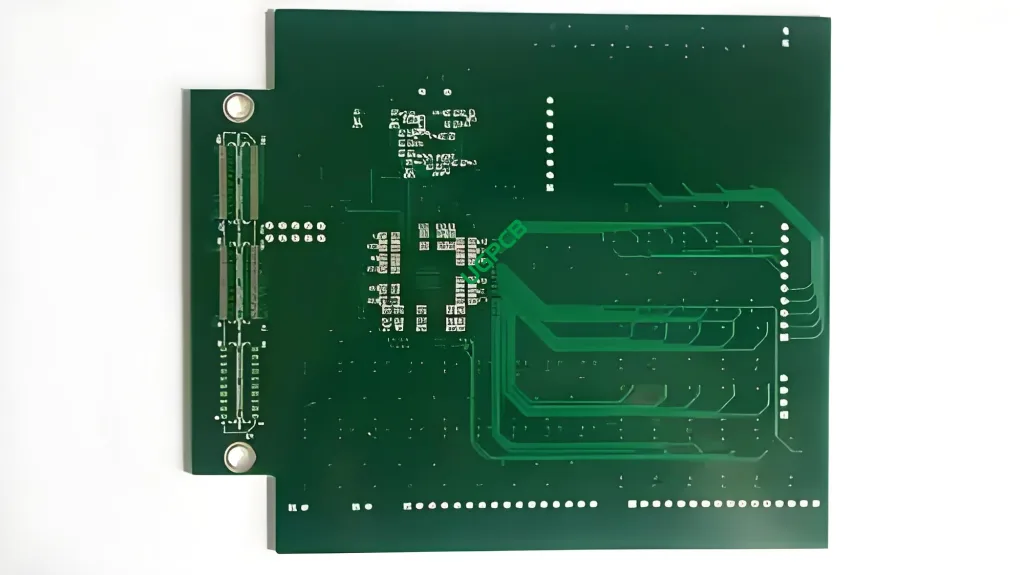
何ですか 4 レイヤーPCB?
A 4-layer Printed Circuit Board (プリント基板) is an advanced 電子部品 that consists of four layers of conductive material, typically copper, 絶縁層によって分離されています. This multilayer structure allows for complex circuit designs with high density and improved performance.
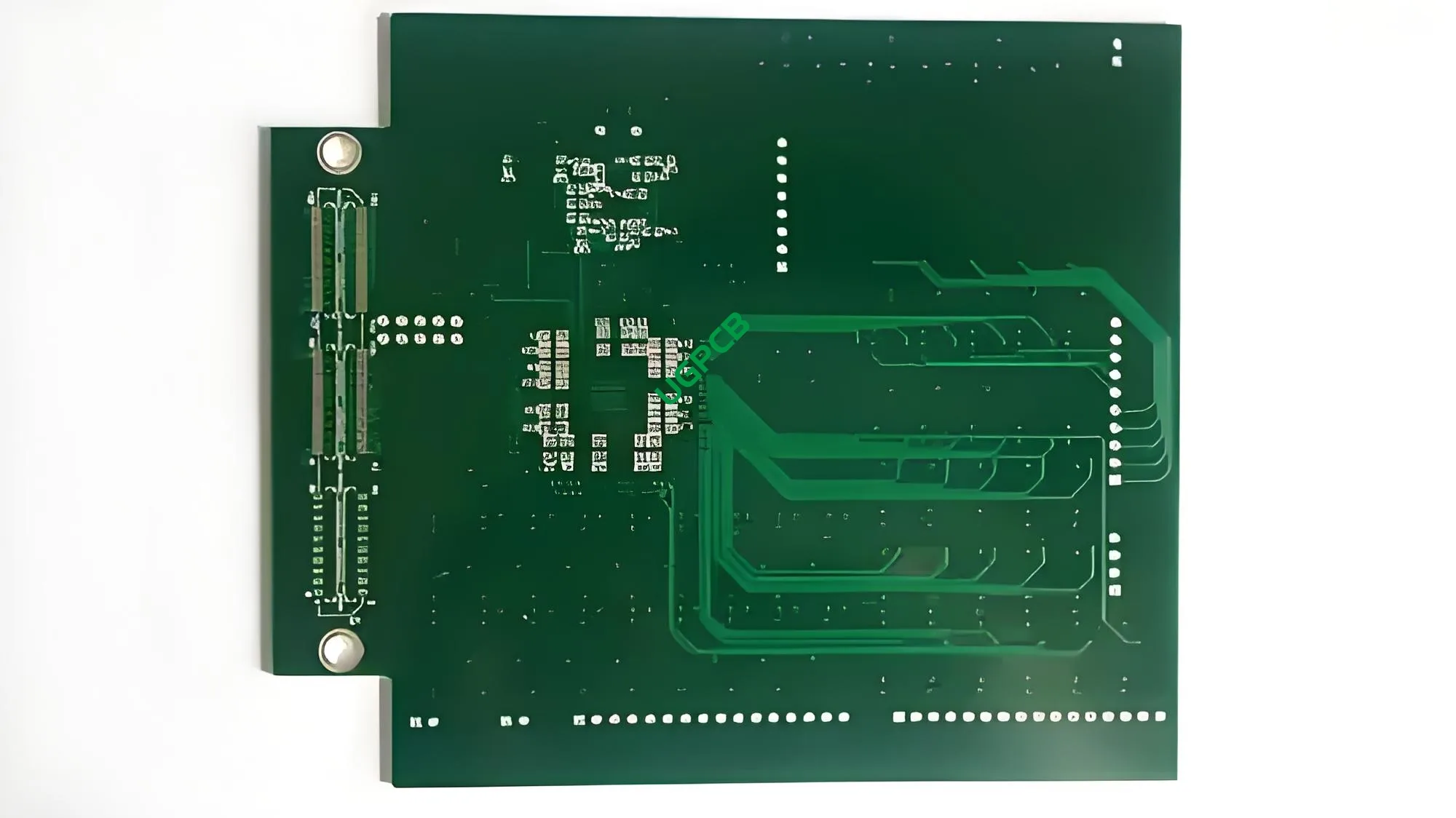

設計要件
Designing a 4-layer PCB involves several key considerations:
- 材料: Commonly made from FR-4, a composite material known for its excellent electrical properties and affordability.
- レイヤー数: 名前が示すように, it has four layers, which can handle more complex circuitry compared to single or double-sided boards.
- 銅の厚さ: Can range from 0.5OZ to 6OZ, depending on the application’s power requirements.
- 表面処理: Options include immersion gold, OSP (有機はんだ付け性防腐剤), and lead-free HASL (Heat Activated Solder Leveling), each offering different levels of solderability and protection.
- トレースとスペース: Minimum trace and space are typically set at 3mil (0.075mm), allowing for fine details in the circuit design.
How Does it Work?
The 4-layer PCB functions by providing a platform where electronic components can be mounted and interconnected using conductive pathways etched into the copper layers. These pathways are separated by insulating layers, preventing electrical shorts while allowing signals to pass through via plated through-holes or vias.
アプリケーション
Due to their complexity and reliability, 4-層 プリント基板 are widely used in various consumer electronics including:
- スマートフォン
- タブレット
- ラップトップ
- Gaming consoles
- High-end audio equipment


分類
4-layer PCBs can be classified based on several factors:
- 素材によって: Most commonly made from FR-4 due to its balance of cost, 強さ, および電気的特性.
- By Copper Thickness: Varies from lightweight (0.5オズ) to heavyweight (6オズ) depending on the application’s needs.
- 表面処理による: Options include immersion gold, OSP, and lead-free HASL, each offering different levels of protection and solderability.
使用材料
The primary materials used in manufacturing 4-layer PCBs include:
- FR-4: A glass-reinforced epoxy laminate that provides excellent mechanical strength and thermal stability.
- 銅: Used for the conductive layers, with thickness varying based on design requirements.
- はんだマスク: Typically green, 白, 赤, or black, it protects the copper traces from oxidation and accidental short circuits.
- Surface Treatments: Such as immersion gold, OSP, or lead-free HASL, which improve solderability and protect against corrosion.
性能特性
Key performance attributes of a 4-layer PCB include:
- 高密度: Allows for more コンポーネント to be packed into a smaller area.
- 信頼性: The use of multiple layers reduces the risk of electrical shorts and improves signal integrity.
- 信号の完全性: Improved due to shorter signal paths and reduced crosstalk.
Structural Composition
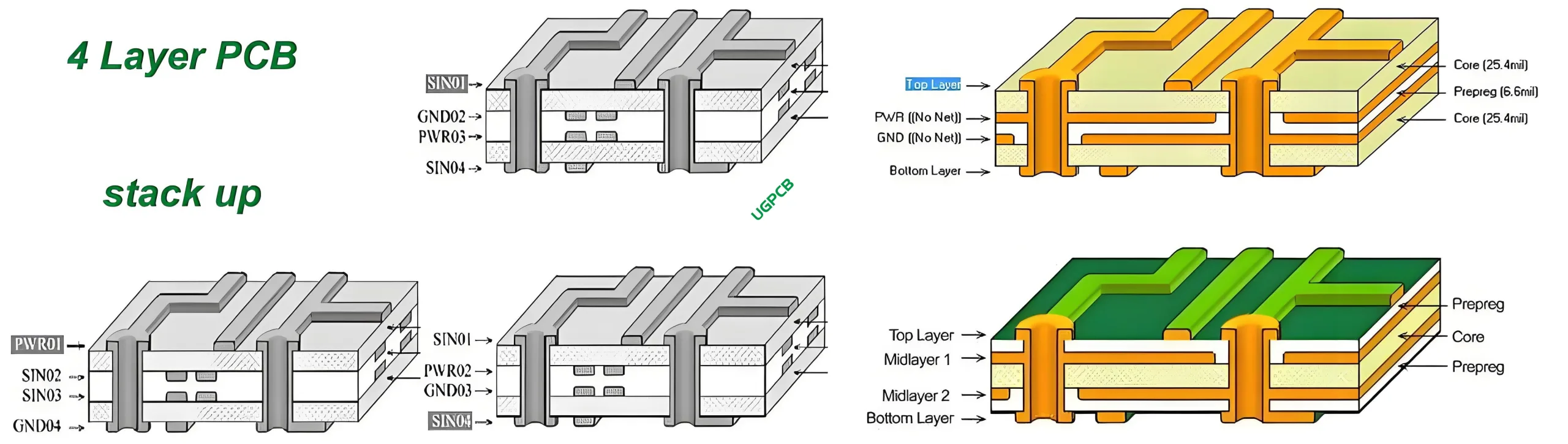
構造的に, a 4-layer PCB comprises:
- Conductive Layers: Made of copper, etched into the desired circuit patterns.
- Insulating Layers: Prevent electrical shorts between conductive layers.
- Plated Through-Hole Vias: Facilitate connections between different layers.

特徴的な機能
Some notable features of a 4-layer PCB are:
- Fine Pitch: Allows for high-density interconnects, making it ideal for compact devices.
- Robustness: The use of multiple layers provides a strong mechanical bond between the board and components.
- 多用途性: Suitable for a wide range of applications due to customizable layer counts and material choices.
製造工程
The manufacturing process of a 4-layer PCB involves several steps:
- デザインとレイアウト: Using specialized software to create the circuit pattern.
- 材料の準備: Cutting base materials to size and cleaning surfaces.
- ラミネート加工: Stacking and bonding individual layers under heat and pressure.
- エッチング: Removing excess copper to form the desired circuit paths.
- メッキ: Adding a thin layer of metal to vias and exposed copper areas.
- ソルダーマスクの塗布: Applying the green, 白, 赤, or black coating to protect traces.
- 表面処理: Applying immersion gold, OSP, or lead-free HASL for solderability.
- 最終検査: Ensuring quality and functionality before shipment.
ユースケース
Common scenarios where a 4-layer PCB might be employed include:
- High-density interconnect applications in mobile devices.
- Advanced communication systems requiring low signal loss.
- Portable medical instruments needing reliable performance in harsh environments.
- Automotive electronics demanding robustness and longevity.
要約すれば, the 4-layer PCB represents a significant advancement in プリント基板 テクノロジー, offering unparalleled complexity and performance for modern electronic applications. Its design flexibility combined with superior signal integrity and durability makes it an essential component in the development of next-generation consumer electronics and beyond.