

Overview of the 36-Layer High TG Backplane PCB
The 36-Layer High TG Backplane PCB is a high-density, multilayer printed circuit board (PCB) designed for backplane applications. This PCB is ideal for complex electronic systems that need to manage high power and signal integrity.
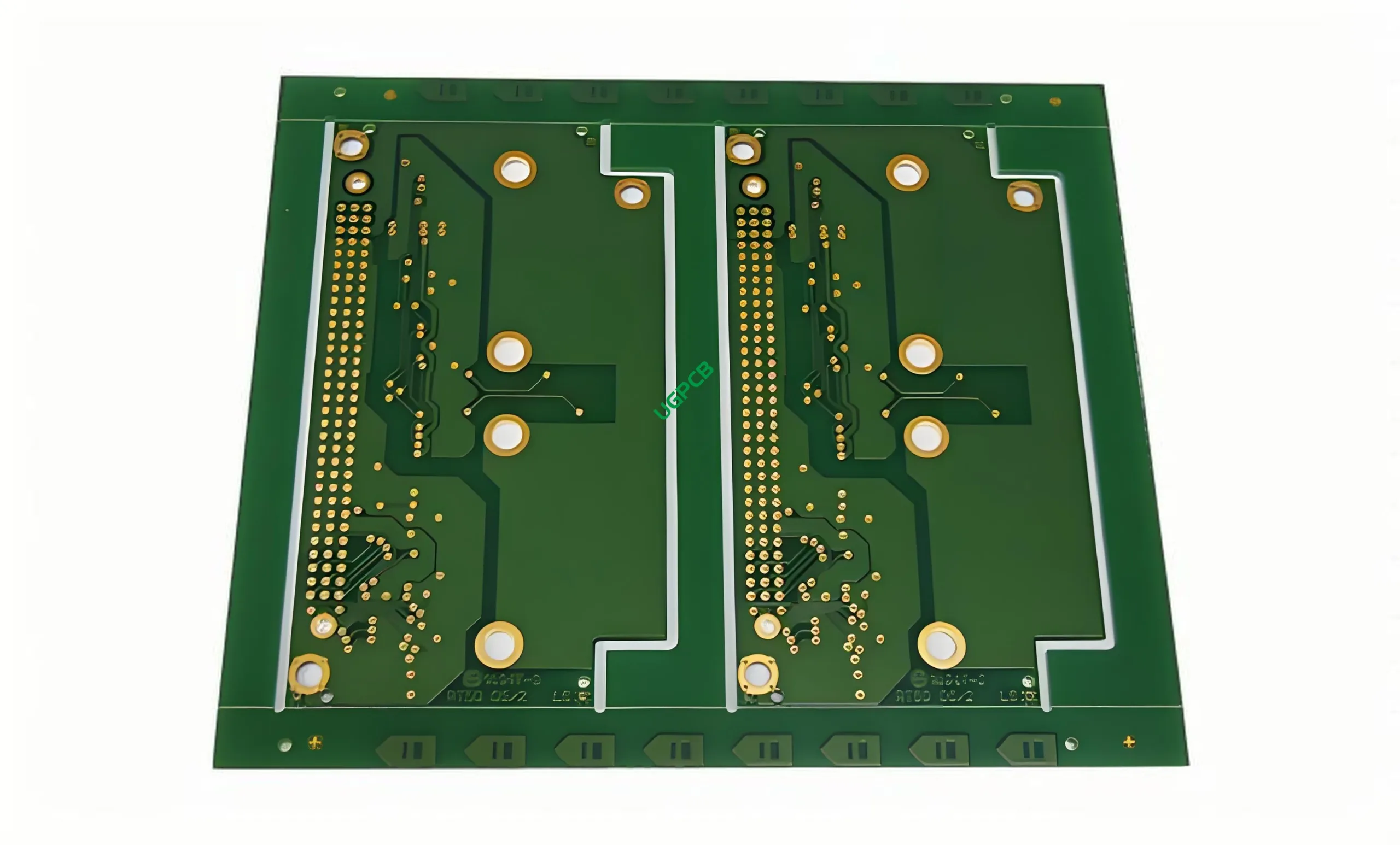

What is a 36-Layer High TG Backplane PCB?
A 36-Layer High TG Backplane PCB is a printed circuit board (PCB) with 36 layers of conductive material separated by insulating layers, specifically designed for backplane applications. The term “High TG” refers to the glass transition temperature, indicating the PCB’s ability to withstand high temperatures without losing its mechanical and electrical properties.
Design Requirements
The design requirements for a 36-Layer High TG Backplane PCB are stringent to ensure its performance and reliability:
- Material: High TG FR4, chosen for its excellent electrical and thermal properties.
- Layer Count: 36 layers to accommodate complex and dense circuit designs.
- Color: Green/White for easy identification and aesthetic appeal.
- Finished Thickness: 2.4mm to provide structural integrity and durability.
- Copper Thickness: 1OZ to ensure adequate conductivity and heat dissipation.
- Surface Treatment: Immersion Gold to enhance solderability and corrosion resistance.
- Minimum Trace and Space: 4mil(0.1mm) to support fine circuit patterns.
- Characteristic: High multilayer, Panasonic M6 PCB material, known for its high reliability and performance.
How Does It Work?
The 36-Layer High TG Backplane PCB works by providing a platform for various electronic components to be interconnected through conductive pathways. These pathways, or traces, are made of copper and are etched onto the board. The high TG FR4 material ensures that the PCB can withstand high temperatures without losing its mechanical and electrical properties, while the immersion gold surface treatment ensures that these traces remain conductive and resistant to corrosion.
Applications
The primary application of the 36-Layer High TG Backplane PCB is in backplane applications where it manages and regulates the flow of electrical signals. This includes:
- Data communication devices
- Networking equipment
- Industrial control systems
- Telecommunication infrastructure


Classification
Based on its features and applications, the 36-Layer High TG Backplane PCB can be classified as a high-speed digital PCB designed for backplane applications. This classification highlights its capability to handle high-frequency signals and provide stable electrical connections.
Material Composition
The core material used in the 36-Layer High TG Backplane PCB is High TG FR4, a high-performance composite material known for its excellent mechanical, thermal, and electrical properties. This material ensures that the PCB can withstand the demands of backplane applications.
Performance Characteristics
The performance characteristics of the 36-Layer High TG Backplane PCB include:
- High signal integrity
- Low signal loss
- Superior thermal management
- Robust mechanical strength
- Long-term stability
Structural Details
The structural details of the 36-Layer High TG Backplane PCB are as follows:
- Layer Count: 36 layers
- Finished Thickness: 2.4mm
- Copper Thickness: 1OZ
- Surface Treatment: Immersion Gold
- Minimum Trace and Space: 4mil(0.1mm)
- Characteristic: High multilayer, Panasonic M6 PCB material
Features and Benefits
The key features and benefits of the 36-Layer High TG Backplane PCB include:
- High density interconnectivity
- Excellent signal integrity
- Robust mechanical construction
- Reliable long-term performance
- Aesthetic color options (Green/White)
Production Process
The production process of the 36-Layer High TG Backplane PCB involves several steps including:
- Material Selection: Choosing high-quality High TG FR4 material.
- Layer Stacking: Arranging the 36 layers with precision.
- Etching: Removing excess copper to form the desired trace patterns.
- Solder Mask Application: Applying a solder mask layer to protect the copper traces.
- Plating: Applying immersion gold surface treatment.
- Assembly: Incorporating PTHs and vias for layer interconnections.
- Testing: Ensuring the PCB meets all performance specifications.
Use Cases
The 36-Layer High TG Backplane PCB is used in various scenarios such as:
- Backplane applications in data centers
- High-speed networking equipment
- Industrial automation systems
- Telecommunication infrastructure