


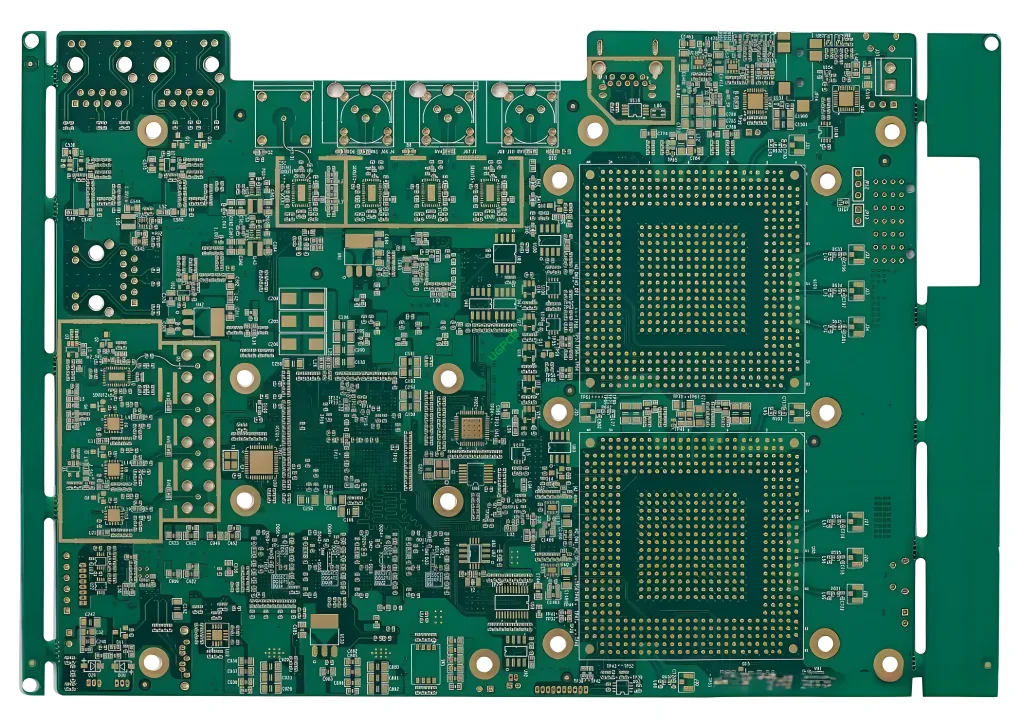
What is a BGA PCB?
A Ball Grid Array (BGA) Printed Circuit Board (PCB) is a type of circuit board that features a grid of solder balls on its underside, used for connecting electronic components to the board. This design allows for higher input/output connection density and improved electrical performance compared to traditional through-hole or surface-mount technology (SMT) PCBs.
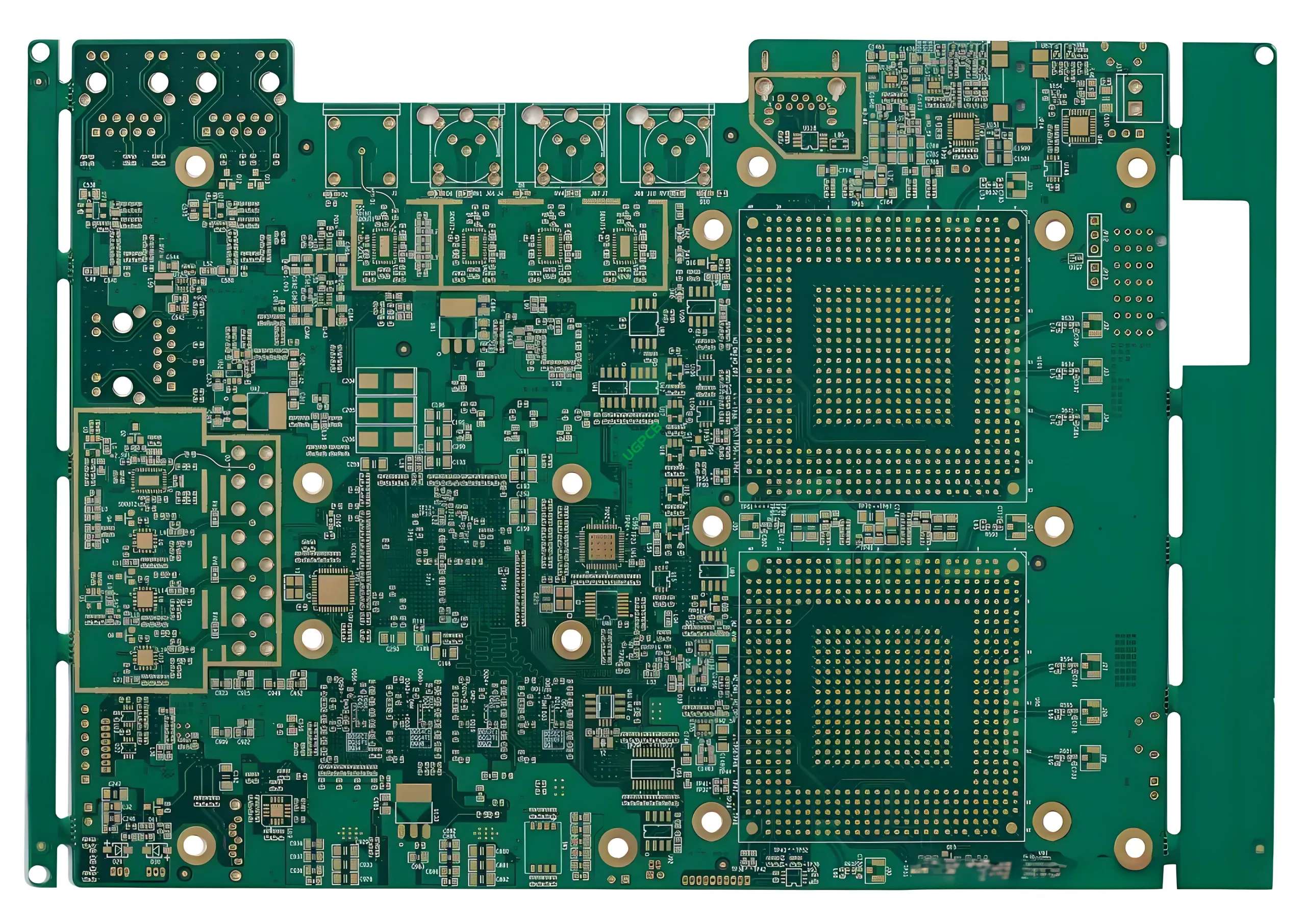

Design Requirements
Designing a BGA PCB involves several key considerations:
- Material: Typically made from FR-4, a composite material known for its excellent electrical properties and affordability.
- Layer Count: Multilayer designs are common, providing more space for complex circuitry.
- Copper Thickness: Generally specified as 1/1OZ, balancing conductivity with cost-effectiveness.
- Surface Treatment: Often includes immersion gold to enhance solderability and protect against oxidation.
- Trace and Space: Minimum trace and space are typically set at 4mil, allowing for fine details in the circuit design.
How Does it Work?
The BGA PCB functions by providing a platform where electronic components can be mounted and interconnected using a grid of solder balls. These balls are aligned in a pattern on the underside of the board, corresponding to contact pads on the component. When heat is applied, the solder melts and creates a strong bond, ensuring reliable electrical connections.
Applications
Due to their high density and reliability, BGA PCBs are widely used in various electronic products including:
- Computer motherboards
- High-performance servers
- Networking equipment
- Advanced consumer electronics like gaming consoles and smart devices
Classification
BGA PCBs can be classified based on several factors:
- By Material: Most commonly made from FR-4 due to its balance of cost, strength, and electrical properties.
- By Layer Count: Can range from double-sided to multilayer configurations, depending on the complexity of the circuit.
- By Surface Treatment: Options include immersion gold, hasl, or organic solderability preservatives (OSP), each offering different levels of protection and solderability.
Materials Used
The primary materials used in manufacturing BGA PCBs include:
- FR-4: A glass-reinforced epoxy laminate that provides excellent mechanical strength and thermal stability.
- Copper: Used for the conductive layers, with thickness varying based on design requirements.
- Solder Mask: Typically green or white, it protects the copper traces from oxidation and accidental short circuits.
- Immersion Gold: A surface treatment that improves solderability and protects against corrosion.
Performance Characteristics
Key performance attributes of a BGA PCB include:
- High Density: Allows for more components to be packed into a smaller area.
- Reliability: The use of solder balls reduces the risk of mechanical failure due to vibration or impact.
- Signal Integrity: Improved due to shorter signal paths and reduced crosstalk.
Structural Composition
Structurally, a BGA PCB comprises:
- Conductive Layers: Made of copper, etched into the desired circuit patterns.
- Insulating Layers: Prevent electrical shorts between conductive layers.
- Solder Balls: Arranged in a grid pattern on the underside of the board for component attachment.
Distinctive Features
Some notable features of a BGA PCB are:
- Fine Pitch: Allows for high-density interconnects, making it ideal for compact devices.
- Robustness: The use of solder balls provides a strong mechanical bond between the board and components.
- Versatility: Suitable for a wide range of applications due to customizable layer counts and material choices.
Production Process
The manufacturing process of a BGA PCB involves several steps:
- Design and Layout: Using specialized software to create the circuit pattern.
- Material Preparation: Cutting base materials to size and cleaning surfaces.
- Lamination: Stacking and bonding individual layers under heat and pressure.
- Etching: Removing excess copper to form the desired circuit paths.
- Plating: Adding a thin layer of metal to vias and exposed copper areas.
- Solder Mask Application: Applying the green or white coating to protect traces.
- Surface Treatment: Applying immersion gold or other treatments for solderability.
- Final Inspection: Ensuring quality and functionality before shipment.
Use Cases
Common scenarios where a BGA PCB might be employed include:
- High-density interconnect applications in mobile devices.
- Advanced communication systems requiring low signal loss.
- Portable medical instruments needing reliable performance in harsh environments.
- Automotive electronics demanding robustness and longevity.
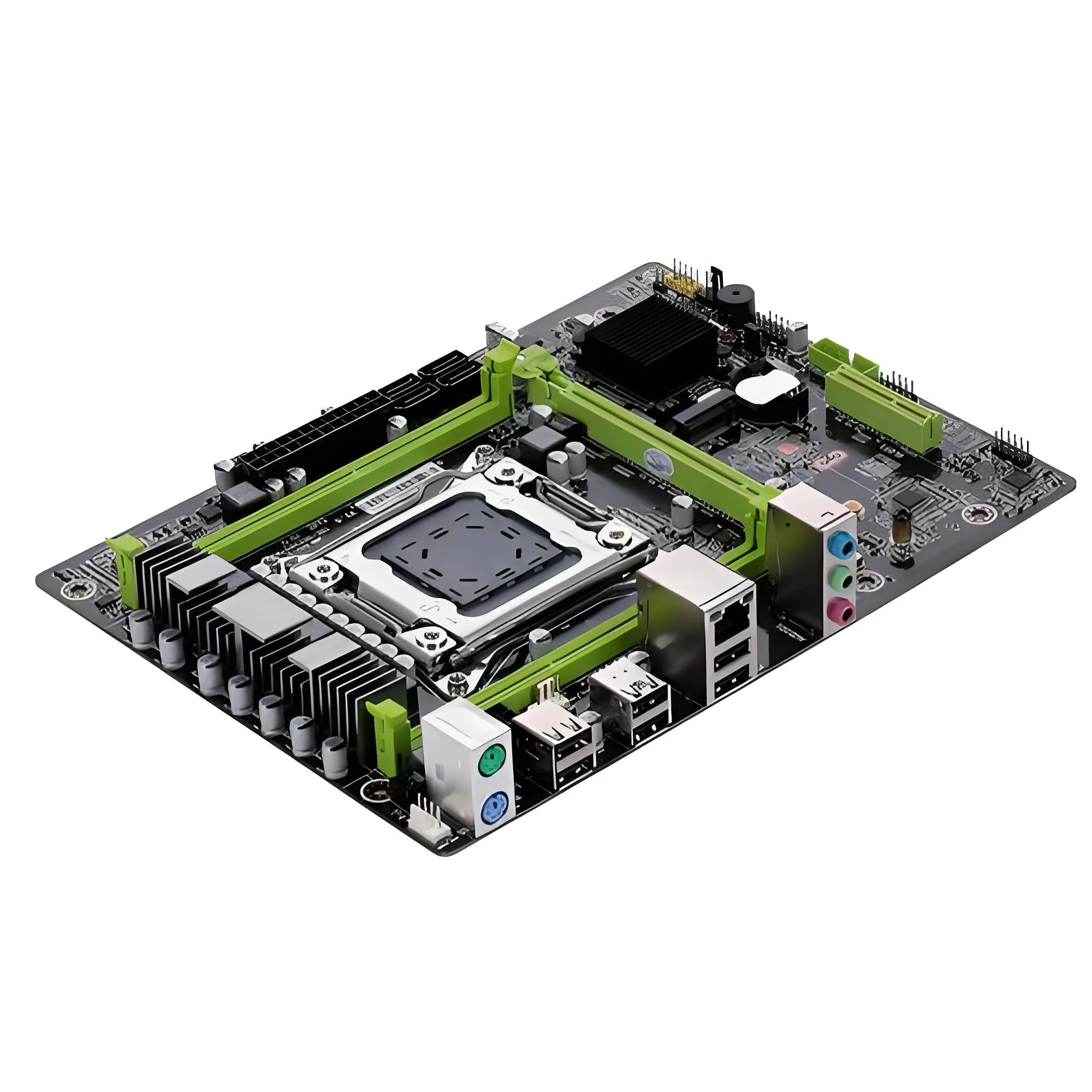

In summary, the BGA PCB represents a significant advancement in printed circuit board technology, offering unparalleled complexity and performance for modern electronic applications. Its design flexibility, combined with superior signal integrity and durability, makes it an essential component in the development of next-generation electronic products and beyond