

Overview
The Smart Android Robot Motherboard PCB is a sophisticated and integral component designed to drive the functionality of advanced robotic systems, particularly those powered by the Android operating system. This motherboard serves as the central processing unit (CPU) and control center for the robot, managing all operations and ensuring seamless communication between various components.
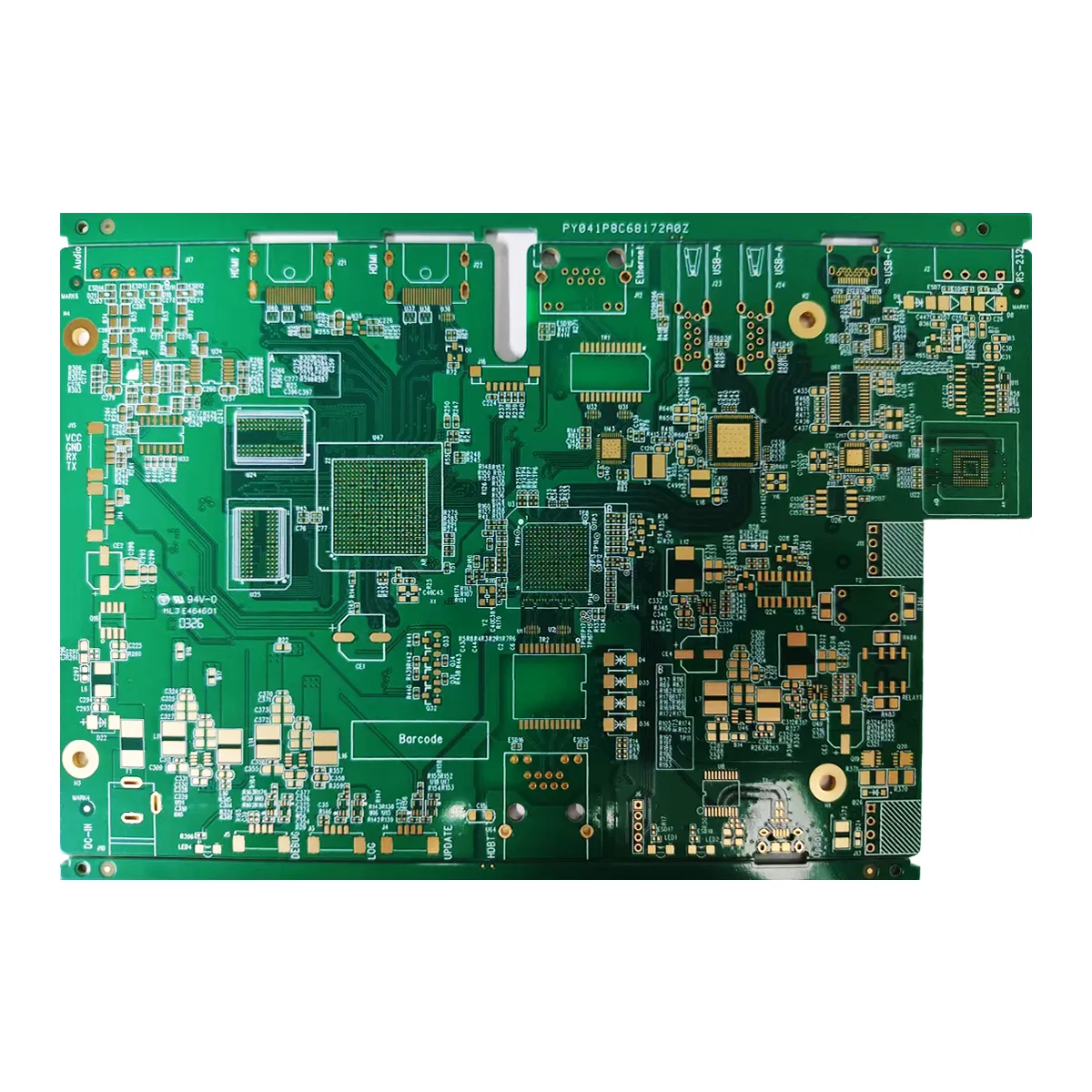

What is a Smart Android Robot Motherboard PCB?
Definition
The Smart Android Robot Motherboard PCB is an essential electronic circuit board designed specifically for smart robots that operate on the Android platform. It integrates multiple functionalities into a single board, making it a crucial element in modern robotics.
Design Requirements
Designing this motherboard involves several critical considerations:
- Layer Count: The PCB consists of six layers, which allows for complex circuitry and efficient signal transmission.
- Material: Made from SY S1141, a high-quality material known for its durability and performance in electronic applications.
- Copper Thickness: The inner layers have a copper thickness of 1OZ, while the outer layers are 0.5OZ, optimizing electrical conductivity and heat dissipation.
- Surface Treatment: Immersion gold treatment ensures excellent conductivity and longevity.
How Does It Work?
The motherboard operates by integrating the CPU with various peripheral devices such as sensors, actuators, and communication modules. It processes data from these devices and executes commands to control the robot’s actions. The immersion gold surface treatment enhances the electrical connections, ensuring reliable performance.
Applications
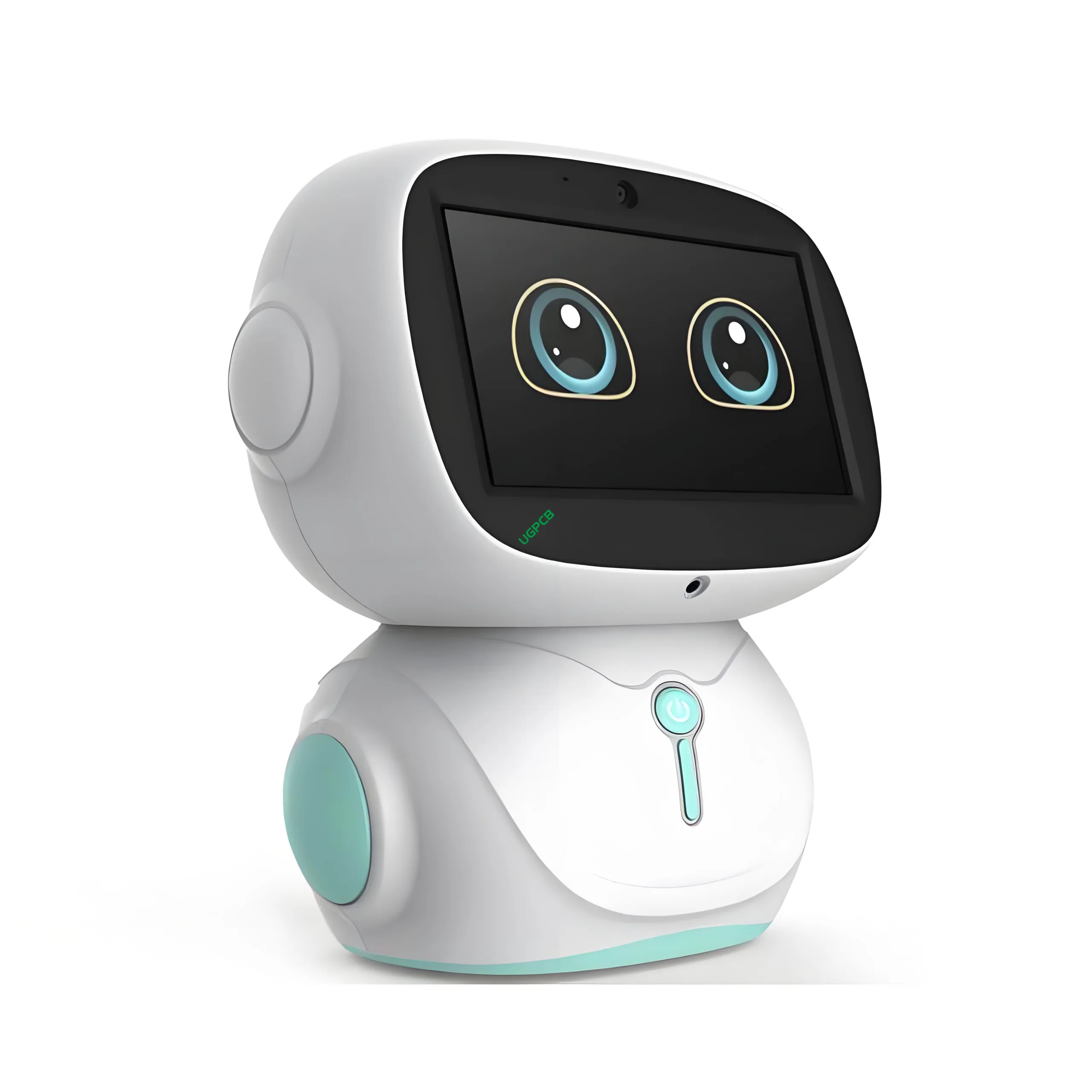

This motherboard is primarily used in smart android robots. Its robust design and high-performance capabilities make it suitable for a variety of applications, including:
- Industrial Automation: Streamlining manufacturing processes.
- Home Automation: Enhancing smart home systems.
- Educational Purposes: Providing hands-on learning experiences.
- Entertainment: Powering interactive robots in amusement parks or as toys.
Types of Smart Android Robot Motherboard PCBs
Different types of these motherboards can be categorized based on their specific applications and features:
- Basic Models: Suitable for simple tasks and entry-level robots.
- Advanced Models: Equipped with additional features for complex operations and high-performance requirements.
- Customized Models: Tailored to meet specific needs and specifications of unique projects.
Material and Performance
The SY S1141 material used in these motherboards offers superior thermal and electrical properties, ensuring stable operation even under demanding conditions. The combination of blue and white color scheme not only adds aesthetic appeal but also helps in identifying different sections of the board during assembly.
Structure and Features
- Six Layers: Provides enhanced signal integrity and power distribution.
- Immersion Gold Treatment: Ensures long-lasting conductivity and resistance to corrosion.
- Thin Profile: With a finished thickness of 1.0mm, it is compact and fits well within the robot’s chassis.
- Fine Trace/Space: With a minimum trace/space of 3mil(0.075mm), it allows for intricate circuit designs and higher component density.
Production Process
The production process involves several stages:
- Design: Using advanced software to create the circuit layout.
- Fabrication: Cutting, drilling, and etching the PCB layers.
- Assembly: Placing and soldering components onto the board.
- Testing: Ensuring the motherboard functions correctly and meets all specifications.
- Quality Control: Final inspection to guarantee product reliability and performance.

Use Cases
- Research and Development: Used by engineers and researchers to develop new robotic technologies.
- Prototyping: Helping designers create functional prototypes before mass production.
- Commercial Products: Incorporated into market-ready smart robots.
In conclusion, the Smart Android Robot Motherboard PCB is a highly specialized and essential component in the field of robotics. Its design, material, and features are tailored to meet the demands of smart android robots, ensuring efficient and reliable performance across various applications.