
ハードウェアエンジニアの基礎スキルから始める
電子部品をプリント基板に接続するはんだ付け (プリント基板). このステップは PCBA の製造に不可欠です. はんだ付けがあちこちで見られます, 研究室での手動はんだ付けから、PCBA 工場でのプロトタイプの検証と量産まで. 自動生産において, リフローはんだ付けとウェーブはんだ付けは、最も一般的で不可欠な 2 つのプロセスです. PCBAサプライヤー向け, 適切なはんだ付けプロセスの選択は、製品の歩留まりに直接影響します。, 納期, そして製造コスト.
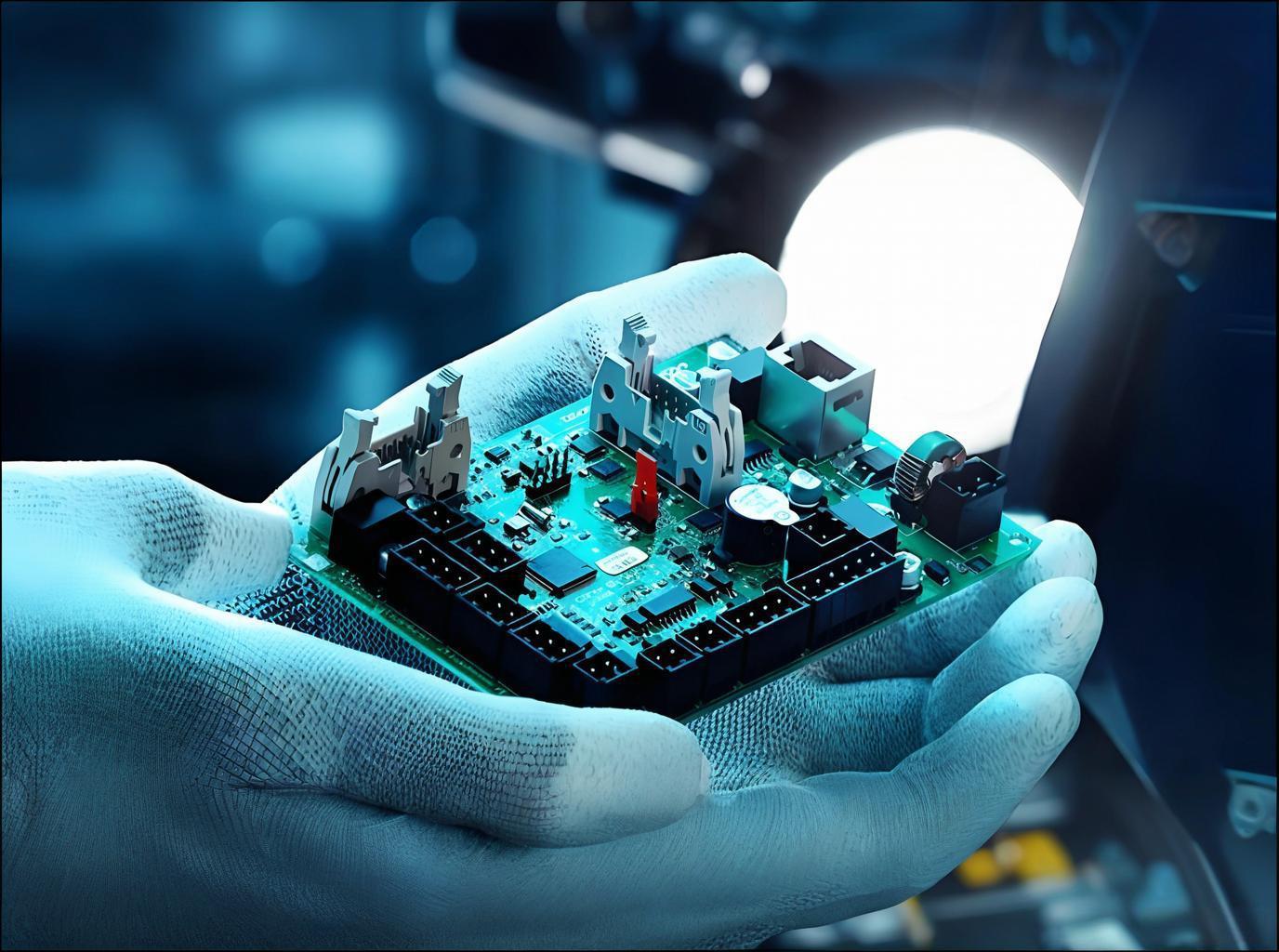
この記事では、IPC およびその他の規格に基づいてリフローはんだ付けとウェーブはんだ付けを比較します。. 原則を網羅しています, プロセス, パラメーター, と品質管理. PCB 設計者と PCBA 購買マネージャーは、実践的で詳細な選択ガイドを入手できます。.
1. リフローはんだ: SMTアセンブリのための精密な加熱
リフローはんだ付けは表面実装技術の主流のプロセスです (SMT). その核となるロジックは、 “はんだが先に存在する, その後熱で溶けます。” はんだペーストを印刷する (フラックスあり) ステンシルを使用して PCB パッド上に. ピックアンドプレース機による表面実装デバイスの取り付け (SMD) ペーストの上に. 次に、基板全体をリフローオーブンに入れます。. 制御された温度プロファイルによりペーストが溶け、信頼性の高いはんだ接合が形成されます。.
1.1 正確な制御を備えた 4 つの温度ゾーン
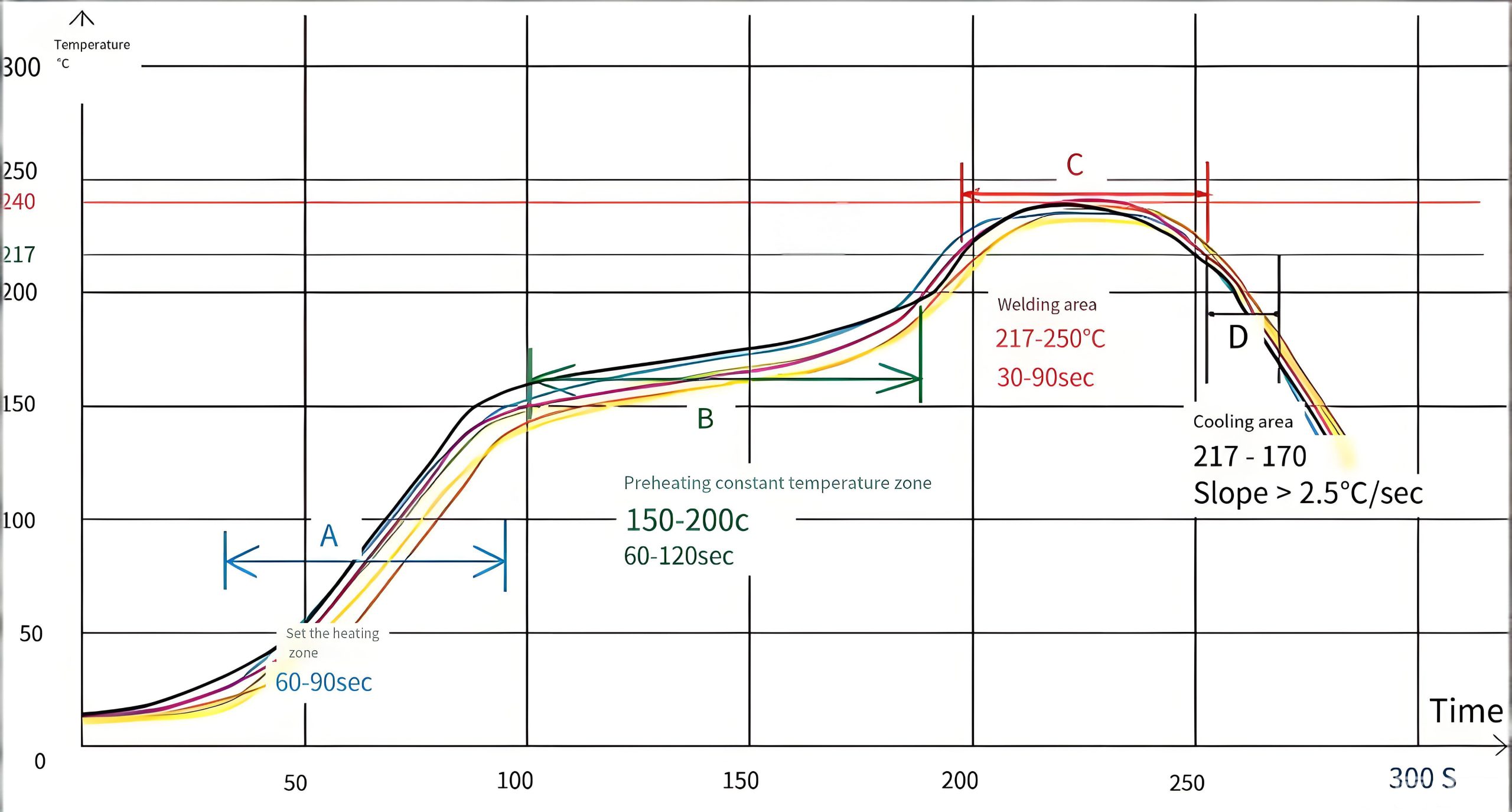
IPC-2221によると, 一般的なリフロー プロファイルには 4 つの主要な段階があります.
- 予熱ゾーン: 室温から150~160℃まで温度が上昇. ランプレートは 1 ~ 3°C/s の間に留まります. これにより、ペースト内の溶剤がゆっくりと蒸発します。, 気泡を除去し、はんだ飛散を防止. 厚いボードにはより長い予熱が必要です (について 3-4 分). 薄いボードには約 1-2 分.
- ゾーンを浸します (アクティベーションゾーン): 温度は 150 ~ 180°C に維持されます。 60-120 秒. フラックスが完全に活性化し、パッドやコンポーネントのリード線から酸化物を除去します。.
- リフローゾーン (ピークゾーン): 温度がはんだの融点を超える. 鉛フリーはんだ (SAC305のような) 約217℃で溶けます. ピーク温度は 235 ~ 250°C に達します。 10-20 秒. これによりはんだが溶け、パッドやリードが濡れます。, 金属間化合物を形成する (IMC). 有鉛はんだ (Sn63Pb37) 約183℃で溶けます, ピークは210~220℃.
- 冷却ゾーン: ボードは 2 ~ 4°C/秒で急速に冷却されます. はんだが固まって強固な接合が得られる. 冷却が速すぎる場合 (6℃/秒以上), 熱応力は亀裂のリスクを 3 倍増加させます. 冷却が遅すぎる場合, 結晶粒構造が粗大になる, 関節強度の低下.
1.2 主要な品質管理指標
リフローはんだ付けによる不良はオーバーの原因となります 60% すべての PCBA 障害のうち. IPC-A-610Gに準拠, これらの品質要件を満たす必要があります: 濡れ角≤25°, IMCの厚さは0.8~1.5μmの間, 空隙率 ≤ 5%. 業界データは、正確なプロセス制御が必要であることを示しています, SMT ラインは欠陥率を低減できます。 3.2% 以下に 0.05%.
2. 波のはんだ付け: スルーホールアセンブリ用のスズウェーブウェッティング
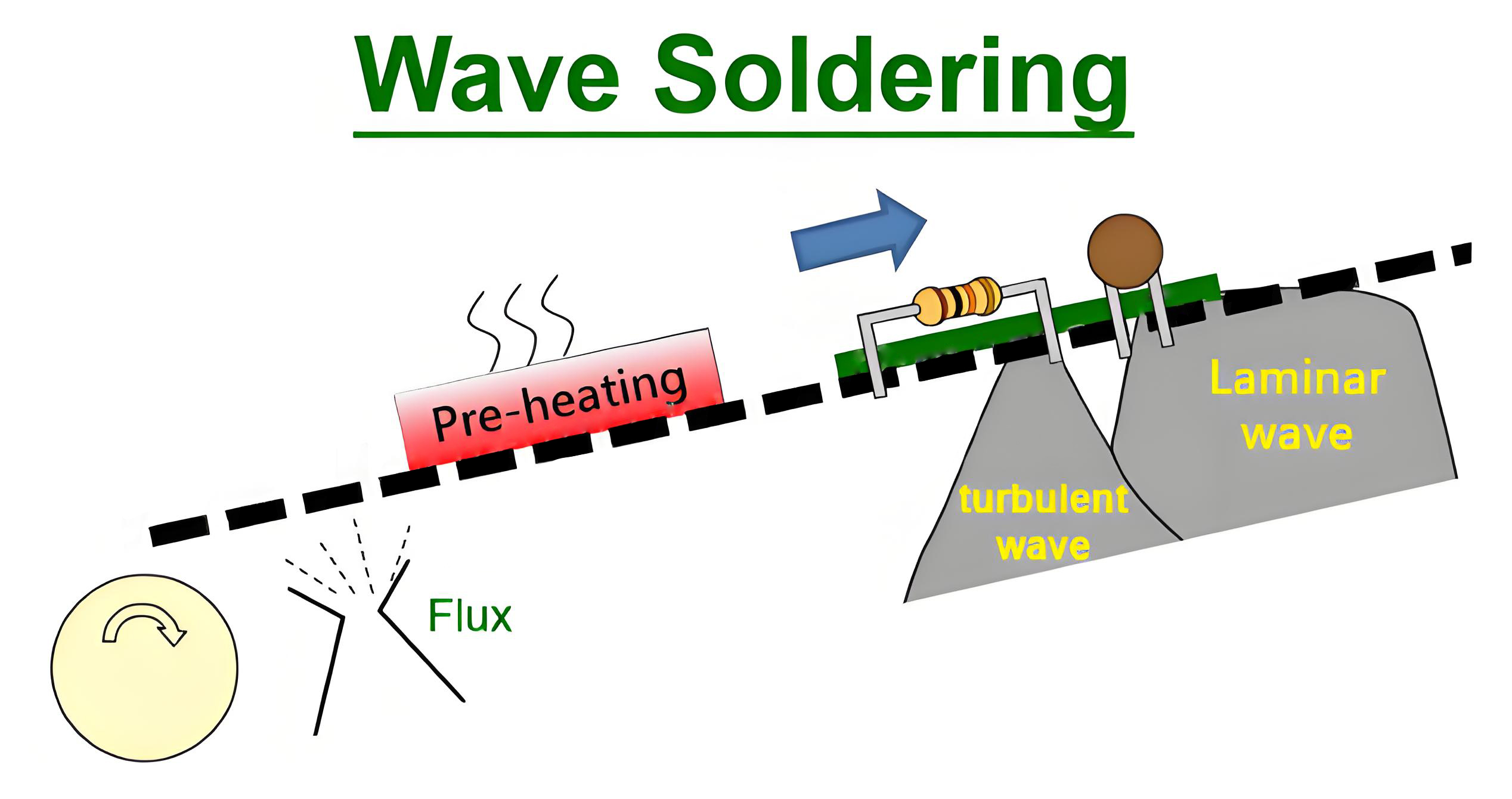
ウェーブはんだ付けは主にスルーホール技術に使用されます (tht) スルーホールコンポーネントを備えた混合アセンブリ. その核となるロジックは、 “はんだの継続供給, その後濡れて固まります。” ポンプがタンク内に溶融はんだの波を生成します. プリント基板, コンポーネントが挿入された状態, この波を一定の角度で通過します. 液体はんだがコンポーネントのリード線と PCB パッドを濡らす. 冷却後, 関節が形成される.
2.1 主要なプロセスパラメータの定量的制御
適切なパラメータ設定がウェーブはんだ付けの品質を決定します. 信頼できる業界データによると、はんだ温度が ±5°C 変化すると、コールド ジョイント率が上昇します。 1% に 8%. あ 0.2 コンベア速度の m/min の変動により、ブリッジング欠陥が発生します。 5%.
- はんだ温度: 鉛フリーSAC305用, 標準温度は250〜255℃です. 高温鉛フリー SAC405 は 260 ~ 265°C で動作します. 低温鉛フリー Sn42Bi58 は 180 ~ 190°C しか必要としません, 熱に弱いコンポーネントに適しています.
- コンベヤ速度: 標準範囲は 1-1.5 m/my, 与える 3-5 接触時間の秒数. 接触時間 = 波長 ÷ コンベア速度. 例えば, で 1.2 80mmの波を通過するm/min, 接触時間 = 0.08m ÷ (1.2メートル/分 ÷ 60) = 4 秒.
- 波の高さ: 通常は次のように制御します 1/2 に 2/3 PCBの厚さの. これにより良好な濡れが保証されます.
- 予熱温度: 通常の範囲は 100 ~ 150°C です. これにより、はんだ波に接触する前に PCB が予熱されます。, 熱衝撃による損傷を避ける.
2.2 デュアルウェーブテクノロジー
最新のウェーブはんだ付け機はデュアル ウェーブ システムを使用することが多い. 第一波は大荒れ. すべてのパッドとリードにはんだを均等に分配します. 第二波はスムーズ. 橋や氷柱を除去します. 1つの家庭用電化製品の混合基板生産で, デュアルウェーブパラメータの最適化 (第一波 237°C 1 2番, 250℃での第二波 3 秒) ブリッジ欠陥の減少 4.8% に 1.1%.
3. 主な違いと選択ロジック
リフローはんだ付けとウェーブはんだ付けの本質的な違いは、はんだ供給と形成ロジックにあります。. リフローはんだ付け用途 “定量供給, その後加熱固化させます。” ウェーブはんだ付けの用途 “継続的な供給, その後湿潤固化を行います。”
| 比較の側面 | リフローはんだ | 波のはんだ付け |
|---|---|---|
| 適切なコンポーネント | SMD (抵抗器, コンデンサ, IC, BGAS, 等) | スルーホールプラグイン部品 (コネクタ, 変圧器, 高出力デバイス, 等) |
| はんだ供給 | ステンシル印刷はんだペースト, 定量 | 連続溶融はんだウェーブ |
| 典型的な温度 | ピーク235~250℃ (鉛フリー) | はんだポット 250~260℃ |
| 精度レベル | ファインピッチ (0.3-0.5mm) | より大きなピッチに適しています |
| プリント基板設計 | IPC-7351に従ってください, パッドの熱バランスを考慮する | 影の影響を避ける, コンポーネントのレイアウトが重要, 反り <0.8% |
今日の PCB 設計における重要な原則: 可能な限り表面実装パッケージを選択してください. SMDパッケージはプロセスステップを削減し、効率を向上させます. スルーホール部品を使用する必要がある場合, 現代の PCBA 製造では、混合プロセスが使用されることがよくあります: 最初にSMDをリフローはんだ付けします, その後、選択的ウェーブはんだ付けまたは手動はんだ付けでスルーホール部品を処理します。.
4. プロセスの傾向: 選択ウェーブはんだ付けと真空リフローはんだ付けの台頭
EV充電ステーションの需要, 高出力エネルギー貯蔵, IGBT モジュールは急速に成長しています. 結果として, 従来のウェーブはんだ付けは選択的ウェーブはんだ付けに取って代わられています. この技術は、小型電磁ポンプを使用して、安定したミニはんだウェーブを生成します。. 指定されたパッドのみを正確にはんだ付けします, 熱影響部を大幅に削減 60%. これは、熱に弱いコンポーネントが混在するボードに非常にうまく機能します。. 超高信頼性が求められるパワーモジュール向け, 真空リフローはんだ付けにより空隙率を低減し、信頼性の高いはんだ接合を実現.
グローバル・インフォ・リサーチによると, 世界の PCB および PCBA 市場は、 $82.15 10億インチ 2025. で成長すると予想される 3.2% CAGRとそれを超える $102.33 10億 2032. この急速に成長する業界において, プロの PCBA サプライヤーは、はんだ付けプロセスを継続的に最適化することで競争力を高めます.
結論: 正しい選択が価値を生み出すようにしましょう
リフローはんだ付けとウェーブはんだ付けはどちらも、はんだ間の信頼性の高い冶金的接合を実現することを目的としています。, パッド, そしてリードします. 実際の制作では, 選択はコンポーネントの種類によって異なります, プリント基板設計, バッチサイズ, 信頼性のニーズ. 信頼性の高い PCBA はんだ付けソリューションまたは製品のプロセスの最適化が必要な場合, 弊社の専門家チームにお問い合わせください. 基板設計、SMT組立てから最終製品組立までワンストップサービスを提供します. お客様の設計を効率的に信頼性の高い製品に変えるお手伝いをします.