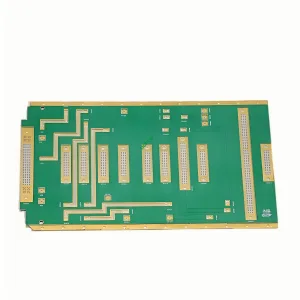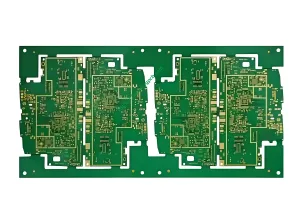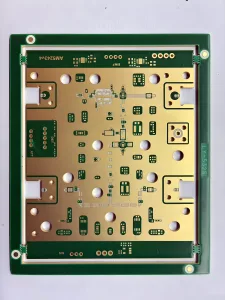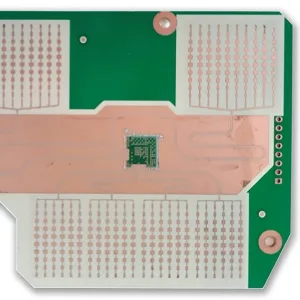
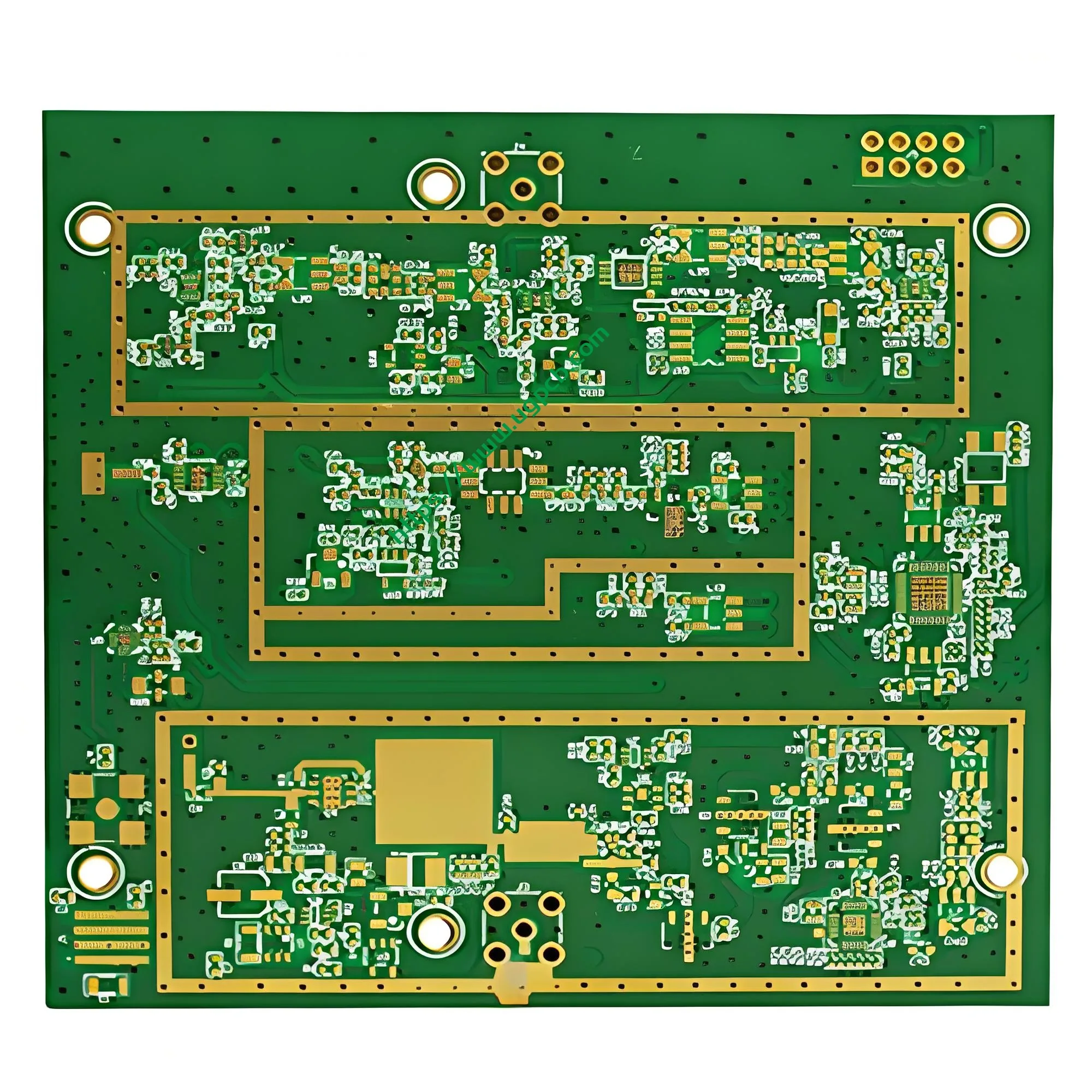
1. 製品の定義: 6層ロジャースとは + FR4 ハイブリッド スタック PCB?
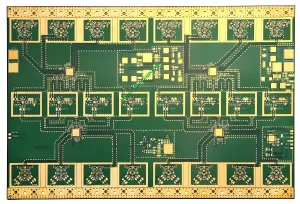
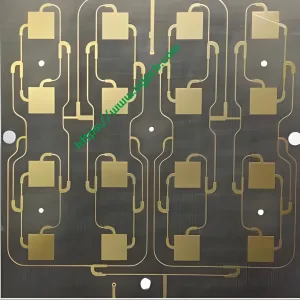
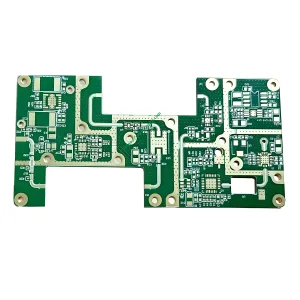
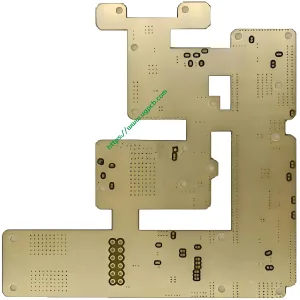
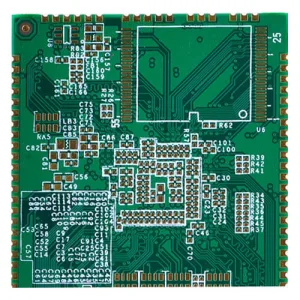
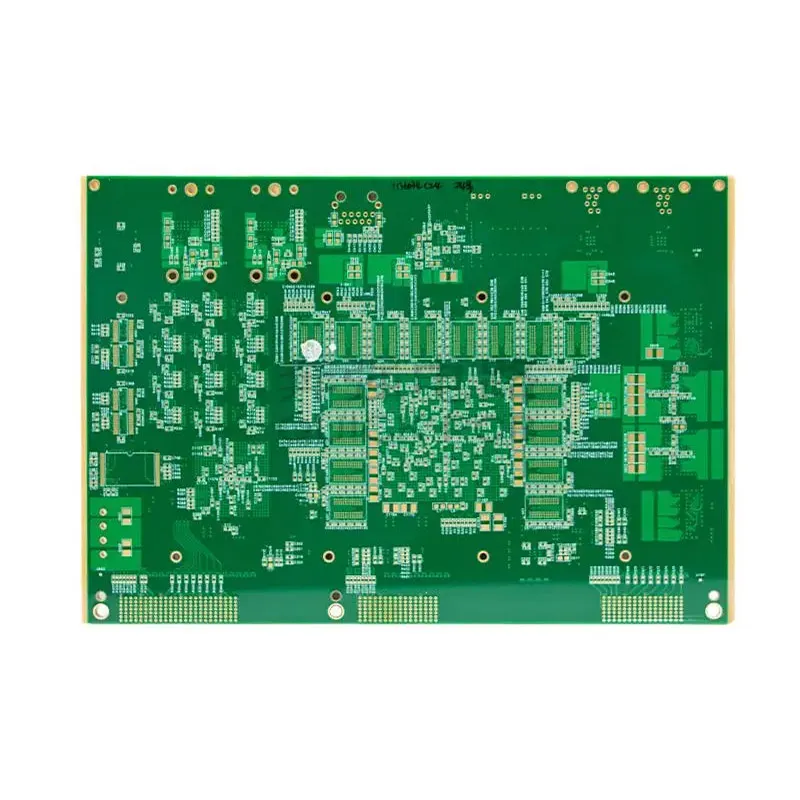
6層ロジャース + FR4 ハイブリッド スタック PCB は、多誘電体積層回路基板です。. ロジャース高周波素材を組み合わせています (通常 RO4000 シリーズ) 標準付き FR-4基板 単一の積み重ねで.
この6層PCBでは, ロジャース層は高周波 RF 信号を伝送します. FR4層は低速信号を処理します, 配電, および機械的サポート. 特殊なボンドプライ シートが高温高圧下でさまざまな素材を接着します。. Rogers が外側のレイヤーに配置され、FR4 が内側のレイヤーに配置される対称的なスタックアップの場合, ハイブリッド ソリューションで節約できる 30% に 50% 完全なロジャース設計と比較した材料コスト. 同時に, RF性能はほぼ同じ.
2. 科学的分類 & 命名基準
この製品は次の業界標準カテゴリに該当します:
- 材料構造による: 混合誘電体高周波プリント基板
- レイヤー数別: 6-層硬質多層基板
- IPC基準によると: IPC-6012 (リジッドプリント基板) / IPC-4103 (高周波基材)
- 用途別: 5G基地局パワーアンプモジュール
- プロセス機能別: ハイブリッドラミネート / ハイブリッドプレス基板
3. 主要なパラメータ & 材料仕様
3.1 基板: ロジャース + FR4ハイブリッド
この 6 層ハイブリッド積層 PCB は、ロジャース炭化水素セラミック材料を使用しています。 (RO4350B が最も一般的なタイプです) FR4との組み合わせ. RO4350B 高速・高周波ベース材料のIPC-4103に準拠. 標準的な FR4 生産ラインで処理可能.
以下の表は、ロジャースの公式データブックからの主要な電気的特性を示しています。:
| 材料 | DK @ 10GHz | DF @ 10GHz | TG (℃) | UL 94 可燃性 | 熱伝導率 (w/m・k) |
|---|---|---|---|---|---|
| RO4350B | 3.48 ±0.05 | 0.0037 | >280 | V-0 | 0.62 |
| RO4003C | 3.38 ±0.05 | 0.0027 | >280 | n/a | 0.71 |
| RO4835 | 3.48 ±0.05 | 0.0037 | >280 | V-0 | 0.66 |
データソース: Rogers RO4000 シリーズ データシート
FR4部品には高Tg強化ラミネートを使用 (TG >= 170℃) IPC-4101/126に準拠. 通信機器に求められる熱サイクル安定性を満たします。.
3.2 銅の厚さ & 板厚
- 銅の厚さ: 1 オンス (35 μm) すべての信号の銅仕上げ, 力, とグランド層.
- 総板厚: 2.3 mm. この厚さにより機械的剛性のバランスが取れています。, ラミネートの安定性, 大電流ネットワークの熱拡散.
3.3 はんだマスク & シルクスクリーン
- ソルダーマスクの色: 緑 (カスタマイズ可能な)
- シルクスクリーンの色: 白 (カスタマイズ可能な)
3.4 表面仕上げ – ENIG (エレクトロレスニッケルイマージョンゴールド)
この 6 層 PCB は最終表面仕上げとして ENIG を使用しています. ニッケル層は拡散バリアと機械的保護を提供します。. 金層によりはんだ付け性が確保されています, 耐酸化性, 低接触抵抗. ENIG は複数回のリフローサイクルにも耐えます. 高周波チャンネル用, 滑らかな表面により表皮効果の損失が軽減されます.
3.5 外層トレース幅 / 間隔
外層のデザインには、7 ミルトレース幅と 7 ミル間隔 (約. 178 μm / 178 μm). この選択はいくつかのニーズを満たします:
- 達成 50 6 層ハイブリッドスタックアップ上の RF 信号のオーム特性インピーダンス.
- 主流の PCB 製造におけるパターン転写の高歩留まりウィンドウに適合.
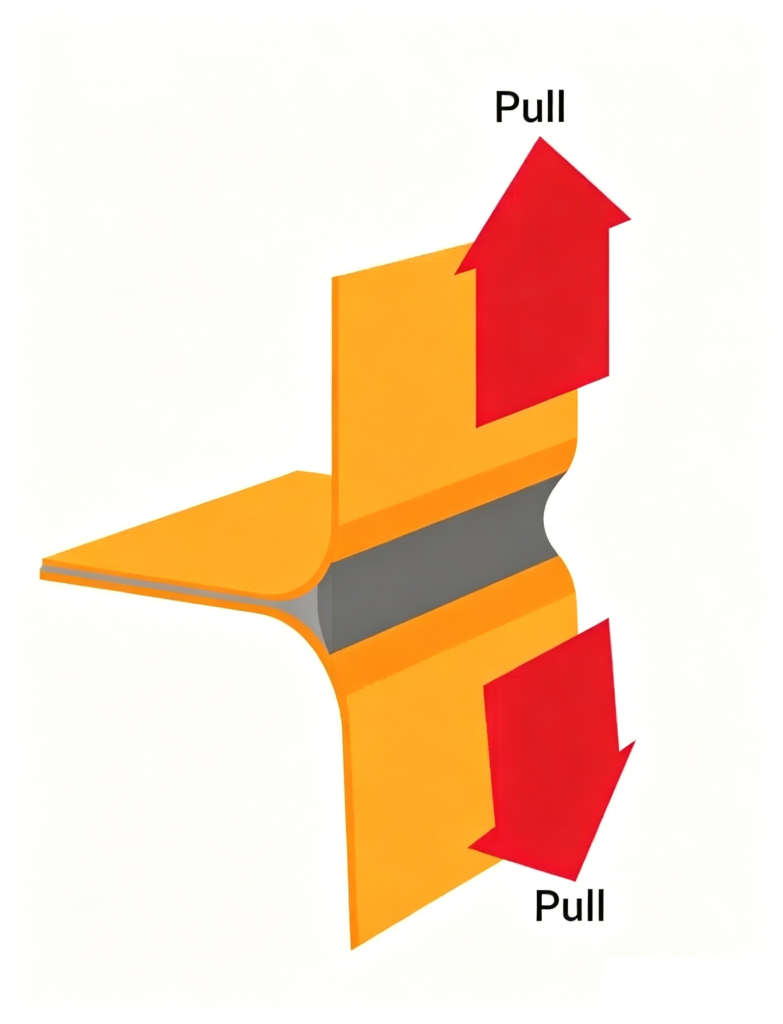
- 十分な銅剥離強度と通電容量を提供します.
4. スタックアップ構造 & 6 層 PCB の設計原則
スタックアップ設計がハイブリッドメディアの核心 プリント基板の製造. IPC-2221Bによると, 6 層ハイブリッド スタックアップは次の原則に従う必要があります。.
4.1 対称原理 (低反り)
この製品は対称スタックアップを使用しています: 層 1 とレイヤー 6 ロジャースの素材です (RFマイクロストリップ信号を伝送). レイヤー 2 に 5 FR4です (完全なグランドプレーンを含む, 電源プレーン, および低速制御トレース).
対称的な積層により、高温ラミネートおよびリフローはんだ付け時の熱応力のバランスがとれます。. 反りは以下にとどまります 0.6% 一般的な生産ラインでは. 非対称なデザインでは、上記の反りに達する可能性があります 1.2%.
4.2 信号 - 基準面の隣接性 (RF信号の完全性)
高速RF信号層 (層 1) 固体の接地基準面のすぐ隣に位置する (層 2). これにより、マイクロストリップまたはコプレーナ導波路構造が形成されます。. 戻り電流は最短経路をたどります, これにより、ループインダクタンスと放射EMIが低減されます。.
この6層PCBでは, すべての信号層には隣接する完全な銅プレーンがあります. これによりクロストークが抑制され、EMI耐性が向上します。.
4.3 電源とグランドプレーンのペアリング (低い PDN インピーダンス)
層 3 とレイヤー 4 配電プレーンおよびメイン グランド プレーンとして機能します。, それぞれ. それらは密接に結合されています. 2.3mm基板内でそれらの間の誘電体の厚さを制御することにより, 配電ネットワーク (PDN) インピーダンスは数十ミリオームまで低下する可能性があります. これにより、パワーアンプの過渡電流要求をサポートします。 (PA) トランジスタ.
4.4 プロセスの互換性 & インピーダンス制御
IPC-2221によると, 高速 PCB の一般的なインピーダンス許容差は次のとおりです。 +/-5%. 高精度の高周波マイクロ波設計または 100Gbps+ デジタル相互接続が必要な場合があります +/-3%. この商品の対象となるのは、 +/-5% 検証の許容範囲.
5. 作業原則: 混合誘電体における電磁信号の伝送
5.1 RF信号の伝播
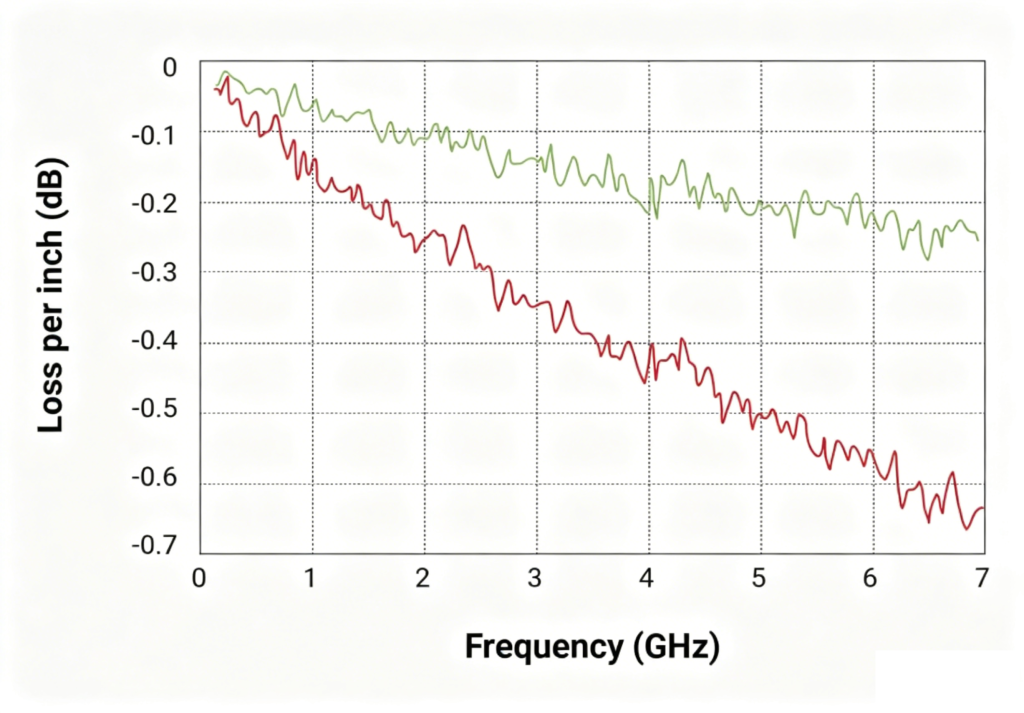
この 6 層 Rogers+FR4 ハイブリッド PCB では, 高周波マイクロ波信号は、ロジャース誘電体のマイクロストリップまたはストリップライン構造内を伝わります。. ロジャース材料は非常に低い散逸率を持っています (DF = 0.0037 RO4350B (10GHz) 用) 安定した誘電率 (dk = 3.48 +/-0.05). 結果として, GHz 周波数での信号減衰は FR4 よりもはるかに低い.
RO4350Bのマイクロストリップライン用, 28GHz での挿入損失は約 0.4 db/inch. 標準 FR4 材料は、同じ周波数で以上の効果を示します。 1.2 db/inch.
5.2 ハイブリッド媒体におけるシグナルインテグリティ
ハイブリッド スタックアップは材料分離戦略を使用します。. 高周波に敏感な信号はロジャース層で実行されます (低損失誘電体を備えた外側または内側). 配電とデジタル制御は FR4 内層を使用. このアプローチは、完全なロジャース設計と比較してコストを大幅に削減します。. 異なる誘電率の境界での反射とタイミングエラーを回避するため, エンジニアは誘電体の厚さを正確に計算する必要がある, トレース幅, と基準面の間隔. 次に、TDR インピーダンス テストで設計を検証します。.
6. 応用: 通信業界のパワーアンプ
この6層は ハイブリッド基板 のために特別に設計されていますパワーアンプ (ない) で通信業界. 典型的な使用例には次のものがあります。:
- 5G マクロおよびスモールセル基地局 (RFフロントエンドモジュール) : サブ 6GHz およびミリ波帯域の PA 出力電力は 30W を超えることがよくあります. マクロ基地局 PA は 50W 以上に到達可能. ボードは、低損失の RF パスと信頼性の高い熱放散の両方を提供する必要があります。.
- 大規模 MIMO アンテナ アレイ: 高周波基板は複数のトランシーバーをホストする必要がある (TR) コンポーネントと制御回路. 6層ハイブリッド構造によりRFセクションとデジタルセクションを効率的に分離.
- アクティブアンテナユニット (AAU) そして小さな細胞: これらには、信号の完全性と電力の完全性のバランスが必要です. ハイブリッド 6 層設計は、最適化された層機能割り当てにより高密度配線要件を満たします。.
核となる利点は明らかです: ロジャース層は RF 信号の超低損失を実現します, 一方、内側の FR4 層は DC 電源と GaN/GaAs PA トランジスタの制御ロジックを伝送します。. これにより、全体の挿入損失と熱抵抗が通信 PA の厳しい制限内に抑えられます。.
7. 製品性能: 電気, 熱 & 信頼性の指標
7.1 RF 電気的性能
- 誘電率の安定性: RO4350B の典型的な Dk は次のとおりです。 3.48 10GHz での許容誤差 +/-0.05. また、-50°C ~ 150°C まで良好な温度安定性を維持します。 (TCDk ≈ 50 ppm/°C).
- 散逸係数: Df <= 0.004 3.5GHzから28GHzまで. これにより、RF チャネルの挿入損失が 5G 要件を満たすことが保証されます。. 例えば, 28GHzで, DF = 0.0037 同じ厚さの標準的な FR4 ボードよりも損失が大幅に低くなります。.
- インピーダンス制御: 7/7mil のトレース/スペース、適切な誘電体の厚さと基準面のレイアウトを備えたもの, ボードが達成する 50 オーム +/-10% インピーダンス. これは、標準通信モジュールの RF ポート要件と一致します。.
7.2 熱性能
- 熱伝導率: RO4350B が提供するのは 0.62 w/m・k, 標準FR4よりも優れています. これにより、PA のホットスポットから銅のビアとパッドを介して熱が拡散します。.
- ガラス遷移温度: ロジャース素材はTgを持っています > 280℃. 高 Tg FR4 内層は Tg を備えています。 >= 170℃. これにより、広い温度範囲にわたって剛性が確保され、良好なリフローはんだ付けマージンが得られます。.
7.3 信頼性指標
- 可燃性評価: RO4350BはULです 94 V-0 認定された, 通信機器の安全基準を満たしている.
- 吸湿性: RO4350Bは吸湿性があります <= 0.06%. 湿気の多い環境でも電気的性能は安定しています.
- ラミネート接着力: 専用のボンドプライ (例えば。, RO4450F) ロジャースとFR4の間の強い絆を保証します. 熱サイクル試験では層間剥離は見られません.
- プリント基板の製造 & 検査: この製品は IPC-6012 に従って製造および承認されています. すべての重要なパフォーマンス指標は出荷前に完全にテストまたはサンプルテストされています.
8. 構造的特徴
①ハイブリッド誘電体分離: RF信号層は低損失ロジャースを使用. 残りの層には高Tg FR4を使用. これにより、パフォーマンスとコストの間の正確なトレードオフが得られます。.
②完全に対称的なスタックアップ: L1とL6はロジャース. L2~L5はFR4. 対称性により反りを最小限に抑えます.
③内蔵電源プレーンとグランドプレーン: 完全な銅の内部プレーンが低インピーダンスのパスと EMI シールドを提供します.
④厚板設計 (2.3mm) : 高出力 PA デバイスに構造的剛性と熱質量を提供します.
⑤高精度外層パターン: 7/7ミルトレース/スペースにより正確な 50 オームRF伝送線路.
⑥ENIG表面仕上げ: フラット, 低粗さのパッド表面により、はんだ付け性と接触信頼性を確保しながら、高周波での表皮効果損失を最小限に抑えます。.
9. 製造工程: 8 主要なステップ
①材料の準備 & 受入検査 – Rogers 高周波積層板と FR4 コアを IPC-4103 および IPC-4101 に対してチェックします。.
②内層イメージング (L2~L5) - 使用 LDI 露光とアルカリエッチングによる電源プレーンの形成, 地上飛行機, FR4 コア上の制御トレース.
③内層AOI & 酸化処理 – 自動光学検査を実行し、次に黒色酸化処理を実行します。 / ラミネートの密着性を向上させる褐色酸化処理.
④ハイブリッドラミネート準備 & 押す – スタックロジャースコア, ボンドプライ, FR4インナーレイヤーを積層に応じて交互に配置. 高温高圧下でラミネートします. 一般的なラミネート温度: 190℃~218℃. プレッシャー: 200 に 300 PSI (約. 14 に 21 バー).
⑤ 穴あけ & 金属化 – 高品質のタングステンカーバイドビットを使用してスルーホールを穴あけします。. その後デスミアを実行します, 無電解銅めっき, 層間の接続を作成するためのパネルメッキ. 一部の重要なグランドビアは樹脂で塞がれている場合があります.
⑥ 外層イメージング (L1とL6) - さらす, 開発する, 7/7mil RFマイクロストリップラインを形成するためにエッチングします.
⑦ ソルダーマスク & 伝説 – 緑色のソルダーマスクインクを基板全体に塗布します. 高温で硬化し、白い凡例をスクリーン印刷します。.
⑧ 表面仕上げ – ENIG – 回路パッド上の3~5μmのニッケルの上に0.05~0.1μmの金を堆積します。. ついに, 電気試験と最終検査を行う, その後真空パックして発送します.
ハイブリッドラミネートの特殊加工中, ランプレートを制御する, プレッシャー, ボンドプライ素材のマッチングを慎重に行う. これにより、高密度が確保されます。, 異なる誘電体間のボイドのない結合.
10. UGPCB の 6 層ロジャース + FR4 ハイブリッド高周波 PCB を選択する理由?
❶17+ 長年にわたるRF PCB製造経験 – UGPCBは終わった 10 での長年の経験 高周波プリント基板 中国での開発と生産. 当社には、Rogers+FR4 ハイブリッド ラミネートの成熟したプロセス制御があります.
❷コスト削減 30% それ以上 – 重要な RF レイヤーでのみ Rogers を使用し、その他の部分では FR4 を使用する, 私たちは少なくとも節約します 30% 完全なロジャース設計と比較した材料コスト.
❸UL 94 V-0 および IPC コンプライアンス – RO4350BとVを使用します-0 定格および高 Tg FR4. これにより、通信基地局と業界品質のシステムに対する火災安全要件を満たします。.
❹ワンストップサービス – UGPCB はガーバーのデザインレビューからすべてを担当します, ハイブリッドスタックアッププロセスシミュレーション, サンプルプロトタイピング, 量産へ. これにより、サプライチェーンの通信オーバーヘッドが削減されます.
❺100% 電気試験とインピーダンス検証 – 私たちは使用します 飛行探査機 またはすべてのボードの治具テスト. 製品が設計の期待と一致していることを確認するために、重要なインピーダンスラインで TDR テストを実行します。.
11. 見積もりの依頼方法?
エンジニア, 調達スペシャリスト, およびr&D マネージャーは、UGPCB に RFQ を送信することを歓迎します。. 6 層 Rogers+FR4 ハイブリッド PCB または同様の高周波 PCBA 製造サービスが必要な場合, 下記までご連絡ください:
- ガーバーファイルを送信する, PCB仕様書 (厚さ2.3mmを含む, 1oz銅, ENIG仕上げ), ターゲットのインピーダンス要件.
- アプリケーションを指定してください (通信用パワーアンプ) およびボリューム要件.
今すぐ見積もりをリクエストする – UGPCB は迅速なエンジニアリングレビューと競争力のあるボリューム価格を提供します. 当社のテクニカル サポート チームが、ハイブリッド スタックアップの設計レビューをお手伝いします。. 高周波性能と量産性のベストバランスを実現します。.
重要なメモ: Rogers RO4000 シリーズの電気特性 (DK, Df, TG, 熱伝導率, 等) この文書で引用されているのは、ロジャースの公式データシートからのものです. IPC-2221B への参照, IPC-6012, IPC-4103, およびその他の IPC 標準は、公的に入手可能な IPC 技術文献に基づいています。. すべてのデータは、最終的な参照として、元の製造元および IPC 発行の文書と照合して検証する必要があります。.