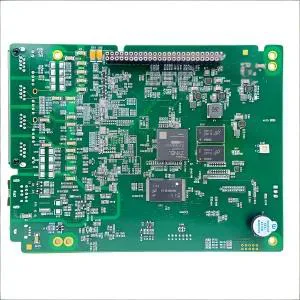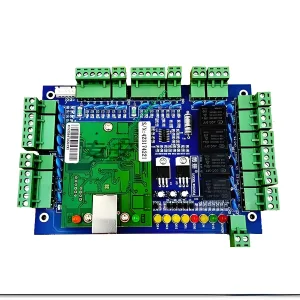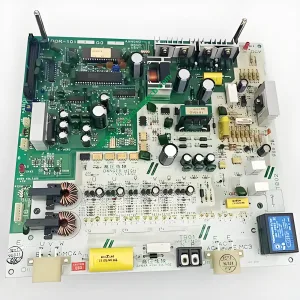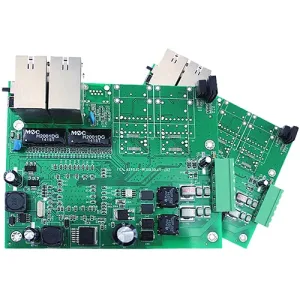
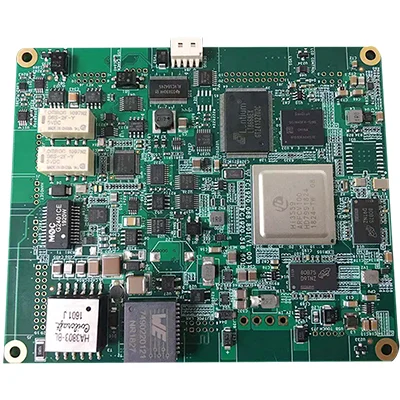
Control Panel Component
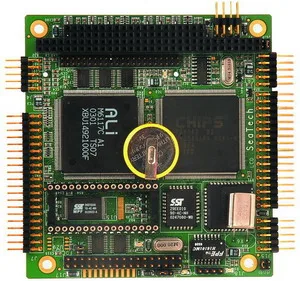
The aerospace industry requires more robust printed circuit boards (PCB) than most traditional electronic devices. Ad esempio, components used in many control towers, aeroplani, satelliti, and space shuttles must be highly reliable when dealing with high temperatures and pressures.
If these parts fail, the consequences could be devastating for the crew and cargo on board.
Perciò, PCB manufacturers for the aerospace industry need to go beyond their duties to ensure their PCBs are extremely durable and reliable. Fortunatamente, Sono stati compiuti progressi significativi nel campo dei PCB aerospaziali, perché le schede elettroniche di oggi sono più efficienti e sicure di quelle del passato.
Temperature elevate
Alcune persone potrebbero non sapere che la temperatura spaziale può scendere fino a -150 gradi Celsius o addirittura inferiori in determinate condizioni. Perciò, i dispositivi elettronici inviati nello spazio devono essere sufficientemente resistenti da resistere sia alle alte che alle basse temperature.
Va inoltre notato che poiché questo ambiente è vuoto, il calore non può essere trasferito attraverso l'aria attraverso lo spazio. Così, il calore può essere trasferito solo attraverso mezzi radiativi nello spazio. Fortunatamente, I produttori di PCB aerospaziali utilizzano materiali molto specializzati come l'alluminio, rame, e substrati laminati con proprietà ad alta temperatura.
Inoltre, most aerospace PCBs will use thermal compounds for further insulation to isolate heat and ensure it does not transfer to other electronic components. Inoltre, some components are positioned about one-tenth of an inch away from the surface of the board.
In alcuni casi, space can be utilized to facilitate the thermal distribution of heat. For aviation, fans can be used to remove excess heat. Oxidation due to overheating is also a concern, so anodized aluminum can be used to address oxidation issues related to heat.
Shock Absorption Needed
Mechanical abuse is also a problem, as aerospace equipment and components are subjected to vibrations and excessive shocks. Perciò, some PCBs may need modifications to withstand such harsh conditions.
Per esempio, unlike traditional soldering methods, pins can be pressed into the PCB to secure them in place.
Alternatively, engineers can choose to use both solder and pins as an additional safety measure. Inoltre, engineers can add thermal conductive adhesives to the circuit boards to reduce the impact of fluctuations on components.
Another strategy to help PCBs withstand extreme temperatures, vibrations, and shocks is to leave tiny gaps between the surface of the circuit board and the components. Da questa parte, stress on the PCB can be reduced.
Emissivity
Radiation is another factor that space equipment must be able to handle, as radiation levels in space are higher than on Earth. Perciò, these circuit boards need to be configured to withstand the high radiation levels that could damage space equipment.
To achieve this, engineers can use certain special components or materials to protect the related electronic devices from radiation. Inoltre, i componenti diventeranno più piccoli del normale per ridurre il numero di componenti vulnerabili agli effetti dannosi delle radiazioni.
Inoltre, è possibile effettuare backup in modo che un disastro radioattivo non influisca sull'intera operazione. La tecnologia anti-fusibile è un altro vantaggio per l’industria aerospaziale, poiché può essere utilizzato per creare percorsi di corrente permanenti tra transistor.
È stato inoltre dimostrato che la tecnologia antifusibile è più resistente agli effetti nocivi delle radiazioni rispetto ad altri metodi meno recenti. In alcuni casi, strati più sottili di materiali possono essere utilizzati per creare circuiti con maggiore resistenza alle radiazioni.
Sfide RF
Nel settore aeronautico, Anche le onde radio sono necessarie per la comunicazione, pertanto la trasmissione del segnale non deve degradare la qualità del segnale. To achieve this, gli ingegneri possono aggiungere antenne o posizionare strati schermanti in determinate aree del circuito.
UGPCB offre servizi di produzione per pannelli di controllo di componenti aeronautici, fornire servizi PCBA professionali e one-stop. Non esitate a chiamare per una consulenza.