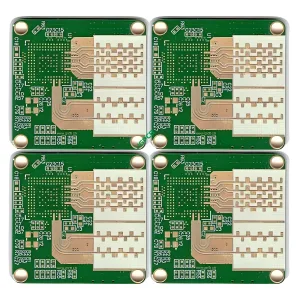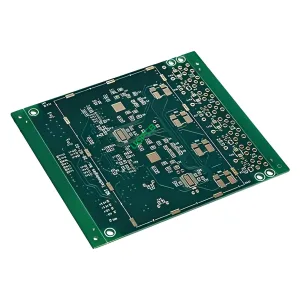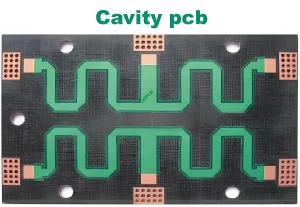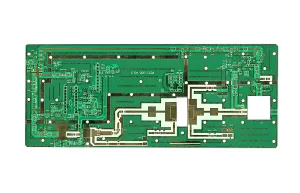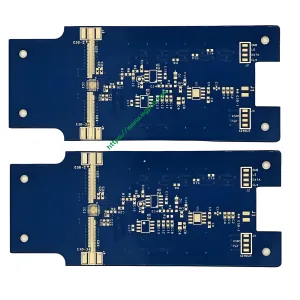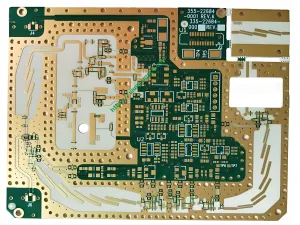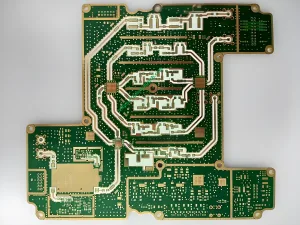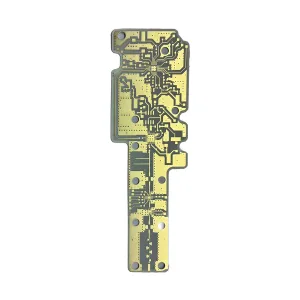
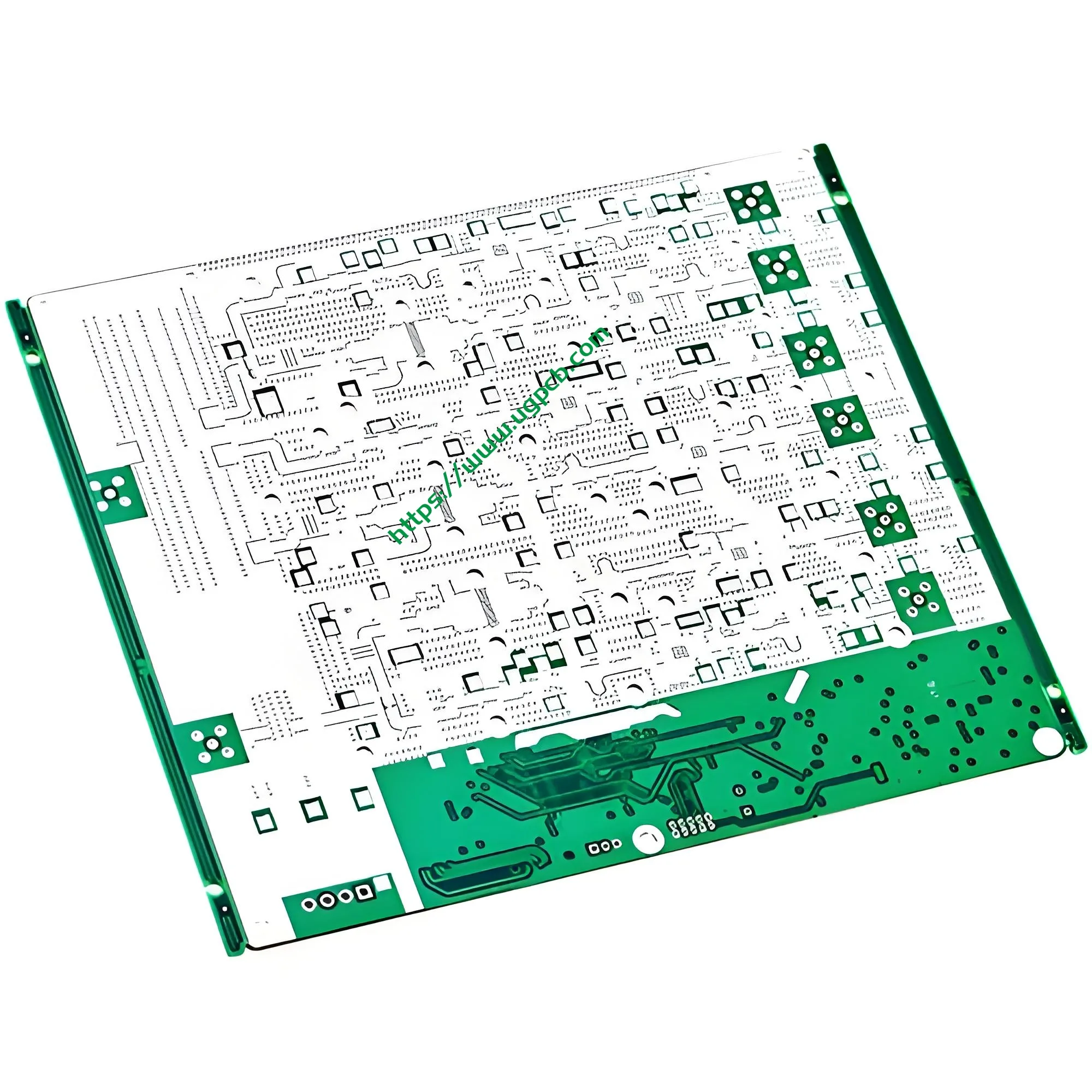
Product Overview: What Is a 4-Layer Rogers Spray Tin PCB Board?
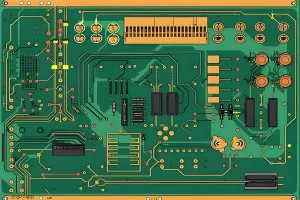
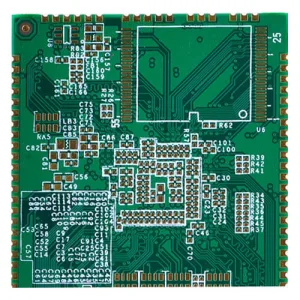
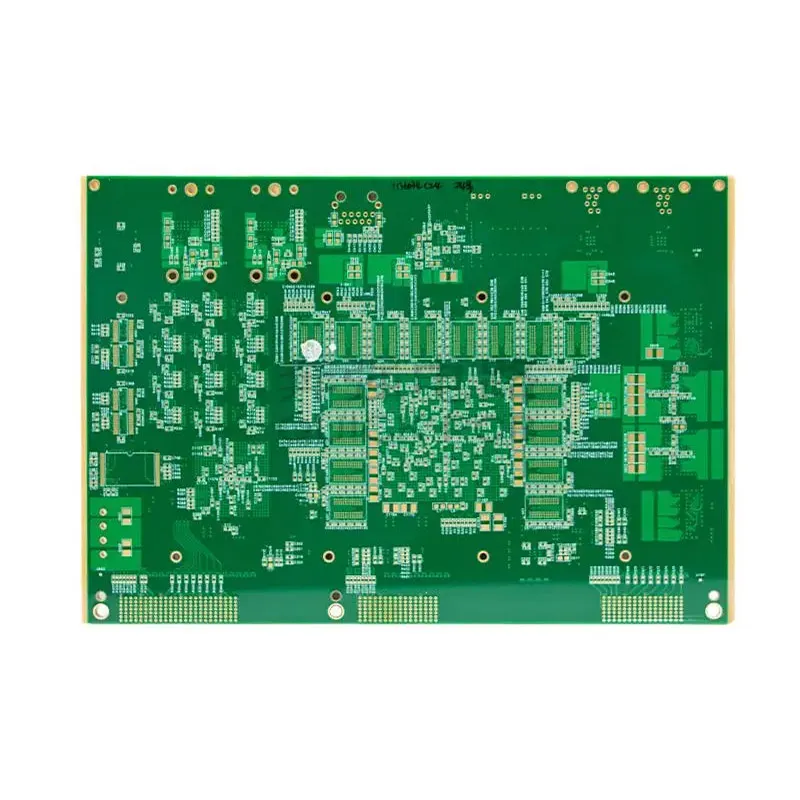
A 4-layer Rogers spray tin PCB board uses Rogers RO4350B high-frequency laminate as its core material. It applies a lead-free hot air solder leveling (HASL) finish. This high-frequency multilayer printed circuit board serves 5G communication base stations, RF front-end modules, and millimeter-wave radar systems. UGPCB offers this product as a key solution in our high-frequency PCB line.
The global high-frequency and high-speed PCB market continues to grow rapidly. According to QYResearch, the market size reached approximately USD 3.611 billion in 2024 and expects to grow to about USD 6.924 billion by 2031. This represents a compound annual growth rate (CAGR) of 9.95%. The 4-layer Rogers spray tin PCB board plays an important role in this expanding market.
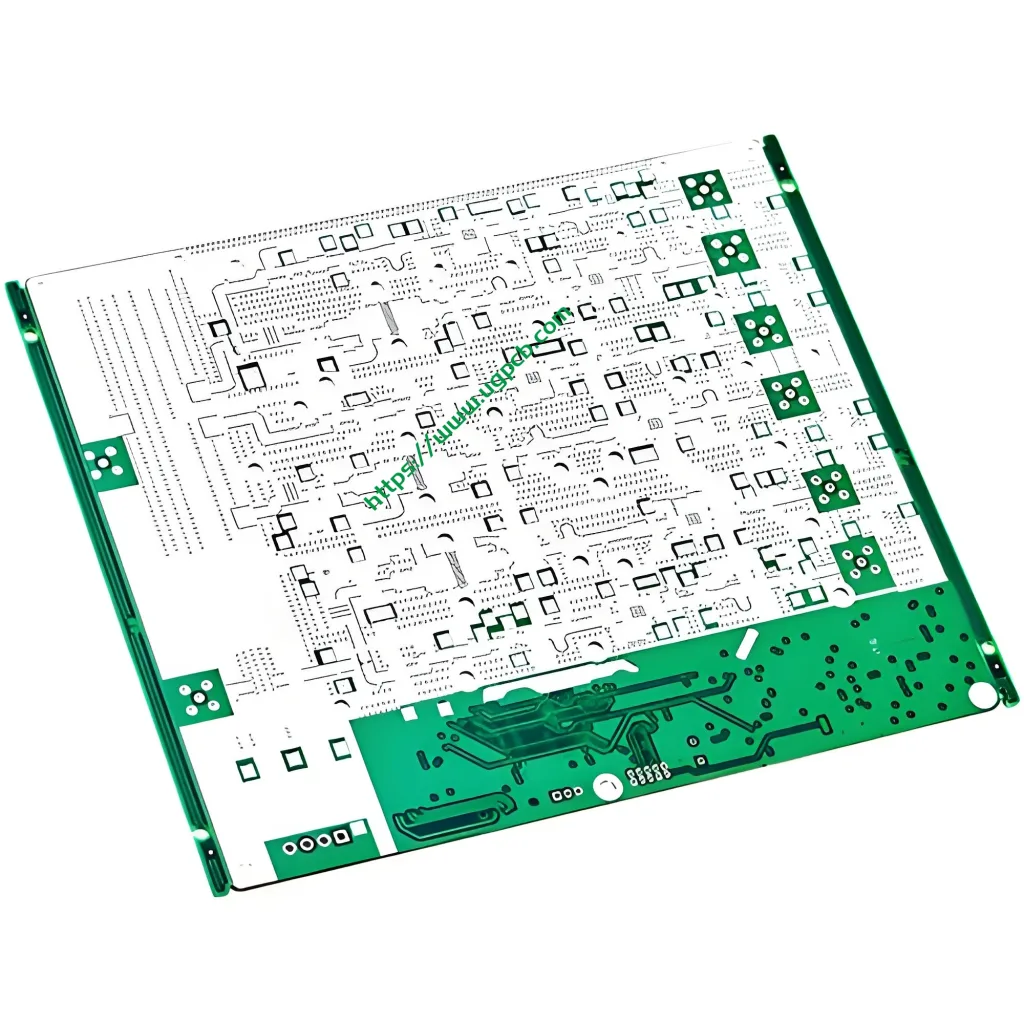
Scientific and Accurate Product Classification
Based on IPC-6012 Qualification and Performance Specification for Rigid Printed Boards, this product falls into the following category: rigid multilayer printed board with plated-through holes, high-frequency laminate, 4-layer structure, lead-free HASL finish. Under material classification, it belongs to ceramic-filled hydrocarbon resin high-frequency copper-clad laminates (RO4000 series), specifically the RO4350B type. For application, we classify it as a base station RF/microwave printed circuit board.
Product Definition and Technical Specifications
UGPCB designs and manufactures this 4-layer Rogers spray tin PCB board as a high-frequency multilayer circuit board. It uses Rogers RO4350B laminate as the primary material. The 4-layer structure achieves high-frequency signal transmission and electrical interconnection. The lead-free HASL process completes the pad surface finish. This design meets both high-frequency performance and environmental compliance requirements for base station subboards.
Key Parameters Table
| Parameter | Specification |
|---|---|
| Base Material | Rogers RO4350B |
| Layer Count | 4 layers |
| Finished Board Thickness | 1.6 mm |
| Outer Copper Thickness | 2 OZ (≈70 μm) |
| Inner Copper Thickness | 1 OZ (≈35 μm) |
| Minimum Drilled Hole Diameter | 0.3 mm |
| Minimum Line Width / Spacing | 5 mil (≈0.127 mm) |
| Surface Finish | Lead-free HASL (Hot Air Solder Leveling) |
| Process Grade | Lead-free process (RoHS compliant) |
Working Principle and Electrical Characteristics
The 4-layer Rogers spray tin PCB board operates based on transmission line theories such as microstrip, stripline, and coplanar waveguide. When high-frequency signals travel along the circuit, the dielectric constant (Dk) of the substrate determines the signal propagation speed and wavelength. The dissipation factor (Df) determines the energy loss during transmission.
Rogers RO4350B material offers excellent properties:
-
Dielectric Constant (Dk): typical value of 3.48 (±0.05 tolerance) at 10 GHz. This tightly controlled Dk value allows precise impedance control to target values like 50Ω or 75Ω. This forms the physical basis for stable high-frequency circuit performance. Rogers official data confirms that both RO4350B and RO4835 maintain Dk tolerance within ±0.05. This far exceeds the ±0.2 or higher variation typical of standard FR-4 materials.
-
Dissipation Factor (Df): typical value of 0.0037 at 10 GHz. This remains much lower than the loss of ordinary FR-4 (≈0.02). It effectively reduces high-frequency signal energy loss, ensuring RF signal transmission efficiency and signal-to-noise ratio.
-
Temperature Stability: RO4350B’s dielectric constant shows excellent stability across a wide temperature range from -50°C to 150°C. The variation rate stays very low (less than 0.05 ppm/°C). This ensures stable operation of base station equipment even in harsh high or low temperature environments.
Product Structure and Stackup Design
This 4-layer Rogers spray tin PCB board uses a typical high-frequency 4-layer stackup configuration. As a rigid multilayer printed board, it must meet IPC-6012 specification requirements. This standard covers final product and surface finish requirements, conductor and via acceptance test frequencies, and quality conformance inspections. It also addresses electrical, mechanical, and environmental performance criteria.
Product Features and Core Advantages
✅ Excellent High-Frequency Performance
The RO4350B substrate features a tight Dk tolerance of 3.48±0.05 combined with a low Df of 0.0037. This allows the 4-layer Rogers spray tin PCB board to support signal transmission up to 10 GHz and even higher frequency bands. It works especially well for RF front-end applications such as base station subboards.
✅ Superior Thermal Stability
RO4350B material exhibits a coefficient of thermal expansion (CTE) that closely matches copper foil. In thermal cycling tests from -50°C to 150°C, the Z-axis CTE remains approximately 40 ppm/°C. This significantly reduces the risk of delamination compared to standard FR-4 materials (which range from 60 to 70 ppm/°C). Thus, this 4-layer Rogers spray tin PCB board ensures high reliability during long-term base station operation.
✅ Good Fabrication Friendliness
Unlike traditional PTFE (polytetrafluoroethylene) high-frequency materials, RO4350B is a thermoset hydrocarbon ceramic composite. Its processing method matches standard epoxy/glass (FR-4). It requires no special via treatment or plasma activation. Therefore, production costs for this 4-layer Rogers spray tin PCB board stay much lower than for conventional microwave laminates.
✅ Strong Process Compatibility
The lead-free HASL surface treatment uses SAC305 alloy (Sn96.5Ag3.0Cu0.5). This complies with RoHS environmental directives. Lead-free HASL offers relatively low cost, good solderability, and good corrosion resistance. According to industry standards like IPC-A-610 and IPC-6012, HASL-finished PCBs have a shelf life of approximately 12 months. Typical tin layer thickness ranges from 1 to 40 μm.
✅ Excellent Flame Retardancy
RO4350B material achieves UL 94 V-0 flame rating. This represents the highest flame retardancy level in the standard for flammability testing of plastic materials. After removing the flame, the material self-extinguishes within 10 seconds and produces no flaming drips. This feature enables the 4-layer Rogers spray tin PCB board to meet the safety and fire protection requirements of base station equipment.
✅ Authoritative Certifications
UGPCB’s 4-layer Rogers spray tin PCB board fully complies with international standard systems. These include ISO 9001:2015 quality management certification, UL 94 V-0 flame rating, IPC-6012 rigid board qualification and performance specification, and IPC-A-600 printed board acceptance standard.
Design Guidelines and Key Considerations
When designing a 4-layer Rogers spray tin PCB board, engineers should focus on the following areas:
1. Impedance Control Design
Transmission line theory gives the characteristic impedance of a microstrip line:

Where εr is the dielectric constant (3.48 for RO4350B), h is the dielectric thickness, w is the trace width, and t is the copper thickness. The stable Dk of this 4-layer Rogers spray tin PCB board provides a physical foundation for precise impedance control. We recommend using impedance calculation software for accurate simulation.
2. Minimum Line Width and Spacing Limits
This product supports a minimum line width and spacing of 5 mil (≈0.127 mm) and a minimum drilled hole diameter of 0.3 mm. Designers must consider manufacturing tolerances. For high-density interconnect needs, maintain proper spacing between signal lines and ground planes to optimize signal integrity.
3. Thermal Management Design
The outer copper thickness reaches 2 OZ (≈70 μm) while the inner copper thickness is 1 OZ (≈35 μm). This thicker copper layer design not only enhances the current-carrying capacity of the 4-layer Rogers spray tin PCB board but also provides excellent heat dissipation. For high-power applications like base station subboards, optimize heat distribution by adding ground via arrays and thermal pads.
4. HASL Process Adaptation
Lead-free HASL requires higher solder pot and hot air temperatures (typically 235–250°C). The soldering temperature can reach 255±5°C. When designing this 4-layer Rogers spray tin PCB board, avoid dense, fine-pitch pads on large copper areas. Also ensure adequate solder mask dam width. This prevents solder bridging issues caused by uneven tin layer thickness.
5. Lead-Free Process Control
Lead-free HASL demands strict process control. The solder pot must use titanium alloy or cast iron to withstand the high temperature corrosion of lead-free solder. The temperature difference across the pot must stay within ±2°C. A powerful hot air system and fast air cooling module ensure uniform tin layer application and leveling.
Manufacturing Process and Quality Control
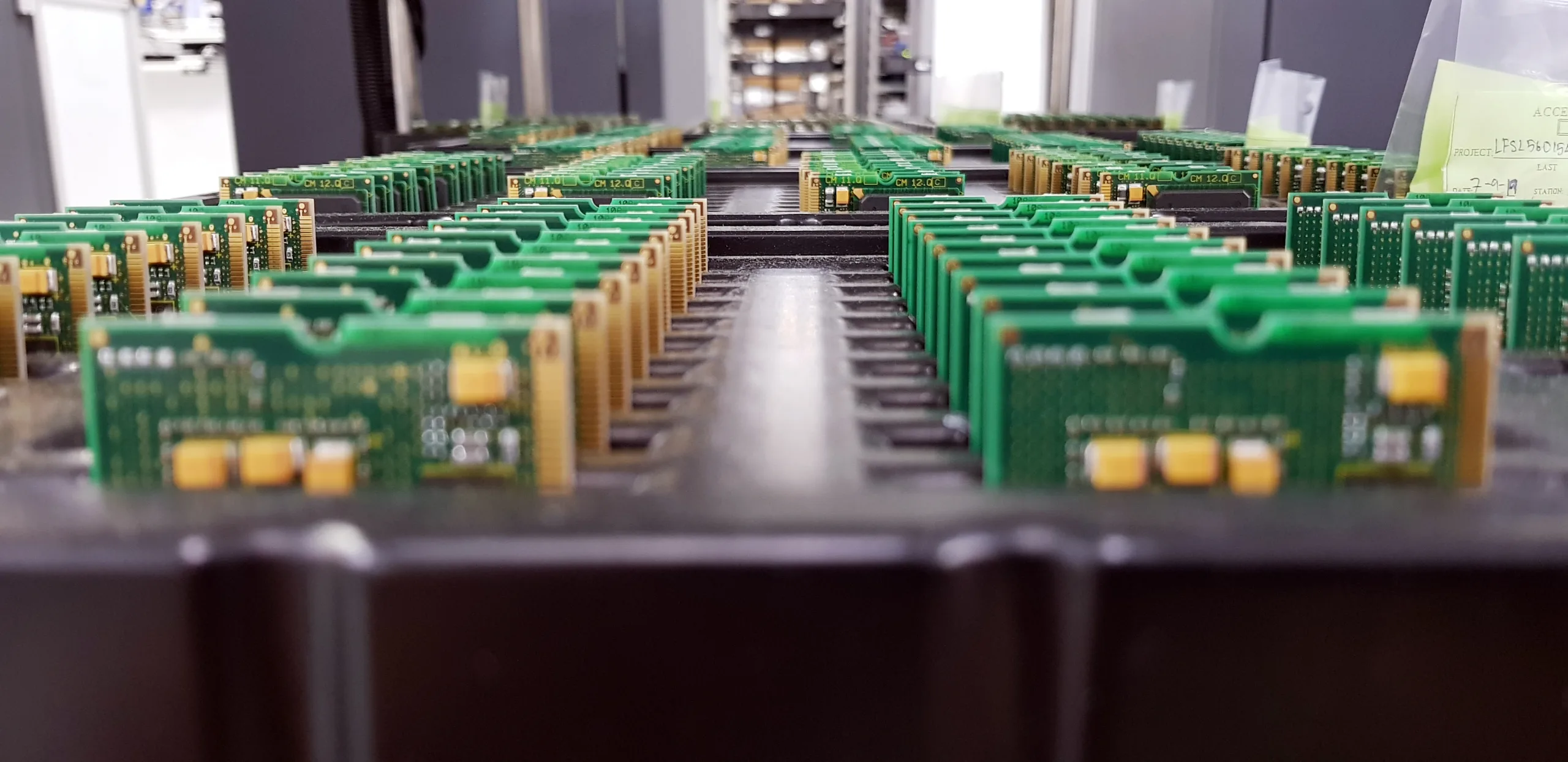
UGPCB follows a standardized process flow for producing the 4-layer Rogers spray tin PCB board. This ensures consistent product quality and reliability. The core manufacturing steps for multilayer rigid PCBs include inner layer circuit formation, lamination and pressing, drilling and via metallization, outer layer circuit formation, solder mask, and surface finishing. UGPCB sets inspection points at each critical stage. All products fully meet IPC-6012 qualification and performance requirements.
Application Scenarios and Use Cases
Primary Application: Base Station Subboard
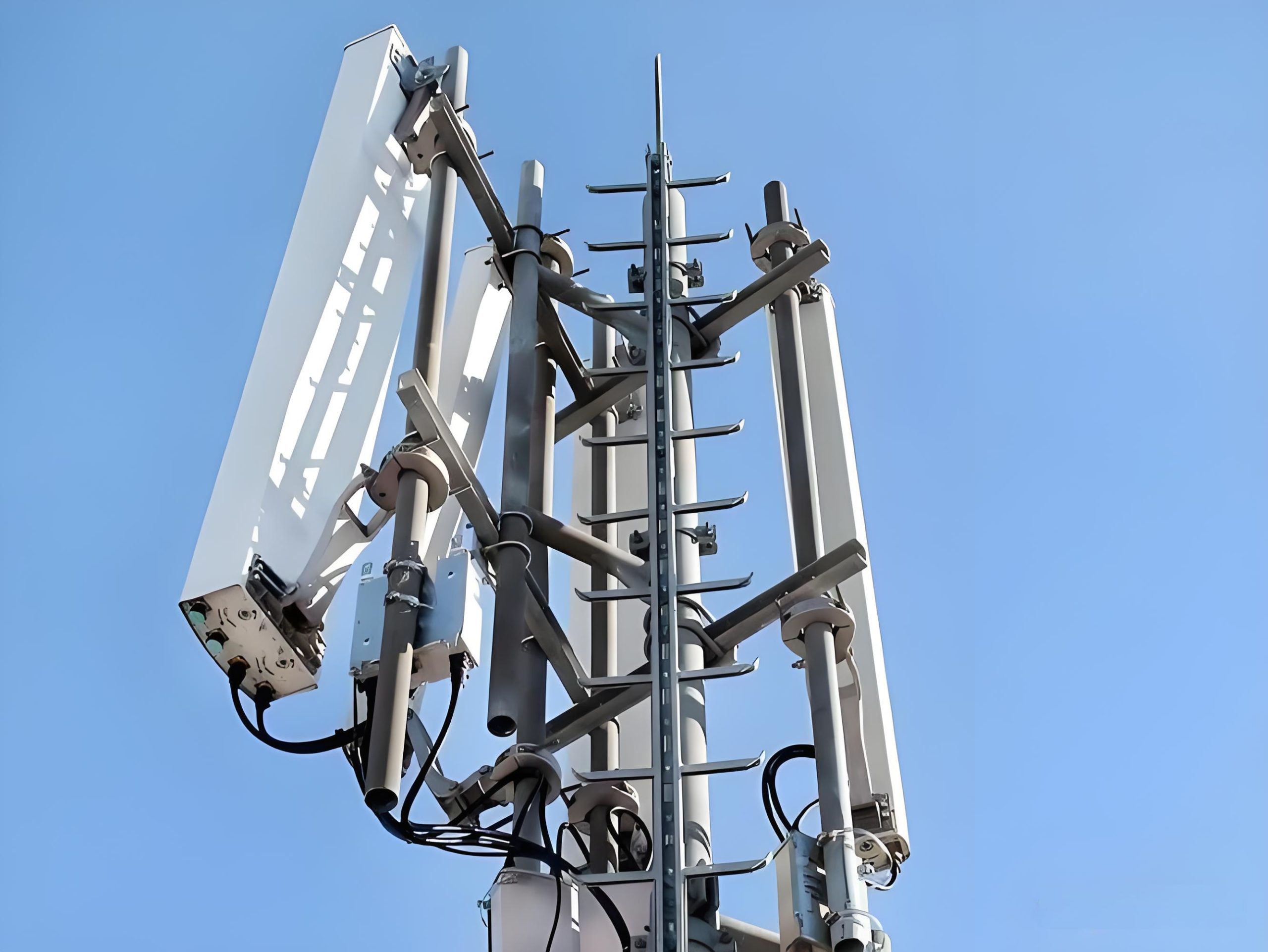
This 4-layer Rogers spray tin PCB board is specifically designed for base station subboards. It serves as a critical interconnect carrier in RF transceiver modules, power amplifier modules, antenna tuning modules, and filters within 5G/4G communication base stations.
Typical Use Cases
| Application Area | Specific Use |
|---|---|
| Communication Infrastructure | 5G macro/small cells, remote radio units (RRUs), active antenna units (AAUs) |
| RF and Microwave Systems | RF front-end modules, frequency synthesizers, microwave transceiver circuits, beamforming networks |
| Millimeter-Wave Radar | Automotive 77GHz/79GHz radar, industrial ranging radar, drone collision avoidance radar |
| Satellite Communications | Phased array antennas, low-earth orbit satellite ground terminals, satellite navigation receivers |
| High-Speed Digital Systems | High-speed backplanes, signal integrity test boards, 100G/400G optical module boards |
| Test & Measurement Instruments | Network analyzer calibration boards, spectrum analyzer front-end modules, oscilloscope probe adapter boards |
Request a Quote or Technical Support
UGPCB provides high-quality 4-layer Rogers spray tin PCB boards and complete high-frequency PCB solutions to global customers. We operate advanced high-frequency PCB production lines and maintain a professional engineering team. We implement full-process quality control from customer design input to final product delivery.
📩 How to Request a Quote or Contact Technical Support
You can reach us through any of the following methods:
-
Visit the UGPCB official website (www.ugpcb.com) and submit an online inquiry form
-
Send your design files (Gerber files) to our sales email address
-
Call our hotline to discuss your technical requirements with our engineers
To speed up your inquiry, please provide the following information:
-
Design Files: Gerber files, drill files, stackup diagram, impedance control requirements
-
Technical Specifications: Special Dk/Df requirements, tolerances, test and acceptance standards for the 4-layer Rogers spray tin PCB board
-
Quantity and Lead Time: Prototype or production phase, target delivery schedule
-
Special Requirements: Flying probe testing, AOI inspection, 100% electrical test
Source Data Statement
This article cites technical data from the following authoritative sources:
-
Rogers Corporation Official Datasheet: RO4000® Series High-Frequency Circuit Materials Data Sheet
-
IPC Standards: IPC-6012 Qualification and Performance Specification for Rigid Printed Boards, IPC-A-610, IPC-TM-650
-
UL Safety Standards: UL 94 Standard for Tests for Flammability of Plastic Materials
-
Market Analysis Report: QYResearch *Global High-Frequency and High-Speed Board Market Research Report 2025*