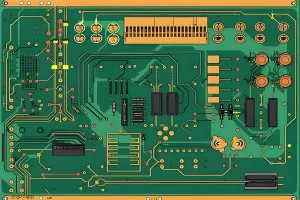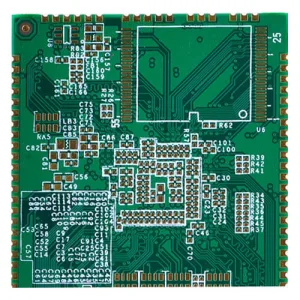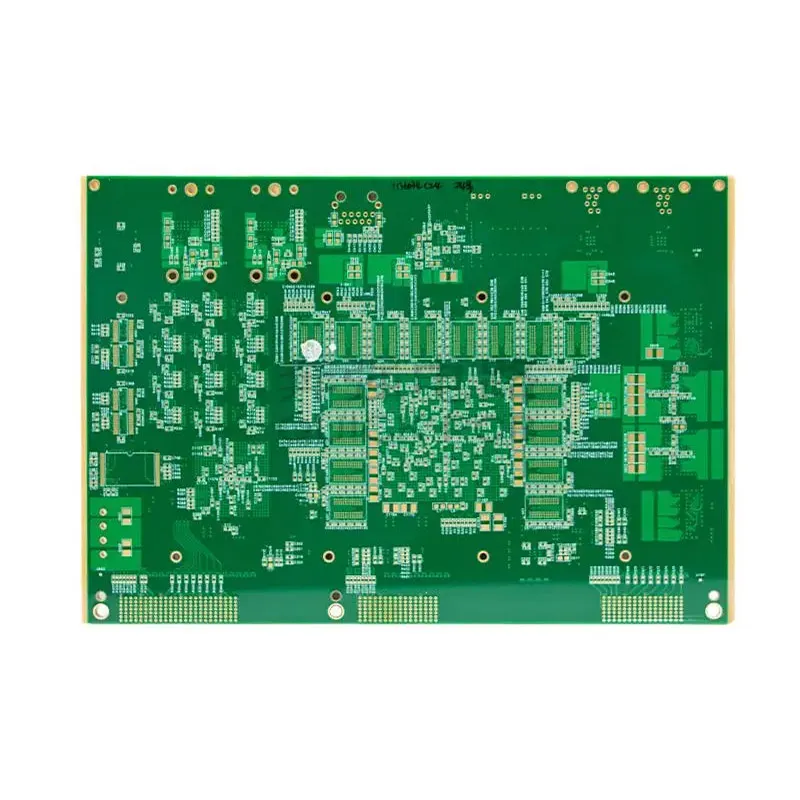
نظرة عامة على المنتج
مثل تصنيع ثنائي الفينيل متعدد الكلور التكاليف تستمر في الارتفاع, يبحث المهندسون ومتخصصو المشتريات بنشاط عن حلول فعالة من حيث التكلفة لا تؤثر على الأداء. ال لوحة دوائر زيت الكربون على الوجهين يقدم إجابة مقنعة لهذا التحدي.
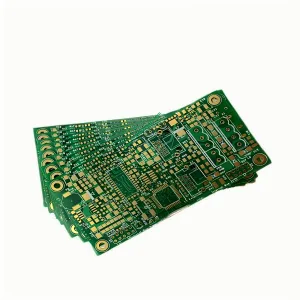
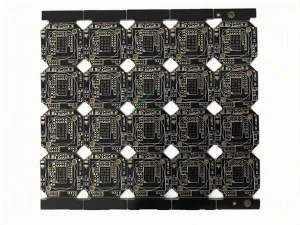
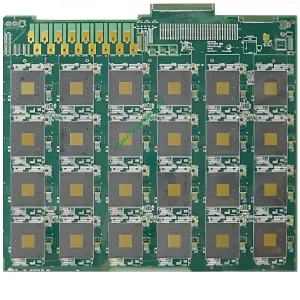
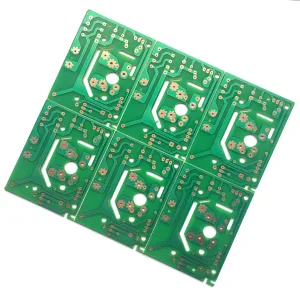
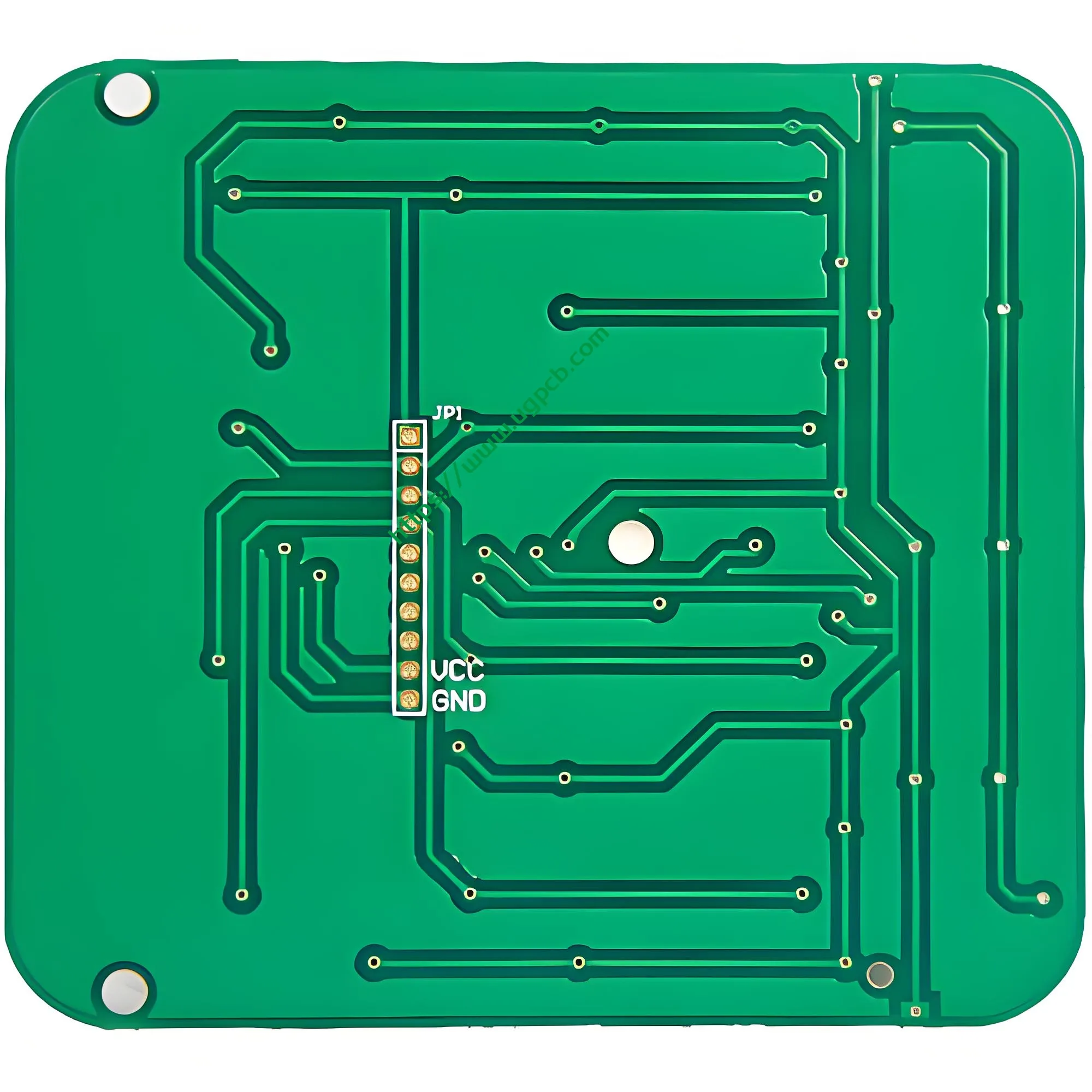
يقدم UGPCB هذالوحة دوائر زيت الكربون على الوجهين بالمواصفات التالية:
| المعلمة | مواصفة |
|---|---|
| المواد الأساسية | FR4 |
| سمك المجلس | 1.6مم |
| عدد الطبقة | 2 طبقات (على الوجهين) |
| حجم اللوحة | 43.68 × 38.9 ملم |
| الحد الأدنى قطر الثقب | 0.33مم |
| عرض التتبع / تباعد | 0.32 × 0.36 ملم |
| سمك رقائق النحاس | 35/35ميكرومتر (1أوز على كلا الجانبين) |
| الانتهاء من السطح | عملية زيت الكربون |
| قناع اللحام / أسطورة | قناع اللحام الأخضر / بالشاشة الحريرية البيضاء |
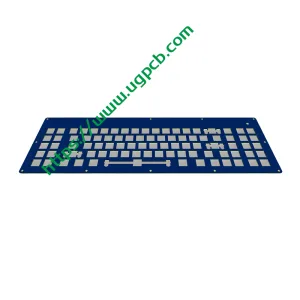
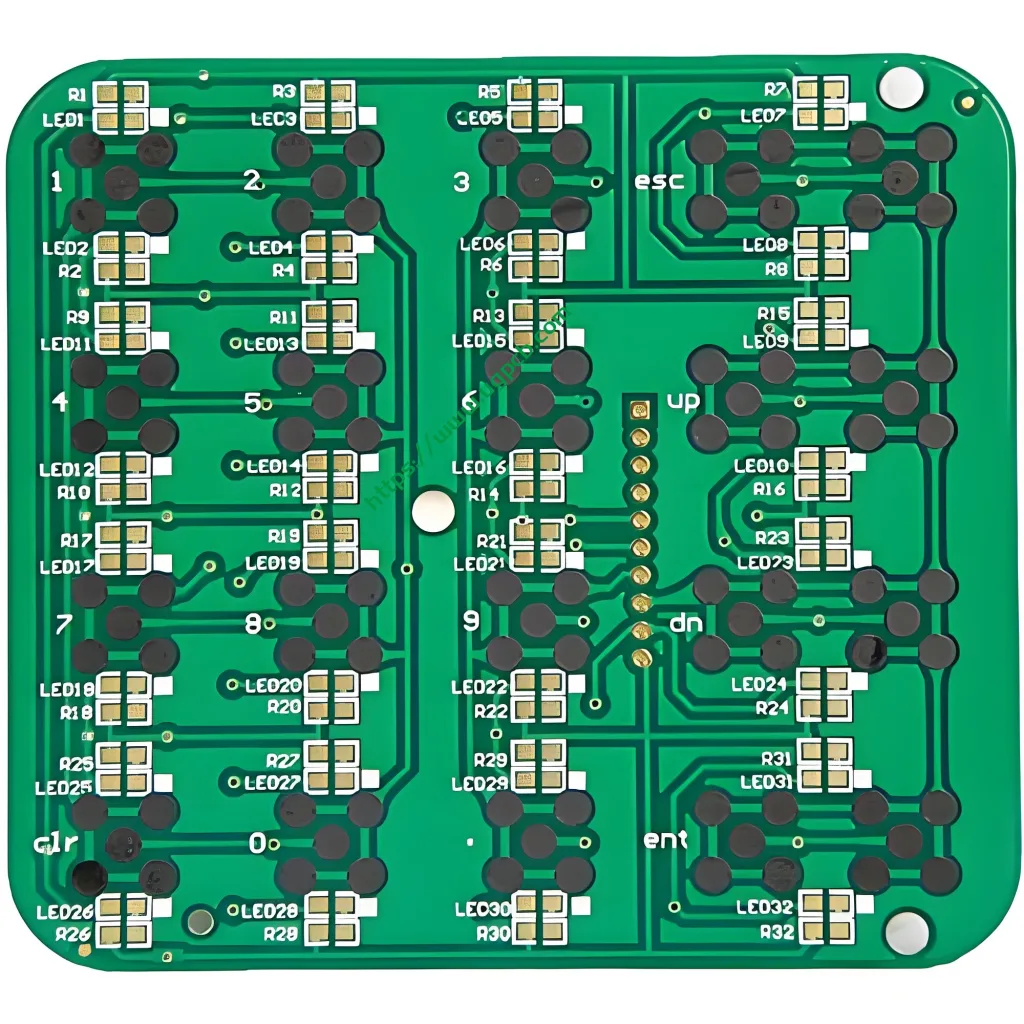
هذا هوثنائي الفينيل متعدد الكلور جامد قياسي على الوجهين. فهو يجمع بين آثار النحاس التقليدية معالانتهاء من سطح زيت الكربون التي تشكل منصات فيلم الكربون موصلة في مواقع محددة. والنتيجة هي لوحة توفر الموصلية الممتازة لآثار النحاس ومقاومة التآكل الفائقة لملامسات أفلام الكربون. وهذا يجعله خيارًا مثاليًا لتطبيقات لوحة المفاتيح عبر الأجهزة الإلكترونية الاستهلاكية, إلكترونيات السيارات, والأجهزة الطبية.
ما هي لوحة دوائر زيت الكربون ذات الوجهين؟?
أ لوحة دوائر زيت الكربون على الوجهين عبارة عن لوحة دوائر مطبوعة تستخدم حبر موصل قائم على الكربون (يشار إليه عادة بزيت الكربون أو حبر الكربون) يتم تطبيقها من خلال طباعة الشاشة على مناطق محددة من الركيزة ثنائي الفينيل متعدد الكلور. بعد المعالجة, هذا يشكل أ نمط موصل فيلم الكربون.
زيت الكربون هو حبر موصل يتكون بشكل أساسي من مسحوق الكربون الموصل, الراتنج بالحرارة, والمواد المضافة المختلفة. تتم طباعته بدقة على مواقع محددة على لوحة الدائرة - عادةً مناطق الاتصال بلوحة المفاتيح - الاستخدام تكنولوجيا طباعة الشاشة. بعد المعالجة بدرجة حرارة عالية, يشكل زيت الكربون طبقة كربون ذات قيمة مقاومة محددة.
بالمقارنة مع التقليديةلوحات مفاتيح مطلية بالذهب, توفر لوحات المفاتيح الخاصة بزيت الكربون ميزة واضحة.تتميز لوحات المفاتيح المصنوعة من زيت الكربون بمقاومة عالية للتآكل ويمكنها تحمل العمليات المتكررة, يستمر بشكل عام لمئات الآلاف أو حتى الملايين من دورات التبديل. أصبح استبدال لوحات المفاتيح الذهبية باهظة الثمن بلوحات مفاتيح زيت الكربون اتجاهًا صناعيًا رئيسيًا.
تعد ألواح زيت الكربون طريقة شائعة لمعالجة الأسطح لمركبات ثنائي الفينيل متعدد الكلور أحادية الجانب ومزدوجة الجوانب. من خلال سلسلة من العمليات بما في ذلك التفتيش, اختبار, واختبار الاحتراق, هؤلاء مركبات ثنائي الفينيل متعدد الكلور تحقيق عملية موثوقة على المدى الطويل.
إرشادات التصميم
تصميم ألوحة دوائر زيت الكربون على الوجهين يتطلب الاهتمام بالجوانب الفنية الرئيسية التالية:
عرض أثر زيت الكربون والتباعد
وفقًا لمواصفات تصنيع زيت الكربون ثنائي الفينيل متعدد الكلور, يجب أن يكون عرض أثر زيت الكربون أكبر من 6 مل (حوالي 0.152 ملم). يتم تحديد أفلام زيت الكربون على أنها “جي تي سي” (الطبقة العليا) أو “جي بي سي” (الطبقة السفلية) ويتم إخراجها كأفلام إيجابية.
بسبب الموصلية الممتازة لزيت الكربون, يجب الحفاظ على مسافة كافية بين ميزات زيت الكربون الموجودة على اللوحة النهائية لمنع حدوث دوائر قصيرة. الحد الأدنى من الموافقات النموذجية هي:
الحد الأدنى لتسامح المحاذاة لزيت الكربون هو± 6 مل.
نافذة زيت الكربون وتباعد نمط النحاس
لحساب تفاوتات المحاذاة ومنع تسرب الزيت الذي قد يؤدي إلى كشف النحاس, يجب أن تكون وسادة زيت الكربون أكبر من الوسادة النحاسية:
يجب الحفاظ على نفس الخلوص بين نافذة زيت الكربون والأنماط النحاسية المحيطة لمنع زيت الكربون من تغطية آثار النحاس المجاورة والتسبب في حدوث دوائر قصيرة.
التحكم في سمك زيت الكربون
يؤثر سمك زيت الكربون بشكل مباشر على مقاومة الألواح ومقاومة التآكل. المواصفات القياسية للصناعة هي كما يلي:
- سمك زيت الكربون ذو الطباعة الواحدة: 0.3-1.0 مل, التسامح ± 0.3 مل
- سمك زيت الكربون مزدوج الطباعة: 1.0-2.0 مل, التسامح ± 0.4 مل
لسمك زيت الكربون الذي يتجاوز 1.0 مل, مطلوب عملية الطباعة المزدوجة. يجب أن يكون فيلم زيت الكربون للطباعة الثانية أصغر بمقدار 3 مل على كل جانب من فيلم الطباعة الأولى.
مراجع التصميم القياسية
عند تصميم ألوحة دوائر زيت الكربون على الوجهين, وينبغي اتباع المعايير الدولية التالية:
- IPC-2221: المعيار العام لتصميم اللوحة المطبوعة – يغطي المسافات, التخليص, ومتطلبات التصميم الهيكلي
- IPC-6012: مواصفات التأهيل والأداء للألواح المطبوعة الصلبة - تحدد متطلبات الأداء ومعايير تأهيل المنتج
- IPC-TM-650: دليل طرق الاختبار - يوفر إجراءات اختبار موحدة لأداء ثنائي الفينيل متعدد الكلور لزيت الكربون
مبدأ العمل
اللوحة دوائر زيت الكربون على الوجهين تعمل على مستويين أساسيين:
مبدأ التوصيل
يتم تحديد موصلية زيت الكربون من خلال تركيبته, والذي يتكون من مسحوق الكربون الموصل, الراتنج بالحرارة, والمواد المضافة المختلفة. يتم قياس الموصلية بواسطةمقاومة الورقة (وحدة: أوه/□).
وفقا لقانون أوم:
ص = ρ × ل / س
حيث R هي المقاومة, ρ هي المقاومة, L هو طول الموصل, وS هي منطقة المقطع العرضي للموصل. للطبقة الموصلة لفيلم الكربون, مقاومة الورقة تتناسب عكسيا مع سمك الفيلم: روبية = ρ / ر (حيث t هو سمك فيلم الكربون).
تحقق ألواح زيت الكربون بشكل عام مقاومة للصفائح تبلغ ≥20Ω/□, تقديم أداء ممتاز من حيث التكلفة. تشتمل بعض تركيبات زيت الكربون منخفضة المقاومة أيضًا على كمية صغيرة من زيت الفضة لزيادة تعزيز التوصيلية.
مبدأ تبديل لوحة المفاتيح
في تطبيقات لوحة المفاتيح, اللوحة دوائر زيت الكربون على الوجهين يعمل على النحو التالي: عندما لوحة المفاتيح المطاطية (أو أي عنصر مرن آخر) يتم الضغط عليه, تتصل جزيئات الكربون الموصلة الموجودة في الجزء السفلي من لوحة المفاتيح بالجهازوسادة زيت الكربون على ثنائي الفينيل متعدد الكلور, استكمال الدائرة. تعمل وسادة زيت الكربون بمثابة لوحة المفاتيحموصل الاتصال, استبدال الاتصالات التقليدية المطلية بالذهب.
تشمل مزايا اتصالات زيت الكربون:
- صلابة سطحية عالية ومقاومة التآكل ممتازة
- مقاومة اتصال منخفضة ووقت الاستجابة السريع
- الخمول الكيميائي, عرضمقاومة التآكل ومقاومة الأكسدة
التطبيقات
لوحات دوائر زيت الكربون على الوجهين تستخدم على نطاق واسع في مختلف الصناعات:
الالكترونيات الاستهلاكية
- أجهزة التحكم عن بعد: أجهزة التحكم عن بعد الخاصة بالتلفزيون, أجهزة التحكم عن بعد لمكيف الهواء
- الآلات الحاسبة: لوحات المفاتيح
- لوحات المفاتيح: لوحات مفاتيح الكمبيوتر, لوحات المفاتيح الغشائية
- أجهزة الألعاب ولوحات المفاتيح الإلكترونية
إلكترونيات السيارات
- لوحات التحكم في تبديل النوافذ
- لوحات التحكم بالتكييف
- مجموعات العدادات وأجهزة التحكم في المقعد
الأجهزة الطبية
- لوحات تشغيل المعدات الطبية
- أقطاب شريط اختبار نسبة الجلوكوز في الدم
الصناعة والاتصالات
- لوحات معدات التحكم الصناعية
- معدات الاتصالات
- التسمية الذكية RFID
بدائل فعالة من حيث التكلفة
لوحات دوائر زيت الكربون يمكن أن تحل محل العمليات التقليدية التالية:
- عمليات ثقب مطلية بالنحاس
- عجينة الفضة عن طريق عمليات التعبئة
- عجينة النحاس عن طريق عمليات التعبئة
صديقة للبيئة, يعد معجون الكربون منخفض التكلفة عن طريق التعبئة هو الاتجاه السائد في الصناعة. اعتمدت شركة Microsoft زيت الكربون لملء لوحات الطاقة, استبدال الألواح ذات الطبقة المزدوجة تمامًا بفتحات مطلية بالنحاس.
تصنيف المنتج
لوحات دوائر زيت الكربون على الوجهين يمكن تصنيفها على طول الأبعاد التالية:
حسب نوع الموصلية
- ألواح زيت الكربون منخفضة المقاومة: مقاومة الورقة ≥20Ω/□ – مناسبة لجهات اتصال لوحة المفاتيح
- ألواح زيت الكربون عالية المقاومة: مناسبة لمقاييس الجهد وطبقات المقاوم
- زيت الكربون عبر ألواح مملوءة: استخدم زيت الكربون لملء الثقوب لتوصيلات الطبقات البينية
بواسطة المواد الأساسية
- ألواح زيت الكربون FR4: الألياف الزجاجية / الركيزة الايبوكسي (هذا المنتج)
- ألواح زيت الكربون CEM-1: الركيزة مادة الايبوكسي المركبة
- ألواح زيت الكربون بوليميد: الركيزة المرنة
حسب عدد الطبقات
- ألواح زيت الكربون أحادية الجانب
- ألواح زيت الكربون على الوجهين (هذا المنتج)
- ألواح زيت الكربون متعددة الطبقات
بواسطة مزيج الانتهاء من السطح
- يوافق + زيت الكربون
- ينزف + زيت الكربون
- OSP + زيت الكربون
- زيت الكربون + القصدير الغمر (حاليًا غير مناسب للإنتاج الضخم بسبب مشكلات تلوث سطح القصدير)
مواد
المادة الأساسية – FR4
يستخدم هذا المنتج FR4 كمادة أساسية. FR4 هو التصنيف الصناعي للصفائح المغطاة بالنحاس من راتنجات الإيبوكسي المقواة بالألياف الزجاجية, عرض:
- قوة ميكانيكية ممتازة واستقرار الأبعاد
- خصائص العزل الكهربائي متفوقة
- مقاومة جيدة للرطوبة والحرارة
- ثابت العزل الكهربائي حوالي 4.2-4.3
FR4 هي المادة الأساسية الأكثر استخدامًا لمركبات ثنائي الفينيل متعدد الكلور الصلبة وتوفر توافقًا جيدًا للالتصاق مع زيت الكربون.
طبقة موصلة – رقائق النحاس
يستخدم كلا الجانبين35ميكرومتر (1أوقية) احباط النحاس, ضمان الموصلية الممتازة والقدرة على الحمل الحالي.
مادة زيت الكربون
زيت الكربون هوحبر موصل قائم على الكربون تتكون من:
- مسحوق الكربون موصل: 30%– محتوى 50% – يحدد الموصلية
- الراتنج بالحرارة: يوفر خصائص الالتصاق والعلاج
- إضافات مختلفة: تنظيم خصائص التدفق وأداء الالتصاق
يجب أن يظهر زيت الكربونالتصاق قوي, مقاومة التقشير, وارتداء المقاومة.
قناع اللحام والأسطورة
- قناع اللحام: الحبر الأخضر – يحمي الدوائر ويمنع حدوث دوائر قصيرة
- أسطورة: الشاشة الحريرية البيضاء - تحدد مواقع المكونات وأرقام اللوحة
مواصفات الأداء
الأداء الكهربائي
| المعلمة | مواصفة | مرجع |
|---|---|---|
| مقاومة الورقة | ≥20Ω/□ | معيار الصناعة |
| معدل تغير المقاومة | ≥10% (بعد 1 مليون دورة) | معيار الصناعة |
الأداء الميكانيكي
| المعلمة | مواصفة | مرجع |
|---|---|---|
| عمر لوحة المفاتيح | ≥1 مليون دورة | معيار الصناعة |
| سمك زيت الكربون (طباعة واحدة) | 0.3-1.0 مل ± 0.3 مل | مواصفات اي بي سي |
| سمك زيت الكربون (طباعة مزدوجة) | 1.0-2.0 مل ± 0.4 مل | مواصفات اي بي سي |
دقة الأبعاد
| المعلمة | مواصفة |
|---|---|
| الحد الأدنى لقطر الثقب | 0.33مم |
| الحد الأدنى لعرض التتبع | 0.32مم |
| الحد الأدنى لتباعد التتبع | 0.36مم |
| سمك اللوحة | 1.6مم |
الموثوقية البيئية
لكلIPC-TM-650 المتطلبات القياسية:
- اختبار الحرارة الرطبة (IPC-TM-650 2.6.3.7): 1000 ساعات عند 40 درجة مئوية / 90% RH - تغير مقاومة ورقة زيت الكربون ≥20%
- اختبار دورة درجة الحرارة (IPC-TM-650 2.6.7): 100 دورات من -40 درجة مئوية إلى 85 درجة مئوية - بدون تكسير زيت الكربون, تقلب المقاومة ≥15%
- اختبار مقاومة التآكل (IPC-TM-650 2.5.9): بعد 1000 الدورات - معامل التآكل ≥5mg
هيكل المنتج
الهيكل النموذجي للوحة دوائر زيت الكربون على الوجهين (من أعلى إلى أسفل):
- طبقة الأسطورة (أبيض): المحددات المرجعية للمكونات
- طبقة قناع اللحام (أخضر): حماية الدائرة ومنع ماس كهربائى
- طبقة زيت الكربون: فيلم كربون موصل في مواقع لوحة المفاتيح المخصصة
- أعلى آثار النحاس (35ميكرومتر): الدوائر الموصلة
- الركيزة FR4 (1.6مم): دعم العزل
- آثار النحاس السفلي (35ميكرومتر): الدوائر الموصلة
- طبقة قناع اللحام (أخضر): حماية دائرة الطبقة السفلية
- طبقة الأسطورة (أبيض): معرفات الطبقة السفلية
يتم تطبيق طبقة زيت الكربون فقط على مناطق الاتصال بلوحة المفاتيح أو المناطق الموصلة, ليس في جميع المجالات.
الميزات الرئيسية
ميزة التكلفة الكبيرة
تعمل عملية زيت الكربون على التخلص من بعض خطوات طلاء النحاس والحفر, تقليل تكاليف المواد بنسبة 15%-25%. بالمقارنة مع طلاء الذهب الصلب, تكاليف الحبر الكربوني أقل بنسبة 40% إلى 60%.
عمر طويل للارتداء
توفر لوحات المفاتيح المصنوعة من زيت الكربون مقاومة استثنائية للتآكل, يدوم أكثر 1 مليون دورة التبديل مع معدل تغيير المقاومة ≥10%.
بسيط, عملية فعالة
استخدامات تطبيق زيت الكربونطباعة الشاشة بدلاً من عمليات الطلاء الكهربائي الطويلة. يمكن أن تكون مهلة الإنتاجتم تقصيرها بأكثر من 30%.
مقاومة بيئية ممتازة
زيت الكربون هوخاملة كيميائيا, تقديم مقاومة أفضل للأحماض والقلويات من النحاس. يعمل بشكل أكثر موثوقية في البيئات الرطبة أو المتربة. تصل صلابة سطح فيلم الكربون3ح (اختبار صلابة قلم الرصاص), يتفوق على الأسطح النحاسية غير المحمية (1–2H).
خيارات تصميم مرنة
يمكن طباعة زيت الكربون مباشرة لتشكيل مقاومات, لوحات المفاتيح, والوحدات الوظيفية الأخرى, تقليل عدد وصلات اللحام بنسبة 30%-50%.
عملية التصنيع
عملية التصنيع النموذجية للوحة دوائر زيت الكربون على الوجهين:
- قطع المواد: قطع الصفائح المغطاة بالنحاس FR4 إلى أبعاد العمل
- حفر: الحفر عبر الثقوب وفتحات التثبيت (الحد الأدنى للقطر 0.33 ملم)
- تنظيف السطح: التنظيف الكيميائي لإزالة الأكاسيد, زيوت, والملوثات
- النحاس غير الكهربائي / الطلاء الكهربائي: الطلاء عبر فتحات للاتصالات البينية
- نقل النمط: التعرض والتطوير لتشكيل أنماط الدوائر
- النقش: قم بإزالة رقائق النحاس من المناطق غير الموجودة في الدائرة
- يجرد: إزالة مقاومة الفيلم الجاف
- طباعة قناع اللحام: تطبيق حبر قناع اللحام الأخضر
- علاج قناع اللحام: علاج درجة الحرارة العالية لقناع اللحام
- تشطيب السطح – طباعة زيت الكربون:
- طباعة الشاشة على زيت الكربون في المواقع المخصصة (طباعة مفردة أو مزدوجة)
- خبز مسبق (80درجة مئوية × 30 دقائق)
- العلاج الرئيسي (150درجة مئوية × 30-60 دقيقة)
- طباعة الأسطورة: طباعة معرفات بالشاشة الحريرية البيضاء
- التنميط: توجيه جهاز التوجيه, قطع على شكل حرف V, إلخ.
- الاختبارات الكهربائية: اختبار الاستمرارية, اختبار العزل
- التفتيش النهائي والتعبئة والتغليف
لثنائي الفينيل متعدد الكلور معيوافق + زيت الكربون الانتهاء من الجمع, عادةً ما يتم إجراء طباعة زيت الكربون بعد ENIG, مع شريط أزرق مطبق لحماية مناطق زيت الكربون.
سيناريوهات التطبيق
أجهزة التحكم عن بعد ولوحات التحكم في الأجهزة
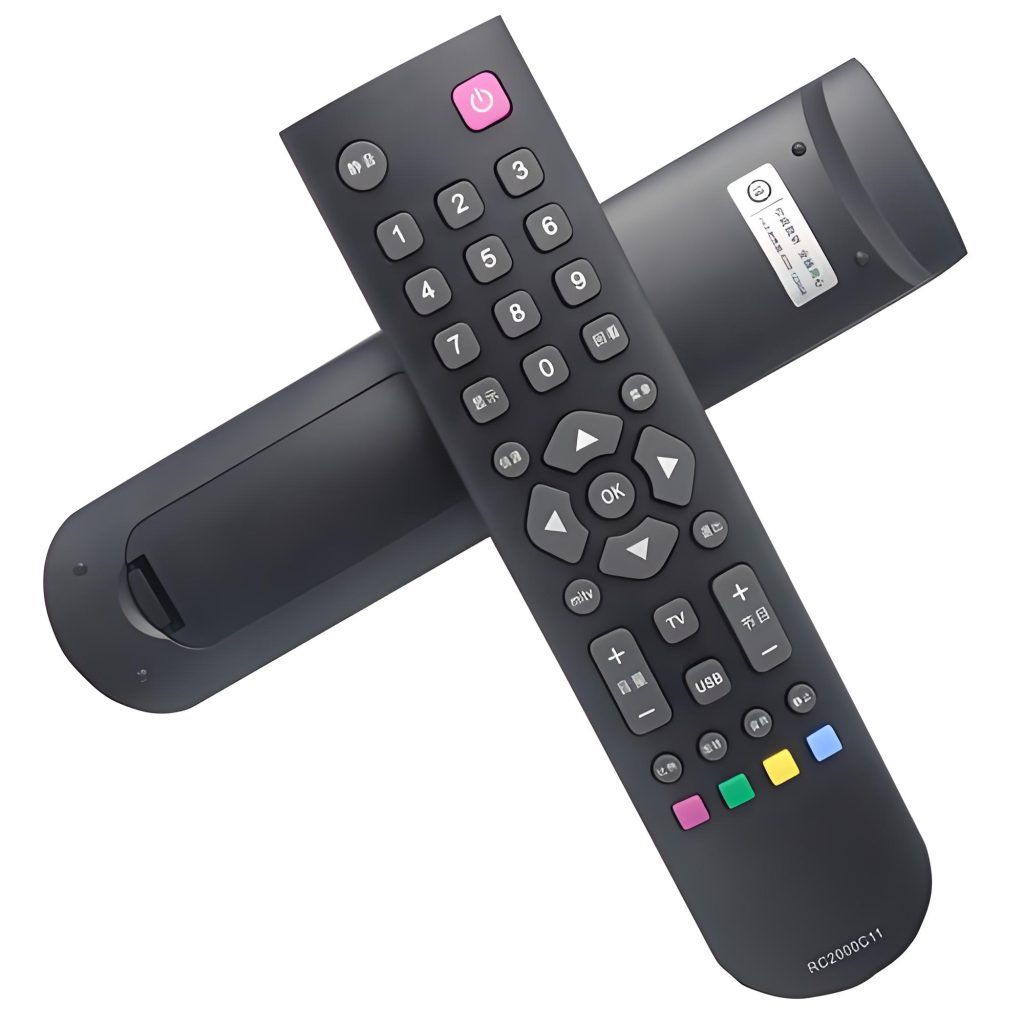
عرض اتصالات زيت الكربونحياة ضغط طويلة ومقاومة اتصال منخفضة للاستجابة السريعة. تشمل التطبيقات النموذجية أجهزة التحكم عن بعد الخاصة بالتلفزيون, أجهزة التحكم عن بعد لمكيف الهواء, ولوحات التحكم بالغسالة.
وحدات التحكم الإلكترونية للسيارات
تقدم دوائر زيت الكربون داخل ألواح أبواب السيارةمقاومة قوية للتآكل, الأداء بشكل موثوق في بيئات السيارات المعقدة وحل مشكلات الأكسدة والكسر الشائعة مع الحلول التقليدية.
لوحات تشغيل الأجهزة الطبية
تحافظ مناطق استشعار اللمس المطبوعة بزيت الكربون على التشغيل المستقر في الزيت, البيئات الرطبة. كما تقدم مواد زيت الكربون ممتازةالتوافق الحيوي.
لوحات المفاتيح الصناعية وأنظمة نقاط البيع
في محطات نقاط البيع ولوحات المفاتيح الصناعية, تتكيف الدوائر التي تجمع بين زيت الكربون وركائز FR4 مع تغيرات درجات الحرارة وتوفر استقرارًا, أداء موثوق.
لماذا تختار UGPCB للوحة دوائر زيت الكربون مزدوجة الجوانب لديك?
✅ الامتثال للمعايير الدولية
تصميم المنتج والتصنيع يتبع بدقةIPC-2221 (المعيار العام لتصميم اللوحة المطبوعة), IPC-6012 (مواصفات أداء اللوحة الصلبة), وIPC-TM-650 (دليل طرق الاختبار).
✅ قدرات التصنيع الدقيقة
- الحد الأدنى لقطر الثقب 0.33 مم - يدعم التصميمات عالية الكثافة
- الحد الأدنى لعرض/تباعد التتبع 0.32 × 0.36 مم – دقة رائدة في الصناعة
- مقاومة ورقة زيت الكربون ≥20Ω/□ – موصلية ممتازة
✅ خدمة الشباك الواحد
يوفر UGPCB خدمات شاملة من تصميم ثنائي الفينيل متعدد الكلور والتصنيع ل تجميع PCBA.
✅ ضمان موثوقية عالية
توفر اتصالات زيت الكربون عمرًا أطول للتآكل≥1 مليون دورة مع معدل تغير المقاومة ≥10%, ضمان عملية مستقرة على المدى الطويل.
اطلب عرض أسعار اليوم
اللوحة دوائر زيت الكربون على الوجهين هو أحل فعال من حيث التكلفة للغاية لتطبيقات لوحة المفاتيح في الالكترونيات الاستهلاكية, إلكترونيات السيارات, والأجهزة الطبية.
سواء كنت بحاجة النماذج الأولية لثنائي الفينيل متعدد الكلور, إنتاج الحجم, أو خدمات PCBA الجاهزة, تقدم UGPCB الدعم الفني الاحترافي والأسعار التنافسية.
📧اتصل بنا اليوم للحصول على استشارة فنية مجانية وعرض أسعار مخصص!
- موقع إلكتروني: www.ugpcb.com
- خدمات وقفة واحدة: تصميم ثنائي الفينيل متعدد الكلور, تصنيع, وجمعية PCBA
إعلان مصدر البيانات
البيانات والمعايير الفنية المذكورة في هذه المقالة مستمدة من المصادر الرسمية التالية:
- IPC (جمعية ربط الصناعات الإلكترونية) المعايير:
- IPC-2221 – المعيار العام لتصميم اللوحات المطبوعة
- IPC-6012 – مواصفات التأهيل والأداء للوحات المطبوعة الصلبة
- IPC-TM-650 – دليل طرق الاختبار
- المواصفات الفنية القياسية الصناعية:
- متطلبات تصنيع زيت الكربون ثنائي الفينيل متعدد الكلور (عرض أثر زيت الكربون ≥6mil, اصطلاحات تسمية الفيلم, إلخ.)
- مواصفات التحكم في سمك طباعة الشاشة بزيت الكربون (طباعة واحدة: 0.3-1.0 مل; طباعة مزدوجة: 1.0-2.0 مل)
- صناعة الأدب الفني:
- مواصفات تصنيع ثنائي الفينيل متعدد الكلور لزيت الكربون – ثلاثة أبعاد رئيسية
- التحليل الفني لعملية زيت الكربون ثنائي الفينيل متعدد الكلور
- زيت الكربون ثنائي الفينيل متعدد الكلور مقابل. مقارنة ثنائي الفينيل متعدد الكلور القياسية