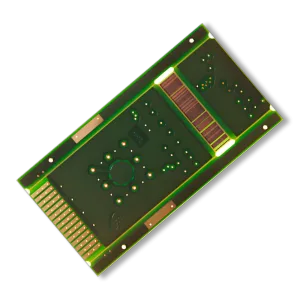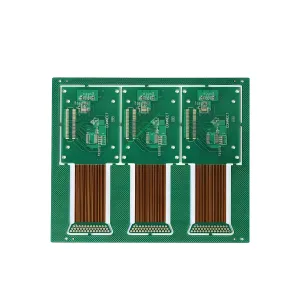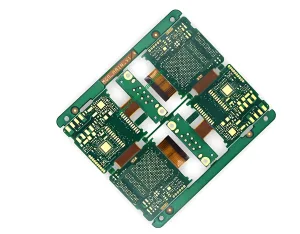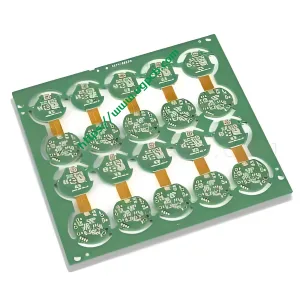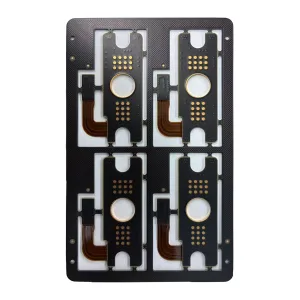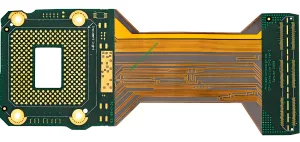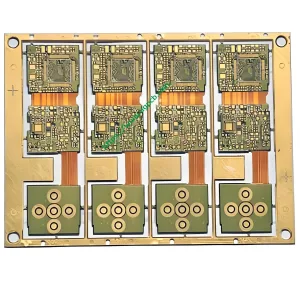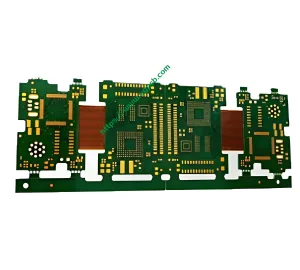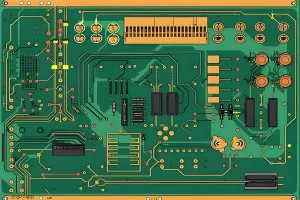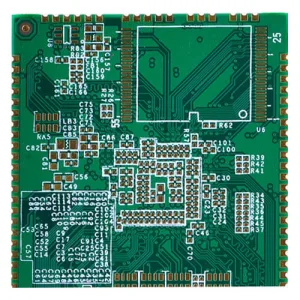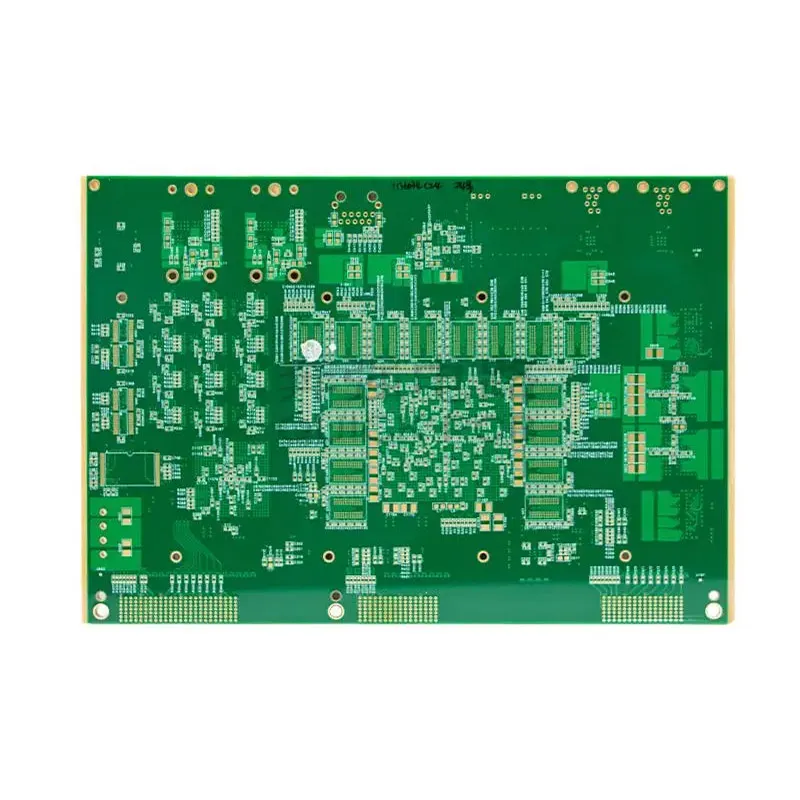
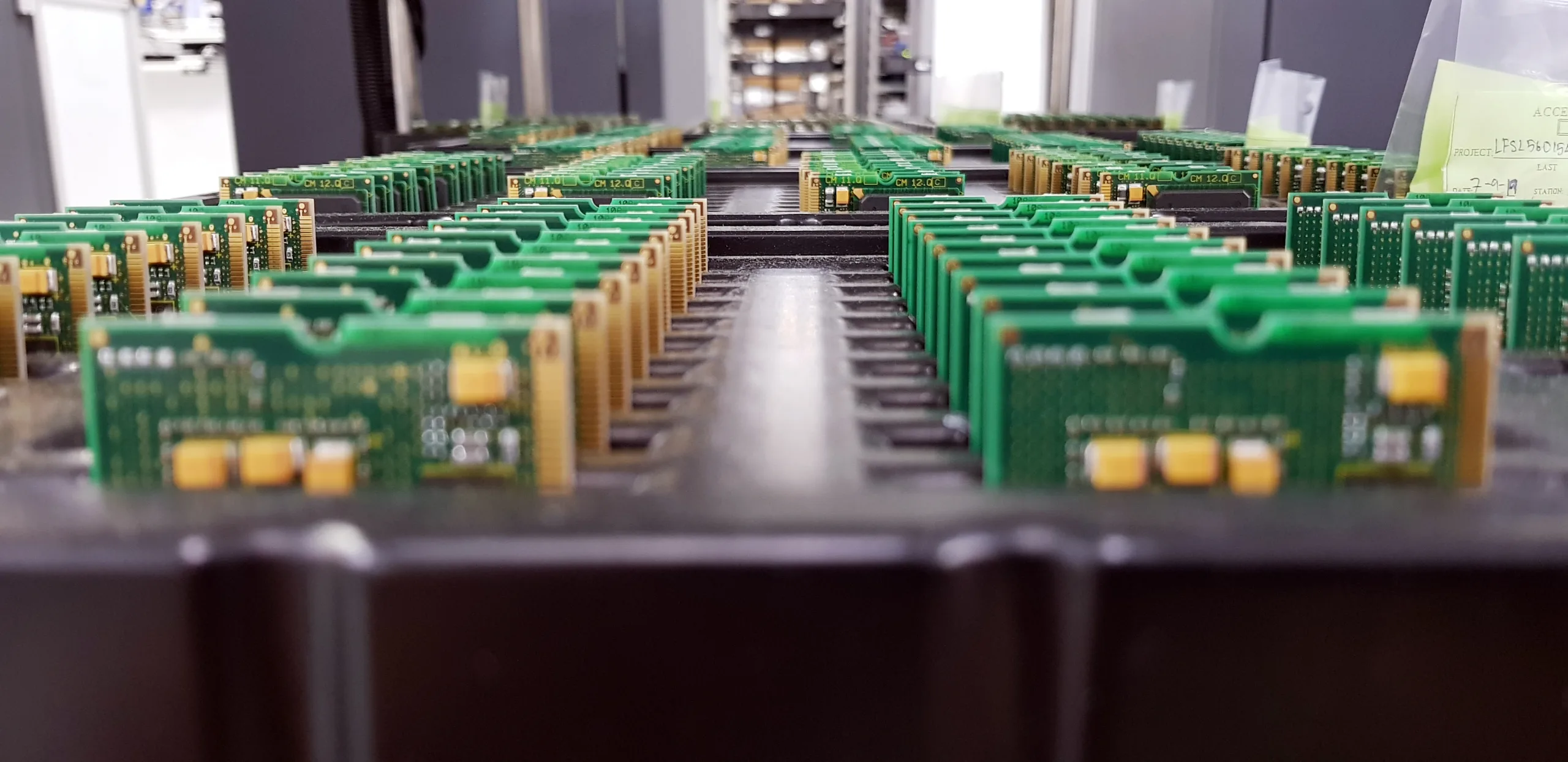
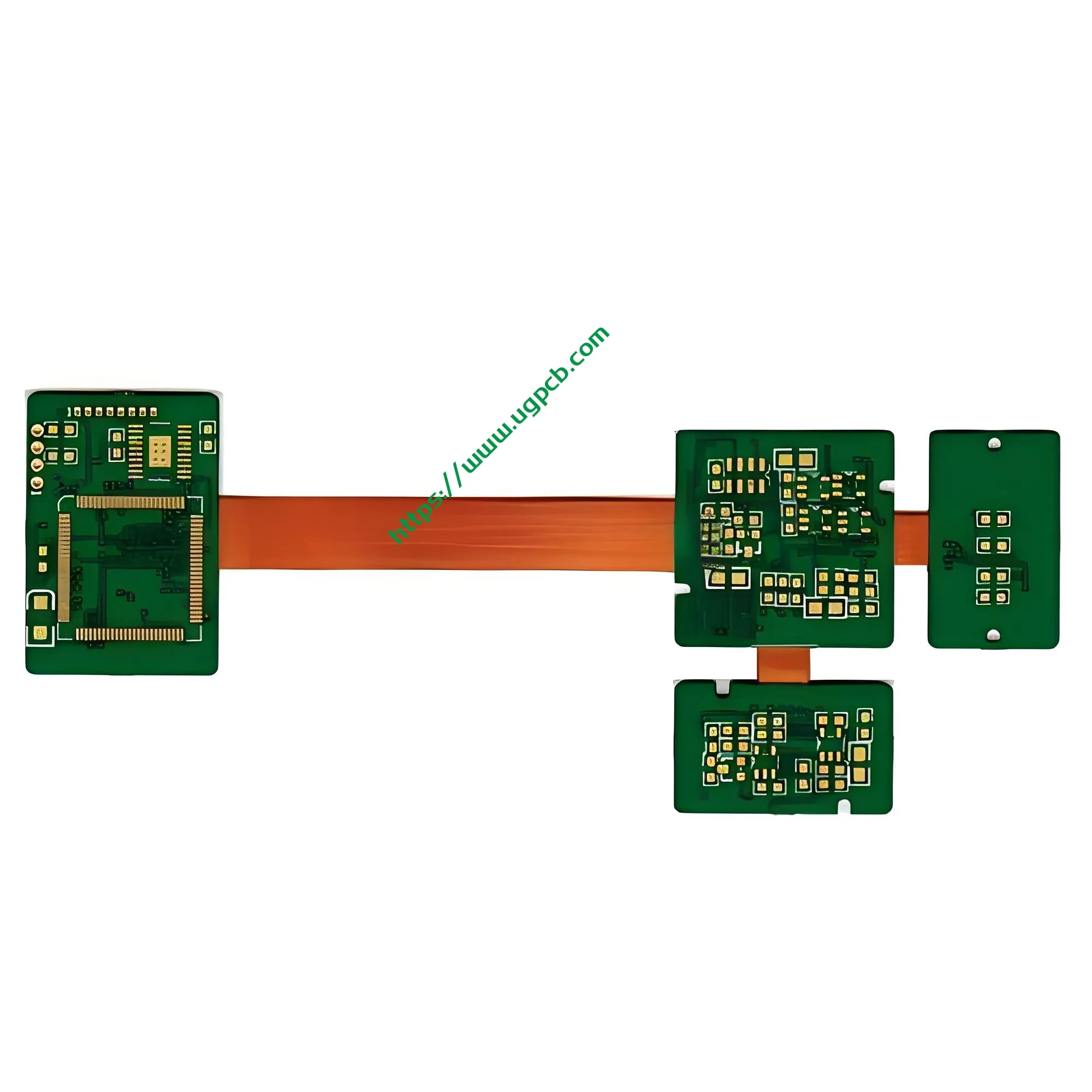
Mentre i prodotti elettronici si muovono verso alta frequenza, ad alta velocità, leggero, e pieghevole disegni, tradizionali PCB rigidi o circuiti stampati flessibili (FPCS) da solo non è più in grado di soddisfare le esigenze di moduli RF complessi, fotocamere degli smartphone, o endoscopi medici. Come leader fidato in Produzione di PCB, UGPCB introduce il 8-PCB rigido-flessibile a strati ad alta velocità. Con la sua unicità 6-strato rigido + 2-flessione dello strato struttura integrata, questa tavola offre un equilibrio ottimale di Integrità del segnale, stabilità meccanica, e utilizzo dello spazio.
Questo articolo fornisce una panoramica dettagliata di questo PCB rigido-flessibile– coprendone la definizione, materiali, processo di produzione, e applicazioni, per aiutarti a capire perché è la scelta preferita per le alte prestazioni PCB del modulo.
1. Panoramica e definizione del prodotto
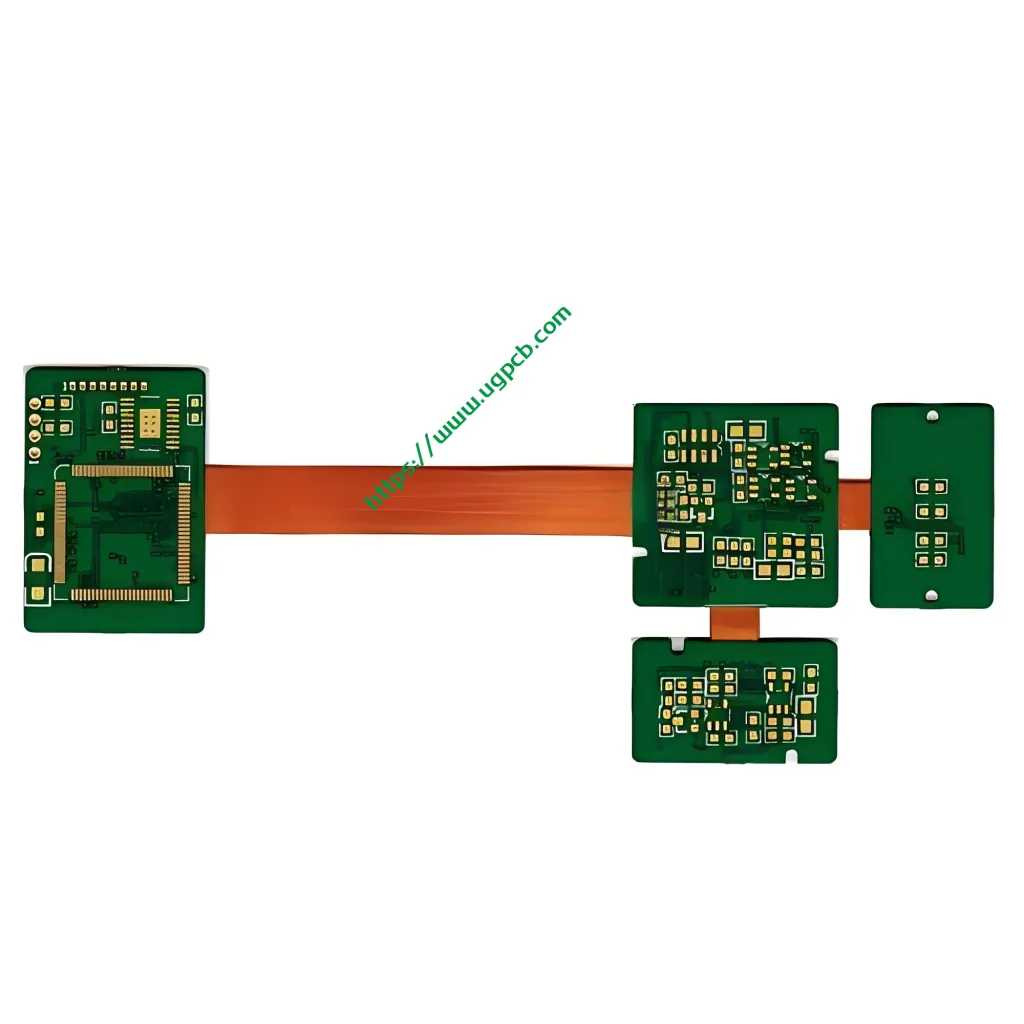
IL8-PCB rigido-flessibile a strati ad alta velocità non è semplicemente una scheda rigida collegata a una scheda flessibile tramite un connettore. Invece, è una struttura unificata formata dalla laminazioneFR4 (substrato rigido) EPI (poliimmide, substrato flessibile) in un unico componente.
- Ripartizione della struttura: Rigido 6L (6-sezione rigida dello strato) + Flex 2L (2-sezione flessibile a strati).
- Posizionamento centrale: Ideale per dispositivi elettronici compatti che richiedono trasmissione del segnale ad alta velocità, flessione dinamica, E alta affidabilità.
Questo design elimina i tradizionali connettori scheda-scheda, riducendo i rischi di guasto dei giunti di saldatura e migliorando significativamente Compatibilità elettromagnetica (EMC) . Rappresenta un progresso fondamentale nel PCB ad alta velocità tecnologia.
2. Considerazioni sulla progettazione e principio di funzionamento
Considerazioni di progettazione
Durante la progettazione di questoPCB rigido-flessibile, Il team di ingegneri di UGPCB si concentra su tre aree critiche:
- Controllo dell'impedenza: Per segnali ad alta velocità, controlliamo rigorosamente larghezza e spaziatura della traccia. Questo prodotto raggiunge un minimo 3Mille/3mil traccia/spazio, garantendo un'impedenza differenziale costante (per esempio., 90Ω o 100Ω).
- Protezione della zona di transizione: La giunzione tra le sezioni rigide e flessibili è un punto di concentrazione delle sollecitazioni. Ci applichiamo compensazione a goccia e aperture di copertura ottimizzate per prevenire rotture del circuito durante la flessione dinamica.
- Simmetria impilabile: Per evitare la deformazione causata dal CTE (coefficiente di dilatazione termica) mancata corrispondenza durante la saldatura ad alta temperatura, la sezione rigida utilizza un impilamento simmetrico a 6 strati, mentre la sezione flessibile utilizza materiale PI ad alto modulo.
Principio di lavoro
IL strato flessibile (PI) funge da ponte che collega più moduli funzionali rigidi. Durante la piegatura, la sezione flessibile trasmette segnali dati ad alta velocità (come MIPI o USB 3.0) e potere, mentre le sezioni rigide trasportano BGA ad alta densità componenti e dispositivi passivi. Questo design consente all'intero sistema di circuiti di adattarsi a contenitori di prodotti compatti o irregolari.
3. Materiali e specifiche chiave
UGPCB utilizza materiali di prima qualità di marchi leader a livello mondiale per garantire prestazioni elettriche e affidabilità. Di seguito sono riportate le specifiche principali di questo modello:
| Parametro | Specifica | Approfondimento tecnico |
|---|---|---|
| Materiale di base | FR4 + PI | La sezione rigida utilizza FR4 ad alta Tg (Tg > 150° C.) per la stabilità della saldatura; la sezione flessibile utilizza poliimmide (PI) per flessibilità e resistenza al calore. |
| Spessore del rame | 1 OZ | Finito 1 oz di rame supporta carichi di corrente più elevati e aiuta a ridurre la perdita dell'effetto pellesegnali ad alta velocità. |
| Spessore del pannello finito | 1.0 mm | Bilancia il supporto meccanico con i requisiti sottili del dispositivo. |
| Finitura superficiale | Oro ad immersione | 2M” spessore dell'oro. Fornisce un appartamento, superficie saldabile con eccellente resistenza all'ossidazione, ideale per BGA a passo fine e incollaggio di fili di alluminio. |
| Dimensione minima del foro | 0.2 mm (meccanico) | Supporti interconnessione ad alta densità (ISU) disegni; i vias ciechi e interrati possono ulteriormente risparmiare spazio di instradamento. |
| Traccia minima / Spazio | 3mil / 3mil | Funzionalità fine-line per il routing ad alta densità, garantendo l'integrità del segnale alle alte frequenze. |
4. Classificazione del prodotto e caratteristiche strutturali
Classificazione scientifica
Secondo gli standard IPC-2223, questo prodotto è classificato come aPCB rigido-flessibile flessibile dinamico.
- Per struttura: Rigido-flessibile asimmetrico (6-strato rigido + 2-flessione dello strato).
- Per applicazione: Ad alta velocità, alta frequenza Modulo PCB.
Caratteristiche strutturali
- Interconnessione integrata: Elimina i connettori, riducendo la perdita di inserzione e la riflessione del segnale. L'integrità del segnale migliora di circa 30% rispetto alle soluzioni tradizionali con scheda rigida e connettori.
- Elevata resistenza alla flessibilità: La sezione flessibile a 2 strati utilizza laminata ricotta (Ra) rame, che offre una migliore durata alla piegatura rispetto all'elettrodepositazione (Ed) rame, resistere a decine di migliaia di curve dinamiche.
- Sottile e leggero: Con uno spessore complessivo di 1.0 mm, risparmia fino a 60% di spazio sull'asse Z quando piegato.
5. Processo di produzione e controllo qualità
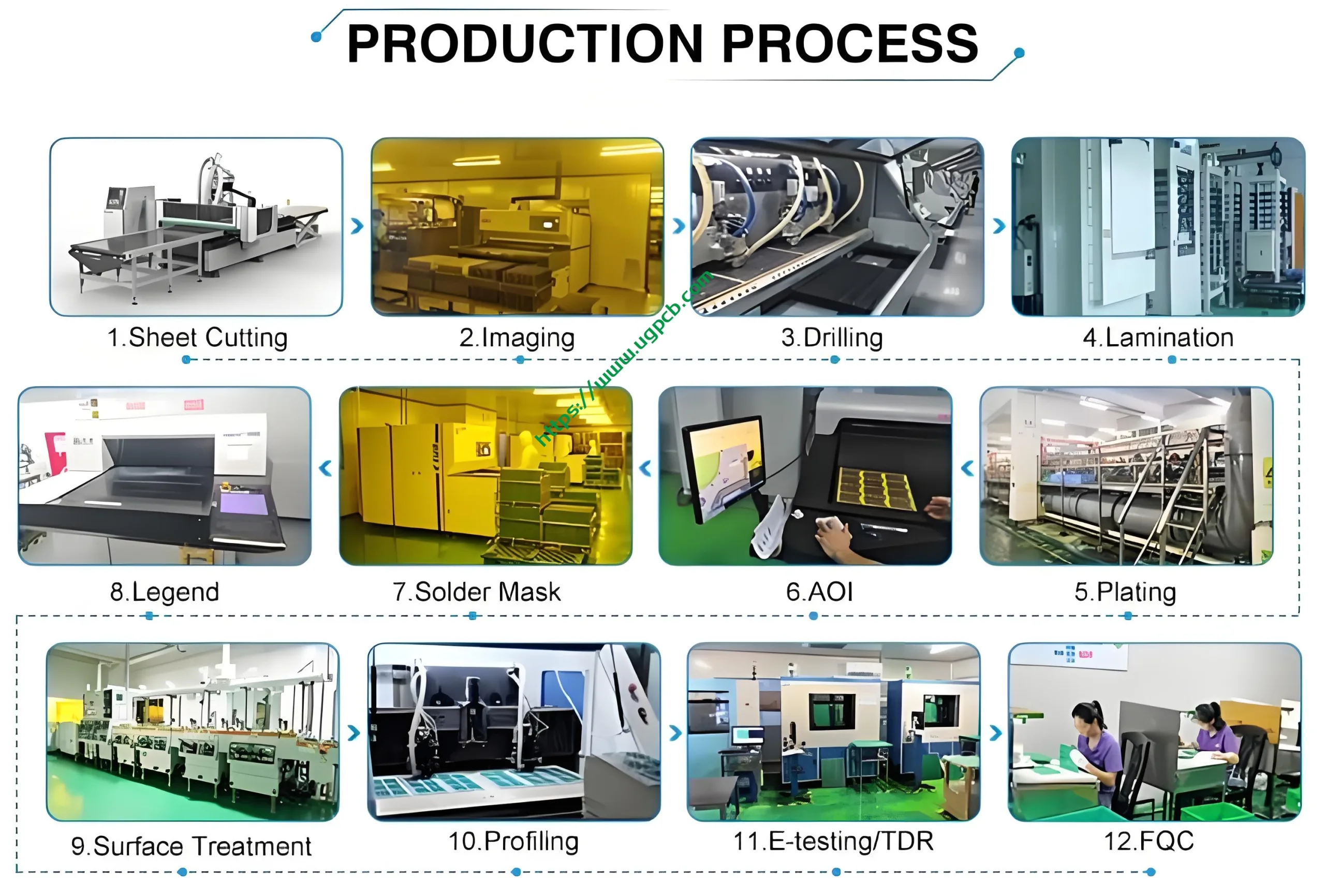
UGPCB gestisce una linea di produzione completamente integrata per garantire ogniPCB rigido-flessibile ad alta velocità soddisfa rigorosi standard di qualità. Il processo principale include:
- Preparazione dello strato flessibile: Il substrato PI viene elaborato utilizzando la pellicola secca dello strato interno e l'attacco per formare circuiti sottili (3larghezza della traccia in mil) nell'area flessibile.
- Laminazione della copertura: Una copertura viene applicata sui circuiti flessibili per proteggerli e definire l'area di piegatura.
- Impilamento di strati rigidi: Il preimpregnato FR4 è perfettamente allineato con lo strato flessibile lavorato. Questo è un passaggio fondamentale per garantire che la resina riempia l'interfaccia rigido-flessibile senza vuoti.
- Laminazione: Gli strati rigidi e flessibili vengono fusi ad alta temperatura e pressione.
- Foratura e placcatura: 0.2 viene eseguita la foratura meccanica da mm, seguita da placcatura in rame chimico per stabilire connessioni interstrato.
- Finitura superficiale: Oro di immersione viene applicato con uno spessore controllato di 2M” per garantire saldabilità e resistenza all'ossidazione.
- Instradamento e test elettrici: Il taglio laser o la punzonatura modellano la tavola, seguito da 100% test della sonda volante o del dispositivo per garantire l'assenza di cortocircuiti o aperture.
6. Scenari di applicazione
Questo8-PCB rigido-flessibile a strati ad alta velocità è progettato per l'alta densità, applicazioni ad alta affidabilità, tra cui:
- Smartphone e dispositivi indossabili: Utilizzato nelle connessioni della scheda madre del telefono pieghevole e nel modulo fotocamera (CCM) assemblee, sfruttando le capacità di piegatura per l'integrazione delle cerniere.
- Dispositivi medici: Come gli endoscopi a ultrasuoni e gli apparecchi acustici. Le dimensioni compatte e l'affidabilità dei PCB rigido-flessibili garantiscono una trasmissione stabile del segnale in ambienti critici.
- Elettronica automobilistica: Moduli telecamera di bordo e sistemi LiDAR. Soddisfa i requisiti di livello automobilistico in termini di resistenza alle vibrazioni e cicli di temperatura (-40° C a 125 ° C.).
- Aerospaziale e difesa: Moduli di comunicazione satellitare e sistemi di guida missilistica. Riduce il peso mantenendo un'elevata affidabilità.
- Controllo industriale: Giunti di robot e azionamenti di servomotori. La sezione flessibile assorbe lo stress meccanico derivante dal movimento.
7. Perché scegliere UGPCB?
La produzione di PCB rigidi-flessibili presenta sfide tecniche, particolarmente dentrolaminazione senza vuoti sull'interfaccia rigido-flessibile Econtrollare il ritiro del materiale di PI. UGPCB affronta questi problemi con comprovata esperienza:
- Compensazione precisa del ritiro: Con dati estesi sui diversi tassi di espansione di PI e FR4, manteniamo la registrazione strato per strato entro ±2 mil.
- Garanzia del segnale ad alta velocità: Per PCB ad alta velocità applicazioni, controlliamo rigorosamente la costante dielettrica (Non so) e fattore di dissipazione (Df), e fornire rapporti sui test di impedenza.
- Supporto per la personalizzazione: Dai prototipi alla produzione in serie, supportiamo su misura Modulo PCB soluzioni con tempi di consegna affidabili.
8. Ottieni un preventivo oggi stesso
Il tuo prodotto di prossima generazione è ancora limitato dalle dimensioni del connettore e dalla perdita di segnale? È ora di passare a8-PCB rigido-flessibile a strati ad alta velocità.
[Contattare gli ingegneri UGPCB] per:
Prezzi competitivi per volumi.
Rapporto di analisi DFM gratuito (entro 24 ore).
Raccomandazioni per l'ottimizzazione dell'impedenza.