UGPCB LOGO

The global printed circuit board industry recorded approximately $61.3 billion in annual output in 2019. Growth rates had long stabilized in the low single digits of 3% to 5%. The explosive computing power demand from artificial intelligence has shattered this placid trajectory. Global PCB output value jumped to $85.2 billion in 2025. The core engine driving this growth has shifted sharply from consumer electronics and communication equipment to AI server hardware systems. Each unit now carries a PCB value that is more than ten times higher than that of traditional servers.
The central contradiction in this industrial transformation does not simply lie in the surge of demand volume. It reflects more profoundly a structural erosion of supply elasticity on the manufacturing side. When a single AI server carries PCB value between $2,500 and $3,500, while a traditional server stays in the $300-to-$600 range, the industry must confront a hard fact. In the domain of high-layer-count HDI boards above 20 layers and ultra-low-loss substrates, the pace of capacity release has fallen far behind the rhythm of compute stack expansion.
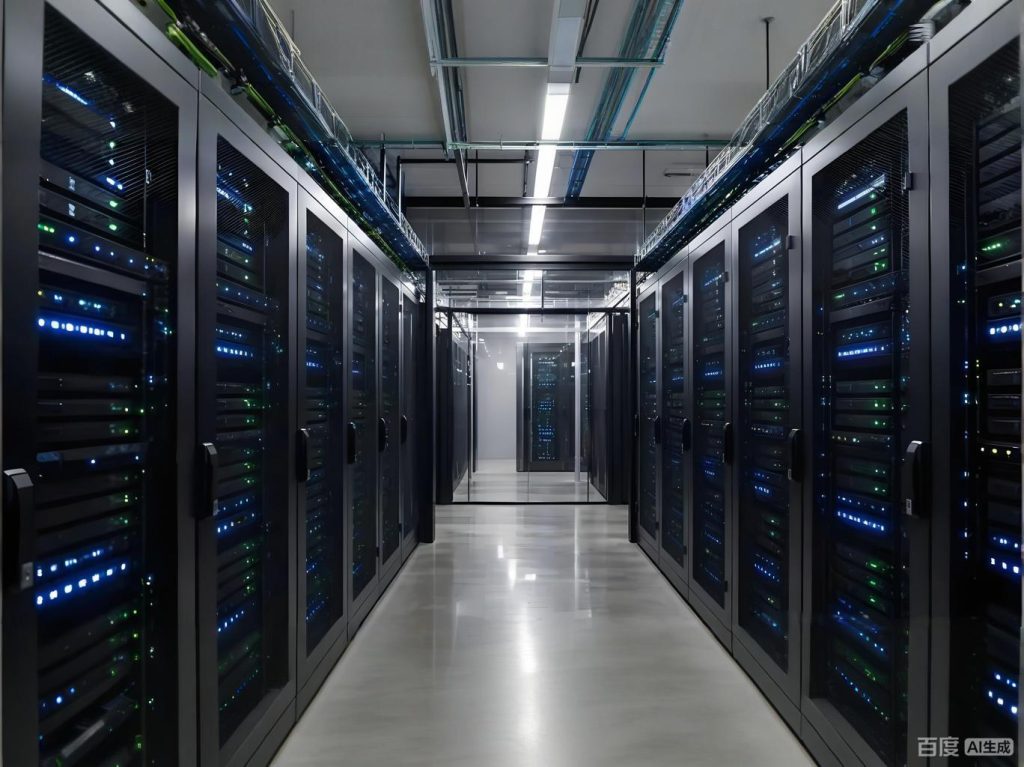
1. Manufacturing Time Lag – The Mismatch Between an 18-Month Build Cycle and a Doubling of Compute Power
The decision to build a new high-end PCB factory is essentially a race against a variant of Moore’s Law. A new plant capable of stably producing 22-layer or higher HDI boards typically takes 18 to 24 months from site leveling to equipment commissioning. This covers only the physical construction phase. Critical equipment such as CO₂ laser drilling machines and ultra-high-precision direct imaging (DI) exposure units saw their delivery lead times extend to more than 12 months on average in 2025.
The hidden time cost of yield ramping presents an even more severe constraint. High-layer-count HDI boards face three tightly coupled process challenges: inner-layer alignment accuracy, plating uniformity, and lamination reliability. For a 20-layer board, the industry generally requires layer-to-layer registration tolerance to stay within ±50 micrometers. A slight deviation in any single process step can scrap the entire panel. Leading manufacturers typically need an additional six to nine months of process refinement after initial production starts to push stable yields above the 85% profitability threshold. This means the full capacity release cycle for one expansion project stretches beyond 30 months.
During the same time window, the compound annual growth rate of AI server shipments remains above 50%. This fundamental mismatch between the rigidity of construction timelines and the elasticity of computing demand explains why expansion announcements are dense – listed PCB companies in China disclosed total investment exceeding RMB 80 billion in the first half of 2026 alone – yet the supply gap continues to widen.
2. Material Substitution – Cost Restructuring and Supply Chain Reallocation
The shift in material systems creates a second layer of compression. Traditional FR-4 glass fabric typically exhibits a dielectric constant (Dk) between 4.2 and 4.8, with a dissipation factor (Df) of approximately 0.02. This remains acceptable for conventional signal transmission below 10 Gbps. However, the massive data exchange inside AI servers has pushed bus speeds into the 56 Gbps range and even 112 Gbps PAM-4 signaling. Signal integrity requirements now strictly constrain the material Df value to below 0.008. This has directly triggered explosive demand for low-loss copper-clad laminates (CCL) of grades M6, M8, and above.
The production of such high-end CCL relies heavily on specific resin systems and flattened electronic glass fabrics. Fewer than five enterprises worldwide can stably supply M8-grade and higher materials. Japanese manufacturers account for approximately 60% of this market share. The selling price of high-end CCL consistently stays 3.5 to 5 times that of standard FR-4. During capacity-tight periods, an additional premium of 15% to 20% is commonly attached.
This cost-structure shift is reshaping the bargaining dynamics across the entire PCB supply chain. Upstream CCL suppliers issued multiple rounds of price adjustment notices in the first half of 2026, with single increases generally ranging from 8% to 15%. Downstream PCB fabricators, operating at full capacity, now possess unprecedented pricing power to pass through cost increases. New order quotations from leading PCB manufacturers have risen by 20% to 35% compared to the same period in 2025. Rush-order surcharges in some cases exceed 50%. Such phenomena were virtually unthinkable in the traditional consumer-grade PCB market.
3. Order Forward-Loading and Long-Term Agreements – A Paradigm Shift in Procurement Behavior
The evolution of downstream customer purchasing patterns deserves separate scrutiny, as it further solidifies the supply tightness from the demand side. In the past, server OEMs typically procured PCBs on a quarterly rolling basis with a just-in-time approach, maintaining a procurement lead time of about six to eight weeks. Starting in the second half of 2025, however, major AI chip vendors and system integrators began shifting aggressively toward annual frame agreements and two-year long-term supply contracts. For certain core models, orders have already been scheduled through the second quarter of 2027.
This locking effect produces two obvious consequences. On one hand, it crowds out the spot market’s circulating surplus, making it difficult for newly entering smaller customers to secure production slots even if they offer higher premiums. On the other hand, it provides PCB manufacturers with clear forward visibility for capacity planning and equipment sourcing. Leading suppliers can thus secure critical raw material allocations and core equipment orders 24 months in advance, further widening the competitive gap with smaller production lines.
It is worth examining the highly polarized nature of this upcycle. Low-end capacity focused on single-sided, double-sided, and conventional multilayer through-hole boards has not felt the warm breeze of AI demand. Orders in consumer electronics, home appliances, and traditional automotive segments remain sluggish. Some product lines even see processing fees stagnating at low levels. The true beneficiaries are confined to manufacturers possessing three core capabilities: layer-count capability exceeding 22 layers, proficiency in any-layer HDI processes, and proven mass-production experience with M6-grade and higher materials. Industry estimates suggest that less than 8% of global PCB capacity meets all three criteria.
4. Downside Pressures and Long-Term Variables – The Unfinished Equation
High entry barriers and lengthy yield ramps have built a solid competitive moat on the supply side. Nevertheless, the PCB industry is by no means free from headwinds. Persistent price increases in upstream raw materials are already eroding profit margins. Electronic glass fabric prices surged more than 100% within six months. The monthly supply-demand gap for specialty copper foil remains around 40%. Whether PCB fabricators can successfully execute a new round of general processing-fee hikes in the second half of the year will directly determine the degree of profit realization for fiscal year 2026.
Another long-term variable comes from potential technology path shifts. Silicon photonics and co-packaged optics (CPO) are gaining maturity. These technologies could theoretically reduce reliance on ultra-low-loss PCBs for some high-speed signal transmission. Yet, as of today, these alternative solutions remain immature in terms of cost and large-scale commercial deployment. They are unlikely to materially erode high-end PCB demand before 2028 at the earliest.
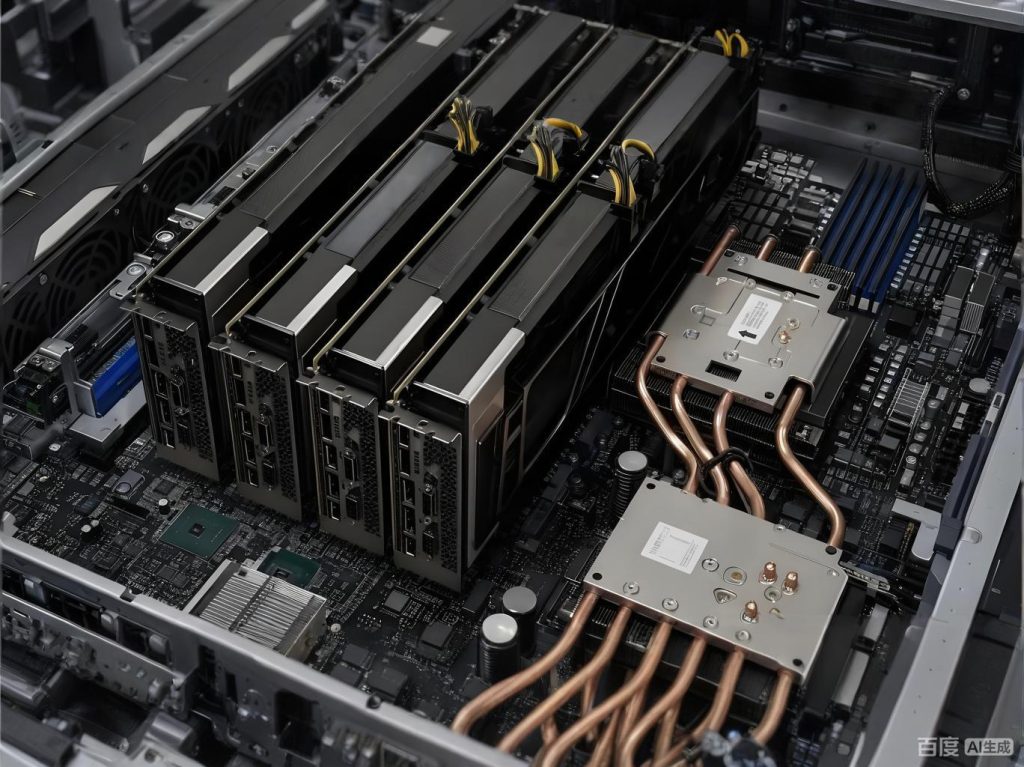
AI computing hardware has evolved from a single-layer competition at the chip level into a full-link collaborative game involving packaging, substrates, and PCBs. The ecological position of PCBs in this game has shifted from passive supporting components to active supply constraints. Order backlogs may merely be an external signal. The deeper industrial implication is that printed circuit boards are transitioning from general-purpose manufactured goods to strategically scarce resources. This transition brings with it a comprehensive reshaping of pricing power, procurement logic, and the global capacity landscape.
Data Source Declaration:
The data cited in this article are derived from the following authoritative institutions and publicly available market information:
- Prismark – Global PCB output value historical data and forecasts ($61.3B in 2019, $85.2B in 2025, etc.), cited from Prismark annual industry analysis reports.
- IDC – Global AI server shipment growth forecasts, cited from IDC Data Center Hardware Tracking reports.
- China Securities (Zhaoshang), Zhejiang Securities – High-end PCB material price ratios, expansion investment statistics, and yield-ramp cycle data, cited from publicly available in-depth industry research reports.
- CCTV Finance, Securities Times – Electronic glass fabric price increases, specialty copper foil supply-demand gaps, and price adjustment notices from KB Group, cited from public financial media coverage.
- China Printed Circuit Association (CPCA) – Industry capacity tier distribution and technical capability data, cited from the association’s annual industry white paper.