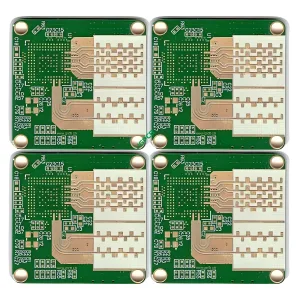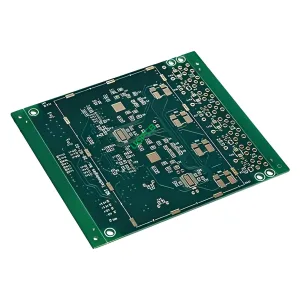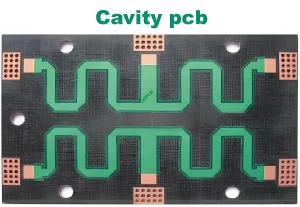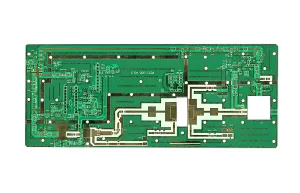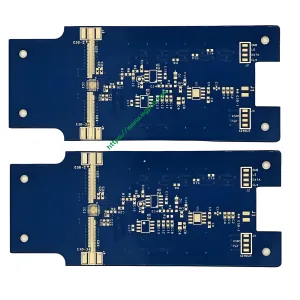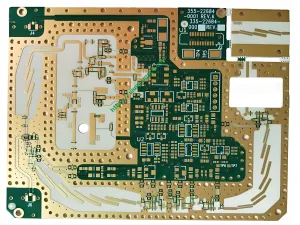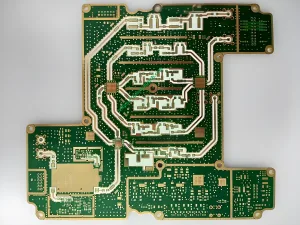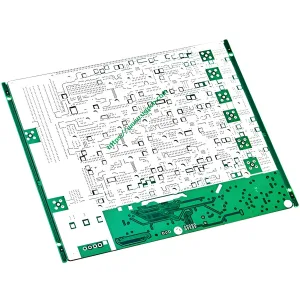
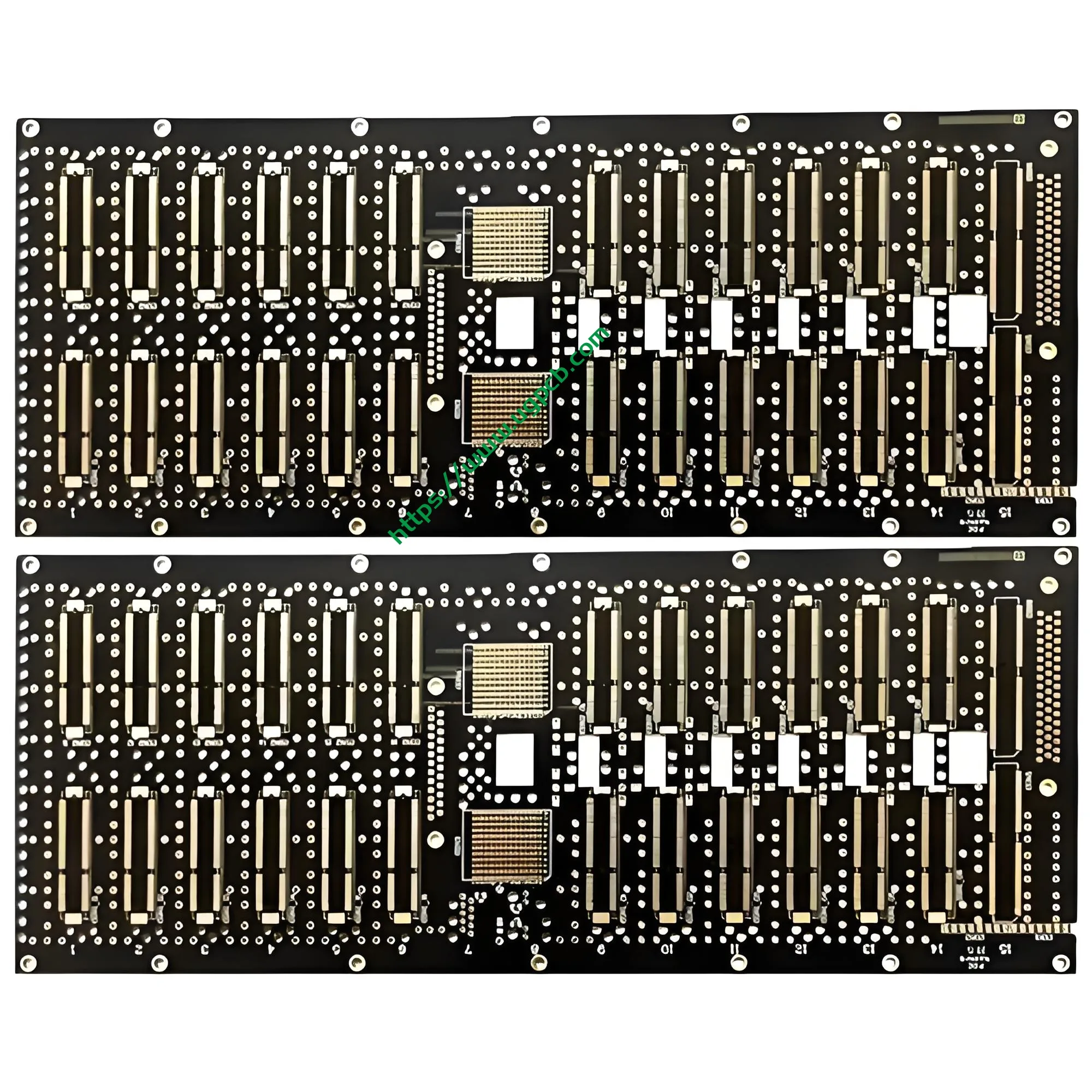
مواصفات سريعة
| المعلمة | التفاصيل |
|---|---|
| المواد الأساسية | روجرز RT/دورويد 5870 (مركب PTFE معزز بالألياف الزجاجية الدقيقة العشوائية) |
| عدد الطبقة | 2 طبقات |
| سمك اللوحة الإجمالي | 0.9 مم |
| سمك العزل الكهربائي | 0.762 مم |
| ثابت العزل الكهربائي (DK) @ 10 GHz | 2.33 ± 0.02 (عادي) |
| عامل التبديد (ص) @ 10 GHz | 0.0012 (عادي) |
| تصنيف القابلية للاشتعال | أول 94 V-0 |
| وزن النحاس | قاعدة 0.5 أوقية (≈18 ميكرومتر), انتهى 1 أوقية (≈35 ميكرومتر) |
| الانتهاء من السطح | يوافق (الذهب الغمر بالنيكل غير الكهربائي) |
| التطبيقات الرئيسية | هوائيات النطاق العريض للطيران التجاري, دارات microstrip و Srackline, معدات الموجات المليمترية, أنظمة الرادار العسكرية, أنظمة توجيه الصواريخ, هوائيات الترددات اللاسلكية الرقمية من نقطة إلى نقطة |
ما هو PCB عالي التردد من روجرز RT5870؟? التعريف والتصنيف
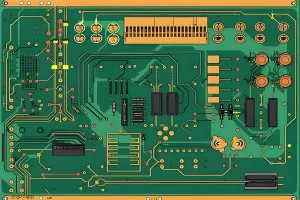
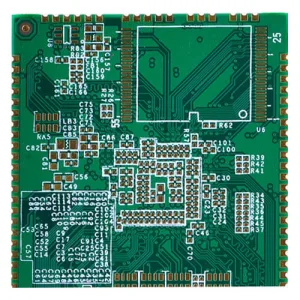
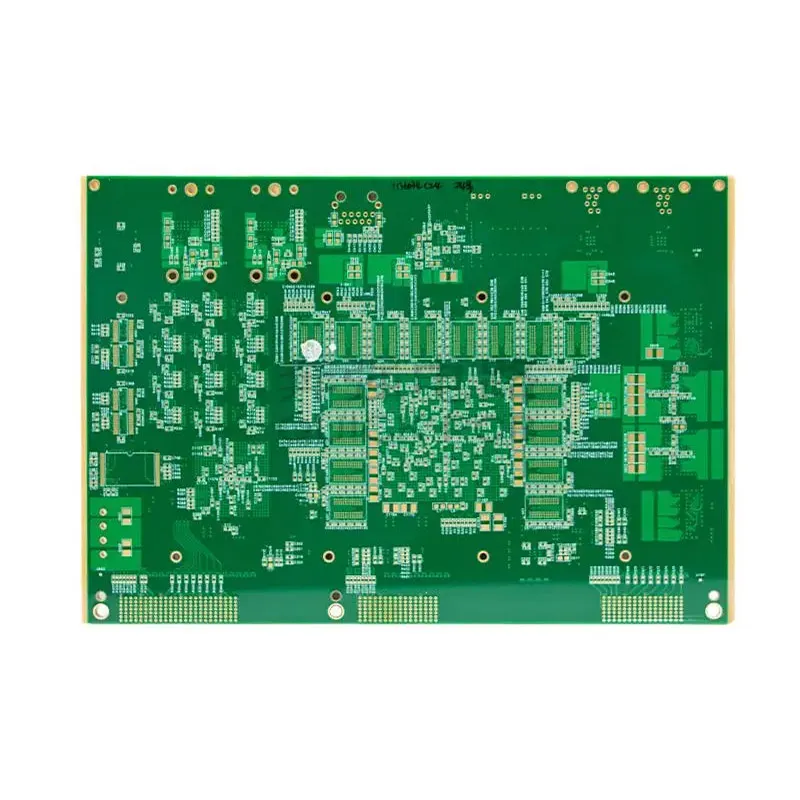
يستخدم PCB عالي التردد Rogers RT5870 روجرز RT / duroid 5870 صفح كما عازل الأساسية. هذه الصفائح عبارة عن مركب PTFE. تعمل الألياف الزجاجية الدقيقة الموجهة بشكل عشوائي على تعزيز المركب. لقد صممه المهندسون للدوائر الشريطية والدوائر الدقيقة المتطلبة.
من أ ثنائي الفينيل متعدد الكلور وجهة نظر التصنيف, تقع لوحة RT5870 ضمن هذه الفئات:
- حسب التردد - ثنائي الفينيل متعدد الكلور عالي التردد (الترددات اللاسلكية/الميكروويف ثنائي الفينيل متعدد الكلور) تغطي Ku‑band وما فوق.
- بواسطة نظام المواد - ثنائي الفينيل متعدد الكلور عالي التردد القائم على PTFE. وهذا يختلف عن الأنظمة المملوءة بالسيراميك الهيدروكربوني أو الإيبوكسي المعدل.
- عن طريق التطبيق - الترددات اللاسلكية وثنائي الفينيل متعدد الكلور بالموجات الدقيقة مع موثوقية من الدرجة العسكرية/الفضائية.
- حسب عدد الطبقات - ثنائي الفينيل متعدد الكلور على الوجهين (معيار). كما يتم دعم التكوينات متعددة الطبقات.
- حسب مواصفات IPC - مادة أساسية عالية السرعة/عالية التردد متوافقة مع IPC-4103.
روجرز RT/دورويد 5870 ظهرت لأول مرة في الستينيات. لديها أكثر من 60 سنوات من الأداء المثبت ميدانيًا. إنها لا تزال واحدة من حلول مواد ثنائي الفينيل متعدد الكلور عالية التردد الأكثر نضجًا في الصناعة.
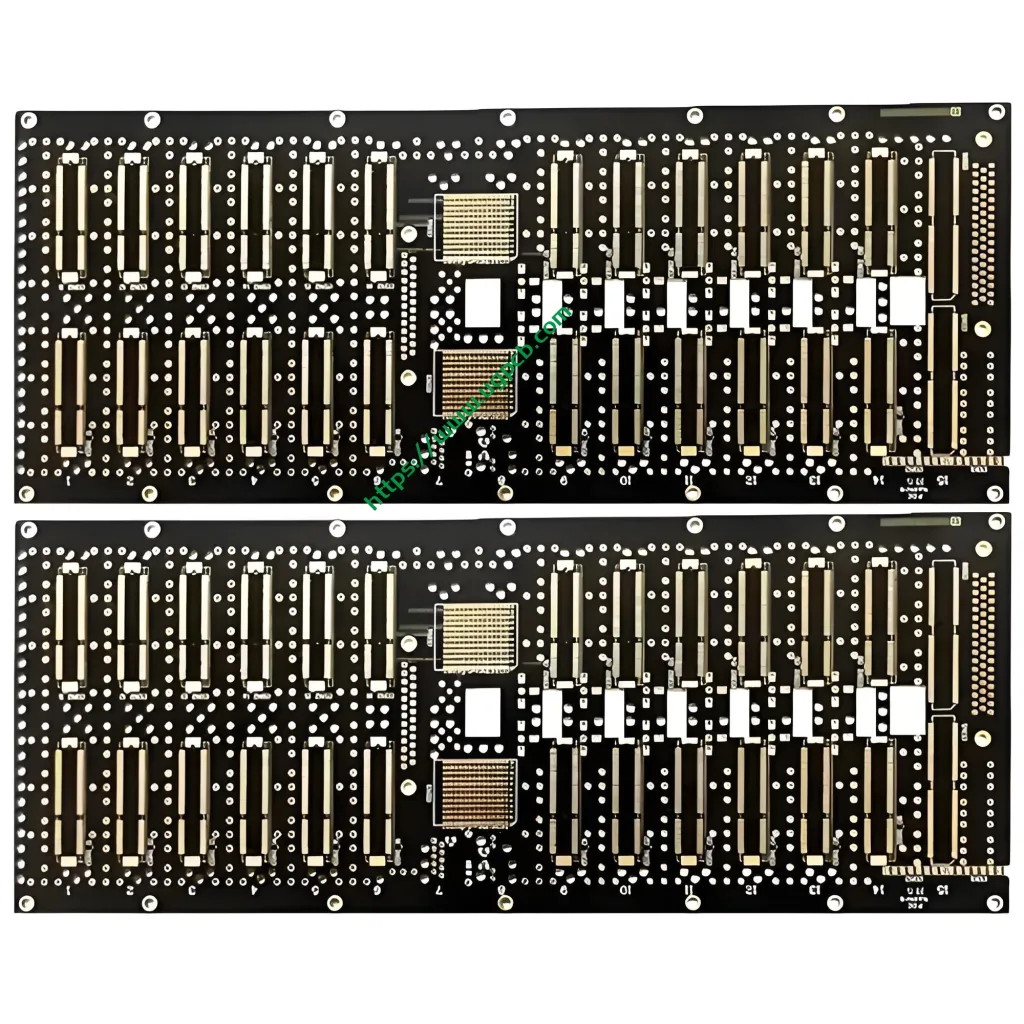
تركيب المواد وتكديس ثنائي الفينيل متعدد الكلور للوحة RT5870 الخاصة بـ UGPCB
الركيزة الأساسية: مركب PTFE المقوى بالألياف الزجاجية العشوائية
قلب RT/الديورويد 5870 هي مصفوفة PTFE. أنه يحتوي على توزيع موحد, ألياف زجاجية دقيقة موجهة بشكل عشوائي. توفر هذه البنية المجهرية الفريدة خاصيتين مهمتين. أولاً, فإنه يوفر السلوك الكهربائي الخواص. يبقى ثابت العزل الكهربائي ثابتًا في X, ي, واتجاهات Z. ثانية, فهو يضمن توحيد Dk ممتازًا من لوحة إلى أخرى.
مكدس ثنائي الفينيل متعدد الكلور
هذا المنتج عبارة عن لوحة PCB عالية التردد مكونة من طبقتين. إجمالي قياسات سمك اللوحة 0.9 مم. سمك الطبقة العازلة هو 0.762 مم. الموصلات النحاسية تجلس على كلا الجانبين. الوزن الأساسي للنحاس هو 0.5 أوقية (عن 18 ميكرومتر). بعد الطلاء, يصل النحاس النهائي 1 أوقية (عن 35 ميكرومتر). يوازن هذا التصميم بين إرسال الإشارات عالية التردد وقدرة حمل التيار.
الانتهاء من السطح: يوافق
UGPCB يطبق ENIG (الذهب الغمر بالنيكل غير الكهربائي) الانتهاء من السطح. نقوم بإيداع طبقة من سبائك النيكل والفوسفور (3-6 ميكرومتر) أولاً. ثم نضيف طبقة من الذهب الخالص (0.05-0.1 ميكرومتر). تعمل طبقة النيكل كحاجز للانتشار. يمنع المركبات المعدنية الهشة أثناء اللحام. توفر الطبقة الذهبية توصيلًا فائقًا, مقاومة التآكل, وقابلية اللحام. تتوافق هذه النهاية تمامًا مع احتياجات نقل الإشارات عالية التردد. إنه يوفر تسطيحًا رائعًا للسطح وحماية من الأكسدة.
كيف يعمل: لماذا يقوم Low Dk و Low Df بتحويل أداء PCB عالي التردد
عادة ما تعمل مركبات ثنائي الفينيل متعدد الكلور عالية التردد أعلاه 100 ميغاهيرتز. تبدأ نطاقات الميكروويف عند 2 GHz. على هذه الترددات, تتحكم المادة العازلة مباشرة في جودة الإشارة. هناك معلمتان أكثر أهمية.
ثابت العزل الكهربائي (DK) وسرعة انتشار الإشارة
تتبع سرعة انتشار الإشارة v_p في خط نقل ثنائي الفينيل متعدد الكلور هذه الصيغة:
v_p = ج / √(DK)
هنا, ج هي سرعة الضوء في الفراغ (≈ 3 × 10⁸ م/ث). مع معرف = 2.33, تنتقل الإشارة بحوالي 65.5% من سرعة الضوء (≈ 1.96 × 10⁸ م/ث). وهذا أسرع بكثير من لوحات FR‑4 القياسية. FR-4 لديه Dk حوالي 4.2-4.8. تنتقل إشاراتها بسرعة 46% إلى 49% فقط من سرعة الضوء. الانتشار الأسرع يعني تأخيرًا أقل للإرسال. وتثبت هذه الميزة أهميتها البالغة بالنسبة لأنظمة الرادار والهوائي الحساسة للطور.
عامل التبديد (ص) وتوهين الإشارة
عامل التبديد (ص, ويسمى أيضًا تان δ) يقيس مقدار الطاقة الكهرومغناطيسية التي تتحول إليها المادة إلى حرارة. انخفاض Df يعني فقدان إشارة أقل. RT / duroid 5870 يحقق Df فقط 0.0012 في 10 GHz. إنه 0.12%. تعرض مواد FR‑4 النموذجية قيم Df بين 0.018 و 0.025. نتيجة ل, يقلل RT5870 PCB من فقدان الإرسال عالي التردد بأكثر من مرتبة من حيث الحجم.
التحكم في التشتت
يمكن للترددات المختلفة أن تنتقل بسرعات مختلفة في العازل الكهربائي. ويسمى هذا التأثير التشتت. إنه يشوه إشارات النطاق العريض. RT / duroid 5870 يحافظ على Dk ثابت تقريبًا عبر نطاق ترددي واسع. هذا السلوك يقلل من التشتت. فهو يجعل المادة مناسبة بشكل قوي لمركبات ثنائي الفينيل متعدد الكلور ذات النطاق العريض عالي التردد.
أساسيات التصميم لدوائر RT5870 عالية التردد
المعاوقة المتحكم فيها - قياسي 50 Ω التصميم
تعمل Microstrip و stripline بمثابة هياكل خطوط النقل الرئيسية في مركبات ثنائي الفينيل متعدد الكلور عالية التردد. المعاوقة تعتمد على Dk, سمك عازل, عرض الخط, وسمك النحاس. باستخدام معرفك = 2.33, سمك عازل 0.762 مم, و 1 أوقية النحاس, أ 50 Ω microstrip يحتاج إلى عرض خط حوالي 0.762 مم (30 ميل). يتحكم UGPCB بإحكام في عرض التتبع والتباعد أثناءه تصنيع ثنائي الفينيل متعدد الكلور. وهذا يحافظ على المعاوقة المميزة على الهدف.
تصميم منخفض امتصاص الرطوبة
RT / duroid 5870 يمتص فقط 0.02% ماء (حالة اختبار D48/50%). ويمنع امتصاص الرطوبة المنخفض للغاية هذا انحراف Dk وتدهور الإشارة في البيئات الرطبة. إنها تناسب معدات إلكترونيات الطيران المحمولة جواً بشكل جيد للغاية.
تصميم الاستقرار الحراري
معامل التمدد الحراري (CTE) لRT/دورويد 5870 يكون 22 جزء في المليون/درجة مئوية (X), 28 جزء في المليون/درجة مئوية (ي), و 173 جزء في المليون/درجة مئوية (ز) عبر -55 درجة مئوية إلى 288 درجة مئوية. المعامل الحراري الثابت للعازل الكهربائي هو -115 جزء في المليون/درجة مئوية (-50درجة مئوية إلى 150 درجة مئوية). يتطلب المحور Z CTE المرتفع نسبيًا اهتمامًا دقيقًا بالفتحة المطلية (PTH) مصداقية. يواجه UGPCB هذا التحدي من خلال تنشيط البلازما الأمثل وعمليات النحاس غير الكهربائية لـ PTFE. نهجنا يؤمن القوة عبر الاتصالات.
المقاومة الكيميائية وقابلية التشغيل الآلي
مواد PTFE خاملة للغاية. RT / duroid 5870 يقاوم جميع المذيبات والكواشف المستخدمة في الحفر والطلاء. في نفس الوقت, من السهل قطع الصفائح, قص, وآلة. وهذا يدعم التصنيع الدقيق لمخططات ثنائي الفينيل متعدد الكلور المعقدة.
نظرة عميقة على بيانات الأداء (وفقًا لـ IPC-TM-650 والمعايير ذات الصلة)
يسرد الجدول التالي بيانات الأداء الكاملة لـ RT/duroid 5870 صفح. جميع القيم تأتي من ورقة بيانات روجرز الرسمية. تتوافق طرق الاختبار مع سلسلة IPC-TM-650.
| المعلمة | RT / duroid 5870 القيمة النموذجية | طريقة الاختبار |
|---|---|---|
| ثابت العزل الكهربائي (عملية) @ 10 GHz | 2.33 ± 0.02 | إيبك-TM-650 2.5.5.5 |
| ثابت العزل الكهربائي (تصميم) @ 8-40 جيجا هرتز | 2.33 | طريقة طول المرحلة التفاضلية |
| عامل التبديد @ 1 ميغاهيرتز | 0.0005 | إيبك-TM-650 2.5.5.3 |
| عامل التبديد @ 10 GHz | 0.0012 | إيبك-TM-650 2.5.5.5 |
| معامل درجة الحرارة Dk (-50درجة مئوية إلى 150 درجة مئوية) | -115 جزء في المليون/درجة مئوية | إيبك-TM-650 2.5.5.5 |
| مقاومة الحجم | 2 × 10⁷ أوم·سم | أستم D257 |
| المقاومة السطحية | 2 × 10⁷ محمد | أستم D257 |
| الموصلية الحرارية عند 50 درجة مئوية | 0.22 ث / م · ك | أستم D5470 |
| سي تي إي X / ي / ز | 22 / 28 / 173 جزء في المليون/درجة مئوية | إيبك-TM-650 |
| قوة التقشير (1 أوقية إد النحاس) | 27.2 رطل/في (4.8 ن / مم) | إيبك-TM-650 |
| كثافة | 2.2 جم/سم3 | — |
| امتصاص الماء | 0.02% | د48/50% |
| تصنيف القابلية للاشتعال | أول 94 V-0 | أول 94 |
| متوافقة مع عملية خالية من الرصاص | نعم | — |
توضح هذه البيانات سبب تفوق PCB عالي التردد RT5870 في توحيد العزل الكهربائي, خسارة منخفضة, مقاومة الرطوبة, والسلامة من الحرائق.
لماذا UL 94 V-0 المسألة?
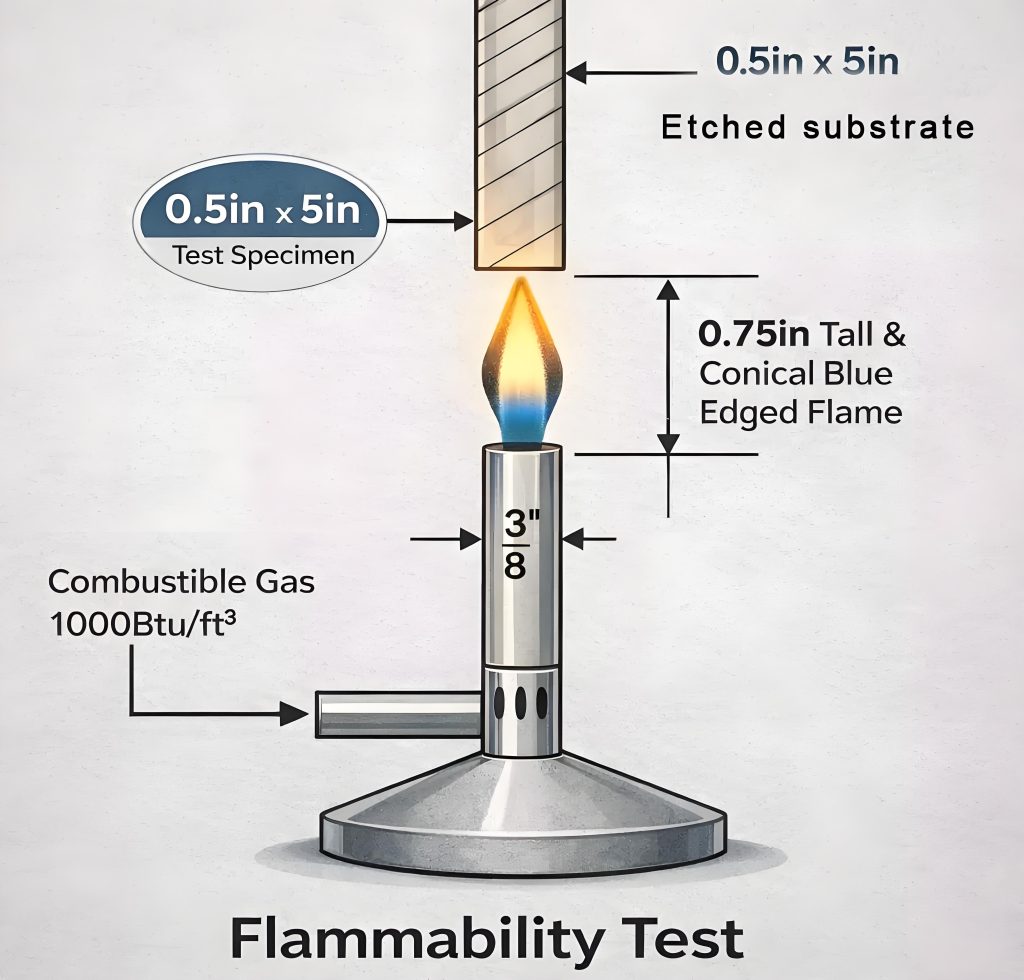
أول 94 V‑0 هو أعلى تصنيف لقابلية الاشتعال للمواد البلاستيكية في الأجهزة. ويعني تصنيف V‑0 أن المادة تنطفئ ذاتيًا بداخلها 10 ثانية أثناء اختبار الحرق العمودي. أي قطرات محترقة لن تشعل مؤشر القطن. لإلكترونيات الطيران والمعدات العسكرية, أول 94 V‑0 هو أحد متطلبات السلامة الإلزامية. RT / duroid 5870 يحقق هذا التصنيف الصارم ويدعم اللحام الخالي من الرصاص. إنه يفي تمامًا بقواعد السلامة والبيئة لتطبيقات الطيران والدفاع.
الميزات الرئيسية والمزايا التنافسية
خمس ميزات تقنية أساسية
- أدنى خسارة كهربائية بين مواد PTFE المقواة عالية التردد.
- امتصاص منخفض للغاية للرطوبة – مثالي للبيئات عالية الرطوبة.
- الخواص الكهربائية المتناحية - Dk موحد في الاتجاهات الثلاثة.
- اتساق النطاق العريض - أداء كهربائي مستقر من 1 ميغاهيرتز إلى Ku-band وما بعده.
- مقاومة كيميائية ممتازة - يقاوم جميع المواد الكيميائية المعالجة لثنائي الفينيل متعدد الكلور القياسية.
RT5870 مقابل. RT5880: كيفية الاختيار?
RT / duroid 5870 وRT/الدوريويد 5880 كلاهما ينتمي إلى عائلة PTFE المقواة بالألياف الزجاجية الدقيقة من Rogers. كل منتج يتفوق في مجالات مختلفة.
| مقارنة | RT / duroid 5870 | RT / duroid 5880 |
|---|---|---|
| لا أعرف @ 10 GHz | 2.33 ± 0.02 | 2.20 ± 0.02 |
| مدافع @ 10 GHz | 0.0012 | 0.0009 |
| CTE-X (جزء في المليون/درجة مئوية) | 22 | 31 |
| CTE-Y (جزء في المليون/درجة مئوية) | 28 | 48 |
| قوة التقشير | 27.2 رطل/في | 31.2 رطل/في |
| أفضل ل | رادار عالي الطاقة, أنظمة مستقرة حراريا | اتصالات منخفضة الخسارة للغاية, قمر صناعي |
توفر لوحة RT5870 ثباتًا ميكانيكيًا حراريًا أقوى وصلابة أعلى. تخدم هذه الصفات الرادار عالي الطاقة وإلكترونيات الطيران التي تتحمل التدوير الحراري المكثف. بالمقارنة, يوفر RT5880 Dk أقل قليلاً (2.20) ومدافع (0.0009). يفوز عند تأخير الإشارة وفقدان الإدراج.
عملية تصنيع ثنائي الفينيل متعدد الكلور عالي التردد RT5870 من UGPCB ومراقبة الجودة
تحضير المواد وقطعها
نبدأ مع Rogers RT/duroid الأصلي 5870 شرائح. نقوم بالحفر الدقيق وتنظيف السطح النحاسي بالأحماض. تعمل هذه الخطوة على إزالة الأكاسيد والملوثات العضوية.
التصوير والنقش
نحن نستخدم الطباعة الحجرية الضوئية للأغشية الجافة لنقل نمط الدائرة. نقوم بتحسين معلمات الحفر وتطبيق التعويض (عامل الحفر) لعقد بإحكام 0.762 ملم عرض التتبع والتباعد. يضمن هذا النظام اتساق المعاوقة عبر لوحة PCB عالية التردد.
الحفر والطلاء
بعد الحفر, تتلقى جدران ثقب PTFE تنشيط البلازما. التالي, نحن نطبق ترسيب النحاس اللاكهربائي. تقوم هذه الخطوة بتمعدن الثقوب وإنشاء وصلات موثوقة عبر الفتحات. أنشأت UGPCB معلمات عملية ناضجة خصيصًا لخطوة PTFE PCB هذه.
تشطيب السطح – ENIG
نحن نطبق عملية النيكل والذهب الكيميائية. نقوم بإيداع طبقة من النيكل بسمك 3-6 ميكرومتر أولاً. ثم نضيف طبقة ذهبية بسمك 0.05-0.1 ميكرومتر. يوفر الذهب مقاومة اتصال منخفضة وقابلية لحام ممتازة. يشكل النيكل حاجزًا للانتشار. وهذا يضمن موثوقية طويلة المدى لمفاصل اللحام في RT5870 PCBA.
الاختبار والفحص الكهربائي
نحن نؤدي 100% اختبار الاستمرارية الكهربائية والعزل. نقوم أيضًا بإجراء الفحص البصري وفقًا لـ IPC-A-600. يفي كل ثنائي الفينيل متعدد الكلور عالي التردد بمعايير الشحن الخاصة بنا.
UGPCB ضمان الجودة
تعمل UGPCB بموجب ISO 9001 إدارة الجودة ومعايير الصنعة IPC-A-600. يمكن تتبع عملية تصنيع ثنائي الفينيل متعدد الكلور عالي التردد لدينا بشكل كامل. نقوم بفحص المواد الأساسية الواردة من شركة Rogers وإجراء الفحوصات النهائية على كل لوحة صادرة.
سيناريوهات التطبيق النموذجية لمركبات ثنائي الفينيل متعدد الكلور RT5870 وتجميعات PCBA
هوائيات النطاق العريض للطيران التجاري
إن تجانس Dk الخاص بـ RT5870 والخسارة المنخفضة تجعله مادة PCB مناسبة لشبكات تغذية هوائي النطاق العريض المحمولة جواً. في هوائيات Ku-band, تعمل الإشارات عبر دوائر مقسم الطاقة. تتطلب هذه الشبكات خسارة عازلة صارمة واتساق الطور. تلبي مركبات ثنائي الفينيل متعدد الكلور عالية التردد RT5870 هذه المتطلبات.
دوائر Microstrip و Stripline
صمم روجرز في الأصل RT/duroid 5870 للدوائر الدقيقة والدوائر الشريطية. سواء كنت تصمم المرشحات, مقرنات, مقسمات الطاقة, أو شبكات تحويل المعاوقة, توفر هذه الصفائح بيئة عازلة يمكن التنبؤ بها. يظل أداء دائرتك قابلاً للتكرار.
معدات الموجات المليمترية
يدفع عامل التبديد المنخفض استخدام RT5870 إلى نطاق Ku وما بعده. وهو يدعم 24 GHz, 60 GHz, وحتى 77 تطبيقات الموجات المليمترية جيجا هرتز. وتشمل هذه الخلايا الصغيرة 5G mmWave, رادار السيارات, والوصلات الراجعة بالموجات الدقيقة من نقطة إلى نقطة.
أنظمة الرادار العسكرية
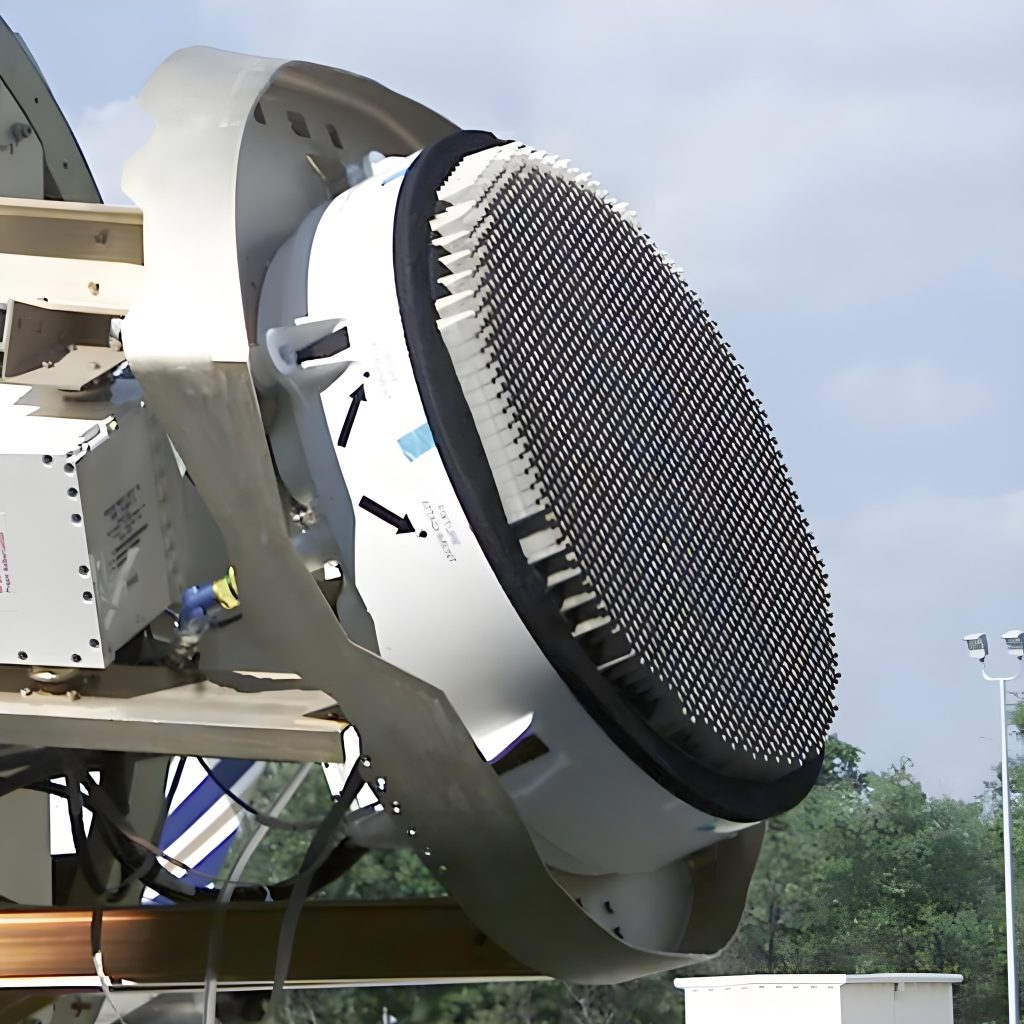
يلبي الفقد المنخفض والثبات الحراري القوي الاحتياجات الصارمة للرادار العسكري. تتعامل مركبات ثنائي الفينيل متعدد الكلور عالية التردد RT5870 مع النبض الطويل, إشارات عالية الطاقة بشكل موثوق. يمكنك العثور عليها في رادارات التحكم في النيران المحمولة جواً وأنظمة الإنذار المبكر الأرضية.
أنظمة توجيه الصواريخ
تواجه وحدات الإرسال والاستقبال الباحثة عن الصواريخ درجات حرارة شديدة, اهتزاز, والرطوبة. RT5870 لا يمتص أي رطوبة تقريبًا (0.02%) ويحافظ على خصائص كهربائية مستقرة عبر نطاق واسع من درجات الحرارة. وهذا يضمن سلامة الإشارة من الإطلاق إلى الهدف.
هوائيات الترددات اللاسلكية الرقمية من نقطة إلى نقطة
تعتمد وصلات الموجات الدقيقة من نقطة إلى نقطة على كسب الهوائي وعرض الحزمة الدقيقين. يضمن توحيد Dk الفائق لـ RT5870 محاذاة دقيقة للطور عبر صفائف الهوائي الكبيرة. يظل أداء ثنائي الفينيل متعدد الكلور الخاص بك قابلاً للتنبؤ به من عنصر إلى آخر.
معلمات التسليم لثنائي الفينيل متعدد الكلور عالي التردد RT5870
| المعلمة | مواصفة |
|---|---|
| المواد الأساسية | روجرز RT/دورويد 5870 |
| عدد الطبقة | 2 طبقات |
| سمك اللوحة الإجمالي | 0.9 مم |
| سمك العزل الكهربائي | 0.762 مم |
| لا أعرف @ 10 GHz | 2.33 ± 0.02 |
| مدافع @ 10 GHz | 0.0012 |
| نحاس (قاعدة / انتهى) | 0.5 أوقية / 1 أوقية |
| عرض التتبع / تباعد | 0.762 مم / 0.762 مم |
| الانتهاء من السطح | يوافق |
| تصنيف القابلية للاشتعال | أول 94 V-0 |
| أبعاد | مخصص |
| دعم هجين متعدد الطبقات | نعم (RT5870 + FR‑4 أو مواد روجرز الأخرى) |
خدمات UGPCB PCBA للوحات عالية التردد
ما وراء مركبات ثنائي الفينيل متعدد الكلور عالية التردد, يوفر UGPCB وقفة واحدة ثنائي الفينيل متعدد الكلور (مجموعة لوحة الدوائر المطبوعة) خدمات. لتجميع لوحة روجرز RT5870, نحن نقدم:
- تجميع SMT عالي التردد باستخدام تصميمات وسادة منخفضة الفقد وفتحات استنسل دقيقة.
- لحام المكونات الدقيقة (بغا, QFN, وأكثر).
- ملامح لحام إنحسر تسيطر عليها بإحكام.
- الهيئة العربية للتصنيع (الفحص البصري الآلي) و الأشعة السينية تقتيش.
- الاختبارات الوظيفية على مستوى النظام.
عندما يحتاج مشروعك إلى تسليم المفتاح PCBA عالي التردد بالإضافة إلى تسليم المفتاح PCBA, يرجى تحديد متطلبات PCBA الخاصة بك في مرحلة الطلب.
لماذا تختار UGPCB? – اطلب عرض الأسعار الخاص بك اليوم
- ✅ مصادر قناة روجرز المعتمدة - يبدأ كل ثنائي الفينيل متعدد الكلور عالي التردد RT5870 بشرائح أصلية أصلية.
- ✅ 20+ سنوات من تصنيع ثنائي الفينيل متعدد الكلور عالي التردد – خبرة عميقة في تصنيع لوحات دوائر الترددات اللاسلكية والميكروويف.
- ✅ ايزو 9001 تصنيع معتمد - رقابة صارمة على الجودة من المواد الواردة إلى الشحن النهائي.
- ✅ النماذج الأولية السريعة والإنتاج بكميات كبيرة – فترات زمنية تنافسية للنماذج الأولية وجدولة مرنة للدفعات.
- ✅ اللوجستية العالمية – خدمة أمريكا الشمالية, أوروبا, آسيا والمحيط الهادئ, وغيرها من الأسواق الكبرى.
- ✅ الدعم الفني الخبراء – المساعدة الهندسية من استشارات التصميم من خلال إنتاج ثنائي الفينيل متعدد الكلور و PCBA.
اتصل بـ UGPCB بخصوص مشروع Rogers RT5870 ثنائي الفينيل متعدد الكلور أو PCBA عالي التردد.
- 📧 بريد إلكتروني: sales@ugpcb.com
- 🌐 موقع إلكتروني: www.ugpcb.com
- 📞 الدردشة الحية: متوفر على موقعنا
- 📋 نموذج طلب عرض الأسعار السريع: أرسل ملفات ومتطلبات جربر الخاصة بك. نحن نرد مع الاقتباس في الداخل 24 ساعات.
مسرد
| شرط | تعريف |
|---|---|
| DK (ثابت العزل الكهربائي) | مقياس لقدرة المادة على تخزين طاقة المجال الكهربائي. |
| ص (عامل التبديد) | مقياس لمقدار الطاقة الكهرومغناطيسية التي تتحول إليها المادة إلى حرارة; وتسمى أيضا ظل الخسارة. |
| PTFE | بولي تترافلوروإيثيلين, فلورو بوليمر عالي الأداء. |
| يوافق | الذهب الغمر بالنيكل غير الكهربائي, تشطيب سطحي لمركبات ثنائي الفينيل متعدد الكلور عالية التردد. |
| CTE | معامل التمدد الحراري. |
| PTH | مطلي من خلال هول, عبر مع طلاء النحاس موصل. |
| إدارة المعلومات الشخصية | التشكيل البيني السلبي. |
| RF | تردد الراديو, عادة 100 ميغاهيرتز وما فوق. |
| IPC | جمعية ربط الصناعات الإلكترونية, ناشر معايير ثنائي الفينيل متعدد الكلور. |
الأسئلة الشائعة - روجرز RT5870 ثنائي الفينيل متعدد الكلور عالي التردد
س1: كيف أختار بين RT5870 وRT5880?
أ1: RT5870 (دك=2.33) يوفر استقرارًا ميكانيكيًا حراريًا أفضل. وهي تناسب أجهزة الرادار وإلكترونيات الطيران عالية الطاقة. RT5880 (دك=2.20) يقدم خسارة أقل. وهو مثالي للاتصالات فائقة التردد وأنظمة الأقمار الصناعية. انظر جدول المقارنة في القسم 6.2.
Q2: ما هو الحد الأدنى لعرض التتبع والتباعد?
A2: يعتمد الحد الأدنى من الأثر/المساحة على سمك النحاس والتصميم الخاص بك. ميزات منتجنا RT5870 القياسية 0.762 مم الخطوط والمسافات. للحصول على هندسات أدق, يرجى الاتصال بالدعم الفني لـ UGPCB.
س3: هل تدعم مركبات ثنائي الفينيل متعدد الكلور متعددة الطبقات والهجينة عالية التردد؟?
A3: نعم. نقوم ببناء لوحات RT5870 متعددة الطبقات ومجموعات هجينة. نقوم بدمج RT5870 مع مواد روجرز الأخرى (مثل RO4350B, RT5880) أو FR-4.
س 4: ما هي المهلة النموذجية?
A4: تختلف المهل الزمنية للنموذج الأولي حسب عدد الطبقات وتعقيدها. يمكن لفريق المبيعات لدينا تقديم أسرع جدول زمني متاح. تظهر مهلة الحجم في عرض الأسعار الرسمي.
س5: كيف تختلف مركبات ثنائي الفينيل متعدد الكلور عالية التردد عن مركبات ثنائي الفينيل متعدد الكلور القياسية?
A5: تستخدم مركبات ثنائي الفينيل متعدد الكلور عالية التردد مستوى منخفض من Dk, ركائز متخصصة منخفضة الكثافة مثل PTFE لإشارات الترددات اللاسلكية/الميكروويف. تتمتع لوحات FR‑4 القياسية بـ Dk أعلى (4.2-4.8) وخسارة أعلى. إنها تناسب فقط الدوائر الرقمية أو التناظرية ذات التردد المنخفض.
الإشعار القانوني والامتثال
جميع المعايير الفنية تأتي من شركة Rogers Corporation RT/duroid الرسمية 5870/5880 أوراق البيانات. القيم نموذجية. قد تحدث اختلافات عملية عادية بين دفعات الإنتاج. تعمل مراجع IPC-4103 على الإشارة إلى نظام التصنيف وطرق الاختبار للركائز عالية التردد. ماي 94 يعكس تصنيف القابلية للاشتعال V‑0 شهادات منتجات روجرز المنشورة. يخضع الأداء الفعلي للمنتج لتقرير الفحص النهائي الصادر من UGPCB.
© 2024 UGPCB. جميع الحقوق محفوظة. Rogers RT/duroid هي علامة تجارية مسجلة لشركة Rogers Corporation.