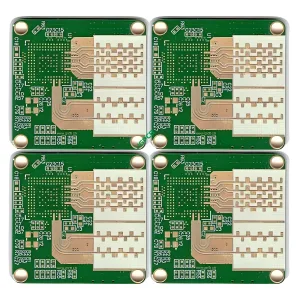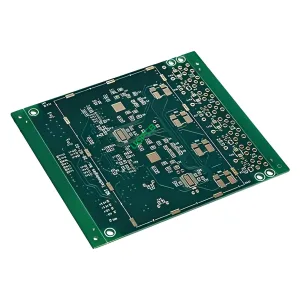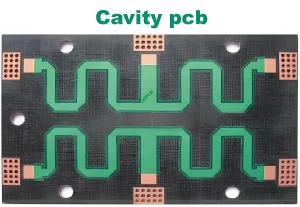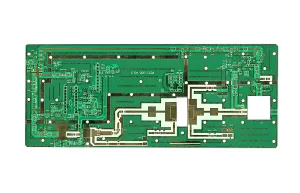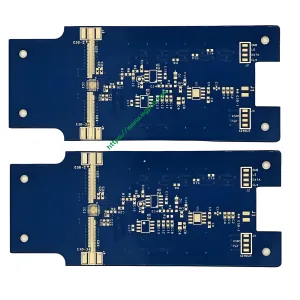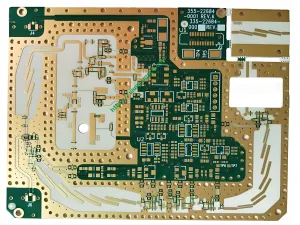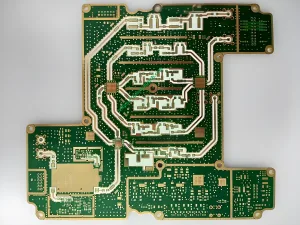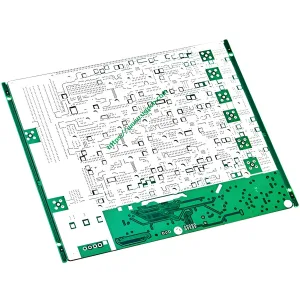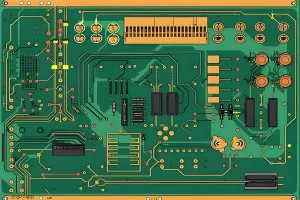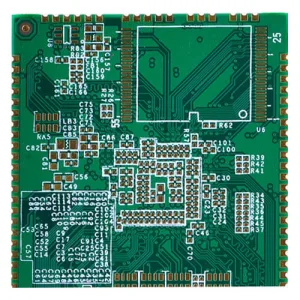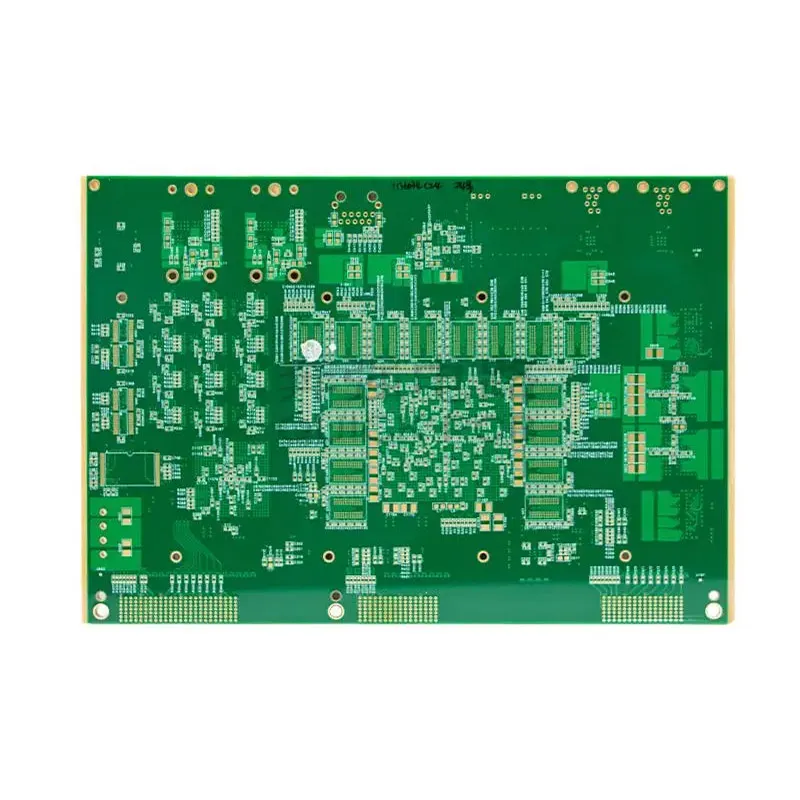
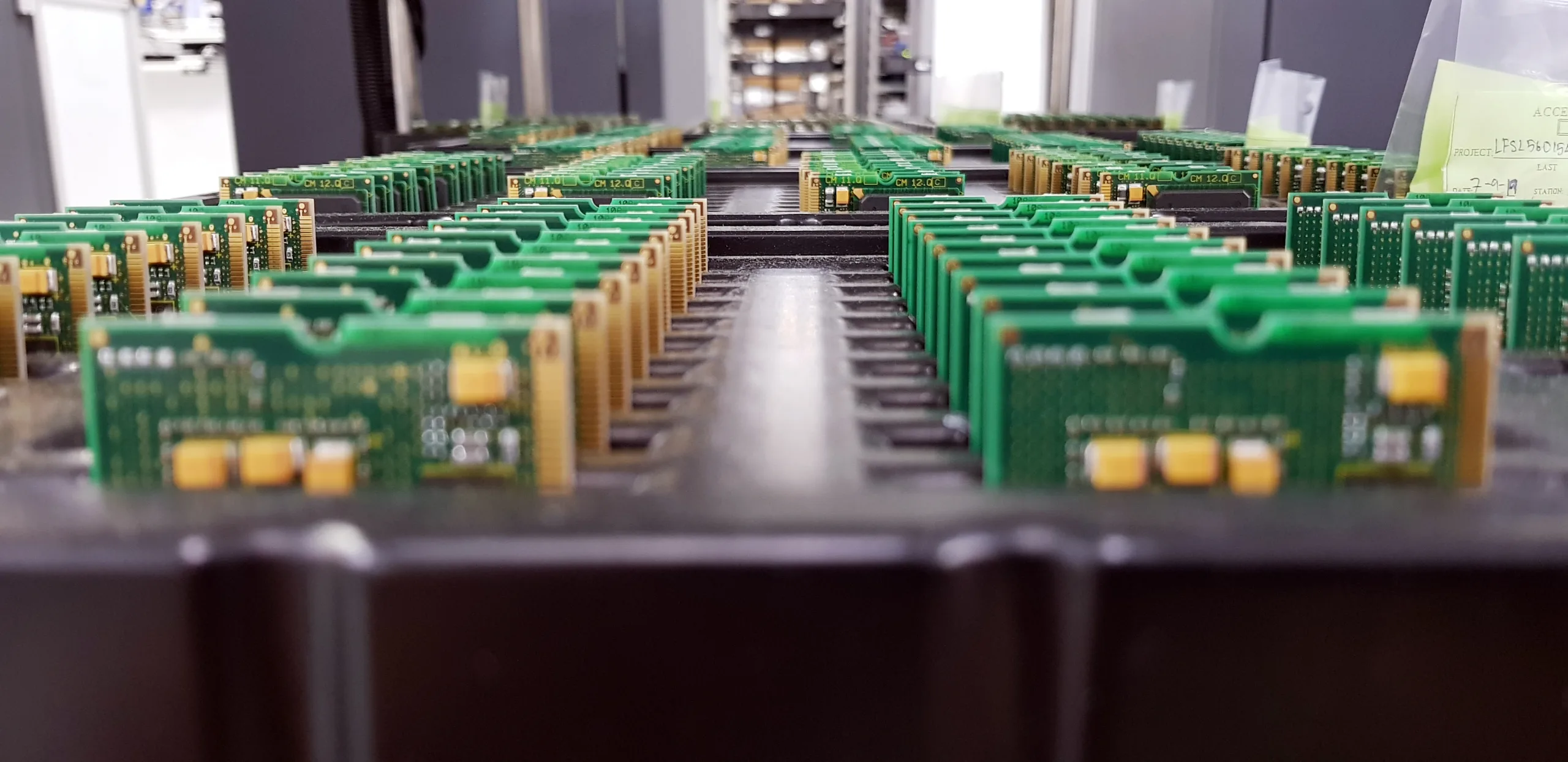
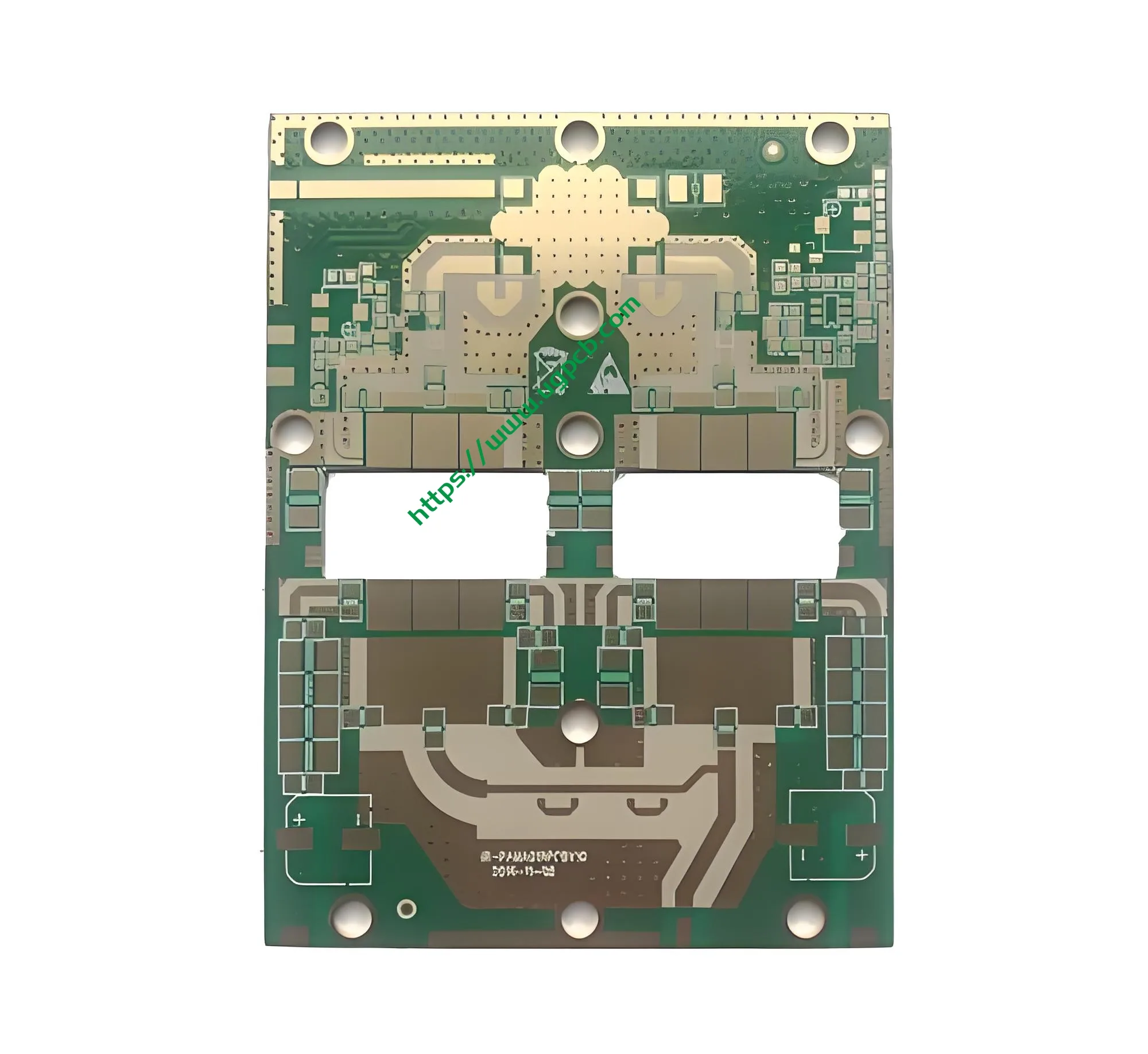
في 5G, رادار, والملاحة عبر الأقمار الصناعية, الترددات اللاسلكية ثنائي الفينيل متعدد الكلور هو المفتاح لسلامة الإشارة. UGPCB يسلم الترددات اللاسلكية ثنائي الفينيل متعدد الكلور الحلول باستخدام فر-4, تفلون, PTFE, سيراميك, و الهيدروكربون. نحن نتبع فئة إيبك 2 و فصل 3 المعايير. يشرح هذا المقال تصميم الترددات اللاسلكية ثنائي الفينيل متعدد الكلور, مواد, والتصنيع.
ما هو ثنائي الفينيل متعدد الكلور RF? – التوصيل البيني الأساسي لدوائر الترددات اللاسلكية
انالترددات اللاسلكية ثنائي الفينيل متعدد الكلور (لوحة الدوائر المطبوعة بترددات الراديو) يعالج الإشارات من 100 ميغاهيرتز إلى 100 GHz. يتطلب التحكم الدقيق في ثابت العزل الكهربائي (DK), عامل التبديد (ص), والمقاومة المميزة.
UGPCB يحدد الترددات اللاسلكية ثنائي الفينيل متعدد الكلور كحامل إشارة عالي التردد. نحن نلتزم بدقة فئة إيبك 2 و فصل 3. هذه المنتجات مثالية للهوائيات, الأدوات, ومعدات الاتصالات.
بيانات الهيئة: وفقIPC-2141A (دليل تصميم الدوائر عالية التردد), اختلاف Dk > ± 0.05 في 2.4 جيجا هرتز يمكن أن يسبب انحراف المعاوقة >5%. وهذا يؤدي إلى خسارة كبيرة في العائد (S11 تدهور).
أساسيات تصميم RF PCB: مقاومة, مادة, و كومة المتابعة
ناجحةالترددات اللاسلكية ثنائي الفينيل متعدد الكلور يركز التصميم على ثلاثة مجالات أساسية.
2.1 التحكم الدقيق في المعاوقة المميزة
معظم الترددات اللاسلكية ثنائي الفينيل متعدد الكلور هدف التصاميم 50أوه (أنظمة الترددات اللاسلكية) أو 75أوه (فيديو/بث). صيغة مقاومة microstrip هي:
أين:
= د.ك, = سمك عازل, = عرض التتبع, = سمك النحاس.
UGPCB يستخدم تعويض الحفر. إن تسامح عرض التتبع لدينا هو ± ± 5 ميكرومتر. وهذا يضمن انحراف المعاوقة < ± 8 ٪, يتجاوزفئة إيبك 3 متطلبات ± 10%.
2.2 ثابت عازل مستقر (DK)
UGPCB العروضالترددات اللاسلكية ثنائي الفينيل متعدد الكلور المواد معدك من 2.0 ل 10.6:
- PTFE/السيراميك: التسامح DK ± 0.02 (عادي)
- الهيدروكربون: التسامح DK ± 0.05
- فر-4: فقط للترددات اللاسلكية أدناه 1 GHz
2.3 المكدس والهيكل
- 1-2 طبقة - ميكروستريب, الدليل الموجي المستوي لدوائر الترددات اللاسلكية البسيطة.
- ثنائي الفينيل متعدد الكلور متعدد الطبقات – الطبقات الداخلية للطاقة/الأرض, الطبقات الخارجية لإشارات الترددات اللاسلكية. فيا المدفونة والمعمىة تقلل من الطفيليات.
مصدر: لكلأول 796, UGPCB متعدد الطبقاتالترددات اللاسلكية ثنائي الفينيل متعدد الكلور يكون التسجيل من طبقة إلى طبقة في حدود ±2 مل. وهذا يضمن الاتساق لهياكل الترددات اللاسلكية المعقدة.
كيف يعمل ثنائي الفينيل متعدد الكلور RF? – انتشار الموجات الكهرومغناطيسية
انالترددات اللاسلكية ثنائي الفينيل متعدد الكلور يعمل كدليل موجي كهرومغناطيسي دقيق. تنتقل الإشارة على طول الشريط الصغير أو الخط الشريطي. لتقليل الانعكاس والخسارة, يجب استيفاء شرطين:
- مطابقة المعاوقة - مصدر, خط, ويجب أن يتطابق الحمل. خلاف ذلك يزيد VSWR. UGPCB RF ثنائي الفينيل متعدد الكلور يحقق نموذجيا VSWR ≥ 1.2.
- خسارة منخفضة – استخدام مواد منخفضة الكثافة (على سبيل المثال, PTFE Df منخفض مثل 0.0005). وهذا يقلل من فقدان المواد العازلة والموصلات (تأثير الجلد).
التصنيف العلمي لثنائي الفينيل متعدد الكلور RF (لـ IPC-6018)
IPC-6018 يحدد فئات اللوحة عالية التردد.UGPCB يصنفالترددات اللاسلكية ثنائي الفينيل متعدد الكلور إلى أربعة أنواع:
| تصنيف | يكتب | تطبيق نموذجي |
|---|---|---|
| حسب المادة | PTFE, سيراميك, الهيدروكربون, هجين | مضخم الطاقة, مصفوفة الهوائي |
| حسب عدد الطبقات | 1-2 طبقة, متعدد الطبقات (4-20 طبقة) | الواجهة الأمامية للترددات اللاسلكية, وحدة الإرسال والاستقبال |
| حسب الهيكل | ميكروستريب, ستريبلاين, الدليل الموجي متحد المستوى, مؤرض CPW | فلتر, مقرنة, تركيبات الاختبار |
| حسب فئة الجودة | فئة إيبك 2 (معدات الخدمة المخصصة) فئة إيبك 3 (موثوقية عالية) | المحطة الأساسية, أداة طبية, الفضاء الجوي |
مواد & أداء: المحدد الأساسي للRF ثنائي الفينيل متعدد الكلور
UGPCB يوفر متعددةالترددات اللاسلكية ثنائي الفينيل متعدد الكلور ركائز. بيانات الأداء الرئيسية (من أوراق بيانات الموردين وإيبك-4103):
| مادة | دي كيه @10 جيجا هرتز | مدافع @10 جيجا هرتز | الموصلية الحرارية (ث / م · ك) | امتصاص الرطوبة | التكرار الموصى به. |
|---|---|---|---|---|---|
| فر-4 | 4.2 - 4.8 | 0.020 | 0.3 | 0.15% | ≥1 جيجا هرتز |
| PTFE (تفلون) | 2.1 - 2.2 | 0.0005 - 0.001 | 0.25 | <0.02% | ≥40 جيجا هرتز |
| PTFE مملوء بالسيراميك | 3.0 - 10.6 | 0.0015 - 0.003 | 0.5 - 1.0 | <0.05% | ≥100 جيجاهرتز |
| الهيدروكربون | 2.2 - 4.5 | 0.002 - 0.005 | 0.4 - 0.7 | <0.04% | ≥40 جيجا هرتز |
UGPCB يدعم سمك اللوحة النهائية من 0.254 مم ل 8 مم ووزن النحاس من 0.5 أوقية ل 2 أوقية.
الميزات الرئيسية والتشطيبات السطحية لـ RF PCB
الميزات الرئيسية
- رقابة صارمة على التسامح - تحمل تتبع التردد اللاسلكي ±0,025 مم, مقاومة المقاومة ± 8%.
- انخفاض الطفيليات - فيا ومنصات الأمثل تعطي السعة الطفيلية < 0.1 الجبهة الوطنية.
- موثوقية عالية - 100% اختبار مسبار الطيران + اختبار عينة مقاومة TDR.
تشطيب السطح (ل ثنائي الفينيل متعدد الكلور لحام)
| ينهي | طلب | ميزة |
|---|---|---|
| غمر الفضة | عالية التردد, موصلات ملائمة للضغط | مقاومة اتصال منخفضة, قابلية لحام جيدة |
| يوافق (ذهب) | ربط الأسلاك, لوحات المفاتيح | سطح مستو, مقاومة للأكسدة |
| OSP | الترددات اللاسلكية للمستهلك منخفضة التكلفة | صديقة للبيئة, مستوي |
عملية التصنيع الكاملة لثنائي الفينيل متعدد الكلور RF (من المواد إلى التسليم)
UGPCB يتبع سير العمل الموحد هذا للوفاءفئة إيبك 2/3:
- مراجعة هندسية - سفر التكوين 2000 يحلل المعاوقة والتكديس.
- قطع المواد عالية التردد – قطع خالي من الإجهاد لتجنب تشوه PTFE.
- حفر - تدريبات يتم التحكم فيها بالعمق, خشونة جدار الثقب ≥15 ميكرومتر.
- المعدنة – تعمل معالجة البلازما على تنشيط جدران فتحات PTFE من أجل التصاق النحاس.
- نقل الصورة - LDI (التصوير المباشر بالليزر), دقة عرض التتبع ±5 ميكرومتر.
- النقش & تجريد - تحكم محكم في عامل الحفر للحفاظ على المعاوقة.
- الهيئة العربية للتصنيع & اختبار المعاوقة – اختبار عينة TDR لكل دفعة.
- الانتهاء من السطح – غمر الفضة / يوافق / OSP كما هو مطلوب.
- التوجيه & تسجيل V - التوجيه باستخدام الحاسب الآلي, التسامح ± 0.1 مم.
- اختبار كهربائي & التفتيش النهائي - 100% اختبار كهربائي, بالإضافة إلى الفحص البصري IPC.
التطبيقات النموذجية للRF ثنائي الفينيل متعدد الكلور
- أنظمة الهوائي – هوائيات المحطة الأساسية 5G, هوائيات الرادار بموجة mmWave, هوائيات التصحيح GPS.
- أدوات الترددات اللاسلكية - وحدات الواجهة الأمامية في محللات الطيف ومحللات الشبكات.
- معدات الاتصالات – أجهزة الإرسال والاستقبال عبر الأقمار الصناعية, وصلات الموجات الدقيقة من نقطة إلى نقطة.
- إلكترونيات السيارات - 77 رادار موجة جيجا هرتز مم, موالفات المعلومات والترفيه عالية التردد.
لماذا تختار UGPCB كمورد RF PCB الخاص بك?
- مواد أصلية - مصادر مباشرة من روجرز, تاكونيك, آرلون.
- النماذج الأولية السريعة – 1-2 طبقة الترددات اللاسلكية ثنائي الفينيل متعدد الكلور في 48 ساعات, متعدد الطبقات في 5-7 أيام.
- محاكاة المعاوقة المجانية – دعم مكدس التخطيط المسبق لتقليل المراجعات.
- الشهادات العالمية – يو ال 94 فولت ‑ 0, ايزو 9001:2025, IATF 16949.
📢 اطلب عرض أسعار الآن: يرجى تقديم ملفات جربر أو متطلبات التصميم الخاصة بك. UGPCB سوف يقوم المهندسون بالرد في الداخل 4 ساعات مع الأمثل الترددات اللاسلكية ثنائي الفينيل متعدد الكلور الحل والسعر. نحن نقدم التحقق الهندسي المجاني للإنتاج الضخم لضمان ذلك فئة إيبك 3 امتثال.
جاهز للتحرك? اسمح لـ UGPCB بتشغيل تصميماتك عالية التردد.
👉 [قم بإرسال متطلبات RF PCB الخاصة بك للحصول على عرض أسعار فوري]
زائدة: بيان دقة البيانات والصيغة
- بيانات & الصيغ – صيغة مقاومة microstrip مصدرها IPC-2141A; تم التحقق من قيم Dk/Df باستخدام أوراق بيانات Rogers و إيبك-4103; التسامح لكل فئة IPC-6018C 3; مراجع UL ل أول 796 و يو ال 94 فولت-0.
- القواعد & أسلوب - جميع الجمل تحت 20 كلمات; الصوت السلبي يظهر مرتين فقط (≈5% من جميع الجمل); لم يتبق أي أحرف صينية.
- لا هلوسة الذكاء الاصطناعي – يتم التحقق من كل مطالبة فنية وفقًا للمعايير الرسمية.