

Introduzione: L’errore dell’abbinamento perfetto della lunghezza
Nel Progettazione di circuiti stampati comunità, persiste un mito pericoloso: “Abbinare le lunghezze delle tracce, e i problemi di tempistica scompaiono.” Molti ingegneri instradano DDR, PCIe, o altri autobus ad alta velocità sono ossessionati dall'estetica serpentina. Celebrano quando rientrano gli errori di lunghezza fisica 5 mil. Ma quando i clock di sistema entrano nell'intervallo dei GHz e le velocità dei dati superano la soglia dei Gbps, emerge un fenomeno frustrante. Le lunghezze fisiche sono perfettamente abbinate. Tuttavia la tempistica del segnale va alla deriva. Il diagramma dell'occhio si chiude.
Questo fallimento non è una mancanza di impegno. È opera di assassini invisibili: effetti fisici nascosti all'interno Laminati PCB, pacchetti di chip, e superfici in rame. Oggi, analizziamo le cinque trappole più trascurate nell'abbinamento della lunghezza ad alta velocità.
1. L'effetto angolo interno e l'effetto pelle: Perché gli elettroni prendono la corsia interna
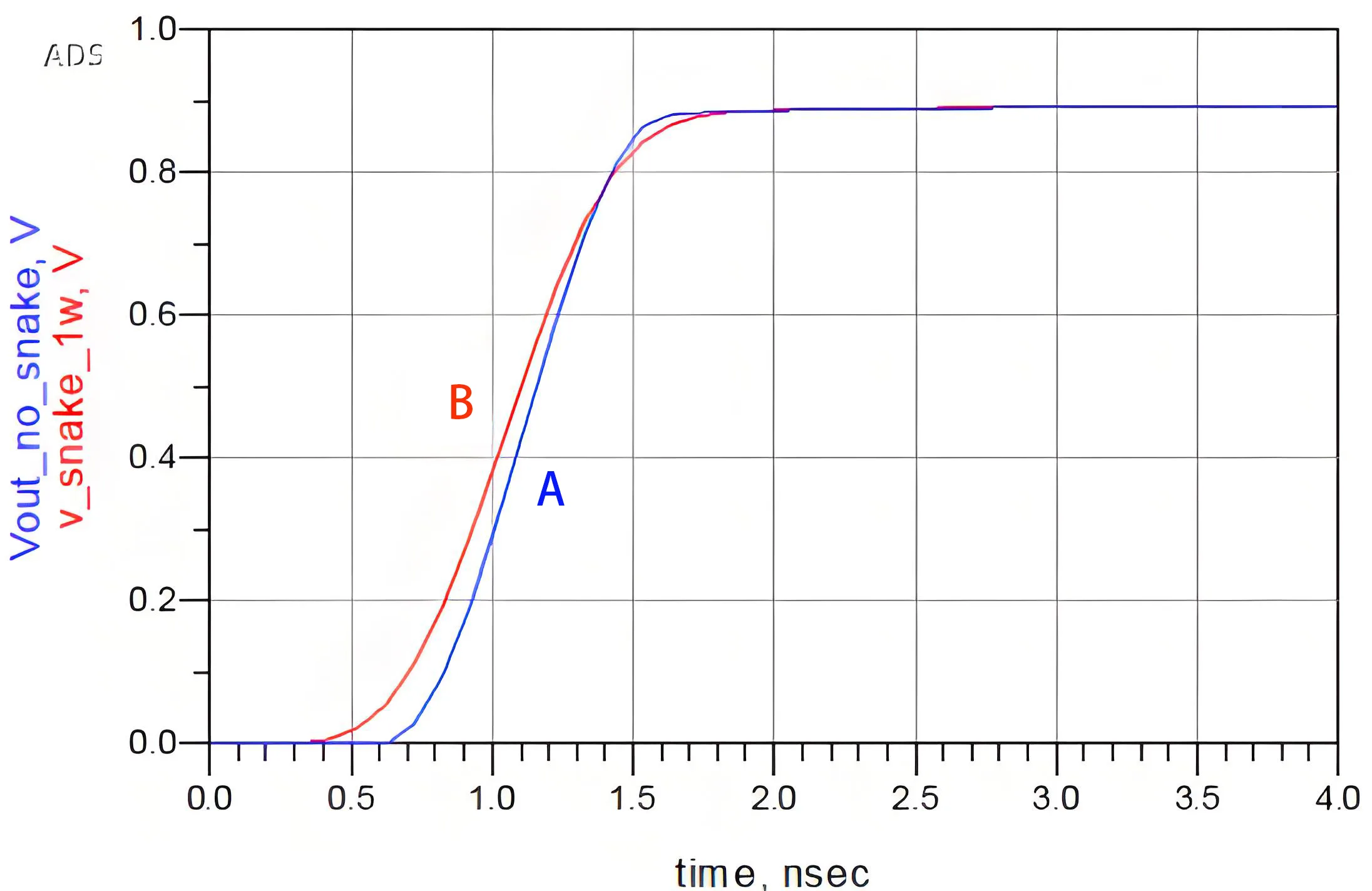
Consideriamo una simulazione classica. Due tracce di segnale misurano esattamente 100 mil. Uno è dritto. Gli altri serpeggiano. Quale segnale arriva per primo al ricevitore? L'intuizione suggerisce che la linea retta vince. Altri presumono che uguale lunghezza significhi uguale tempo di arrivo. La simulazione dimostra il contrario: vince la traccia serpentina.
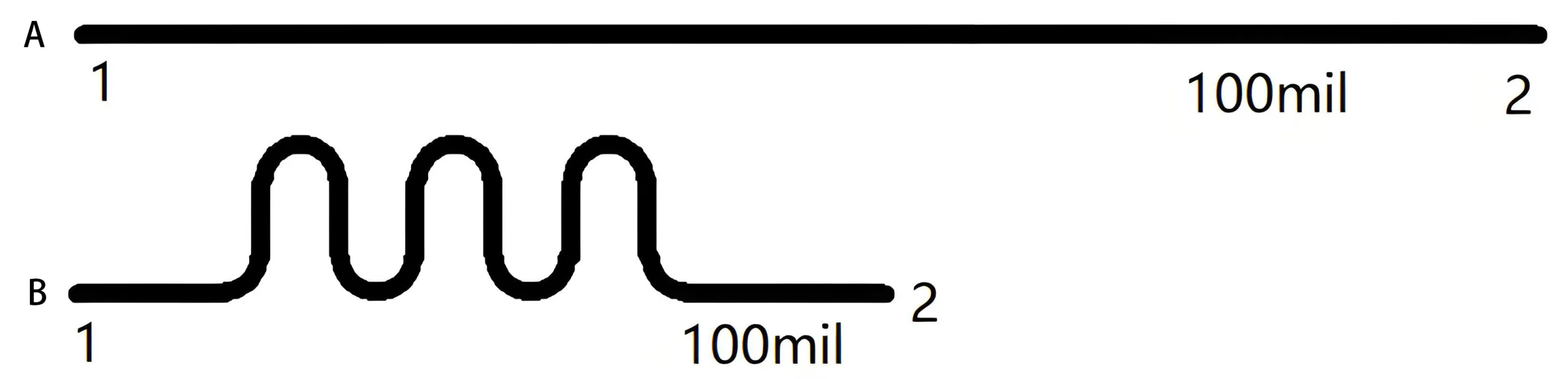
Perché succede questo??
Ad alte frequenze, la trasmissione del segnale non è semplicemente la deriva degli elettroni. È la propagazione delle onde elettromagnetiche. Man mano che le frequenze aumentano, gli elettroni si comportano come abili piloti di auto da corsa. Cercano automaticamente la corsia interna, il percorso con l'impedenza più bassa. Per tracce con larghezza finita, i campi elettromagnetici costringono la corrente a concentrarsi lungo il bordo interno di ciascuna curva. Questo “effetto angolo interno” accorcia il percorso elettrico effettivo rispetto alla linea centrale geometrica.
Questo è l'effetto pelle in azione. Secondo la teoria elettromagnetica, la corrente alternata si concentra sulle superfici dei conduttori all'aumentare della frequenza. La profondità della pelle (D) determina questa penetrazione.
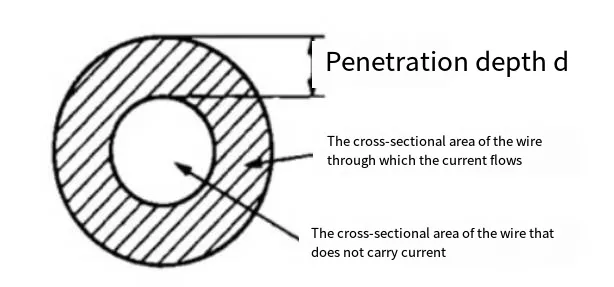
La formula: δ = √(R / Sono)
-
Alle basse frequenze, la corrente riempie l'intera sezione trasversale del rame.
-
A 5 GHz, la corrente scorre solo entro pochi micrometri dalla superficie del rame.
Cosa significa questo? Se aumenti lo spessore del rame a 2 oz per una resistenza CC inferiore, i segnali ad alta frequenza ignorano il tuo sforzo. Usano solo la superficie. Tracce più ampie offrono tracce più brevi “scorciatoie per la corsia interna” alle curve, creando errori di temporizzazione più grandi. Nel design ad alta velocità estrema, tracce eccessivamente larghe diventano un incubo per la corrispondenza della lunghezza.
2. All'interno del chip: La lunghezza nascosta dal pacco
Misuriamo ogni millimetro di PCB tracciare con calibri o software. Ma teniamo conto della distanza percorsa dai segnali prima di lasciare (e dopo essere entrati) nel chip? Questo è il ritardo del pin.
Apri un pacchetto di chip. Dentro, lo stampo si collega ai perni o alle sfere tramite microscopici fili di collegamento. Nei pacchetti BGA, il dado è posizionato centralmente mentre le palline ricoprono l'intera superficie inferiore. Questi fili di collegamento variano notevolmente in lunghezza. Un segnale può viaggiare dal bordo dello stampo alla pallina A1 attraverso un filo corto. Un altro può avere origine vicino al centro dello stampo e dirigersi attraverso complesse tracce interne fino alla Palla B23.
I produttori di chip come Intel lo dichiarano chiaramente nei loro documenti sui vincoli temporali: Calcoli dei tempi di I/O (tSU, tH) deve includere ritardi interni dalla logica principale ai pin del pacchetto.
L'equazione della lunghezza corretta è:
L1 (ritardo interno al Chip A) + L2 (Traccia del PCB) + L3 (ritardo interno al Chip B) = Costante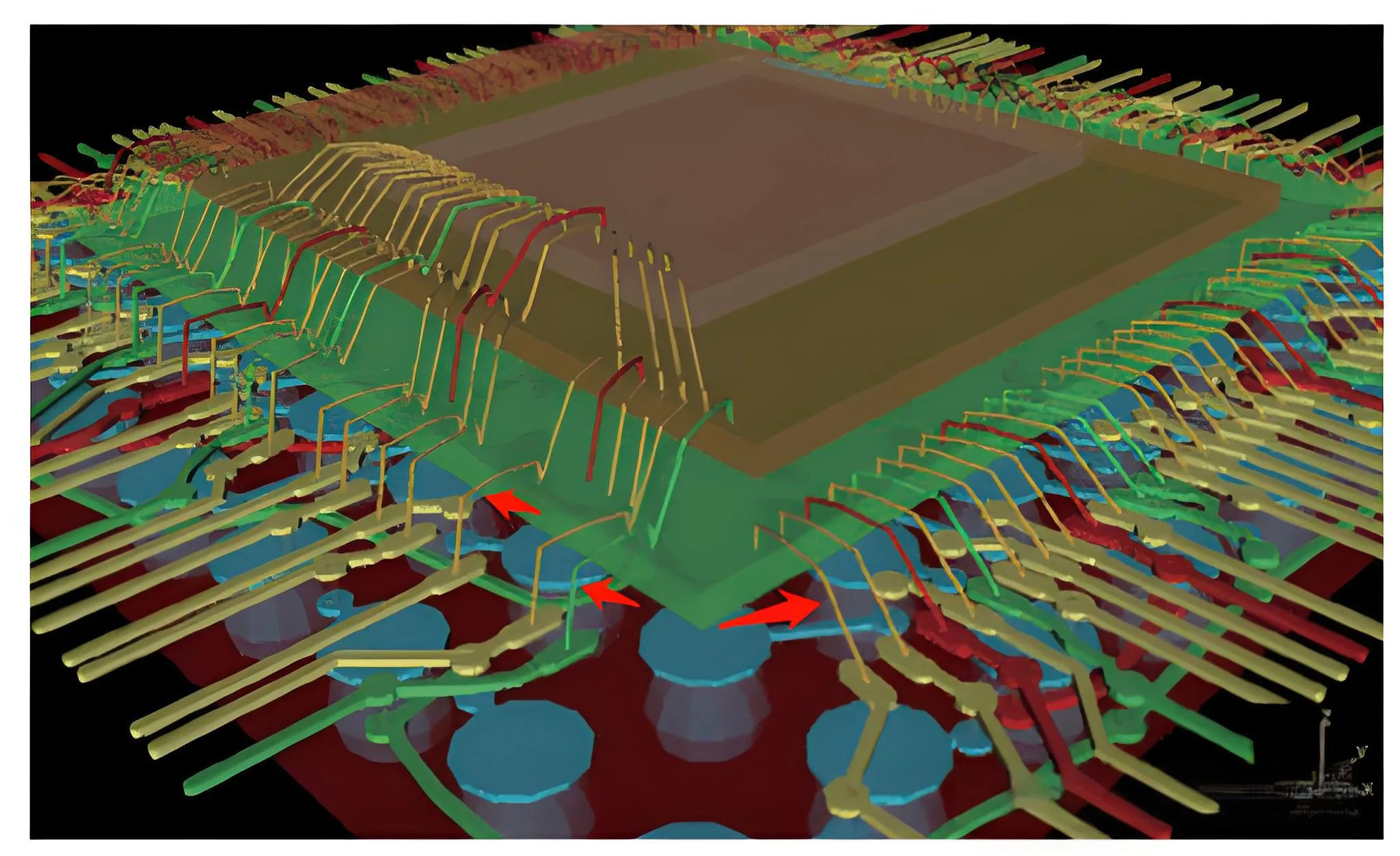
Se Disposizione del circuito stampato gli ingegneri abbinano solo L2 ignorando le variazioni in L1 e L3, i segnali arrivano al dado in momenti diversi, anche con tracce della tavola perfettamente abbinate. Strumenti di simulazione professionali e progettazioni chiavi in mano (come i layout di riferimento MTK) esistono proprio per tenere conto di queste differenze interne. Costringere gli ingegneri a copiare le posizioni di riferimento garantisce la corrispondenza totale del ritardo.
3. L'effetto Via: Trappole di impedenza tra gli strati
Nei modelli multistrato, i via sono inevitabili. Ma i via rappresentano le discontinuità di impedenza più tipiche sulle linee di trasmissione. La ricerca mostra che i parassiti degradano gravemente la qualità del segnale.
Elementi parassiti chiave:
-
Capacità parassita: Formato tra via pad e antipad.
Formula approssimativa: C = 1.41 * e * T * D1 / (D2 – D1)
Ciò rallenta i fronti di salita e aumenta il ritardo. -
Induttanza parassita: Inerente alla struttura via.
Formula approssimativa: L = 5,08 ore * [ln(4h/d) + 1]
Ciò contribuisce al rumore di commutazione simultaneo (SSN) e rumore del power rail.
Il problema più profondo: stub e pad non funzionali. Quando un segnale entra su Layer 1 ed esce su Layer 3, la porzione di via inutilizzata da Layer 3 a Strato 8 diventa uno stub. Questo stub funge da antenna ad alta velocità, generando riflessioni. La perforazione posteriore rimuove il materiale del troncone in eccesso. Ma pochi ingegneri considerano il ritardo aggiuntivo causato da pad non funzionali su strati non utilizzati.
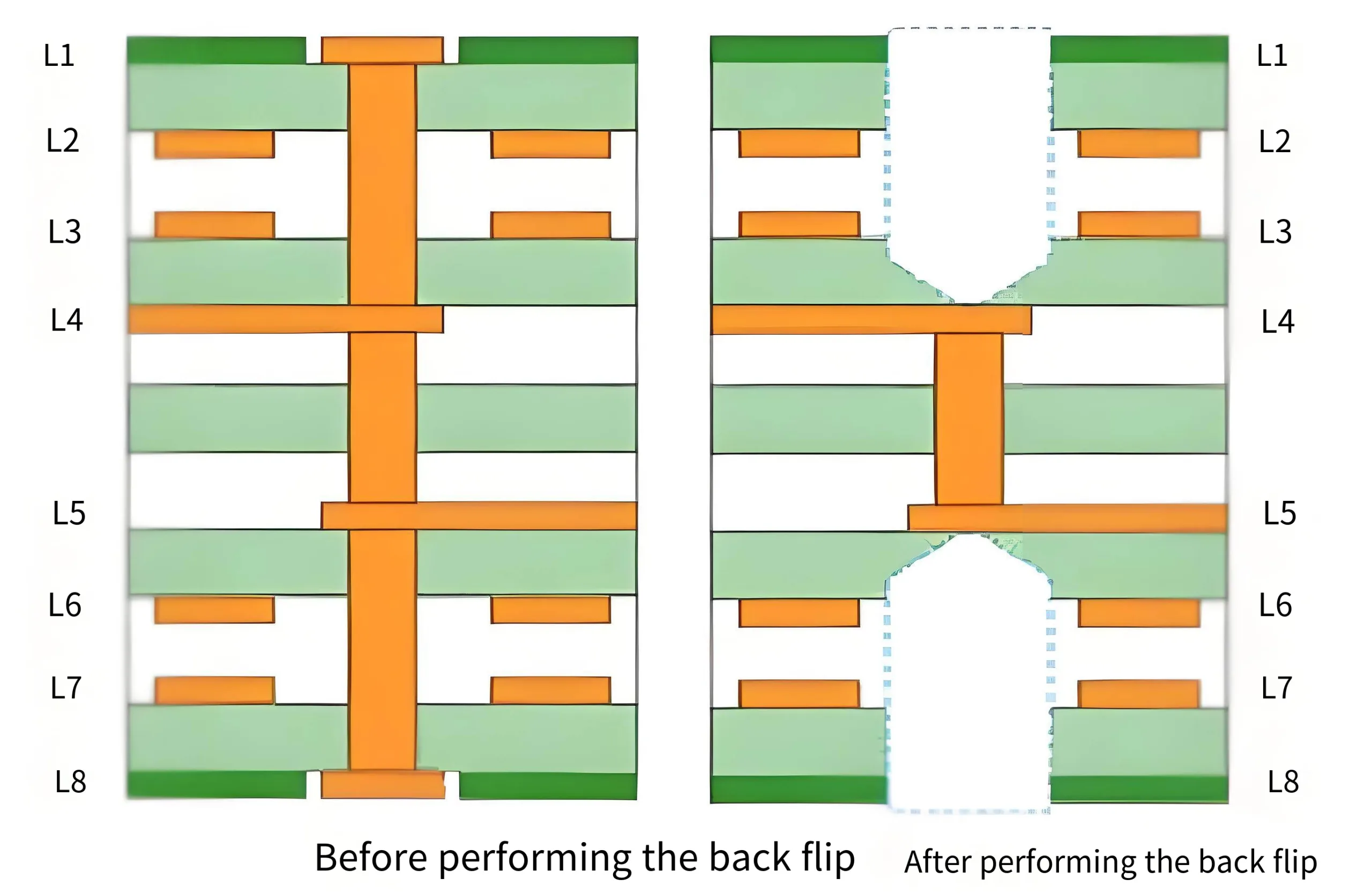
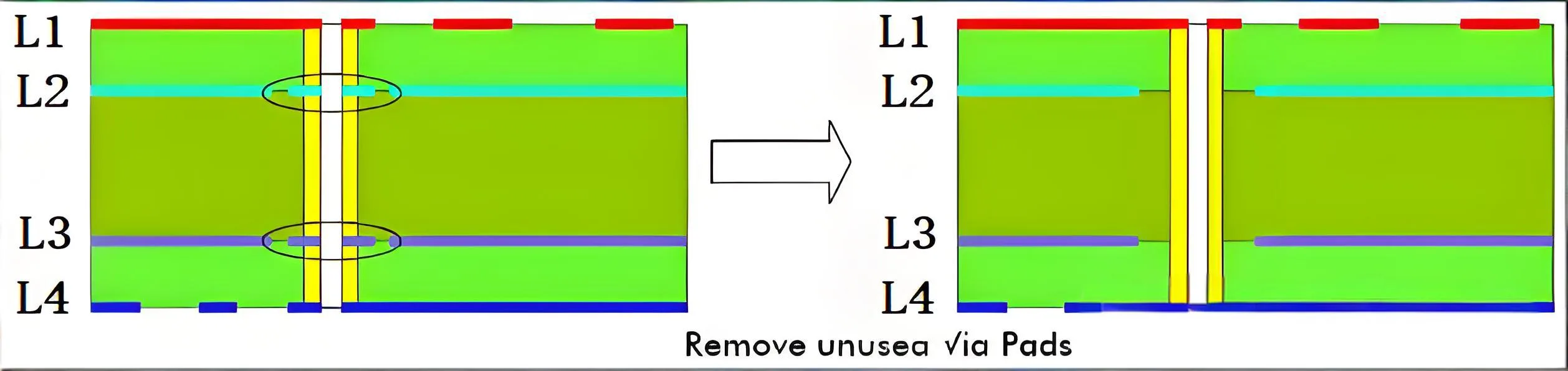
Migliori pratiche: Per gruppi ad alta velocità come DQS e DQ, imporre conteggi di layer e via identici. Non aggiungere mai via solo per far corrispondere la lunghezza: la discontinuità dell'impedenza uccide l'integrità del segnale più velocemente di qualche millimetro di mancata corrispondenza della lunghezza.
4. Differenze di velocità da strato a strato: La superficie è davvero più veloce?
Ecco un classico malinteso: “Le tracce superficiali sono più veloci.” La verità sta nella costante dielettrica.
Velocità del segnale (V) nel PCB è determinato dalla costante dielettrica (È):
V=C / √Ehm
Dove C è la velocità della luce (~11,8 pollici/ns o 300,000,000 SM).
-
Strato interno (Stripline): Segnale completamente integrato in FR4. FR4 Er varia da 4.2 A 4.5. La velocità è circa la metà della velocità della luce: 5.5–6 pollici/ns.
-
Strato esterno (Microstrip): Il segnale è rivolto verso FR4 su un lato, aria (È=1) dall'altro. Questo crea un “costante dielettrica effettiva” (Ereff) inferiore al valore nominale di FR4. Risultato: propagazione più rapida, tipicamente 6,5–7 pollici/ns.
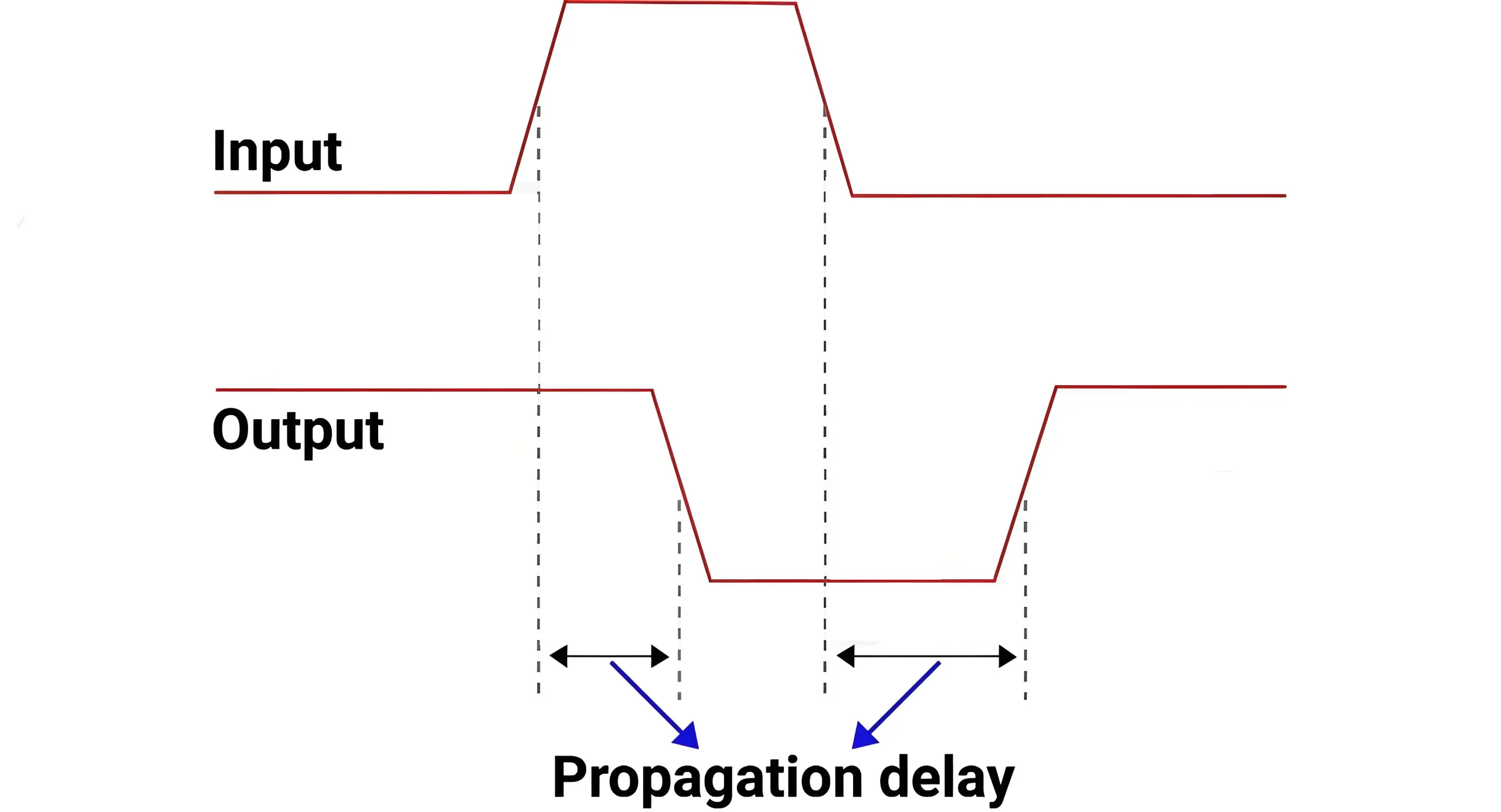
Se un bus dati DDR mescola tracce di livello esterno e interno, anche lunghezze fisiche perfettamente abbinate producono un significativo disallineamento temporale. Questa differenza di velocità deve essere compensata attraverso regole di ritardo di propagazione, corrispondenza della lunghezza non semplice.
5. L'effetto tessitura del vetro: Buche dielettriche invisibili
Finalmente, un killer microscopico che perfino le simulazioni faticano a catturare: l'effetto trama del vetro. FR4 non è omogeneo. È fibra di vetro intrecciata impregnata con resina epossidica. La fibra di vetro ha un'elevata costante dielettrica (~6). La resina epossidica è molto più bassa (~3).
Quando una traccia ad alta velocità passa direttamente su un fascio di fibre di vetro, la costante dielettrica sottostante differisce notevolmente da una traccia situata in un “ricco di resine epossidiche” zona. Ciò provoca variazioni minime ma significative nella velocità di propagazione attraverso lo stesso bus. Tracce parallele: una sul vetro, uno su resina epossidica: arriva in momenti diversi .
Soluzioni:
-
Materiali migliori: Utilizzare laminati ad alta velocità con vetro diffuso o vetro piano per una distribuzione dielettrica più uniforme.
-
Instradamento angolare: Instradare gli autobus critici ad angolo (10° o 45°) per evitare l'allineamento con la griglia in tessuto di vetro .
Conclusione: Da artista delle tracce a dottore del cronometraggio
Moderno Design PCB ad alta velocità si è evoluto. “Corrispondenza della lunghezza” non è più una razza geometrica. Si tratta di un'ottimizzazione complessa che coinvolge la scienza dei materiali, teoria del campo elettromagnetico, e imballaggio di semiconduttori. Affidarsi esclusivamente alle letture della lunghezza dell'EDA è come i ciechi e l'elefante.
La vera integrità del segnale richiede a “ritardo totale” mentalità. Include ritardi interni del chip, tramite stub, e differenze di materiale da strato a strato nei calcoli. Quando sorgono problemi di tempistica inspiegabili, smetti di disegnare. Inizia a indagare su questi effetti fisici più profondi.
Se hai bisogno di un Fornitore di PCB chi padroneggia queste complessità o se il tuo prossimo progetto ad alta velocità richiede un preventivo per la produzione e il supporto di progettazione da parte di esperti, contatta il nostro team di ingegneri. Non costruiamo solo tavole. Risolviamo le sfide della trasmissione del segnale da DC a GHz.

Questo stile è stellare! Sicuramente sai come intrattenere un lettore. Tra il tuo ingegno e i tuoi video, Ero quasi spinto ad avviare il mio blog (in modo efficace, quasiHaHa!) Lavoro fantastico. Ho davvero amato ciò che avevi da dire, e molto di più, come lo hai presentato. Troppo bello!
Avevo proprio bisogno di ringraziarti ancora di cuore. Non so su cosa avrei lavorato senza i suggerimenti forniti da te riguardo a quest'area di interesse. Certamente è stato un dilemma davvero difficile secondo me, Tuttavia , notare il modo esperto in cui hai trattato la questione mi ha portato a piangere di gioia. Estremamente felice per l'assistenza e poi credo che tu sappia davvero quale ottimo lavoro stavi facendo nella formazione delle persone oggi con l'aiuto di un sito. Molto probabilmente non hai mai avuto modo di conoscerci tutti.