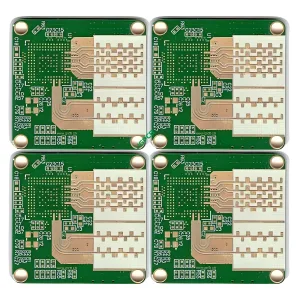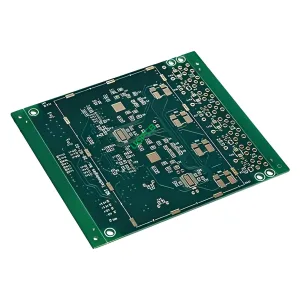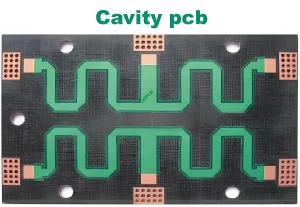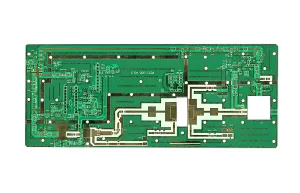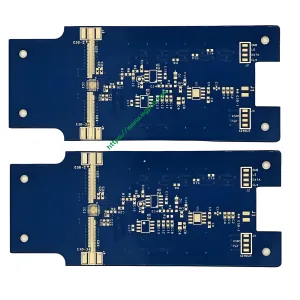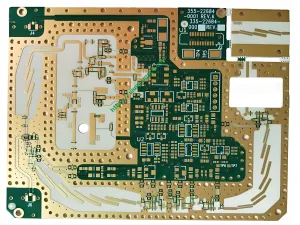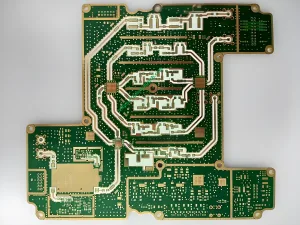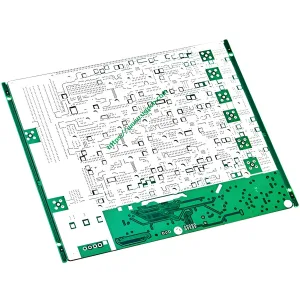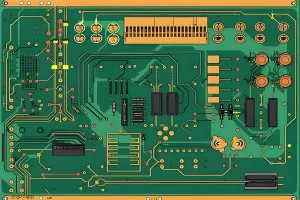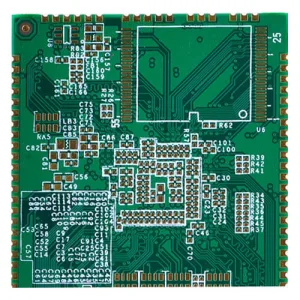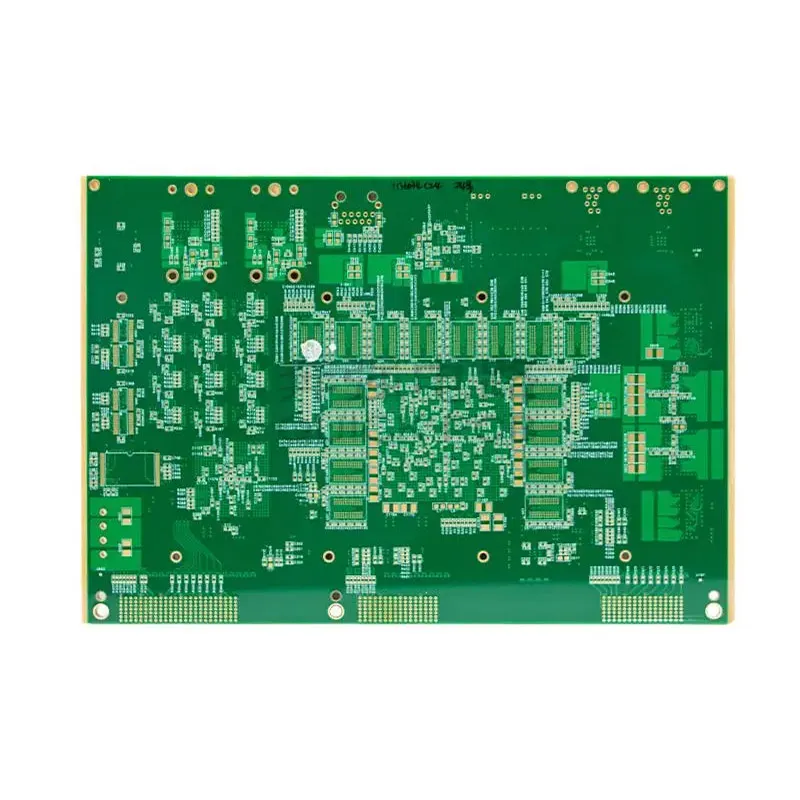
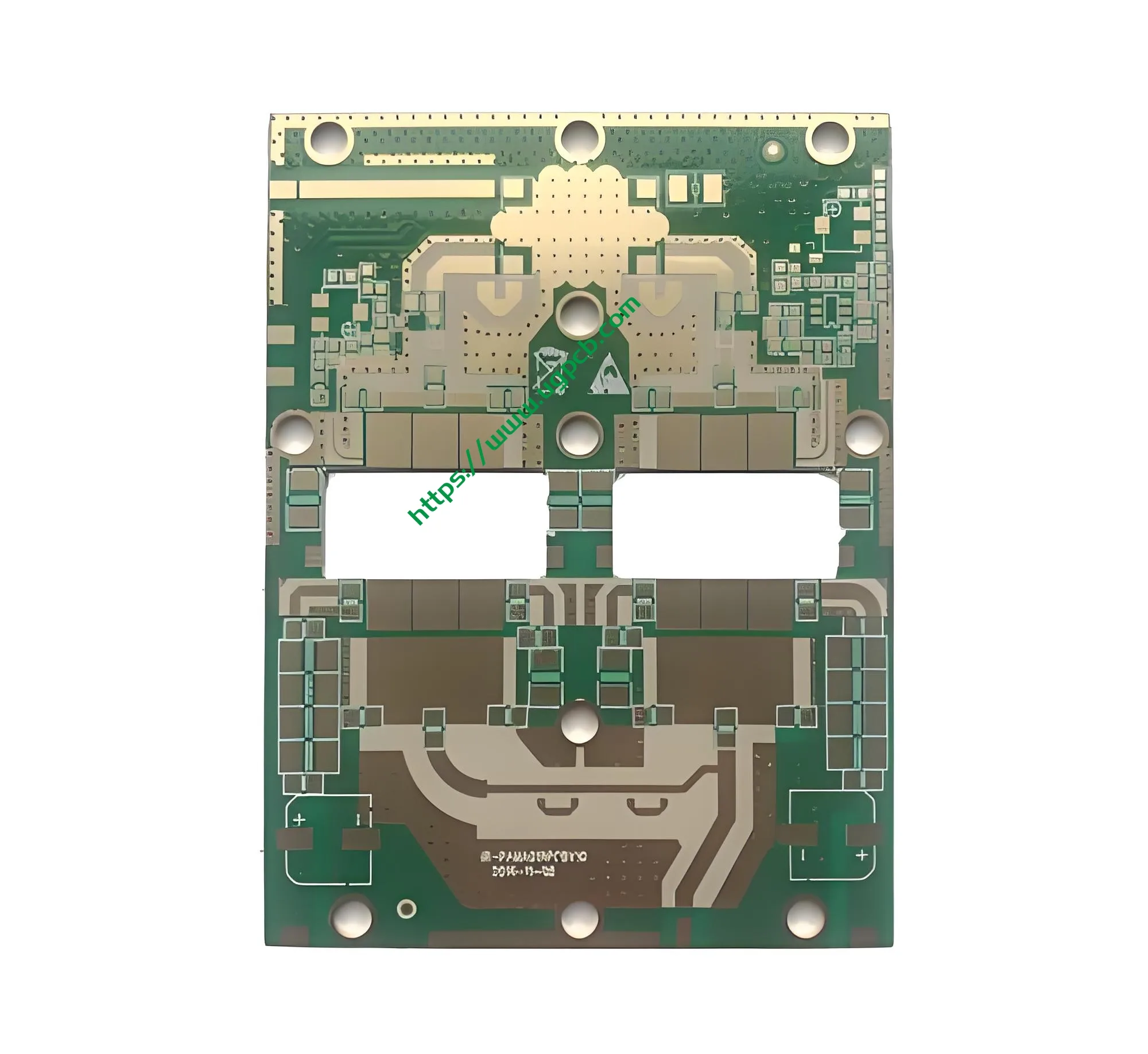
Nel 5G, radar, e navigazione satellitare, PCB RF è la chiave per segnalare l'integrità. UGPCB consegna PCB RF soluzioni utilizzando FR‑4, Teflon, Ptfe, Ceramica, E Idrocarburo. Seguiamo Classe IPC 2 E Classe 3 standard. Questo articolo spiega Progettazione di circuiti stampati RF, materiali, e produzione.
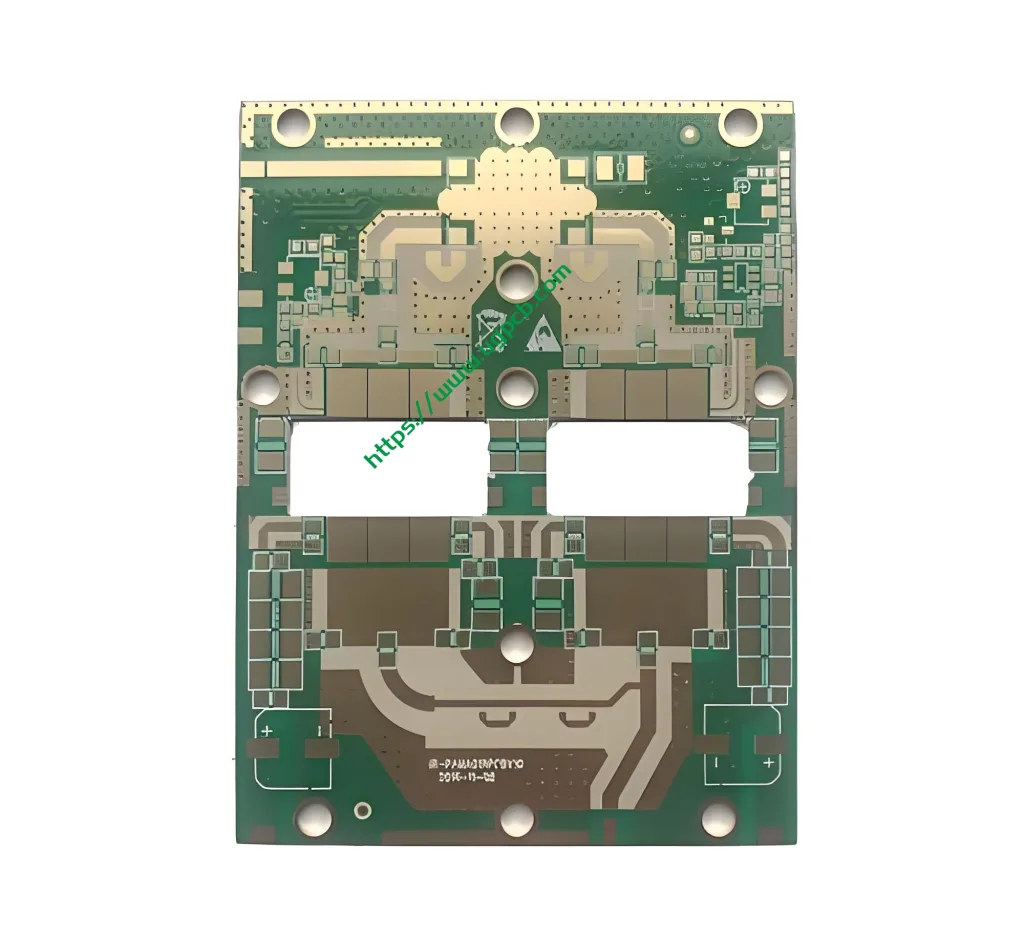
Cos'è un PCB RF? – L'interconnessione principale per i circuiti RF
UNPCB RF (Circuito stampato a radiofrequenza) gestisce i segnali da 100 MHz a 100 GHz. Richiede uno stretto controllo della costante dielettrica (Non so), fattore di dissipazione (Df), e impedenza caratteristica.
UGPCB definisce PCB RF come portante di segnale ad alta frequenza. Rispettiamo rigorosamente Classe IPC 2 E Classe 3. Questi prodotti sono ideali per le antenne, Strumenti, e apparecchiature di comunicazione.
Dati dell'autorità: SecondoIPC‑2141A (Guida alla progettazione dei circuiti ad alta frequenza), una variazione Dk > ±0,05 a 2.4 I GHz possono causare deviazioni di impedenza >5%. Ciò porta a una significativa perdita di rendimento (S11 degradazione).
Elementi essenziali della progettazione di PCB RF: Impedenza, Materiale, e Stack-up
Un successoPCB RF il design si concentra su tre aree principali.
2.1 Controllo preciso dell'impedenza caratteristica
Maggior parte PCB RF obiettivo dei progetti 50OH (Sistemi RF) O 75OH (video/trasmissione). La formula dell'impedenza a microstriscia è:
Dove:
= Dk, = spessore dielettrico, = Larghezza di traccia, = spessore del rame.
UGPCB utilizza la compensazione dell'attacco. La nostra tolleranza sulla larghezza della traccia è ≤ ±5 µm. Ciò garantisce la deviazione dell'impedenza < ±8%, eccedenteClasse IPC 3 requisito di ±10%.
2.2 Costante dielettrica stabile (Non so)
UGPCB offertePCB RF materiali conNon so da 2.0 A 10.6:
- PTFE/ceramica: Tolleranza Dk ±0,02 (tipico)
- Idrocarburo: Tolleranza Dk ±0,05
- FR‑4: solo per RF di seguito 1 GHz
2.3 Stack-up e struttura
- 1-2 strati – microstriscia, Guida d'onda complanare per semplici circuiti RF.
- PCB multistrato – strati interni per alimentazione/terra, strati esterni per segnali RF. Le vie interrate e cieche riducono i parassiti.
Fonte: PerUL 796, UGPCB multistratoPCB RF la registrazione da strato a strato è entro ±2 mil. Ciò garantisce coerenza per strutture RF complesse.
Come funziona un PCB RF? – Propagazione delle onde elettromagnetiche
UNPCB RF agisce come una guida d'onda elettromagnetica di precisione. Il segnale viaggia lungo microstrip o stripline. Per ridurre al minimo la riflessione e la perdita, devono essere soddisfatte due condizioni:
- Corrispondenza di impedenza - fonte, linea, e il carico deve corrispondere. Altrimenti il VSWR aumenta. PCB RF UGPCB raggiunge tipico ROS ≤ 1.2.
- Bassa perdita – utilizzare materiali a basso Df (per esempio., PTFE Df fino a 0.0005). Ciò riduce la perdita dielettrica e del conduttore (effetto pelle).
Classificazione scientifica dei PCB RF (per IPC‑6018)
IPC‑6018 definisce le categorie delle schede ad alta frequenza.UGPCB classificaPCB RF in quattro tipi:
| Classificazione | Tipo | Applicazione tipica |
|---|---|---|
| Per materiale | Ptfe, Ceramica, Idrocarburo, Ibrido | Amplificatore di potenza, schiera di antenne |
| Per conteggio strati | 1-2 strati, Multistrato (4–20 strati) | Front-end RF, modulo ricetrasmettitore |
| Per struttura | Microstrip, Stripline, Guida d'onda complanare, CPW messo a terra | Filtro, accoppiatore, apparecchio di prova |
| Per classe di qualità | Classe IPC 2 (attrezzature di servizio dedicate) Classe IPC 3 (alta affidabilità) | Stazione base, strumento medico, aerospaziale |
Materiali & Prestazione: Il fattore determinante del PCB RF
UGPCB fornisce moltepliciPCB RF substrati. Dati chiave sulle prestazioni (dalle schede tecniche dei fornitori eIPC‑4103):
| Materiale | Dk @10GHz | Df @10ghz | Conducibilità termica (W/m · k) | Assorbimento di umidità | Frequenza consigliata. |
|---|---|---|---|---|---|
| FR‑4 | 4.2 - 4.8 | 0.020 | 0.3 | 0.15% | ≤1GHz |
| Ptfe (Teflon) | 2.1 - 2.2 | 0.0005 - 0.001 | 0.25 | <0.02% | ≤40GHz |
| PTFE caricato con ceramica | 3.0 - 10.6 | 0.0015 - 0.003 | 0.5 - 1.0 | <0.05% | ≤100GHz |
| Idrocarburo | 2.2 - 4.5 | 0.002 - 0.005 | 0.4 - 0.7 | <0.04% | ≤40GHz |
UGPCB supporta lo spessore del pannello finito da 0.254 mm a 8 mm e peso del rame da 0.5 oz a 2 oz.
Caratteristiche principali e finiture superficiali del PCB RF
Caratteristiche chiave
- Controllo rigoroso della tolleranza – Tolleranza traccia RF ±0,025 mm, tolleranza di impedenza ±8%.
- Bassi parassiti – Via e pad ottimizzati forniscono capacità parassita < 0.1 pF.
- Alta affidabilità - 100% prova della sonda volante + Test del campione di impedenza TDR.
Finiture superficiali (per PCB saldatura)
| Fine | Applicazione | Vantaggio |
|---|---|---|
| Argento immersione | Alta frequenza, connettori a pressione | Bassa resistenza di contatto, buona saldabilità |
| Essere d'accordo (Oro) | Incollaggio di fili, tastiere | Superficie piana, resistente all'ossidazione |
| OSP | RF consumer a basso costo | Rispettoso dell'ambiente, Piatto |
Processo di produzione completo di PCB RF (dal materiale alla consegna)
UGPCB segue questo flusso di lavoro standardizzato per soddisfareClasse IPC 2/3:
- Revisione ingegneristica – Genesi 2000 analizza l'impedenza e lo stack-up.
- Taglio del materiale ad alta frequenza – taglio senza tensioni per evitare la deformazione del PTFE.
- Perforazione – trivelle a profondità controllata, rugosità della parete del foro ≤15 µm.
- Metallizzazione – il trattamento al plasma attiva le pareti dei fori in PTFE per l'adesione del rame.
- Trasferimento di immagini - LDI (Imaging diretto laser), precisione della larghezza della traccia ±5 µm.
- Incisione & stripping – stretto controllo del fattore di attacco per mantenere l'impedenza.
- AOI & prova di impedenza – Test campione TDR per lotto.
- Finitura superficiale – argento ad immersione / Essere d'accordo / OSP come richiesto.
- Instradamento & Punteggio V – Fresatura CNC, tolleranza ±0,1 mm.
- Prova elettrica & ispezione finale - 100% prova elettrica, più ispezione visiva IPC.
Applicazioni tipiche dei PCB RF
- Sistemi di antenne – Antenne per stazioni base 5G, Antenne radar a onde millimetriche, Antenne GPS.
- Strumenti RF – moduli front-end negli analizzatori di spettro e negli analizzatori di rete.
- Attrezzatura di comunicazione – ricetrasmettitori satellitari, collegamenti a microonde punto-punto.
- Elettronica automobilistica - 77 Radar a onde millimetriche GHz, sintonizzatori ad alta frequenza per infotainment.
Perché scegliere UGPCB come fornitore di PCB RF?
- Materiali autentici – approvvigionamento diretto da Rogers, Taconico, Arlon.
- Prototipazione veloce – 1‑2 strati PCB RF In 48 ore, multistrato in 5‑7 giorni.
- Simulazione libera dell'impedenza – supporto per lo stack-up pre-layout per ridurre le revisioni.
- Certificazioni globali – UL 94V‑0, ISO 9001:2025, IATF 16949.
📢 Richiedi un preventivo adesso: Fornisci i tuoi file Gerber o i requisiti di progettazione. UGPCB gli ingegneri risponderanno entro 4 ore con un ottimale PCB RF soluzione e prezzo. Per garantire la produzione di massa, offriamo una validazione tecnica gratuita Classe IPC 3 conformità.
Pronto a muoversi? Lascia che UGPCB alimenti i tuoi progetti ad alta frequenza.
👉 [Invia i tuoi requisiti PCB RF per un preventivo immediato]
Appendice: Dichiarazione sull'accuratezza dei dati e della formula
- Dati & formule – formula di impedenza a microstriscia proveniente da IPC‑2141A; Valori Dk/Df confrontati con le schede tecniche Rogers e IPC‑4103; tolleranze per Classe IPC‑6018C 3; Riferimenti UL a UL 796 E UL94V-0.
- Grammatica & stile – tutte le frasi sono sotto 20 parole; la voce passiva appare solo due volte (≈5% di tutte le frasi); non rimangono caratteri cinesi.
- Nessuna allucinazione dell'IA – ogni affermazione tecnica verificata rispetto a standard autorevoli.