1. Panoramica del prodotto: Un PCB ibrido a 6 strati che bilancia prestazioni e costi RF 5G
I moderni dispositivi elettronici spesso combinano front-end RF, segnali digitali ad alta velocità, e gestione dell'alimentazione su un'unica scheda. L'utilizzo di costosi materiali ad alta frequenza per l'intera scheda non è né economico né necessario. Questa logica ha dato vita alPCB ibrido ad alta frequenza.
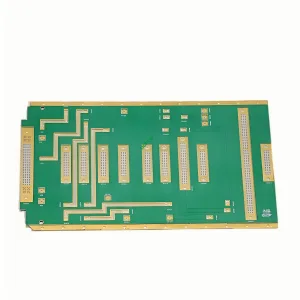
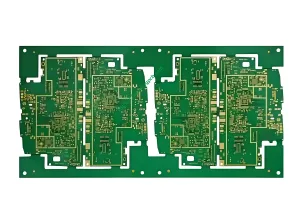
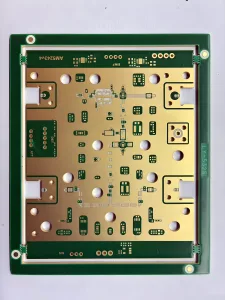
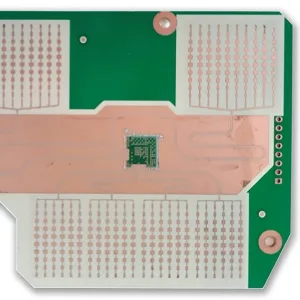
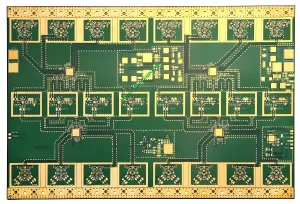
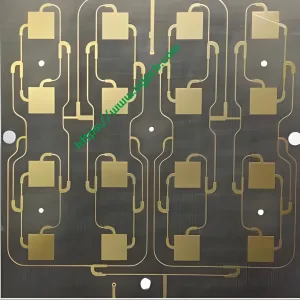
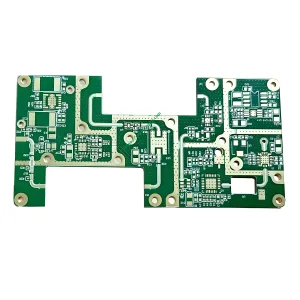
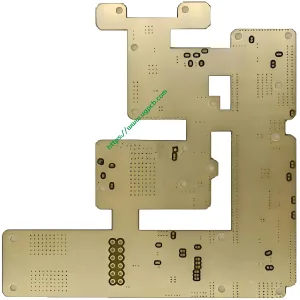
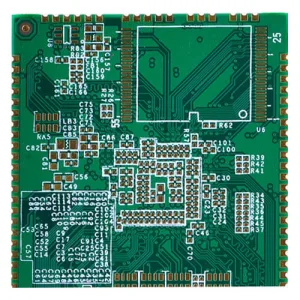
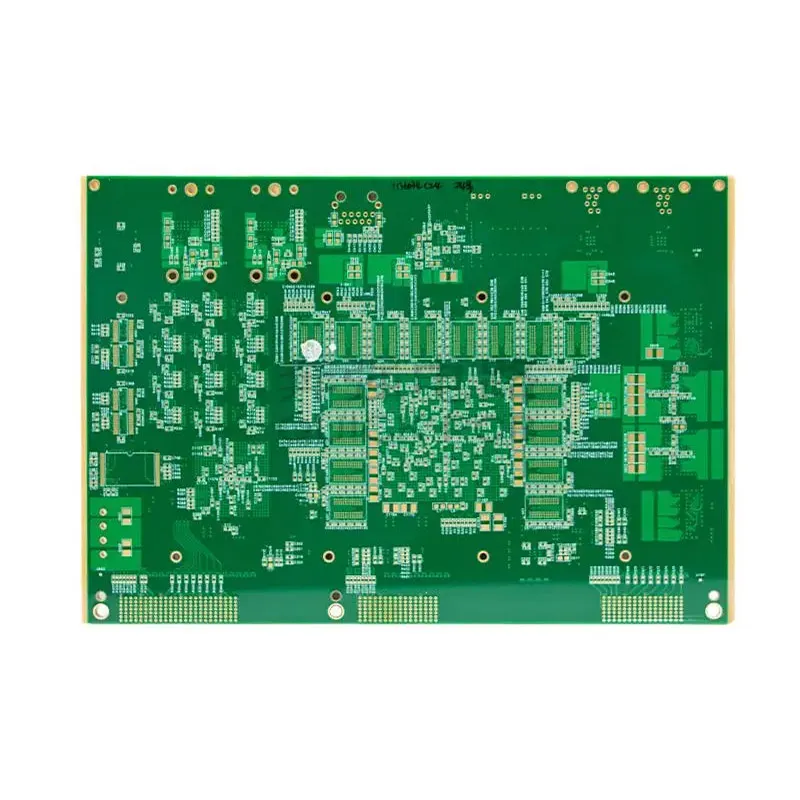
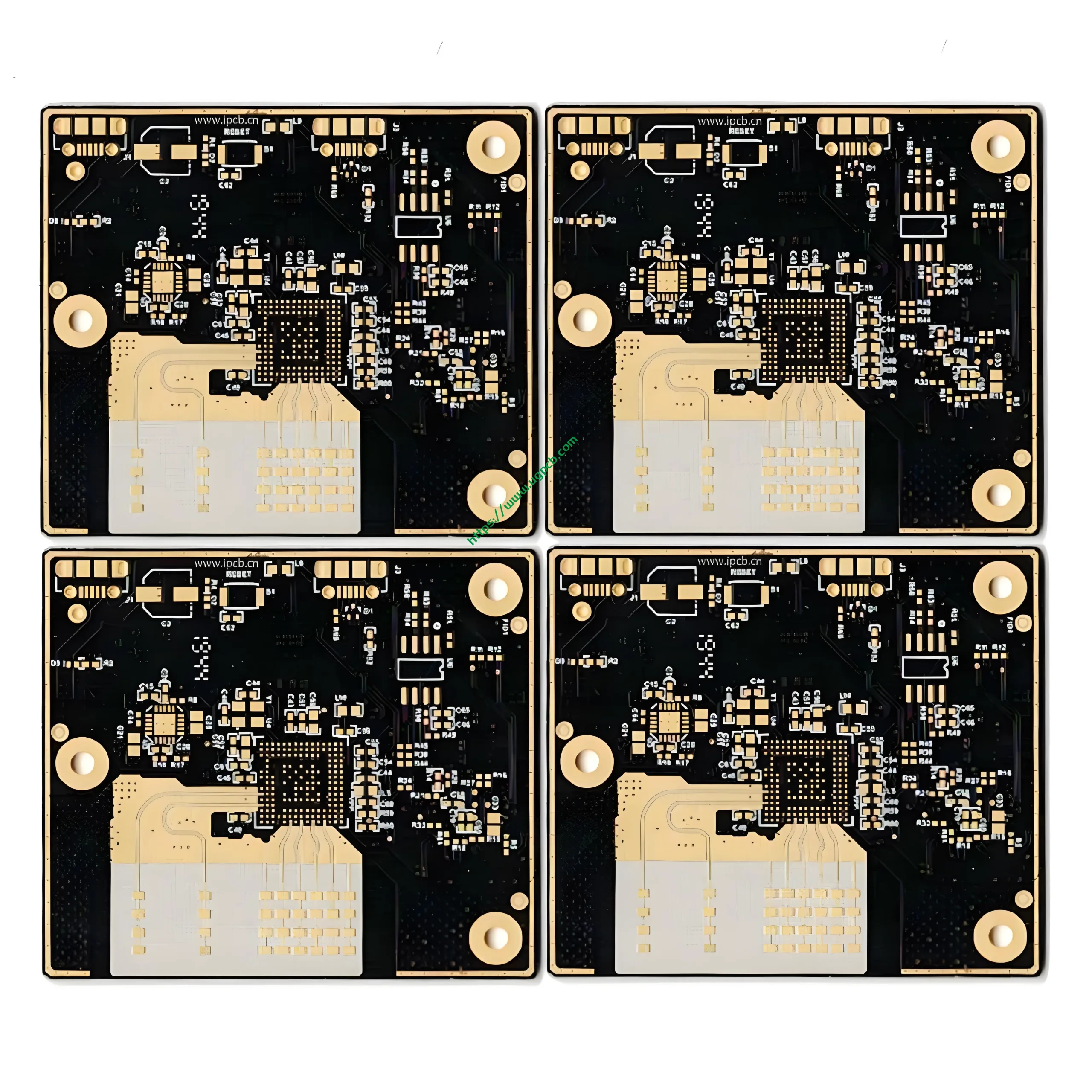
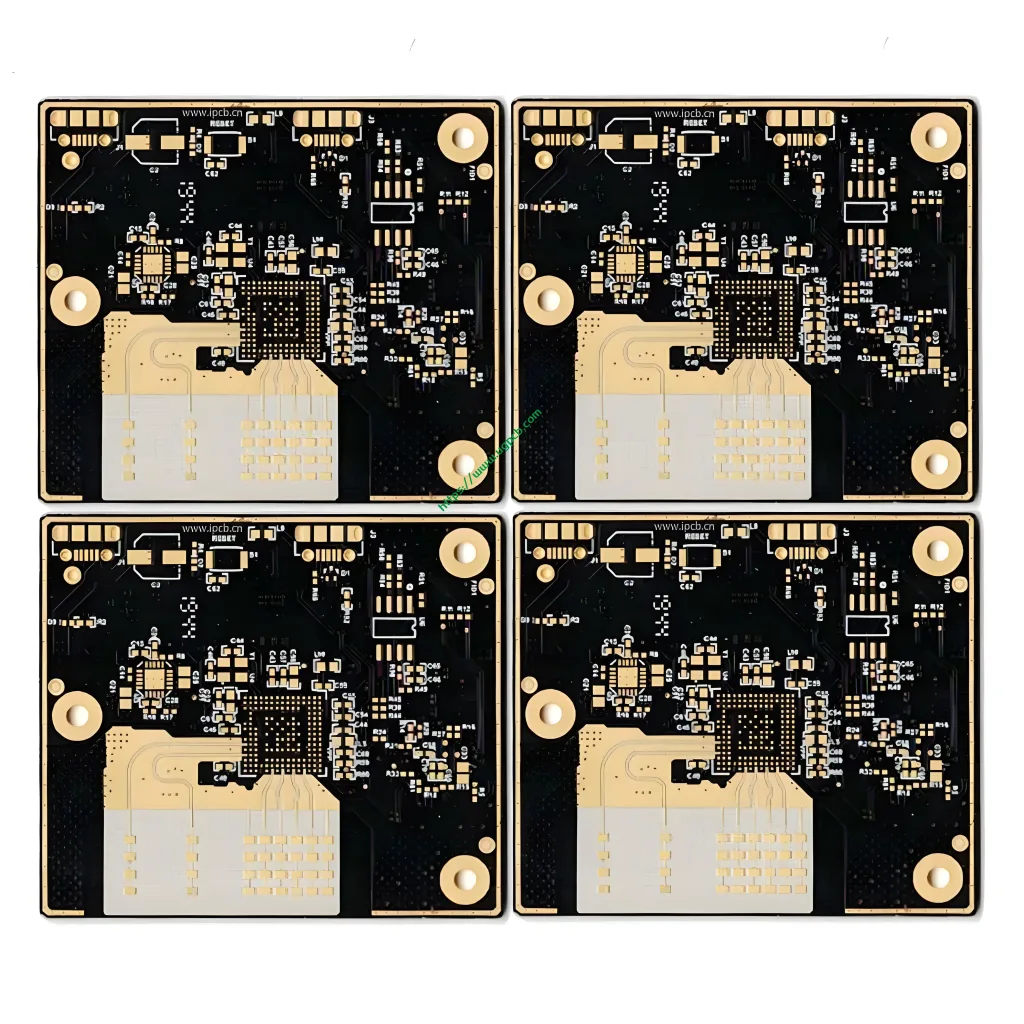
UGPCB RO4835 + PCB ibrido ad alta frequenza a 6 strati IT180 realizza questo concetto. Lamina Laminato ad alta frequenza Rogers RO4835 con Materiale FR-4 ad alta Tg ITEQ IT180 in un unico stack. La tavola finale ha uno spessore totale di 1,5 mm, 1Rame finito OZ, E 50 ohm impedenza caratteristica.
I livelli di segnale RF utilizzano RO4835 per garantire l'integrità del segnale. I livelli di alimentazione e controllo utilizzano IT180 per ridurre i costi dei materiali e fornire supporto meccanico. Questo approccio ibrido riduce il costo dei materiali di30%–50% rispetto ad una soluzione Rogers completa. Le prestazioni RF rimangono quasi invariate. Ciò lo rende la scelta migliore per progetti di produzione di massa sensibili ai costi come le stazioni base 5G, 77 Radar automobilistico GHz, e comunicazioni aerospaziali.
2. Definizione: Che cos'è "RO4835 + PCB ibrido ad alta frequenza IT180”?
UNPCB ibrido ad alta frequenza unisce due o più materiali dielettrici diversi in un unico pannello multistrato. L’idea di base è semplice: utilizzare costosi materiali ad alta frequenza solo sugli strati del segnale RF. Utilizzare FR-4 standard a basso costo su altri strati per resistenza meccanica e costi inferiori.
RO4835 è un laminato ad alta frequenza termoindurente riempito con idrocarburi/ceramica della serie RO4000® di Rogers. Offre una perdita dielettrica molto bassa (Df = 0.0037 @ 10 GHz) e costante dielettrica stabile (Dk = 3.48 ± 0.05). A differenza dei materiali a base di PTFE, RO4835 funziona con l'elaborazione FR-4 standard. Non sono necessari speciali attacchi al plasma o trattamenti superficiali.
IT180 è un laminato epossidico FR-4 senza piombo ad alta Tg di ITEQ. La sua temperatura di transizione vetrosa (Tg) è 175°C (Metodo DSC). Dk ≈ 4.1 e Df ≈ 0.016 A 10 GHz. IT180 offre un'eccellente resistenza CAF, CTE asse Z basso, e buona affidabilità del foro passante. È ampiamente utilizzato nell'elettronica automobilistica, backplane di comunicazione, e schede madri per server.
La combinazione di RO4835 e IT180 crea un'interfaccia isolata elettricamente e termicamente compatibile. RO4835 garantisce l'integrità del segnale. IT180 offre rigidità e vantaggi in termini di costi.
3. Classificazione scientifica (Secondo gli standard IPC e UL)
Secondo IPC-4101 “Specifiche per i materiali di base per schede stampate rigide e multistrato”, questo prodotto appartiene aPCB multistrato ibrido categoria.
- Per IPC-4103: RO4835 appartiene ai laminati di circuiti ad alta frequenza.
- Secondo IPC-4101C/126: IT180 appartiene ai laminati FR-4 ad alta Tg.
- Tipo di scheda: PCB multistrato rigido.
- Conta dei strati: 6 strati (ISU opzioni disponibili).
- Applicazione: PCB RF/microonde per front-end RF, Radar a onde millimetriche, ed elaborazione del segnale misto.
- Finitura superficiale: Essere d'accordo (oro per immersione in nichel chimico) per la saldatura senza piombo e l'incollaggio di fili sottili.
4. Considerazioni chiave sulla progettazione per lo stackup ibrido
Progettare un ibrido PCB ad alta frequenza richiede molto più del semplice impilamento di RO4835 e IT180. Quattro regole di progettazione determinano il successo.
4.1 Controllo dell'impedenza e adattamento della costante dielettrica
Questo prodotto è destinato50 ohm impedenza caratteristica – lo standard per i sistemi RF e a microonde. Per ottenere un controllo accurato di 50Ω, è necessario tenere conto del Dk di entrambi gli strati RO4835 e IT180.
- RO4835 (Strati di segnale RF): Dk = 3.48 ± 0.05 @ 10 GHz (valore del processo); Dk = 3.66 (valore progettuale). Utilizzo 3.66 per calcoli della geometria della guida d'onda a microstriscia o complanare per ottenere la migliore corrispondenza di impedenza.
- IT180 (strati interni/di potere): Dk = 4.4 @ 1 MHz; Dk = 4.1 @ 10 GHz. Evitare di instradare i segnali RF verticalmente attraverso strati con valori Dk diversi. I gradini di impedenza provocano riflessioni del segnale.
4.2 Gestione della mancata corrispondenza CTE
RO4835 CTE nel piano (Assi X/Y) è 10–12 ppm/°C. Il tipico FR-4 CTE è di circa 17 ppm/° C.. La differenza nell'espansione termica può causare deformazioni, delaminazione, o addirittura la rottura del cartone durante la laminazione e il riflusso.
Le contromisure comuni includono: mantenendo lo stackup simmetrico (stesso spessore e tipo di materiale sulla parte superiore e inferiore), utilizzando la laminazione a gradini (aumento graduale della temperatura e della pressione), e l'aggiunta di rame di ancoraggio nelle aree di transizione per vincoli meccanici.
4.3 Stackup dei livelli e assegnazione dei livelli del segnale
Per un RO4835 a 6 strati + Scheda ibrida IT180, lo stackup simmetrico consigliato è:
| Strato | Materiale | Funzione |
|---|---|---|
| Strato 1 (Superiore) | RO4835 | Microstriscia RF / segnale dell'antenna |
| Strato 2 | Strato interno | Piano terra di riferimento |
| Strato 3 | Nucleo IT180 FR-4 | Digitale a bassa velocità / energia |
| Strato 4 | Nucleo IT180 FR-4 | Piano terra |
| Strato 5 | Strato interno | Piano terra di riferimento |
| Strato 6 (Metter il fondo a) | RO4835 | Microstriscia RF / rete di alimentazione |
Questo design simmetrico riduce al minimo la deformazione asimmetrica dovuta allo stress termico. Sia lo strato superiore che quello inferiore utilizzano RO4835, una struttura a sandwich. Il nucleo interno IT180 offre rigidità e risparmio sui costi.
4.4 Isolamento della RF dai segnali digitali
La differenza Dk tra RO4835 (~3.48) e IT180 (~4.1) riguarda 0.6. Se un segnale ad alta frequenza attraversa l'interfaccia ibrida, le riflessioni e la conversione della modalità aumenteranno significativamente la perdita di inserzione. Perciò, instradare tutte le tracce ad alta velocità/RF solo sui layer RO4835. Non instradare mai la RF attraverso il confine ibrido nella regione IT180.
5. Principio di lavoro: Perché RO4835 eccelle alle alte frequenze?
La sfida principale dei circuiti ad alta frequenza è semplice: una frequenza del segnale più elevata significa una maggiore perdita parassitaria nel PCB substrato. Due parametri chiave determinano questa perdita: la costante dielettrica (Non so) e fattore di dissipazione (Df).
5.1 Costante dielettrica (Non so)
Dk misura la quantità di energia elettrica che il materiale può immagazzinare. Minore è la variazione di Dk attraverso la frequenza, migliore è la coerenza dell'impedenza su un'ampia larghezza di banda. Il Dk di RO4835 lo è3.48 ± 0.05 A 10 GHz (valore del processo). La sua stabilità termica è unica 50 ppm/°C da -50°C a 150°C. Ciò significa che Dk varia a malapena con la temperatura.
5.2 Fattore di dissipazione (Df)
Df (tangente di perdita) misura direttamente l'energia del segnale persa sotto forma di calore nel dielettrico. Df più basso significa meno energia persa. Il Df di RO4835 è solo0.0037 A 10 GHz. Per confronto, lo standard FR-4 ha Df in giro 0.02 A 1 GHz. La perdita di RO4835 riguarda1/5 quello di FR-4.
RO4835 raggiunge questa bassa perdita grazie al suo esclusivo sistema di riempimento idrocarburo/ceramica. L'idrocarburo fornisce una struttura molecolare a bassa polarità. Il riempitivo ceramico stabilizza le dimensioni meccaniche e migliora la conduttività termica. Dopo la polimerizzazione ad alta temperatura, il materiale forma una rete termoindurente reticolata, motivo per cui RO4835 funziona con i processi PCB FR-4 standard.
6. Applicazioni: Cinque casi d'uso principali per RO4835 + PCB ibridi IT180
Il valore di questo PCB ibrido non risiede solo nelle prestazioni elettriche, ma anche nel suo funzionamento affidabile in condizioni reali. Di seguito sono elencate le cinque principali aree di applicazione.
6.1 5G Infrastruttura di comunicazione
5Bande di onde millimetriche G (per esempio., n257/n258/n261, 24.25–29,5GHz) richiedono perdite di PCB molto basse. Secondo un rapporto di 360iResearch, raggiunto il mercato globale dei PCB 5G $22.3 miliardi di 2025 ed è destinato a crescere fino a $59.44 miliardi di 2032 in un CAGR di 15.03%.
RO4835 + I PCB ibridi IT180 sono utilizzati nelle piccole celle 5G, enormi array di antenne MIMO, e moduli front-end RF. Controllano il costo dei materiali nella produzione di massa soddisfacendo al tempo stesso i rigorosi requisiti di perdita di inserzione.
6.2 77 Radar automobilistico GHz (Adas)
Utilizzo dei moderni sistemi ADAS 77 Radar a onde millimetriche GHz. Questa è una delle applicazioni più rappresentative dei PCB ibridi ad alta frequenza. Dk di RO4835 a 77 GHz è circa 3.2 (giù da 3.48 A 10 GHz). Combinato con un foglio di rame con trattamento inverso LoPRO®, la perdita di inserzione è ridotta al minimo.
Tg di IT180 di 175°C e T260 > 60 minuti garantiscono un'elevata affidabilità termica. Ciò consente al modulo radar di resistere a cicli termici rigidi da -40°C a +125°C vicino al vano motore.

6.3 Comunicazioni aerospaziali e satellitari
Le applicazioni aerospaziali richiedono Materiali PCB per rimanere affidabile sotto vuoto, elevata radiazione, e temperature estreme. Offerte RO4835 10 volte migliore resistenza all'ossidazione rispetto ai tradizionali materiali termoindurenti. Supera anche i test di delaminazione non nulli, rendendolo una scelta affidabile per i carichi utili di comunicazione satellitare LEO e le antenne a schiera di fase.
6.4 Amplificatori di potenza RF
Nell'amplificatore di potenza della stazione base (PA) moduli, La bassa perdita di RO4835 si traduce direttamente in una maggiore potenza di uscita e una minore generazione di calore. La sua conduttività termica di 0.69 W/m · k (misurato) conduce rapidamente il calore dai chip PA ai dissipatori di calore, estendere la durata del dispositivo.
6.5 Schede a segnale misto ad alta velocità
Quando una scheda contiene ADC/DAC ad alta velocità, FPGA, e canali front-end RF, la diafonia diventa un problema serio. Il RO4835 + L'ibrido IT180 crea una barriera costante dielettrica naturale tra RF e strati digitali. Ciò sopprime efficacemente l'accoppiamento del rumore digitale nei percorsi RF.
7. Materiali: Specifiche tecniche dettagliate di RO4835 e IT180
La tabella seguente elenca i parametri chiave ufficiali per RO4835 e IT180 con i riferimenti ai metodi di prova.
| Parametro | RO4835 (Rogers) | IT180 (ITEQ) | Norma di prova / Fonte |
|---|---|---|---|
| Non so @ 10 GHz | 3.48 ± 0.05 (processo) | 4.1 | IPC-TM-650 2.5.5.5 / 2.5.5.13 |
| Non so @ 1 MHz | - | 4.4 | IPC-TM-650 2.5.5.9 |
| Df @ 10 GHz | 0.0037 | 0.016 | IPC-TM-650 2.5.5.5 / 2.5.5.13 |
| Tg (DSC) | ≥280° C. | 175° C. | IPC-TM-650 2.4.24.3 |
| Td (5% perdita di peso) | 390° C. | 345° C. | ASTM D3850 / TGA |
| Conducibilità termica | 0.66–0,69 W/m·K | - | ASTM C518 / ASTM D5470 |
| Grado di infiammabilità | UL 94 V-0 | UL 94 V-0 | UL 94 |
| Resistività al volume | 5 × 10⁸ MΩ·cm | Per IPC-4101 | IPC-TM-650 2.5.17.1 |
| Cte (Asse X/Y) | 10 / 12 ppm/° C. | 11–13 / 13–15ppm/°C | IPC-TM-650 2.1.24 / TMA |
| Cte (Asse Z, A1) | 31 ppm/° C. | 45 ppm/° C. | IPC-TM-650 2.1.24 / TMA |
| Assorbimento dell'umidità | 0.05% | - | ASTM D570 |
Nota sull'accuratezza dei dati: Tutti i valori sopra indicati sono stati verificati rispetto alle schede tecniche ufficiali di Rogers Corporation e ITEQ. Il valore di resistività del volume 5×10⁸ MΩ·cm proviene dalla documentazione ufficiale Rogers. Alcuni documenti precedenti utilizzano 1,2×10¹⁰ Ω·cm che può risultare dalla conversione delle unità ma non cambia la conclusione che il materiale ha eccellenti proprietà isolanti.
8. Caratteristiche prestazionali
In base ai parametri tecnici di cui sopra, questo PCB ibrido ad alta frequenza offre cinque vantaggi principali:
- Perdita di segnale molto bassa: Df = 0.0037 @ 10 GHz – circa 1/5 del FR-4 ordinario. Nelle bande mmWave 5G, ciò significa una distanza di trasmissione più lunga, errori inferiori, e meno riscaldamento.
- Costante dielettrica stabile: Dk = 3.48 ± 0.05 @ 10 GHz. Molto stabile su ampi intervalli di frequenza e temperatura. Garantisce un'impedenza precisa di 50 Ω in tutte le condizioni operative.
- Eccellente resistenza al calore e all'ossidazione: RO4835 ha 10 resistenza all'ossidazione volte migliore rispetto ai tradizionali materiali termoindurenti. Funziona a lungo termine in aria ad alta temperatura senza un degrado significativo.
- Producibilità superiore: Nessun trattamento superficiale speciale (come l'incisione al plasma) necessario. Pienamente compatibile con i processi FR-4 standard. Ciò riduce notevolmente i tempi di consegna.
- Progettazione economicamente vantaggiosa: Solo i livelli critici RF utilizzano RO4835. Gli strati interni utilizzano IT180. Il costo dei materiali è inferiore di circa il 30%–50% rispetto a una soluzione Rogers completa con gli stessi vincoli elettrici.
9. Processo di produzione: 8 Passaggi chiave dal materiale al pannello finito
Un RO4835 qualificato + Il PCB ibrido ad alta frequenza IT180 passa attraverso i seguenti otto processi critici:
① Ispezione del materiale in entrata – Test campione di consistenza Dk/Df dei lotti RO4835 e IT180. Garantire che i parametri soddisfino le specifiche ufficiali Rogers e ITEQ.
② Formazione del circuito dello strato interno – Trasferimento e incisione di pattern su layer IT180 per linee di segnale digitali e piani di potenza/massa.
③ Trattamento di ossido bruno – Irruvidire chimicamente le superfici in rame dello strato interno. Migliora l'adesione del preimpregnato durante la laminazione.
④ Laminazione – Il passaggio più critico. Impilare RO4835, pre -preg, e core IT180 in uno stack simmetrico. Caricare in una pressa a vuoto. Controlla con precisione la velocità di rampa della temperatura, curva di pressione, e tempo di permanenza per ridurre al minimo lo stress derivante dalla mancata corrispondenza del CTE. Per questo prodotto a 6 strati, tipica è la laminazione singola ad alta temperatura. I progetti HDI utilizzano la laminazione sequenziale.
⑤ Perforazione – Utilizzare punte in metallo duro integrale o foratura laser. Ottimizza i parametri per uno spessore della scheda di 1,5 mm per garantire che la ruvidità della parete del foro soddisfi i requisiti di placcatura in rame PTH.
⑥ Rame chimico / placcatura del pannello – Metallizzare i fori passanti. Stabilire l'interconnessione elettrica tra gli strati.
⑦ Formazione del circuito dello strato esterno – Realizza linee microstrip con impedenza di 50Ω o tracce RF sugli strati superiore e inferiore del RO4835. Utilizzare l'incisione a impedenza controllata per mantenere la tolleranza della larghezza della traccia entro ±5%.
⑧ Finitura superficiale - ESSERE D'ACCORDO (oro per immersione in nichel chimico) per la saldatura senza piombo e l'incollaggio di fili sottili. Spessore tipico dell'oro 0,05–0,1 μm. Spessore del nichel 3–5 μm.
⑨ Test elettrico e sonda volante - 100% test elettrico incluso test di impedenza aperto/corto e TDR. Assicurarsi che ciascuna scheda soddisfi la tolleranza di impedenza di 50Ω.
10. Struttura fisica della scheda ibrida a 6 strati
Di seguito è riportata la costruzione fisica del RO4835 di UGPCB + Scheda IT180 a 6 strati (dall'alto verso il basso):
| Articolo | Componente | Materiale | Spessore tipico | Funzione |
|---|---|---|---|---|
| 1 | Lamina superiore in rame | Rame ED (LoPRO® opzionale) | 1 OZ (≈35 µm) | Segnale dello strato esterno / antenna |
| 2 | Dielettrico superiore | RO4835 | 0.127 mm | Isolamento del segnale ad alta frequenza |
| 3 | Rame interno (L2/L5) | Rame | 1 OZ | Piano terra di riferimento |
| 4 | Nucleo centrale | IT180FR-4 | Per progettazione stackup | Segnale digitale / strato di potere |
| 5 | Nucleo centrale | IT180FR-4 | Per progettazione stackup | Piano terra |
| 6 | Rame interno (L3/L4) | Rame | 1 OZ | Percorso interno / energia |
| 7 | Dielettrico inferiore | RO4835 | 0.127 mm | Isolamento del segnale ad alta frequenza |
| 8 | Lamina di rame inferiore | Rame ED (LoPRO® opzionale) | 1 OZ (≈35 µm) | Segnale di fondo / rete di alimentazione |
| 9 | Finitura superficiale | Essere d'accordo | 0.05–0,1 µm (Au) | Saldabilità e resistenza all'ossidazione |
Lo spessore totale della tavola è 1.5 mm compresi tutti gli strati di rame e dielettrico.
11. Guida rapida per la selezione del prodotto
| Parametro | Specifica | Gamma personalizzabile |
|---|---|---|
| Combinazione laminata | Rogers RO4835 + ITEQ IT180 | RO4350B + FR-4 o altra serie ITEQ |
| Conteggio degli strati | 6 strati | Espandibile a 4/6/8/10 strati più HDI |
| Spessore della scheda | 1.5 mm | 0.8–3,0 mm (in base al conteggio dei livelli e all'impilamento) |
| Spessore del rame | Finito 1 OZ | 0.5 OZ / 1 OZ / 2 OZ |
| Controllo dell'impedenza | 50 ohm (a terminazione singola) | Differenziale 90Ω/100Ω e altri |
| Spessore dielettrico | 0.127 mm | In base ai requisiti di accumulo |
| Non so (RO4835 a 10GHz) | 3.48 ± 0.05 | Dipendente dal materiale |
| Df (RO4835 a 10GHz) | 0.0037 | Dipendente dal materiale |
| Grado di infiammabilità | UL 94 V-0 | Necessario |
| Finitura superficiale | Essere d'accordo | OSP, stagno ad immersione, argento ad immersione |
12. Perché scegliere UGPCB per le tue esigenze di PCB ibridi?
UGPCB ha una profonda esperienza ingegneristica nei PCB ibridi ad alta frequenza. Aiutiamo i clienti a evitare rischi comuni come l'incompatibilità dei materiali, delaminazione dello strato, e fallimenti dei test di affidabilità. I nostri punti di forza principali includono:
- ✅ Solido supporto di progettazione ad alta frequenza – Dal calcolo dell'impedenza (utilizzando Rogers MWI e Polar SI9000) alla simulazione dello stress CTE degli stackup.
- ✅ Controllo preciso del processo – L'allineamento in tempo reale dei raggi X e l'AOI garantiscono la registrazione da strato a strato entro ±3 mil.
- ✅ Consistenza del lotto – Anche nella produzione di massa, RO4835 La variazione batch Dk rimane entro ±0,05. 50La resa dell'impedenza Ω supera 98%.
- ✅ Risposta rapida e consegna puntuale – Inventario strategico delle materie prime Rogers e ITEQ. Il tempo di consegna per i PCB ibridi a rotazione rapida è di soli 7-10 giorni lavorativi.
Richiedi un preventivo adesso
Il RO4835 + Il PCB ibrido ad alta frequenza IT180 è la soluzione migliore per bilanciare prestazioni e costi. Che tu stia progettando una piccola cella 5G o qualificando un 77 Modulo radar GHz per la produzione in serie, UGPCB fornisce un servizio completo, dalla convalida ingegneristica alla produzione in serie.
📧Contatta il team di ingegneri UGPCB: sales@ugpcb.com
📞Linea diretta tecnica: +86-XXX-XXXXXXX
🌐Visita il nostro sito web: www.ugpcb.com
【Ricevi subito il tuo preventivo personalizzato】
Si prega di fornire le seguenti informazioni:
- Conteggio degli strati PCB e spessore della scheda target
- Numero di strati RF e gamma di frequenza
- Volume annuo stimato (prototipo / piccolo lotto / produzione di massa)
- Requisiti di controllo dell'impedenza (single-ended/differenziale, valore target e tolleranza)
- Eventuali requisiti di processo speciali (foratura posteriore, vie interrate/cieche, perforazione a profondità controllata, ecc.)
Il team tecnico di UGPCB risponderà entro 24 ore con supporto tecnico e preventivo dettagliato.
*Tutti i dati tecnici contenuti in questo documento provengono dalla scheda tecnica ufficiale di Rogers Corporation (DS RO4835) e specifica tecnica ITEQ IT-180A. I metodi di prova seguono la serie IPC-TM-650 e gli standard ASTM applicabili. Fonte dati di mercato: 360iResearch “5G Mercato dei circuiti stampati” rapporto (Gennaio 2026). UGPCB è responsabile dell'accuratezza e della tempestività dei dati. Per qualsiasi domanda tecnica, si prega di contattare il nostro team tecnico per conferma.*