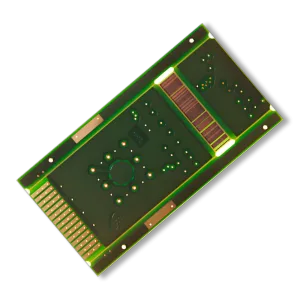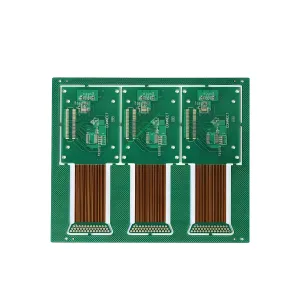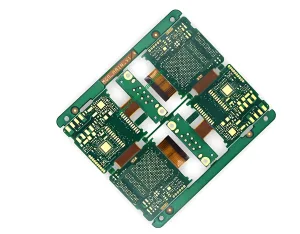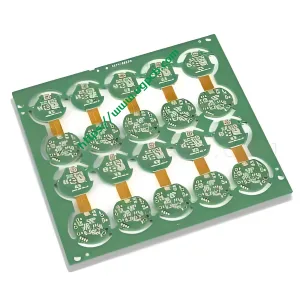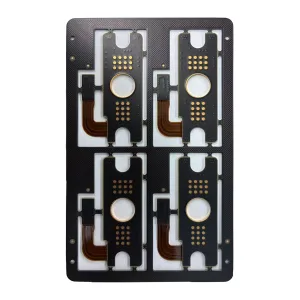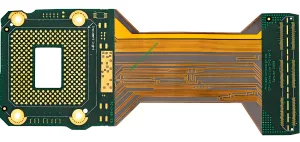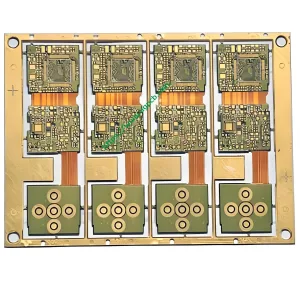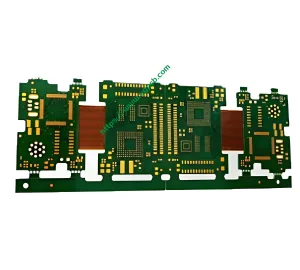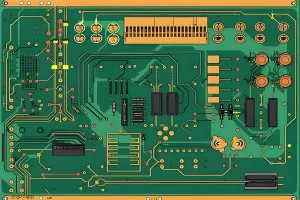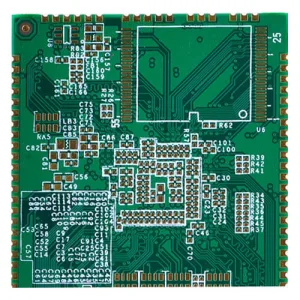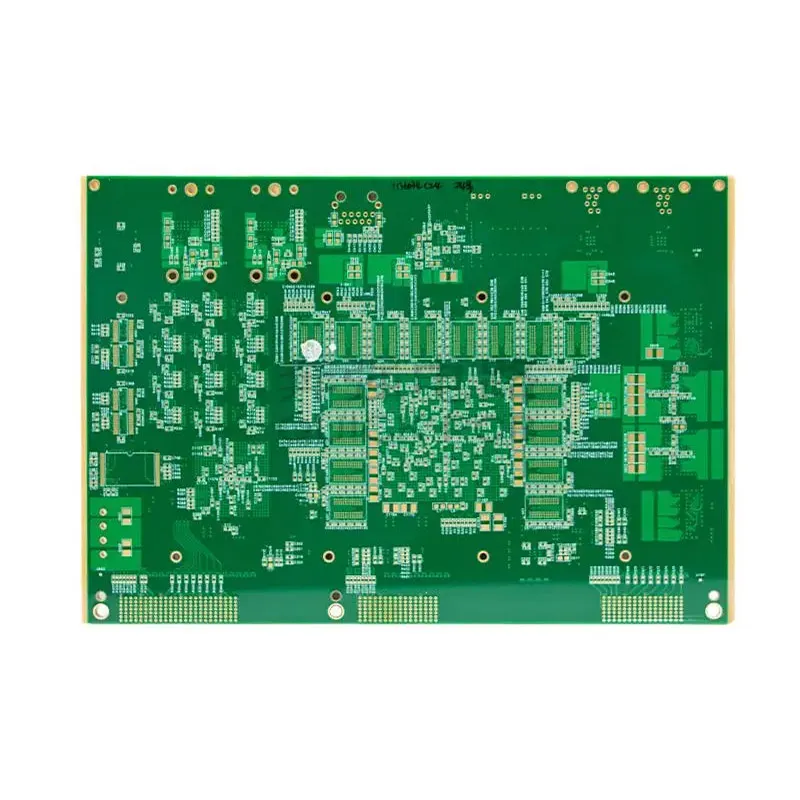
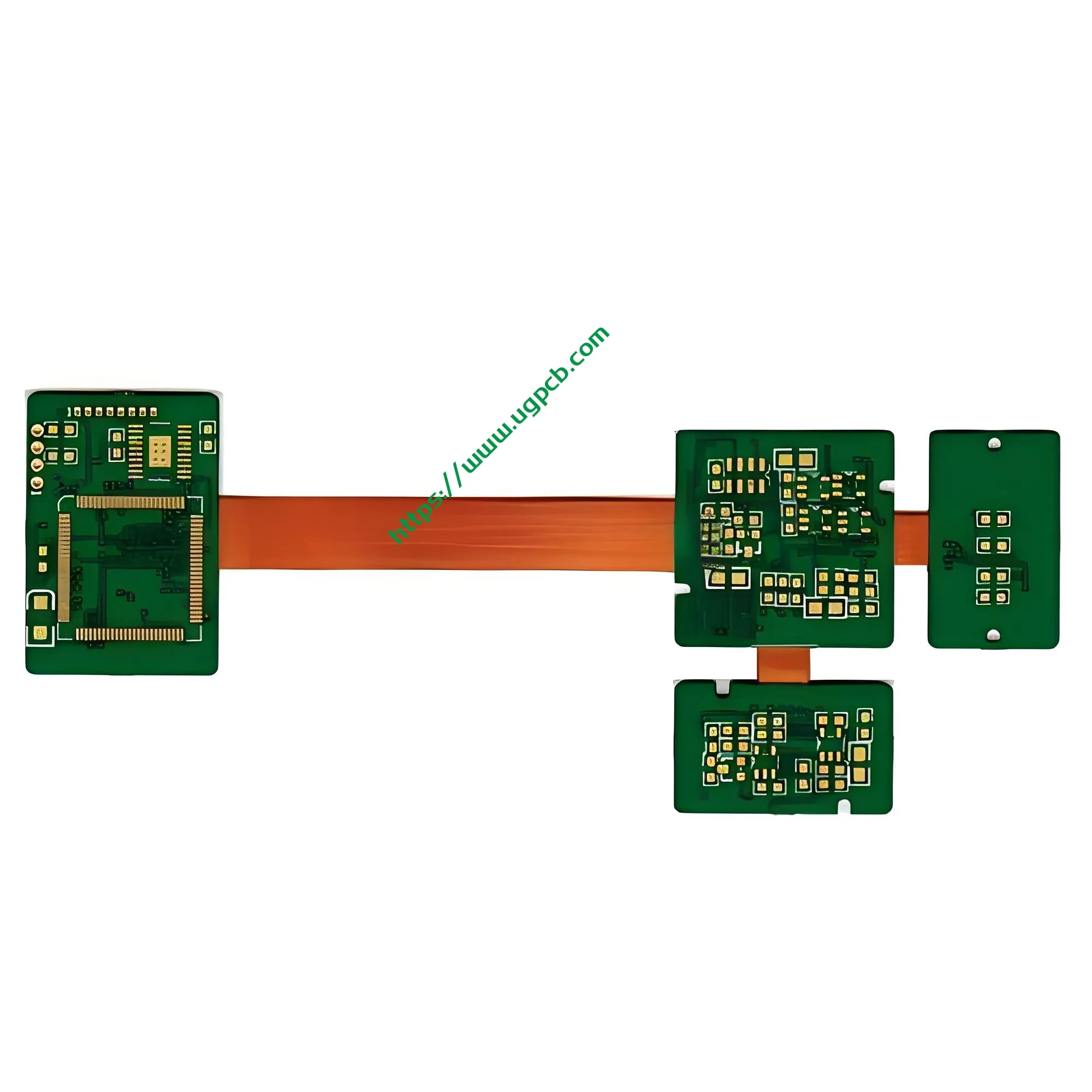
مع تحرك المنتجات الإلكترونية نحو عالية التردد, عالية السرعة, خفيفة الوزن, وقابلة للطي التصاميم, مركبات ثنائي الفينيل متعدد الكلور التقليدية الصلبة أو الدوائر المطبوعة المرنة (الشركة العامة للفوسفات) وحدها لم تعد قادرة على تلبية متطلبات وحدات الترددات اللاسلكية المعقدة, كاميرات الهواتف الذكية, أو المناظير الطبية. كقائد موثوق به في تصنيع ثنائي الفينيل متعدد الكلور, UGPCB يقدم 8-طبقة PCB صلبة مرنة عالية السرعة. مع فريدة من نوعها 6-طبقة جامدة + 2-طبقة مرنة هيكل متكامل, توفر هذه اللوحة التوازن الأمثل سلامة الإشارة, الاستقرار الميكانيكي, واستغلال المساحة.
توفر هذه المقالة لمحة مفصلة عن هذا ثنائي الفينيل متعدد الكلور جامد المرن- يغطي تعريفه, مواد, عملية التصنيع, والتطبيقات — لمساعدتك على فهم سبب كونه الخيار المفضل للأداء العالي وحدة ثنائي الفينيل متعدد الكلور.
1. نظرة عامة على المنتج وتعريفه
ال8-طبقة PCB صلبة مرنة عالية السرعة ليست مجرد لوحة صلبة متصلة بلوحة مرنة عبر موصل. بدلاً من, إنه هيكل موحد يتكون من التصفيحFR4 (الركيزة الصلبة) وباي (بوليميد, الركيزة المرنة) في مكون واحد.
- انهيار الهيكل: جامدة 6 لتر (6-قسم طبقة جامدة) + فليكس 2 لتر (2-قسم طبقة مرنة).
- تحديد المواقع الأساسية: مثالية للأجهزة الإلكترونية المدمجة التي تتطلب نقل إشارة عالية السرعة, الثني الديناميكي, و موثوقية عالية.
يلغي هذا التصميم الموصلات التقليدية من لوحة إلى لوحة, تقليل مخاطر فشل وصلة اللحام مع التحسن بشكل ملحوظ التوافق الكهرومغناطيسي (إي إم سي) . إنه يمثل تقدمًا رئيسيًا في ثنائي الفينيل متعدد الكلور عالي السرعة تكنولوجيا.
2. اعتبارات التصميم ومبدأ العمل
اعتبارات التصميم
عند تصميم هذاثنائي الفينيل متعدد الكلور جامد المرن, يركز الفريق الهندسي لـ UGPCB على ثلاثة مجالات مهمة:
- السيطرة على المعاوقة: للإشارات عالية السرعة, نحن نتحكم بدقة عرض التتبع والتباعد. هذا المنتج يحقق الحد الأدنى 3مل/3مل أثر/مساحة, ضمان مقاومة تفاضلية متسقة (على سبيل المثال, 90Ω أو 100Ω).
- حماية المنطقة الانتقالية: يعتبر التقاطع بين المقاطع الصلبة والمرنة نقطة تركيز الإجهاد. نحن نطبق تعويض الدمعة وفتحات غطاء محسنة لمنع انقطاع الدائرة أثناء الانحناء الديناميكي.
- التماثل المكدس: لتجنب الاعوجاج الناجم عن CTE (معامل التمدد الحراري) عدم التطابق أثناء اللحام بدرجة الحرارة العالية, يستخدم القسم الصلب كومة متناظرة من 6 طبقات, بينما يستخدم القسم المرن مادة PI عالية المعامل.
مبدأ العمل
ال طبقة مرنة (باي) يعمل كجسر يربط بين وحدات وظيفية صلبة متعددة. أثناء الانحناء, ينقل القسم المرن إشارات البيانات عالية السرعة (مثل MIPI أو USB 3.0) والقوة, بينما تحمل المقاطع الصلبة BGA عالي الكثافة عناصر والأجهزة السلبية. يمكّن هذا التصميم نظام الدائرة بالكامل من التوافق مع حاويات المنتج المدمجة أو غير المنتظمة.
3. المواد والمواصفات الرئيسية
يستخدم UGPCB مواد متميزة من العلامات التجارية العالمية الرائدة لضمان الأداء الكهربائي والموثوقية. وفيما يلي المواصفات الرئيسية لهذا النموذج:
| المعلمة | مواصفة | البصيرة الفنية |
|---|---|---|
| المواد الأساسية | FR4 + باي | يستخدم القسم الصلب Tg FR4 عالي (تيراغرام > 150درجة مئوية) لاستقرار اللحام; يستخدم القسم المرن بوليميد (باي) للمرونة ومقاومة الحرارة. |
| سمك النحاس | 1 أوقية | انتهى 1 يدعم أوقية النحاس الأحمال الحالية العالية ويساعد على تقليل فقدان تأثير الجلدإشارات عالية السرعة. |
| سمك اللوحة النهائية | 1.0 مم | يوازن بين الدعم الميكانيكي ومتطلبات الأجهزة الرفيعة. |
| الانتهاء من السطح | الغمر الذهب | 2م” سمك الذهب. يوفر شقة, سطح قابل للحام مع مقاومة ممتازة للأكسدة, مثالية لربط BGAs وأسلاك الألومنيوم ذات الدرجة الدقيقة. |
| الحد الأدنى لحجم الفتحة | 0.2 مم (ميكانيكية) | يدعم اتصال عالي الكثافة (مؤشر التنمية البشرية) التصاميم; يمكن أن توفر الممرات العمياء والمدفونة مساحة التوجيه بشكل أكبر. |
| الحد الأدنى من التتبع / فضاء | 3ميل / 3ميل | إمكانية الخطوط الدقيقة للتوجيه عالي الكثافة, ضمان سلامة الإشارة عند الترددات العالية. |
4. تصنيف المنتج والميزات الهيكلية
التصنيف العلمي
وفقا لمعايير IPC-2223, تم تصنيف هذا المنتج على أنه أثنائي الفينيل متعدد الكلور الديناميكي المرن الجامد المرن.
- حسب الهيكل: غير متماثلة جامدة المرن (6-طبقة جامدة + 2-طبقة مرنة).
- عن طريق التطبيق: عالية السرعة, عالية التردد وحدة ثنائي الفينيل متعدد الكلور.
الميزات الهيكلية
- الربط البيني المتكامل: يزيل الموصلات, تقليل فقدان الإدراج وانعكاس الإشارة. تتحسن سلامة الإشارة تقريبًا 30% مقارنة باللوحات الصلبة التقليدية بالإضافة إلى حلول الموصل.
- متانة عالية المرونة: يستخدم القسم المرن المكون من طبقتين توالت صلب (را) نحاس, والذي يوفر حياة انحناء أفضل من الإيداع الكهربائي (الضعف الجنسي) نحاس, تحمل عشرات الآلاف من الانحناءات الديناميكية.
- رقيقة وخفيفة: مع سمك إجمالي 1.0 مم, يحفظ ما يصل إلى 60% من مساحة المحور Z عند طيها.
5. عملية التصنيع ومراقبة الجودة
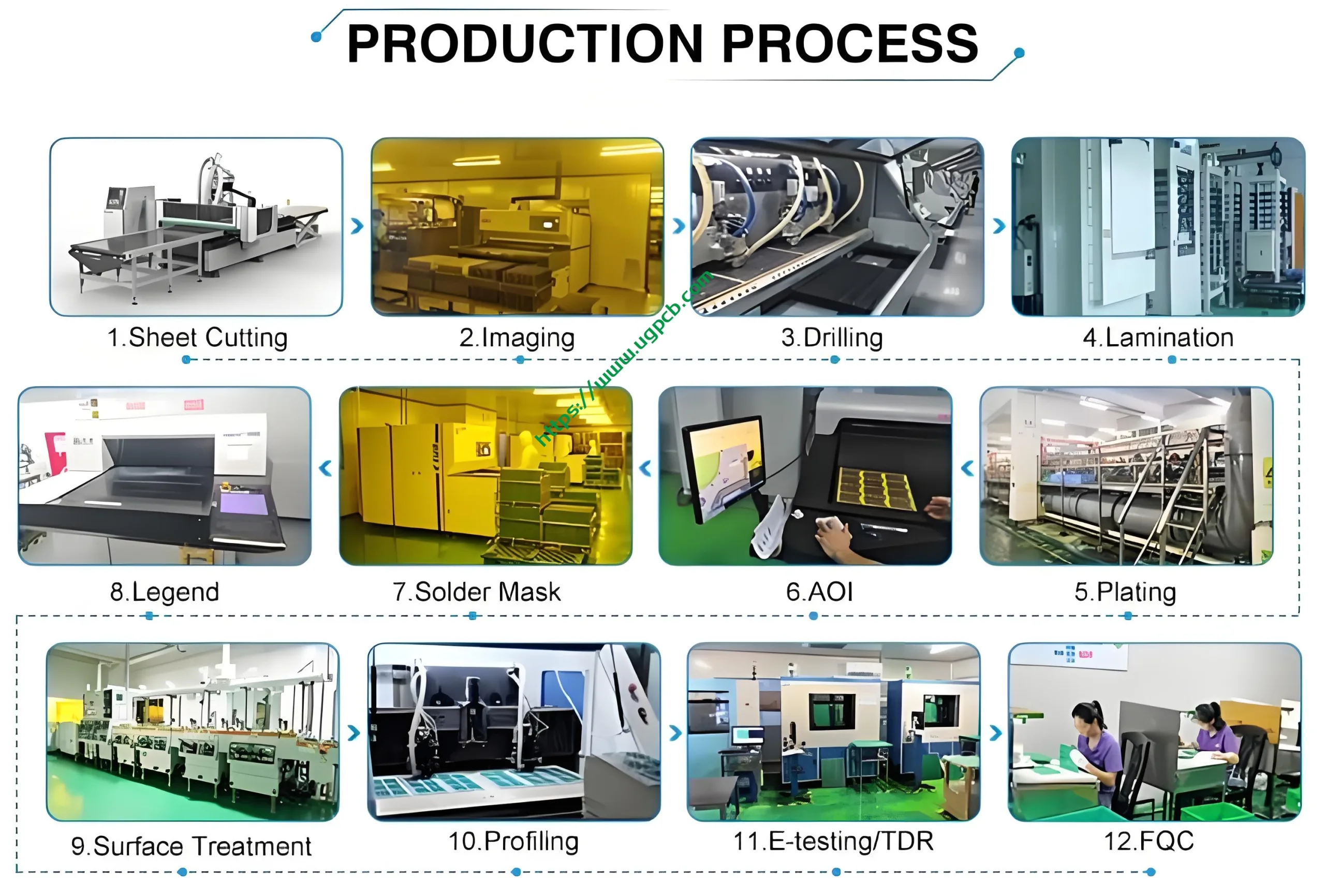
تدير UGPCB خط إنتاج متكامل تمامًا لضمان كل شيءثنائي الفينيل متعدد الكلور جامد مرن عالي السرعة يلبي معايير الجودة الصارمة. تتضمن العملية الأساسية:
- تحضير الطبقة المرنة: تتم معالجة الركيزة PI باستخدام طبقة جافة من الطبقة الداخلية والحفر لتشكيل دوائر دقيقة (3عرض أثر مل) في المنطقة المرنة.
- تصفيح الغلاف: يتم تطبيق غطاء على الدوائر المرنة لحمايتها وتحديد منطقة الانحناء.
- التراص طبقة صلبة: تتم محاذاة التقوية FR4 بدقة مع الطبقة المرنة المعالجة. هذه خطوة حاسمة لضمان ملء الراتينج للواجهة الصلبة المرنة بدون فراغات.
- التصفيح: يتم دمج الطبقات الصلبة والمرنة تحت درجة حرارة وضغط عاليين.
- الحفر والطلاء: 0.2 يتم تنفيذ الحفر الميكانيكي ملم, تليها طلاء النحاس غير الكهربائي لإنشاء اتصالات بين الطبقات.
- الانتهاء من السطح: غمر الذهب يتم تطبيقه بسماكة يمكن التحكم فيها 2م” لضمان قابلية اللحام ومقاومة الأكسدة.
- التوجيه والاختبارات الكهربائية: القطع بالليزر أو التثقيب يشكل اللوحة, تليها 100% اختبار المسبار الطائر أو التركيبات لضمان عدم وجود شورت أو فتح.
6. سيناريوهات التطبيق
هذا8-طبقة ثنائي الفينيل متعدد الكلور جامدة عالية السرعة تم تصميمه للكثافة العالية, تطبيقات عالية الموثوقية, مشتمل:
- الهواتف الذكية والأجهزة القابلة للارتداء: تستخدم في اتصالات اللوحة الرئيسية للهاتف القابل للطي ووحدة الكاميرا (CCM) الجمعيات, الاستفادة من قدرات الانحناء لتكامل المفصلات.
- الأجهزة الطبية: مثل المناظير بالموجات فوق الصوتية وأجهزة السمع. يضمن الحجم الصغير والموثوقية لمركبات ثنائي الفينيل متعدد الكلور الصلبة المرنة نقل إشارة مستقر في البيئات الحرجة.
- إلكترونيات السيارات: وحدات الكاميرا داخل السيارة وأنظمة LiDAR. يلبي متطلبات درجة السيارات لمقاومة الاهتزاز ودورات درجة الحرارة (-40درجة مئوية إلى 125 درجة مئوية).
- الطيران والدفاع: وحدات الاتصالات عبر الأقمار الصناعية وأنظمة توجيه الصواريخ. يقلل الوزن مع الحفاظ على الموثوقية العالية.
- السيطرة الصناعية: وصلات الروبوت ومحركات المحركات المؤازرة. يمتص القسم المرن الضغط الميكانيكي الناتج عن الحركة.
7. لماذا تختار UGPCB?
يمثل تصنيع مركبات ثنائي الفينيل متعدد الكلور الصلبة المرنة تحديات تقنية, خاصة فيتصفيح خالي من الفراغ في الواجهة الصلبة المرنة والسيطرة على انكماش المواد PI. يعالج UGPCB هذه الأمور بخبرة مثبتة:
- تعويض الانكماش الدقيق: مع بيانات واسعة النطاق حول معدلات التوسع المختلفة لـ PI وFR4, نحافظ على التسجيل من طبقة إلى طبقة في حدود ±2 مليون.
- ضمان إشارة عالية السرعة: ل ثنائي الفينيل متعدد الكلور عالي السرعة التطبيقات, نحن نتحكم بشكل صارم في ثابت العزل الكهربائي (DK) وعامل التبديد (ص), وتقديم تقارير اختبار المعاوقة.
- دعم التخصيص: من النماذج الأولية إلى الإنتاج الضخم, نحن نؤيد مصممة خصيصا وحدة ثنائي الفينيل متعدد الكلور حلول مع فترات زمنية موثوقة.
8. احصل على عرض أسعار اليوم
هل لا يزال منتج الجيل التالي الخاص بك محدودًا بحجم الموصل وفقدان الإشارة؟? حان الوقت للترقية إلى8-طبقة PCB صلبة مرنة عالية السرعة.
[اتصل بمهندسي UGPCB] ل:
أسعار تنافسية للحجم.
تقرير تحليل سوق دبي المالي مجاني (داخل 24 ساعات).
توصيات تحسين المعاوقة.