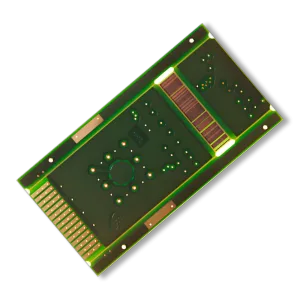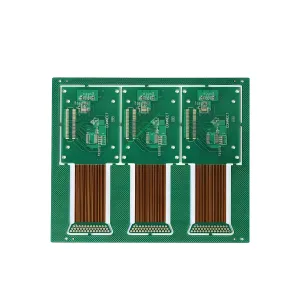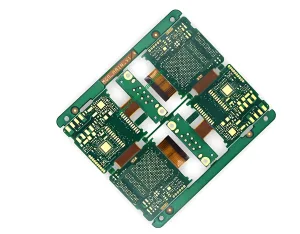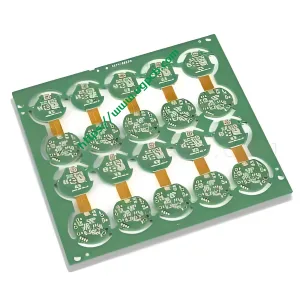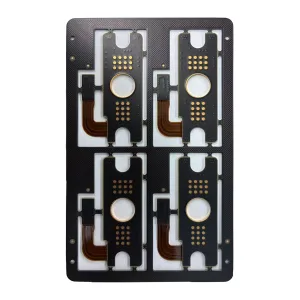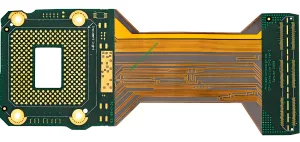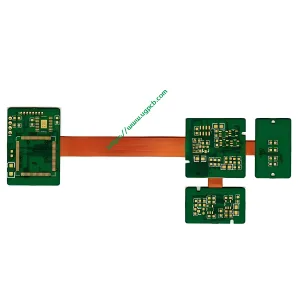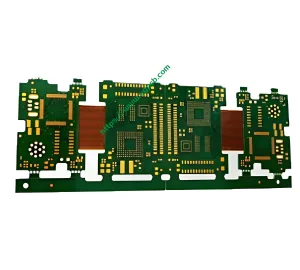
في التطور السريع اليوم نحو الوزن الخفيف, رفيع, قصير, والأجهزة الإلكترونية المدمجة, ال ثنائي الفينيل متعدد الكلور جامد المرن أصبح لا غنى عنه في المجالات عالية الدقة مثل الاتصالات السلكية واللاسلكية, الأدوات الطبية, والفضاء. إن مزيجها الفريد من الدعم القوي والمرونة ثلاثية الأبعاد يجعلها مكونًا بالغ الأهمية للتوصيل البيني.
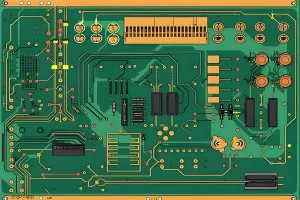
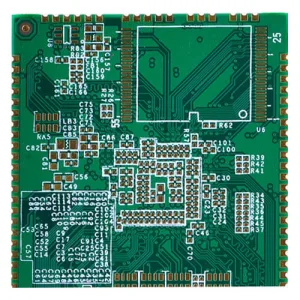
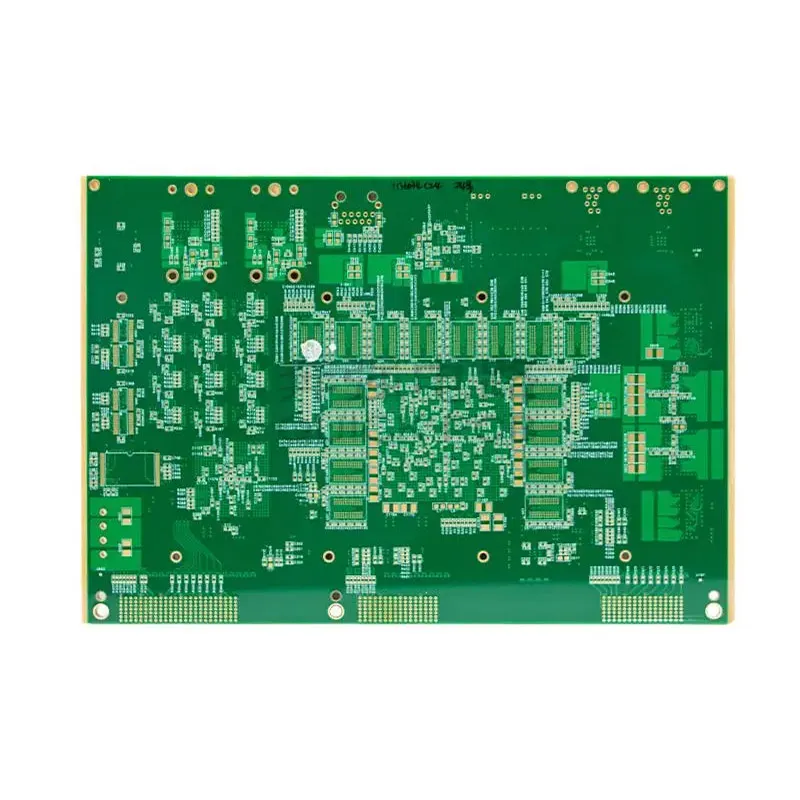
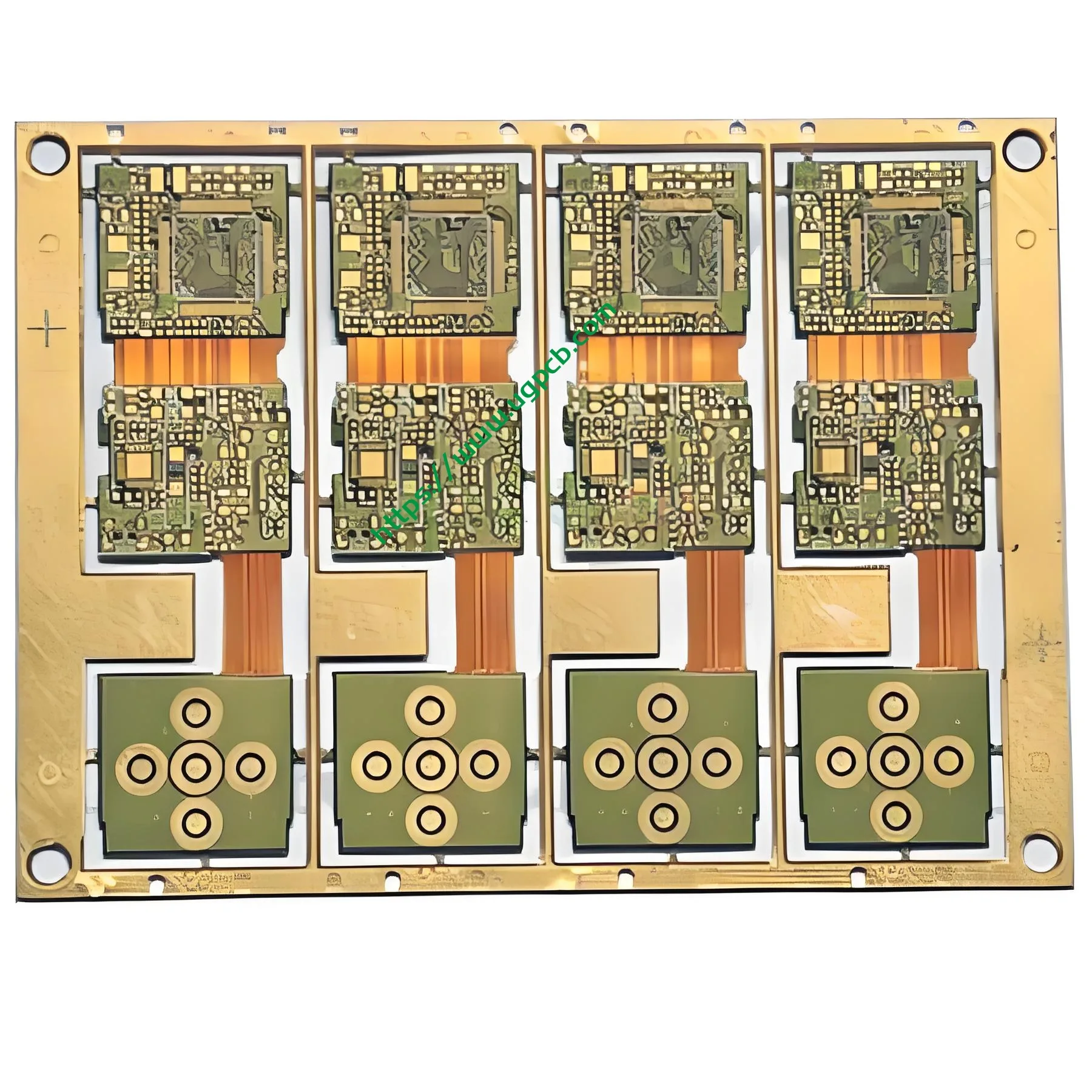
كمحترف الشركة المصنعة لثنائي الفينيل متعدد الكلور, تقدم UGPCB أدائها العالي قناع اللحام الأصفر ثنائي الفينيل متعدد الكلور الصلب المرن (آر-FPCB) . تستكشف هذه المقالة هذه اللوحة المتقدمة, بنيت مع فر-4 + مواد بي و 6-طبقة صلبة بالإضافة إلى 4 طبقات مرنة بناء. سوف ندرس مبادئ التصميم الخاصة به, عمليات التصنيع, والتطبيقات, يوضح كيف أنه يتيح نقل إشارة أكثر استقرارًا وتخطيط نظام أكثر إحكاما.
1. تعريف المنتج ونظرة عامة
UGPCBقناع اللحام الأصفر الصلب المرن يدمج PCB الصلب ولوحة الدوائر المرنة في حل ربط واحد من خلال عملية التصفيح.
المواصفات الرئيسية:
طبقة stackup: 6 طبقات (6ل) في المقاطع الصلبة / 4 طبقات (4ل) في أقسام مرنة
مزيج المواد: فر-4 (المناطق الصلبة) + باي (بوليميد, مناطق مرنة)
لون السطح: قناع لحام أصفر (جامد) / غطاء أبيض (ثني)
سمك الانتهاء: 0.4مم (أقسام جامدة) / 0.2مم (أقسام مرنة)
يحتفظ هذا التصميم بالدعم الهيكلي والقدرة على حمل المكونات للمناطق الصلبة مع الاستفادة من قابلية انحناء المقاطع المرنة. إنه يحقق تكاملًا صلبًا ومرنًا حقيقيًا, مما يلغي الحاجة إلى الموصلات التقليدية والكابلات الشريطية.
2. مبادئ التصميم والتكنولوجيا
أ. مبدأ العمل
يكمن جوهر تقنية جامدة فليكس في التوصيل البيني السلس. تقوم شركة UGPCB بتصفيح طبقات PI المرنة بطبقات FR-4 الصلبة تحت درجة حرارة وضغط مرتفعين. في المناطق المرنة, تتم إزالة مادة FR-4, ترك قاعدة PI مع غطاء للسماح بالانحناء. في المناطق الصلبة, يبقى FR-4 في الدعم عناصر. يزيل هذا الهيكل نقاط الاتصال المادية من الموصلات, تعزيز بشكل ملحوظ سلامة الإشارة (و) ومقاومة الاهتزاز.
ب. اعتبارات التصميم
السيطرة على المعاوقة: لثنائي الفينيل متعدد الكلور للاتصالات عالية التردد, يضمن التحكم الصارم في عرض التتبع والتباعد بمقدار 3.5 مل مقاومة تفاضلية متسقة (على سبيل المثال, 100أوه).
حماية المنطقة الانتقالية: الوصل بين المقاطع الصلبة والمرنة (كعب الروتين) هي نقطة التوتر. يستخدم تصميم UGPCB انتقالات مستديرة وعروض تتبع مدببة لمنع التشقق أثناء الانحناء.
مطابقة المكدس: يتم الحفاظ على سمك النحاس الموحد 1OZ لمنع فشل التعب في المقاطع المرنة أثناء الثني الديناميكي.
3. تحليل المواد والأداء
أ. المواد الأساسية
فر-4 (المناطق الصلبة): صفائح إيبوكسي مقواة بالألياف الزجاجية. إنه يوفر قوة ميكانيكية عالية, مقاومة الحرارة, والعزل, توفير منصة مستقرة لتركيب المكونات الثقيلة مثل الرقائق والموصلات.
باي (المناطق المرنة): فيلم بوليميد. يوفر مقاومة ممتازة لدرجات الحرارة العالية (التشغيل > 150 درجة مئوية), عامل فقدان عازل منخفض (ص), وحياة مرنة عالية.
الانتهاء من السطح: الغمر الذهب (يوافق). ترسب هذه العملية الكيميائية طبقة من الذهب والنيكل فوق النحاس.
المزايا: سطح عالي التسطيح مناسب للدوائر ذات الملعب الدقيق (3.5تباعد مل), مقاومة الأكسدة القوية, وقابلية لحام جيدة إلى جانب القدرة على ربط أسلاك الألمنيوم.
ب. مواصفات الأداء الرئيسية
| المعلمة | مواصفة | الميزة التقنية |
|---|---|---|
| دقيقة. أثر / الفضاء | 3.5ميل / 3.5ميل | يدعم التوجيه عالي الكثافة لوحدات الاتصال المدمجة. |
| دقيقة. الحفر الميكانيكية | 0.1مم | تعمل تقنية Micro-via على تحسين استخدام قناة التوجيه وتقليل السعة الطفيلية بين الطبقات. |
| سمك الانتهاء | 0.4مم (جامد) / 0.2مم (ثني) | تصميم نحيف للغاية يوفر المساحة داخل علبة الجهاز. |
| سمك النحاس | 1أوقية (35ميكرومتر) | يوازن بين القدرة الاستيعابية الحالية والقدرة على التحمل الانثناء, ضمان سلامة الإشارة. |
4. التصنيف الهيكلي والميزات
أ. التصنيف الهيكلي
هذا المنتج هو هيكل غير متماثل (6-طبقة جامدة + 4-طبقة مرنة) ضمن فئة الألواح الصلبة المرنة متعددة الطبقات. عمومًا, يتم تصنيف الألواح المرنة الصلبة على أنها:
نوع الطبقات: تمتد الطبقات المرنة بشكل مستقل, كما رأينا في هذا المنتج.
نوع غير الطبقات: يستخدم المجلس بأكمله مواد مرنة, مع إضافة تقوية إلى مناطق محددة.
ب. ميزات المنتج
موثوقية عالية: يضمن اللمسة النهائية الذهبية المغمورة مع مادة PI أداءً كهربائيًا مستقرًا حتى في البيئات القاسية (ارتفاع درجة الحرارة والرطوبة).
دقة عالية: قدرات التصنيع لخطوط دقيقة 3.5 مل ومنافذ صغيرة 0.1 مم تحل تحديات التوصيل البيني عالي الكثافة.
تحسين المساحة: يستبدل الموصلات, تقليل حجم التثبيت بأكثر من 60% وخفض الوزن الإجمالي للمنتج.
التمايز البصري: يوفر قناع اللحام الأصفر مظهرًا فريدًا ويوفر تباينًا أكثر وضوحًا أثناء تجميع SMT, تسهيل الفحص البصري.
5. عملية التصنيع ومراقبة الجودة
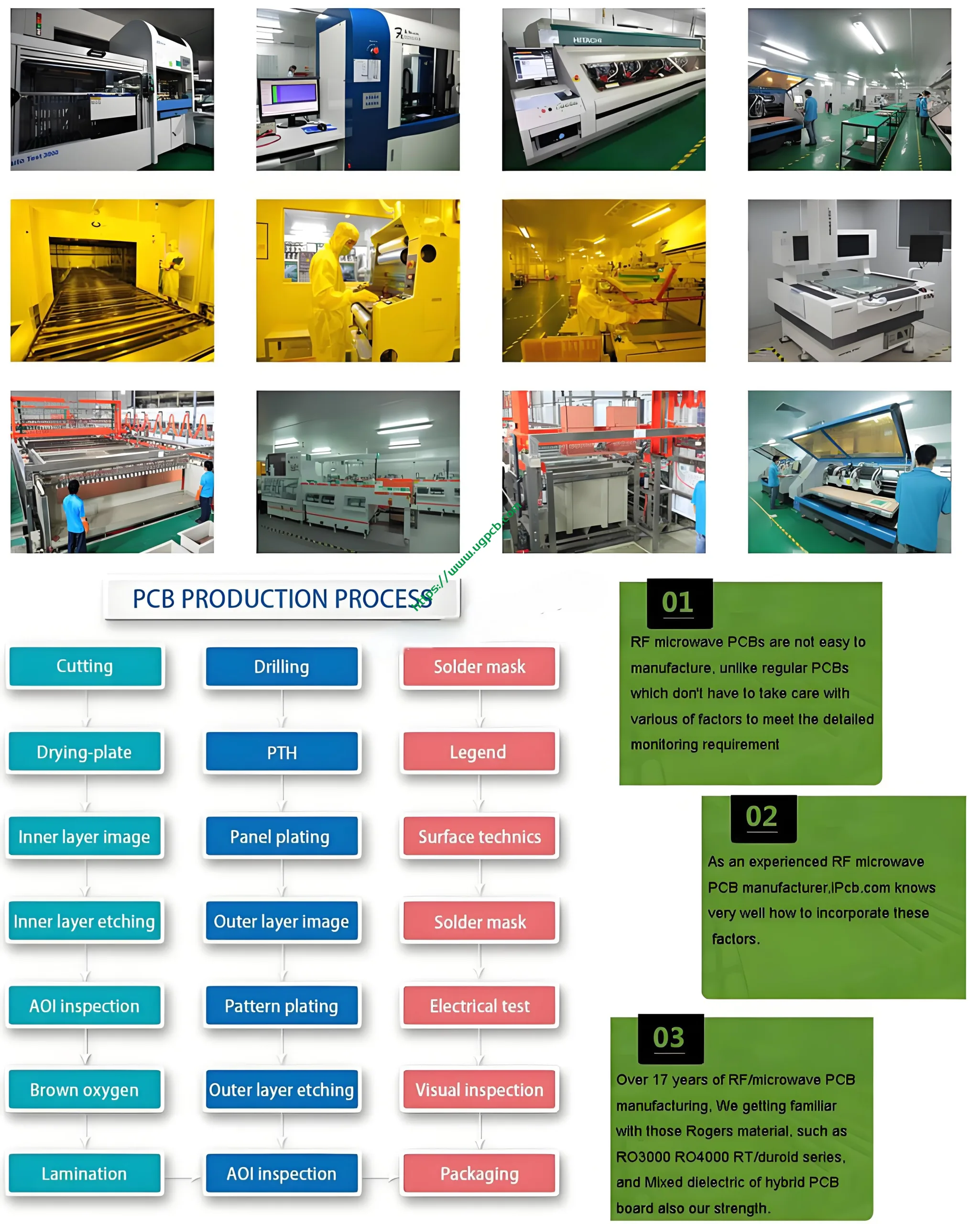
لضمان موثوقية هذا الهيكل المعقد 6L+4L, يتبع UGPCB تدفق إنتاج صارم:
دائرة الطبقة الداخلية (منطقة فليكس): يتم تشكيل دوائر دقيقة بحجم 3.5 مل على المادة الأساسية PI باستخدام الليزر أو الطباعة الحجرية الضوئية.
تصفيح الغلاف: يتم تغليف طبقة واقية على الدائرة المرنة, وترك فقط مناطق الوسادة مكشوفة.
التصفيح: يتم محاذاة الطبقات الصلبة والمرنة وتصفيحها تحت الفراغ. الضوابط الرئيسية هي ملف درجة الحرارة وتدفق الراتنج لمنع الفراغات.
حفر & تصفيح: 0.1يتم حفر فيا الصغيرة ملم. يؤدي ترسيب النحاس غير الكهربائي إلى إنشاء اتصالات بين الطبقات.
الطبقة الخارجية & Soldermask: يتم تطبيق قناع اللحام الأصفر على المناطق الصلبة; يبقى الغطاء الأبيض على المناطق المرنة.
الانتهاء من السطح: غمر الذهب (يوافق) يتم تطبيقه بسماكة يمكن التحكم فيها: 0.05-0.1ميكرومتر الاتحاد الأفريقي / 3-5ميكرون ني.
التنميط & اختبار الكهربائية: يحدد التوجيه بالليزر أو التثقيب الشكل النهائي. 100% الهيئة العربية للتصنيع و مسبار الطيران اختبار التحقق من السلامة الكهربائية.
6. التطبيقات
يستهدف هذا المنتج في المقام الأولالاتصالات ثنائي الفينيل متعدد الكلور قطاع. وتشمل التطبيقات الرئيسية:
5محطات قاعدة الاتصالات G: يستخدم لثني الاتصالات في وحدات الترددات اللاسلكية, حل احتياجات التوصيل البيني المدمجة بين الهوائيات واللوحات الرئيسية.
الهواتف الذكية & الأجهزة القابلة للارتداء: يتيح القسم المرن مقاس 0.2 مم الانحناء الديناميكي لمفصلات الهاتف القابلة للطي.
الإلكترونيات الطبية: تستخدم في أجهزة مثل تحقيقات المنظار بالموجات فوق الصوتية, الاستفادة من التوافق الحيوي لـ PI والتوجيه عالي الكثافة.
إلكترونيات السيارات: وحدات كاميرا ADAS التي يجب أن تتحمل الاهتزاز المستمر والصدمات الحرارية.
7. لماذا تختار UGPCB?
غالبًا ما يواجه المهندسون تحديات تتمثل في انخفاض الإنتاجية وفترات انتظار طويلة للتصميمات المرنة الصلبة المعقدة. UGPCB هو عرض شريك موثوق لسلسلة التوريد:
القدرة على التصنيع: القدرة على الإنتاج الضخم لأثر/مساحة 3.5 مليون, التغلب على حواجز التوصيل البيني عالية الكثافة.
مصادر المواد: يستخدم مواد عالية الجودة من الموردين مثل Shengyi/ITEQ لـ FR-4 وDuPont/Tayoho لـ PI, ضمان الجودة من المصدر.
الدعم الهندسي: يوفر سوق دبي المالي مجانا (تصميم للتصنيع) الشيكات للمساعدة في تحسين التصاميم, خاصة في المنطقة الانتقالية الصلبة المرنة.
هل تقوم بتصميم لوحة دوائر يجب أن تحمل دوائر متكاملة معقدة وأن تكون مرنة في مساحة ضيقة؟?
تقدم UGPCB الآن خدمات النماذج الأولية والإنتاج الضخم لهذا الغرض6-طبقة جامدة + 4-طبقة قناع اللحام الأصفر المرن ثنائي الفينيل متعدد الكلور الصلب.
👉 احصل على عرض أسعار سريع اليوم
أرسل ملفات جربر والمتطلبات الفنية الخاصة بك إلى [sales@ugpcb.com] أو انقر فوق الدردشة عبر الإنترنت. سيقدم فريقنا الهندسي تقريرًا احترافيًا لسوق دبي المالي وعرضًا تنافسيًا 24 ساعات.