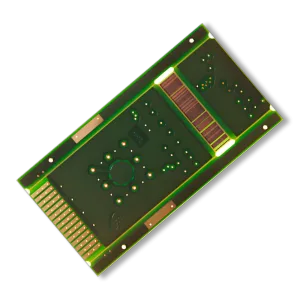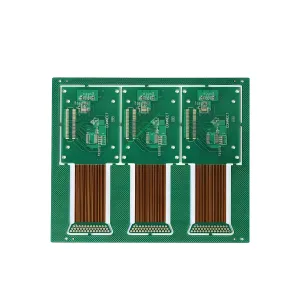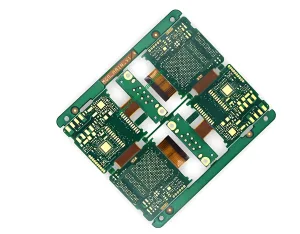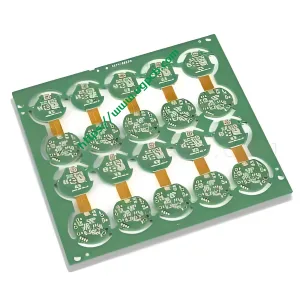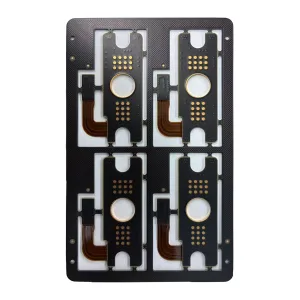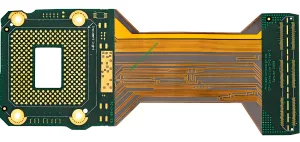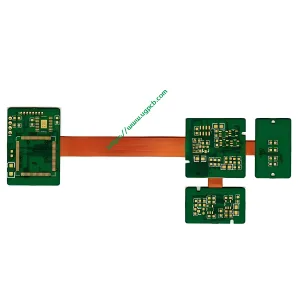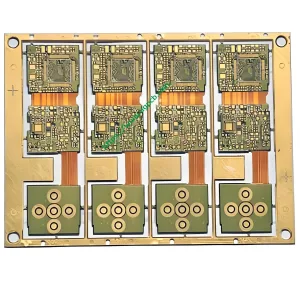
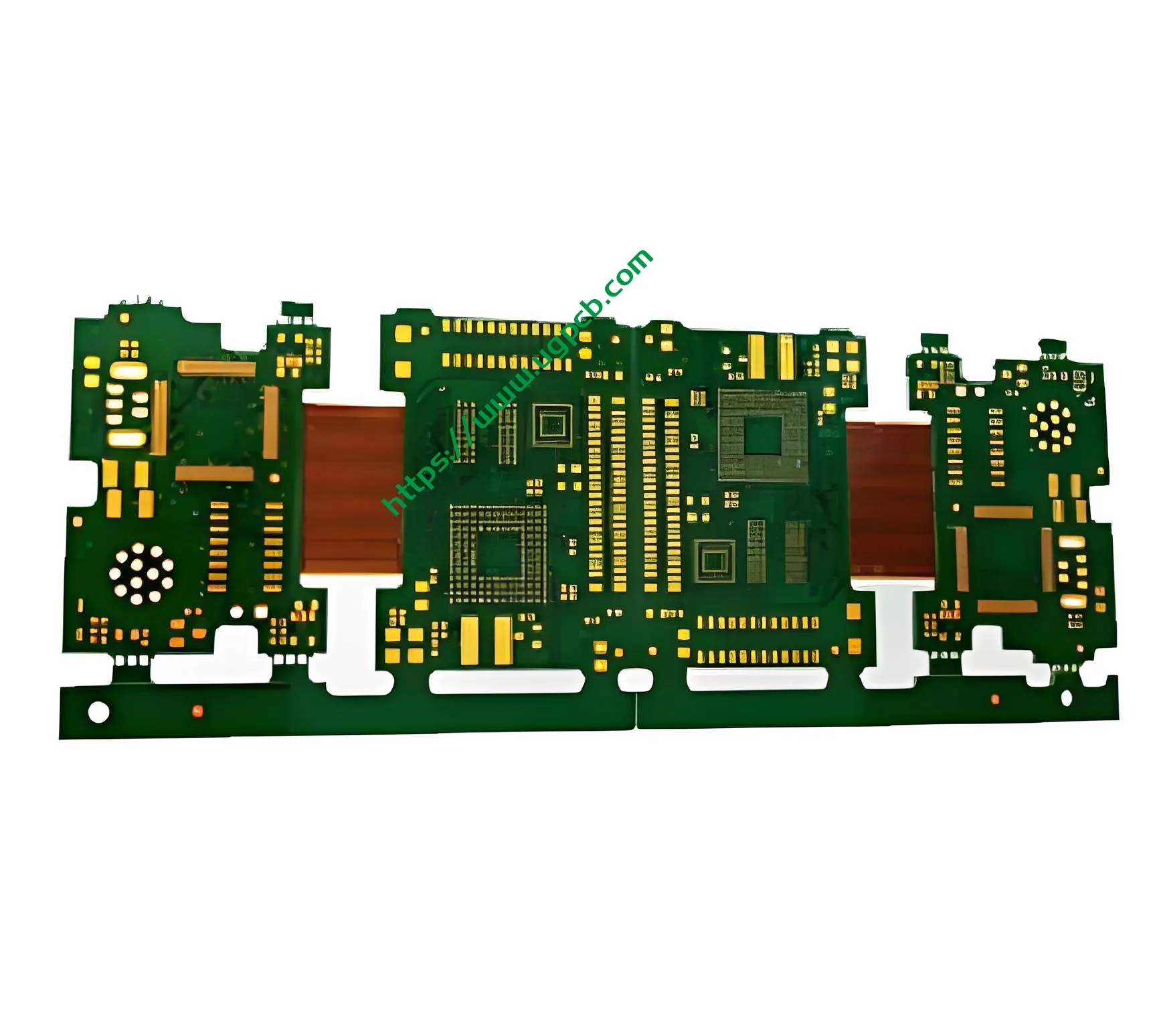
مثل الطائرات بدون طيار (الطائرات بدون طيار) تطور, كل جرام يؤثر على زمن الرحلة, وكل إشارة تحدد سلامة الرحلة. لا يمكن لمركبات ثنائي الفينيل متعدد الكلور الصلبة التقليدية أن تتناسب مع الحجم الصغير, إطارات الطائرات بدون طيار مطوية, في حين تفتقر مركبات ثنائي الفينيل متعدد الكلور المرنة وحدها إلى الدعم الهيكلي. UGPCB يحل هذا التحدي مع مركبة جوية بدون طيار جامدة فليكس ثنائي الفينيل متعدد الكلور- لوحة دوائر متخصصة مصممة للاهتزازات العالية, تطبيقات الفضاء مقيدة الفضاء.
تشرح هذه المقالة التصميم, مواد, ومعايير التصنيع وراء هذا المتقدمة ثنائي الفينيل متعدد الكلور جامد المرن. سوف تتعرف على سبب كونه حل التوصيل البيني المفضل لإلكترونيات الطائرات بدون طيار الحديثة.
1. نظرة عامة على المنتج وتعريفه
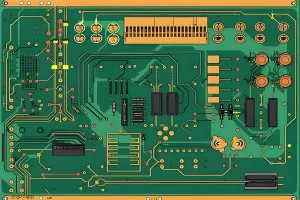
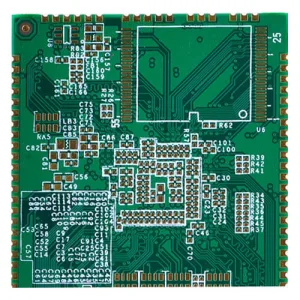
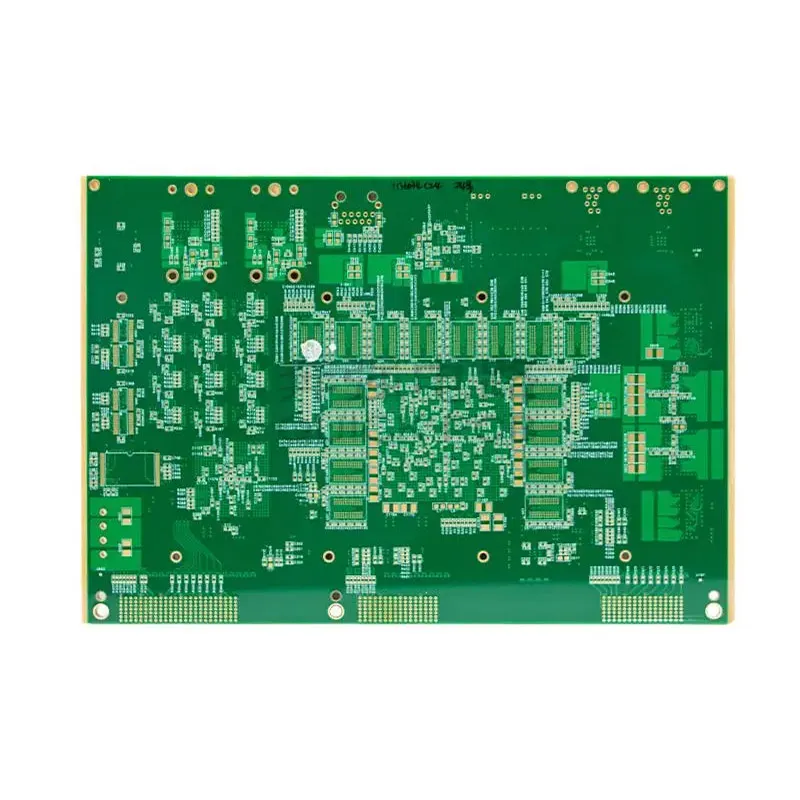
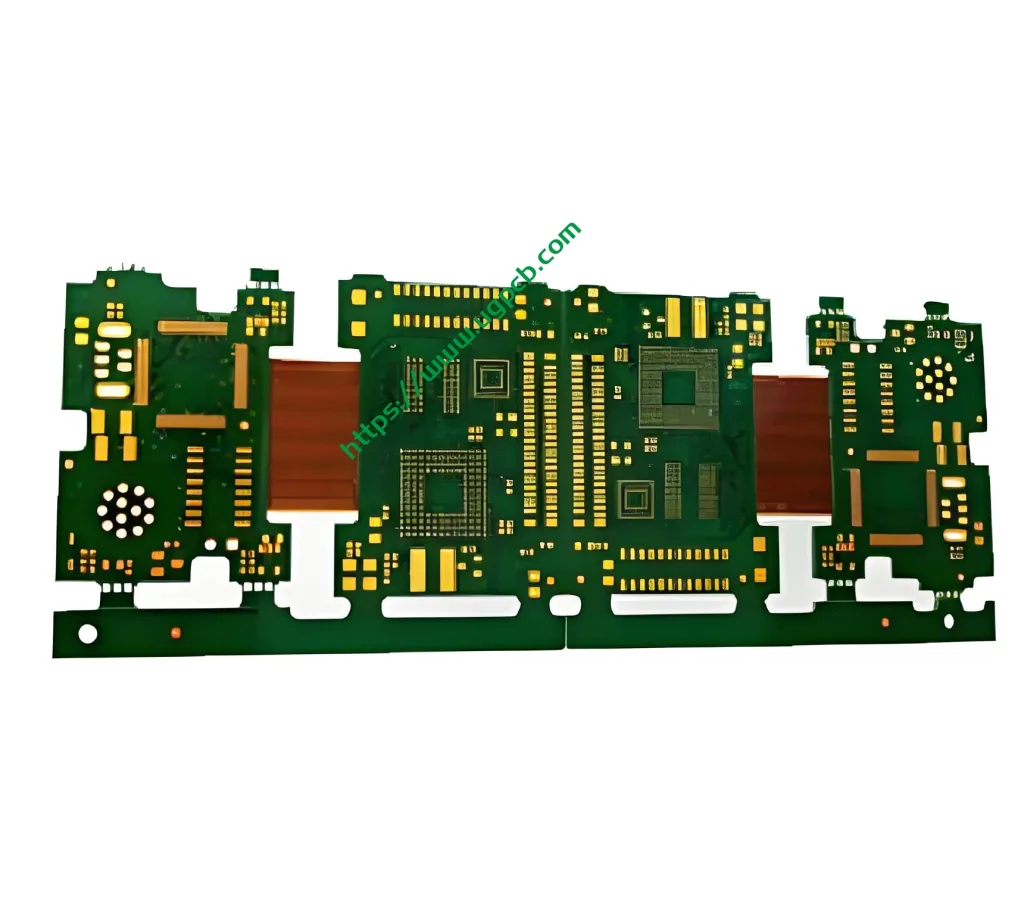
أ الطائرات بدون طيار ثنائي الفينيل متعدد الكلور جامد المرن يجمع بين أقسام لوحات الدوائر الصلبة وأقسام لوحات الدوائر المرنة في مقطع واحد, هيكل موحد. المناطق الصلبة (مصنوعة من FR-4) دعم المكونات الثقيلة مثل المعالجات والموصلات. المناطق المرنة (مصنوعة من مادة البوليميد, أو بي) السماح بالانحناء والطي. يلغي هذا التصميم الحاجة إلى الموصلات وأحزمة الأسلاك.
أن UGPCB, نحن نحدد الجودة العالية لوحة الدوائر المطبوعة الصلبة المرنة باعتبارها واحدة تحافظ على سلامة الإشارة تحت الضغوط الخاصة بالطائرة بدون طيار, بما في ذلك الاهتزاز العالي, للطي ضيق, والتباين الواسع في درجات الحرارة. تم تصميم نموذجنا لأنظمة التحكم في الطيران, وحدات نقل الفيديو, والتجمعات gimbal.
2. المواصفات الرئيسية والهيكل
يسرد الجدول أدناه المواصفات الأساسية لنموذج UGPCB هذا.
| المعلمة | مواصفة |
|---|---|
| نموذج | الطائرات بدون طيار جامدة فليكس ثنائي الفينيل متعدد الكلور |
| مادة | فر-4 (جامد) + باي (ثني) |
| طبقة stackup | جامد: 4 طبقات / ثني: 2 طبقات |
| سمك الانتهاء | منطقة صلبة: 1.0مم / منطقة فليكس: 0.15مم |
| سمك النحاس | 1 أوقية (الطبقات الداخلية والخارجية) |
| الانتهاء من السطح | غمر الذهب (يوافق) |
| دقيقة. يتعقب / فضاء | 4 ميل / 4 ميل |
| لون قناع اللحام | أخضر (جامد) / غطاء أبيض (ثني) |
3. كيف يعمل واعتبارات التصميم الرئيسية
كيف يعمل
هذا ثنائي الفينيل متعدد الكلور جامد المرن بمثابة الجهاز العصبي المركزي للطائرة بدون طيار. يوفر القسم الصلب المكون من 4 طبقات منصة ثابتة لحام المكونات الأساسية مثل المعالج الرئيسي, جيروسكوب, والدوائر المرحلية لإدارة الطاقة. يقوم القسم المرن المكون من طبقتين بتوصيل الأجزاء المتحركة - مثل المحركات والكاميرات ذات المحورين - بدون موصلات ميكانيكية. وهذا يسمح بحرية الحركة والطي دون كسر المسار الكهربائي.
اعتبارات التصميم
-
حماية المنطقة الانتقالية: يعتبر التقاطع بين المناطق الصلبة والمرنة هو النقطة الأكثر عرضة للضغط. يعزز UGPCB هذه المنطقة باستخدام منصات الدمعة وعروض التتبع المدببة. وهذا يمنع انقطاع الدائرة الناتج عن الاهتزاز المستمر للطائرة بدون طيار.
-
السيطرة على المعاوقة: لإشارات نقل الفيديو عالية التردد (عادة 50Ω أو 100Ω التفاضلية), نحن نستخدم 4 عرض تتبع mil والتباعد للحفاظ على مقاومة متسقة عبر كل من الأقسام الصلبة والمرنة.
4. اختيار المواد: FR-4 وPI
لماذا يستخدم UGPCB FR-4 وPI لهذا الغرض مركبة جوية بدون طيار جامدة فليكس ثنائي الفينيل متعدد الكلور?
-
المناطق الصلبة (فر-4): نختار عالية Tg (درجة حرارة التحول الزجاجي) فر-4. وهذا يضمن عدم تليين اللوحة أو تشوهها أثناء رحلات الطائرات بدون طيار عالية الطاقة, منع فشل مشترك لحام.
-
المناطق المرنة (باي – بوليميد): تستخدم الأقسام المرنة بوليميد عالي الجودة. تتحمل هذه المادة الانحناء المتكرر ودرجات الحرارة القصوى التي تتراوح من -40 درجة مئوية إلى +150 درجة مئوية. سمك غير متماثل (1.0مم جامدة مقابل. 0.15مم فليكس) يوازن القوة الميكانيكية مع النحافة المطلوبة للطي المحكم.
5. ميزات الأداء
مزيج من 1 أوقية النحاس, غمر الذهب, و 4 ميل تتبع/الفضاء يقدم فوائد أداء قابلة للقياس.
-
موثوقية عالية: غمر الذهب (يوافق) يخلق شقة, سطح مقاوم للأكسدة. وهذا يدعم لحام BGA الدقيق ويزيل مخاطر كرات اللحام الشائعة مع تشطيبات HASL.
-
سلامة الإشارة: ال 4 يسمح عرض التتبع mil للمصممين بتوجيه الأزواج التفاضلية في المساحات الضيقة. وهذا يقلل من التداخل الكهرومغناطيسي (emi), وهو أمر بالغ الأهمية لإشارات GPS والفيديو الحساسة.
-
تخفيض الوزن: استبدال "لوحة صلبة". + موصل + كابل" مع مجموعة واحدة لوحة صلبة مرنة يمكن أن يقلل إجمالي وزن التوصيل البيني بنسبة تصل إلى 40%. يؤدي توفير الوزن هذا إلى إطالة وقت طيران الطائرة بدون طيار.
-
الأداء الحراري: يعكس الغطاء الأبيض الموجود على القسم المرن حرارة أكثر من الغطاء الأصفر التقليدي. يساعد هذا في إدارة درجات الحرارة أثناء تحليق الطائرة بدون طيار لفترة طويلة.
6. تصنيف الصناعة
مرتكز على IPC ومعايير الصناعة, هذا المنتج يندرج تحت:
-
الفئة الأساسية: لوحات مطبوعة مرنة وصلبة
-
الفئة الثانوية: متعدد الطبقات جامد فليكس مع بناء غير متماثل
-
فئة التطبيق: إلكترونيات الفضاء الجوي والمركبات الجوية بدون طيار
7. عملية التصنيع (IPC-6013 & امتثال UL)
يتبع UGPCB عملية خاضعة للرقابة لتلبية IPC-6013 (مؤهلات الألواح المرنة/الصلبة المرنة) و ماي 94 V-0 معايير القابلية للاشتعال. الخطوات الأساسية لذلك 4-طبقة جامدة + 2-طبقة مرنة التصميم هي:
-
إعداد المواد: يتم تنظيف وتحضير المواد الأساسية FR-4 وPI.
-
الغلاف والتصفيح: تتلقى المناطق المرنة فتحات تغطية دقيقة. ال 4 طبقات جامدة و 2 يتم بعد ذلك تصفيح الطبقات المرنة معًا تحت درجة حرارة عالية وفراغ. تتطلب هذه الخطوة تحكمًا دقيقًا في تدفق المادة اللاصقة لمنع حدوث فراغات عند الحدود الصلبة المرنة.
-
الحفر والطلاء: يتم استخدام الحفر بالليزر للميكروفيا في المناطق المرنة. ثم يتم طلاء النحاس لتحقيقه 1 سمك أوقية في جميع فيا.
-
تصوير الطبقة الخارجية والطلاء: يتم تشكيل دوائر الطبقة الخارجية, وطلاء النحاس النهائي يكمل 1 مواصفات أوقية.
-
الانتهاء من السطح (الغمر الذهب): يتم تطبيق ENIG على جميع الوسادات النحاسية المكشوفة.
-
التنميط والاختبار الكهربائي: يتم توجيه اللوحة إلى الشكل النهائي. يخضع كل مجلس 100% اختبار مسبار الطيران للتحقق من السلامة الكهربائية.
8. التطبيقات النموذجية
هذا مركبة جوية بدون طيار جامدة فليكس ثنائي الفينيل متعدد الكلور مناسب للتطبيقات التالية:
-
طائرات بدون طيار استهلاكية قابلة للطي: يستخدم في مناطق المفصلات التي تتطلب آلاف الطيات طوال عمر المنتج.
-
FPV (عرض الشخص الأول) طائرات بدون طيار للسباق: يزيل الموصلات لتقليل الوزن وتحسين نسبة الدفع إلى الوزن.
-
جيمبالز الكاميرا: يقوم بتوصيل المحركات باللوحة الرئيسية بدوائر مرنة دقيقة تضمن عدم تأخر الإشارة أثناء الحركة السريعة.
-
طائرات بدون طيار مربوطة: ال 1 يتعامل النحاس الموجود في المقاطع الصلبة مع التيار العالي ويبدد الحرارة بشكل فعال أثناء العمليات طويلة الأمد.
9. لماذا تختار UGPCB?
UGPCB متخصصة في لوحات الدوائر المطبوعة الصلبة المرنة مع الأكوام المعقدة. لقد أثبتنا خبرتنا في تصنيع التصاميم ذات الخطوط الدقيقة (4 ألف/4 ألف) والهياكل غير المتماثلة (1.0مم جامدة + 0.15مم فليكس). التزامنا يشمل:
-
مطابقة المواصفات الدقيقة: نحن نبني بشكل صارم وفقًا لملفات Gerber ومتطلبات التجميع.
-
النماذج الأولية السريعة: نحن نقدم 5- إلى خدمة سريعة لمدة 7 أيام لمطوري الطائرات بدون طيار الذين يحتاجون إلى التكرار السريع.
-
دعم التصميم: يقوم فريقنا الهندسي بمراجعة ملفاتك لتحسين التحولات الصلبة والمرنة وتقليل مخاطر التصنيع.
10. طلب عرض أسعار
هل تقوم بتطوير طائرة بدون طيار وتحتاج إلى الطائرات بدون طيار ثنائي الفينيل متعدد الكلور جامد المرن الذي يوازن الوزن, متانة, وسلامة الإشارة? يدعم UGPCB المشاريع من النموذج الأولي إلى الإنتاج الضخم. اتصل بفريق المبيعات لدينا للحصول على عرض أسعار تنافسي بناءً على 4 طبقات صلبة, 2-متطلبات الطبقة المرنة.
انقر فوق "استفسر الآن" للسماح لـ UGPCB بدعم تصميم الجيل التالي من الطائرات بدون طيار.