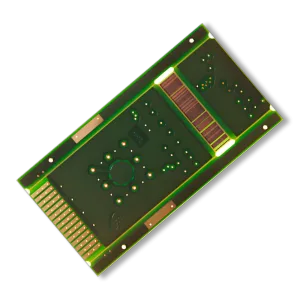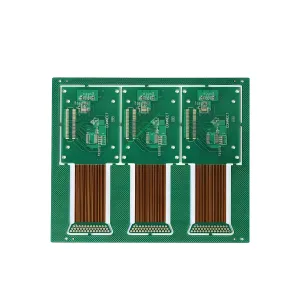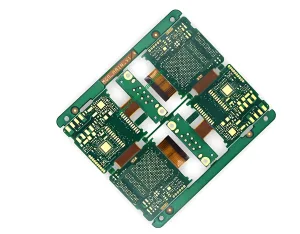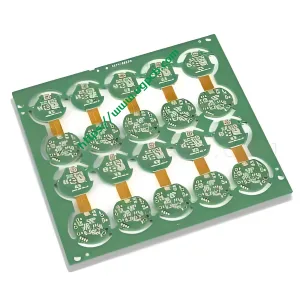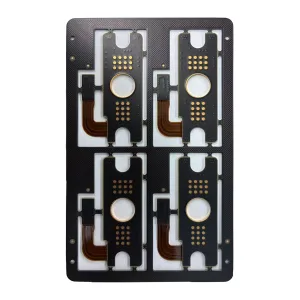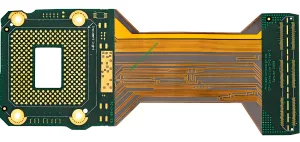
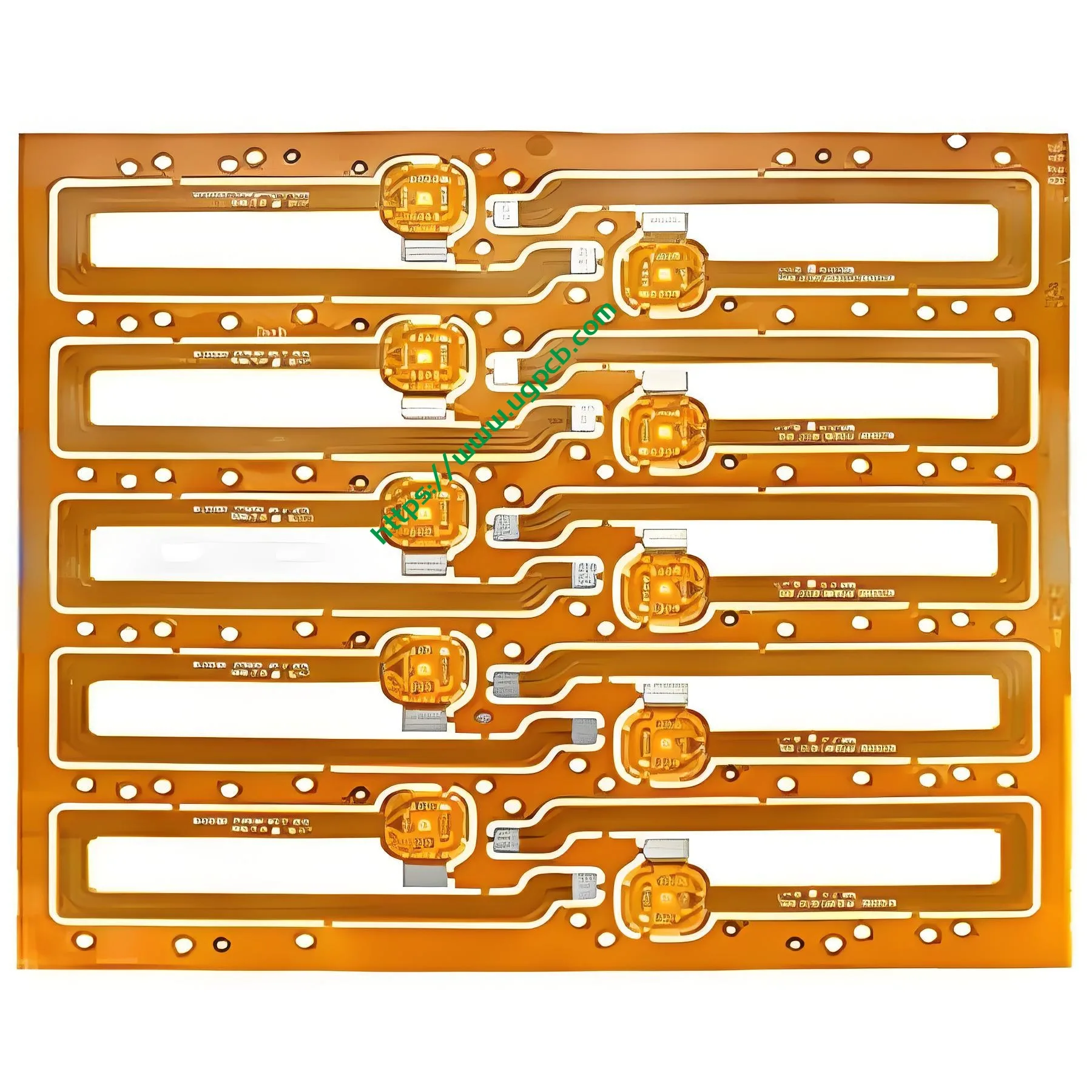
Introduzione al prodotto: Identificazione delle impronte digitali FPCB – Il vettore critico nell’era biometrica
Con la rapida adozione degli smartphone a schermo intero, serrature intelligenti, e sistemi di accesso per auto senza chiave, FPCB di identificazione delle impronte digitali (Circuito stampato flessibile per l'identificazione delle impronte digitali) è diventato un componente essenziale nei moduli biometrici. UGPCB sfrutta oltre dieci anni di esperienza nella produzione di circuiti flessibili per offrire prestazioni elevate FPC di identificazione delle impronte digitali su misura per i moduli di impronte digitali. I nostri prodotti combinano ingegneria di precisione con qualità stabile per servire clienti globali.
Questo articolo riguarda la definizione del prodotto, elementi essenziali di progettazione, principio di funzionamento, materiali, struttura, prestazione, processo di produzione, e applicazioni. Spiega anche perché UGPCB è un partner affidabile per il tuo FPC di identificazione delle impronte digitali esigenze.
UN FPCB di identificazione delle impronte digitali integra la tecnologia di rilevamento delle impronte digitali con un circuito stampato flessibile. Utilizzando la poliimmide (PI) come materiale di base, consente la trasmissione del segnale ad alta velocità tra il sensore di impronte digitali e il chip di controllo. Rispetto al rigido PCB, IL FPC di identificazione delle impronte digitali è pieghevole, ultrasottile, e leggero. Si adatta ad ambienti di montaggio complessi come gli schermi pieghevoli dei telefoni, coperture curve, e alloggiamenti meccanici compatti.
Panoramica del prodotto: Parametri chiave FPCB di identificazione delle impronte digitali UGPCB
UGPCB FPCB di identificazione delle impronte digitali segue rigorosamente IPC-6013 (Specifiche di qualificazione e prestazione per schede stampate flessibili). I parametri chiave sono elencati di seguito.
| Parametro | Specifica | Standard / Nota |
|---|---|---|
| Modello | FPCB di identificazione delle impronte digitali | Modello personalizzato UGPCB |
| Materiale di base | Poliimide (PI) | UL 94 V-0 Valutazione della fiamma |
| Conta dei strati | 2 Strati | Tavola bifacciale |
| Colore della copertura | Giallo / Bianco | Opzionale |
| Spessore finito | 0.15mm | Conforme allo standard dell'elettronica di consumo (0.08–0,5 mm) |
| Spessore del rame | 0.5 OZ (18μm) | Tolleranza IPC-6013D ±12% |
| Finitura superficiale | Oro ad immersione (Essere d'accordo) | Elevata resistenza all'usura per i moduli impronte digitali |
Note sulla fonte: IPC-6013D specifica la tolleranza sullo spessore del materiale di base ±8% e la tolleranza sullo spessore del rame ±12%. UL 94 V-0 richiede autoestinguente all'interno 10 secondi e senza gocce fiammeggianti. JPCA-ET04 richiede un raggio di curvatura minimo ≥10T (T = spessore totale).
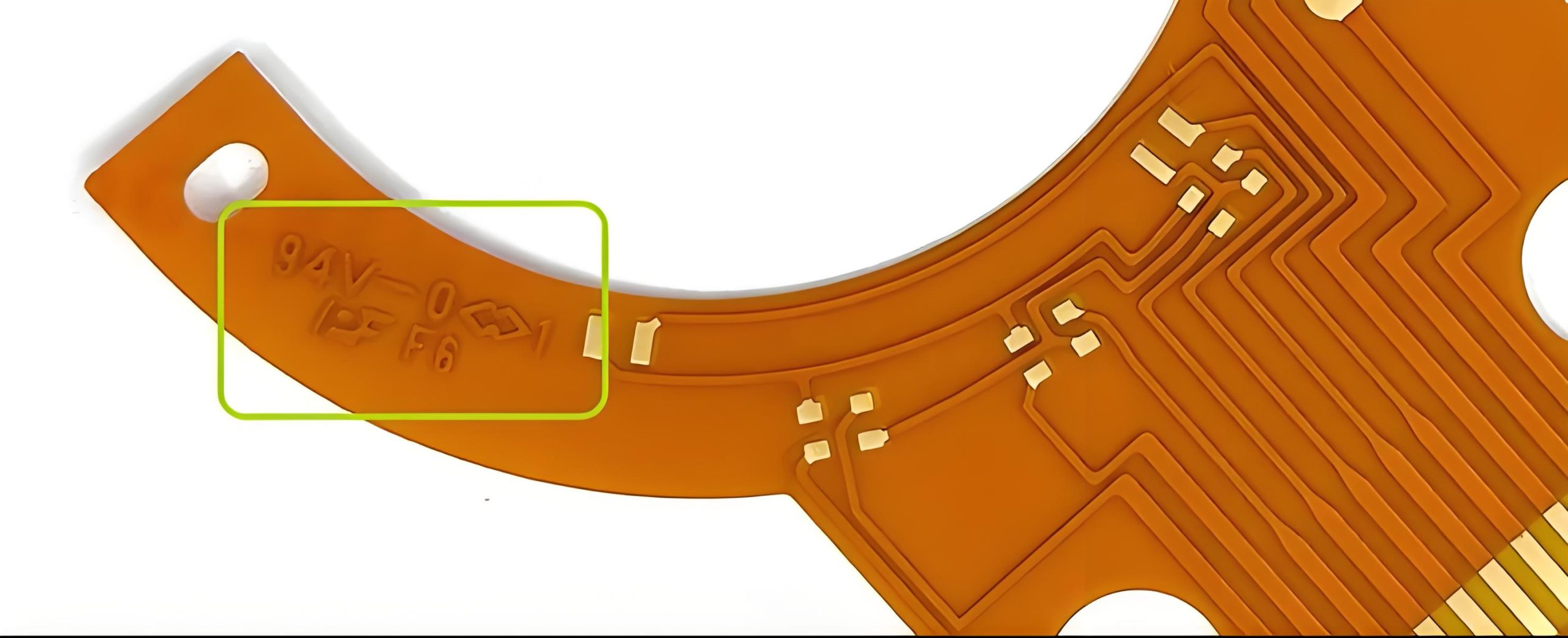
Definizione e classificazione scientifica dell'identificazione delle impronte digitali FPCB
Definizione
UN FPC di identificazione delle impronte digitali è un circuito flessibile specializzato che integra profondamente la tecnologia di rilevamento delle impronte digitali. Fornisce il collegamento elettrico e il supporto meccanico per il sensore di impronte digitali, circuito integrato del conducente, e chip di elaborazione del segnale. Garantisce un'acquisizione affidabile delle impronte digitali, elaborazione del segnale, e trasmissione dati.
Classificazione scientifica
Basato sui principi di rilevamento delle impronte digitali, FPCB di identificazione delle impronte digitali supporta tre tipi di moduli:
-
Modulo di impronte digitali capacitivo FPC – Utilizza le differenze di capacità tra creste e valli. Questa è la soluzione tradizionale nell'elettronica di consumo.
-
Modulo ottico per impronte digitali FPC – Cattura immagini di impronte digitali utilizzando la rifrazione e la riflessione della luce.
-
Modulo per impronte digitali ad ultrasuoni FPC – Utilizza gli ultrasuoni riflessi per creare immagini di impronte digitali 3D. Offre una forte penetrazione e un'elevata sicurezza.
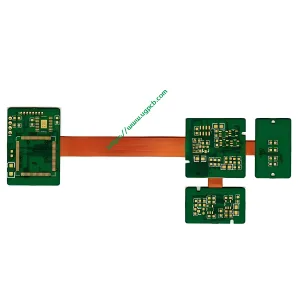
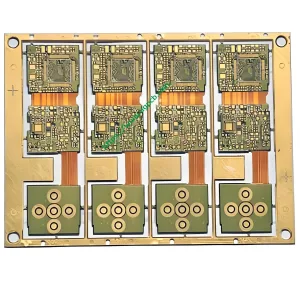
Basato sulla struttura FPC, i tipi comuni includono FPC fronte-retro standard, FPC con elettrodi rialzati, e tavole rigido-flessibili. L'FPC bifacciale PI a 2 strati di UGPCB appartiene alla categoria bifacciale standard. Fornisce un elevato rapporto costo-efficacia, processi maturi, e prestazioni stabili.
Elementi essenziali di progettazione per l'identificazione delle impronte digitali FPCB
1. Controllo dello stack-up e dell'impedenza
La qualità della trasmissione del segnale influisce direttamente sulla velocità e sulla precisione del riconoscimento delle impronte digitali. UGPCB si concentra su questi parametri chiave:
-
Controllo dell'impedenza: 50Ω±10% (rif. IPC-2223)
-
Perdita di segnale: <0.3dB/cm a 40 MHz
-
Costante dielettrica: Materiale base PI 3,2±0,2 @1GHz
2. Traccia precisione e Via Design
-
Larghezza/spazio minimo della linea: 60μm/60μm
-
Min tramite diametro: 0.15mm (standard), 0.1mm (bel passo)
-
Attraverso lo spessore del rame: ≥8μm (Conforme allo standard IPC-6013D)
3. Planarità della scheda
IL FPC di identificazione delle impronte digitali richiede planarità <50μm. Ciò garantisce complanarità e affidabilità della saldatura durante l'assemblaggio SMT per il sensore e l'IC.
4. Compatibilità elettromagnetica (EMC) Progetto
I moduli per impronte digitali sono sensibili alle interferenze elettromagnetiche (EMI). UGPCB incorpora le seguenti misure:
-
Stretto accoppiamento tra il segnale e gli strati di terra per ridurre al minimo l'area del circuito.
-
Tracce della guardia di terra attorno alle linee di segnale critiche.
-
Resistenza di terra della lamiera di acciaio di rinforzo ≤1Ω per una scarica ESD efficace.
Principio di funzionamento dell'identificazione delle impronte digitali FPCB
Utilizzando come esempio il rilevamento capacitivo delle impronte digitali più comune, IL FPC di identificazione delle impronte digitali funziona in quattro passaggi.
Fare un passo 1: Acquisizione delle impronte digitali. Quando un dito tocca il sensore, il dito funge da piastra del condensatore e la matrice di sensori in silicio funge da altra piastra. Creste (sporgenze) e valli (lacune) creare distanze diverse, quindi valori di capacità diversi. Il sensore capacitivo legge queste differenze per acquisire segnali grezzi di impronte digitali.
Fare un passo 2: Trasmissione del segnale. I segnali grezzi delle impronte digitali viaggiano attraverso il FPC di identificazione delle impronte digitali al chip di elaborazione del segnale. Il design a bassa perdita dell'FPC garantisce l'integrità del segnale e l'immunità al rumore.
Fare un passo 3: Elaborazione e adattamento del segnale. Il chip di elaborazione migliora, affina, ed estrae le caratteristiche dall'immagine dell'impronta digitale. Confronta le funzionalità estratte con i modelli di impronte digitali pre-memorizzati. Gli algoritmi di corrispondenza includono la corrispondenza basata sulle minuzie, corrispondenza basata sulla trama, e metodi di apprendimento profondo.
Fare un passo 4: Uscita del risultato. Quando la somiglianza supera una soglia preimpostata, il sistema emette un segnale di riconoscimento avvenuto. I tradizionali sensori capacitivi di oggi ottengono il riconoscimento + sbloccare velocità di 0,15–0,2 secondi. Gli utenti non riscontrano quasi alcun ritardo evidente.
Materiali di identificazione delle impronte digitali FPCB
Materiale di base: Poliimide (PI)
UGPCB seleziona la poliimmide (PI) come materiale di base isolante per il FPCB di identificazione delle impronte digitali. PI offre questi vantaggi:
-
Resistenza alle alte temperature: resiste alla saldatura a rifusione superiore a 260°C per l'assemblaggio SMT.
-
Ottimo isolamento elettrico: resistività di volume >10¹⁶ Ω·cm, elevata rigidità dielettrica.
-
Buona flessibilità meccanica: eccezionale resistenza alla fatica flessionale per la flessione dinamica.
-
Grado di fiamma: UL 94 V-0 conforme: si autoestingue all'interno 10 secondi, nessuna goccia fiammeggiante.
Lamina di rame: 0.5 Rame ricotto laminato OZ
-
Spessore: 0.5 OZ ≈ 18μm
-
Tipo: Rame ricotto laminato: migliore flessibilità e resistenza alla flessione rispetto al rame elettrodepositato.
-
Purezza: ≥99,8% Cu
Finitura superficiale: Oro ad immersione (Essere d'accordo)
-
Processo: Oro per immersione in nichel chimico (Essere d'accordo) – strato di nichel 2–6μm, strato d'oro ≥0,05μm.
-
Vantaggi: ottima planarità, buona saldabilità, resistenza all'ossidazione, Resistenza alla corrosione, e cicli di inserimento multipli.
-
Applicazioni: wire bonding e assemblaggio SMT per sensori di impronte digitali.
Prestazioni dell'identificazione delle impronte digitali FPCB
Prestazioni elettriche
| Parametro | Valore |
|---|---|
| Resistenza all'isolamento | ≥10⁸Ω (condizione normale) |
| Tenuta dielettrica | 500In DC, 1 minimo nessun guasto |
| Resistenza del conduttore | ≤100Ω/100mm (tracce specifiche) |
| Controllo dell'impedenza | 50Ω±10% |
Prestazioni meccaniche
| Parametro | Valore | Standard |
|---|---|---|
| Vita a fatica flessionale | ≥100.000 cicli (R=3mm, 90° piegare) | - |
| Raggio minimo di curvatura | ≥10T (T = spessore totale) | JPCA-ET04 |
| Forza di buccia | ≥0,8 kgf/cm | IPC-TM-650 |
Affidabilità ambientale
| Articolo di prova | Condizione | Requisito |
|---|---|---|
| Stoccaggio ad alta temperatura | 85° C., 1000H | Nessuna vescica, Nessuna delaminazione |
| Stoccaggio a bassa temperatura | -40° C., 1000H | Prestazioni elettriche normali |
| Calore umido (stato stazionario) | 85°C/85%UR, 500H | Resistenza di isolamento ≥10⁸ Ω |
| Shock termico | -40°C ↔ 85 °C, 100 cicli | Non aperto, niente breve |
| Saldabilità | 245°C±5°C, 3–5 secondi | Buona bagnabilità ≥95% |
Processo di produzione dell'identificazione delle impronte digitali FPCB
UGPCB segue gli standard IPC-6013. Il processo di produzione per FPCB di identificazione delle impronte digitali comprende i seguenti passaggi chiave.
Panoramica del processo
Fabbricazione di FPC nudi → Stampa di pasta saldante → Pick-and-place SMT → Saldatura a rifusione → Ispezione AOI → Erogazione di componenti → Taglio laser & singolazione → Sottopieno → Cottura → Attacco anello metallico/coperchio → Cottura a pressione → Test elettrico finale → Confezionamento & spedizione
Punti chiave del controllo qualità
-
Schema circuitale: Imaging diretto con laser LDI con tolleranza larghezza linea ±10%.
-
Laminazione: Pressa a caldo sottovuoto con variazione di pressione <5% per una buona adesione dello strato.
-
Finitura superficiale: Monitoraggio dello spessore dell'oro in linea per ENIG – strato d'oro 0,05–0,1μm.
-
Ispezione: AOI + prova della sonda volante + 4-test del filo a bassa resistenza per 100% resa elettrica.
Processi chiave di assemblaggio SMT
Per FPC di identificazione delle impronte digitali, è necessaria un'attenzione particolare durante l'SMT:
-
Progettazione di stampini: Per sensori di impronte digitali BGA, utilizzare aperture quadrate con angoli arrotondati. Rapporto area ≥0,66.
-
Profilo di riflusso: Temperatura di picco 240–250°C, tempo sopra i 220°C per 60–90 secondi.
-
Precisione del posizionamento: Precisione della macchina pick-and-place ±0,05 mm per un preciso allineamento truciolo-pad.
Caratteristiche e vantaggi principali
-
Ultrasottile e leggero: Lo spessore finito di 0,15 mm consente di risparmiare prezioso spazio interno.
-
Elevata flessibilità: Si adatta ad alloggiamenti complessi curvi e piegati. La durata della flessione dinamica supera 100,000 cicli.
-
Trasmissione stabile del segnale: La bassa perdita dielettrica del PI garantisce l'integrità del segnale dell'impronta digitale.
-
Alta integrazione: Supporta l'integrazione del sensore di impronte digitali, circuito integrato del conducente, e IC di crittografia su una scheda.
-
Alta affidabilità: Soddisfa UL 94 V-0 classificazione della fiamma e requisiti prestazionali IPC-6013.
-
Ottima saldabilità: La finitura superficiale ENIG garantisce un'elevata resa di assemblaggio SMT.
Principali Applicazioni e Scenari d'Uso
1. Smartphone
IL FPC di identificazione delle impronte digitali è un componente fondamentale per lo sblocco delle impronte digitali sotto il display e i sensori delle impronte digitali montati lateralmente. Nelle soluzioni sotto-display, l'FPC collega il sensore di impronte digitali alla scheda madre per la trasmissione del segnale ad alta velocità. Oggi, La penetrazione del riconoscimento delle impronte digitali negli smartphone supera 70%, con sottodisplay di serie nei modelli di fascia medio-alta.
2. Laptop
Utilizzato per l'autenticazione dell'utente e l'accesso al sistema. IL FPC di identificazione delle impronte digitali integra il sensore di impronte digitali con un chip di crittografia, abilitando l'accesso veloce, crittografia dei file, e protezione dei dati.
3. Serrature intelligenti
Nelle serrature intelligenti, IL FPCB di identificazione delle impronte digitali deve resistere all'acqua, polvere, e scariche elettrostatiche. Garantisce un funzionamento stabile a lungo termine in ambienti esterni difficili. Sopra 90% delle serrature intelligenti ora includono il riconoscimento delle impronte digitali.
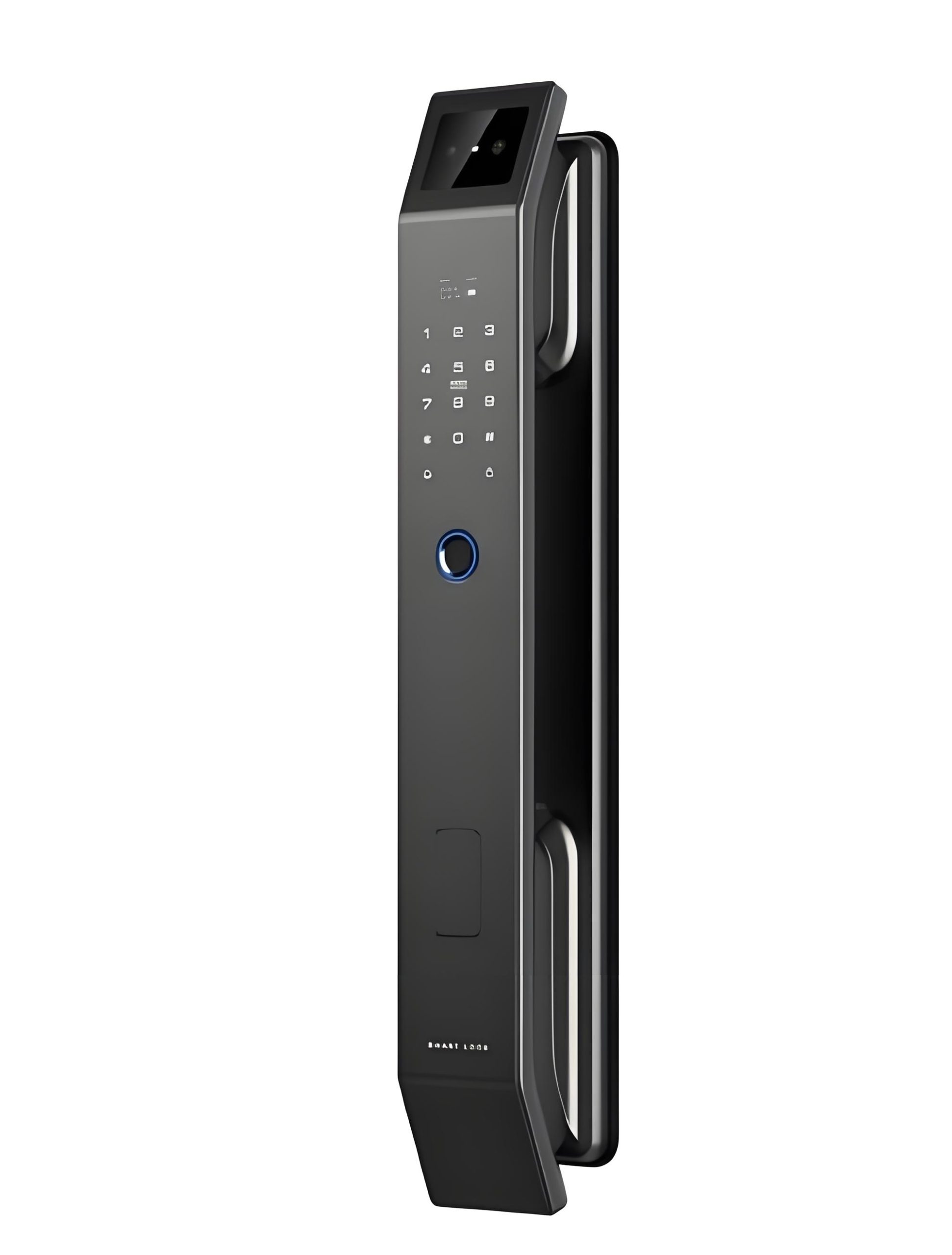
Blocco intelligente
4. Elettronica automobilistica
Le applicazioni includono sistemi di accesso senza chiave, pulsanti di avvio, e riconoscimento dell'impronta digitale del volante. Questi sistemi verificano l'identità del conducente e migliorano la sicurezza del veicolo.
5. Terminali di pagamento finanziario
Utilizzo di sistemi POS e chioschi finanziari self-service FPC di identificazione delle impronte digitali per la verifica del pagamento e l'autorizzazione della transazione.
6. Indossabili intelligenti
Gli smartwatch e i cinturini per il fitness richiedono design estremamente compatti e leggeri. IL FPC di identificazione delle impronte digitali consente l'integrazione ad alta densità in questi dispositivi.
Prospettive di mercato e tendenze del settore
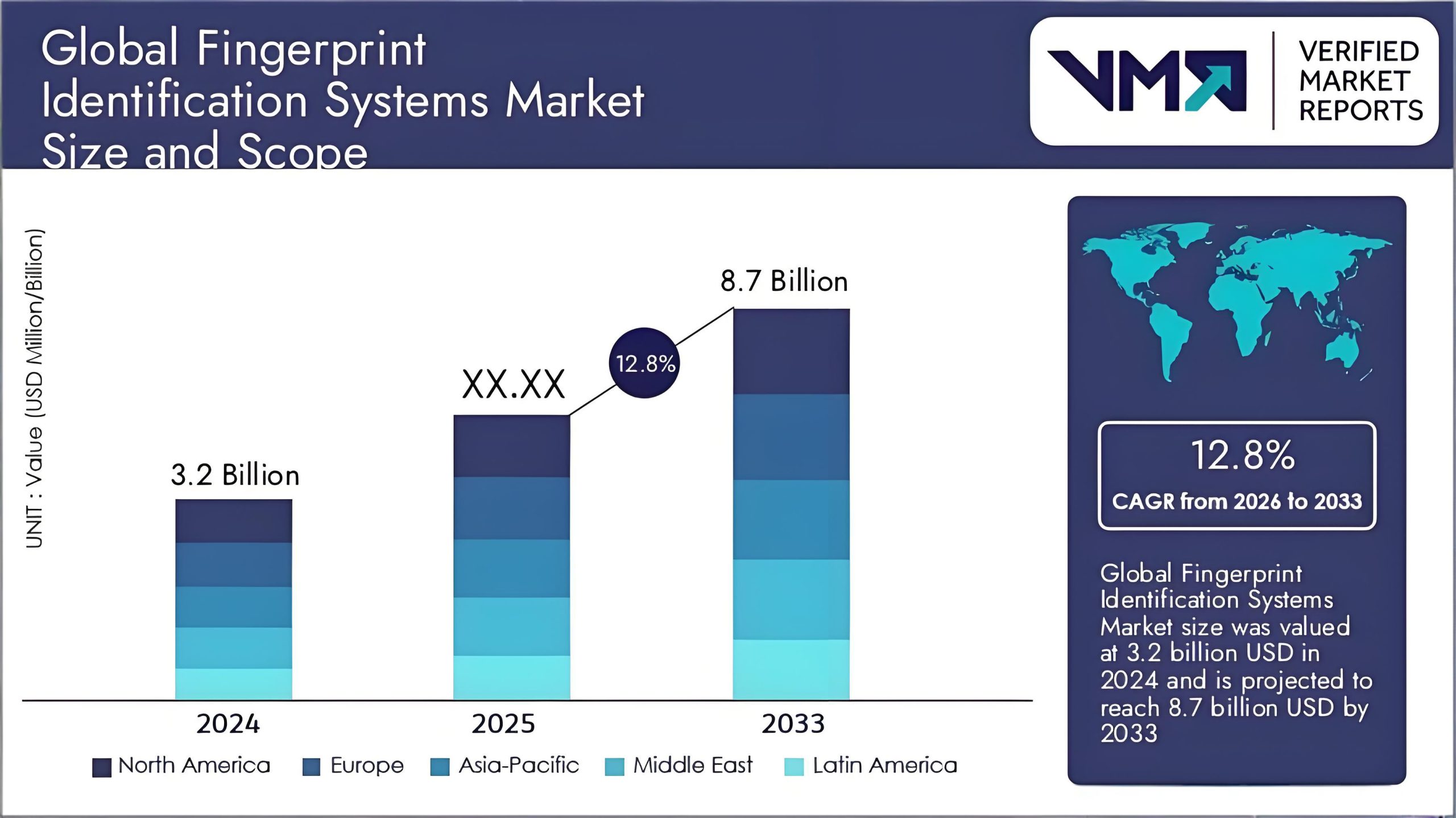
Secondo ricerche di mercato, si prevede che il mercato globale dei moduli capacitivi per impronte digitali crescerà $8.857 miliardi di 2025 A $16.290 miliardi di 2031, in un CAGR di 10.7%. Il mercato dei sensori di impronte digitali è stato valutato approssimativamente $4.8 miliardi di 2024 e si prevede di raggiungere $8.9 miliardi di 2031, con un CAGR di circa 5.50%.
In Cina, il mercato del riconoscimento delle impronte digitali è stimato a 20 miliardi di yen. L'elettronica di consumo rappresenta circa 60%, e sicurezza intelligente (comprese le serrature intelligenti) rappresenta circa 25%. Applicazioni emergenti come le serrature intelligenti, indossabili, e quello automobilistico stanno diventando la seconda curva di crescita per il riconoscimento delle impronte digitali.
Perché scegliere FPCB per l'identificazione delle impronte digitali UGPCB?
Capacità di produzione professionale
-
Oltre dieci anni di FPC R&D ed esperienza di produzione.
-
Piena conformità agli standard IPC-6013 e UL.
-
100% test elettrici e verifica di affidabilità.
Sistema di garanzia della qualità
-
UL 94 V-0 certificazione di classificazione della fiamma.
-
Controllo di qualità a tre livelli: ispezione in entrata, controllo in-process, e ispezione completa finale.
Servizi di personalizzazione flessibili
-
Supporta la personalizzazione del colore, spessore, finitura superficiale, e altro.
-
Servizio unico dalla revisione del progetto, campionamento del prototipo, alla produzione di massa.
Ottieni oggi stesso il tuo campione FPCB di identificazione delle impronte digitali UGPCB e il tuo preventivo
UGPCB si impegna a fornire alta qualità, economico FPCB di identificazione delle impronte digitali ai clienti globali. Sia che tu stia sviluppando moduli di impronte digitali per smartphone, soluzioni di serrature intelligenti, o progetti di elettronica automobilistica, UGPCB offre soluzioni professionali di circuiti stampati flessibili.
Agisci ora:
-
📞 Chiama la nostra hotline di supporto per assistenza tecnica.
-
📧 Invia i tuoi file di progettazione alla nostra e-mail di vendita per un preventivo veloce.
-
🌐 Visita il sito web UGPCB per inviare la tua richiesta online.
Il team di professionisti di UGPCB risponderà entro 24 ore. Supportiamo FPC di identificazione delle impronte digitali prototipazione del campione, produzione di massa, e servizi personalizzati.