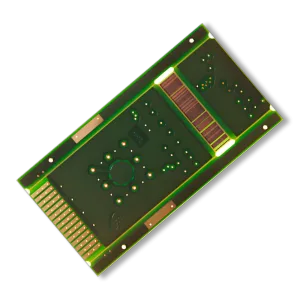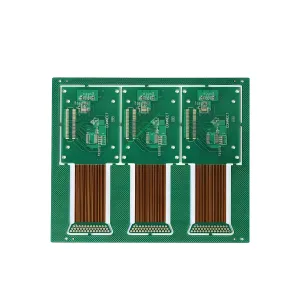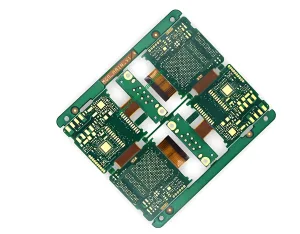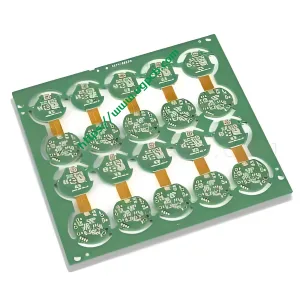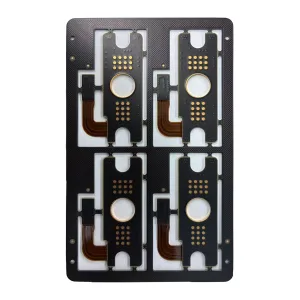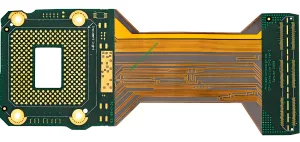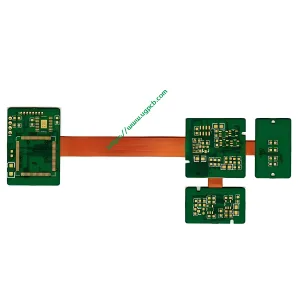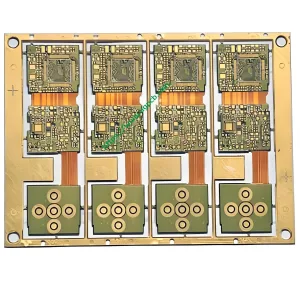
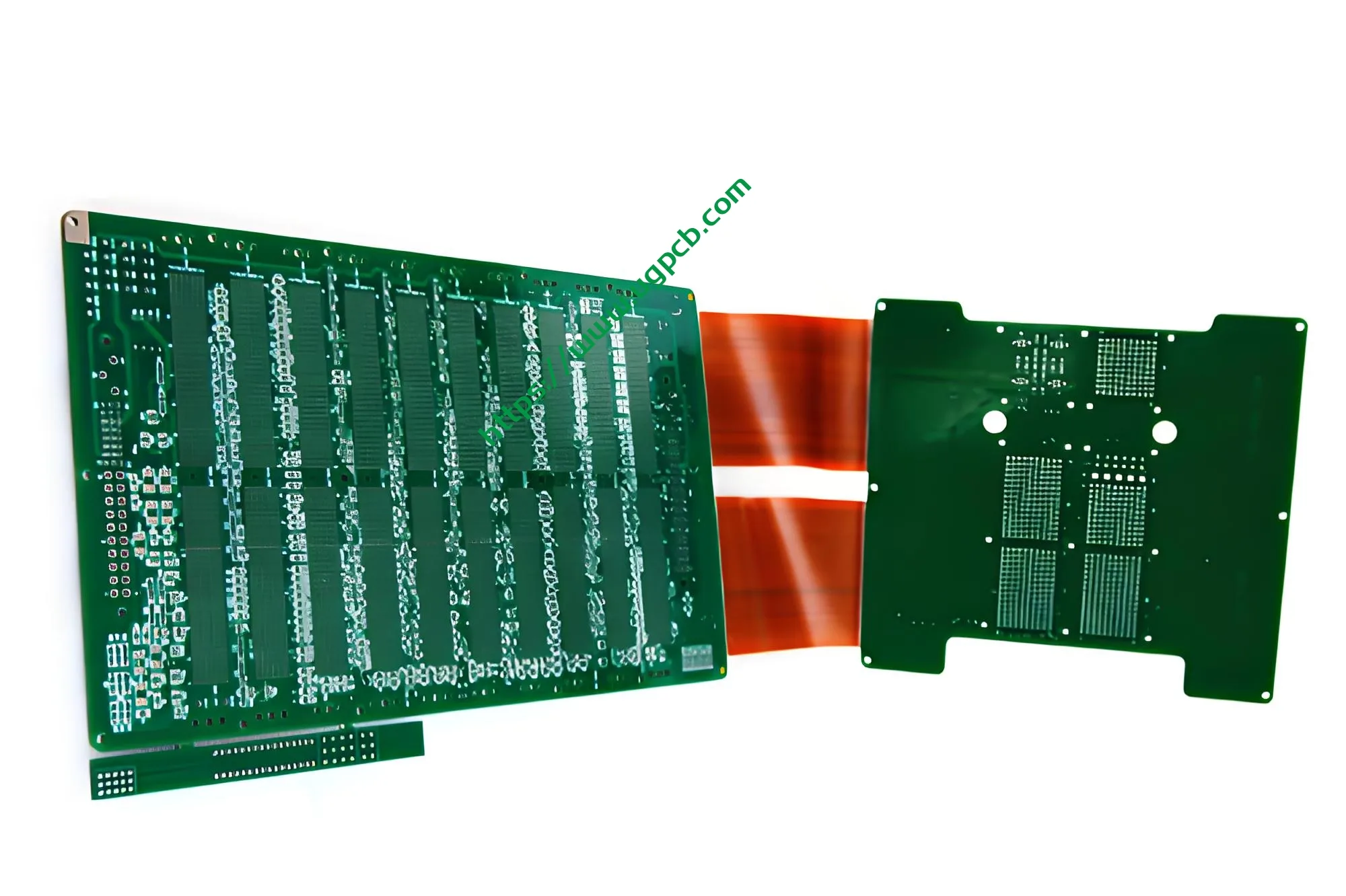
Nel frenetico panorama dell’elettronica di oggi, la richiesta di compattezza, leggero, e le soluzioni di interconnessione altamente affidabili non sono mai state così grandi. Sia che tu stia sviluppando dispositivi indossabili, strumenti medici, o sistemi digitali avanzati, PCB rigidi-flessibili sono la tecnologia fondamentale che colma il divario tra stabilità rigida e flessibilità dinamica. A UGPCB, siamo specializzati nella fornitura di prodotti di precisione prototipi PCB rigidi-flessibili che soddisfano i più severi requisiti di progettazione e prestazioni. Questa guida ti guiderà attraverso ogni aspetto del nostro prodotto in primo piano: a 2+2+2 PCB rigido-flessibile costruito con FR-4 e poliimmide e ti mostrerà perché è la scelta ottimale per il tuo prossimo digitale Prototipo PCB progetto.
Cos'è un PCB rigido-flessibile (R-FPCB)?
UN PCB rigido-flessibile, spesso abbreviato come R-FPCB, è un circuito stampato ibrido che combina materiali di substrato rigidi e flessibili in un'unica struttura integrata. A differenza del tradizionale rigido PCB che utilizzano solo laminati rigidi, o circuiti flessibili autonomi, PCB rigidi-flessibili consentire l'imballaggio tridimensionale eliminando connettori e cavi a nastro tra le sezioni rigide. Questa perfetta integrazione migliora significativamente l'integrità del segnale, riduce i costi di assemblaggio, e migliora l'affidabilità complessiva del dispositivo. La designazione “2+2+2” descrive la sovrapposizione dei livelli: due strati esterni rigidi, due strati interni flessibili, e due strati rigidi aggiuntivi incollati insieme, creando un 6 strati PCB rigido-flessibile perfettamente adatto per applicazioni digitali in cui lo spazio e il peso sono importanti.
[Suggerimento di immagini: Diagramma in sezione trasversale di a 2+2+2 PCB rigido-flessibile che mostra sezioni rigide FR-4, strati flessibili di poliimmide, e fori passanti placcati.
Testo alternativo: Sezione trasversale di 2+2+2 Stackup PCB rigido-flessibile con strati rigidi FR-4 e strati flessibili PI]
Panoramica del prodotto: UGPCB 2+2+2 Prototipo PCB rigido-flessibile
A ugpcb, il nostro standard prototipo di PCB rigido-flessibile l'offerta è progettata per accelerare il ciclo di sviluppo del prodotto. Le specifiche chiave della nostra build in primo piano sono:
-
Modello: PCB rigido-flessibile (R-FPCB)
-
Materiale: FR-4 (rigido) + PI – Poliimmide (flessibile)
-
Struttura a strati: 2+2+2 (6-costruzione a strati rigido-flessibili)
-
Colore maschera di saldatura: Verde / Bianco
-
Spessore finito: 1.0 mm (zona rigida) + 0.15 mm (zona flessibile)
-
Spessore del rame: 0.035 mm (1 oz) su tutti gli strati
-
Trattamento superficiale: Oro ad immersione (Essere d'accordo)
-
Larghezza minima della linea / Distanza: 0.1 mm / 0.1 mm
-
Applicazione: Realizzazione di prototipi PCB rigidi-flessibili digitali
Questa configurazione è ottimizzata per circuiti digitali ad alta densità che richiedono sia zone di flessione meccanica che di montaggio di componenti rigidi.
Come funziona un PCB rigido-flessibile
Il principio di funzionamento di a PCB rigido-flessibile sfrutta le proprietà materiali uniche dei suoi componenti. Strati rigidi, tipicamente fatto da FR-4 laminato di vetro epossidico, fornire supporto strutturale e una piattaforma stabile per componenti a montaggio superficiale e a foro passante. Strati flessibili, costruito da poliimmide (PI) film, fungono da “cerniere” integrate che possono essere piegate dinamicamente o piegate staticamente per adattarsi a involucri compatti. Elettricamente, gli strati sono interconnessi tramite fori passanti placcati e vie interrate, formando un continuo PCB circuito. Eliminando i connettori scheda-scheda, IL PCB rigido-flessibile riduce l'attenuazione e la riflessione del segnale, che è fondamentale nelle applicazioni digitali ad alta velocità. Quando la sezione flessibile è piegata, il substrato in poliimmide resiste allo stress molto meglio dell'FR-4, purché il raggio di curvatura rispetti i limiti meccanici del materiale.
Elementi essenziali di progettazione per 2+2+2 PCB-Flex rigidi
Progettare a 2+2+2 PCB rigido-flessibile richiede una profonda comprensione dei vincoli meccanici ed elettrici. Chiave Design PCB rigido-flessibile le considerazioni includono:
-
Calcolo del raggio di piega: Secondo IPC-2223, per applicazioni flessibili dinamiche, il raggio di curvatura minimo dovrebbe essere almeno 10 volte lo spessore del circuito flessibile. Con il nostro 0.15 strato flessibile da mm, il raggio di curvatura minimo consigliato è 1.5 mm.
-
Traccia percorso nelle aree di piegatura: Le linee e gli spazi devono essere allineati perpendicolarmente all'asse di piegatura per evitare rotture del rame. Nostro 0.1 La capacità di traccia/spazio in mm consente un instradamento denso mantenendo l'affidabilità.
-
Sezione trasversale dello strato: La zona di transizione da rigido a flessibile deve essere modellata attentamente per evitare concentrazioni di stress. La costruzione in stile rilegatore viene utilizzata per rilasciare progressivamente gli strati flessibili dalla pila rigida.
-
Tramite posizionamento: Nessuna via placcata deve essere posizionata all'interno della zona di piegatura, poiché sono soggetti a cedimenti per fatica. I via ciechi e interrati in sezioni rigide migliorano i design via-in-pad per l'alta densità PCB.
Affrontando questi Linee guida per la progettazione di PCB rigido-flessibili, UGPCB può trasformare il tuo schema in un robusto prototipo digitale rigido-flessibile che funziona in modo impeccabile.
Applicazioni e casi d'uso
La versatilità di a 2+2+2 PCB rigido-flessibile lo rende ideale per un'ampia gamma di sistemi digitali e a segnale misto. Comune applicazioni PCB rigido-flessibili includere:
-
Elettronica indossabile: Smartwatch, tracker di fitness, e toppe mediche in cui la tavola deve adattarsi ai contorni del corpo.
-
Dispositivi medici: Diagnostica impiantabile, apparecchi acustici, e sistemi di imaging endoscopico che richiedono cicli di sterilizzazione ripetuti ed elevata affidabilità.
-
Sensori IoT industriali: Nodi sensore compatti che devono adattarsi a piccoli alloggiamenti e resistere alle vibrazioni.
-
Aerospaziale e difesa: Avionica, sistemi satellitari, e l'elettronica di guida missilistica che beneficia della riduzione del peso e dell'elevata resistenza agli urti.
-
Prodotti digitali di consumo: Smartphone pieghevoli, telecamere, e dispositivi di gioco portatili su cui fare affidamento PCB rigido-flessibile tecnologia per la miniaturizzazione.
Nel digitale Prototipazione PCB, la capacità di testare la funzionalità completa del sistema con il flex integrato elimina le variabili introdotte dai connettori, consentendo una convalida più rapida dell'integrità del segnale e della distribuzione dell'alimentazione.
Classificazione dei PCB rigidi-flessibili
Per collocare correttamente il nostro prodotto all'interno degli standard di settore, le tavole rigido-flessibili sono classificate secondo IPC-6013 in base alla costruzione e all'uso finale previsto:
-
Tipo 1: PCB flessibile su un solo lato
-
Tipo 2: PCB flessibile a doppia faccia con fori passanti placcati
-
Tipo 3: PCB flessibile multistrato
-
Tipo 4: PCB multistrato rigido-flessibile - Nostro 2+2+2 la configurazione rientra esattamente in questa categoria, dove strati rigidi e flessibili sono mescolati per formare un unico circuito integrato.
-
Tipo 5: Multistrato flex o rigido-flex con rinforzi irrigiditi
Tipo 4 è il più diffuso per le applicazioni digitali perché consente interconnessioni complesse tra più domini rigidi mantenendo la pienezza PCB compatibilità.
Materiali e loro prestazioni
Nell'a 2+2+2 PCB rigido-flessibile, la selezione dei materiali influisce direttamente sulle prestazioni e sulla longevità.
-
FR-4 (Laminato rigido): Un composito epossidico/vetro ritardante di fiamma che fornisce un'eccellente stabilità dimensionale, una costante dielettrica (Non so) di circa 4,2–4,6 a 1 MHz, e una temperatura di transizione vetrosa (Tg) tipicamente tra 135°C e 170°C. Nella nostra build, L'FR-4 ad alta Tg è standard per resistere alle temperature di assemblaggio senza piombo.
-
Poliimide (Laminato flessibile): Il film in poliimmide offre un'eccezionale resistenza termica (servizio continuo fino a 200°C), degassamento estremamente basso, e un Dk di circa 3.5 A 1 MHz. La sua flessibilità resiste a milioni di cicli di piegatura dinamica quando viene seguita la linea guida del raggio di curvatura.
-
Oro ad immersione (Essere d'accordo) Finitura superficiale: L'oro per immersione in nichel chimico fornisce un piatto, superficie saldabile con uno spessore tipico del nichel di 3–6 µm e uno spessore dell'oro di 0,05–0,15 µm. Garantisce un'ottima conservabilità, capacità di wire bonding, e complanarità uniforme per componenti a passo fine, fondamentale in alta densità PCB assemblaggio.
Caratteristiche chiave e vantaggi
UGPCB 2+2+2 prototipo di PCB rigido-flessibile offre vantaggi distinti su misura per il progettista digitale:
-
Ultraminiaturizzazione: Combina sei strati di interconnessione in un pacchetto che può essere ripiegato in una frazione dello spazio richiesto da schede rigide e cavi separati.
-
Integrità del segnale superiore: Le tracce di impedenza controllata vengono mantenute su tutto il circuito PCB senza discontinuità del connettore. Per un 0.1 larghezza traccia mm, l'impedenza caratteristica può essere sintonizzata con precisione 50 Ω o 100 differenziale Ω, essenziale per i protocolli digitali ad alta velocità come USB 3.0, Memoria DDR, e MIPI.
-
Alta affidabilità: La superficie in nichel-oro protegge il rame dall'ossidazione, garantendo giunti di saldatura robusti. Secondo la classe IPC-A-600 2 criteri di accettazione, le nostre tavole sono sottoposte a rigorosi controlli.
-
Prototipazione economicamente vantaggiosa: Fornendo una svolta rapida prototipo di PCB rigido-flessibile Servizi, consentiamo ai team di progettazione di eseguire rapidamente iterazioni prima di impegnarsi nella produzione in serie.
-
Integrazione perfetta con PCBA: La scheda è completamente compatibile con i processi di assemblaggio SMT automatizzati. La sua planarità e finitura superficiale consentono un'elevata resa componente posizionamento, girando il tuo PCB in un completo PCB con una rilavorazione minima.
Processo di produzione di PCB rigido-flessibile
Produzione affidabile 2+2+2 PCB rigido-flessibile richiede un controllo preciso del processo. UGPCB segue un flusso collaudato:
-
Imaging dello strato interno & Acquaforte: Sia gli strati centrali in FR-4 rigido che quelli flessibili in poliimmide vengono sottoposti a imaging e incisi per formare i modelli circuitali desiderati, mantenendo il 0.1 Tolleranza larghezza linea mm.
-
Laminazione: Gli strati flessibili sono inseriti tra preimpregnati anti-flusso e strati esterni rigidi FR-4. Ad alta temperatura e pressione, la pila è permanentemente legata. La tecnica del “rilegatore” crea una zona di transizione graduale.
-
Perforazione & Placcatura: La perforazione meccanica o laser crea vie. La metallizzazione diretta e la placcatura in rame elettrolitico costituiscono il 0.035 mm (1 oz) spessore del rame in tutte le botti.
-
Imaging dello strato esterno & Acquaforte: Gli strati rigidi esterni sono modellati, definizione di pad e tracce.
-
Applicazione della maschera di saldatura: La maschera di saldatura verde o bianca viene applicata e fotografata su sezioni rigide, lasciando esposte le aree flessibili.
-
Finitura superficiale: Viene depositato oro per immersione in nichel chimico, garantendo un'interfaccia di saldatura perfetta.
-
Instradamento & Taglio laser: I contorni rigidi vengono instradati, e le sezioni flessibili vengono tagliate con precisione utilizzando laser UV per evitare stress meccanici.
-
Test elettrici & AOI: Ogni PCB È 100% netlist testato e ispezionato otticamente per garantire l'assenza di aperture o cortocircuiti.
Perché scegliere UGPCB per il tuo prototipo di PCB digitale rigido-flessibile?
Immagina di tenere un circuito monopezzo che sostituisce tre schede rigide e due intricati cablaggi. Questo è il potere di a 2+2+2 PCB rigido-flessibile dall'UGPCB. Il nostro team di supporto tecnico assiste nella progettazione impilabile, calcolo dell'impedenza, e convalida del raggio di curvatura per garantire che il tuo prototipo soddisfi gli standard IEEE e IPC. Forniamo un'esperienza senza soluzione di continuità dal preventivo alla consegna, con prezzi trasparenti e spedizione puntuale.
Pronto a trasformare il tuo progetto digitale in una realtà ad alte prestazioni? Invia i tuoi file Gerber oggi tramite il nostro portale online per ricevere un preventivo immediato sul tuo prototipo di PCB rigido-flessibile. I nostri esperti sono a tua disposizione per esaminare le tue esigenze e aiutarti a evitare le trappole più comuni. Fai clic ora sul pulsante "Richiedi un preventivo" e fai il primo passo verso un accendino, Più veloce, e prodotto più affidabile.