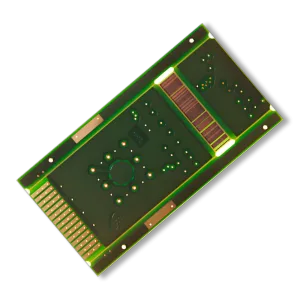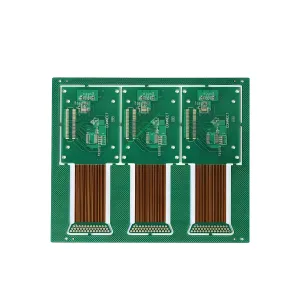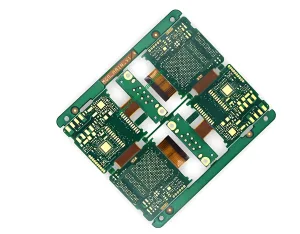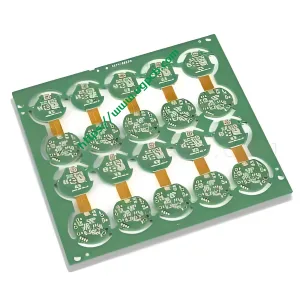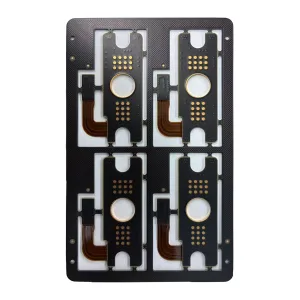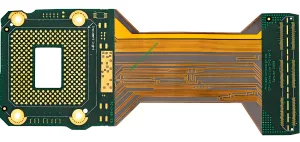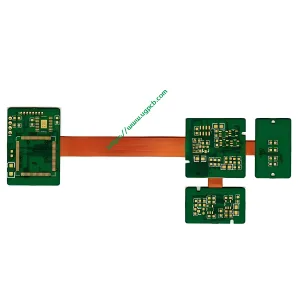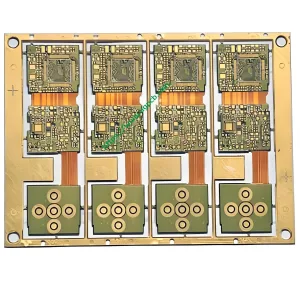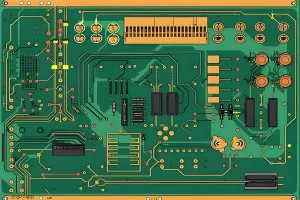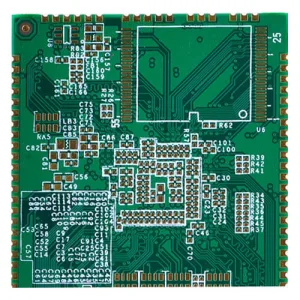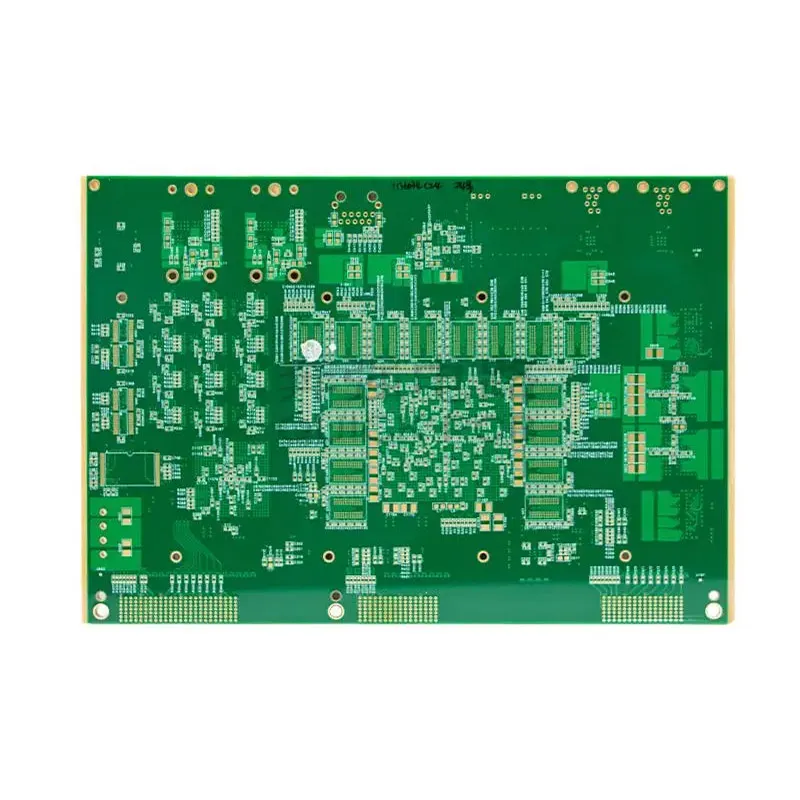
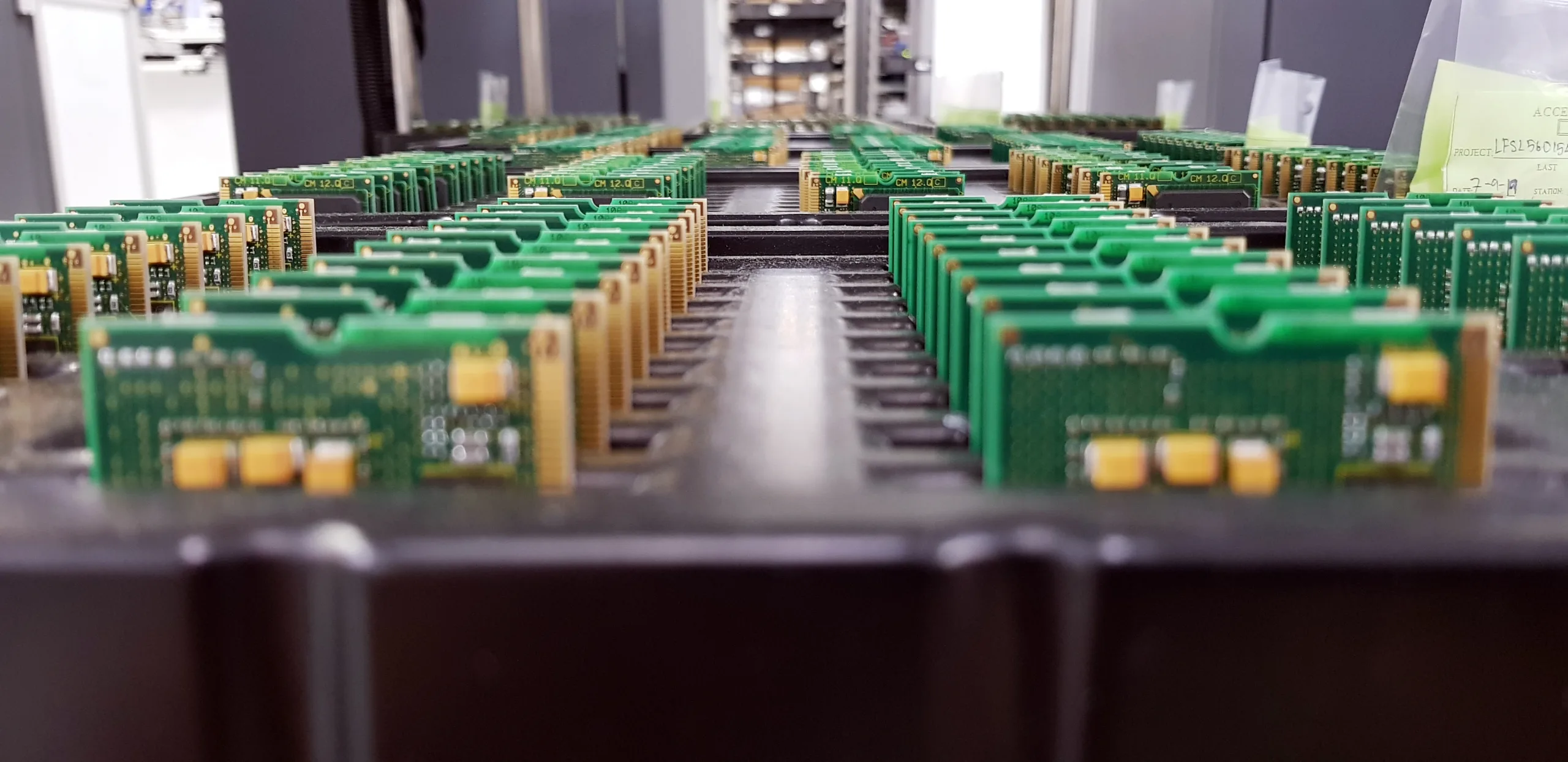
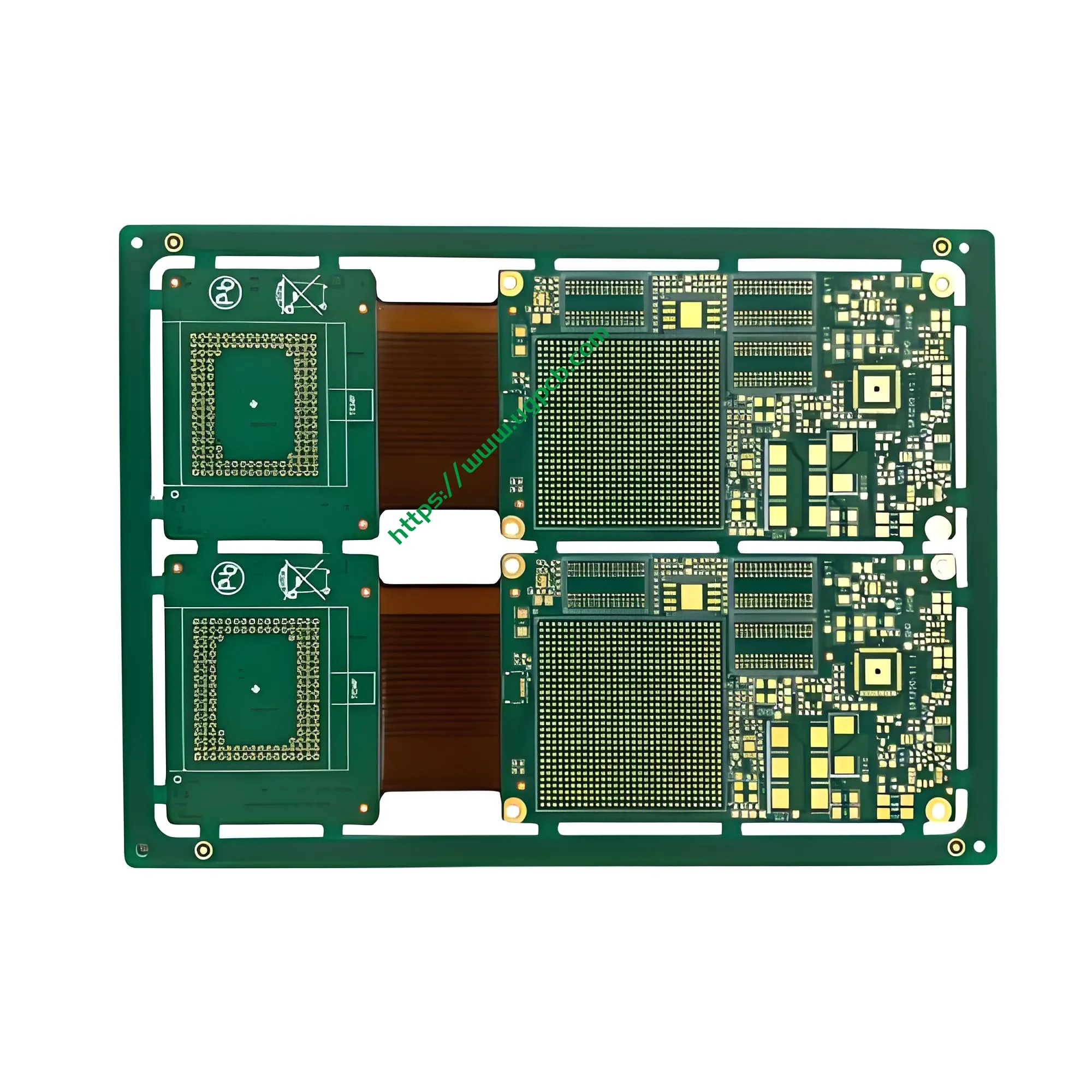
As digital electronics evolve toward higher integration, lighter weight, and uncompromised reliability, PCB-Flex rigidi have become the critical backbone for complex circuit systems. When space constraints and signal integrity are paramount, combinando epoxy resin plugging with rigid-flex technology represents the gold standard for high-density interconnect solutions.
UGPCB leverages advanced manufacturing to deliver an Epoxy Resin Plugged Rigid-Flex PCB built on a FR4 + PI material platform. Featuring a 16L rigido + 2LFlessibile costruzione, this board is specifically engineered for demanding prodotti digitali, offering the mechanical strength of rigid boards alongside the dynamic flexing capability of flexible circuits.
1. Panoramica del prodotto & Definizione
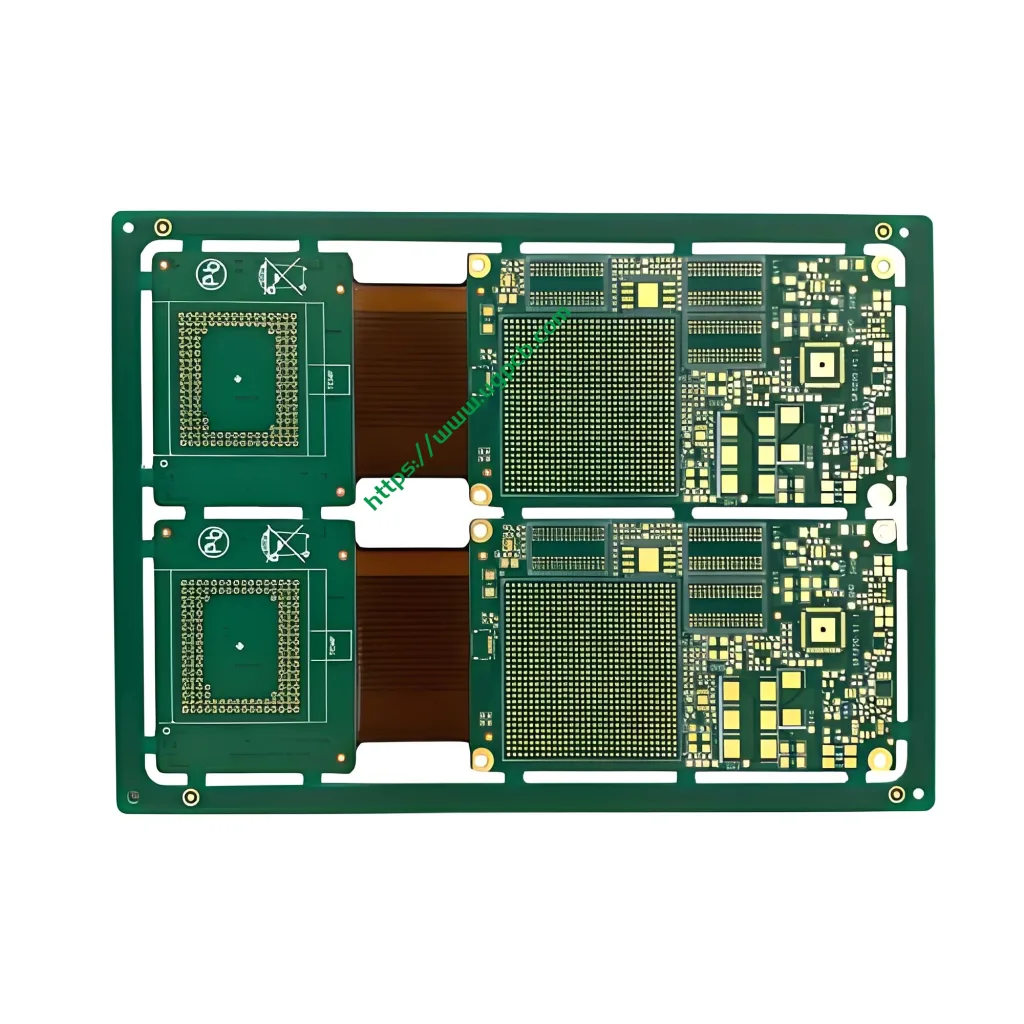
UN epoxy resin plugged rigid-flex PCB is a hybrid circuit board that integrates rigid PCB sections and flexible PCB sections into a single, unified structure through lamination. This specific product combines 16 strati rigidi (FR4) con 2 strati flessibili (PI). The rigid section’s vias are filled using a specialized epoxy resin plugging process.
This design retains the bendability of the flex area while eliminating common rigid-flex failure points like “solder blow-out” or trapped air expansion during SMT assembly. The result is a highly reliable circuito optimized for modern, compact digital devices.
2. Materiali & Stack-Up Architecture
The product’s performance relies on precise material selection and structural engineering:
-
Materiali di base:
-
Rigid Section: FR4 (Glass-reinforced epoxy laminate). This material offers high mechanical strength, eccellente stabilità termica, e isolamento elettrico (meets UL 94 V-0 grado di infiammabilità), providing a stable foundation for component mounting.
-
Flex Section: PI (Poliimide) film. Known for its exceptional heat resistance (operating range: -200°C to +300°C), outstanding dynamic flex life (millions of cycles), e costante dielettrica bassa, PI is ideal for dynamic flexing applications.
-
-
Stack-Up Configuration:
-
Strati totali: 16L rigido + 2LFlessibile (Equivalent to an 18-layer circuit)
-
Spessore del rame: 1 OZ. As per IPC-4562, 1 OZ copper finished thickness is approximately 35µm. This provides an optimal balance between current-carrying capacity and fine-line etching capability.
-
Spessore del pannello finito: 1.0mm. Achieving this thickness in an 18-layer stack demonstrates advanced lamination precision, meeting the industry’s demand for ultra-slim profiles.
-
Finitura superficiale: Oro ad immersione (Essere d'accordo). Conforming to IPC-4552, ENIG offers a flat surface, ottima saldabilità, and superior oxidation resistance, making it ideal for fine-pitch component assembly.
-
3. Epoxy Resin Plugging: Principio di lavoro & Considerazioni di progettazione
3.1 Principio di lavoro
In a multilayer rigid-flex PCB, vias electrically connect different layers. In traditional designs, unplugged vias can trap air. During high-temperature processes like lead-free reflow (peak temperatures around 245°C–260°C), this trapped air expands, potentially causing “popcorning,” delamination, or solder ball splatter.
IL epoxy resin plugging process uses vacuum printing or injection to fill mechanical drilled holes (minimum size 0.2mm) with a high-viscosity, low-CTE (Coefficiente di dilatazione termica) resina epossidica. After filling, the board undergoes thermal curing and surface planarization, making the via surface flush with the board surface.
3.2 Considerazioni di progettazione
-
Aspect Ratio Control: Per un 0.2mm minimum finished hole size, le proporzioni (spessore della scheda rispetto al diametro del foro) must be controlled to ensure void-free filling. With a 1.0mm board thickness, the aspect ratio is 5:1, well within UGPCB’s stringent process capabilities.
-
Trace/Space Capability: This product supports 4Mil/4mil (0.1mm/0,1 mm) fine-line circuitry. Secondo IPC-2221, such precision allows for high-density interconnects. The plugging process is carefully managed to not compromise the insulation distance between these fine traces.
4. Classificazione del prodotto
Basato su IPC-6013, the qualification and performance specification for flexible and rigid-flex boards, this product’s scientific classification is:
-
Structural Type: Tipo 4 (Rigido-flesso Multilayer Board)
-
Classe di prestazione: Classe 3 (Prodotti elettronici ad alta affidabilità). This class is for products where continued performance is critical, come i dispositivi medici, controlli industriali, and high-end digital consumer goods. It demands a high level of assurance and proven reliability.
5. Processo di produzione & Controllo di qualità
UGPCB follows IPC-A-600 standards for manufacturing and acceptance. Il processo principale include:
-
Imaging dello strato interno: Fine-line circuitry is patterned on both PI and FR4 substrates, with strict control over the 4mil trace/space geometry.
-
Laminazione della copertura: PI coverlay is applied to the flex areas to protect circuits and enhance flex life.
-
Window Cutting & Lay-up: Rigid sections are windowed to expose flex areas, followed by precise alignment and lay-up.
-
Laminazione: High temperature and pressure fuse the multilayer stack. This step is critical to avoid wrinkles or separation at the rigid-flex interface.
-
Perforazione meccanica: 0.2mm micro vias are drilled with positional accuracy held within ±0.05mm.
-
Epoxy Resin Plugging: Processo fondamentale. Vacuum plugging equipment injects epoxy resin. After curing and sequential grinding, surface planarity meets IPC-4761 Type VII (Filled & Covered) standard, providing sealed via protection.
-
Finitura superficiale ENIG: Applied per IPC-4552, ensuring a dense, uniform gold layer free from “black pad” defects.
-
Test elettrici: 100% sonda volante or fixture testing verifies no opens or shorts.
6. Specifiche chiave & Reliability Data
All parameters are grounded in industry standards to ensure accuracy and authority:
| Parametro | Specifica | Standard / Riferimento |
|---|---|---|
| Conta dei strati | 16L rigido + 2LFlessibile | Rigid-Flex Hybrid |
| Materiale di base | FR4 + PI | UL 94 V-0 Certificato |
| Spessore finito | 1.0mm±10% | IPC-4562 |
| Dimensione minima del foro | 0.2mm | Mechanical Drilling Capability |
| Min Trace/Space | 4mil / 4mil (0.1mm/0,1 mm) | IPC-2221 (Fine-Line) |
| Spessore del rame | 1 OZ (35µm) | Finished Copper; Meets Current Needs |
| Finitura superficiale | Oro ad immersione (Essere d'accordo) | IPC-4552; Shelf Life ≥12 Months |
| Prova di stress termico | 288° C., 10 secondi, 3 cicli | IPC-TM-650 2.4.13; No delamination |
| Resistenza di isolamento | ≥ 10^12Ω (Stato normale) | High Insulation Requirement |
| Flex Life | > 100,000 cicli (Dinamico) | Based on PI Material Properties |
*Data references: IPC-TM-650 test method manual and UL certification standards.*
7. Applicazioni
Thanks to the high-density routing of the 16L rigid section and the dynamic flex capability of the 2L flex section, this product is primarily targeted at high-end prodotti digitali:
-
High-End Smartphones & Compresse: Used for camera modules, battery connections, and mainboard interconnects to save internal space.
-
Fotocamere digitali & Videocamere: Ideal for lens extension modules requiring repeated, high-frequency bending.
-
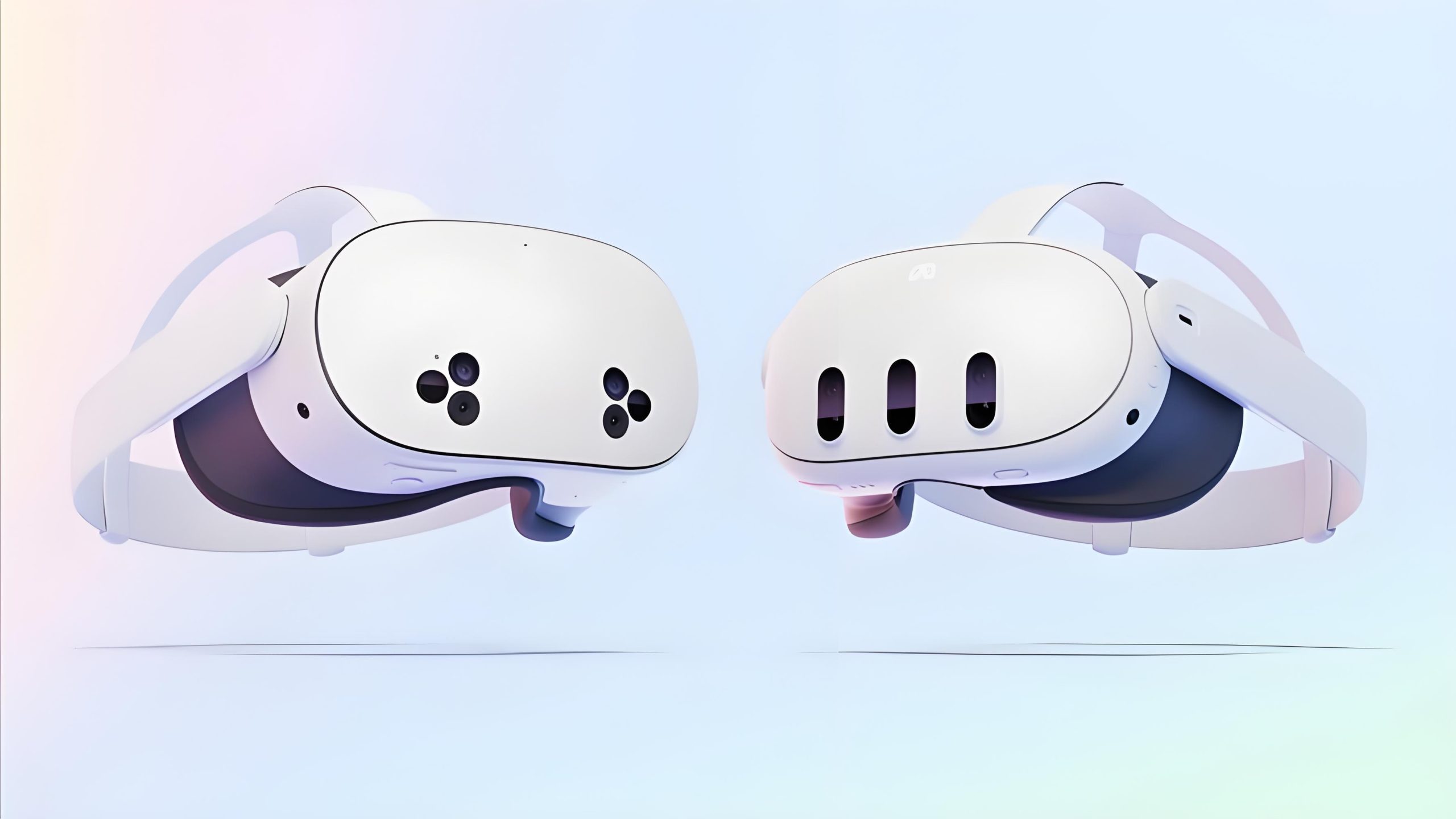
Elettronica indossabile: Smartwatch, VR/AR headsets. IL 1.0mm thin profile and epoxy plugging ensure signal stability in ultra-compact enclosures.
-
Solid-State Drives (SSD): Used as the carrier for memory modules, leveraging rigid-flex for multi-layer stacking and interface connections.
8. Caratteristiche del prodotto & Vantaggi
-
Integrated Design, Saves Space: Replaces the traditional “PCB + Connettore + FPC” assembly. This eliminates connectors, reduces BOM costs, and significantly improves signal integrity by minimizing impedance discontinuities.
-
Epoxy Resin Plugging Eliminates Solder Blow-Out: Solves the yield-loss issue caused by outgassing from vias during lead-free reflow soldering.
-
Fine-Line Circuitry: Supporti 4Mil/4mil trace and space, consentendo l'interconnessione ad alta densità (ISU) disegni. IL 0.2mm micro vias offer high routing freedom.
-
Alta stabilità termica & Flex Durability: The FR4 and PI combination provides a robust platform for component assembly while ensuring long-term dynamic flex performance.
9. Invito all'azione & Guida alla richiesta
UGPCB is more than a circuit board manufacturer. We are your partner in ensuring product reliability.
We understand the manufacturing challenges of epoxy resin plugged rigid-flex PCBs. The key is controlling adhesion at the rigid-flex boundary and guaranteeing void-free plugging. With years of experience, UGPCB utilizes automated vacuum plugging lines, high-precision direct imaging, and rigorous AOI sistemi. Ogni 16L rigido + 2LFlessibile board we ship meets Classe 3 standard di affidabilità.
If you need a rigid-flex PCB that can handle high-density routing, lead-free assembly, and dynamic flexing without compromise, UGPCB is your ideal partner.
Contact UGPCB today for a custom quote.
-
Invia il tuo File Gerber. Our team will provide a free DFM (Progettazione per la produzione) analisi all'interno 24 ore.
-
Supportiamo prototipo E low-to-medium volume production with flexible lead times.
-
Our dedicated engineering team offers one-on-one support to accelerate your digital product launch.