Engineers need compact designs and reliable connections for smart wear.
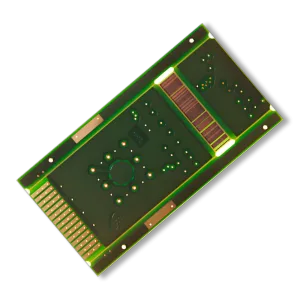
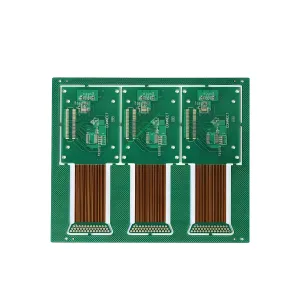
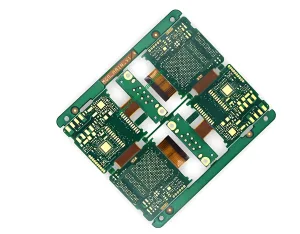
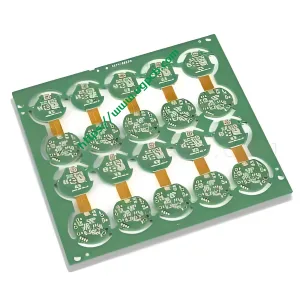
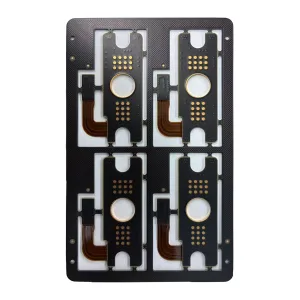
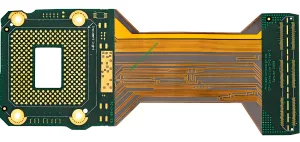
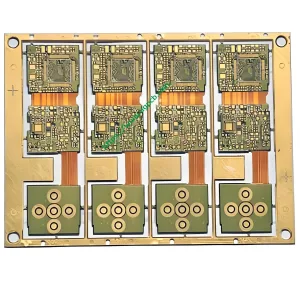
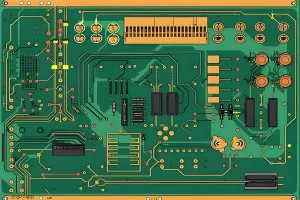
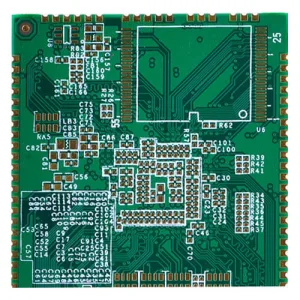
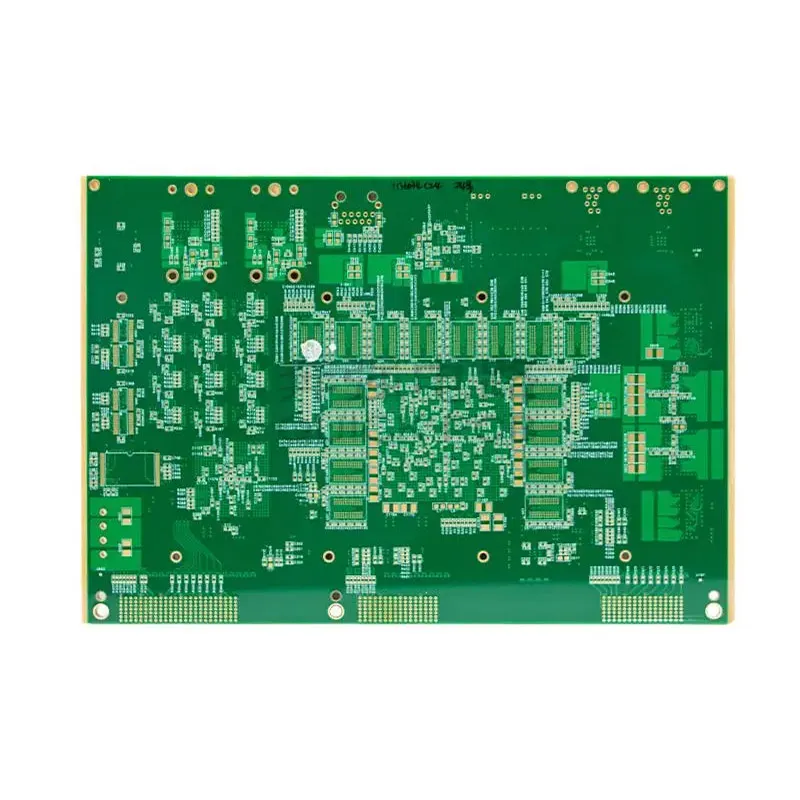
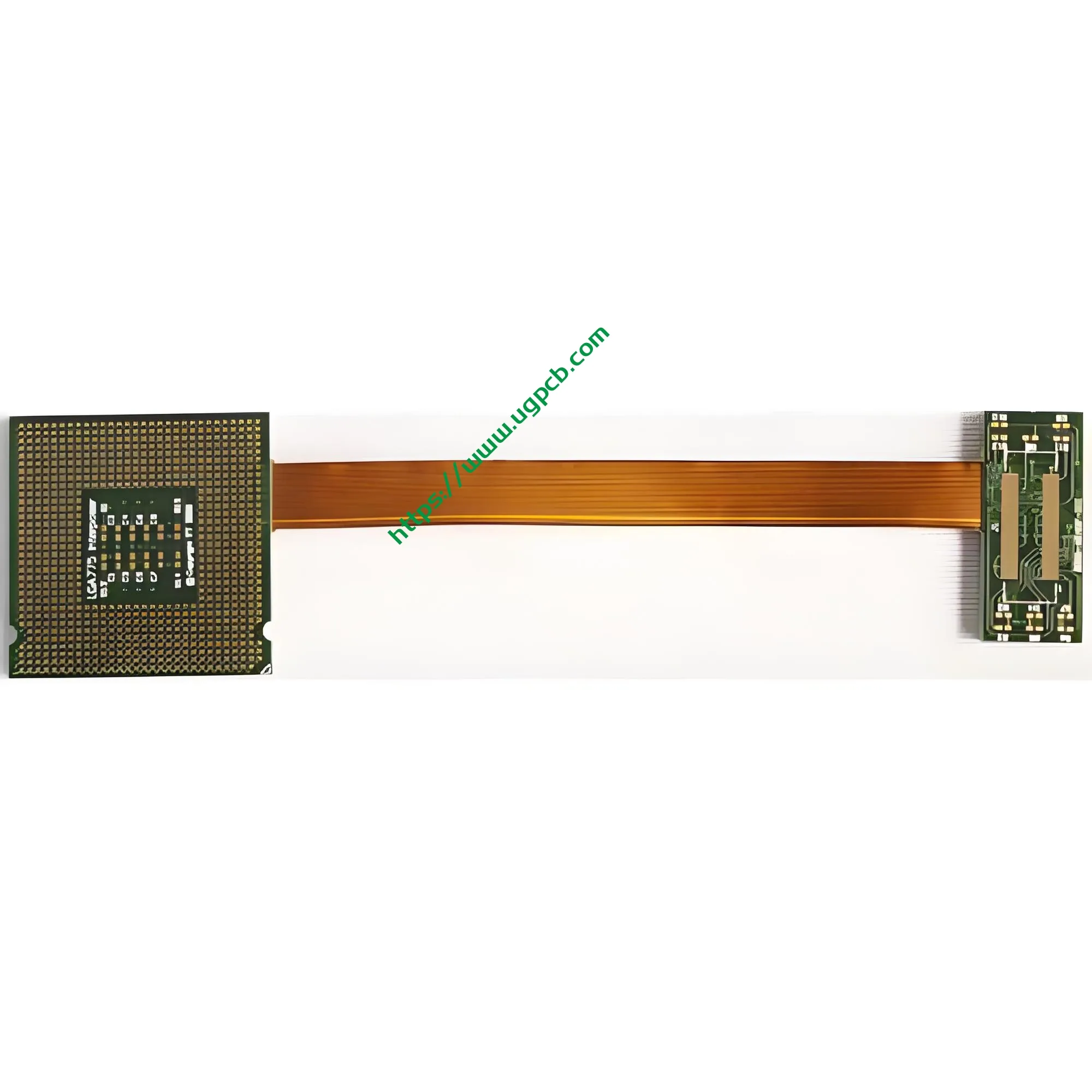
UGPCB introduce il Model 8L Smart Wear Rigid-Flex PCB (R-FPCB). This board combines 6 strati rigidi e 2 strati flessibili. It solves space and bending challenges in wearable PCB.
1. What Is a Smart Wear Rigid-Flex PCB?
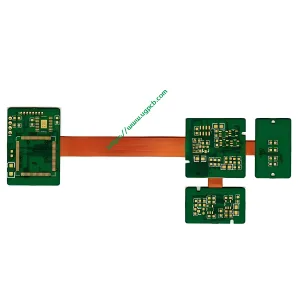
UN PCB rigido-flessibile has both rigid sections (for soldering components) and flexible sections (for 3D interconnection).
Nostro 8L Smart Wear R-FPCB works perfectly for smartwatches, health patches, and AR glasses.
IL 6 rigid layers support high-density wiring. IL 2 flexible layers allow free bending.
This design replaces board-to-board connectors and flat cables. It eliminates contact failures common in tiny devices. It also improves shock resistance by removing mechanical joints.
2. Classificazione scientifica
Basato su IPC-6013 (Specifiche di qualificazione e prestazione per schede stampate flessibili), this product falls under:
-
Tipo: Classe 3 (high-reliability – medical/military/wearable) multilayer rigid-flex.
-
Costruzione: Asymmetric (6 rigido + 2 flettere).
-
Application level: Consumer high-reliability wearables.
3. Materiale & Stack-Up: Why PI + FR4?
We select materials based on physical properties and thermal stability.
Rigid Area – FR4
Usiamo Tg 170 FR4 (high glass transition temperature). It keeps low Z-axis expansion during multiple reflow cycles. This ensures high BGA soldering yield.
Flexible Area – Polyimide (PI)
Usiamo Pellicola di poliimmide for the flex layers. PI has a low dielectric constant and wide working temperature (-200°C to +300°C). It allows over 100,000 bending cycles without cracking. This is critical for flessibile circuiti stampati in wearables.
Stack-Up Construction
The flexible layers (L1/L2) embed inside the rigid section. We use stepped lamination at the transition boundary to spread mechanical stress.
Design rule: Never place vias in the bending area. That prevents micro-cracks from stress concentration. Our design follows this IPC-2223 rule strictly.
4. Prestazioni chiave & Design Parameters (IPC-2223 Compliant)
The table below shows critical specifications for the 8L wearable rigid-flex board.
| Parametro | UGPCB 8L R-FPCB Value | Design Insight |
|---|---|---|
| Struttura a strati | Rigido 6L + Flex 2L | Asymmetric stack needs special compensation to avoid warpage |
| Spessore finito | 1.2mm (rigid zone) | Optimized for controlled impedance – meets IPC Class 2/3 |
| Traccia minima / Spazio | 3mil / 3mil | ISU capability – fits narrow bezel designs |
| Min Mechanical Hole | 0.2mm | Increases routing density |
| Spessore del rame | 1 oz (interno & esterno) | Supports high charging currents |
| Finitura superficiale | Oro ad immersione (Essere d'accordo) | 2 microinches gold thickness |
5. Why Choose UGPCB for Your Wearable PCB Project?
UN. No More Flex Breakage
Wearable devices bend repeatedly (per esempio., watch straps). Usiamo adhesiveless base material sull'area flessibile. We also apply arc routing instead of 45° traces.
Data from our lab: Arc routing improves copper stress distribution by 40% compared to angled traces. This eliminates fatigue fractures.
B. Immersion Gold for Sweat Resistance
We finish the surface with Essere d'accordo (Oro ad immersione), 2 microinches thick.
Perché? Sweat and humidity corrode exposed copper. ENIG provides a flat pad surface (better than OSP) and excellent corrosion resistance. It also supports direct contact for buttons.
C. Strong Signal Integrity
Smart wear PCBs need clean Bluetooth and Wi-Fi signals. Nostro 6 rigid layers include dedicated power and ground planes. These provide a complete return path for RF signals. That reduces electromagnetic interference (EMI) to a minimum.
6. Processo di produzione & Controllo di qualità
UGPCB uses automated lines to ensure high yield for the 8L rigid-flex PCB.
-
Taglio del materiale & perforazione - UV laser drills 0.2mm micro-vias in PI film.
-
Desmear & rame senza elettrolisi – Plasma cleaning removes resin residue from holes.
-
Schema circuitale - LDI (Imaging diretto laser) creates 3mil/3mil traces accurately.
-
Laminazione – Low-flow prepreg controls resin bleed at the rigid-flex junction.
-
Finitura superficiale – Strict chemical control for even ENIG deposition.
7. Applicazioni: Where This Rigid-Flex PCB Excels
Questo R-FPCB fits devices that need both density and bending:
-
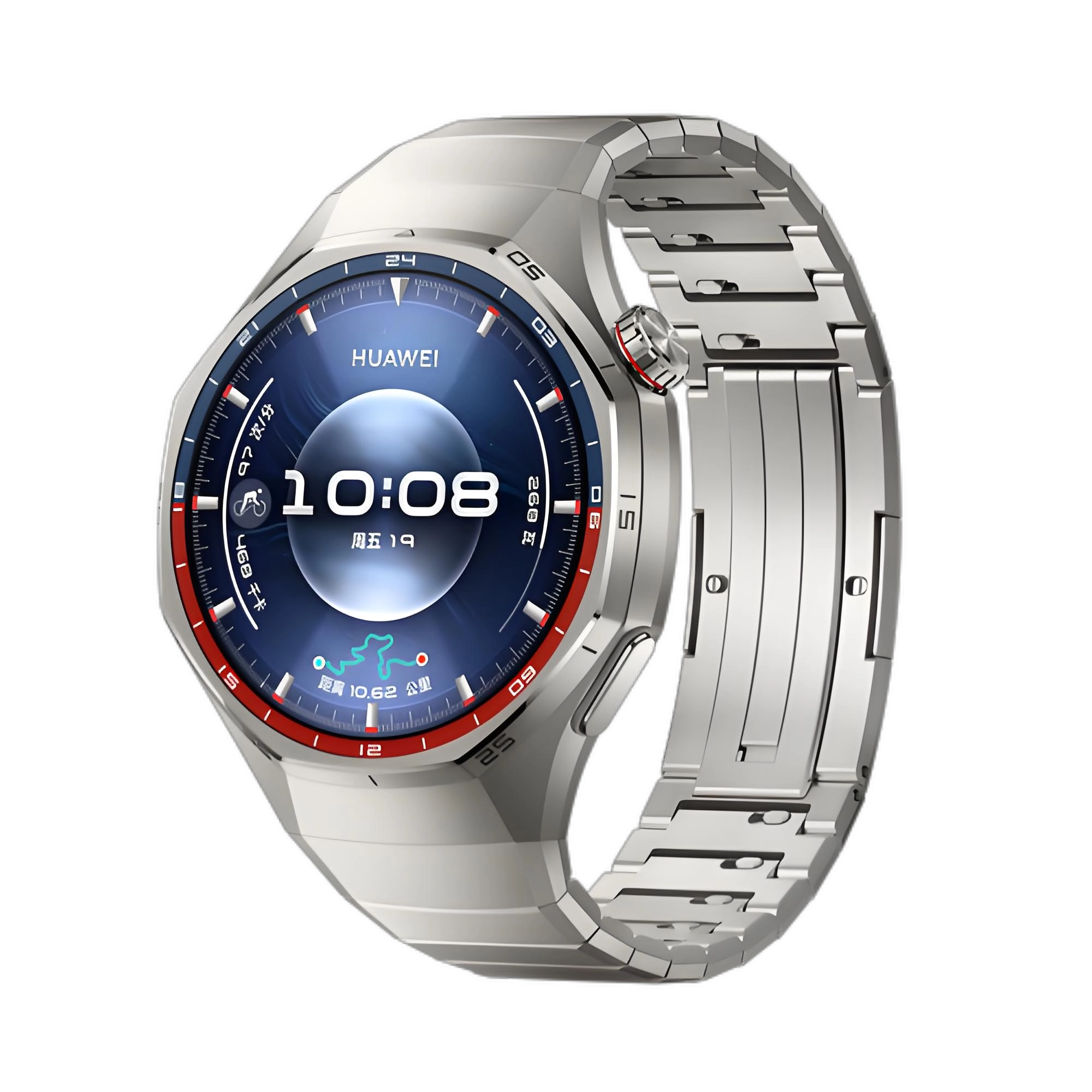
Smartwatch & fitness bands – connect main board to side buttons and heart-rate sensors.
-
TWS earbuds – fit into curved stems and hinge areas.
-
Medical monitoring patches – ultra-thin, skin-conforming flexible circuits.
-
Smart glasses – link left and right arms around the hinge.
 8. Standard & Reliability Data
We design and test this wearable PCB according to international specifications:
-
Design standard: IPC-2223 (Flexible Printed Board Design)
-
Performance test: IPC-6013 (Flexible Board Qualification)
-
Reliability validation (UGPCB lab):
-
10 reflow cycles (picco 260°C) – no delamination
-
1000 hours damp heat (85° C. / 85% RH) – no corrosion
-
100,000 dynamic bends – no trace crack
-
9. Get a Quote – Start Your Wearable Project Today
UGPCB offers prototyping and mass production. We understand your timeline and quality needs for smart wear PCBs.
Send us your Gerber files or schematics. Our engineers will reply within 24 ore con:
-
UN DFM (Progettazione per la produzione) rapporto
-
A competitive quote
[Call-to-action: Richiedi preventivo / Contact Sales]