ที่ พีซีบี อุตสาหกรรมกำลังเผชิญกับคลื่นราคาที่รุนแรงซึ่งเริ่มต้นจากวัตถุดิบและกระจายไปทั่วห่วงโซ่การผลิตอุปกรณ์อิเล็กทรอนิกส์ทั้งหมด. ในช่วงต้น 2026, ชั้นนำเคลือบลามิเนตทองแดง (CCL) ซัพพลายเออร์ – เทคโนโลยีสหภาพไต้หวัน (TUC), ไอเทค คอร์ปอเรชั่น, และ Elite Material – ออกประกาศขึ้นราคาติดต่อกัน. เกรด CCL ระดับไฮเอนด์ได้เพิ่มขึ้นด้วย 20% ถึง 40%. พลังการประมวลผลของ AI กำลังส่งค่าสูงขึ้นอย่างรวดเร็ว, จาก การออกแบบ PCB ถึงขั้นสุดท้าย แอสเซมบลี PCBA. บทความนี้วิเคราะห์ตัวขับเคลื่อนพื้นฐานของอัตราเงินเฟ้อวัตถุดิบ PCB นี้ และให้ข้อมูลเชิงลึกที่นำไปปฏิบัติได้สำหรับการจัดซื้อ PCB และการจัดการห่วงโซ่อุปทาน.
1. ตลาดมูลค่า 100 พันล้านดอลลาร์สหรัฐ: การเติบโตเชิงโครงสร้างขับเคลื่อนโดย AI
ตามที่สมาคมวงจรพิมพ์แห่งไต้หวัน (ทีพีซีเอ) และศูนย์เศรษฐศาสตร์และความรู้อุตสาหกรรม (รวม), เซิร์ฟเวอร์ AI และการประมวลผลประสิทธิภาพสูง (HPC) ยังคงขับเคลื่อนอุตสาหกรรม PCB ไปสู่มูลค่าที่สูงขึ้นและข้อกำหนดขั้นสูงเอาต์พุต PCB ทั่วโลกเข้า 2025 มีมูลค่าประมาณ 92.36 พันล้านดอลลาร์สหรัฐ, แสดงถึงอัตราการเติบโตที่แข็งแกร่งต่อปีที่ 15.4%. ใน 2026, คาดว่าผลผลิตจะสูงถึง 105.2 พันล้านดอลลาร์สหรัฐ, ขึ้น 13.9%, ทำลายกำแพง 100 พันล้านดอลลาร์สหรัฐอย่างเป็นทางการ.
ข้อมูล Prismark ยืนยันแนวโน้มนี้: ตลาด PCB ทั่วโลกเติบโตขึ้น 15.8% ปีต่อปีใน 2025 เป็นประมาณ 85.1 พันล้านดอลลาร์สหรัฐ, และจะเติบโตขึ้นอีก 12.5% ใน 2026 เป็น 95.7 พันล้านดอลลาร์สหรัฐ. อัตราการเติบโตต่อปีแบบทบต้น (cagr) จาก 2025 ถึง 2030 ยืนอยู่ที่ 7.7%, ด้วยโครงสร้างพื้นฐานเอไอ, เครือข่ายความเร็วสูง, และการสื่อสารผ่านดาวเทียมเป็นตัวขับเคลื่อนการเติบโตหลัก.
การเติบโตของกลุ่มก็น่าประทับใจยิ่งขึ้น. บอร์ด HDI กำลังเติบโตที่ประมาณ 14.5% ขับเคลื่อนด้วยเซิร์ฟเวอร์ AI และความต้องการเครือข่ายความเร็วสูง. จำนวนชั้นสูง บอร์ดหลายชั้น (18+ ชั้น) จะพุ่งขึ้นประมาณ 62.4% – การกระโดดแบบเอ็กซ์โปเนนเชียล.
2. การขึ้นราคา CCL: จากการผลักดันต้นทุนไปจนถึงการปฏิวัติวัสดุ
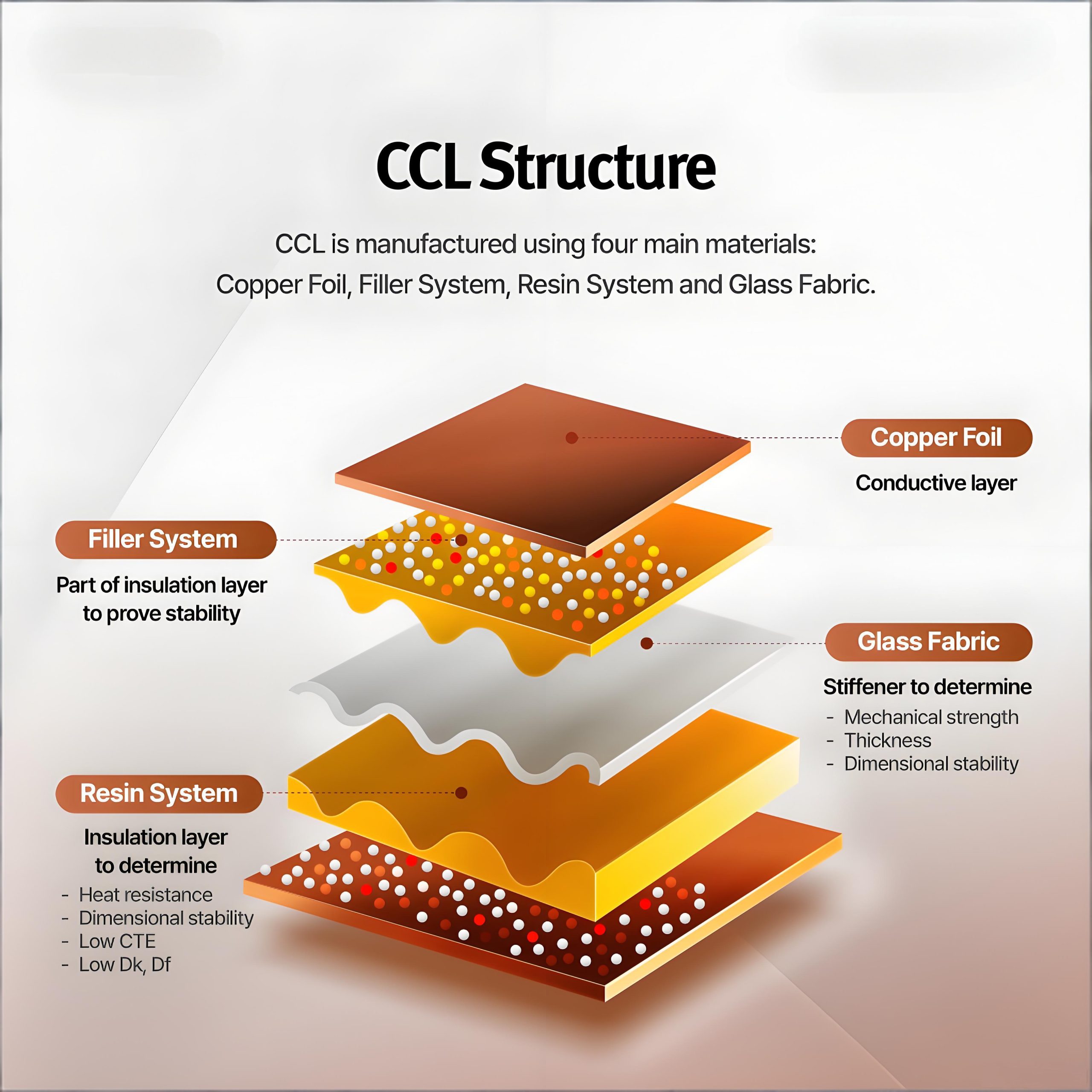
CCL เป็นส่วนประกอบโครงสร้างหลักของ PCB, และแนวโน้มราคาก็ทำหน้าที่เป็นปัจจัยสำคัญสำหรับอุตสาหกรรม PCB ทั้งหมด. ตลอดหกเดือนที่ผ่านมา, อุตสาหกรรม CCL ประสบปัญหาราคาขึ้นหลายรอบ. ในเดือนธันวาคม 2025, ผู้ผลิตรายใหญ่เช่น Kingboard และ Nanya ออกหนังสือปรับราคาหนาแน่น, ด้วยราคา CCL ที่เพิ่มขึ้น 10% ถึง 20% ในหนึ่งสัปดาห์.
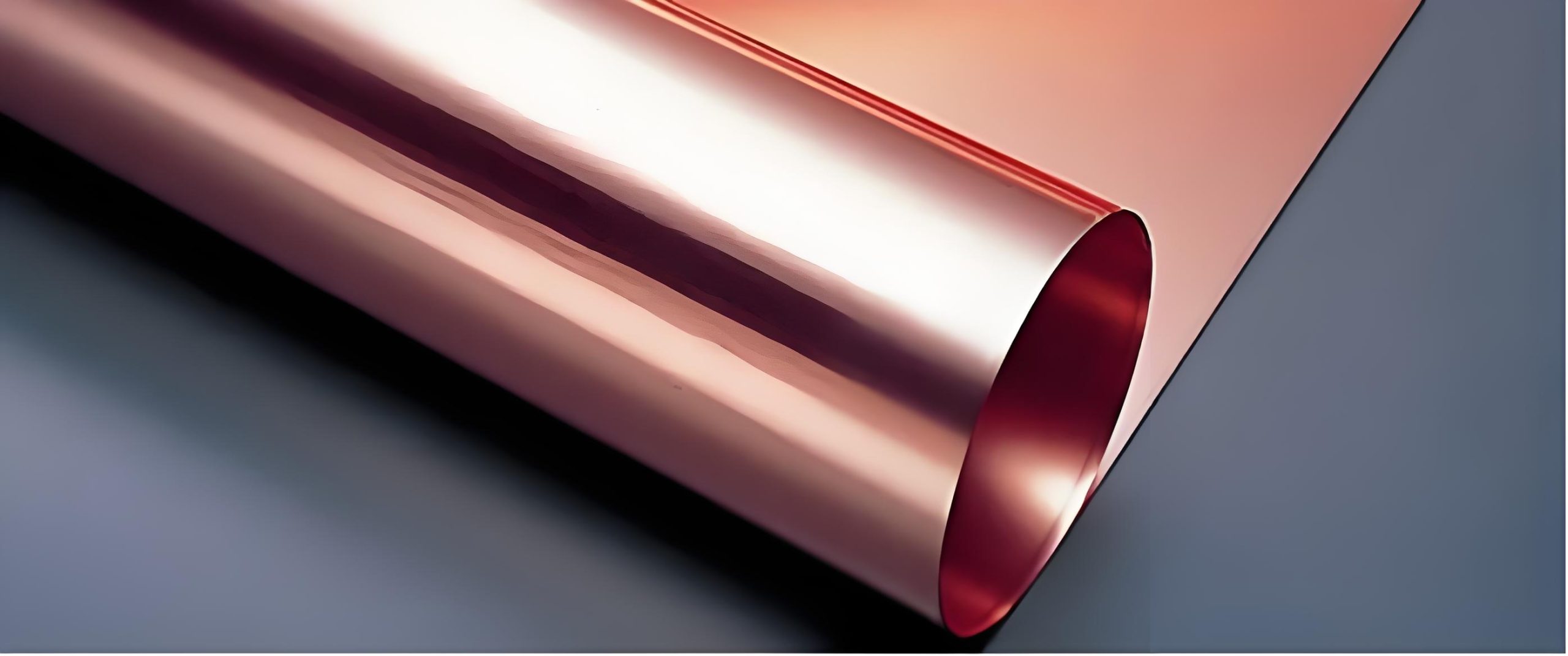
ในเดือนเมษายน 2026, คลื่นราคาขยายไปสู่การใช้งานระดับไฮเอนด์. Iteq Corporation แจ้งลูกค้าอย่างเป็นทางการเกี่ยวกับการปรับราคา CCL ซึ่งมีผลตั้งแต่วันที่ 25 เมษายนโดยมีกลุ่มผลิตภัณฑ์บางกลุ่มเพิ่มขึ้น 20% ถึง 40%. Taiwan Union Technology และ Elite Material ประกาศขึ้นราคารอบใหม่สำหรับวัสดุระดับไฮเอนด์เริ่มตั้งแต่ไตรมาสที่สอง, แต่ละที่ 10%, กำหนดเป้าหมายเซิร์ฟเวอร์และสวิตช์ AI. ในญี่ปุ่น, ผู้ผลิตวัสดุเซมิคอนดักเตอร์ Resonac ขึ้นราคามากกว่า 30% มีผลตั้งแต่เดือนมีนาคม 1, และมิตซูบิชิ แก๊ส เคมีคอล เพิ่มซีรี่ส์ผลิตภัณฑ์ทั้งหมดสูงสุดถึง 30% มีผลใช้บังคับในเดือนเมษายน 1.
บริษัทหลักทรัพย์ Kaiyuan ชี้ให้เห็นว่าปัจจัยพื้นฐานในการขับเคลื่อนราคา CCL ที่เพิ่มขึ้นนี้ คือการผลักดันต้นทุนที่ครอบคลุมและยั่งยืนจากวัตถุดิบหลักทั้งหมด. ในโครงสร้างต้นทุน CCL แบบดั้งเดิม, ฟอยล์ทองแดง, เรซิน, และผ้าใยแก้วถือเป็นหุ้นที่ใหญ่ที่สุดมายาวนาน. อย่างไรก็ตาม, ด้วยการระเบิดของเซิร์ฟเวอร์ AI และความต้องการการสื่อสารความเร็วสูง, พื้นผิวกำลังพัฒนาไปสู่ความถี่สูง, เกรดความเร็วสูง (M9 ขึ้นไป). พื้นที่การปรับเปลี่ยนทางกายภาพสำหรับค่าคงที่ไดอิเล็กตริกต่ำ (ต่ำ dk/df) และค่าสัมประสิทธิ์การขยายตัวทางความร้อนต่ำมาก (ซีทีอี) ในวัสดุหลักทั้งสามชนิดนั้นกำลังเข้าใกล้ขีดจำกัดทางกายภาพของมันแล้ว.
3. ผงซิลิก้า: จากฟิลเลอร์ราคาถูกไปจนถึงวัสดุเชิงกลยุทธ์ที่สำคัญ
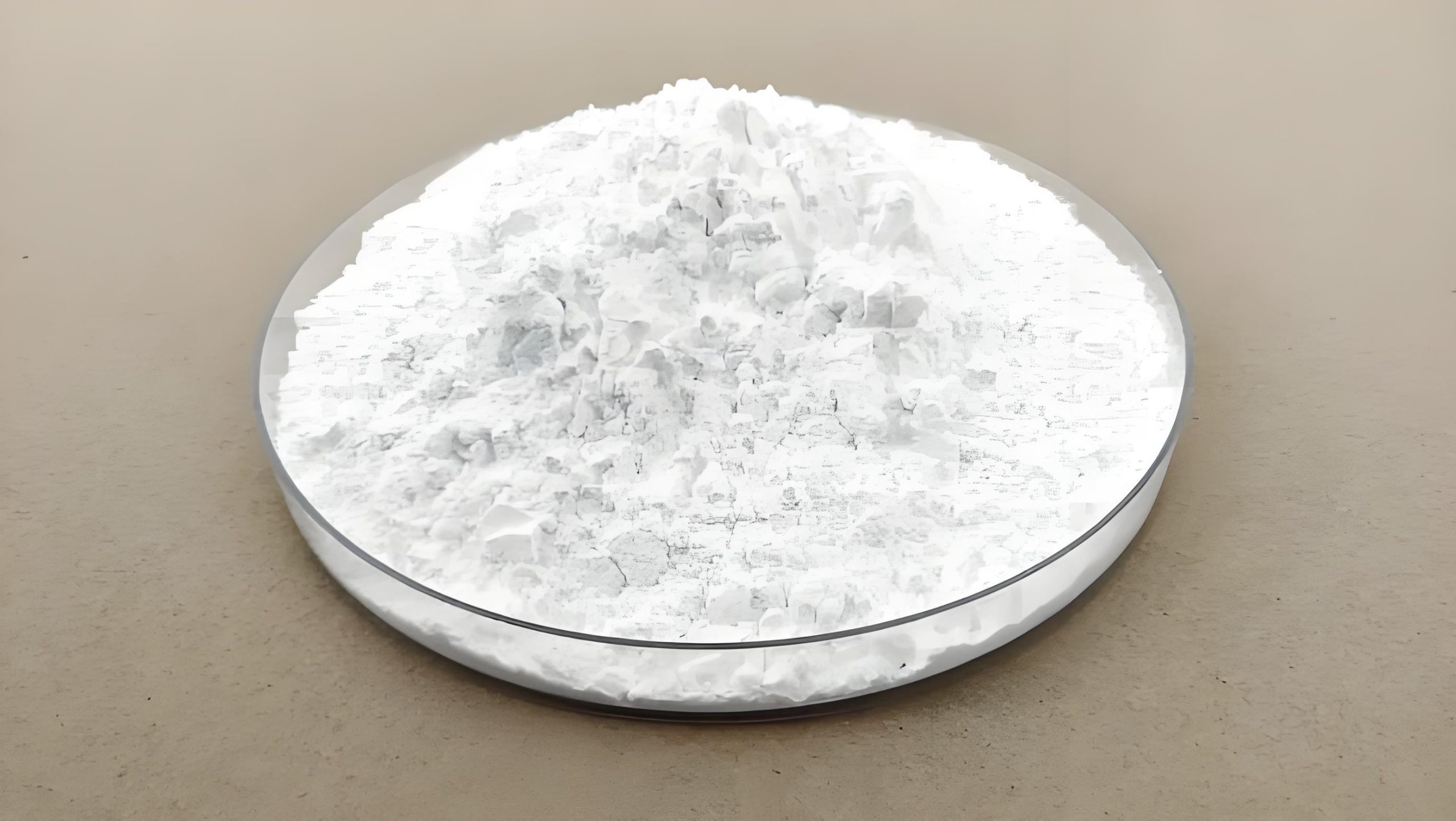
เนื่องจากการดัดแปลงวัสดุทางกายภาพถึงขีดจำกัดแล้ว, ส่วนประกอบที่ครั้งหนึ่งเคยถูกมองข้าม – ผงซิลิกา (ซิลิกาผสม) – กำลังกลายเป็นกุญแจสำคัญที่กำหนดประสิทธิภาพของ PCB.
หลักทรัพย์ภาคตะวันออกเฉียงเหนือตั้งข้อสังเกตว่าในการแสวงหาการสูญเสียอิเล็กทริกต่ำเป็นพิเศษและการขยายตัวทางความร้อน, ผงซิลิกา (เดิมทีใช้เป็นสารตัวเติมราคาประหยัดที่ประมาณ 15% กำลังโหลด) จะเห็นอัตราส่วนการโหลดขยายเป็น 40% ในอีกไม่กี่ปีข้างหน้า. สำหรับซับสเตรตชิป AI และการใช้งานเกรด M8+, ข้อกำหนดสำหรับขนาดอนุภาค, ความบริสุทธิ์, และสภาพทรงกลมมีความเข้มงวดอย่างมาก.
เกรด CCL ที่แตกต่างกันต้องมีข้อกำหนดเฉพาะของผงซิลิกาที่แตกต่างกัน: เกรด M6 ใช้ผงซิลิกาทรงกลม; M7 อัปเกรดเป็นซิลิกาทรงกลมบวกซับไมครอนขนาดย่อยไมครอน; M8 ต้องใช้ซิลิกาทรงกลมขนาดต่ำกว่าไมครอน; และเกรด M9 ต้องการผงซิลิกาสังเคราะห์ทางเคมี.
ตลาดผงซิลิกา CCL ระดับไฮเอนด์ระดับโลกถูกครอบงำโดยผู้เล่นชาวญี่ปุ่น เช่น Denka และ Nippon Steel มายาวนาน, ซึ่งร่วมกันถือเกี่ยวกับ 70% ของตลาดผงซิลิกาทรงกลมทั่วโลก. แต่การทดแทนท้องถิ่นกำลังเร่งขึ้นโนโวเรย์ คอร์ปอเรชั่น (688300) ประสบความสำเร็จในการพัฒนาเทคโนโลยีสเฟียรอยไดเซชันและการควบคุมรังสีอัลฟาต่ำ, ประสบความสำเร็จในการเข้าสู่ห่วงโซ่อุปทานของผู้ผลิต CCL ชั้นนำ เช่น Shengyi Technology และ Nanya New Material. เทคโนโลยีลิงเว (301373) ได้รับกำลังการผลิตผงซิลิกาทรงกลมสังเคราะห์ทางเคมีผ่านการควบคุมสัดส่วนการถือหุ้นใน Jiangsu Huimai, ตรงกับความต้องการที่ต้องการของซับสเตรตความถี่สูงพิเศษ M8 และ M9 อย่างสมบูรณ์แบบ. เนื่องจากความสามารถในการสังเคราะห์สารเคมีในประเทศค่อยๆ เข้ามาสู่ระบบออนไลน์, ผงซิลิกาที่ผลิตในจีนคาดว่าจะเปลี่ยนจากตัวเติมส่วนเพิ่มไปยังตำแหน่งอุปทานหลักภายในสามปี.
4. การระเบิดของอุปสงค์ในตลาดปลายทาง: HDI ระดับไฮเอนด์, PCB ของยานยนต์, และพื้นผิว IC
การเพิ่มขึ้นของราคานี้ไม่ได้เป็นเพียงการขับเคลื่อนด้วยต้นทุนเท่านั้น แต่ปัจจัยพื้นฐานด้านอุปสงค์ยังมีความแข็งแกร่งเป็นพิเศษ. รายงานการวิจัยจาก Western Securities ระบุว่า HDI ระดับไฮเอนด์ได้รับประโยชน์จากความต้องการบูรณาการเทอร์มินัล AI, โดยคาดว่าตลาดโลกจะมีมูลค่าสูงถึง 16.9 พันล้านดอลลาร์สหรัฐภายใน 2029. ตลาด PCB สำหรับยานยนต์ทั่วโลกจะเติบโตเป็น 12.2 พันล้านดอลลาร์สหรัฐภายใน 2030. สำหรับพื้นผิว IC, ความต้องการหน่วยความจำดาวน์สตรีมที่แข็งแกร่งได้ขยายเวลารอคอยของสารตั้งต้น BT เป็น 16–20 สัปดาห์, สร้างโอกาสการเข้ามาอันมีค่าสำหรับซัพพลายเออร์ในประเทศ.
สำหรับผู้มีอำนาจตัดสินใจด้านการจัดหา PCB และผู้มีอำนาจตัดสินใจด้านห่วงโซ่อุปทาน, สิ่งสำคัญในตอนนี้คือการประเมินตัวแปรทางเทคนิคในรายการวัสดุอีกครั้งการอัพเกรดผงซิลิกาส่งผลกระทบอย่างมากต่อพารามิเตอร์การประมวลผล PCB. ในขณะที่ผงซิลิกาทรงกลมช่วยเพิ่มความสามารถในการไหลของ CCL และการโหลดตัวเติม, แต่ยังกำหนดข้อกำหนดด้านความแม่นยำที่เข้มงวดมากขึ้นในกระบวนการเจาะและการเคลือบ. ที่ด้านชุดประกอบ PCBA, การใช้วัสดุที่มีการสูญเสียต่ำอย่างกว้างขวางจำเป็นต้องมีการปรับเปลี่ยนโปรไฟล์การรีโฟลว์ SMT และสูตรการวางประสาน.
ในกระแสของการยกระดับอุตสาหกรรมที่ขับเคลื่อนด้วย AI นี้, รูปแบบห่วงโซ่อุปทานกำลังถูกปรับเปลี่ยน. หากคุณกำลังมองหา ซัพพลายเออร์ PCB หรือ PCBA ด้วยความสามารถ CCL ระดับสูง, หรือต้องการใบเสนอราคา PCB ล่าสุดสำหรับเซิร์ฟเวอร์ AI หรือแอปพลิเคชันอิเล็กทรอนิกส์ในยานยนต์, โปรดติดต่อทีมผู้เชี่ยวชาญด้านห่วงโซ่อุปทานของเรา.
ข้อมูลทั้งหมดที่อ้างถึงในบทความนี้มาจาก TPCA (สมาคมวงจรพิมพ์ไต้หวัน), Prismark, รายงานการวิจัยหลักทรัพย์สาธารณะ, และการเปิดเผยของบริษัท. ข้อมูล ณ เดือนเมษายน 2026. สำหรับการอ้างอิงเท่านั้น.