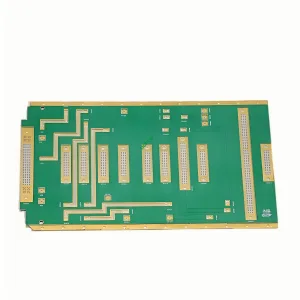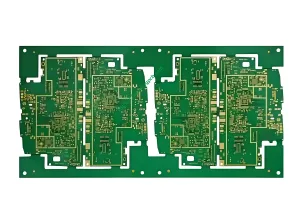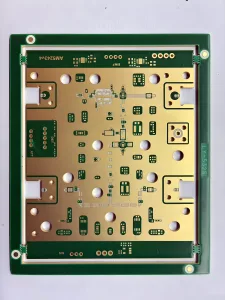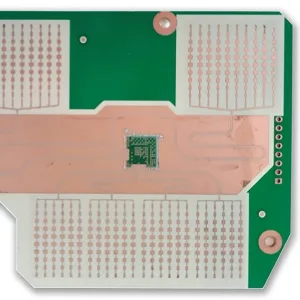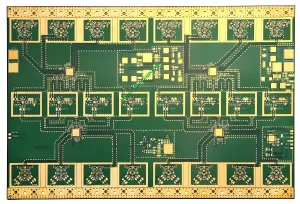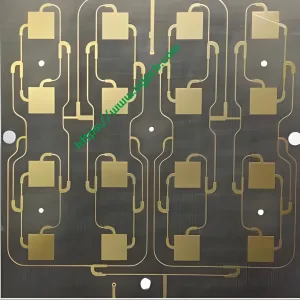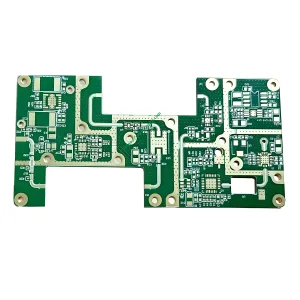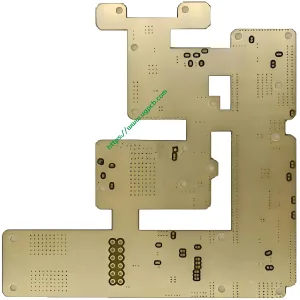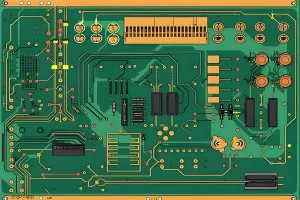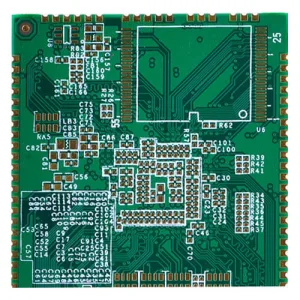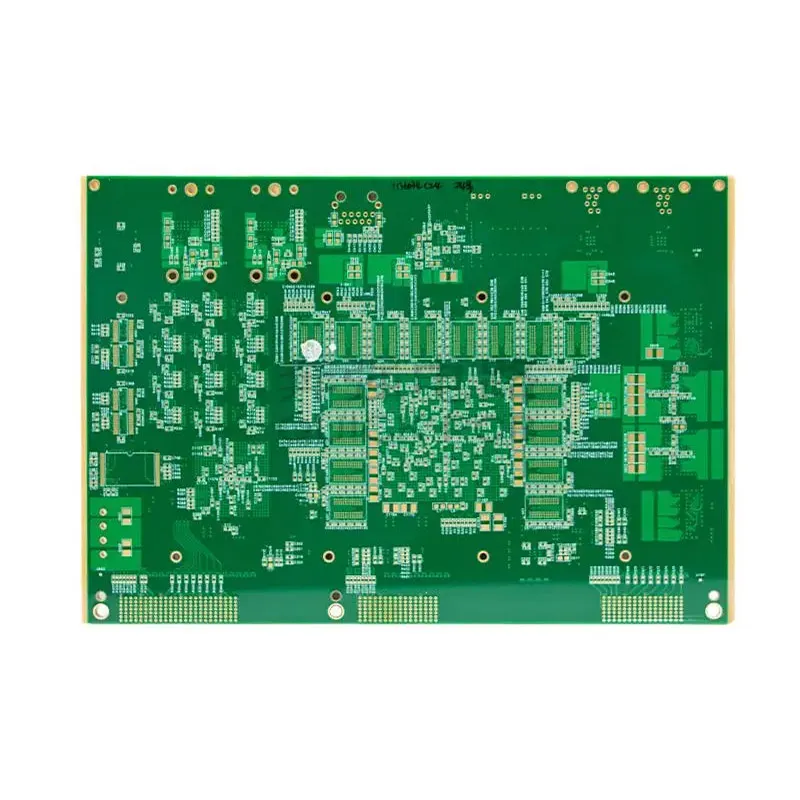
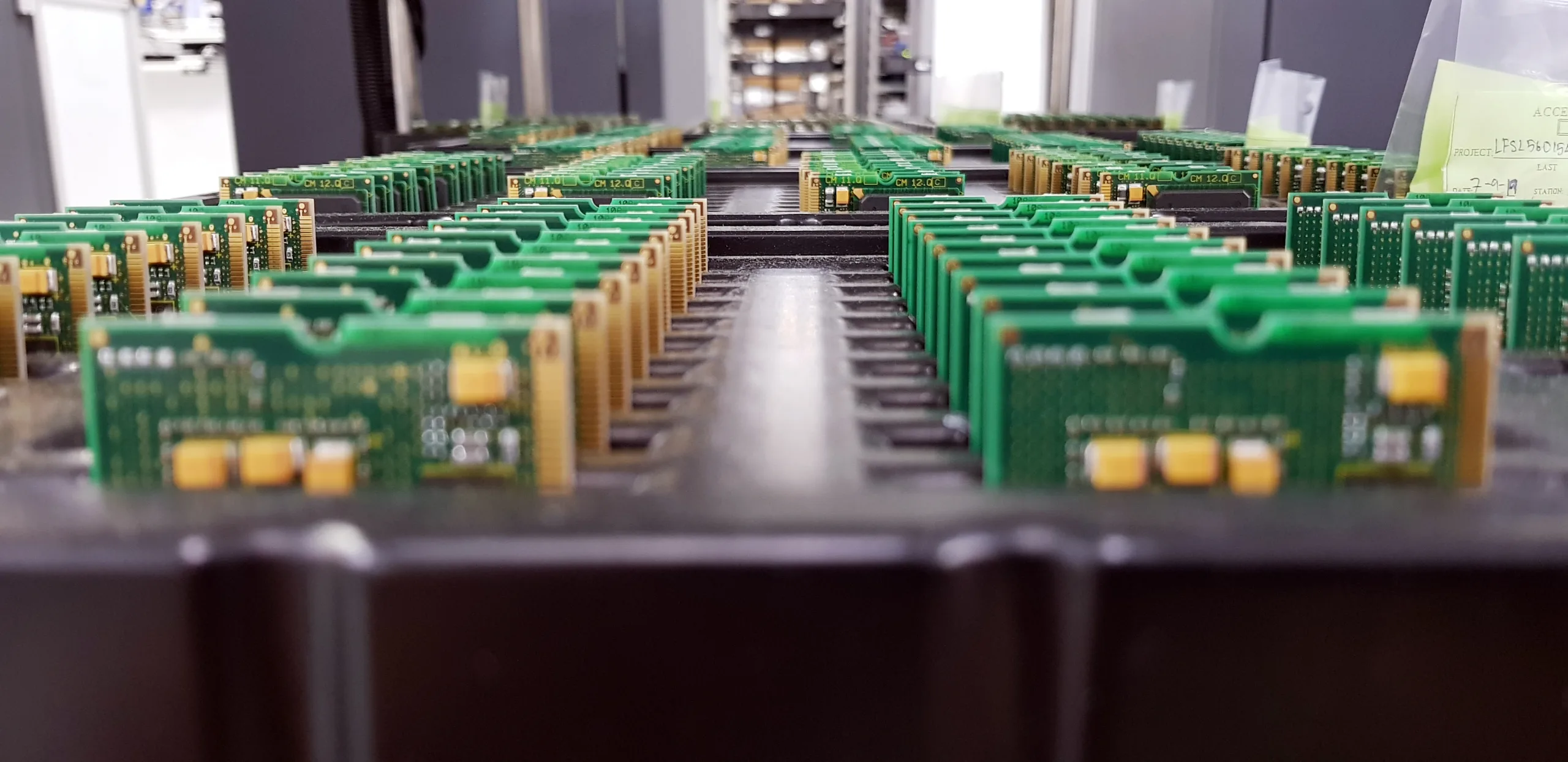
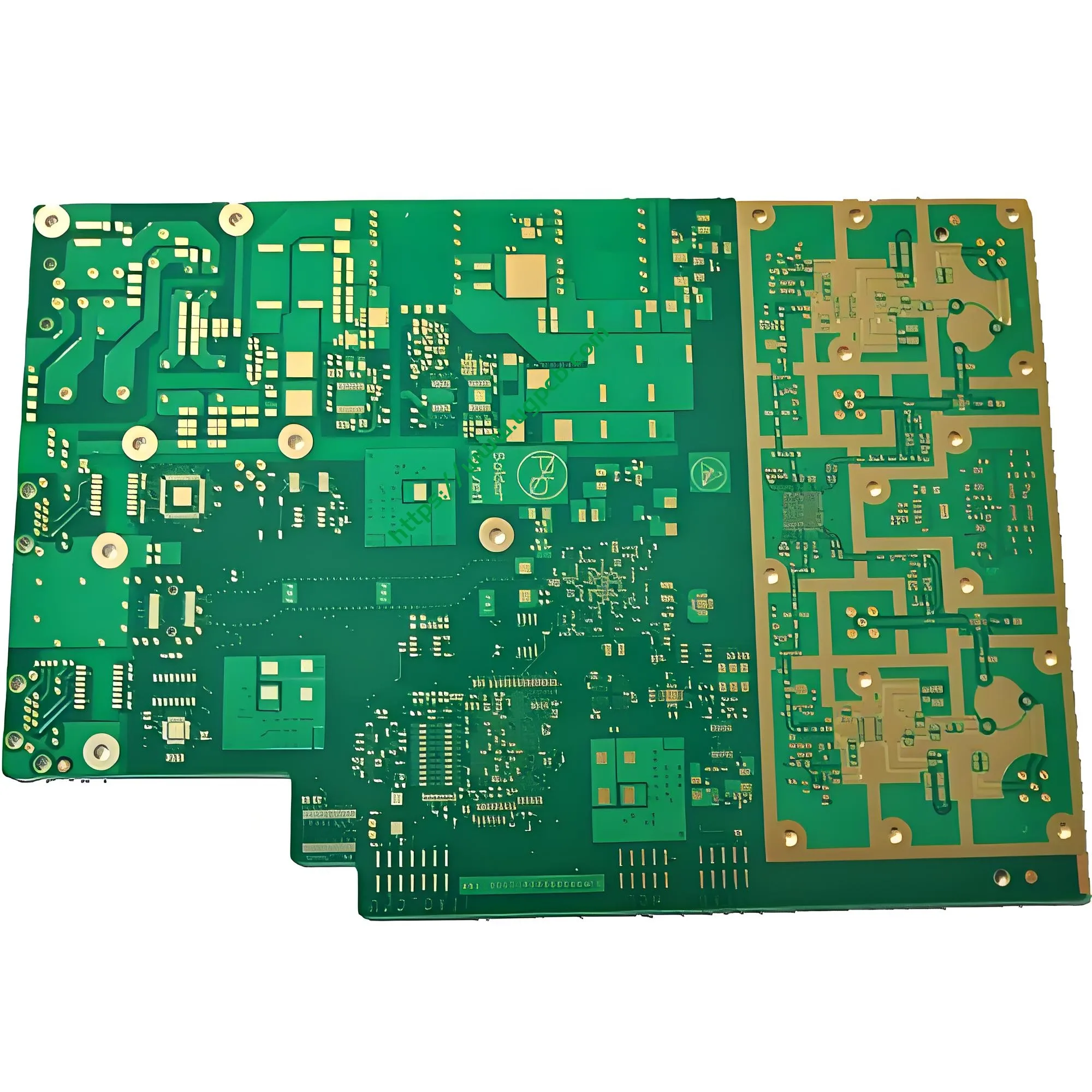
ในขณะที่ส่วนหน้าของ RF และวงจรดิจิตอลความเร็วสูงยังคงมาบรรจบกัน, วิศวกรออกแบบ PCB เผชิญกับภาวะที่กลืนไม่เข้าคายไม่ออกแบบคลาสสิก. บริสุทธิ์ FR4 บอร์ดมีการสูญเสียสัญญาณมากเกินไปและไม่ดี การควบคุมความต้านทาน ที่ความถี่สูง. โซลูชัน Rogers แบบฟูลบอร์ดมอบประสิทธิภาพ RF ที่ยอดเยี่ยม, แต่มีราคาสูงกว่ามากและจำกัดความสามารถในการผลิต. ที่ 6-บอร์ดไฮบริดความถี่สูงชั้น แก้ปัญหาการแลกเปลี่ยนนี้ด้วยการออกแบบไดอิเล็กทริกแบบผสมอันชาญฉลาด.
1. ผลิตภัณฑ์ ภาพรวม
UGPCB 6-PCB ไฮบริดความถี่สูงของชั้น การใช้งาน Rogers RO4350B และ FR4 วัสดุในกองผสม. การตกแต่งพื้นผิวคือ ทองแช่ (เห็นด้วย). บอร์ดนี้มีจุดมุ่งหมาย ฯลฯ (การเก็บค่าผ่านทางอิเล็กทรอนิกส์) แผงควบคุมระบบ และแอปพลิเคชัน RF 5.8GHz อื่นๆ. มันบรรลุผลอย่างแม่นยำ 5/4 ความกว้างและระยะห่างของการติดตาม MIL สำหรับการกำหนดเส้นทาง RF ความหนาแน่นสูง. อัน 5-6 เลเยอร์ตาบอดผ่าน โครงสร้างปรับเส้นทางสัญญาณให้เหมาะสม.
2. PCB ไฮบริดความถี่สูงคืออะไร?
PCB ไฮบริดความถี่สูง, เรียกอีกอย่างว่าบอร์ดหลายชั้นผสมอิเล็กทริก, รวมวัสดุพื้นผิวที่แตกต่างกันตั้งแต่สองชนิดขึ้นไปไว้ในบอร์ดเดียว. ชั้นความถี่สูงใช้วัสดุ Rogers ที่มีการสูญเสียต่ำ (เช่น RO4350B). เลเยอร์ที่ไม่สำคัญและเลเยอร์ดิจิทัล/พลังงานใช้ FR4 ที่ประหยัดกว่า.
วิธีการแบบผสมผสานนี้วางวัสดุระดับพรีเมียมไว้เฉพาะในกรณีที่ประสิทธิภาพของ RF มีความสำคัญ เป็นต้น, ที่ชั้นบนสุดซึ่งมีไมโครสตริปหรือท่อนำคลื่น coplanar นำสัญญาณ 5.8GHz. ส่วนชั้นสัญญาณอื่นๆ, เครื่องบินภาคพื้นดิน, และชั้นพลังงานใช้ FR4. เมื่อเทียบกับบอร์ดโรเจอร์สแบบเต็มตัว, การออกแบบไฮบริดช่วยลดต้นทุนวัสดุด้วย 40–60% ในขณะที่ยังคงประสิทธิภาพ RF ไว้เกือบเท่าเดิม.
3. พารามิเตอร์ทางเทคนิคที่สำคัญ
| พารามิเตอร์ | ข้อมูลจำเพาะ |
|---|---|
| จำนวนเลเยอร์ | 6 |
| วัสดุผสม | Rogers RO4350B + FR4 |
| พื้นผิวเสร็จสิ้น | ทองแช่ (ตกลงต่อ IPC-4552A, ที่ 3–6μm / ออสเตรเลีย 0.04–0.1μm) |
| คุณลักษณะของผลิตภัณฑ์ | บอร์ดไฮบริดความถี่สูง |
| แอปพลิเคชัน | บอร์ดควบคุมระบบ ETC |
| กระบวนการพิเศษ | จุดอ่อนระหว่างเลเยอร์ 5 และ 6 |
| ติดตามความกว้าง / ระยะห่าง | 5/4 มิล |
| อัตราส่วนความหนาของรูต่อบอร์ด | 1:10 |
4. Rogers RO4350B คุณสมบัติของวัสดุความถี่สูง
ประสิทธิภาพ RF ของบอร์ดไฮบริดนี้ขึ้นอยู่กับการใช้งาน Rogers RO4350B ที่แม่นยำ. ลักษณะทางไฟฟ้าและความร้อนที่สำคัญ (แหล่งที่มา: เอกสารข้อมูลของบริษัท โรเจอร์ส คอร์ปอเรชั่น, ทดสอบตาม IPC-TM-650) อยู่ด้านล่าง.
-
ค่าคงที่ไดอิเล็กทริก (ดีเค): 3.48 ±0.05 @ 10 กิกะเฮิรตซ์ (การอ้างอิงกระบวนการ); 3.66 @ 10 กิกะเฮิรตซ์ (อ้างอิงการออกแบบสำหรับความหนา >60MIL)
-
ปัจจัยการกระจาย (ฟ): 0.0037 @ 10 กิกะเฮิรตซ์
-
Z-Axis CTE (ค่าสัมประสิทธิ์การขยายตัวทางความร้อน): 32 ppm/° C (–55°ซ ถึง 288°ซ) – ดีกว่า FR4 มาตรฐานมาก, ซึ่งลดความเสี่ยงจากการแคร็ก
-
การนำความร้อน: 0.69 วัตต์/เมตร/°K @ 50°C (มาตรฐาน ASTM D5470)
-
คะแนนความไวไฟ: อล 94 วี-0 – ตรงตามข้อกำหนดด้านความปลอดภัยสำหรับอุปกรณ์ที่ใช้งานและการออกแบบ RF กำลังสูง
-
ความเข้ากันได้ของกระบวนการ: ไม่จำเป็นต้องเตรียมอะไรเป็นพิเศษ (แตกต่างจากวัสดุ PTFE); RO4350B ประมวลผลคล้ายกับ FR4, ซึ่งช่วยลดต้นทุนการผลิต
ทำไมเรื่องนี้ถึงสำคัญ: Dk ของ RO4350B เปลี่ยนแปลงน้อยมากจาก 500MHz เป็น 40GHz. ความเสถียรนี้ช่วยให้วิศวกรสามารถออกแบบสายส่งอิมพีแดนซ์ 50Ω หรือ 75Ω ได้อย่างแม่นยำบนแบนด์วิธที่กว้าง. สำหรับระบบ ETC ที่ทำงานที่ความถี่ 5.8GHz (สำหรับ GB/T 20851), นี่หมายถึงการควบคุมอิมพีแดนซ์ที่เชื่อถือได้. ตัวอย่างเช่น, โดยใช้โครงสร้างไมโครสตริปที่มี Dk=3.48, ความหนาของบอร์ด=0.254มม, และทองแดง 1 ออนซ์, ความกว้างของการติดตาม 5 มิลลิลิตรทำให้ได้ความต้านทานลักษณะเฉพาะ 50Ω ตามสูตรด้านล่าง.
5. บอร์ดไฮบริดความถี่สูง 6 ชั้นทำงานอย่างไร?
หลักการสำคัญคือสถาปัตยกรรมสัญญาณแบบเลเยอร์โดยเฉพาะ.
-
ชั้นสัญญาณ RF (โรเจอร์ส RO4350B มีเดียม) – อยู่ที่ชั้นบนสุดหรือชั้นในเฉพาะ. มีสัญญาณการสื่อสาร ETC 5.8GHz. Dk ที่เสถียรและ Df ต่ำของ RO4350B ทำให้การสูญเสียการแทรกต่ำกว่า 0.31dB/cm ที่ 40GHz.
-
เลเยอร์ดิจิตอล/การควบคุม (สื่อ FR4) – จัดการสัญญาณเบสแบนด์, การควบคุมลอจิก MCU/FPGA, และการจัดการพลังงาน. FR4 นำต้นทุนต่ำและมีความแข็งแรงเชิงกลที่ดี.
-
อ้างอิงพื้นและชั้นพลังงาน – ระนาบกราวด์ทึบที่อยู่ติดกับชั้น RF ให้เส้นทางกลับที่มีอิมพีแดนซ์ต่ำและระงับ EMI.
-
5‐6 ชั้นจุดแวะตาบอด – Blind Vias เชื่อมต่อเฉพาะเลเยอร์ที่เฉพาะเจาะจงเท่านั้น (เช่น, L5 ถึง L6). พวกมันลดความจุและความเหนี่ยวนำของปรสิตเมื่อเทียบกับจุดผ่านรูทะลุ, และช่วยประหยัดพื้นที่เส้นทาง.
-
การออกแบบที่จับคู่อิมพีแดนซ์ – การใช้ค่า Dk ที่แม่นยำของ RO4350B, ความต้านทานที่ควบคุมได้ (โดยทั่วไป50Ω) คำนวณด้วยสูตรไมโครสตริป:
 ที่ไหน:
-
εr=3.48 (RO4350B ดีเค)
-
ชม. = ความหนาของอิเล็กทริก (ล้าน)
-
W = ความกว้างติดตาม (5 ล้าน)
-
T= ความหนาของทองแดง (ล้าน)
สูตรนี้, รวมกับการจำลองการแก้ปัญหาภาคสนาม, ช่วยให้มั่นใจได้ถึงการควบคุม50Ωที่แม่นยำ.
6. แอปพลิเคชันและกรณีการใช้งาน
การใช้งานหลักของ PCB ไฮบริด 6 ชั้นนี้คือบอร์ดควบคุมระบบ ETC. นอกจากนี้ยังเหมาะกับ DSRC 5.8GHz อื่นๆ อีกมากมาย (การสื่อสารระยะสั้นโดยเฉพาะ) อุปกรณ์.
-
หน่วยริมถนน ETC (มหาวิทยาลัยสงขลานครินทร์) คณะกรรมการควบคุม – ตัวรับส่งสัญญาณ RF ส่วนหน้า + การประมวลผลเบสแบนด์ + การจัดการพลังงาน. ETC เป็นไปตามมาตรฐานแห่งชาติจีน GB/T 20851 ที่ 5.8GHz โดยใช้การมอดูเลต ASK และโปรโตคอล DSRC.
-
หน่วยออนบอร์ด ETC (โอบียู) กระดานหลัก – ยังใช้งานได้ที่ 5.8GHz, พร้อมวงจรปลุกพลังงานต่ำพิเศษ 5µA และตัวรับส่งสัญญาณ RF ในตัว.
-
5โมดูลส่วนหน้าของสถานีฐาน G – การผสานรวมการประมวลผลสัญญาณไมโครเวฟและการควบคุมเบสแบนด์แบบดิจิทัล.
-
เรดาร์คลื่นมิลลิเมตรของยานยนต์ (24กิกะเฮิรตซ์ / 77กิกะเฮิรตซ์) – RO4350B ทำงานได้อย่างน่าเชื่อถือสูงถึง 40GHz, ตอบสนองข้อกำหนดเรดาร์ยานยนต์สำหรับสัญญาณรบกวนเฟสและความเสถียรของอุณหภูมิ.
-
Wi-Fi 6/7 เราเตอร์ – บอร์ดแบบผสมสำหรับการเชื่อมโยงข้อมูลความเร็วสูง 5–7GHz พร้อม RF front-end และ SoC ดิจิทัล.
-
โมดูลการสื่อสารผ่านดาวเทียม – การผสานรวมแบบไฮบริดต้นทุนต่ำของความถี่สูงรับฟรอนต์เอนด์และดีโมดูเลชั่นดิจิทัล.

7. การจำแนกประเภทผลิตภัณฑ์
ต่อ ไอพีซี-6018D (ข้อกำหนดคุณสมบัติและประสิทธิภาพสำหรับความถี่สูง (ไมโครเวฟ) บอร์ดพิมพ์), ผลิตภัณฑ์นี้จัดอยู่ในประเภทต่อไปนี้.
-
ชั้นเรียนหลัก: บอร์ดพิมพ์ไมโครเวฟความถี่สูง
-
คลาสย่อย: มัลติเลเยอร์ผสมไดอิเล็กตริก – บอร์ดที่รวมวัสดุซับสเตรตตั้งแต่ 2 รายการขึ้นไปที่มีค่า Dk ต่างกันมาไว้ในปึกเดียว
-
คลาสฟีเจอร์: มัลติเลเยอร์พร้อม Blind Vias – ตรวจสอบด้วยวิธีทดสอบ IPC‑6018D
-
ความสอดคล้องของวัสดุ: วัสดุฐานตรงตาม IPC‑4101E (ข้อกำหนดสำหรับวัสดุฐานสำหรับบอร์ดพิมพ์แข็งและหลายชั้น) เพื่อประสิทธิภาพความถี่สูง/ความเร็วสูง
8. แนวทางการออกแบบสำหรับบอร์ดไฮบริดความถี่สูง
วิศวกรออกแบบจะต้องมุ่งเน้นไปที่ห้าประเด็นสำคัญเหล่านี้.
-
การจัดวางซ้อนและการกำหนดวัสดุ – ตัดสินใจว่าชั้นไหนจะได้รับ Rogers และชั้นไหนจะได้รับ FR4. กำหนดลำดับเลเยอร์ด้วย (สัญญาณอาร์เอฟ, พื้น, สัญญาณดิจิตอล, พลัง). ควบคุมความหนาของแต่ละชั้นอย่างเข้มงวดเพื่อให้มั่นใจถึงความแม่นยำของอิมพีแดนซ์.
-
การจับคู่อิมพีแดนซ์ – การควบคุม 50Ω ที่แม่นยำเป็นหัวใจสำคัญของการออกแบบ PCB ความถี่สูง. ความทนทานต่อ Dk ของ RO4350B (± 0.05) ส่งผลโดยตรงต่อข้อผิดพลาดด้านอิมพีแดนซ์. รันการจำลองตัวแก้ปัญหาภาคสนาม 2D หรือ 3D เสมอเพื่อตรวจสอบความต่อเนื่องของอิมพีแดนซ์และความสมบูรณ์ของสัญญาณ.
-
ตาบอดผ่านการเพิ่มประสิทธิภาพ (ชั้น 5–6) – Blind Vias เชื่อมต่อเฉพาะเลเยอร์ที่เฉพาะเจาะจงเท่านั้น (เช่น, L5 ถึง L6). พวกมันลดความจุของปรสิต คส และการเหนี่ยวนำของปรสิต ลส เมื่อเทียบกับผ่านจุดแวะ. ลดจำนวน blind vias ในเส้นทางสัญญาณความถี่สูงให้เหลือน้อยที่สุด และปรับให้เหมาะสมผ่านการจัดวางเพื่อหลีกเลี่ยงความไม่ต่อเนื่องของอิมพีแดนซ์.
-
การจับคู่ CTE และการเคลือบแบบไฮบริด – RO4350B มี CTE ที่ตรงกับทองแดงอย่างดี (10–12 ppm/°C ในแกน X/Y). อย่างไรก็ตาม, FR4 และ Rogers มีพฤติกรรมแตกต่างออกไปในระหว่างการปั่นจักรยานด้วยความร้อน. ใช้การเคลือบแบบขั้นตอนพร้อมกราฟแรงกดแบบไดนามิกเพื่อป้องกันการหลุดร่อน.
-
ความสมบูรณ์ของสัญญาณ (และ) การวิเคราะห์ – จำลองการสูญเสียการแทรก, ครอสสต์, การสะท้อนกลับ, และไทม์มิ่งมาร์จิ้นที่ 5.8GHz. ตรวจสอบว่าลิงก์ทำงานต่ำกว่าอัตราข้อผิดพลาดบิตเป้าหมาย.
9. กระบวนการผลิต
UGPCB ปฏิบัติตามกระบวนการ 8 ขั้นตอนอันเข้มงวดเพื่อให้แน่ใจว่าบอร์ดไฮบริด 6 ชั้นทุกตัวตรงตามมาตรฐานคุณภาพสูงสุด.
-
IQC (การควบคุมคุณภาพที่เข้ามา) – ตรวจสอบวัตถุดิบตาม IPC‑4101E และความทนทานต่อ Dk ของ Rogers (± 0.05).
-
การถ่ายภาพชั้นใน – ใช้ LDI (การถ่ายภาพโดยตรงด้วยเลเซอร์) เพื่อให้บรรลุ 5/4 ความกว้างและระยะห่างของการติดตาม MIL.
-
ออกไซด์และเลย์อัพ – จัดแนวเลเยอร์ RO4350B และ FR4 อย่างแม่นยำ.
-
การเคลือบแบบไฮบริด – ใช้โปรไฟล์อุณหภูมิแบบขั้นตอนและกราฟแรงดันแบบไดนามิกเพื่อบ่มวัสดุทั้งสองเข้าด้วยกัน, หลีกเลี่ยงการหลุดร่อนและการบิดเบี้ยว.
-
การขุดเจาะ - สว่านเลเซอร์ จุดแวะตาบอดสำหรับเลเยอร์ 5–6 และเลือกใช้การเจาะด้านหลัง. รักษา 1:10 อัตราส่วนความหนาของรูต่อบอร์ดอยู่ในเกณฑ์ความคลาดเคลื่อน.
-
desmear, ทองแดงแบบไม่ใช้ไฟฟ้า, และการชุบแผง – รับประกันการครอบคลุมทองแดงที่เชื่อถือได้ในม่านบังตาผ่านผนังตามคลาส IPC‑6018D 3.
-
การถ่ายภาพชั้นนอกและการชุบลวดลาย – สร้างร่องรอยด้านนอกที่ดีและต้านทานการกัดกร่อน.
-
หน้ากากประสานและตำนาน – ใช้หน้ากากประสานและตัวระบุส่วนประกอบการพิมพ์.
-
เห็นด้วย (ทองแช่) พื้นผิวเสร็จสิ้น - ฝาก Ni (3–6μm) และออ (0.04-0.1μm) ต่อ IPC‑4552 A/B.
-
การกำหนดเส้นทางและการให้คะแนน V – กำหนดเส้นทางไปยังรูปร่างสุดท้ายและคะแนน V สำหรับการถอดแผง.
-
การทดสอบทางไฟฟ้า - ใช้ โพรบบิน เพื่อตรวจสอบความต่อเนื่องและการแยกตัว.
-
FQC และการตรวจสอบขาออก – ขนาดการตรวจสอบตัวอย่างและประสิทธิภาพ RF. ผลิตภัณฑ์ทั้งหมดตรงตามมาตรฐานคุณภาพบอร์ดไฮบริด.
10. การรับรองคุณภาพและมาตรฐาน
บอร์ดไฮบริดความถี่สูง 6 ชั้นของ UGPCB ปฏิบัติตามมาตรฐานอุตสาหกรรมต่อไปนี้โดยสมบูรณ์.
-
IPC-6018D – คุณสมบัติและประสิทธิภาพสำหรับความถี่สูง (ไมโครเวฟ) บอร์ดพิมพ์, ครอบคลุมมัลติเลเยอร์อิเล็กทริกผสมและจุดอ่อนแบบตาบอด/แบบฝัง.
-
IPC-4101E – ข้อกำหนดสำหรับวัสดุฐานสำหรับบอร์ดพิมพ์แข็งและหลายชั้น, มั่นใจเรื่องไฟฟ้า, ความร้อน, และสมรรถนะทางกล.
-
IPC‑4552A/B – ข้อมูลจำเพาะของ ENIG, รับประกันความหนาและความสม่ำเสมอของนิกเกิลและทองสำหรับการบัดกรีและการติดลวด.
-
อล 94 วี-0 – ระดับความไวไฟสำหรับอุปกรณ์ที่ใช้งานอยู่และการออกแบบ RF กำลังสูง.
-
IPC‑TM‑650 – คู่มือวิธีทดสอบ, ใช้ในการวัด Dk, ฟ, และพารามิเตอร์ที่สำคัญอื่น ๆ ของ RO4350B.
11. เหตุใดจึงเลือก UGPCB สำหรับบอร์ดไฮบริดความถี่สูง 6 ชั้นของคุณ?
-
ประสิทธิภาพความถี่สูงที่เหนือกว่า – Dk ที่เสถียรของ RO4350B ช่วยให้สามารถจับคู่อิมพีแดนซ์ได้อย่างแม่นยำ 5/4 ร่องรอย MIL และการสูญเสียการแทรกต่ำ. คุณภาพของสัญญาณ RF ตรงกับบอร์ดไมโครเวฟระดับไฮเอนด์.
-
ประหยัดต้นทุนได้มาก – การออกแบบไฮบริด (Rogers บนชั้น RF เท่านั้น, FR4 ที่อื่น) ลดต้นทุนวัสดุและการผลิตลง 40–60% เมื่อเทียบกับบอร์ด Rogers แบบเต็ม.
-
ปรับให้เหมาะสมสำหรับระบบ ETC – บอร์ดได้รับการปรับแต่งสำหรับการสื่อสาร DSRC 5.8GHz และเป็นไปตาม China GB/T 20851 มาตรฐาน.
-
ความสามารถในการผลิตขั้นสูง – รองรับ 5/4 เส้นละเอียดของ MIL, 1:10 อัตราส่วนความหนาของรูต่อบอร์ด, และ blind vias 5-6 เลเยอร์ ซึ่งเหมาะอย่างยิ่งสำหรับการออกแบบ RF ที่คล้าย HDI ความหนาแน่นสูง.
-
กระบวนการที่สอดคล้องกับ IPC – การควบคุมกระบวนการ IPC เต็มรูปแบบตั้งแต่ IQC ถึง FQC, ได้รับการรับรองมาตรฐาน IPC‑6018D สำหรับมัลติเลเยอร์อิเล็กทริกผสม.
-
บริการครบวงจร – จากการทบทวนการออกแบบและต้นแบบไปจนถึงการผลิตตามปริมาณ. วิศวกร RF PCB ที่มีประสบการณ์ของเราคอยช่วยเหลือคุณในทุกขั้นตอน.
12. รับใบเสนอราคาหรือเริ่มสั่งซื้อของคุณ
UGPCB มีประสบการณ์หลายปีในการผลิตบอร์ดไฮบริดความถี่สูง. เราได้ส่งมอบ PCB ไฮบริด Rogers+FR4 6 ชั้นจำนวนมากสำหรับระบบ ETC, 5จี คอมมิวนิเคชั่น, และเรดาร์ยานยนต์.
ขั้นตอนการสั่งซื้อ:
-
ส่งไฟล์การออกแบบของคุณ – เกอร์เบอร์, การวาดภาพแบบเรียงซ้อน, ระเบิด, และข้อกำหนดทางเทคนิค.
-
การตรวจสอบทางเทคนิค – วิศวกร UGPCB ตอบสนองภายใน 24 ชั่วโมงพร้อมรายงาน DFM และใบเสนอราคา.
-
ยืนยันการสั่งซื้อ – ลงนามในสัญญาและชำระเงินมัดจำ.
-
การผลิต – IQC → การควบคุมในกระบวนการ → FQC → การทดสอบประสิทธิภาพ.
-
จัดส่ง – รับบอร์ดพร้อมรายงานการตรวจสอบขาออก, ใบรับรองวัสดุ, และรายงานการทดสอบทางไฟฟ้า.
📧 อีเมล: sales@ugpcb.com
📞 โทรศัพท์: +86 135 4412 8719
🌐 เว็บไซต์: https://www.ugpcb.com/