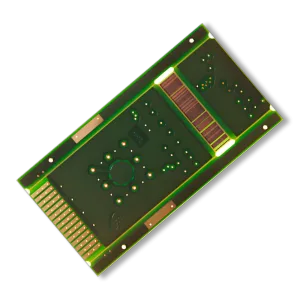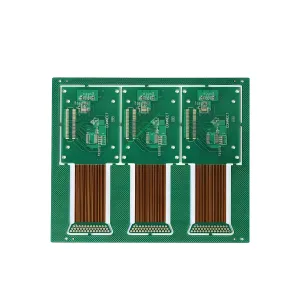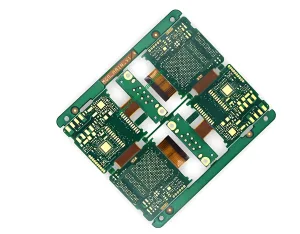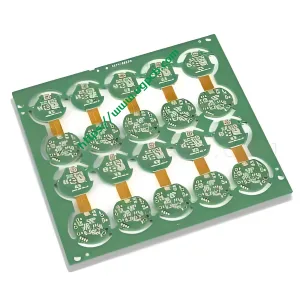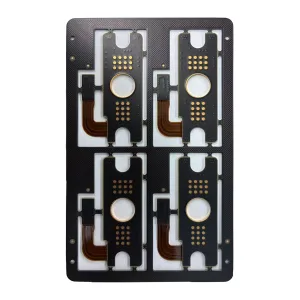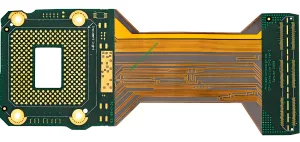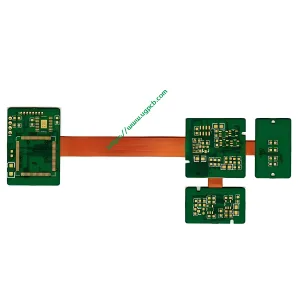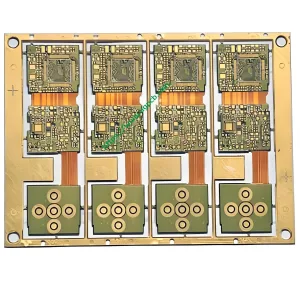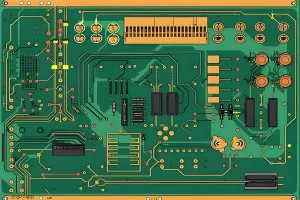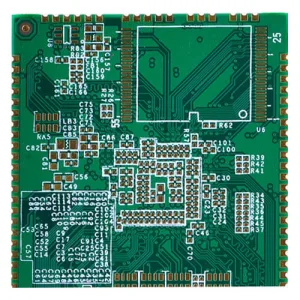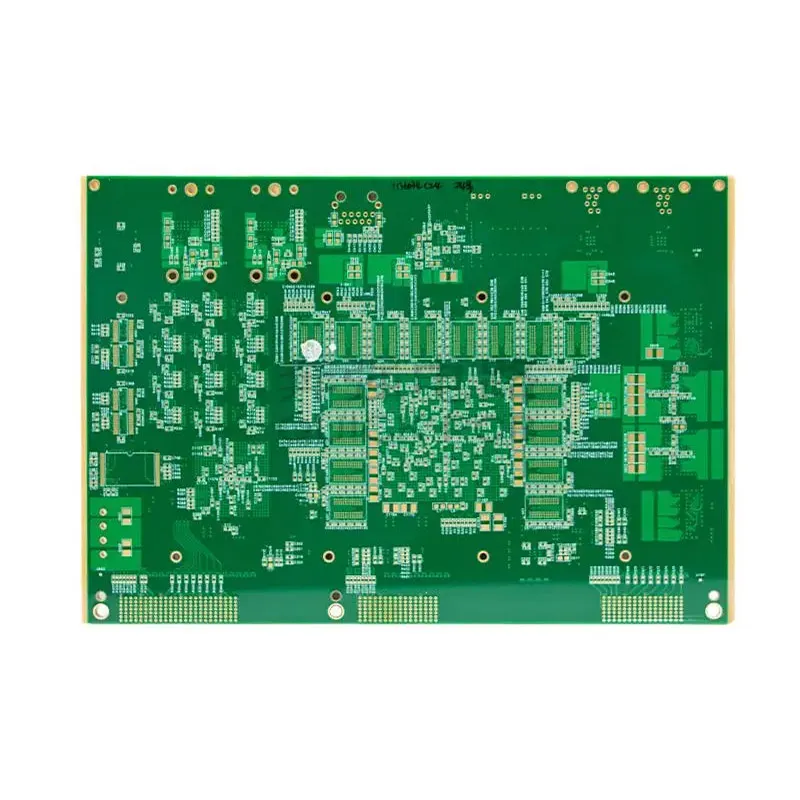
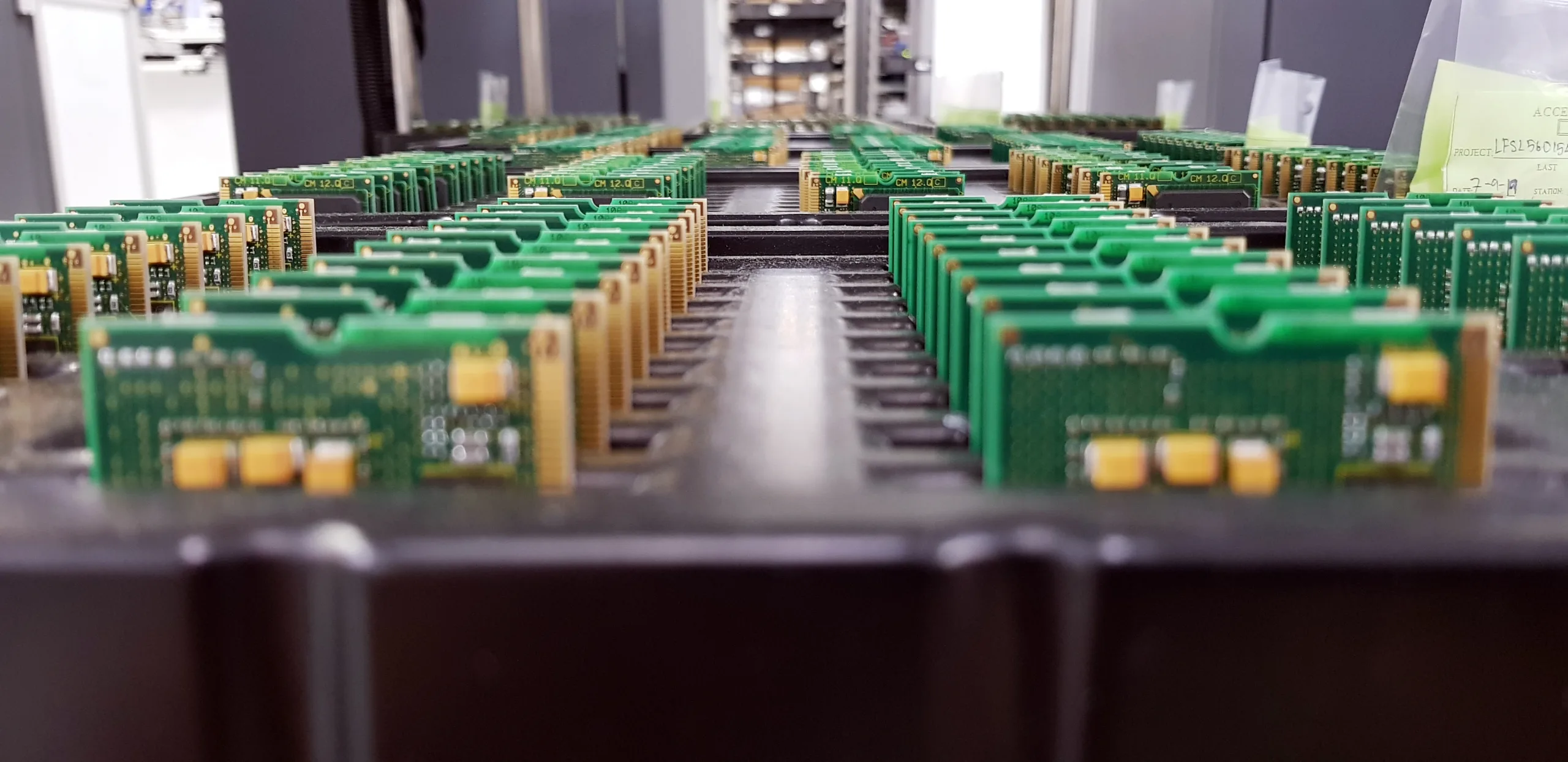
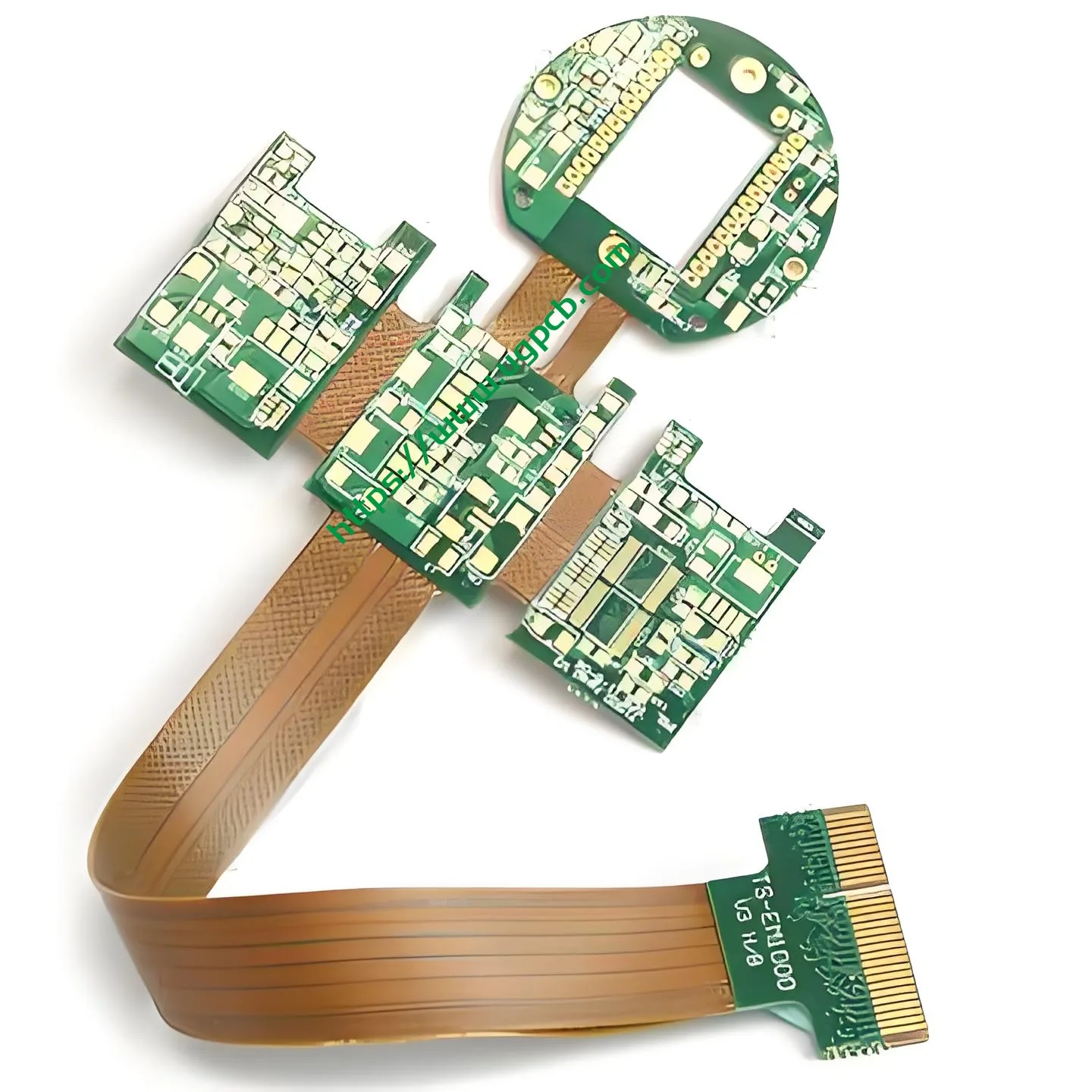
تم تصميم لوحة PCB الصلبة المرنة عالية الدقة المكونة من 6 طبقات لمساعدي الصحة الأذكياء, الأجهزة الطبية القابلة للارتداء, وأجهزة مراقبة المرضى المحمولة. يدمج UGPCB™ بين FR-4 الصلب والبوليميد المرن (باي) في وحدة واحدة قوية. يزيل هذا التصميم الموصلات والكابلات الداخلية. فهو يقلل من نقاط الفشل ويعزز استقرار النظام.
نظرة عامة على المنتج
ينتمي UGPCB Smart Health Assistant Rigid-Flex PCB إلى IPC 6013 يكتب 4 (لوح مرن متعدد الطبقات مع فتحات مطلية). تستخدم الطبقة الصلبة نسيج زجاجي إيبوكسي FR-4. تستخدم الطبقة المرنة مادة البوليميد (باي). يوفر هذا المزيج موثوقية عالية, ملف تعريف رفيع, والتكامل ثلاثي الأبعاد.
تظهر بيانات السوق الوصول إلى سوق الأجهزة الصحية الذكية القابلة للارتداء العالمي $28.6 مليار في 2025. ضرب السوق الصينية وحدها $4.53 مليار. ينمو سوق ثنائي الفينيل متعدد الكلور الطبي في الصين بمعدل 5.2% معدل نمو سنوي مركب, في المرتبة الثانية بعد الفضاء الجوي. في هذا المجال سريع النمو, أصبحت مركبات ثنائي الفينيل متعدد الكلور الصلبة المرنة عالية الدقة هي الحل الأساسي للتوصيل البيني للأجهزة الصحية الذكية.
يوفر UGPCB الدعم الكامل للخدمات: تصميم ثنائي الفينيل متعدد الكلور, النماذج الأولية, وحجم الإنتاج. نحن نساعد في تقصير دورة تطوير المنتج الخاص بك, انخفاض تكاليف التصنيع, وتحسين الموثوقية.
التصنيف العلمي & تعريف
تعريف: أ صلوحة الدوائر المطبوعة igid-flex (ويسمى أيضا ثنائي الفينيل متعدد الكلور جامد المرن أو فبكب) يجمع بين ركائز صلبة ومرنة في هيكل واحد. تحتوي على منطقة صلبة واحدة أو أكثر (للمكونات والدعم الميكانيكي) وواحدة أو مناطق مرنة (للثني والطي في الأجهزة المدمجة).
تصنيف IPC: نوع IPC-6013 4 – لوحة مرنة صلبة متعددة الطبقات مع أقسام صلبة متعددة الطبقات ومرنة متعددة الطبقات.
| المعلمة | وصف |
|---|---|
| نوع إي بي سي | IPC 6013 يكتب 4, مع PTH |
| الصف الطبي | الفئة 2/الطبقة 3, ايزو 13485 متوافق |
| استخدام المنطقة المرنة | الانحناء الساكن (تشكلت مرة واحدة أثناء التجميع) |
| طبقة المكدس | 6-طبقة هجينة: 6 الترابط في جامدة + متعدد الطبقات في المرن |
| الانتهاء من السطح | أوافق على IPC-4552 (الذهب 0.025 – 0.125 ميكرومتر, النيكل 3-6 ميكرومتر) |
المعلمات الأساسية & مواد
| المعلمة | مواصفة | معيار |
|---|---|---|
| نموذج | مساعد الصحة الذكي ثنائي الفينيل متعدد الكلور الصلب المرن | - |
| عدد الطبقة | 6 | نوع IPC-6013 4 |
| مادة صلبة | فر-4 (نسيج زجاج الايبوكسي) | IPC-4101 فئة B/L |
| مادة مرنة | بوليميد (باي) | IPC-6013D |
| سمك جامد | 0.8مم | - |
| سمك المرن | 0.2مم | - |
| سمك النحاس | 0.025مم (تقريبا. 0.7 أونصة/قدم²) | - |
| الانتهاء من السطح | الغمر الذهب / يوافق | إيبك-4552 |
| مين تتبع/الفضاء | 0.1مم (4 ميل) | IPC-2221 |
| لون قناع اللحام | أخضر / أبيض (خياري) | - |
| طلب | المساعدين الصحيين الأذكياء, الأجهزة القابلة للارتداء, الشاشات المحمولة | - |
تفاصيل المواد:
-
فر-4 (جامد): صفح الايبوكسي المقوى بالزجاج. تيراغرام ≥130 درجة مئوية. CTE 12-16 جزء في المليون/درجة مئوية. قوة ميكانيكية ممتازة, المقاومة الكيميائية, والعزل (≥10¹²Ω عند 500 فولت تيار مستمر). إنها الركيزة الصلبة القياسية الصناعية لمركبات ثنائي الفينيل متعدد الكلور الطبية.
-
بوليميد (ثني): فيلم PI مع Tg >300درجة مئوية. يعمل من -55 درجة مئوية إلى +300 درجة مئوية. الحد الأدنى لنصف قطر الانحناء 0.1 مم. الحياة المرنة الديناميكية ≥50،000 دورة. يوفر PI ثباتًا حراريًا ومرونة متميزين.
-
نحاس (0.025مم / 0.7 أوقية): يوازن بين القدرة الحالية والنقش الدقيق. وفقا ل IPC-2221, أثر 0.1 ملم (الطبقة الخارجية, 10ارتفاع درجة الحرارة درجة مئوية) يحمل حوالي 100-150 مللي أمبير – وهو ما يكفي لمعظم إشارات الاستشعار الطبية.
مبدأ العمل
يعمل PCB الصلب المرن من خلال التوصيل البيني المنسق ونقل الإشارة بين المناطق الصلبة والمرنة.
منطقة صلبة: يتم تكديس ست طبقات نحاسية وتصفيحها على FR-4. مطلي من خلال الثقوب (PTH) توفير وصلات عمودية. أنت لحام أو جبل عناصر على السطح الصلب. وهذا يشكل نظام الدائرة الأساسية: متحكم (MCU), إدارة الطاقة إي سي (بميك), وحدة بلوتوث/واي فاي, إلخ. توفر المنطقة الصلبة دعمًا ميكانيكيًا ثابتًا للحام الموثوق.
منطقة مرنة: تحمل الركيزة بوليميد آثار إشارة قابلة للانحناء. غطاء يحمي الدوائر النحاسية. تنحني المنطقة المرنة, طيات, أو التقلبات لتوصيل أجهزة الاستشعار (معدل ضربات القلب, الأكسجين في الدم, مقياس التسارع). وهذا يسمح بتوجيه الإشارة ثلاثية الأبعاد. تظل المعاوقة مستمرة على طول المرن, ضمان نقل الإشارات الفسيولوجية عالية التردد بدون فقدان مثل تخطيط القلب وPPG.
إرشادات التصميم (IPC-2221 & إيبك-2223)
اتبع هذه القواعد الأساسية عند تصميم ثنائي الفينيل متعدد الكلور الخاص بمساعد الصحة الذكي الخاص بك:
-
تصميم المكدس: استخدم مكدسًا صلبًا مكونًا من 6 طبقات متماثل المرآة (على سبيل المثال, أعلى-GND-إشارة-قوة-GND-أسفل). إبقاء الاعوجاج أدناه 0.75%. للمنطقة المرنة, استخدم 2-4 طبقات كحد أقصى للحفاظ على مرونة الانحناء.
-
أثر/مساحة: الحد الأدنى 0.1 ملم (4 ميل) للإشارات القياسية لكل IPC-2221. للأزواج التفاضلية عالية السرعة (أنا²ج, SPI, RF), استخدم 0.15 مم لتحسين مطابقة المعاوقة.
-
توجيه منطقة الانحناء: استخدم الأقواس والمسارات ذات الزوايا - لا بزاوية 90 درجة أبدًا - لتجنب تركيز الضغط. للمرونة الديناميكية, يستخدم 0.5 أوقية النحاس (أرق من 0.7 أوقية) لتمديد الحياة المرنة.
-
التحكم في المعاوقة: التحكم في الإشارات عالية السرعة (≥1 جيجا هرتز) إلى ± 10% التسامح. ضبط عرض التتبع وتباعد الطبقة. الهدف 50Ω أحادي الطرف أو 90/100Ω تفاضلي. لإشارات تخطيط القلب (تردد منخفض, مقاومة عالية), ضمان مقاومة الإدخال >10مΩ.
-
الإدارة الحرارية: الأجهزة الصحية الذكية مدمجة وكثيفة الحرارة. أضف صب النحاس أو المنافذ الحرارية أسفل وحدات الطاقة - مساحة النحاس لا تقل عن 1.5x مساحة المكون. احتفظ بالمكونات الساخنة على بعد 5 مم على الأقل من مستشعرات درجة الحرارة لتجنب التداخل الحراري.
يقدم UGPCB مراجعة مجانية لسوق دبي المالي. نحن نتحقق من تصميمك الصلب المرن مقابل معايير IPC وقابلية التصنيع. [أرسل ملفات التصميم الخاصة بك للمراجعة المجانية →]
بناء & عناصر
يحتوي PCB الصلب المرن المساعد الصحي الذكي على ثلاثة أجزاء أساسية:
-
منطقة صلبة (6-طبقة FR-4, 0.8مم المجموع): يحمل مكونات كبيرة: MCU, وحدة بلوتوث/واي فاي, بميك, موصل البطارية. يتم إرفاق المكونات عبر SMT.
-
منطقة مرنة (0.2ملم بوليميد): يربط المناطق الصلبة بأجهزة الاستشعار. الانحناءات والطيات للتجميع ثلاثي الأبعاد. Coverlay يحمي آثار النحاس.
-
المنطقة الانتقالية (واجهة جامدة مرنة): روابط عدم التدفق المسبقة FR-4 وطبقات PI طبقة بعد طبقة. التسامح المحاذاة الحرجة: ± ± 0.05 مم.
أداء & الامتثال للمعايير
| معيار | وصف | متطلبات المفتاح |
|---|---|---|
| IPC-2221 | تصميم ثنائي الفينيل متعدد الكلور عام | الحد الأدنى للتتبع / المساحة ≥0.1 مم, مقاومة العزل ≥10¹²Ω |
| نوع IPC-6013 4 | مؤهل مرن / جامد مرن | قوة التقشير ≥0.6N/mm, المرن الديناميكي ≥50،000 دورة |
| إيبك-4552 | مواصفات إنيج | الذهب 0.05-0.23 ميكرومتر, النيكل 3-6 ميكرومتر |
| IPC-6012 | تأهيل ثنائي الفينيل متعدد الكلور جامد | تتبع التسامح ± 0.03 مم, انحراف موضع الثقب .050.05 مم |
| J-الأمراض المنقولة جنسيا-003ج | اختبار قابلية اللحام | 288حمام لحام بدرجة مئوية 10 ثواني, لا التصفيح أو تقرحات |
| ايزو 13485 | إدارة الجودة الطبية | التحكم في العمليات لمركبات ثنائي الفينيل متعدد الكلور من الدرجة الطبية |
| أول 94 V-0 | تصنيف القابلية للاشتعال | المادة الأساسية FR-4 – أعلى V-0 تصنيف |
القدرة الحالية (مرجع IPC-2221): بعرض 0.2 ملم, 0.025مم (0.7 أوقية) تتبع الطبقة الخارجية عند 25 درجة مئوية مع ارتفاع 10 درجات مئوية, القدرة حوالي 0.25-0.3A (تجريبي). التصميم مع 30% الهامش - الهدف 0.2 أمبير أقصى تيار تشغيل.
الانتهاء من السطح: يوافق (الغمر الذهب)
يستخدم UGPCB ENIG وفقًا لـ IPC-4552.
-
سمك الذهب: 0.025-0.125 ميكرومتر (1– 5 ميكروبوصة). نحن نقفل عند 0.05 ميكرومتر - مما يضمن قابلية اللحام, مقاومة الأكسدة, ومقاومة اتصال منخفضة.
-
سمك النيكل: 3-6 ميكرومتر (118-236 ميكروبوصة). يمنع حاجز الانتشار هذا تكوين المعادن الهشة بين النحاس والذهب.
-
فائدة رئيسية: التسطيح ممتازة (± 15 ميكرومتر). مثالية للحزم ذات الدرجة الدقيقة (بغا, CSP) وربط أسلاك الألمنيوم.
يقاوم ENIG التآكل الناتج عن العرق, هلام الكحول, والمخلفات البيولوجية. لقد اجتاز اختبار رش الملح لمدة 72 ساعة دون أي صدأ.
تدفق عملية التصنيع
-
قطع المواد المرنة PI → 2. الحفر من خلال الثقوب & تنظيف البلازما → 3. النحاس غير الكهربائي / هرمون الغدة الجار درقية → 4. نمط الدائرة (فيلم جاف/حفر) → 5. تفتيش الهيئة → 6. صفح (فر-4 + باي) → 7. الحفر الثانوي (منطقة جامدة) → 8. دائرة الطبقة الخارجية → 9. قناع اللحام (أخضر/أبيض) → 10. تشطيب سطح ENIG → 11. التوجيه / قطع على شكل حرف V / ديبانيل → 12. اختبار كهربائي (مسبار الطيران/تركيبات) → 13. مراقبة الجودة النهائية → حزمة فراغ
سمات & المزايا
-
3التكامل D يوفر المساحة: منطقة مرنة تنحني وتطوى, تقليل حجم الجهاز بنسبة 30-50%. لا توجد موصلات أو كابلات من اللوحة إلى اللوحة.
-
موثوقية عالية: يؤدي عدد أقل من الموصلات ومفاصل اللحام إلى تقليل معدل فشل النظام بنسبة تزيد عن ذلك 60%. الحياة المرنة الديناميكية >50,000 دورات.
-
التصنيع الدقيق: الحد الأدنى للأثر/المساحة 0.1 مم (4 ميل). اختلال المحاذاة من طبقة إلى طبقة ± ± 0.05 مم. يفي بفئة IPC 3 معيار الموثوقية العالية.
-
تشطيب سطحي من الدرجة الطبية: تجتاز ENIG اختبارات رش الملح لمدة 72 ساعة واختبارات تقادم اللحام لضمان المتانة على المدى الطويل.
-
خدمة وقفة واحدة: نماذج أولية سريعة التحول خلال 3-7 أيام. حجم الإنتاج في 10-15 يوما. التتبع الكامل والاحتفاظ بالعينة.
سيناريوهات التطبيق (مساعد الصحة الذكي ثنائي الفينيل متعدد الكلور الصلب المرن)
-
الساعات الصحية الذكية (تخطيط كهربية القلب, ضغط الدم, مراقبة SpO₂)
-
أجهزة مراقبة الجلوكوز المستمرة (سغم)
-
بقع تخطيط القلب المحمولة / أجهزة مراقبة القلب
-
بقع درجة الحرارة الذكية / موازين الحرارة القابلة للارتداء
-
أجهزة إعادة التأهيل والتمريض الذكية
-
محطات الفحص الصحي متعددة المعلمات للاستخدام المنزلي
لماذا تختار UGPCB?
لقد انتهى UGPCB 10 سنوات من الخبرة في تصنيع ثنائي الفينيل متعدد الكلور الراقية. نحن نحمل ISO 9001, ايزو 13485, وشهادات UL. نحن نقدم خدمة العملية الكاملة: تصنيع ثنائي الفينيل متعدد الكلور, مصادر المكونات, تجميع سمت, و ثنائي الفينيل متعدد الكلور الاختبار الوظيفي.
هل يعاني جهاز المساعد الصحي الذكي الخاص بك من حدود المساحة؟, حياة مرنة قصيرة, أو فشل الموصل? اتصل بـ UGPCB للحصول على حل ثنائي الفينيل متعدد الكلور المرن والصلب المخصص.
📧 البريد الإلكتروني: sales@ugpcb.com
🌐 موقع الكتروني: www.ugpcb.com
📞 الخط الفني الساخن: +86 755-27211481
عند إرسال الاستفسار, يرجى تزويد فريقنا الهندسي: ملفات جربر / متطلبات تصميم ثنائي الفينيل متعدد الكلور / نوع الجهاز المساعد الصحي الذكي / الحجم السنوي المقدر.
للحصول على تقرير تحليل سوق دبي المالي مجانًا, أرسل ملفات التصميم الخاصة بك بالبريد الإلكتروني. سوف يستجيب فريق UGPCB الهندسي في الداخل 24 ساعات مع نصائح تحسين العملية ومقترحات خفض التكلفة.
*(مصادر البيانات: IPC-2221, نوع IPC-6013 4, إيبك-4552; بيانات السوق من CSRankings, تشيان للاستشارات, تقرير السوق المستقبلي)*