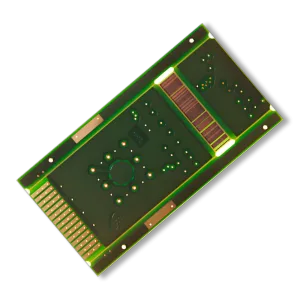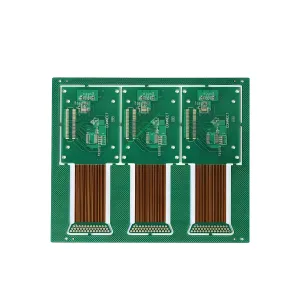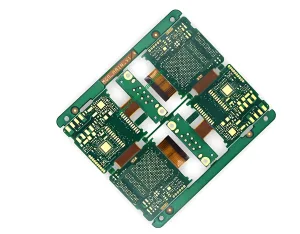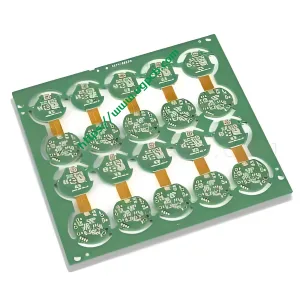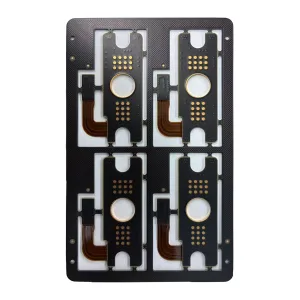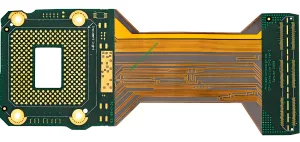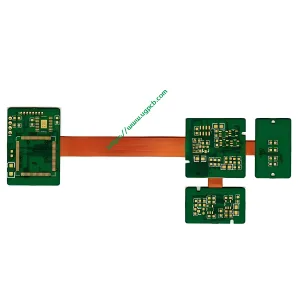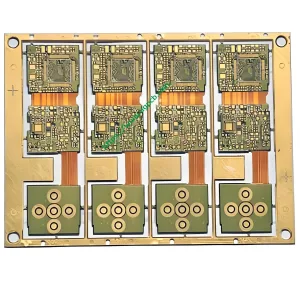
في مشهد الإلكترونيات سريع الخطى اليوم, الطلب على المدمجة, خفيفة الوزن, وحلول التوصيل البيني الموثوقة للغاية لم تكن أكبر من أي وقت مضى. سواء كنت تقوم بتطوير أجهزة يمكن ارتداؤها, الأدوات الطبية, أو الأنظمة الرقمية المتقدمة, مركبات ثنائي الفينيل متعدد الكلور الصلبة المرنة هي التكنولوجيا الأساسية التي تسد الفجوة بين الاستقرار الصلب والمرونة الديناميكية. في UGPCB, نحن متخصصون في تقديم التصميمات الهندسية الدقيقة النماذج الأولية لثنائي الفينيل متعدد الكلور المرن التي تلبي متطلبات التصميم والأداء الأكثر صرامة. سيرشدك هذا الدليل عبر كل جانب من جوانب منتجنا المميز - أ 2+2+2 ثنائي الفينيل متعدد الكلور جامد المرن مصنوع من FR-4 والبوليميد - ويوضح لك سبب كونه الخيار الأمثل لرحلتك القادمة رقمي نموذج ثنائي الفينيل متعدد الكلور مشروع.
ما هو ثنائي الفينيل متعدد الكلور جامد فليكس (آر-FPCB)?
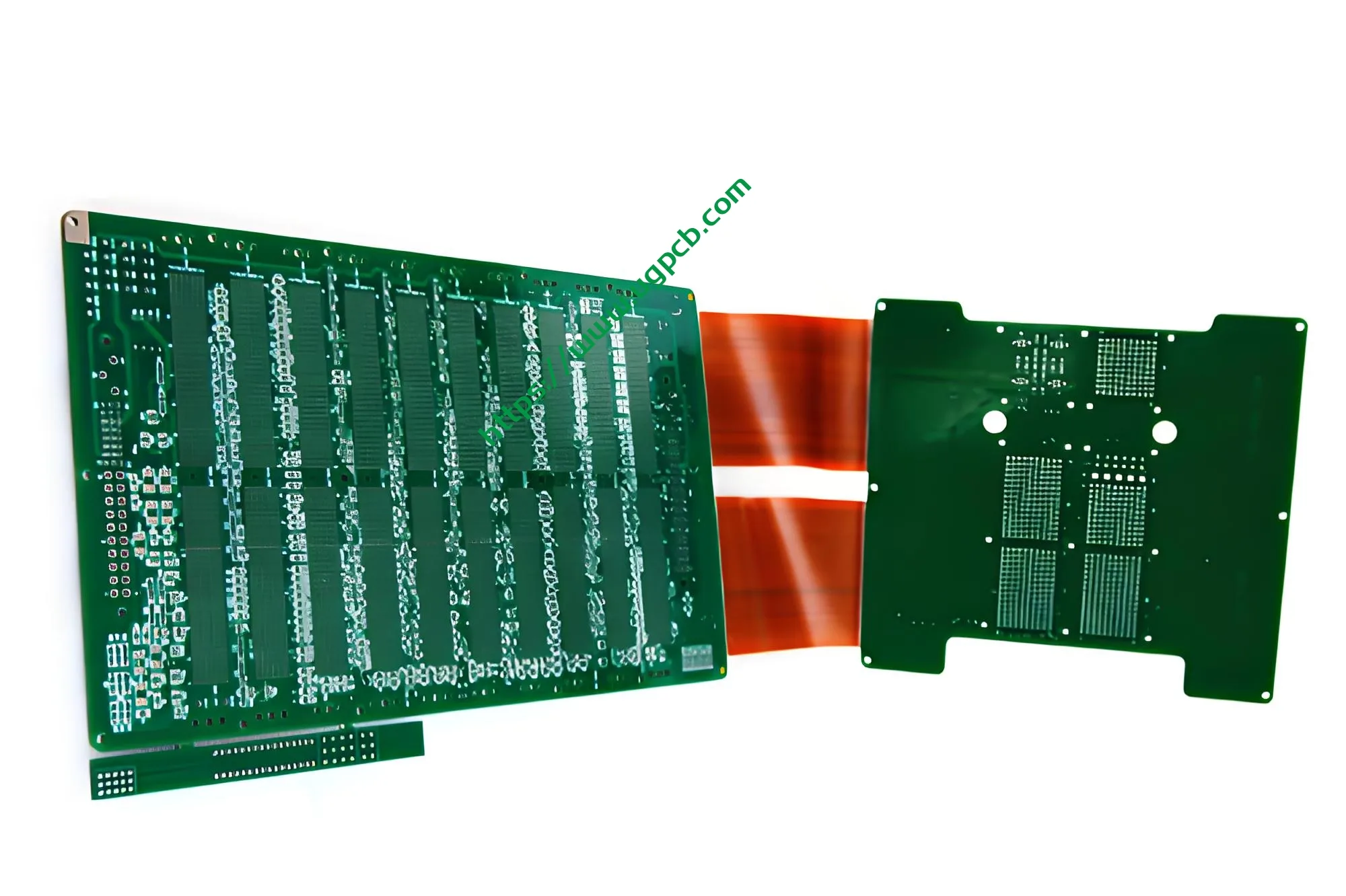
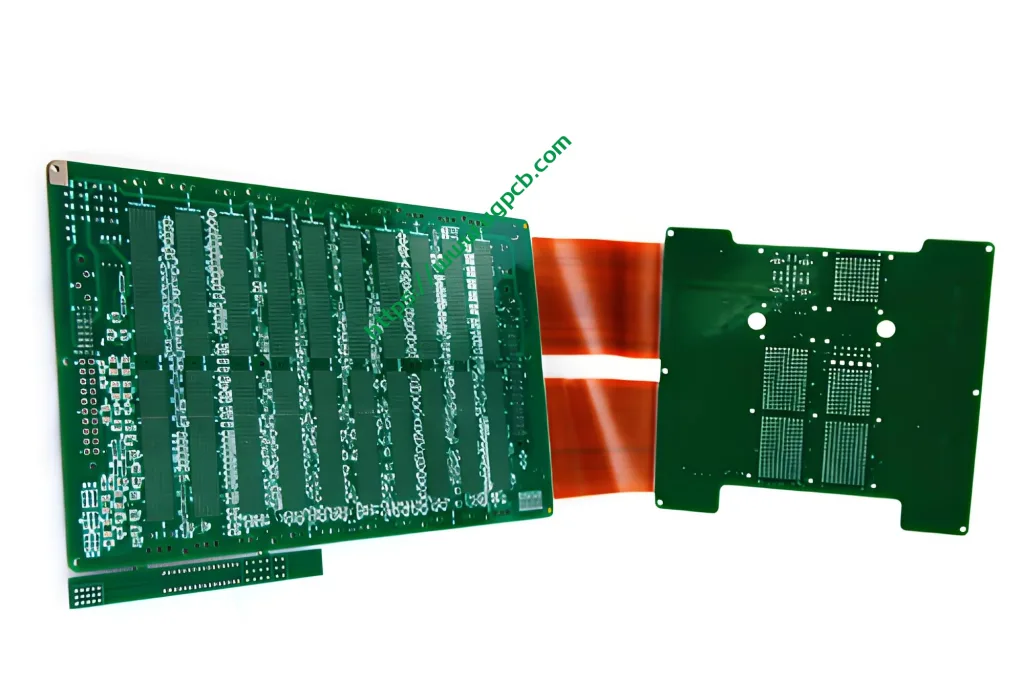
أ ثنائي الفينيل متعدد الكلور جامد المرن, غالبًا ما يتم اختصاره كـ R-FPCB, عبارة عن لوحة دوائر مطبوعة هجينة تجمع بين مواد الركيزة الصلبة والمرنة في هيكل واحد متكامل. على عكس الصلبة التقليدية مركبات ثنائي الفينيل متعدد الكلور التي تستخدم شرائح صلبة فقط, أو دوائر مرنة مستقلة, مركبات ثنائي الفينيل متعدد الكلور الصلبة المرنة السماح بالتغليف ثلاثي الأبعاد عن طريق إزالة الموصلات والكابلات الشريطية بين الأقسام الصلبة. يعزز هذا التكامل السلس سلامة الإشارة بشكل كبير, يقلل من تكاليف التجميع, ويحسن موثوقية الجهاز بشكل عام. يصف التعيين "2+2+2" تكديس الطبقة: طبقتين خارجيتين جامدتين, طبقتين داخليتين مرنتين, وطبقتين جامدتين إضافيتين مرتبطتين ببعضهما البعض, خلق 6 طبقة ثنائي الفينيل متعدد الكلور جامد المرن مناسب تمامًا للتطبيقات الرقمية حيث تكون المساحة والوزن في أعلى مستوياتها.
[اقتراح الصورة: رسم تخطيطي مقطعي لـ أ 2+2+2 يعرض ثنائي الفينيل متعدد الكلور المرن الصلب أقسام FR-4 الصلبة, طبقات بوليميد مرنة, ومطلي من خلال الثقوب.
نص بديل: المقطع العرضي ل 2+2+2 مجموعة PCB الصلبة المرنة مع طبقات صلبة FR-4 وطبقات PI مرنة]
نظرة عامة على المنتج: UGPCB 2+2+2 النموذج الأولي لثنائي الفينيل متعدد الكلور الصلب المرن
أن UGPCB, معيارنا نموذج ثنائي الفينيل متعدد الكلور جامد المرن تم تصميم العرض لتسريع دورة تطوير المنتج الخاص بك. المواصفات الرئيسية للبناء المميز لدينا هي:
-
نموذج: ثنائي الفينيل متعدد الكلور جامد فليكس (آر-FPCB)
-
مادة: فر-4 (جامد) + PI – بوليميد (مرن)
-
هيكل الطبقة: 2+2+2 (6-طبقة البناء الصلبة المرنة)
-
لون قناع اللحام: أخضر / أبيض
-
سمك الانتهاء: 1.0 مم (منطقة جامدة) + 0.15 مم (منطقة مرنة)
-
سمك النحاس: 0.035 مم (1 أوقية) على جميع الطبقات
-
المعالجة السطحية: الغمر الذهب (يوافق)
-
الحد الأدنى لعرض الخط / مسافة: 0.1 مم / 0.1 مم
-
طلب: تصنيع نموذج أولي رقمي لثنائي الفينيل متعدد الكلور
تم تحسين هذا التكوين للدوائر الرقمية عالية الكثافة التي تتطلب الانحناء الميكانيكي ومناطق تركيب المكونات الصلبة.
كيف يعمل ثنائي الفينيل متعدد الكلور الصلب المرن
مبدأ التشغيل أ ثنائي الفينيل متعدد الكلور جامد المرن يستفيد من الخصائص المادية الفريدة لمكوناته. طبقات جامدة, عادة ما تكون مصنوعة من فر-4 صفح زجاج الايبوكسي, توفير الدعم الهيكلي ومنصة مستقرة للمكونات المثبتة على السطح والمكونات عبر الفتحات. طبقات مرنة, شيدت من بوليميد (باي) فيلم, تعمل بمثابة "مفصلات" متكاملة يمكن ثنيها ديناميكيًا أو طيها بشكل ثابت لتناسب العبوات المدمجة. كهربائيا, ترتبط الطبقات ببعضها البعض من خلال ثقوب مطلية ومنافذ مدفونة, تشكيل المستمر ثنائي الفينيل متعدد الكلور الدائرة. عن طريق التخلص من الموصلات من لوحة إلى لوحة, ال ثنائي الفينيل متعدد الكلور جامد المرن يقلل من توهين الإشارة وانعكاسها, وهو أمر بالغ الأهمية في التطبيقات الرقمية عالية السرعة. عندما ينحني القسم المرن, تتحمل ركيزة البوليميد الضغط بشكل أفضل بكثير من FR-4, بشرط أن يحترم نصف قطر الانحناء الحدود الميكانيكية للمادة.
أساسيات التصميم ل 2+2+2 مركبات ثنائي الفينيل متعدد الكلور الصلبة المرنة
تصميم أ 2+2+2 ثنائي الفينيل متعدد الكلور جامد المرن يتطلب فهمًا عميقًا للقيود الميكانيكية والكهربائية. مفتاح تصميم ثنائي الفينيل متعدد الكلور جامد المرن تشمل الاعتبارات:
-
حساب نصف القطر بيند: وفقا ل IPC-2223, للتطبيقات المرنة الديناميكية, يجب أن يكون الحد الأدنى لنصف قطر الانحناء على الأقل 10 مرات سمك الدائرة المرنة. مع لدينا 0.15 ملم طبقة مرنة, الحد الأدنى الموصى به لنصف قطر الانحناء هو 1.5 مم.
-
تتبع التوجيه في مناطق الانحناء: يجب أن تتم محاذاة الخطوط والمسافات بشكل عمودي على محور الانحناء لتجنب تشقق النحاس. ملكنا 0.1 تتيح إمكانية التتبع/المساحة مم توجيهًا كثيفًا مع الحفاظ على الموثوقية.
-
المقطع العرضي للطبقة: يجب تصميم منطقة الانتقال من الحالة الصلبة إلى المنطقة المرنة بعناية لتجنب تركزات الإجهاد. يتم استخدام التصميم على طراز مجلد الكتب لتحرير الطبقات المرنة تدريجيًا من الكومة الصلبة.
-
عن طريق التنسيب: لا ينبغي وضع أي فيا مطلي داخل منطقة الانحناء, لأنهم عرضة للفشل التعب. تعمل الفتحات العمياء والمدفونة في المقاطع الصلبة على تحسين التصميمات عبر اللوحة للحصول على كثافة عالية ثنائي الفينيل متعدد الكلور.
من خلال معالجة هذه المبادئ التوجيهية لتصميم PCB جامدة, يمكن لـ UGPCB تحويل مخططك التخطيطي إلى مخطط قوي النموذج الرقمي الجامد المرن الذي يؤدي لا تشوبه شائبة.
التطبيقات وحالات الاستخدام
تعدد الاستخدامات أ 2+2+2 ثنائي الفينيل متعدد الكلور جامد المرن يجعلها مثالية لمجموعة واسعة من أنظمة الإشارات الرقمية والمختلطة. شائع تطبيقات ثنائي الفينيل متعدد الكلور جامدة المرن يشمل:
-
الالكترونيات القابلة للارتداء: الساعات الذكية, أجهزة تتبع اللياقة البدنية, والبقع الطبية حيث يجب أن تتوافق اللوحة مع ملامح الجسم.
-
الأجهزة الطبية: التشخيص القابل للزرع, معينات السمع, وأنظمة التصوير بالمنظار التي تتطلب دورات تعقيم متكررة وموثوقية عالية.
-
أجهزة استشعار إنترنت الأشياء الصناعية: عقد استشعار مدمجة يجب أن تتناسب مع العلب الصغيرة وتتحمل الاهتزاز.
-
الطيران والدفاع: الكترونيات الطيران, أنظمة الأقمار الصناعية, وتستفيد إلكترونيات توجيه الصواريخ من تقليل الوزن ومقاومة الصدمات العالية.
-
المنتجات الرقمية الاستهلاكية: الهواتف الذكية القابلة للطي, الكاميرات, وأجهزة الألعاب المحمولة التي تعتمد عليها ثنائي الفينيل متعدد الكلور جامد المرن تكنولوجيا التصغير.
في الرقمية النماذج الأولية لثنائي الفينيل متعدد الكلور, تعمل القدرة على اختبار وظائف النظام بالكامل باستخدام المرن المتكامل على التخلص من المتغيرات التي تقدمها الموصلات, تمكين التحقق بشكل أسرع من سلامة الإشارة وتوزيع الطاقة.
تصنيف مركبات ثنائي الفينيل متعدد الكلور الصلبة المرنة
لوضع منتجنا بشكل صحيح ضمن معايير الصناعة, يتم تصنيف الألواح الصلبة المرنة وفقًا لـ IPC-6013 بناءً على البناء والاستخدام النهائي المقصود:
-
يكتب 1: ثنائي الفينيل متعدد الكلور المرن من جانب واحد
-
يكتب 2: ثنائي الفينيل متعدد الكلور المرن على الوجهين مع فتحات مطلية
-
يكتب 3: متعدد الطبقات مرنة ثنائي الفينيل متعدد الكلور
-
يكتب 4: ثنائي الفينيل متعدد الكلور جامد مرن متعدد الطبقات - ملكنا 2+2+2 التكوين يقع مباشرة في هذه الفئة, حيث يتم خلط الطبقات الصلبة والمرنة لتكوين لوحة دائرة متكاملة واحدة.
-
يكتب 5: متعدد الطبقات مرن أو جامد مرن مع أدوات تقوية صلبة
يكتب 4 هو الأكثر انتشارًا للتطبيقات الرقمية لأنه يسمح بالترابط المعقد عبر مجالات صلبة متعددة مع الحفاظ على اكتماله ثنائي الفينيل متعدد الكلور التوافق.
المواد وأدائها
في أ 2+2+2 ثنائي الفينيل متعدد الكلور جامد المرن, يؤثر اختيار المواد بشكل مباشر على الأداء وطول العمر.
-
فر-4 (صفح جامدة): مركب إيبوكسي/زجاجي مقاوم للهب يوفر ثباتًا ممتازًا للأبعاد, ثابت عازل (DK) ما يقرب من 4.2-4.6 في 1 ميغاهيرتز, ودرجة حرارة التحول الزجاجي (تيراغرام) عادة حوالي 135 درجة مئوية إلى 170 درجة مئوية. في بنياننا, يعتبر High-Tg FR-4 قياسيًا لتحمل درجات حرارة التجميع الخالية من الرصاص.
-
بوليميد (صفح مرن): يوفر فيلم البوليميد مقاومة حرارية متميزة (خدمة مستمرة تصل إلى 200 درجة مئوية), إطلاق الغازات منخفضة للغاية, وDK من حولها 3.5 في 1 ميغاهيرتز. تتحمل مرونتها الملايين من دورات الانحناء الديناميكية عند اتباع إرشادات نصف قطر الانحناء.
-
الغمر الذهب (يوافق) الانتهاء من السطح: يوفر الذهب الغمر بالنيكل غير الكهربائي مسطحًا, سطح قابل للحام بسمك نيكل نموذجي يتراوح بين 3-6 ميكرومتر وسمك ذهبي يتراوح بين 0.05-0.15 ميكرومتر. فهو يضمن مدة صلاحية ممتازة, القدرة على ربط الأسلاك, والمستوى المشترك الموحد للمكونات ذات الطبقة الدقيقة - وهو أمر بالغ الأهمية في الكثافة العالية ثنائي الفينيل متعدد الكلور حَشد.
الميزات والفوائد الرئيسية
UGPCB 2+2+2 نموذج ثنائي الفينيل متعدد الكلور جامد المرن يقدم مزايا مميزة مصممة خصيصًا للمصمم الرقمي:
-
التصغير الفائق: يجمع بين ست طبقات من التوصيل البيني في حزمة يمكن طيها في جزء صغير من المساحة المطلوبة بواسطة ألواح صلبة منفصلة وكابلات.
-
سلامة إشارة متفوقة: يتم الحفاظ على آثار المعاوقة الخاضعة للرقابة في جميع أنحاء ثنائي الفينيل متعدد الكلور دون انقطاع الموصل. ل 0.1 عرض التتبع مم, يمكن ضبط المعاوقة المميزة بدقة 50 أوم أو 100 Ω التفاضلية, ضروري للبروتوكولات الرقمية عالية السرعة مثل USB 3.0, ذاكرة DDR, و ميبي.
-
موثوقية عالية: سطح الذهب والنيكل يحمي النحاس من الأكسدة, ضمان وصلات لحام قوية. بعد فئة IPC-A-600 2 معايير القبول, تخضع لوحاتنا لتفتيش صارم.
-
نماذج أولية فعالة من حيث التكلفة: من خلال توفير بدوره سريع نموذج ثنائي الفينيل متعدد الكلور جامد المرن خدمات, نحن نمكن فرق التصميم من التكرار بسرعة قبل الالتزام بالإنتاج بكميات كبيرة.
-
التكامل السلس مع PCBA: اللوحة متوافقة تمامًا مع عمليات التجميع الآلية SMT. يسمح التسطيح والتشطيب السطحي بإنتاجية عالية عنصر التنسيب, تحويل الخاص بك ثنائي الفينيل متعدد الكلور إلى كاملة ثنائي الفينيل متعدد الكلور مع الحد الأدنى من إعادة صياغة.
عملية إنتاج ثنائي الفينيل متعدد الكلور جامد فليكس
تصنيع موثوق 2+2+2 ثنائي الفينيل متعدد الكلور جامد المرن يتطلب التحكم الدقيق في العملية. يتبع UGPCB تدفقًا مثبتًا:
-
تصوير الطبقة الداخلية & حفر: يتم تصوير كل من طبقات FR-4 الصلبة وطبقات البوليميد المرنة وحفرها لتشكيل أنماط الدوائر المطلوبة, الحفاظ على 0.1 مم عرض الخط التسامح.
-
التصفيح: يتم وضع الطبقات المرنة بين الطبقات الأولية غير المتدفقة والطبقات الخارجية الصلبة FR-4. تحت درجة حرارة عالية وضغط, المكدس مرتبط بشكل دائم. تعمل تقنية "تجليد الكتب" على إنشاء منطقة انتقالية تدريجية.
-
حفر & تصفيح: الحفر الميكانيكي أو بالليزر يخلق فيا. المعدنة المباشرة وطلاء النحاس كهربائيا بناء 0.035 مم (1 أوقية) سمك النحاس في جميع البراميل.
-
تصوير الطبقة الخارجية & حفر: الطبقات الصلبة الخارجية منقوشة, تحديد الوسادات والآثار.
-
تطبيق قناع اللحام: يتم تطبيق قناع اللحام الأخضر أو الأبيض وتصويره على المقاطع الصلبة, ترك المناطق المرنة مكشوفة.
-
الانتهاء من السطح: يتم ترسيب الذهب بالنيكل المغمور بالكهرباء, ضمان واجهة لحام مثالية.
-
التوجيه & القطع بالليزر: يتم توجيه الخطوط العريضة الصلبة, ويتم قطع المقاطع المرنة بدقة باستخدام أشعة الليزر فوق البنفسجية لمنع الإجهاد الميكانيكي.
-
الاختبار الكهربائي & الهيئة العربية للتصنيع: كل ثنائي الفينيل متعدد الكلور يكون 100% تم اختبار netlist وفحصها بصريًا لضمان عدم وجود فتحات أو شورتات.
لماذا تختار UGPCB للنموذج الأولي لثنائي الفينيل متعدد الكلور الرقمي الصلب المرن الخاص بك?
تخيل أنك تحمل دائرة مكونة من قطعة واحدة تحل محل ثلاث لوحات صلبة وحزامي أسلاك معقدين. هذه هي قوة أ 2+2+2 ثنائي الفينيل متعدد الكلور جامد المرن من UGPCB. يساعد فريق الدعم الهندسي لدينا في تصميم المكدس, حساب المعاوقة, والتحقق من صحة نصف قطر الانحناء للتأكد من أن النموذج الأولي الخاص بك يلبي معايير IEEE وIPC. نحن نقدم تجربة سلسة من الاقتباس إلى التسليم, مع التسعير الشفاف والشحن في الوقت المحدد.
جاهز لتحويل تصميمك الرقمي إلى واقع عالي الأداء? أرسل ملفات Gerber الخاصة بك اليوم عبر بوابتنا الإلكترونية لتلقي عرض أسعار فوري على جهازك نموذج ثنائي الفينيل متعدد الكلور جامد المرن. خبراؤنا على أهبة الاستعداد لمراجعة متطلباتك ومساعدتك على تجنب المخاطر الشائعة. انقر فوق الزر "احصل على عرض أسعار" الآن واتخذ الخطوة الأولى نحو ولاعة, أسرع, ومنتج أكثر موثوقية.