يحتاج المهندسون إلى تصميمات مدمجة واتصالات موثوقة للارتداء الذكي.
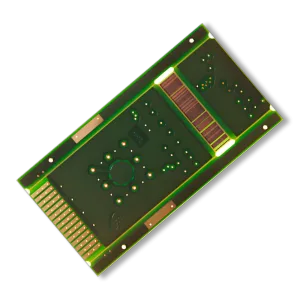
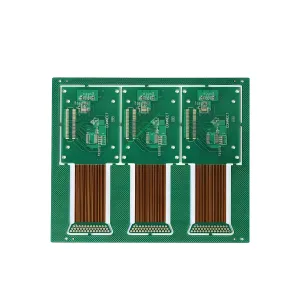
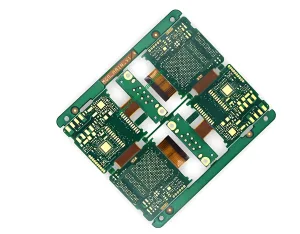
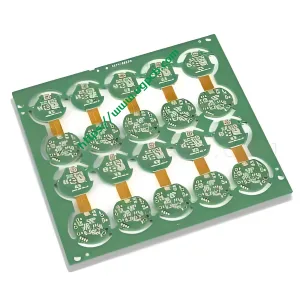
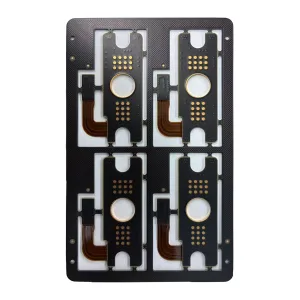
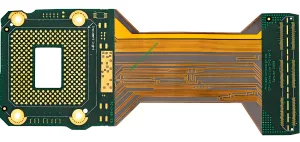
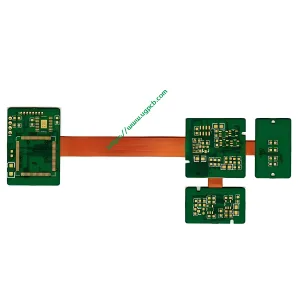
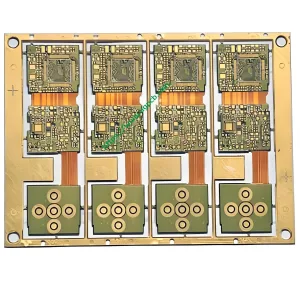
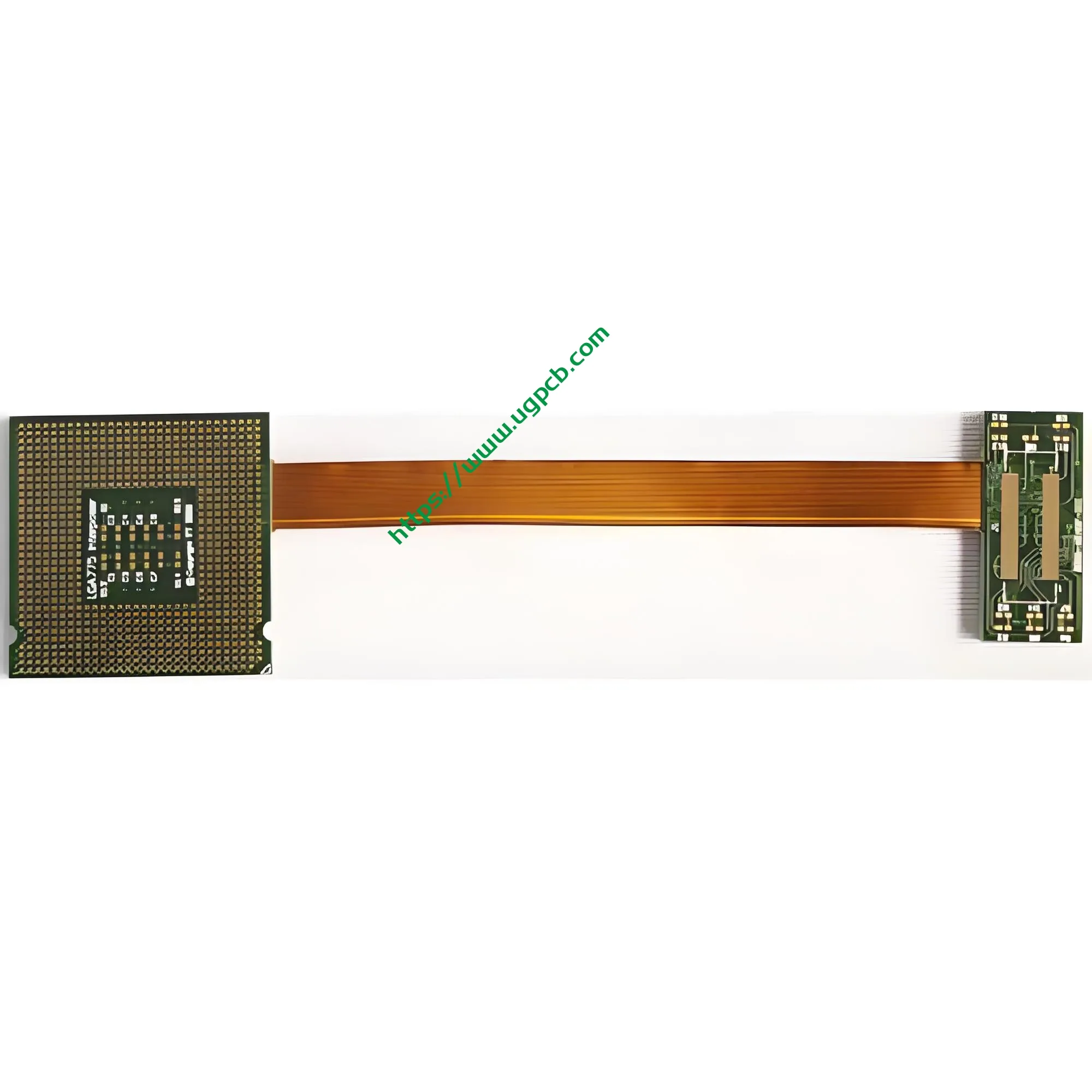
يقدم UGPCB الموديل 8L Smart Wear ثنائي الفينيل متعدد الكلور الصلب المرن (آر-FPCB). يجمع هذا المجلس 6 طبقات جامدة و 2 طبقات مرنة. إنه يحل تحديات الفضاء والانحناء في يمكن ارتداؤها مركبات ثنائي الفينيل متعدد الكلور.
1. ما هو ثنائي الفينيل متعدد الكلور الصلب المرن الذكي?
أ ثنائي الفينيل متعدد الكلور جامد المرن لديه كلا القسمين الجامدة (لمكونات اللحام) وأقسام مرنة (للتوصيل ثلاثي الأبعاد).
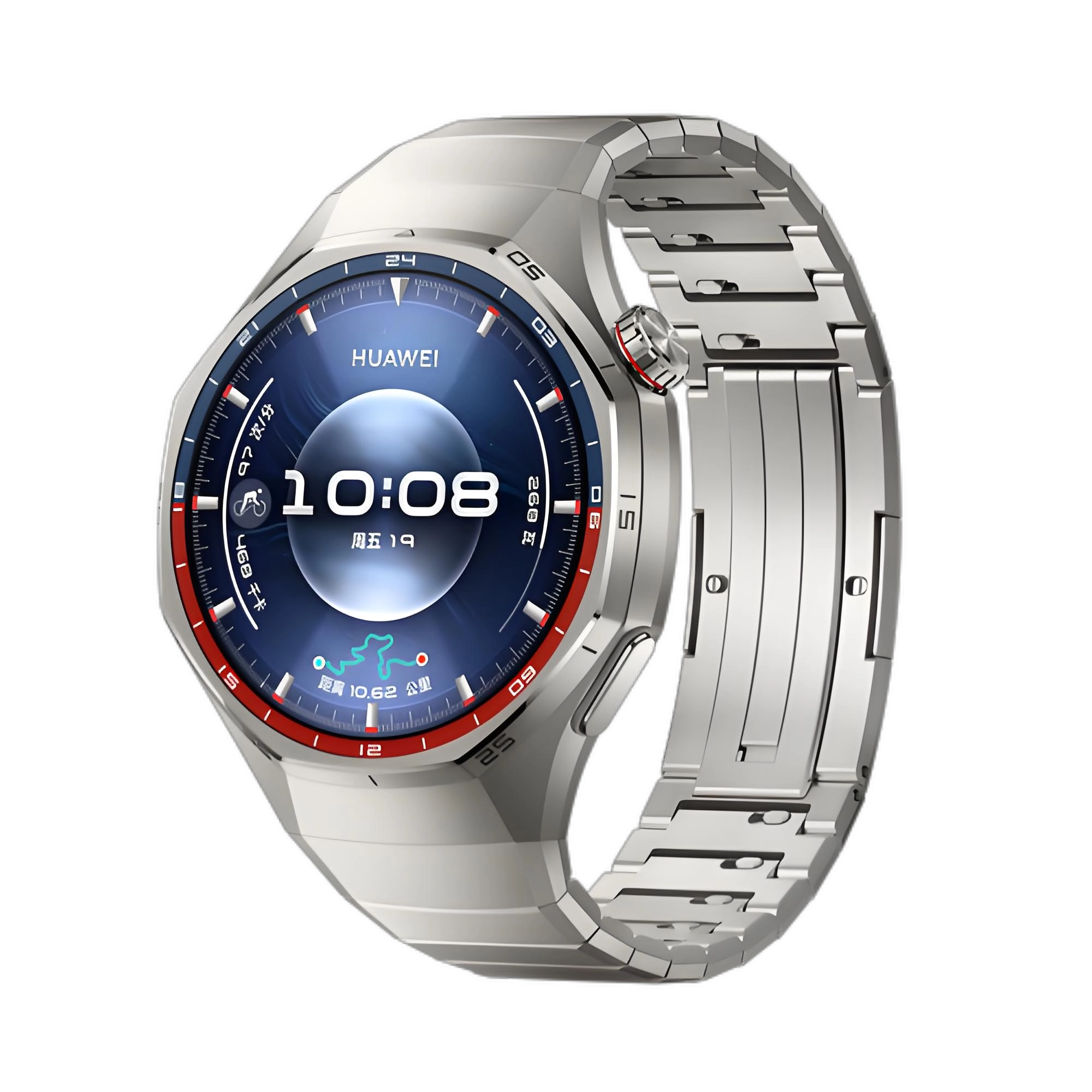
ملكنا 8إل سمارت وير R-FPCB يعمل بشكل مثالي للساعات الذكية, بقع صحية, ونظارات الواقع المعزز.
ال 6 طبقات صلبة تدعم الأسلاك عالية الكثافة. ال 2 تسمح الطبقات المرنة بالانحناء الحر.
يحل هذا التصميم محل الموصلات من لوحة إلى لوحة والكابلات المسطحة. إنه يزيل فشل الاتصال الشائع في الأجهزة الصغيرة. كما أنه يحسن مقاومة الصدمات عن طريق إزالة المفاصل الميكانيكية.
2. التصنيف العلمي
مرتكز على IPC-6013 (مواصفات التأهيل والأداء للوحات المطبوعة المرنة), هذا المنتج يندرج تحت:
-
يكتب: فصل 3 (موثوقية عالية – طبية/عسكرية/قابلة للارتداء) متعدد الطبقات جامدة فليكس.
-
بناء: غير متماثل (6 جامد + 2 ثني).
-
مستوى التطبيق: الأجهزة الاستهلاكية القابلة للارتداء ذات الموثوقية العالية.
3. مادة & كومة المتابعة: لماذا بي + FR4?
نختار المواد على أساس الخصائص الفيزيائية والاستقرار الحراري.
المنطقة الصلبة – FR4
نحن نستخدم تيراغرام 170 FR4 (ارتفاع درجة حرارة التحول الزجاجي). إنه يحافظ على توسع منخفض للمحور Z خلال دورات إعادة التدفق المتعددة. وهذا يضمن إنتاجية لحام BGA عالية.
المنطقة المرنة – بوليميد (باي)
نحن نستخدم فيلم بوليميد للطبقات المرنة. PI لديه ثابت عازل منخفض ودرجة حرارة عمل واسعة (-200درجة مئوية إلى +300 درجة مئوية). انها تسمح أكثر 100,000 دورات الانحناء دون تكسير. هذا أمر بالغ الأهمية ل مرن لوحات الدوائر المطبوعة في الأجهزة القابلة للارتداء.
البناء المكدس
الطبقات المرنة (L1/L2) تضمين داخل القسم الصلب. نحن نستخدم التصفيح المتدرج عند حدود الانتقال لنشر الضغط الميكانيكي.
قاعدة التصميم: لا تضع أبدًا فتحات في منطقة الانحناء. وهذا يمنع الشقوق الصغيرة من تركيز الإجهاد. يتبع تصميمنا قاعدة IPC-2223 بدقة.
4. الأداء الرئيسي & معلمات التصميم (متوافق مع IPC-2223)
يوضح الجدول أدناه المواصفات الهامة لـ 8L لوحة مرنة صلبة يمكن ارتداؤها.
| المعلمة | قيمة UGPCB 8L R-FPCB | انسايت التصميم |
|---|---|---|
| هيكل الطبقة | جامدة 6 لتر + فليكس 2 لتر | يحتاج المكدس غير المتماثل إلى تعويض خاص لتجنب الالتواء |
| سمك الانتهاء | 1.2مم (منطقة جامدة) | مُحسّن للتحكم في المعاوقة - يتوافق مع فئة IPC 2/3 |
| تتبع دقيقة / فضاء | 3ميل / 3ميل | مؤشر التنمية البشرية القدرة – تناسب التصميمات ذات الحواف الضيقة |
| الحد الأدنى للثقب الميكانيكي | 0.2مم | يزيد من كثافة التوجيه |
| سمك النحاس | 1 أوقية (داخلي & الخارجي) | يدعم تيارات الشحن العالية |
| الانتهاء من السطح | الغمر الذهب (يوافق) | 2 ميكروبوصة سمك الذهب |
5. لماذا تختار UGPCB لمشروع ثنائي الفينيل متعدد الكلور القابل للارتداء الخاص بك?
أ. لا مزيد من الكسر المرن
تنحني الأجهزة القابلة للارتداء بشكل متكرر (على سبيل المثال, مشاهدة الأشرطة). نحن نستخدم مادة أساسية غير لاصقة على المنطقة المرنة. نحن نطبق أيضا توجيه القوس بدلا من آثار 45 درجة.
البيانات من مختبرنا: يعمل توجيه القوس على تحسين توزيع ضغط النحاس عن طريق 40% مقارنة بالآثار الزاوية. هذا يزيل كسور التعب.
ب. غمر الذهب لمقاومة العرق
ننتهي من السطح ب يوافق (الغمر الذهب), 2 ميكروبوصة سميكة.
لماذا? يؤدي العرق والرطوبة إلى تآكل النحاس المكشوف. يوفر ENIG سطحًا مسطحًا (أفضل من OSP) ومقاومة ممتازة للتآكل. كما يدعم الاتصال المباشر للأزرار.
ج. سلامة إشارة قوية
ملابس ذكية لثنائي الفينيل متعدد الكلور بحاجة إلى إشارات Bluetooth وWi-Fi نظيفة. ملكنا 6 تشتمل الطبقات الصلبة على مستويات طاقة وأرضية مخصصة. توفر هذه مسار عودة كاملاً لإشارات التردد اللاسلكي. وهذا يقلل من التداخل الكهرومغناطيسي (emi) إلى الحد الأدنى.
6. عملية التصنيع & ضبط الجودة
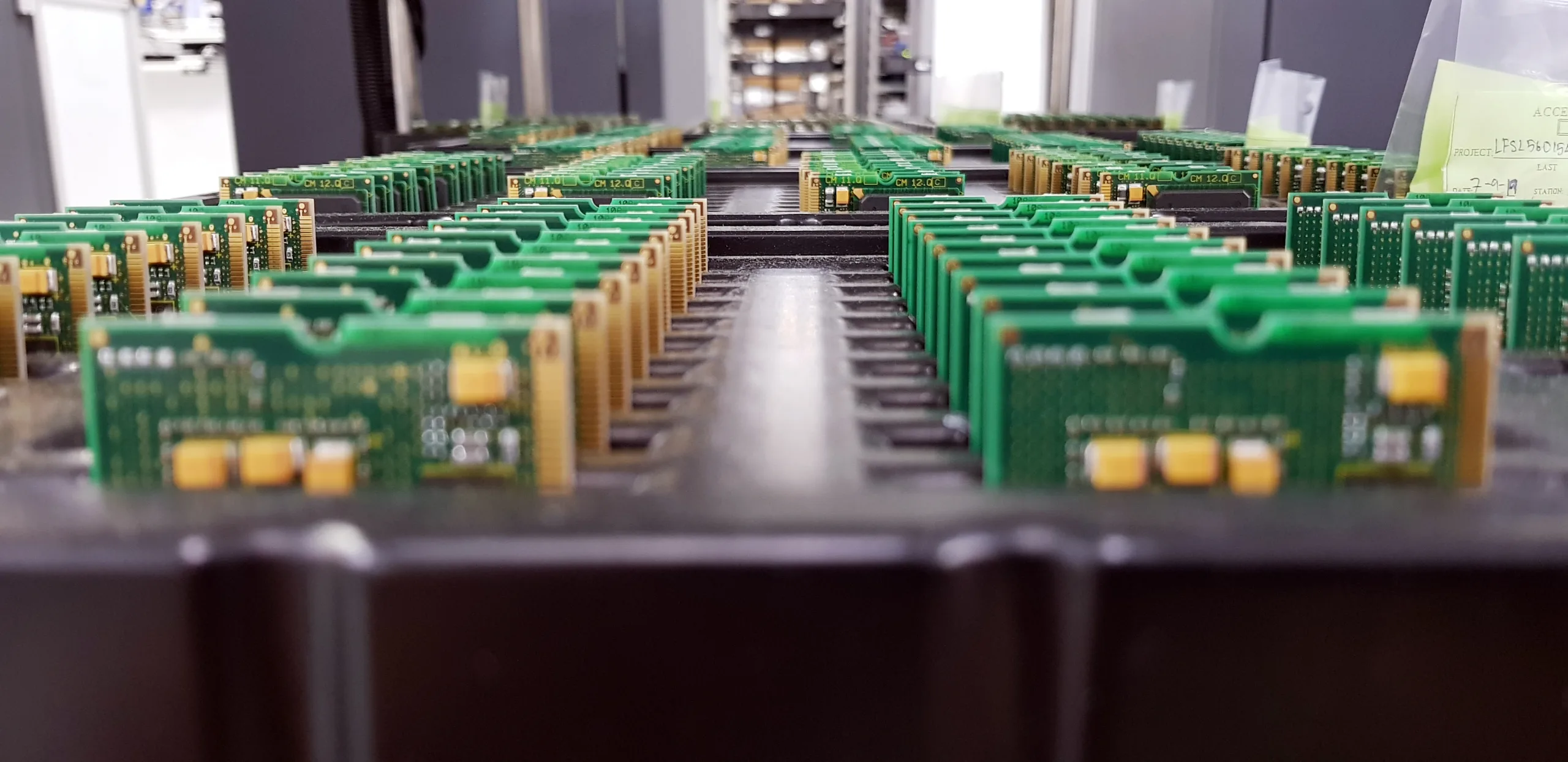
يستخدم UGPCB خطوطًا آلية لضمان إنتاجية عالية للمنتج 8L ثنائي الفينيل متعدد الكلور جامد المرن.
-
قطع المواد & حفر - ليزر الأشعة فوق البنفسجية تدريبات صغيرة 0.2 مم في فيلم PI.
-
إزالة تشويه & النحاس عديم الكهرباء – يعمل التنظيف بالبلازما على إزالة بقايا الراتنج من الثقوب.
-
نمذجة الدوائر - LDI (التصوير المباشر بالليزر) يخلق آثار 3 مل/3 مل بدقة.
-
التصفيح - يتحكم التقوية المنخفضة التدفق في نزيف الراتينج عند الوصلة المرنة الصلبة.
-
الانتهاء من السطح - رقابة كيميائية صارمة حتى على ترسيب ENIG.
7. التطبيقات: حيث يتفوق هذا ثنائي الفينيل متعدد الكلور الصلب المرن
هذا آر-FPCB يناسب الأجهزة التي تحتاج إلى الكثافة والانحناء:
-
الساعات الذكية & عصابات اللياقة البدنية – توصيل اللوحة الرئيسية بالأزرار الجانبية وأجهزة استشعار معدل ضربات القلب.
-
سماعات الأذن TWS - تتناسب مع السيقان المنحنية والمناطق المفصلية.
-
بقع المراقبة الطبية - نحيف للغاية, دوائر مرنة مطابقة للجلد.
-
النظارات الذكية – ربط الذراعين الأيسر والأيمن حول المفصلة.
 8. المعايير & بيانات الموثوقية
نحن نصمم ونختبر هذا ثنائي الفينيل متعدد الكلور يمكن ارتداؤها حسب المواصفات العالمية:
-
معيار التصميم: إيبك-2223 (تصميم لوحة مطبوعة مرنة)
-
اختبار الأداء: IPC-6013 (مؤهلات مجلس الإدارة المرنة)
-
التحقق من الموثوقية (مختبر UGPCB):
-
10 دورات إنحسر (الذروة 260 درجة مئوية) - لا التفريغ
-
1000 ساعات الحرارة الرطبة (85درجة مئوية / 85% ر.س) - لا تآكل
-
100,000 الانحناءات الديناميكية - لا يوجد أي أثر للكراك
-
9. احصل على عرض أسعار - ابدأ مشروعك القابل للارتداء اليوم
UGPCB تقدم النماذج الأولية والإنتاج الضخم. نحن نتفهم الجدول الزمني الخاص بك واحتياجات الجودة الخاصة بك ملابس ذكية لثنائي الفينيل متعدد الكلور.
أرسل لنا ملفات أو مخططات جربر الخاصة بك. سوف يقوم مهندسونا بالرد في الداخل 24 ساعات مع:
-
أ سوق دبي المالي (تصميم للتصنيع) تقرير
-
اقتباس تنافسي
[دعوة لاتخاذ إجراء: طلب اقتباس / اتصل بالمبيعات]