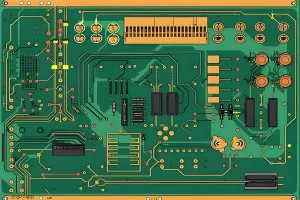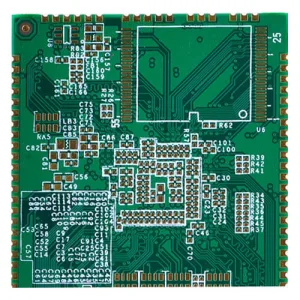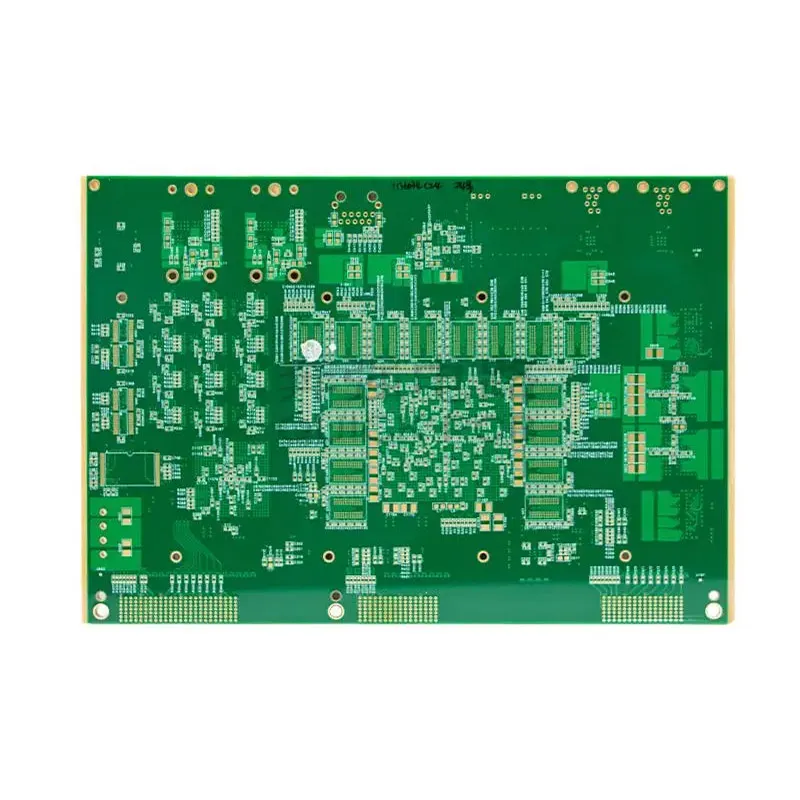
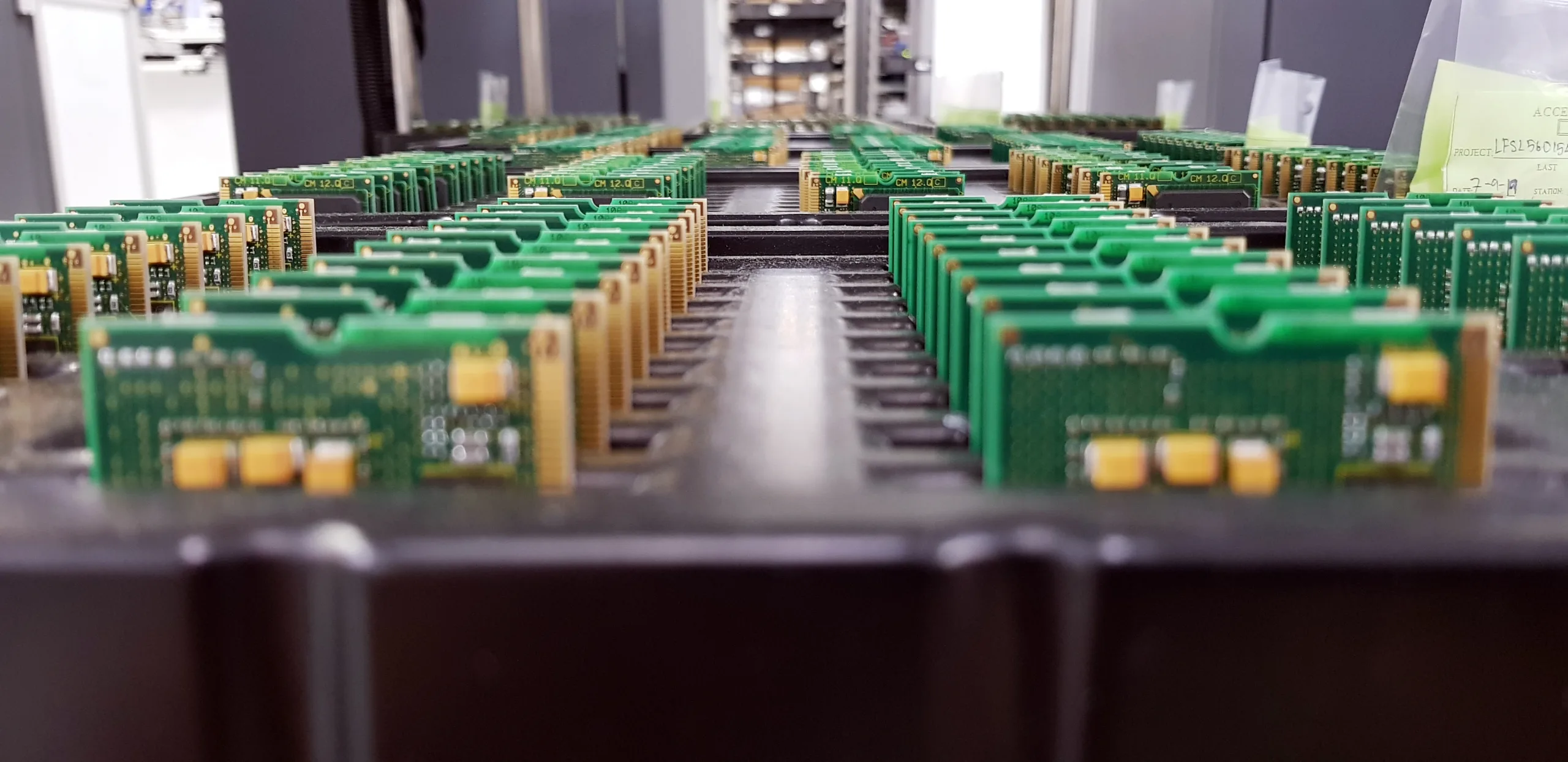
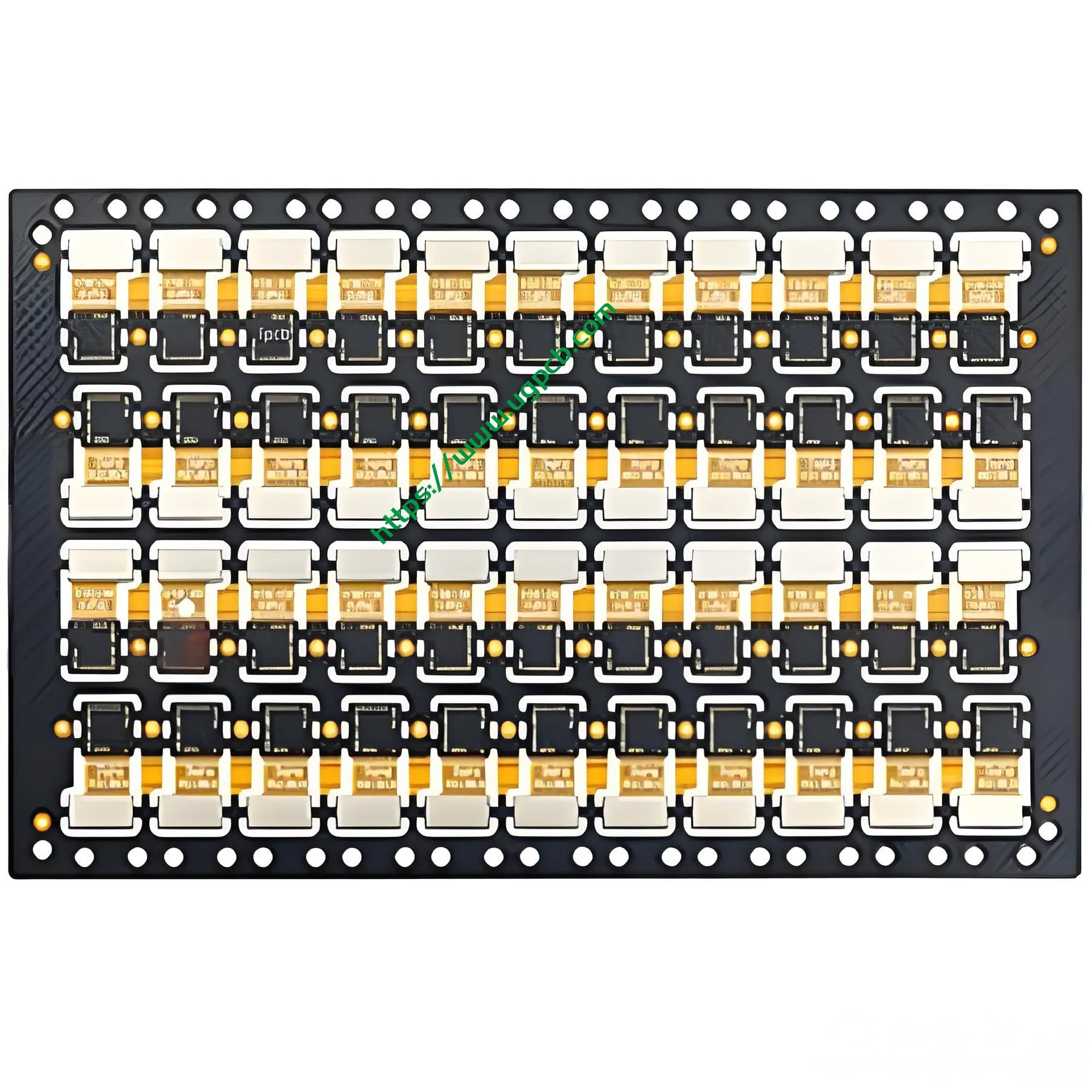
製品の概要: モバイルカメラモジュールのニューラルハブ
スマートフォンのカメラモジュールはますます複雑になり、マルチカメラ化されています。, 高いピクセル数, 潜望鏡ズーム. モジュール内のスペースが非常に狭くなる. 従来のソリューションでは、リジッド PCB に加えて、別個の FPC および BTB コネクタが使用されます。. このアプローチではスペースが無駄になり、信号損失や接触不良のリスクが生じます。.
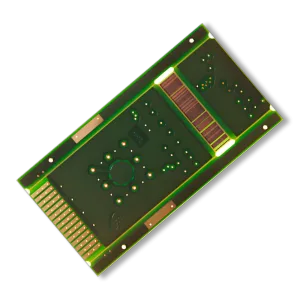
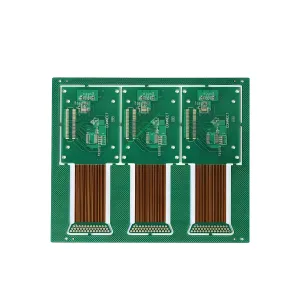
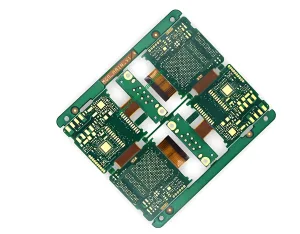
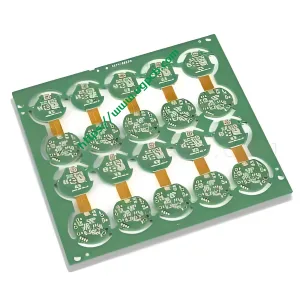
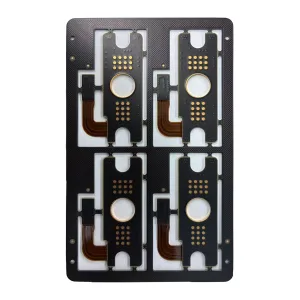
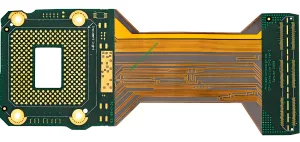
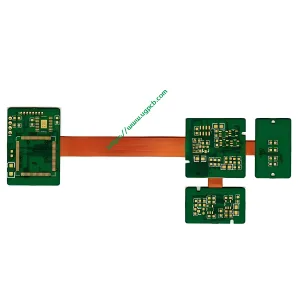
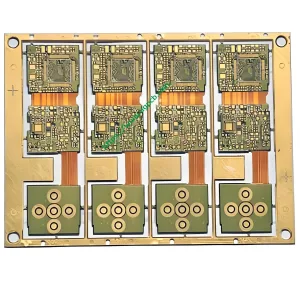
UGPCB はこれらの問題を解決します。 カメラ リジッドフレックス PCB. リジッド回路基板とフレキシブル回路基板を 1 つのシームレスな構造に統合します. このボードにはイメージセンサーが搭載されています, オートフォーカスドライバー, コネクタなしのOIS回路も可能.
真実として リジッドフレックスPCB, 当社の製品は、FR-4 の機械的強度とポリイミドの柔軟性を兼ね備えています。. UGPCB は長年にわたる PCB および PCBA の製造経験を活用して、精度を新たな限界まで押し上げます. 私たちの 最小線幅/スペースは0.05mm 合計の厚さはわずかです 0.3mm. これらの仕様は超薄型の要件を完全に満たしています。, 今日のモバイルカメラモジュールの高密度ニーズ.
分類 & 工事: IPC‑6013タイプ 4 精密な作り
科学的分類
当社は、UGPCB カメラのリジッドフレックス PCB を設計および製造しています。 IPC‑6013タイプ 4 – 多層リジッドフレックスプリント基板. IPC は 3 つの特徴によってリジッドフレックス基板を定義します: 硬くて柔軟な素材, 3層以上の導電層, メッキスルーホール (PTH). 当社の製品はこの3つをすべて満たしています.
IPC‑6012に準拠 (リジッドボード) および IPC-6013 (フレックスボード), リジッドフレックスボードは 3 つのカテゴリに分類されます: 硬い, フレキシブル, そして組み合わせた. 当社の製品は 3 番目のカテゴリに属します, 混合アセンブリ向けに設計.
多層構造
当社の 4 層から 6 層のスタックアップは次の構造を使用しています:
| 層 | 材料 | 厚さ / スペック | 関数 |
|---|---|---|---|
| リジッドゾーン | FR-4ガラスエポキシ | ≈0.2mm | CMOSセンサーを搭載, ドライバー IC – 機械的サポートを提供します |
| フレキシブルゾーン | ポリイミド (PI) | ≈0.1mm | カメラモジュール内での曲げを可能にし、ダイナミックフレックスをサポートします |
| 銅層 | 電解銅箔 | インナー 0.012 mm / アウター 0.025 mm | 高密度の信号ルーティングと電力分配 |
| 表面仕上げ | エネピック (ニッケル/パラジウム/金) | Ni 3~5μm / Pd 0.05~0.1μm / 0.03~0.05μmの場合 | はんだ付け性とアルミワイヤボンディング |
| はんだマスク | フォトイメージャブルインク | 黒か白か | 絶縁および光シールド |
リジッドゾーンは以下を使用します FR-4 – 古典的なリジッド PCB 材料. 高い機械的強度と優れた電気絶縁性を備えています。. フレキシブル ゾーンは次を使用します。 ポリイミド (PI) 膜. PI は CTE が低い (まで 10 ppm/°C), 優れた柔軟性, 耐熱性, および化学耐性. 繰り返しの曲げに対しても電気的性能を維持します。.
私たちが選ぶ 0.012 mm (≈1/3オンス) 内側の銅が曲げ応力を軽減. The 0.025 mm (≈2/3オンス) 外側の銅が衝撃強度を提供. フレキシブルエリア用, 銅の厚さは 12 ~ 18 μm 以内 – 屈曲寿命と電気的性能のバランスが取れていることが実証されています.
仕上がりの総厚みはたったの 0.3 mm. 一般的なリジッドフレックスボードの寸法は 0.5 ~ 0.8 mm. 当社の超薄型設計により、以下のコストを節約できます。 50% Z高さの, 携帯電話の設計者に貴重なスペースを与える.
作業原則: しっかりしたサポート + フレキシブルインターコネクト + シームレスな移行
当社のリジッドフレックス PCB は 3 つの原則に基づいて動作します。:
リジッドゾーンはスケルトンとして機能します – FR-4 は CMOS センサーをサポートします, オートフォーカスドライバー, および電源管理IC. これらのコンポーネントは硬い表面にはんだ付けされます, モジュールの脳と心臓を形成する.
フレキシブルゾーンはジョイントとして機能します – 極薄銅を使用したPIベース素材により、回路を切断することなく任意の角度で曲げることが可能. カメラモジュールは携帯電話本体に折りたたまれます – たとえば, メインボードから90°曲げてレンズ開口部に合わせます.
リジッドフレックス移行ゾーンによりシームレスな接続が可能 – 銅トレースは、積層中に剛性セクションと柔軟なセクションを直接接続します. コネクタなし, ジャンパー線はありません. これにより接触抵抗が解消されます, 信号の反射, そして機械的な緩み. IPC 規格では、遷移時の誘電率の変化がインピーダンスの変動を引き起こす可能性があることに注意しています. UGPCB は、正確なスタックアップ設計とインピーダンス調整により、この変動を許容範囲内に制御します。.
主な仕様
| パラメーター | 価値 | 技術的な洞察 |
|---|---|---|
| モデル | カメラ リジッドフレックス PCB | モバイルカメラモジュール専用 |
| 材料 | FR-4 + PI | FR-4 リジッド用, フレキシブルなPI |
| レイヤー数 | 4‑6層 | 多層リジッドフレックス構造 |
| ソルダーマスクの色 | 黒 / 白 | 光モジュールの要件に適合 |
| 仕上げた厚さ | 0.3 mm | 超薄型, モジュールスペースを節約します |
| 内側の銅の厚さ | 0.012 mm (≈1/3オンス) | 曲げ応力を軽減します |
| 外側の銅の厚さ | 0.025 mm (≈2/3オンス) | 機械的強度を提供します |
| 表面仕上げ | エネピック | ワイヤーボンディングやはんだ付けに対応 |
| 最小線幅 / 空間 | 0.05 mm (2 ミル / 2 ミル) | 高密度配線が可能 |
| 応用 | モバイルカメラモジュール | マルチカメラ, 潜望鏡, 折りたたみ式携帯電話 |
パフォーマンス上の利点: UGPCB が傑出した理由
1. 超細線対応 – 0.05 mm ライン/スペース
当社のカメラ リジッドフレックス PCB は次のことを実現します 0.05 mm (2 ミル) 最小の線幅とスペース. この精度は業界最高レベルです. 世界のリーダーが取り組んでいるのは、 40 μm線, しかしUGPCBはすでに量産している 50 μm線.
なぜこれが重要なのか? CMOSイメージセンサー (CIS) しばしば持っています 0.4 mmピンピッチ. 線を細くすると、狭い領域でより多くの信号を扇状に広げることができます, より高いピクセル数とより高速なフレームレートをサポート.
リジッドフレックス PCB のフレキシブル領域に配線する場合, 同じ曲げゾーン全体で線幅の偏差を ≤0.02 mm 以内に抑える必要があります. さもないと, 局所的な応力点が亀裂を引き起こす. UGPCB の精密なエッチングにより、基板全体の線幅公差が ±10% 以内に維持されます。, IPC-A-600 の許容要件に完全に準拠.
2. ENEPIG 表面仕上げ - 黒いパッドは不要
私たちが使用するのは エネピック (エレクトロレスニッケルエレクトロレスパラジウムイマージョンゴールド) 当社の表面仕上げとして. レイヤースタックは:
-
ニッケル (で): 3‑5 μm – 銅と上層の間の拡散バリア
-
パラジウム (PD): 0.05‑0.1 μm – ブラックパッドを止める重要なイノベーション
-
金 (au): 0.03‑0.05 μm – 酸化保護とはんだ付け性
パラジウム層が完全に除去します。 ブラックパッド 従来のENIGに共通する欠陥. パラジウムはニッケルの上に緻密な膜を形成します, 金浴によるニッケルの腐食を防ぐ. これにより、はんだ接合部の長期的な信頼性が保証されます。.
カメラモジュール用, ENEPIG にはもう 1 つの重要な利点があります: アルミワイヤーボンディングとはんだ付けの両方に対応. CMOSセンサーチップはアルミニウムワイヤーボンドを介して接続されています, 一方、コンデンサなどの受動部品ははんだ付けが必要です. ENEPIG は両方をサポートしています – リジッドフレックス PCB 向けの真のユニバーサル表面仕上げ.
3. 0.3 mm の超薄型設計 - 貴重なスペースを節約
スマートフォンの内部, 毎 0.1 ミリメートルカウント. 当社のリジッドフレックスボードはちょうどいい寸法です 0.3 mm 仕上がり厚さ (≈0.2 mm 剛性 + ≈0.1 mm フレックス). これを 0.8 ~ 1.6 mm の一般的なリジッド PCB と比較してください。, または、0.5 ~ 0.8 mm の一般的なリジッドフレックス ボード. 私たちの設計により節約できます 50% 厚さの. 携帯電話メーカーはそのスペースを利用して、本体を薄くしたり、イメージセンサーを大きくしたりできる.
4. リジッド・フレックス統合 – コネクタ不要, より高い信頼性
従来のソリューションは 3 つの部品を使用します: リジッドボード + FPC + BTBコネクタ. これには 3 つの大きな問題があります:
-
コネクタは Z 高さを占めます
-
接触抵抗 (数十ミリオーム) 信号損失の原因となる
-
振動によりコネクタが緩む可能性があります
UGPCB のリジッドフレックス統合は 3 つすべてを解決します:
-
上書き保存 60% 組立体積の
-
コネクタがないので接触不良がない
-
組み立てを簡素化 – 1 枚のボードですべてが完了します
-
PI と薄い銅のおかげで動的屈曲寿命は数万サイクルに達します
5. 4‑6 レイヤー – あらゆるカメラモジュールに柔軟に対応
カメラモジュールが異なれば、必要な複雑さも異なります:
-
基本的なデュアルカメラ: 4 レイヤーはうまく機能します
-
トリプルまたはクアッドカメラ: 6 レイヤーが十分な信号チャネルを提供します
-
潜望鏡ズーム: ズーム機構用の追加の制御線
-
折りたたみ式携帯電話のカメラ: 特別に最適化されたスタックアップにより高い屈曲寿命を実現
UGPCB offers both 4‑layer and 6‑layer configurations. You choose what fits your application.
設計ガイドライン: 5 Key Points for Engineers
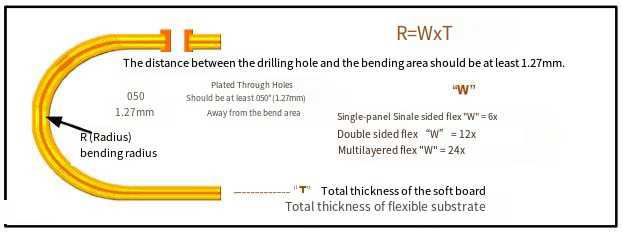
1. Bend Area Routing – Follow the Golden Rules (IPC‑2223C)
The flexible zone must endure repeated bending. Follow IPC‑2223C guidelines:
-
Trace width: 0.1‑0.2 mm (4‑8 mil) on the flex area. 避ける 0.05 mm traces there – they increase stress.
-
Routing direction: Route at 45° or 90° to the bend axis. 45° spreads stress; 90° works for dense routing.
-
Minimum bend radius: For dynamic bending, radius ≥ 6‑10 × total flex thickness. と 0.1 mm flex thickness, minimum radius ≥ 0.6 mm.
-
No vias or pads in the bend area – they create stress concentration points.
2. インピーダンス制御 – スムーズな移行
リジッドフレックス遷移ゾーンは誘電率を変化させます. インピーダンスは最大で跳ね上がる可能性があります 32% コントロールされていない場合. UGPCB が推奨する:
-
を使用してください 段階的な線幅補正 スキーム
-
遷移長を誘電体の厚さの少なくとも 5 倍にする
-
UGPCB エンジニアと早期に連携 - インピーダンス シミュレーションには実際のスタックアップ パラメータを使用
3. 熱管理 – 銅の厚さと電流
リジッドフレックスボードは、リジッドボードよりも熱を効率的に放散しません。. インナー用 0.012 mm銅, 単一トレース電流を以下に保つ 0.3 あ (10℃の温度上昇, IPC-2221用). 電源トレース用, 複数の並列トレースを使用するか、外側の配線を使用します。 0.025 mm銅.
4. 材料の熱的マッチング - CTE の違い
FR-4 CTE (X/Y) 13~18 ppm/℃です. PI フレックス CTE は 25~35 ppm/°C. その差は超えています 10 ppm/°C. これによりリフロー中に応力が発生します. UGPCB はこれを次のように制御します。: 低熱膨張率PIフィルムを使用 (CTE < 10 ppm/°C), リジッドフレックス界面にバッファ層を追加する, リフロープロファイルの最適化.
5. パッドとビア – ティアドロップと補強を使用する
リジッドフレックス PCB の場合:
-
追加 ティアドロップパッド トレースがビアまたはパッドと接触する場所 – これにより機械的強度が向上します
-
確実なはんだ付けを実現するには、カバーレイの開口部は各側のパッドより 0.05 ~ 0.15 mm 大きくする必要があります。
製造工程: 13 コアから完成した基板までのステップ
UGPCB は IPC‑6013 タイプに準拠します 4 要件. 主なプロセス手順は次のとおりです。:
-
フレックスコアの切断 – 高品質FCCL (フレキシブル銅張積層板) サイズに合わせてカットする, その後プラズマ治療 (300‑500W, 60‑90秒) Ra0.4~0.6μmまで表面密着力を高める.
-
内層回路 – ドライフィルムラミネート, 暴露, 発達, エッチング. 私のライン 0.05 mm、厳密な公差管理.
-
内層AOI – 自動光学検査により開口部が検出されます, ショートパンツ, そしてニックス.
-
リジッドコアカットと内層回路 – FR-4 コアでも同じプロセス.
-
積み重ねとラミネート – FR‑4 コアと PI コアを段階的な圧力プロファイルを使用して高熱と圧力下で積層および積層.
-
掘削 – PTH穴の機械的穴あけ. 穴径公差±0.05mm.
-
PTHと銅メッキ – 無電解銅めっきとそれに続く電解めっきにより、 0.012 mm (内側) または 0.025 mm (外側) 銅の厚さ. 穴壁の完全性は IPC-A-600 クラスに適合 2/3.
-
外層回路 – 最終的なトレースの画像転写とエッチング.
-
はんだマスク – 黒または白のフォトイメージャブルはんだマスクを適用, 露出, そして開発された.
-
表面仕上げ – エネピグ – Niの連続蒸着 (3‑5μm), PD (0.05−0.1μm), そしてアウ (0.03−0.05μm).
-
ルーティング / レーザー切断 – 最終形状のカット. 剛性ゾーンのフライス加工, フレキシブルゾーンはそのまま残される.
-
電気試験 & 飛行探査機 - 100% 導通および絶縁試験.
-
最終検査 & パッキング – IPC-A-600 に基づく目視検査, その後真空パックする.
UGPCB はレイヤー間の登録を厳密に制御します. 多層リジッドフレックスボードには位置合わせが必要です ≤ ±0.05 mm. フレキシブルコアはラミネート中に 0.5 ~ 1% 伸びる可能性があります. UGPCB は CCD 自動アライメント システムを使用しています (位置決め精度±0.02mm) 正確な登録を保証するために.
アプリケーションシナリオ
シナリオ 1: スマートフォンのメインカメラモジュール
背面メインカメラはリジッドフレックス PCB の最大の市場です. 一般的なトリプルカメラ携帯電話の場合 (広い + 超広角 + 望遠), 当社のカメラ リジッドフレックス PCB は、3 つのイメージ センサーすべてを 1 つのリジッド マザーボードに配線します。, 次に、BTB コネクタを介して電話機のメインボードに接続します。.
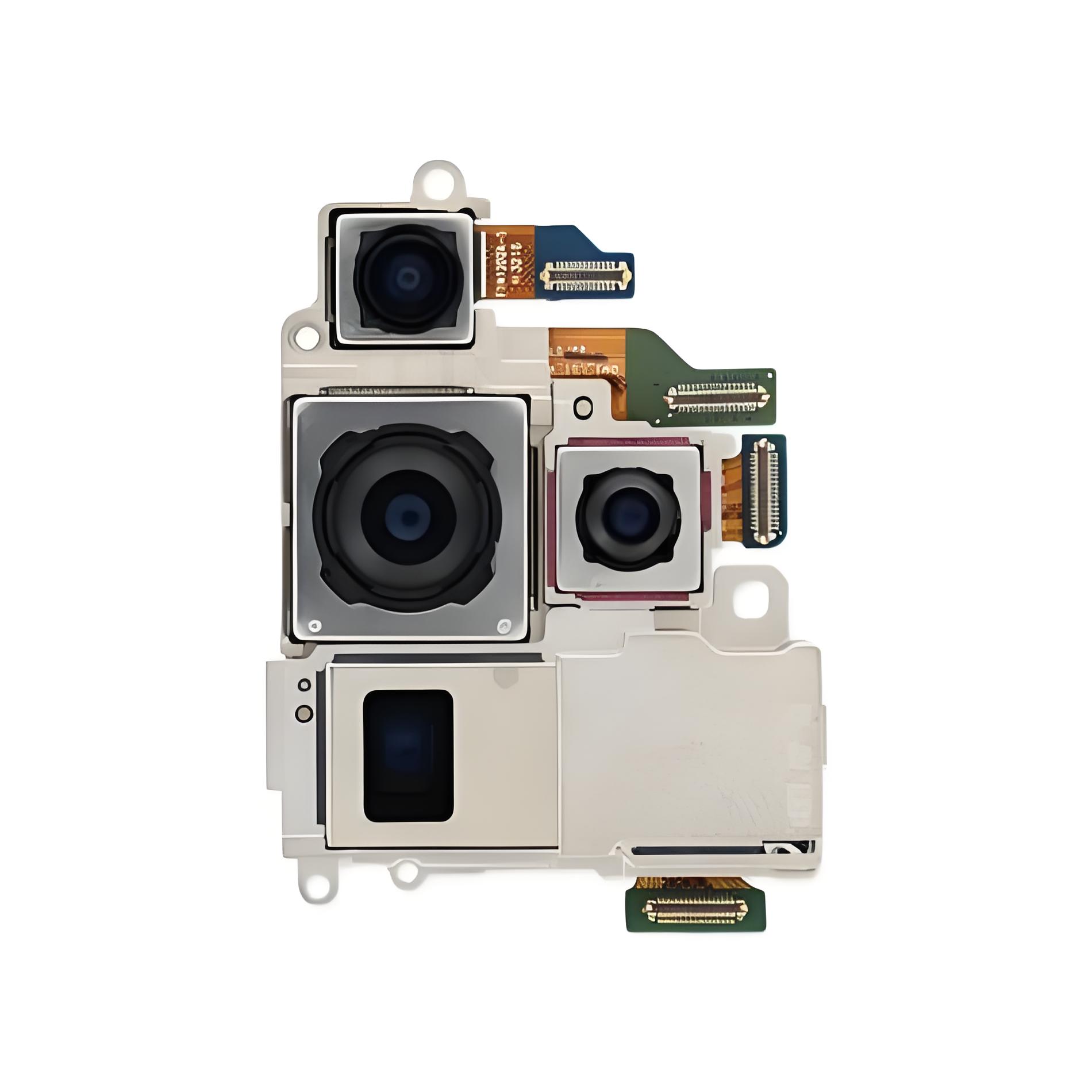
シナリオ 2: ペリスコープ望遠モジュール
ペリスコープモジュールはプリズムを使用して光を90°反射し、横方向のレンズアセンブリに送り込みます。. これにはモジュール内で 90° 曲げる必要があります. 簡単に曲がるフレキシブルゾーンハンドル - 追加の FPC やコネクタは不要.
シナリオ 3: フロントカメラ & アンダーディスプレイカメラ
フロントカメラモジュールは厚さに非常に敏感です. 私たちの 0.3 mmの極薄リジッドフレックスボードがスクリーンとミドルフレームの間の狭い隙間に滑り込みます。. アンダーディスプレイカメラの設計に特に適しています。.
シナリオ 4: 折りたたみ式携帯電話のカメラ
折りたたみ式携帯電話には、以上のダイナミックフレックス寿命が必要です 200,000 曲げサイクル. 最適化されたルーティングを備えた UGPCB の PI フレキシブル ゾーンは、この厳しい要件を満たします.
シナリオ 5: 自動車 & 防犯カメラ
携帯電話を超えて, 自動車およびセキュリティカメラのモジュールにも、信頼性の高いリジッドフレックス PCB が必要です. これらのアプリケーションでは、より厳密な温度サイクルおよび振動テストが必要です。たとえば、, 1,000 IEC 60068‑2に準拠し、-40°Cから125°Cまでのサイクル. 当社の ENEPIG 仕上げと FR-4+PI 材料の組み合わせは、この信頼性レベルを満たしています。.
品質保証: 全体にわたる IPC 規格
UGPCB は、これらの国際規格に従ってカメラ リジッドフレックス PCB を製造およびテストします:
| 標準 | タイトル | 応用 |
|---|---|---|
| IPC‑6013タイプ 4 | フレキシブル/リジッドフレックスプリント基板の認定および性能仕様 | コア製品の標準 |
| IPC-A-600 | プリント基板の適合性 | 視覚的および構造的な受け入れ |
| IPC‑2221 / IPC‑2223 | フレキシブルプリント基板の設計基準 | 設計基準 |
| IPC-TM-650 | 試験方法マニュアル | すべてのテスト方法 |
| IEC 60068‑2 | 環境試験シリーズ | 温度サイクル, 湿度, 振動 |
| UL 94 V-0 | 可燃性評価 | 材料の火災安全性 |
UGPCBはIATFを保持しています 16949 品質管理認証. 当社の製品はRoHSおよびREACH環境指令に準拠しています。.
世界のリジッドフレキシブル PCB 市場は約 $2.604 10億インチ 2025 に成長すると予測されています $3.726 10億 2032, のcagrで 5.25% (ソース: DIリサーチ). マルチカメラ携帯電話による駆動, 折りたたみ式携帯電話, および車載カメラ, カメラ用リジッドフレックス PCB の需要は拡大し続ける. UGPCB は、業界をリードする仕様と厳格な品質システムにより、この成長の最前線に立っています。.
カメラのリジッドフレックス PCB に UGPCB を選択する理由?
-
✅ 超微細加工能力 - 0.05 高密度カメラモジュール向けの mm ライン/スペース
-
✅ エネピグ表面仕上げ – ブラックパッドなし, ワイヤボンディングとはんだ付けの両方をサポート
-
✅ 0.3 mmの超薄型設計 – より多くの設計スペースを提供します
-
✅ 4‑6 つの柔軟な層 – デュアルカメラから潜望鏡までをカバー
-
✅ IPC‑6013タイプ 4 認定された – 信頼できる品質
-
✅ ワンストップPCBAサービス – PCB製造からSMTアセンブリまで
今すぐ見積もりとテクニカルサポートを入手してください
UGPCB は、設計レビューおよびプロトタイピングから量産および PCBA アセンブリに至るまで、完全なソリューションを提供します. 構想段階であっても、すぐに使用できるガーバー ファイルがある場合でも, 当社の技術チームが以内に対応させていただきます 24 専門的な設計レビューと迅速な見積もりを数時間で提供します.
📧 お問い合わせを次の宛先に送信してください: sales@ugpcb.com
🌐 当社のウェブサイトにアクセスしてください: www.ugpcb.com
📞 テクニカルサポートホットライン: +86‑755‑2721 1481
正確な見積もりを得るには、次の情報を含めてください:
-
レイヤー数 (4 または 6 レイヤー)
-
仕上がり寸法と数量
-
ソルダーマスクの色 (黒か白か)
-
PCBAアセンブリが必要かどうか
*技術データのリファレンス: IPC‑6013E CN “フレキシブル/リジッドフレックスプリント基板の認定および性能仕様”, IPC-A-600H “プリント基板の適合性”, IPC‑2223C “フレキシブルプリント基板の設計基準”, IPC-TM-650 “試験方法マニュアル”, IEC 60068‑2シリーズ, DIリサーチ “世界のリジッドフレキシブル PCB 市場レポート 2025 ~ 2032 年”.*