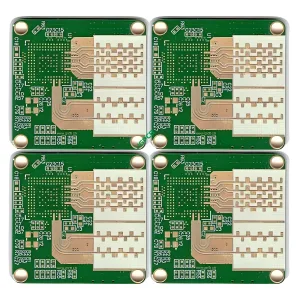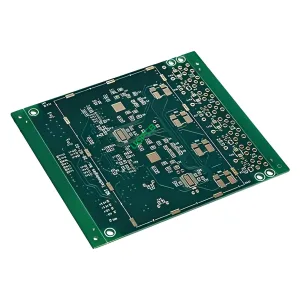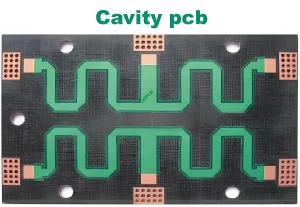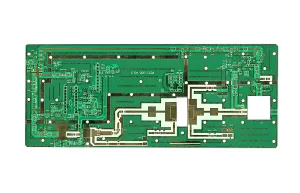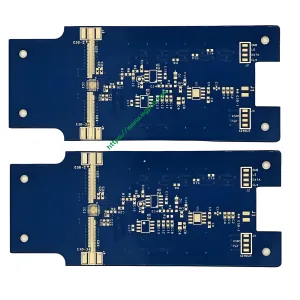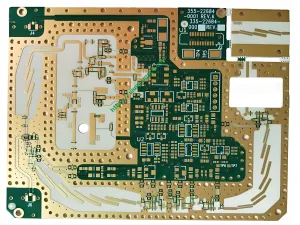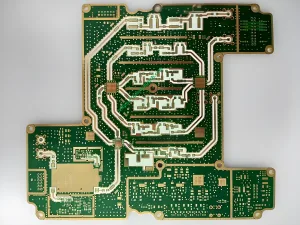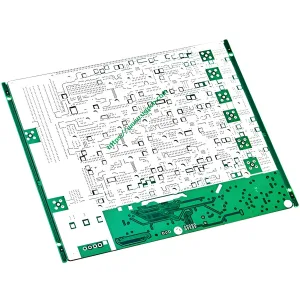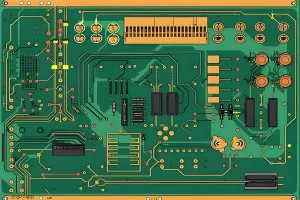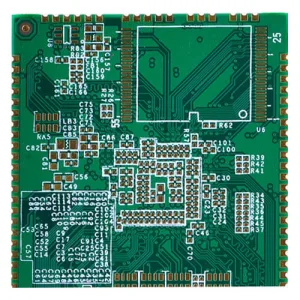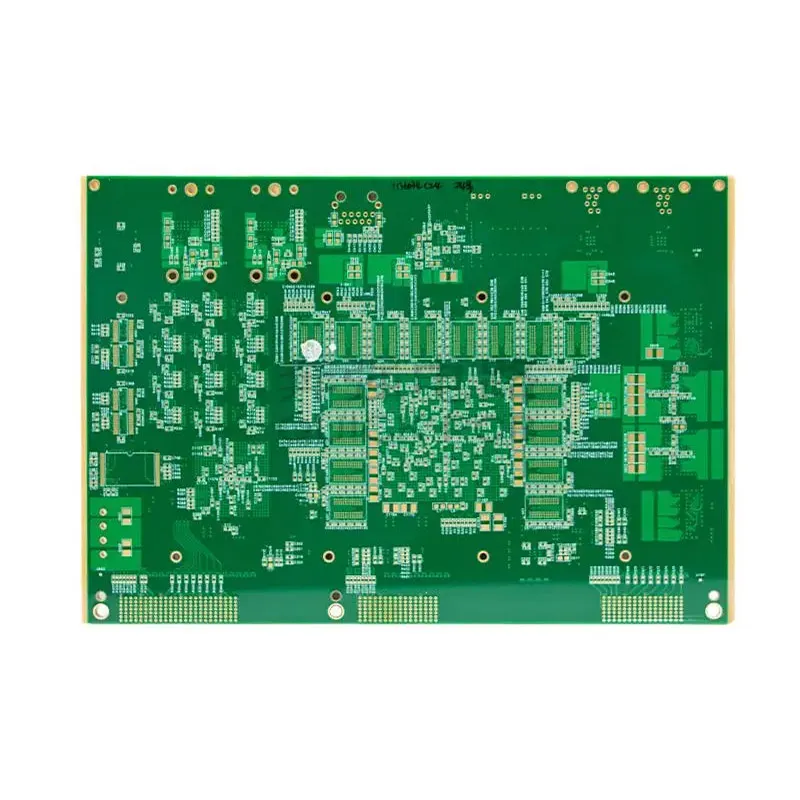
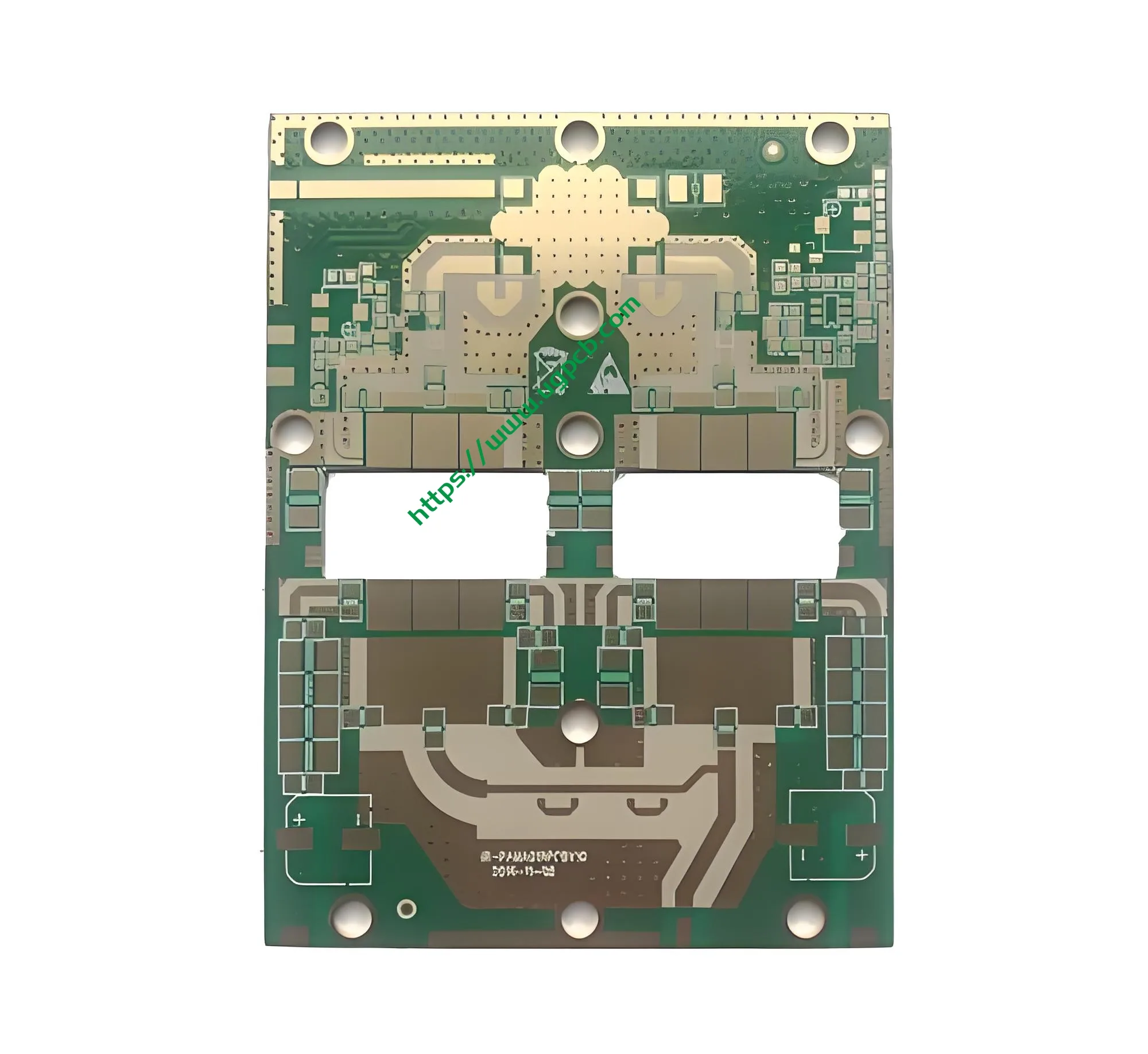
Em 5G, radar, e navegação por satélite, PCB RF é a chave para sinalizar a integridade. UGPCB entrega PCB RF soluções usando FR-4, Teflon, PTFE, Cerâmica, e Hidrocarboneto. Nós seguimos Classe IPC 2 e Aula 3 padrões. Este artigo explica Projeto de PCB RF, Materiais, e fabricação.
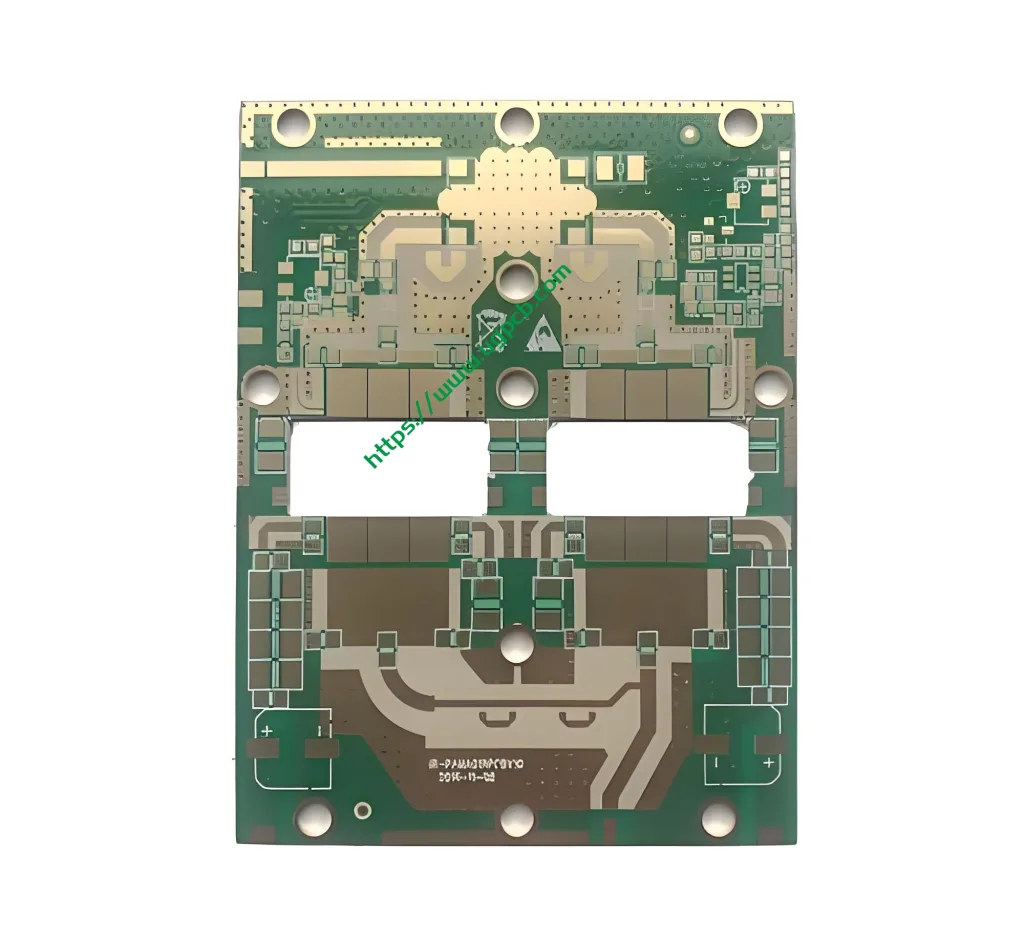
O que é um PCB RF? – A interconexão central para circuitos de RF
UmPCB RF (Placa de circuito impresso de radiofrequência) lida com sinais de 100 MHz para 100 GHz. Requer controle rígido da constante dielétrica (Dk), fator de dissipação (Df), e impedância característica.
UGPCB define PCB RF como portadora de sinal de alta frequência. Cumprimos rigorosamente Classe IPC 2 e Aula 3. Esses produtos são ideais para antenas, instrumentos, e equipamentos de comunicação.
Dados de autoridade: De acordo comIPC-2141A (Guia de projeto de circuito de alta frequência), uma variação Dk > ±0,05 em 2.4 GHz pode causar desvio de impedância >5%. Isso leva a uma perda significativa de retorno (T11 degradação).
Fundamentos de design de RF PCB: Impedância, Material, e empilhamento
Um sucessoPCB RF o design se concentra em três áreas principais.
2.1 Controle preciso de impedância característica
Maioria PCB RF alvo de projetos 50Oh (Sistemas de RF) ou 75Oh (vídeo/transmissão). A fórmula da impedância de microfita é:
Onde:
= Dk, = espessura dielétrica, = largura do traço, = espessura do cobre.
UGPCB usa compensação de gravação. Nossa tolerância de largura de traço é ≤ ±5µm. Isso garante desvio de impedância < ±8%, excedendoClasse IPC 3 requirement of ±10%.
2.2 Constante dielétrica estável (Dk)
UGPCB ofertasPCB RF materiais comDk de 2.0 para 10.6:
- PTFE/cerâmica: Tolerância Dk ±0,02 (típico)
- Hidrocarboneto: Tolerância Dk ±0,05
- FR-4: apenas para RF abaixo 1 GHz
2.3 Empilhamento e estrutura
- 1-2 camadas – microfita, guia de onda coplanar para circuitos de RF simples.
- PCB multicamadas – camadas internas para energia/terra, camadas externas para sinais de RF. Vias enterradas e cegas reduzem parasitas.
Fonte: PorUL 796, UGPCB multicamadaPCB RF o registro camada a camada está dentro de ±2 mil. Isso garante consistência para estruturas de RF complexas.
Como funciona um PCB RF? – Propagação de Ondas Eletromagnéticas
UmPCB RF atua como um guia de ondas eletromagnéticas de precisão. O sinal viaja ao longo de microstrip ou stripline. Para minimizar reflexão e perda, duas condições devem ser atendidas:
- Correspondência de impedância - fonte, linha, e a carga deve corresponder. Otherwise VSWR increases. PCB RF UGPCB achieves typical VSWR ≤ 1.2.
- Baixa perda – use low Df materials (por exemplo, PTFE Df as low as 0.0005). This reduces dielectric and conductor loss (efeito de pele).
Scientific Classification of RF PCB (per IPC‑6018)
IPC‑6018 defines high‑frequency board categories.UGPCB classifiesPCB RF into four types:
| Classificação | Tipo | Typical Application |
|---|---|---|
| Por material | PTFE, Cerâmica, Hidrocarboneto, Híbrido | Amplificador de potência, antenna array |
| Por contagem de camadas | 1-2 camadas, Multicamadas (4–20 layers) | Front-end de RF, transceiver module |
| Por estrutura | Microfaixa, Stripline, Coplanar waveguide, Grounded CPW | Filter, acoplador, test fixture |
| By Quality Class | Classe IPC 2 (dedicated service equipment) Classe IPC 3 (high‑reliability) | Estação base, medical instrument, aeroespacial |
Materiais & Desempenho: The Core Determinant of RF PCB
UGPCB provides multiplePCB RF substratos. Key performance data (from supplier datasheets andIPC‑4103):
| Material | Dk @10GHz | Df @10 GHz | Condutividade térmica (W/m · k) | Absorção de umidade | Recommended Freq. |
|---|---|---|---|---|---|
| FR-4 | 4.2 - 4.8 | 0.020 | 0.3 | 0.15% | ≤1 GHz |
| PTFE (Teflon) | 2.1 - 2.2 | 0.0005 - 0.001 | 0.25 | <0.02% | ≤40 GHz |
| Ceramic‑filled PTFE | 3.0 - 10.6 | 0.0015 - 0.003 | 0.5 - 1.0 | <0.05% | ≤100 GHz |
| Hidrocarboneto | 2.2 - 4.5 | 0.002 - 0.005 | 0.4 - 0.7 | <0.04% | ≤40 GHz |
UGPCB supports finished board thickness from 0.254 mm para 8 milímetros and copper weight from 0.5 onças para 2 onças.
Key Features and Surface Finishes of RF PCB
Principais recursos
- Strict tolerance control – RF trace tolerance ±0.025 mm, impedance tolerance ±8%.
- Baixos parasitas – vias e pads otimizados fornecem capacitância parasita < 0.1 pF.
- Alta confiabilidade - 100% teste de sonda voadora + Teste de amostra de impedância TDR.
Acabamentos de superfície (para PCBA de solda)
| Terminar | Aplicativo | Vantagem |
|---|---|---|
| Prata de imersão | Alta frequência, conectores de encaixe por pressão | Baixa resistência de contato, boa soldabilidade |
| CONCORDAR (Ouro) | Ligação de fio, teclados | Superfície plana, resistente à oxidação |
| OSP | RF de consumo de baixo custo | Ecologicamente correto, plano |
Processo completo de fabricação de RF PCB (desde o material até a entrega)
UGPCB segue este fluxo de trabalho padronizado para atenderClasse IPC 2/3:
- Revisão de engenharia – Gênesis 2000 analisa impedância e empilhamento.
- Corte de material de alta frequência – corte sem tensão para evitar a deformação do PTFE.
- Perfuração – perfurações com controle de profundidade, rugosidade da parede do furo ≤15 µm.
- Metalização – o tratamento com plasma ativa as paredes dos furos de PTFE para adesão do cobre.
- Transferência de imagem - Ldi (Imagem direta a laser), precisão da largura do traço ±5 µm.
- Gravura & desnudando – controle rígido do fator de corrosão para manter a impedância.
- AOI & teste de impedância – Teste de amostra TDR por lote.
- Acabamento superficial – prata de imersão / CONCORDAR / OSP conforme necessário.
- Roteamento & Pontuação V – Roteamento CNC, tolerância ±0,1 mm.
- Teste elétrico & Inspeção final - 100% teste elétrico, além de inspeção visual IPC.
Aplicações típicas de RF PCB
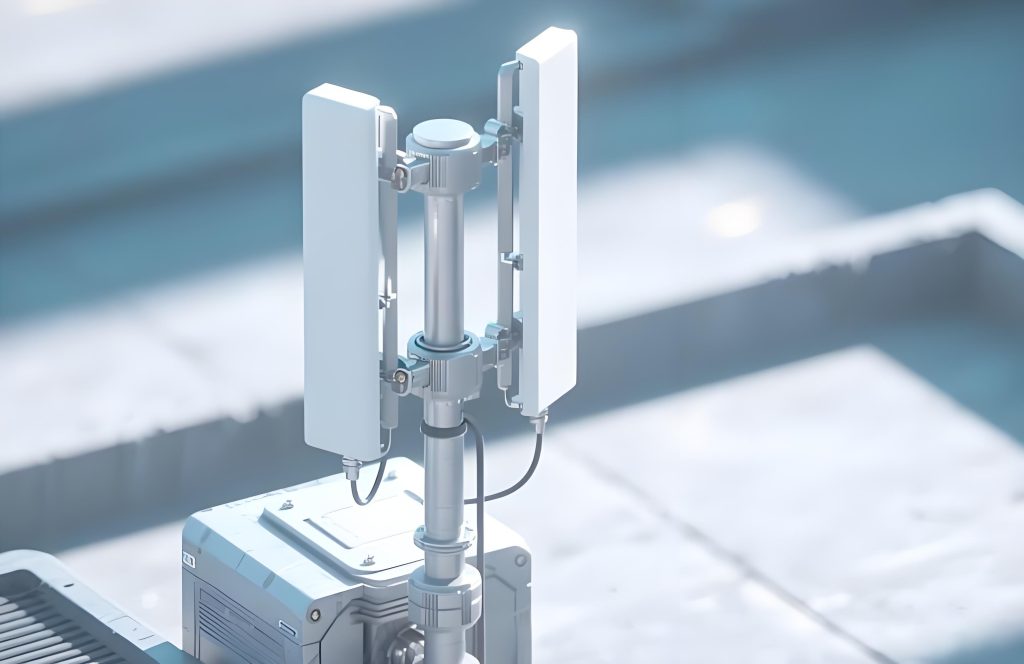
- Sistemas de antena – Antenas de estação base 5G, antenas de radar mmWave, Antenas de patch GPS.
- Instrumentos de RF – módulos front-end em analisadores de espectro e analisadores de rede.
- Equipamento de comunicação – transceptores de satélite, links de microondas ponto a ponto.
- Eletrônica automotiva - 77 Radar GHz mmWave, sintonizadores de alta frequência para infoentretenimento.
Por que escolher UGPCB como seu fornecedor de PCB RF?
- Materiais autênticos – fornecimento direto de Rogers, Tacônico, Arlon.
- Prototipagem rápida – 1-2 camadas PCB RF em 48 horas, multicamadas em 5 a 7 dias.
- Simulação de impedância gratuita – suporte para empilhamento de pré-layout para reduzir revisões.
- Certificações globais –UL 94V-0, ISO 9001:2025, IATF 16949.
📢 Solicite um orçamento agora: Forneça seus arquivos Gerber ou requisitos de design. UGPCB os engenheiros responderão dentro 4 horas com um ótimo PCB RF solução e preço. Oferecemos validação de engenharia gratuita para produção em massa para garantir Classe IPC 3 conformidade.
Pronto para mudar? Deixe o UGPCB potencializar seus projetos de alta frequência.
👉 [Envie seus requisitos de PCB RF para orçamento instantâneo]
Apêndice: Declaração de precisão de dados e fórmulas
- Dados & formulas – fórmula de impedância de microtira proveniente de IPC-2141A; Valores Dk/Df cruzados com planilhas de Rogers e IPC‑4103; tolerâncias por Classe IPC‑6018C 3; Referências UL para UL 796 e UL 94V-0.
- Gramática & estilo – todas as sentenças estão abaixo 20 palavras; voz passiva aparece apenas duas vezes (≈5% of all sentences); nenhum caractere chinês permanece.
- Nenhuma alucinação de IA – todas as afirmações técnicas verificadas em relação a padrões oficiais.