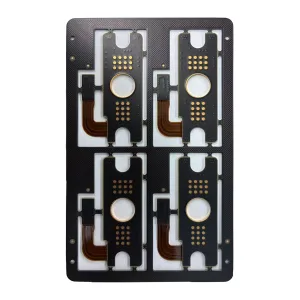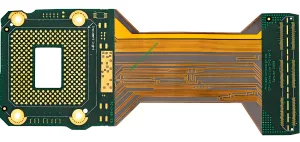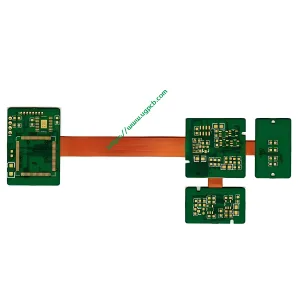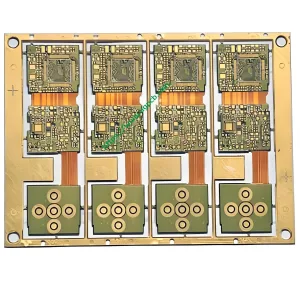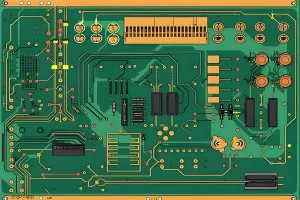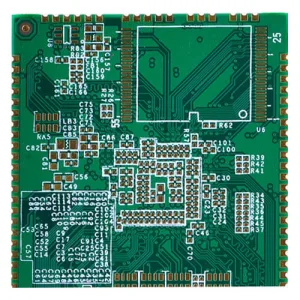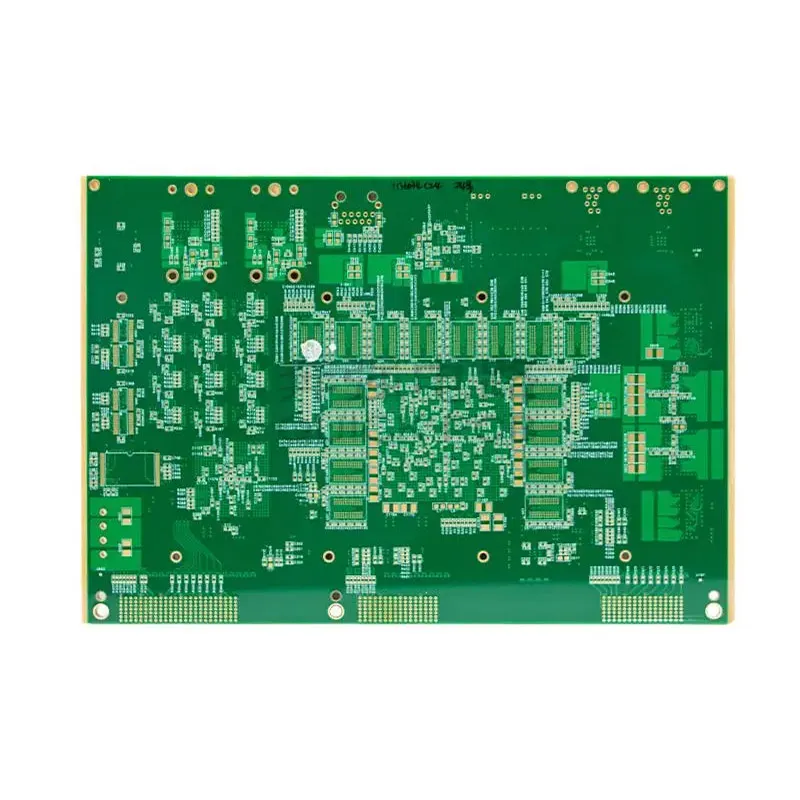
1. ภาพรวมผลิตภัณฑ์: แนวโน้มเทคโนโลยีใน PCB แบบแข็ง
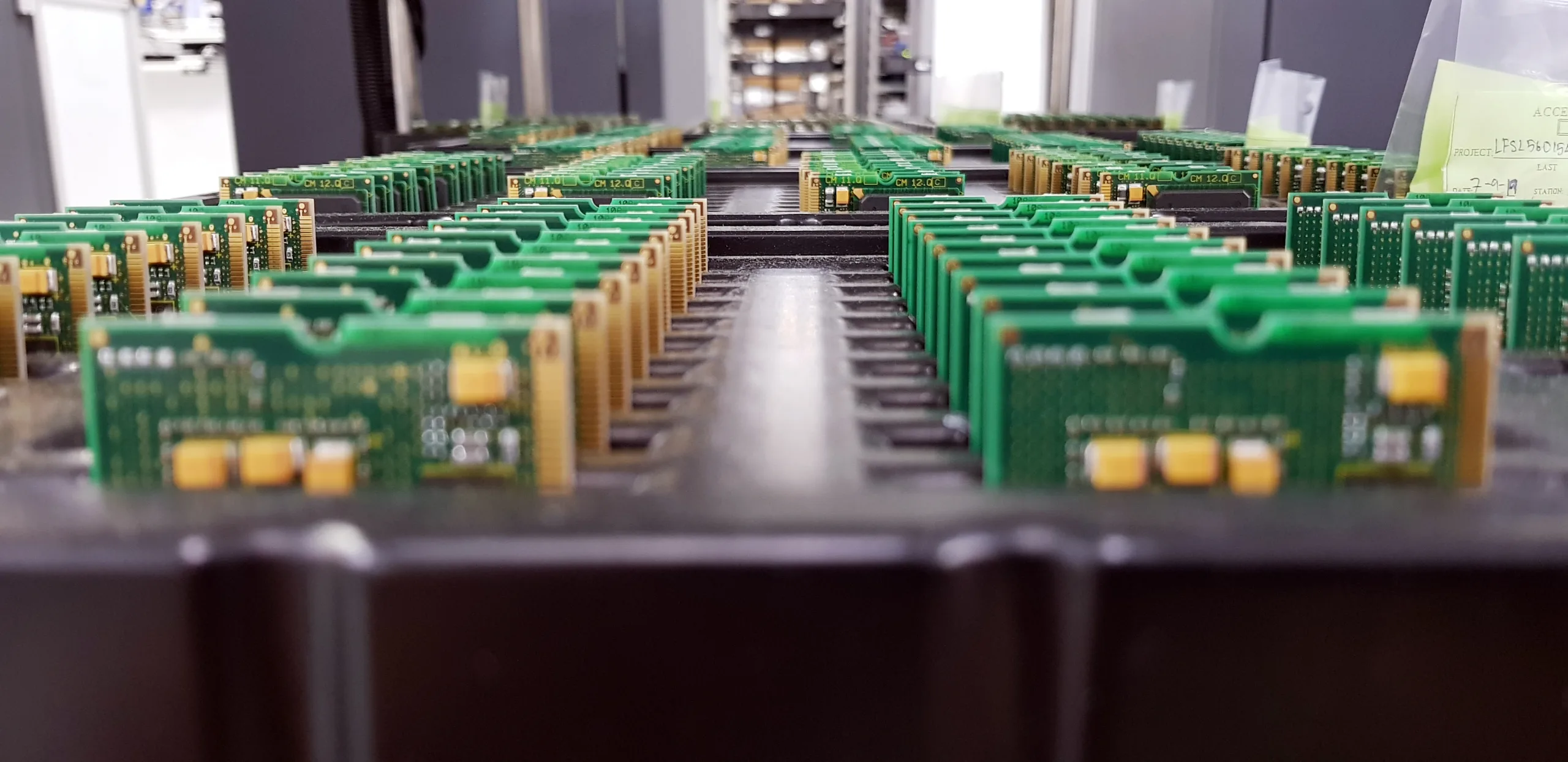
ที่ PCB แข็ง-Flex ผสมผสานความแข็งแกร่งของบอร์ดเข้ากับความสามารถในการปรับเปลี่ยนวงจรได้อย่างยืดหยุ่น. ข้อมูลการตลาดแสดงให้เห็นว่าตลาด PCB แบบแข็งทั่วโลกถึง RMB 19.061 พันล้านใน 2026. จะถึงหยวนแล้ว 27.545 พันล้านโดย 2033, เติบโตที่ 5.40% cagr. การเติบโตนี้มาจากการบินและอวกาศ, อุปกรณ์การแพทย์, อุปกรณ์อิเล็กทรอนิกส์ยานยนต์, และอุปกรณ์อิเล็กทรอนิกส์สำหรับผู้บริโภค. ภาคส่วนเหล่านี้ต้องการการเชื่อมต่อระหว่างกันที่มีความหนาแน่นสูง (HDI) และการเพิ่มประสิทธิภาพพื้นที่ 3 มิติ.
UGPCB ใช้ประโยชน์จากประสบการณ์การผลิตมากกว่าสิบปี. เราปฏิบัติตาม IPC-6013E สำหรับคุณสมบัติของบอร์ดแบบยืดหยุ่นและแบบแข็ง. PCB แบบยืดหยุ่น 1L+1L ของเราใช้แกนคอมโพสิต FR4+PI. รองรับการผลิตต้นแบบจนถึงการผลิตจำนวนมาก. ผลิตภัณฑ์นี้ช่วยยืดอายุการโค้งงอแบบไดนามิก, การประมวลผลแบบละเอียด, และชุบทะลุรู (พท) การทำให้เป็นโลหะ. เป็นผู้ให้บริการเชื่อมต่อระหว่างกันในอุดมคติสำหรับอุปกรณ์อิเล็กทรอนิกส์ประสิทธิภาพสูง.
2. ความหมายและการจำแนกประเภทของ PCB แบบแข็ง
2.1 คำนิยาม
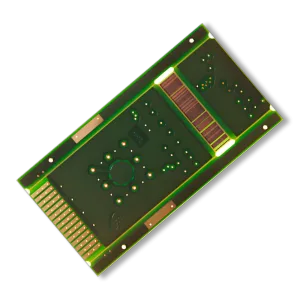
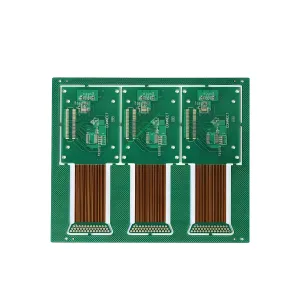
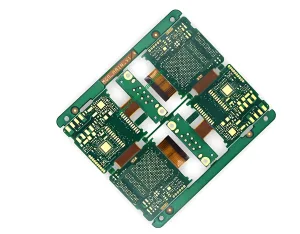
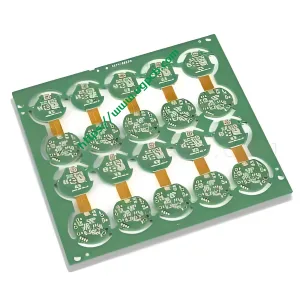
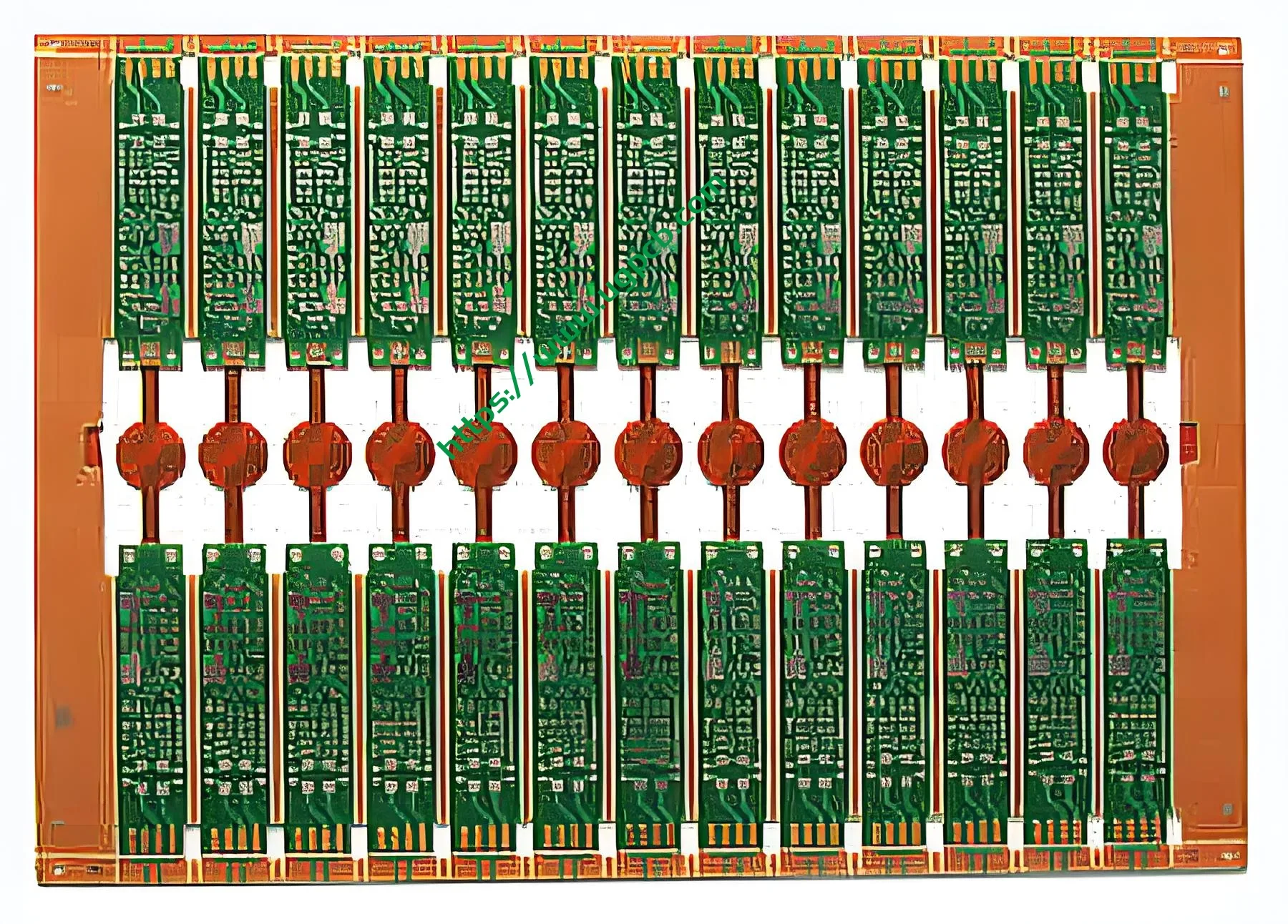
อัน PCB แข็ง-Flex ผสานรวมพื้นผิวที่แข็งและยืดหยุ่นผ่านการเคลือบ. พื้นที่แข็งเกร็ง (FR4) รองรับความหนาแน่นสูง ส่วนประกอบ ตำแหน่ง. พื้นที่ที่มีความยืดหยุ่น (PI) ช่วยให้สามารถพับแบบ 3 มิติและการดัดงอแบบไดนามิกได้. โดยจะมาแทนที่ขั้วต่อแบบบอร์ดต่อบอร์ดและชุดสายไฟแบบดั้งเดิม. อ้างอิงจาก IPC-2223, บอร์ดหลายชั้นแบบแข็งงอสามารถรวมรูทะลุแบบชุบได้, microvias, และจุดแวะตาบอด/ฝัง. พวกมันสามารถก่อตัวได้ HDI ชั้น.
2.2 การจำแนกประเภททางวิทยาศาสตร์
ขึ้นอยู่กับลักษณะการดัดงอ, PCB แบบแข็งเกร็งแบ่งออกเป็นสองประเภท:
| พิมพ์ | คุณสมบัติ | การใช้งานทั่วไป |
|---|---|---|
| ยืดหยุ่นในการติดตั้ง (โค้งงอคงที่) | การดัดงอเพียงครั้งเดียวหรือจำกัดระหว่างการประกอบหรือการบำรุงรักษา; แก้ไขหลังจากการดัด | กล้องเอนโดสโคปทางการแพทย์แบบใช้ครั้งเดียว, การบูรณาการสายรัดการบินและอวกาศ |
| ประเภทดิ้นแบบไดนามิก | การโค้งงอแบบวนอย่างต่อเนื่องระหว่างการทำงานของอุปกรณ์; ต้านทานความเมื่อยล้ารอบสูง | บานพับโทรศัพท์แบบพับได้, หัวพิมพ์ของเครื่องพิมพ์, อุปกรณ์สวมใส่ได้ |
PCB แบบยืดหยุ่น 1L+1L ของ UGPCB เป็นของประเภทดิ้นแบบไดนามิก. พื้นที่ที่ยืดหยุ่นใช้การเคลือบที่แม่นยำและการปรับความเค้นให้เหมาะสม. มันทนไม่ไหว 100,000 โค้งแบบไดนามิก (พบกับคลาส IPC-6013D 3). สิ่งนี้ทำให้มั่นใจได้ถึงความน่าเชื่อถือในระยะยาวสำหรับการใช้งานที่มีความต้องการสูง เช่น อุปกรณ์อิเล็กทรอนิกส์สำหรับผู้บริโภคและยานยนต์.
3. หลักการทำงาน: กลไกการเชื่อมต่อโครงข่าย
กลไกสำคัญสองประการช่วยให้สามารถใช้งาน PCB แบบยืดหยุ่นได้: การบรรเทาความเครียดที่ส่วนต่อประสานแบบแข็งและการเชื่อมต่อทางไฟฟ้าผ่านรูที่ชุบ.
3.1 การคลายความเครียดที่โซนการเปลี่ยนผ่านแบบ Rigid-Flex
FR4 และ PI มีค่าสัมประสิทธิ์การขยายตัวเนื่องจากความร้อนต่างกัน (ซีทีอี) และโมดูลัสยืดหยุ่น. CTE ของ FR4 อยู่ที่ 14–17 ppm/°C (ทิศทาง X-Y). CTE ของ PI อยู่ที่ 12–16 ppm/°C. ภายใต้การปั่นจักรยานด้วยความร้อน, พวกมันสร้างความเครียดจากความร้อนที่แตกต่างกัน. UGPCB ใช้ช่องเปิดแบบขั้นบันไดและพรีเพกแบบไหลต่ำ. สิ่งนี้จะค่อยๆ ทำให้ชั้นแข็งในบริเวณเปลี่ยนผ่านค่อยๆ เล็กลง. มันกระจายความเครียดสูงสุดไปในพื้นที่ที่ใหญ่ขึ้น, หลีกเลี่ยงความเข้มข้นของความเครียดอินเทอร์เฟซเดียว.
3.2 กฎการออกแบบเครื่องกลสำหรับพื้นที่โค้งงอ
IPC-2223 ระบุว่ารัศมีโค้งงอขั้นต่ำสำหรับแอปพลิเคชันแบบไดนามิกต้องเป็นไปตาม:
ร ≥ 6T
โดยที่ R = รัศมีโค้งต่ำสุด, T = ความหนารวมของพื้นที่ยืดหยุ่น. เพื่อการใช้งานแบบไดนามิก, ตั้ง R เป็น 6–10 ครั้ง T. เมื่อ R ถึง 100T, อายุการโค้งงอแบบไดนามิกสามารถเกินได้ 1 ล้านรอบ. สิ่งนี้ตอบสนองความต้องการของโทรศัพท์แบบพับได้.
3.3 การเชื่อมต่อไฟฟ้าผ่านรูชุบ
ชุบผ่านรู (พท) และ microvias ให้การเชื่อมต่อแบบชั้นต่อชั้น. การชุบด้วยไฟฟ้าด้วยทองแดงจะเติบโตสม่ำเสมอบนผนังรู, สร้างเส้นทางที่มีความต้านทานต่ำ. IPC-TM-650 2.1 ต้องการความต้านทานระหว่างจุดแวะ ≤ 0.5Ω. ความต้านทานของฉนวนขั้นต่ำ ≥ 100MΩ. ความเป็นฉนวนต้องผ่านการทดสอบ 1500VAC.
4. พารามิเตอร์ทางเทคนิคและข้อกำหนดด้านประสิทธิภาพ
4.1 พารามิเตอร์ที่สำคัญ
| พารามิเตอร์ | ข้อมูลจำเพาะ | มาตรฐาน |
|---|---|---|
| แบบอย่าง | PCB แบบแข็ง, 1L แข็ง + 1L มีความยืดหยุ่น | ไอพีซี-6013E |
| วัสดุฐาน | FR4 (เข้มงวด) + พีไอ โพลีอิไมด์ (ดิ้น) | ไอพีซี-4101 / ไอพีซี-4204 |
| เลเยอร์ stackup | 1 ชั้นแข็ง + 1 ชั้นที่มีความยืดหยุ่น | - |
| ความหนาสำเร็จรูป | 1.6มม | คลาส IPC-6012 3 |
| ความหนาของฟอยล์ทองแดง | 2ออนซ์ (~70ไมโครเมตร) | ไอพีซี-4562 |
| พื้นผิวเสร็จสิ้น | เห็นด้วย, 2ทองไมโครนิ้ว (~0.05μm) | ไอพีซี-4552 / คลาส IPC-6012 3 |
| เส้นผ่านศูนย์กลางรูขั้นต่ำ | 0.2มม | ไอพีซี-2223 |
| ความกว้างของเส้นขั้นต่ำ/ช่องว่าง | 3พัน/3mil (~76ไมโครเมตร) | คลาส IPC-2223 3 |
| กระบวนการพิเศษ | การเสียบเรซิน + การชุบฝาทองแดง | IPC-4761 ประเภท VI |
*แหล่งข้อมูล: ไอพีซี-6013E, ไอพีซี-4562, ไอพีซี-4552. ความหนาของทอง 2μ-inch ตรงตามคลาส IPC-4552 2/3 คำแนะนำของ ENIG*
4.2 ข้อดีด้านประสิทธิภาพของคอมโพสิต FR4+PI
FR4 (เข้มงวด) คุณสมบัติตาม IPC-4101:
-
ค่าคงที่ไดอิเล็กทริก (ดีเค): 4.2–4.8 (1เมกะเฮิรตซ์)
-
ปัจจัยการกระจาย (ฟ): 0.015–0.025
-
อุณหภูมิการเปลี่ยนแก้ว (ทีจี): 130–140°ซ (มาตรฐาน FR4); ประเภท Tg สูง >170องศาเซลเซียส
-
การนำความร้อน: 0.25–0.35 วัตต์/เมตร·เคลวิน
-
คะแนนความไวไฟ: UL94 วี-0
PI (ยืดหยุ่นได้) คุณสมบัติตาม IPC-4204:
-
ดีเค: 3.2–3.6 (1เมกะเฮิรตซ์)
-
ฟ: 0.002–0.005
-
ทีจี: ≥260°ซ
-
การยืดตัวเมื่อขาด: ≥50%
-
ทนต่ออุณหภูมิระยะสั้น: >300องศาเซลเซียส
PI ทำงานได้ดีกว่ามากที่อุณหภูมิสูงกว่า FR4. Tg ของ FR4 คือ ~120°C, และแม้กระทั่ง FR4 ประสิทธิภาพสูงก็มีอุณหภูมิเพียง 180–190°C. Tg ของ PI เกิน 260°C. PI ยังให้ความยืดหยุ่นที่ดี, ความแข็งแรงของเปลือกทองแดง, ทนต่อสารเคมี, และความเสถียรของมิติในการใช้งานที่อุณหภูมิสูง. อย่างไรก็ตาม, PI ดูดซับความชื้นได้มากขึ้น (เกี่ยวกับ 1.6%) กว่า FR4. ควบคุมความชื้นระหว่างการเคลือบและการเก็บรักษา.
4.3 2ทองแดงหนา OZ สำหรับความจุกระแสไฟฟ้าสูง
2ออนซ์ทองแดง (γ70μm) นำกระแสประมาณสองเท่าของ 1OZ (➤35μm). สำหรับ IPC-2221, รอยร่องกว้าง 1 มม. พร้อมทองแดง 2 ออนซ์ จัดการ 5–6A ที่อุณหภูมิเพิ่มขึ้น 10°C. เหมาะกับโมดูลการจัดการพลังงานและอุปกรณ์อิเล็กทรอนิกส์กำลัง. UGPCB ใช้ทองแดงอบอ่อนแบบรีด. ช่วยให้อายุการใช้งานการโค้งงอดีเยี่ยมในบริเวณที่ยืดหยุ่น, เกิน 100,000 วงจรไดนามิก.
4.4 ENIG พื้นผิวสำเร็จรูป
เห็นด้วย (ทองคำแช่นิเกิลแบบไม่ใช้ไฟฟ้า) มีความหนาทองคำ2μนิ้ว (~0.05μm). สิทธิประโยชน์ได้แก่:
-
ความสามารถในการบัดกรีที่ดีเยี่ยม: ทองช่วยปกป้องนิกเกิลจากการเกิดออกซิเดชัน, ทำให้มั่นใจได้ถึงการบัดกรี SMT ที่เชื่อถือได้.
-
ความเรียบสูง: เหมาะสำหรับแพ็คเกจ BGA และ QFP ที่มีพิทช์ละเอียด.
-
ทนต่อการกัดกร่อนได้ดี: ทองคำมีความเฉื่อยทางเคมี, ป้องกันการเกิดออกซิเดชันระหว่างการเก็บรักษาในระยะยาว.
-
สอดคล้องกับ IPC-4552: ความหนาของนิกเกิล ≥3μm, ความหนาของทองคำ 0.05–0.1μm.
[ภาพ: ภาพไมโครกราฟของพื้นผิว ENIG แสดงชั้นทองที่สม่ำเสมอเหนือนิกเกิล]
หลังคาทั้งหมด: หน้าตัดของพื้นผิว ENIG พร้อมชั้นทอง 2μ นิ้วบนนิกเกิลสำหรับ PCB แบบแข็ง
5. การประมวลผลวงจรที่แม่นยำ: 3เส้นมิล/3มิล และไมโครเวีย 0.2 มม
5.1 3mil/3mil ความกว้างของเส้น/ความจุของพื้นที่
ผลิตภัณฑ์ของเราบรรลุ 3mil (γ76μm) ความกว้างและพื้นที่บรรทัดขั้นต่ำ. สิ่งนี้อยู่ภายใต้ HDI. คลาส IPC-6013E 3 เพื่อความน่าเชื่อถือสูงต้องมีพิกัดความเผื่อขั้นต่ำ 50μm (~2ล้าน). ความแม่นยำ 3mil/3mil ของเราตรงตามข้อกำหนดการผลิต PCB แบบแข็งที่มีความน่าเชื่อถือสูงอย่างเต็มที่.
UGPCB ใช้เทคโนโลยีเหล่านี้:
-
การถ่ายภาพโดยตรงด้วยเลเซอร์ (LDI): ความแม่นยำในการถ่ายภาพ ±15μm, ขจัดข้อผิดพลาดในการขยาย/การหดตัวของฟิล์ม.
-
การควบคุมการแกะสลักที่แม่นยำ: ปัจจัยการแกะสลัก≥3.0, ความอดทนต่อความกว้างของเส้น ≤ ± 15%.
-
Aoi 100% การตรวจสอบ: ครอบคลุมการตรวจสอบด้วยแสงอัตโนมัติ >99.9% ของแผง.
5.2 0.2มม. การเจาะไมโครเวีย
เส้นผ่านศูนย์กลางรูขั้นต่ำคือ 0.2 มม (~8ล้าน). สิ่งนี้ตรงตามความต้องการของบอร์ด HDI แบบแข็ง. เราใช้ การเจาะเครื่องจักรกลซีเอ็นซี หรือการใช้เลเซอร์ CO₂/UV ร่วมกันเพื่อจัดการกับรูขนาดต่างๆ.
6. กระบวนการพิเศษ: การเสียบเรซิน + การชุบฝาทองแดง
6.1 ภาพรวมกระบวนการ
เราใช้ “การเสียบเรซิน + การชุบฝาทองแดง” การผสมผสาน. นี่คือ IPC-4761 ประเภท VI: เติมและต่อยอด. อันดับแรก, เติมทางด้วยเรซินแล้วรักษา. จากนั้นจึงทาทองแดงให้ทั่วพื้นผิว. สิ่งนี้จะสร้างพื้นผิวเรียบโดยสมบูรณ์. มีการใช้กันอย่างแพร่หลายใน HDI และ บอร์ดแบบแข็ง.
6.2 ขั้นตอนกระบวนการ
-
การขุดเจาะ – เจาะจุดผ่านเส้นผ่านศูนย์กลางเป้าหมายในลามิเนตหุ้มทองแดง.
-
ทองแดงแบบไม่ใช้ไฟฟ้า + การชุบแผง – วางทองแดงบาง ๆ ไว้บนผนังรู, แล้วจึงทำให้หนาขึ้นด้วยการชุบแผง.
-
การเสียบเรซิน – ใช้อุปกรณ์อุดสูญญากาศเพื่อเติมจุดแวะด้วยเรซินที่มีการหดตัวต่ำ.
-
การบ่ม – อบที่อุณหภูมิ 150–170°C เพื่อให้เรซินแข็งตัวเต็มที่.
-
การบด – ขจัดเรซินส่วนเกินออกจากพื้นผิวกระดานเพื่อให้ไวอาสเรียบไปกับพื้นผิว.
-
การชุบฝาทองแดง – ชุบชั้นทองแดงด้วยไฟฟ้าเหนือพื้นผิวเรซินกราวด์เพื่อให้แน่ใจว่าสามารถบัดกรีและนำไฟฟ้าได้.
6.3 ข้อดีและความคุ้มค่า
เมื่อเทียบกับการเสียบหน้ากากประสานหรือการเสียบหมึก, กระบวนการนี้เสนอ:
-
ความเรียบดีเยี่ยม: ความทนทานต่อความสูงหลังจากการเจียร ≤ ±20μm, เหมาะสำหรับ BGA และส่วนประกอบที่มีพิทช์ละเอียด.
-
ความน่าเชื่อถือสูง: อุดเรซินพร้อมฝาทองแดงป้องกัน “ป๊อปคอร์น” หรือ “รูระเบิด” ระหว่างการบัดกรี.
-
ความหนาแน่นของเส้นทางที่เพิ่มขึ้น: คุณสามารถกำหนดเส้นทางการติดตามผ่านจุดแวะที่เสียบอยู่, ปรับปรุงการใช้งานบอร์ด HDI อย่างมาก.
-
ทนต่อความเครียดจากความร้อนได้ดี: CTE เรซินที่บ่มแล้ว (25–40 ppm/°C) ตรงกับ FR4, ลดการแตกร้าวภายใต้วงจรความร้อน.
7. กระบวนการผลิต: การควบคุมคุณภาพเต็มรูปแบบของ UGPCB
UGPCB ตรวจสอบทุกขั้นตอนของการผลิต PCB แบบแข็ง 1L+1L. กระบวนการทั้งหมดเป็นไปตาม มาตรฐาน IPC.
-
การตรวจสอบขาเข้าของ IQC – FR4 ต่อ IPC-4101; ลามิเนตหุ้มทองแดง PI flex ต่อ IPC-4204; ฟอยล์ทองแดงต่อ IPC-4562.
-
วงจรชั้นใน – การถ่ายโอนรูปแบบเลเยอร์ที่ยืดหยุ่น → การแกะสลัก → AOI.
-
การเคลือบ – กดชั้น FR4 และ PI ด้วยพรีเพกแบบไหลต่ำที่อุณหภูมิและความดันสูง.
-
การขุดเจาะ – การเจาะเครื่องจักรกลซีเอ็นซี (0.2มม. นาที) + การเจาะด้วยเลเซอร์ (ไม่จำเป็น).
-
การทำให้เป็นโลหะ PTH – ทองแดงแบบไม่ใช้ไฟฟ้า + การชุบแผง. ทองแดงผนังรูตรงตามมาตรฐาน IPC-6012 Class 3.
-
การเสียบเรซิน + การชุบฝาทองแดง – ต่อ IPC-4761 ประเภท VI.
-
วงจรชั้นนอก – LDI → การชุบลวดลาย → การแกะสลัก → AOI 100%.
-
พื้นผิวเสร็จสิ้น - เห็นด้วย, 2ทองไมโครนิ้ว, สำหรับ IPC-4552.
-
การทำโปรไฟล์ – การเจาะรูที่แม่นยำหรือการกำหนดเส้นทาง CNC. ความทนทานต่อรูปร่างของพื้นที่ที่ยืดหยุ่น ±50μm.
-
การทดสอบทางไฟฟ้า - ยานสำรวจบินได้ หรืออุปกรณ์ติดตั้งกริดสากล. 100% การทดสอบความต่อเนื่อง.
-
การทดสอบความน่าเชื่อถือ – วงจรโค้งงอ (IPC-TM-650 2.4.3), วงจรความร้อน (–55°ซ ถึง 125°ซ, 1000 รอบ), อุณหภูมิ/ความชื้นสูง (85°C/85% ความชื้น, 1000 ชั่วโมง).
-
การตรวจสอบขั้นสุดท้ายของ FQC + บรรจุภัณฑ์และการจัดส่ง.
8. การตรวจสอบคุณภาพและความน่าเชื่อถือตามมาตรฐาน IPC
8.1 คลาสประสิทธิภาพ IPC-6013
IPC-6013 กำหนดสามคลาสสำหรับบอร์ดแบบแข็งเกร็ง:
| ระดับ | แอปพลิเคชัน | ความอดทนต่อข้อบกพร่อง | ความเหมาะสมของ UGPCB |
|---|---|---|---|
| ระดับ 1 – อิเล็กทรอนิกส์ทั่วไป | อุปกรณ์อิเล็กทรอนิกส์สำหรับผู้บริโภค, ไอโอที, ของเล่น | อนุญาตให้มีข้อบกพร่องด้านเครื่องสำอาง | ตัวเลือกพื้นฐาน |
| ระดับ 2 – บริการเฉพาะ | การควบคุมอุตสาหกรรม, ยานยนต์, โทรคมนาคม | การควบคุมข้อบกพร่องปานกลาง | ตัวเลือกมาตรฐาน |
| ระดับ 3 – มีความน่าเชื่อถือสูง | การบินและอวกาศ, ทางการแพทย์, ทหาร | ข้อบกพร่องใกล้ศูนย์, ติดตามได้เต็มรูปแบบ | สินค้าของเราตอบโจทย์นี้ |
PCB แบบยืดหยุ่น 1L+1L ของ UGPCB ตอบสนองความต้องการด้านประสิทธิภาพทั้งหมดของคลาส IPC-6013D/E 3.
8.2 การทดสอบชีวิตโค้ง (IPC-TM-650 2.4.3)
การทดสอบนี้ใช้ฟิกซ์เจอร์ดัดโค้งรัศมี 0.5 มม. โดยจะทำการโค้งงอแบบลูกสูบ 180° ที่ 30–60 รอบต่อนาที. พื้นที่ยืดหยุ่นของ UGPCB ยังคงอยู่ >100,000 โค้งงอแบบไดนามิกโดยไม่มีความเสียหายต่อวงจร. ตรงตามคลาส IPC-6013D 3 สำหรับแอปพลิเคชันไดนามิกที่มีความน่าเชื่อถือสูง. การออกแบบที่ดีที่สุดของอุตสาหกรรมสามารถทำได้มากกว่า 1 ล้านรอบเมื่อรัศมีโค้งงอเพิ่มขึ้นเป็น 100T.
8.3 การทดสอบวัฏจักรความร้อน
ต่อ IPC-TM-650 2.6.7.2, ตัวอย่างได้รับ 1000 รอบตั้งแต่ –55°C ถึง 125°C. แต่ละรอบมีเวลาพัก 15 นาที. ระยะเวลาโอนไม่เกิน 5 นาที. หลังจากการทดสอบ, การวิเคราะห์ภาคตัดขวางแสดงให้เห็นว่าไม่มีรอยแตกร้าวในทองแดงที่ผนังรูและไม่มีการแยกเรซิน. นี่เป็นการยืนยันความน่าเชื่อถือทางเทอร์โมเมคานิกของอินเทอร์เฟซการเคลือบ FR4-PI.
8.4 การทดสอบอคติอุณหภูมิสูง/ความชื้น (85°C/85% ความชื้น)
ต่อ IPC-TM-650 2.6.3.3, ตัวอย่างจะอยู่ที่ 85°C และ 85% ความชื้นสัมพัทธ์ที่มีอคติสำหรับ 1000 ชั่วโมง. ความต้านทานของฉนวนเปลี่ยนแปลงน้อยกว่าหนึ่งลำดับความสำคัญ. ไม่มีเส้นใยขั้วบวกที่เป็นสื่อกระแสไฟฟ้าที่มีนัยสำคัญ (คาเฟ่) การก่อตัวเกิดขึ้น. สิ่งนี้จะตรวจสอบความเสถียรทางไฟฟ้าในระยะยาวของ FR4 และ PI ในสภาพแวดล้อมที่ชื้น.
9. สถานการณ์การใช้งานและกรณีการใช้งาน
9.1 การบินและอวกาศ
PCB แบบยืดหยุ่นได้เหมาะอย่างยิ่งสำหรับอุปกรณ์อิเล็กทรอนิกส์ด้านการบินและอวกาศ เนื่องจากช่วยประหยัดน้ำหนักและพื้นที่ และต้านทานการสั่นสะเทือนสูง. การใช้งานทั่วไป: เสาอากาศที่ใช้งานดาวเทียมได้, คอมพิวเตอร์บนเครื่องบิน, ระบบนำทางขีปนาวุธ. มาตรฐานระดับการบินและอวกาศ IPC-6013DS ต้องการการตรวจสอบย้อนกลับวัสดุและความน่าเชื่อถือที่เข้มงวด.
9.2 อุปกรณ์การแพทย์
ในกล้องเอนโดสโคป, อุปกรณ์ฝังตัว, และเครื่องวัดสุขภาพแบบสวมใส่ได้, PCB แบบยืดหยุ่นผสมผสานการส่งสัญญาณเข้ากับการเคลื่อนไหวทางกลด้วย >10,000 วงจรการโค้งงอแบบไดนามิกและการบูรณาการที่มีความหนาแน่นสูง.
9.3 อุปกรณ์อิเล็กทรอนิกส์สำหรับผู้บริโภค
สมาร์ทโฟนแบบพับได้, แว่นตา AR/VR, การเชื่อมต่อบานพับแล็ปท็อป – PCB แบบแข็งสามารถรับรัศมีการโค้งงอต่ำเพียง 1 มม, ทำให้สามารถพับได้ด้วยดีไซน์ที่บางเฉียบ. บานพับโทรศัพท์แบบพับได้โดยทั่วไปจะใช้บอร์ดแบบยืดหยุ่นขนาด 1 ลิตรหรือ 2 ลิตร ซึ่งต้องใช้รอบการโค้งงอแบบไดนามิก 100,000–200,000 ครั้ง. ผลิตภัณฑ์ของเราตรงตามข้อกำหนดนี้อย่างสมบูรณ์.
9.4 อุปกรณ์อิเล็กทรอนิกส์ยานยนต์
ระบบช่วยเหลือผู้ขับขี่ขั้นสูง (อดาส), โมดูลกล้องติดรถยนต์, เซ็นเซอร์เรดาร์คลื่นมิลลิเมตร – PCB แบบยืดหยุ่นทนทานต่ออุณหภูมิสุดขั้ว –40°C ถึง +150°C และตรงตามเกรดยานยนต์ AEC-Q200. รองรับแอปพลิเคชันความถี่สูงเช่นเรดาร์ 77GHz.
9.5 การควบคุมอุตสาหกรรม
ตัวควบคุมข้อต่อหุ่นยนต์, การเชื่อมต่อที่ยืดหยุ่นของกล้องอุตสาหกรรม, เซอร์โวไดรฟ์ – PCB แบบแข็งแทนที่ชุดสายไฟและขั้วต่อแบบเดิม. ซึ่งจะช่วยลดต้นทุน BOM ของระบบลงได้ 45% ในขณะที่ปรับปรุงความน่าเชื่อถือทางกล.
10. เหตุใดจึงเลือก Rigid-Flex PCB ของ UGPCB?
10.1 สรุปข้อดีทางเทคนิค
-
✅ คอมโพสิต FR4+PI – ปรับสมดุลระหว่างต้นทุนและประสิทธิภาพสำหรับความต้องการแบบยืดหยุ่นที่เข้มงวด.
-
✅ ทองแดงหนา 2OZ – ความจุกระแสสูงสำหรับวงจรไฟฟ้า.
-
✅ เส้นความแม่นยำ 3mil/3mil – การกำหนดเส้นทางความหนาแน่นสูงสำหรับวงจรที่ซับซ้อน.
-
✅ ไมโครเวีย 0.2 มม + การเสียบเรซิน + ฝาครอบทองแดง – แบนผ่านพื้นผิวรองรับการประกอบ BGA.
-
✅ >100,000 ชีวิตโค้งงอแบบไดนามิก (คลาส IPC-6013D 3).
-
✅จบ ENIG (2ทองไมโครนิ้ว) – ความสามารถในการบัดกรีและอายุการเก็บรักษาที่ดีเยี่ยม.
-
✅คลาส IPC-6013E 3 การปฏิบัติตามข้อกำหนด – การบินและอวกาศ, ทางการแพทย์, ความน่าเชื่อถือระดับทหาร.
-
✅ ความหนาสำเร็จรูป 1.6 มม. – ความหนามาตรฐานที่เข้ากันได้กับไลน์ SMT หลัก.
10.2 ความมุ่งมั่นในการบริการแบบครบวงจร
UGPCB ให้การสนับสนุนแบบครบวงจร: การตรวจสอบ Gerber → การวิเคราะห์ DFM → การสร้างต้นแบบ → การผลิตจำนวนมาก → บริการครบวงจร PCBA. เราสัญญา:
-
การสร้างต้นแบบอย่างรวดเร็ว: 1ตัวอย่าง PCB แบบแข็งเกร็ง L+1L ภายใน 5–7 วันทำการ.
-
100% การทดสอบทางไฟฟ้า: ผลิตภัณฑ์ทุกชิ้นผ่านการทดสอบการบินหรือการทดสอบฟิกซ์เจอร์ก่อนจัดส่ง.
-
รายงานการจัดส่งที่สมบูรณ์: รวมถึงการวิเคราะห์ภาคตัดขวาง, รายงานการทดสอบชีวิตโค้งงอ, รายงานการทดสอบวงจรความร้อน, รายงานการทดสอบความต้านทาน, และใบรับรอง UL.
11. รับใบเสนอราคาและการสนับสนุนทางเทคนิค
UGPCB นำเสนอโซลูชัน PCB แบบยืดหยุ่นที่มีประสิทธิภาพสูงให้แก่ลูกค้าทั่วโลก. ไม่ว่าคุณจะอยู่ในขั้นพิสูจน์แนวคิดหรือต้องการการผลิตในปริมาณมาก, ทีมวิศวกรของเรามีการเพิ่มประสิทธิภาพการออกแบบที่กำหนดเองและการตรวจสอบ DFM ตามความต้องการเฉพาะของคุณ.
ติดต่อเราเพื่อขอใบเสนอราคาหรือคำปรึกษาด้านเทคนิค:
-
🌐 เว็บไซต์: www.ugpcb.com
-
📧 อีเมล: sales@ugpcb.com
-
📞 โทรศัพท์/WhatsApp/WeChat: +86-19072115165
ลงมือเลย! ส่งอีเมลไฟล์ Gerber และข้อกำหนดการออกแบบของคุณ. วิศวกรของ UGPCB จะจัดทำรายงานการตรวจสอบของ DFM และราคาแข่งขันภายใน 4 ชั่วโมง. UGPCB – พันธมิตรมืออาชีพของคุณสำหรับ PCB แบบแข็งประสิทธิภาพสูง.