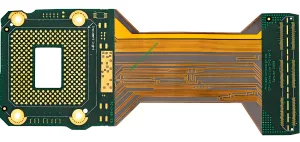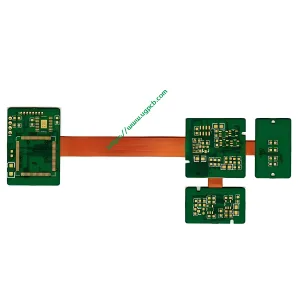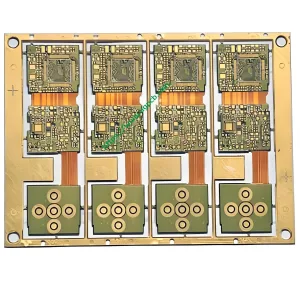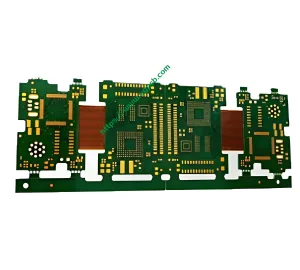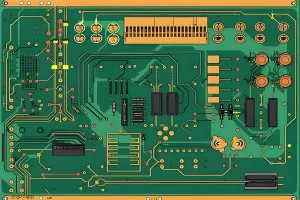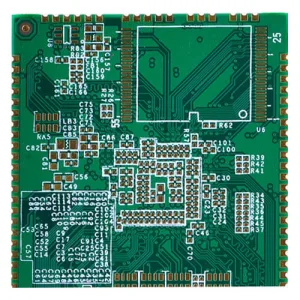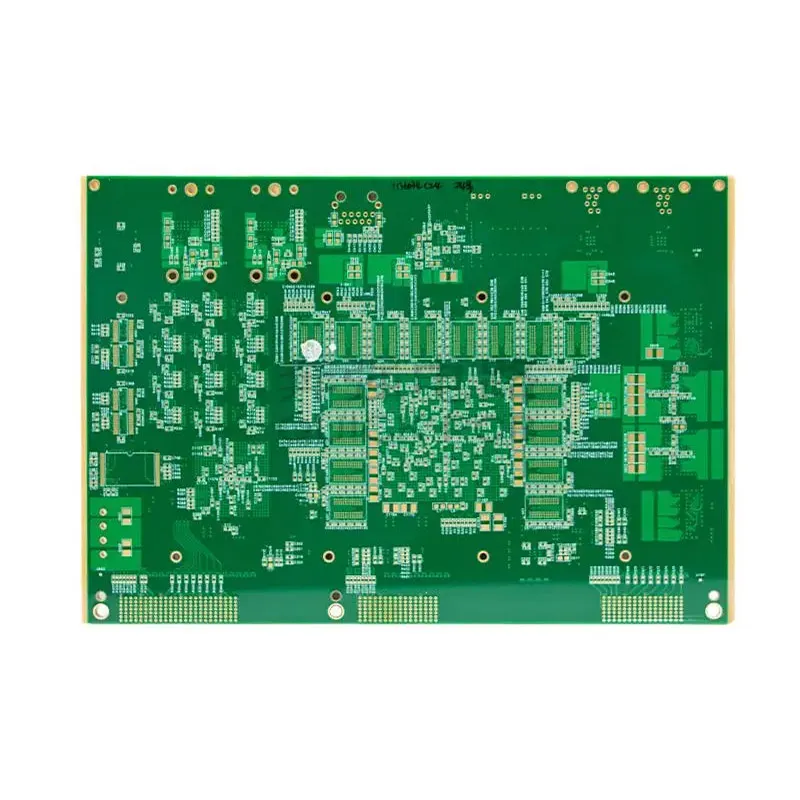
ภาพรวมผลิตภัณฑ์: เมื่อกระดานแข็งเรียนรู้ที่จะ “โค้งงอ”
ผลิตภัณฑ์อิเล็กทรอนิกส์สมัยใหม่ต้องการขนาดที่เล็กลงและมีคุณสมบัติมากกว่า. วิศวกรออกแบบเผชิญกับความท้าทายที่สำคัญ: ปรับฟังก์ชั่นวงจรให้มากขึ้นในพื้นที่จำกัด. แข็งแบบดั้งเดิม PCBS แบนและไม่ยืดหยุ่น. PCB ที่มีความยืดหยุ่นและมีราคาแพงช่วยแก้ปัญหานี้ แต่เพิ่มต้นทุนวัสดุและความซับซ้อนในการประกอบ.
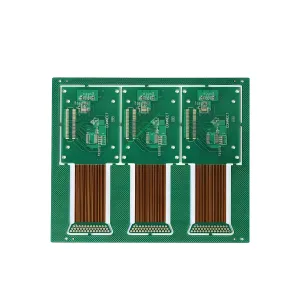
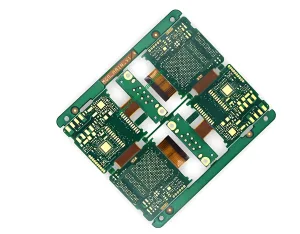
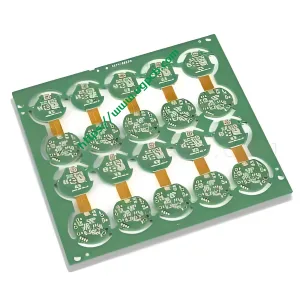
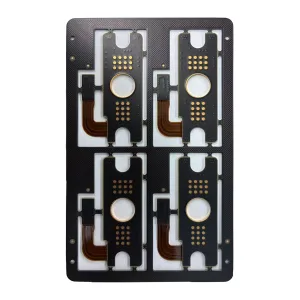
UGPCB แนะนำ PCB แบบกึ่งยืดหยุ่น (แผงวงจรพิมพ์กึ่งยืดหยุ่น) เพื่อแก้ไขปัญหานี้โดยตรง. มันใช้ความแข็งมาตรฐาน วัสดุ FR-4. ผ่านการกัดเชิงลึกที่มีการควบคุมอย่างแม่นยำ, พื้นที่เฉพาะของกระดานสามารถโค้งงอได้. นี่ไม่ใช่แค่ก้าวไปข้างหน้าทางเทคนิคเท่านั้น. เป็นการปฏิวัติต้นทุน. คุณจะได้รับความยืดหยุ่นในการติดตั้งบอร์ดแบบยืดหยุ่นโดยมีต้นทุนที่ใกล้เคียงกับบอร์ดแบบแข็งมาตรฐาน.
Semi-Flex PCB คืออะไร? มากกว่าการโค้งงอเพียงครั้งเดียว
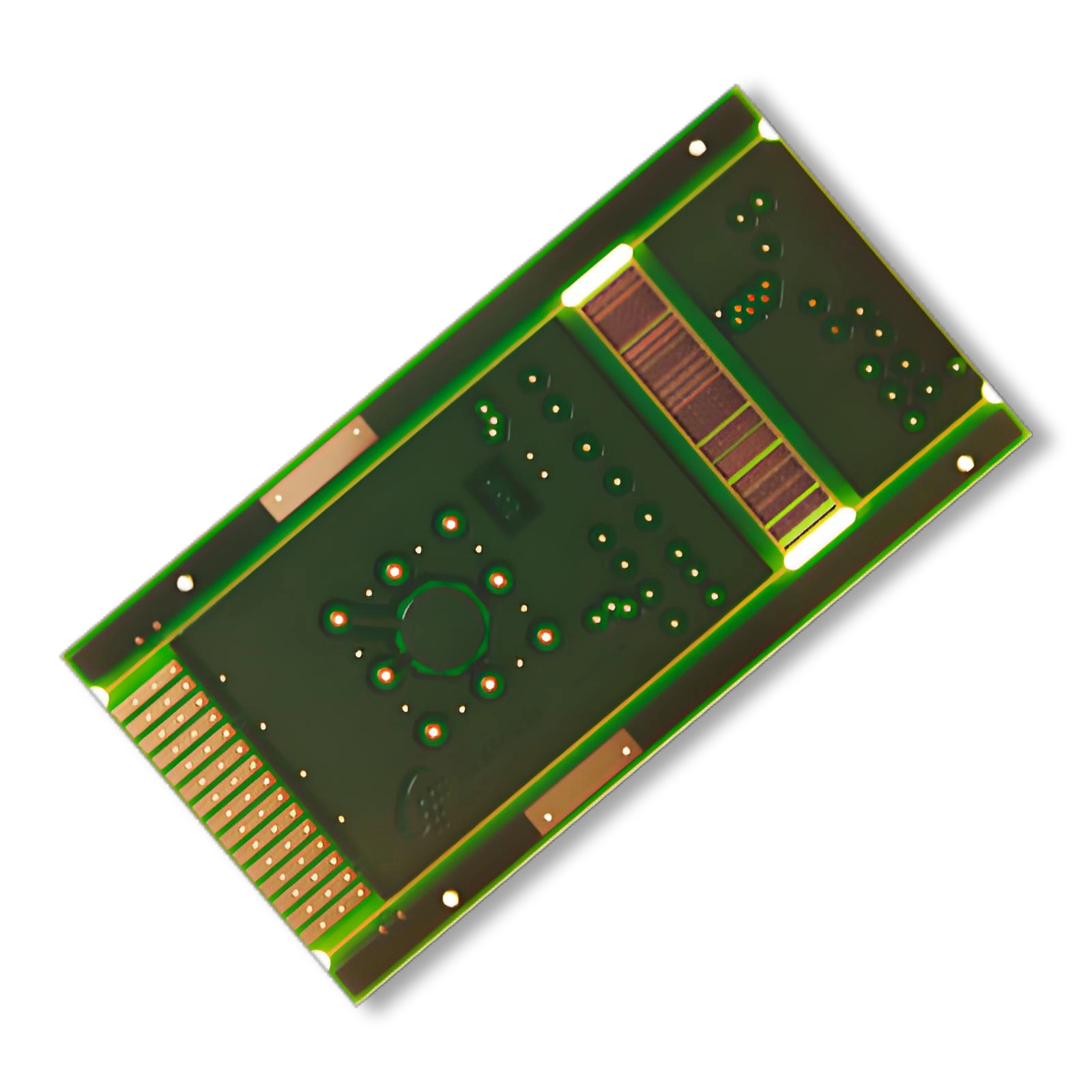
Semi-Flex PCB เรียกอีกอย่างว่า a “ยืดหยุ่นในการติดตั้ง” กระดาน. มันไม่ใช่วงจรแบบยืดหยุ่นแบบดั้งเดิม. แทน, มันคือ โครงสร้างไฮบริด .
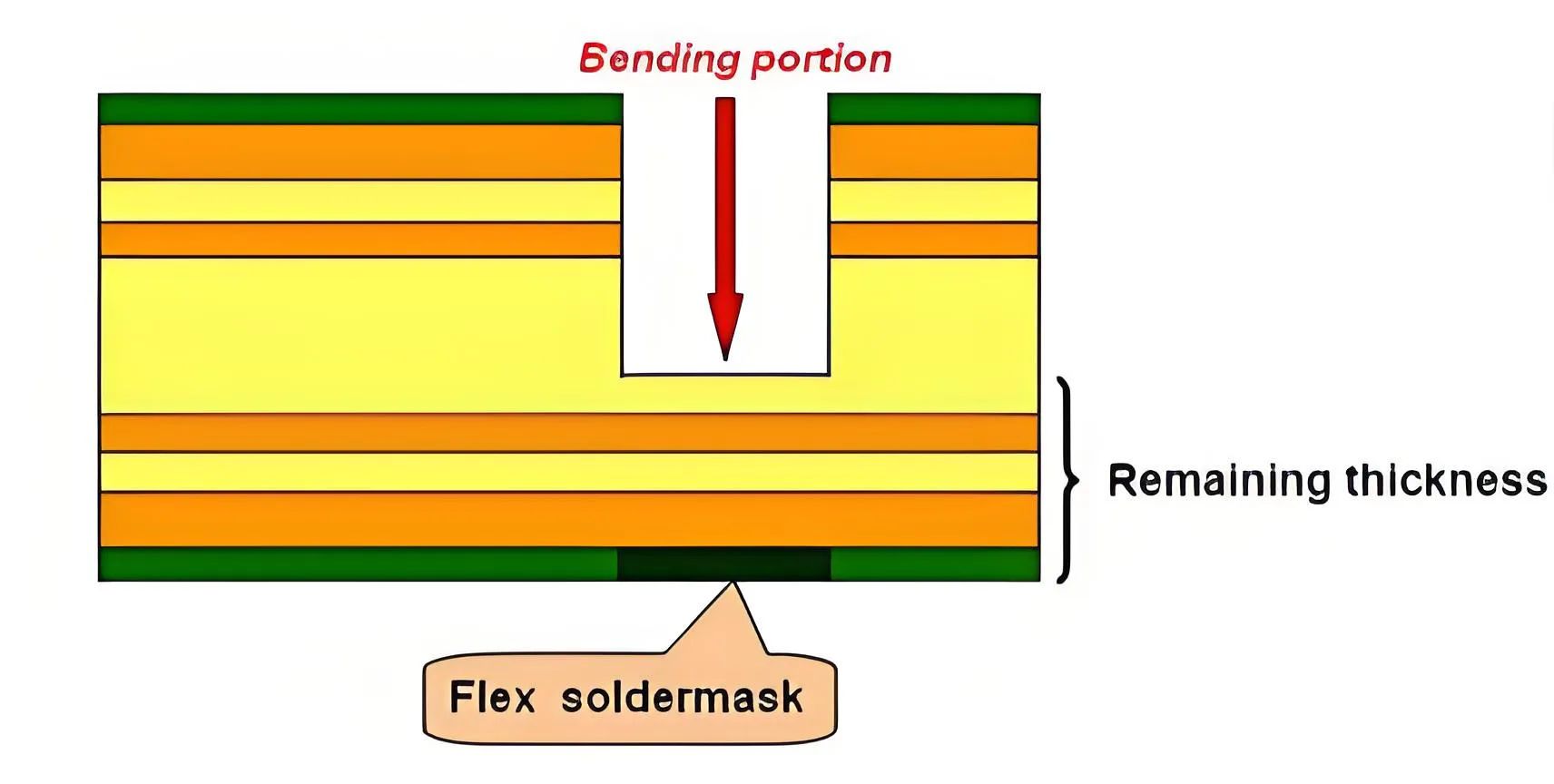
ตามคำนิยาม, Semi-Flex PCB เริ่มต้นจากบอร์ดหลายชั้นแบบแข็งมาตรฐาน. โดยใช้ การกำหนดเส้นทางความลึกที่ควบคุม (คปภ) , วัสดุ FR-4 ในบริเวณดัดโค้งบางลงอย่างแม่นยำ. โดยทั่วไปความหนาที่เหลือคือ 0.2 มม. ถึง 0.3 มม. ส่วนบางนี้ทำให้มีข้อจำกัด, การดัดแบบคงที่. การโค้งงอนี้มักเกิดขึ้นระหว่างการติดตั้งเท่านั้น, ซ่อมแซม, หรือทำงานซ้ำ. มันคือก “โค้งงอเพียงครั้งเดียว” หรือ “ยืดหยุ่นในการติดตั้ง” แอปพลิเคชัน.
พารามิเตอร์หลัก: โซลูชัน 8 ชั้นที่แม่นยำของ UGPCB
UGPCB ออกแบบชุด PCB แบบกึ่งยืดหยุ่นนี้สำหรับอุปกรณ์อิเล็กทรอนิกส์ในยานยนต์ที่มีความต้องการสูง. ทุกจุดข้อมูลรับประกันความน่าเชื่อถือ.
| พารามิเตอร์ | ข้อมูลจำเพาะ | ข้อมูลเชิงลึกทางเทคนิค |
|---|---|---|
| จำนวนเลเยอร์ | 8l (15219) | คอมเพล็กซ์ การออกแบบหลายชั้น สำหรับการเดินสายที่มีความหนาแน่นสูงและความสมบูรณ์ของสัญญาณที่แรง. |
| การดัดส่วนชั้นสื่อกระแสไฟฟ้า | 2 ชั้น | ทองแดงสองชั้นภายในพื้นที่โค้งบาง 0.28 มม. สิ่งนี้ให้อิสระในการกำหนดเส้นทางที่ยอดเยี่ยม. |
| มุมดัด | 180°, สองทิศทาง | รองรับการพับสุดขีด 180 องศาทั้งสองทิศทาง. นำเสนอความสามารถในการปรับตัวในการติดตั้งที่ดีเยี่ยม. |
| ความหนาที่เหลืออยู่ | สูงสุด: 0.28มม | การกัดเชิงลึกที่ควบคุมได้อย่างแม่นยำทำให้ได้ 0.28 มม. นี่เป็นค่าสำคัญสำหรับการดัดงอและความแข็งแรงที่เชื่อถือได้. |
| ประเภทลามิเนต | ไอที-158 | ค่า Tg สูง, ลามิเนตที่มีความน่าเชื่อถือสูงช่วยให้มั่นใจได้ถึงความเสถียรในระหว่างการบัดกรีไร้สารตะกั่วและการทำงานที่อุณหภูมิสูง. |
| ประเภท PP พื้นที่ดัดงอ | 1027 | พรีเพกผ้าแก้วบางเฉียบ. ช่วยให้มั่นใจได้ถึงความเป็นฉนวนและให้ความยืดหยุ่นในการดัดงอที่ดีเยี่ยม. |
| หน้ากากประสานพื้นที่ดัด | PSR-9000 FLX501 | หน้ากากประสานแบบยืดหยุ่นพิเศษ. ใช้แทนหมึกมาตรฐานที่เปราะและป้องกันการแตกร้าวระหว่างการดัดงอ. |
สิ่งจำเป็นสำหรับการออกแบบ & หลักการทำงาน: ศิลปะแห่งการลบ
หลักการทำงาน
หลักการทำงานของ Semi-Flex PCB นั้นเรียบง่ายอย่างหรูหรา. มันขึ้นอยู่กับฟิสิกส์. การกัดเชิงลึกที่ควบคุมจะช่วยลดความหนาของ FR-4 ในพื้นที่เฉพาะลงอย่างมาก. เมื่อมีการใช้กำลัง, ส่วน FR-4 ที่บางลงนี้จะเปลี่ยนรูปอย่างยืดหยุ่น, สร้างความโค้งงอ .
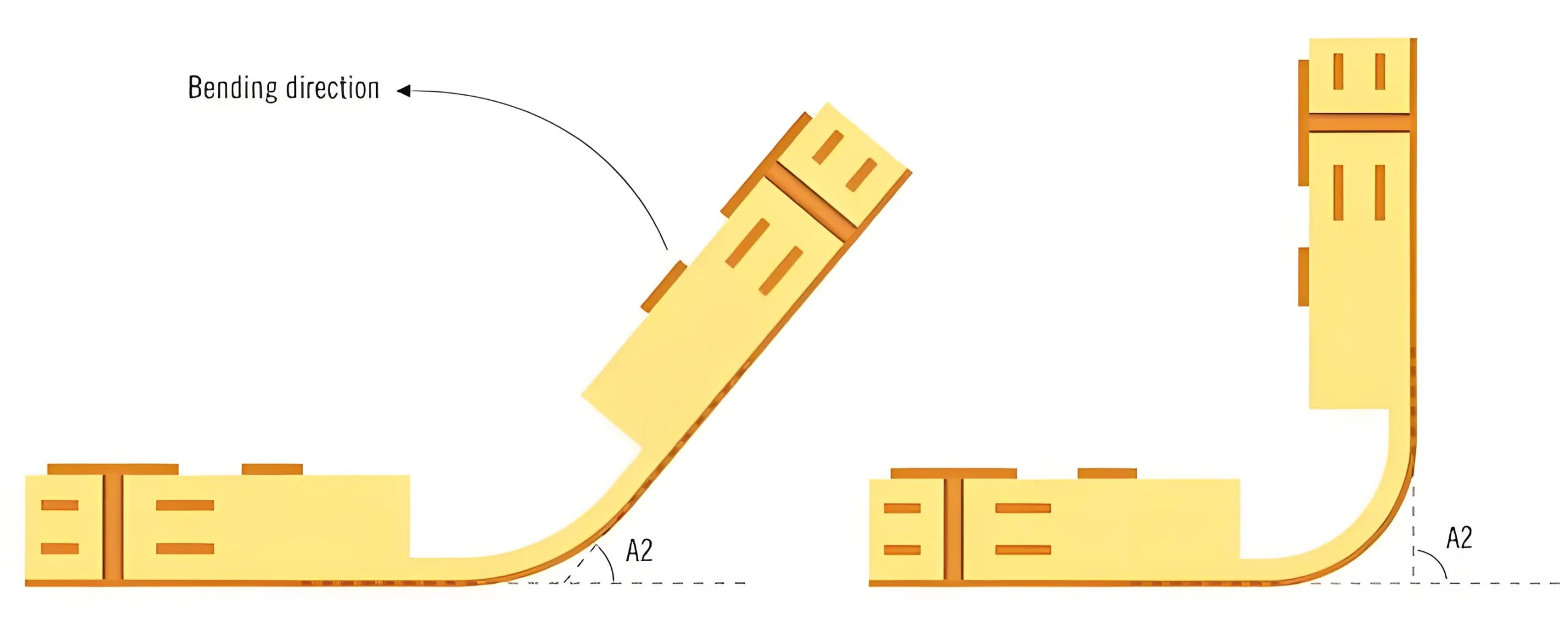
กฎการออกแบบทองคำสามข้อ
-
ควบคุมความแม่นยำในการกัดความลึก: นี่คือแกนหลักของเทคโนโลยี Semi-Flex. ความหนาที่เหลืออยู่ (เช่น UGPCB 0.28 มม) จะต้องแม่นยำ. หนาเกินไป, และกระดานจะไม่งอหรือแตก. ผอมเกินไป, และสูญเสียความแข็งแรงทางกล. ต้องใช้เครื่องกัดเชิงลึกแบบควบคุมแกน Z ที่มีความแม่นยำสูง .
-
เค้าโครงพื้นที่ดัด: การออกแบบจะต้องเป็นไปตามก “โค้งงอคงที่” หลักการ. เส้นโค้งควรตั้งฉากกับทิศทางการทอของใยแก้วเพื่อให้ได้รัศมีการโค้งงอที่ดีที่สุด .
-
บรรเทาความเครียด: โดยที่พื้นที่โค้งบรรจบกับพื้นที่แข็งเกร็ง, ร่องรอยต้องใช้รูปทรงโค้งมนหรือทรงหยดน้ำ. หลีกเลี่ยงมุม 90 องศา เพื่อป้องกันไม่ให้ทองแดงฉีกขาดระหว่างการดัดงอ. เก็บส่วนประกอบให้ห่างจากบริเวณโค้งงออย่างน้อย 1 มม .
การใช้งาน & การจำแนกประเภท: เหมาะอย่างยิ่งสำหรับการดัดแบบคงที่
การจำแนกประเภททางวิทยาศาสตร์
-
โดยเทคโนโลยี: มันเป็นของ 3ดี พีซีบี การแก้ปัญหา. มันเป็นทางเลือกที่ประหยัดแทนบอร์ดแบบแข็งแบบยืดหยุ่นแบบดั้งเดิม.
-
ตามการใช้งาน: มันคือก PCB แบบคงที่. ซึ่งแตกต่างจากบอร์ดไดนามิกเฟล็กซ์ที่ออกแบบมาสำหรับรอบเฟล็กซ์หลายล้านรอบ .
การใช้งานหลัก
UGPCB Semi-Flex PCB เหมาะอย่างยิ่งสำหรับสภาพแวดล้อมที่มีความต้องการสูงเหล่านี้:
-
อุปกรณ์อิเล็กทรอนิกส์ยานยนต์ (ลูกค้าระบุ) : เหมาะสำหรับแผงหน้าปัด, แบ็คเพลนสาระบันเทิง, และโมดูลควบคุมการส่งกำลัง. พื้นที่ภายในรถที่แคบได้ประโยชน์จากความสามารถของ Semi-Flex ในการปรับให้เข้ากับรูปทรงที่ไม่ธรรมดา .
-
การควบคุมอุตสาหกรรม: ใช้ในโมดูล I/O ของหุ่นยนต์และอินเวอร์เตอร์. สามารถเปลี่ยนสายเคเบิลและขั้วต่อได้, ปรับปรุงความต้านทานการสั่นสะเทือน.
-
อุปกรณ์การแพทย์: ใช้ในอุปกรณ์มือถือขนาดกะทัดรัดและเครื่องช่วยฟัง. การโค้งงอช่วยให้วางซ้อนภายในได้แน่นมาก.
ผลงาน, วัสดุ & โครงสร้าง: ความลับของความแข็งแกร่งและความยืดหยุ่น
รายละเอียดวัสดุ
-
ลามิเนต (ไอที-158) : นี่คือ FR-4 ทนความร้อนสูง. อุณหภูมิการเปลี่ยนสถานะคล้ายแก้วสูงทำให้มั่นใจได้ถึงขนาดที่มั่นคงและประสิทธิภาพทางไฟฟ้าหลังจากการดัดงอและระหว่างการบัดกรีแบบรีโฟลว์.
-
เตรียมการ (1027) : ที่ 1027 รหัสบ่งบอกถึงผ้าแก้วที่บางมาก. เมื่อเคลือบแล้ว, มันสร้างชั้นอิเล็กทริกบางมาก. นี่คือกุญแจสำคัญในการบรรลุชั้นทองแดงสองชั้นภายในความหนาโค้งงอรวม 0.28 มม .
-
หน้ากากประสานแบบยืดหยุ่น (PSR-9000 FLX501) : หน้ากากประสานมาตรฐานจะแตกเหมือนกระจกเมื่อโค้งงอ. FLX501 เป็นเรซินที่สร้างขึ้นสำหรับวงจรที่มีความยืดหยุ่น. มันมีการยืดตัวที่ดีเยี่ยม. มันพันวงจรในบริเวณโค้งอย่างแน่นหนา, ป้องกันการเกิดออกซิเดชันและกางเกงขาสั้น.
คุณสมบัติเชิงโครงสร้าง
Semi-Flex PCB มีสองโซนที่แตกต่างกัน: ที่ พื้นที่แข็งตัว และ พื้นที่ดัด.
-
พื้นที่แข็งตัว: คงความหนามาตรฐาน 8 ชั้น (ปกติ 1.6 มม). ซึ่งให้การสนับสนุนทางกลที่แข็งแกร่งสำหรับ ส่วนประกอบ.
-
พื้นที่ดัด: หลังจากควบคุมการกัดเชิงลึกแล้ว, เหลือเพียงแกนบางที่มีชั้นทองแดงสองชั้น. ควบคุมความหนาได้อย่างแม่นยำถึง 0.28 มม. โครงสร้างที่ไม่สมมาตรนี้ต้องการการเคลือบขั้นสูงและการควบคุมเส้นทาง.
กระบวนการผลิต: หนึ่งขั้นตอนพิเศษ, ค่าใช้จ่ายครึ่งหนึ่ง
UGPCB ปฏิบัติตามขั้นตอนการผลิต Semi-Flex ที่เป็นมาตรฐาน. ช่วยให้มั่นใจได้ถึงการโค้งงอที่แม่นยำบนทุกบอร์ด.
-
การเคลือบ: กดลามิเนต IT-158, 1027 เตรียมการ, และฟอยล์ทองแดงที่มีความเหนียวสูงเพื่อสร้างเป็น 8 ชั้น คณะกรรมการหลายชั้น .
-
การขุดเจาะ & การชุบ: พีซีบีมาตรฐาน กระบวนการสร้างการเชื่อมต่อระหว่างชั้น.
-
การถ่ายภาพชั้นนอก: สร้างวงจรชั้นนอก. มีการออกแบบรอยพื้นที่ดัดโค้งไว้แล้ว.
-
การใช้งานหน้ากากประสานแบบยืดหยุ่น: พิมพ์หน้ากากประสานแบบยืดหยุ่น PSR-9000 FLX501 บนบริเวณโค้งงอ [การอ้างอิง:ให้_data]. ที่นี่ไม่ได้ใช้หน้ากากประสานมาตรฐาน.
-
ควบคุมการกัดความลึก: ดำเนินการกัดที่มีการควบคุมความลึกอย่างแม่นยำบนพื้นที่ดัดงอ. ลดความหนาเหลือ 0.28 มม. นี่เป็นขั้นตอนที่สำคัญที่สุด. ความทนทานต่อความหนาต้องอยู่ภายใน ± 0.05 มม .
-
การกำหนดเส้นทาง & การทดสอบ: กำหนดเส้นทางโครงร่างของบอร์ด. ทำการทดสอบทางไฟฟ้าเพื่อยืนยันการทำงานของวงจรหลังจากการดัดงอ.
สถานการณ์การใช้งาน: ขยายความเป็นไปได้ในการออกแบบ
-
สถานการณ์ 1: การเปลี่ยนสายเคเบิลราคาแพง: ในแบ็คเพลนเซิร์ฟเวอร์, บอร์ด UGPCB Semi-Flex สามารถโค้งงอได้ 90 องศาเพื่อเชื่อมต่อโดยตรง. ซึ่งช่วยประหยัดต้นทุนของสายเคเบิลและตัวเชื่อมต่อ FPC. นอกจากนี้ยังช่วยลดความเสี่ยงในการติดต่อที่ไม่ดีอีกด้วย.
-
สถานการณ์ 2: ไฟ LED: สำหรับหลอด LED ทรงกลมหรือรูปทรงแปลกตา, Semi-Flex สามารถโค้งงอได้ตามโค้งที่ต้องการ. การกระจายความร้อนได้ดีกว่า PCB แบบยืดหยุ่นมาตรฐานมาก.
-
สถานการณ์ 3: กล้องรักษาความปลอดภัย: ภายในโดมกล้อง PTZ, ใช้ Semi-Flex เพื่อเชื่อมต่อเมนบอร์ดและบอร์ดกล้องเป็นหนึ่งเดียว. ช่วยประหยัดพื้นที่และปรับปรุงความต้านทานการสั่นสะเทือน.
เหตุใดจึงเลือก UGPCB Semi-Flex PCB?
-
การควบคุมต้นทุนขั้นสูงสุด: เมื่อเทียบกับบอร์ดแบบแข็งเกร็งแบบเดิม (โดยใช้โพลิอิไมด์), Semi-Flex ใช้มาตรฐาน FR-4. ต้นทุนวัสดุลดลงมากกว่า 50%. วงจรการผลิตก็สั้นกว่ามากเช่นกัน .
-
ความน่าเชื่อถือสูง: หลีกเลี่ยงลามิเนตหุ้มทองแดงที่มีความยืดหยุ่นและมีราคาแพง. ซึ่งจะช่วยป้องกันการหลุดล่อนที่เกิดจาก CTE ไม่ตรงกันระหว่างวัสดุที่ยืดหยุ่นและแข็ง. นี่เป็นสิ่งสำคัญสำหรับสาขาที่มีความต้องการสูงเช่น อุปกรณ์อิเล็กทรอนิกส์ยานยนต์ .
-
เสถียรภาพทางกล: ด้วยลามิเนต IT-158 ของ UGPCB และ 1027 เตรียมการ, บอร์ดจะคงรูปร่างไว้หลังจากการดัดงอสองทิศทาง 180 องศา. สปริงแบ็คมีน้อยมาก.
-
การปรับแต่งสูง: ไม่ว่าจะเป็น 4 ชั้นหรือ 8 ชั้น, ทองแดงชั้นเดียวหรือสองชั้นในบริเวณโค้งงอ (ชอบ 15219 กองขึ้น), UGPCB ให้บริการแบบครบวงจรตั้งแต่ตัวอย่างทางวิศวกรรมไปจนถึงการผลิตจำนวนมาก.
รับใบเสนอราคาเลย. ปลดล็อกศักยภาพการออกแบบ 3D ของคุณ.
เทคโนโลยี Semi-Flex PCB กำลังเปลี่ยนแปลงวิธีที่วิศวกรออกแบบผลิตภัณฑ์. ช่วยให้คุณจัดลำดับความสำคัญของประสิทธิภาพของวงจรและเค้าโครงโดยไม่ถูกจำกัดด้วยพื้นที่.
อย่าปล่อยให้ตัวเชื่อมต่อและสายเคเบิลมาจำกัดการออกแบบของคุณ.
UGPCB มีประสบการณ์ที่เป็นผู้ใหญ่ในการผลิตจำนวนมากแบบ Semi-Flex. 8-บอร์ดเลเยอร์, 180-องศาดัด, 0.28ความหนาคงเหลือ มม… เราไม่เพียงแค่สร้างการออกแบบของคุณเท่านั้น. เรารับประกันความน่าเชื่อถือในระยะยาว.
[คลิกที่นี่ เพื่อรับการตรวจทานวิศวกรรมฟรี & อ้างจาก UGPCB] (คำกระตุ้นการตัดสินใจ)