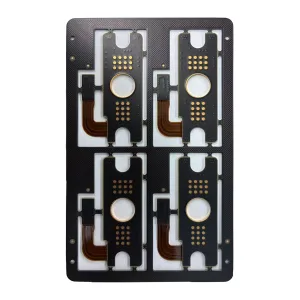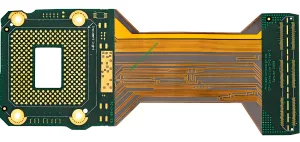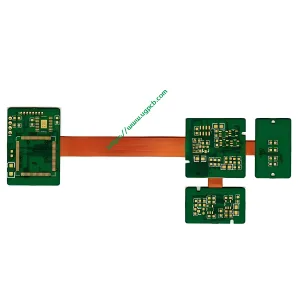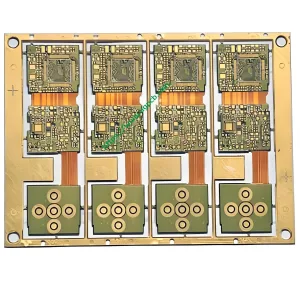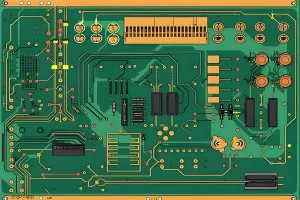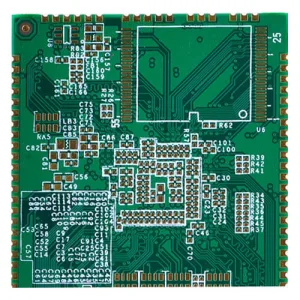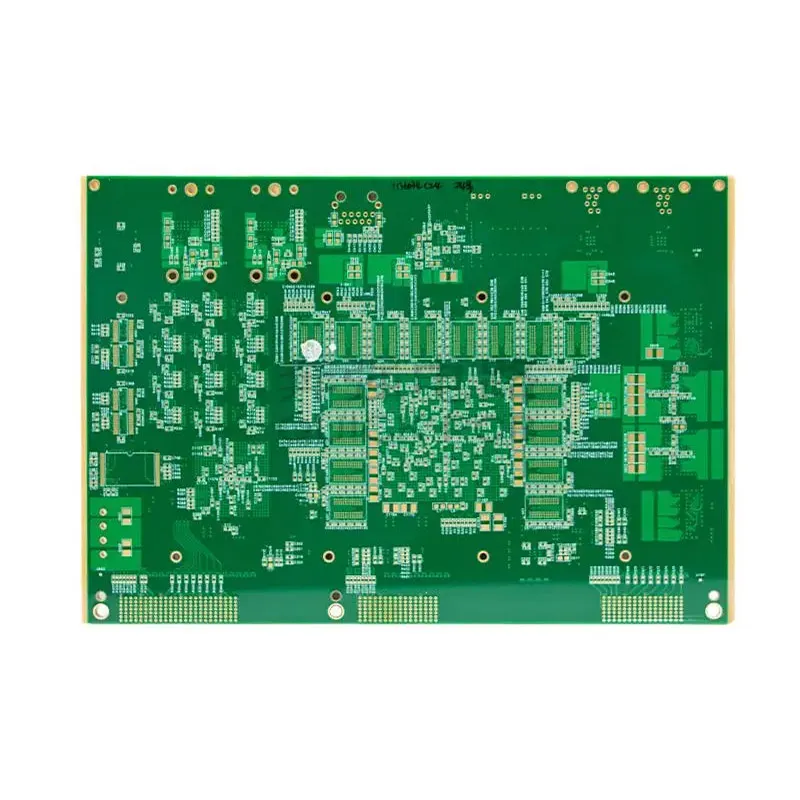
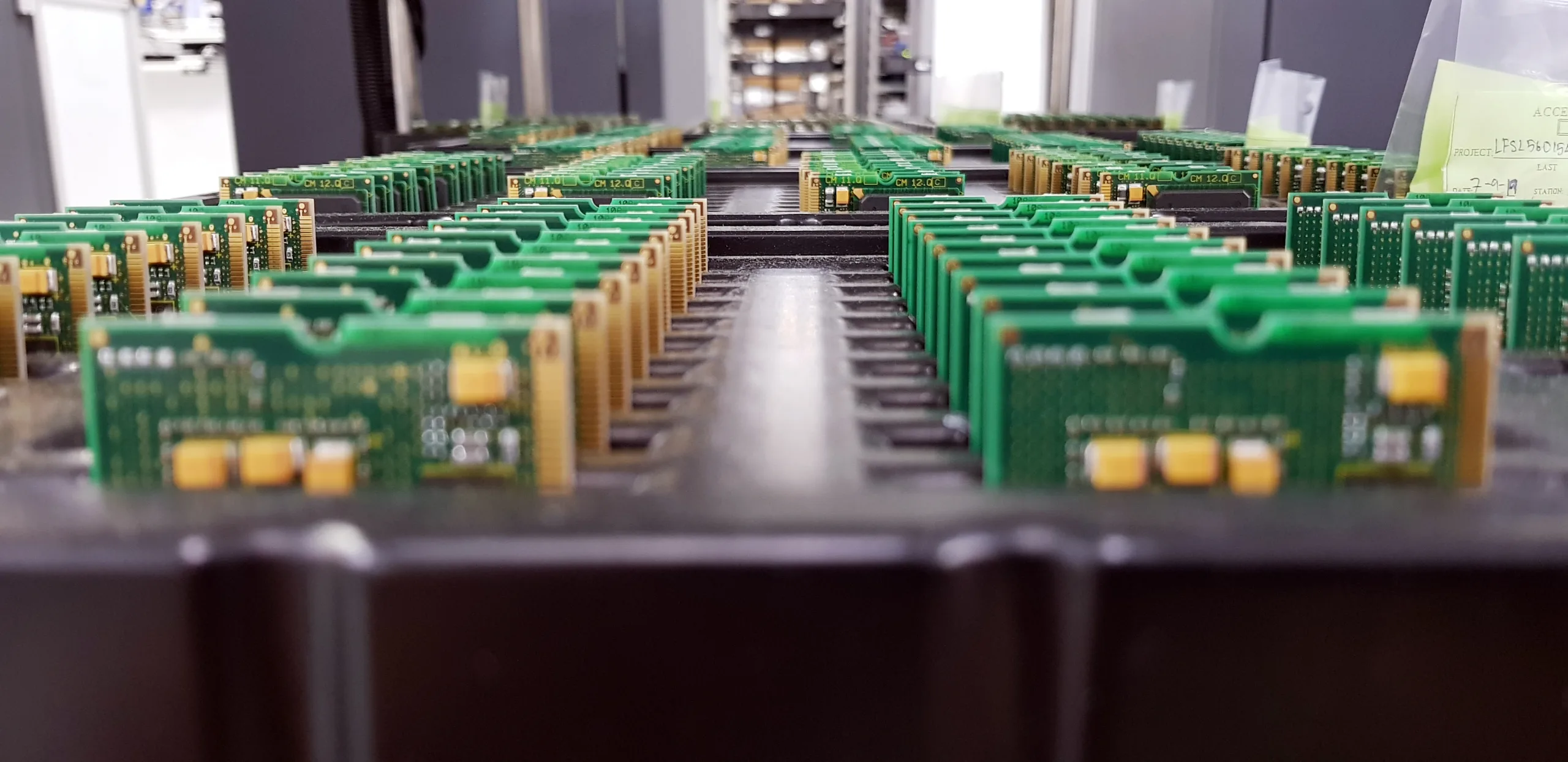
As unmanned aerial vehicles (uavs) evolve, every gram impacts flight time, and every signal determines flight safety. Traditional rigid PCBs cannot fit into compact, folded drone frames, while flexible PCBs alone lack structural support. UGPCB solves this challenge with the unmanned aerial vehicle rigid-flex PCB—a specialized circuit board designed for high-vibration, space-constrained aerospace applications.
This article explains the design, วัสดุ, and manufacturing standards behind this advanced PCB แข็ง-Flex. You will learn why it is the preferred interconnect solution for modern drone electronics.
1. ภาพรวมและคำจำกัดความของผลิตภัณฑ์
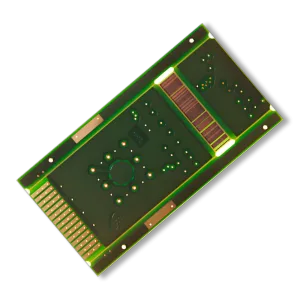
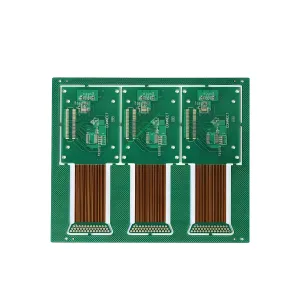
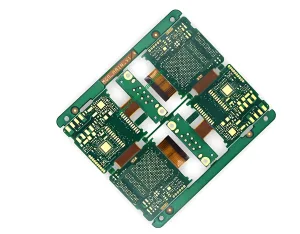
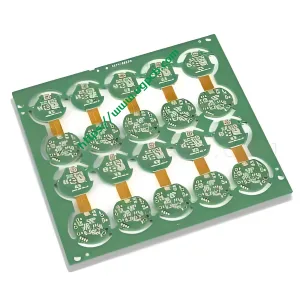
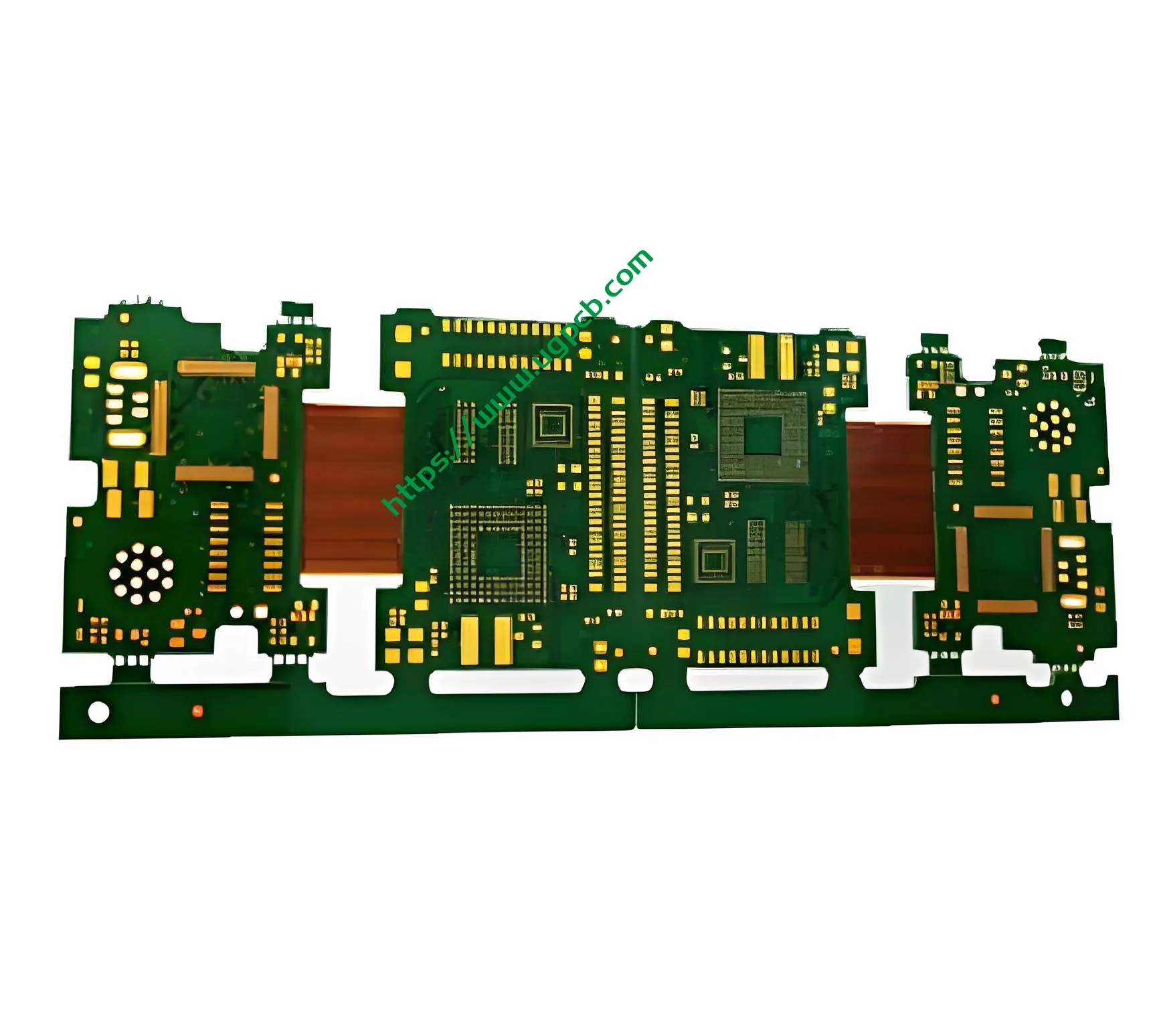
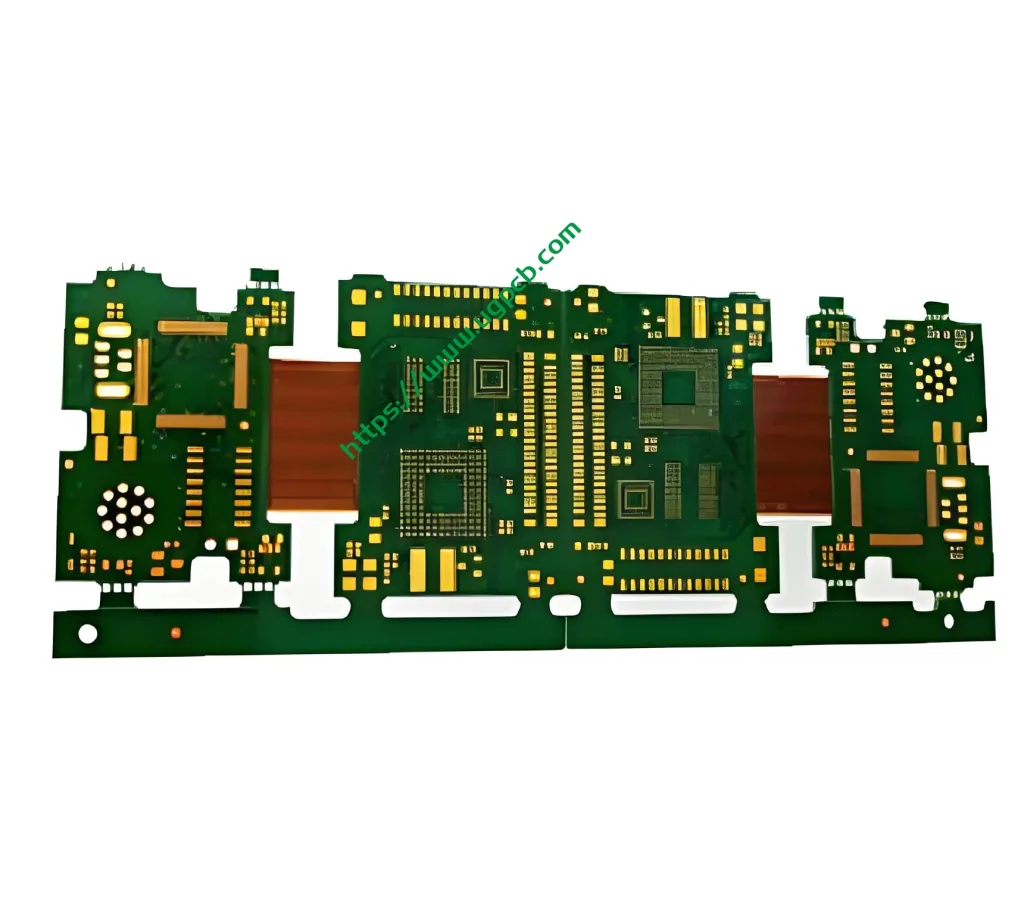
อัน UAV rigid-flex PCB combines rigid circuit board sections with flexible circuit board sections into a single, unified structure. The rigid areas (made of FR-4) รองรับส่วนประกอบที่มีน้ำหนักมาก เช่น โปรเซสเซอร์และตัวเชื่อมต่อ. พื้นที่ที่มีความยืดหยุ่น (ทำจากโพลีอิไมด์, หรือปี่) อนุญาตให้งอและพับ. การออกแบบนี้ทำให้ไม่จำเป็นต้องใช้ขั้วต่อและชุดสายไฟ.
ถึง UGPCB, เรากำหนดคุณภาพสูง แผงวงจรพิมพ์แบบแข็งงอ เป็นสิ่งหนึ่งที่รักษาความสมบูรณ์ของสัญญาณภายใต้ความเครียดเฉพาะของโดรน, รวมถึงการสั่นสะเทือนสูง, พับแน่น, และการเปลี่ยนแปลงของอุณหภูมิในวงกว้าง. โมเดลของเราได้รับการปรับแต่งสำหรับระบบควบคุมการบิน, โมดูลส่งสัญญาณวิดีโอ, และชุดกิมบอล.
2. ข้อมูลจำเพาะและโครงสร้างที่สำคัญ
ตารางด้านล่างแสดงรายการข้อกำหนดหลักสำหรับรุ่น UGPCB นี้.
| พารามิเตอร์ | ข้อมูลจำเพาะ |
|---|---|
| แบบอย่าง | UAV Rigid-Flex PCB |
| วัสดุ | FR-4 (เข้มงวด) + PI (ดิ้น) |
| เลเยอร์ stackup | แข็ง: 4 ชั้น / ดิ้น: 2 ชั้น |
| ความหนาสำเร็จรูป | พื้นที่แข็งตัว: 1.0มม / พื้นที่เฟล็กซ์: 0.15มม |
| ความหนาของทองแดง | 1 ออนซ์ (ชั้นภายในและภายนอก) |
| พื้นผิวเสร็จสิ้น | ทองแช่ (เห็นด้วย) |
| นาที. ติดตาม / ช่องว่าง | 4 MIL / 4 MIL |
| สีหน้ากากประสาน | สีเขียว (เข้มงวด) / ผ้าคลุมสีขาว (ดิ้น) |
3. มันทำงานอย่างไรและข้อควรพิจารณาในการออกแบบที่สำคัญ
มันทำงานอย่างไร
นี้ PCB แข็ง-Flex ทำหน้าที่เป็นระบบประสาทส่วนกลางของโดรน. ส่วนแข็ง 4 ชั้นเป็นแพลตฟอร์มที่มั่นคงสำหรับการบัดกรีส่วนประกอบหลัก เช่น โปรเซสเซอร์หลัก, ไจโรสโคป, และไอซีการจัดการพลังงาน. ส่วนที่ยืดหยุ่น 2 ชั้นจะเชื่อมต่อชิ้นส่วนที่เคลื่อนไหว เช่น มอเตอร์และกล้องกิมบอล โดยไม่ต้องใช้ขั้วต่อแบบกลไก. ช่วยให้สามารถเคลื่อนย้ายและพับได้อย่างอิสระโดยไม่ทำลายเส้นทางไฟฟ้า.
ข้อควรพิจารณาในการออกแบบ
-
การป้องกันโซนการเปลี่ยนผ่าน: จุดเชื่อมต่อระหว่างพื้นที่แข็งและยืดหยุ่นเป็นจุดที่เกิดความเครียดได้ง่ายที่สุด. UGPCB เสริมกำลังพื้นที่นี้โดยใช้แผ่นหยดน้ำตาและความกว้างของร่องรอยแบบเรียว. ซึ่งจะช่วยป้องกันการลัดวงจรที่เกิดจากการสั่นสะเทือนของโดรนอย่างต่อเนื่อง.
-
การควบคุมความต้านทาน: สำหรับสัญญาณการส่งสัญญาณวิดีโอความถี่สูง (โดยทั่วไปแล้วดิฟเฟอเรนเชียล50Ωหรือ100Ω), เราใช้ 4 ความกว้างและระยะห่างของรอยเส้น mil เพื่อรักษาความต้านทานที่สม่ำเสมอทั่วทั้งส่วนที่แข็งและส่วนที่โค้งงอ.
4. การเลือกวัสดุ: FR-4 และ PI
เหตุใด UGPCB จึงใช้ FR-4 และ PI สำหรับสิ่งนี้ unmanned aerial vehicle rigid-flex PCB?
-
พื้นที่แข็งตัว (FR-4): เราเลือกค่า Tg สูง (อุณหภูมิการเปลี่ยนสถานะคล้ายแก้ว) FR-4. เพื่อให้แน่ใจว่าบอร์ดจะไม่อ่อนตัวหรือบิดเบี้ยวระหว่างการบินด้วยโดรนกำลังสูง, ป้องกันความล้มเหลวของข้อต่อประสาน.
-
พื้นที่ยืดหยุ่น (PI – โพลีอิมด์): ส่วนที่ยืดหยุ่นใช้โพลีอิไมด์คุณภาพสูง. วัสดุนี้ทนทานต่อการโค้งงอซ้ำๆ และอุณหภูมิสุดขั้วตั้งแต่ -40°C ถึง +150°C. มีความหนาไม่สมมาตร (1.0มม. แข็งเทียบกับ. 0.15มม. ดิ้น) ปรับสมดุลความแข็งแรงเชิงกลกับความบางที่จำเป็นสำหรับการพับที่แน่นหนา.
5. คุณสมบัติด้านประสิทธิภาพ
การรวมกันของ 1 ทองแดง, ทองคำแช่, และ 4 การติดตาม/พื้นที่ มอบคุณประโยชน์ด้านประสิทธิภาพที่วัดผลได้.
-
ความน่าเชื่อถือสูง: ทองแช่ (เห็นด้วย) สร้างแฟลต, พื้นผิวที่ทนต่อการเกิดออกซิเดชัน. ซึ่งสนับสนุนการบัดกรี BGA ระดับละเอียด และลดความเสี่ยงของลูกบัดกรีที่มักเกิดขึ้นกับการเคลือบ HASL.
-
ความสมบูรณ์ของสัญญาณ: ที่ 4 ความกว้างของรอยเส้นไมล์ช่วยให้นักออกแบบสามารถกำหนดเส้นทางคู่ดิฟเฟอเรนเชียลในพื้นที่แคบได้. ซึ่งจะช่วยลดการรบกวนทางแม่เหล็กไฟฟ้า (อีเอ็มไอ), ซึ่งเป็นสิ่งสำคัญสำหรับสัญญาณ GPS และวิดีโอที่มีความละเอียดอ่อน.
-
การลดน้ำหนัก: เปลี่ยน “กระดานแข็ง + ขั้วต่อ + สายเคเบิล” ประกอบด้วยตัวเดียว บอร์ดแข็งดิ้น สามารถลดน้ำหนักการเชื่อมต่อระหว่างกันทั้งหมดได้ถึง 40%. การลดน้ำหนักนี้จะช่วยยืดเวลาการบินของโดรน.
-
ประสิทธิภาพความร้อน: แผ่นปิดสีขาวบนส่วนที่ยืดหยุ่นสะท้อนความร้อนได้มากกว่าแผ่นปิดสีเหลืองแบบดั้งเดิม. ซึ่งจะช่วยจัดการอุณหภูมิในระหว่างการบินโดรนเป็นเวลานาน.
6. การจำแนกประเภทอุตสาหกรรม
ขึ้นอยู่กับ IPC และมาตรฐานอุตสาหกรรม, ผลิตภัณฑ์นี้ตกอยู่ภายใต้:
-
หมวดหมู่หลัก: บอร์ดพิมพ์แบบยืดหยุ่นและแข็ง
-
หมวดหมู่รอง: Rigid-Flex หลายชั้นพร้อมโครงสร้างแบบอสมมาตร
-
คลาสแอปพลิเคชัน: การบินและอวกาศและอุปกรณ์อิเล็กทรอนิกส์ยานพาหนะทางอากาศไร้คนขับ
7. กระบวนการผลิต (ไอพีซี-6013 & การปฏิบัติตามมาตรฐาน UL)
UGPCB ปฏิบัติตามกระบวนการควบคุมเพื่อให้เป็นไปตาม IPC-6013 (คุณสมบัติคณะกรรมการแบบยืดหยุ่น/แข็ง-Flex) และยูล 94 วี-0 มาตรฐานการติดไฟ. ขั้นตอนสำคัญสำหรับเรื่องนี้ 4-ชั้นแข็ง + 2-ดิ้นชั้น การออกแบบคือ:
-
การเตรียมวัสดุ: วัสดุฐาน FR-4 และ PI ได้รับการทำความสะอาดและจัดเตรียม.
-
การเคลือบและการเคลือบ: พื้นที่ที่ยืดหยุ่นได้รับการเปิดฝาครอบอย่างแม่นยำ. ที่ 4 ชั้นแข็งและ 2 จากนั้นชั้นเฟล็กซ์จะถูกเคลือบเข้าด้วยกันภายใต้อุณหภูมิและสุญญากาศที่สูง. ขั้นตอนนี้ต้องการการควบคุมการไหลของกาวที่แม่นยำเพื่อป้องกันช่องว่างที่ขอบเขตแข็งเกร็ง.
-
การเจาะและการชุบ: การเจาะด้วยเลเซอร์ใช้สำหรับไมโครเวียในพื้นที่ที่ยืดหยุ่น. จากนั้นจึงทำการชุบทองแดงเพื่อให้ได้ 1 ความหนาออนซ์ในจุดแวะทั้งหมด.
-
การถ่ายภาพและการชุบชั้นนอก: วงจรชั้นนอกเกิดขึ้น, และการชุบทองแดงขั้นสุดท้ายก็เสร็จสิ้น 1 ข้อมูลจำเพาะออนซ์.
-
พื้นผิวเสร็จสิ้น (ทองแช่): ENIG ถูกนำไปใช้กับแผ่นทองแดงเปลือยทั้งหมด.
-
การทำโปรไฟล์และการทดสอบทางไฟฟ้า: กระดานถูกส่งไปยังรูปร่างสุดท้าย. ทุกบอร์ดผ่าน 100% การทดสอบการบินของโพรบ เพื่อตรวจสอบความสมบูรณ์ทางไฟฟ้า.
8. การใช้งานทั่วไป
นี้ unmanned aerial vehicle rigid-flex PCB เหมาะสำหรับการใช้งานดังต่อไปนี้:
-
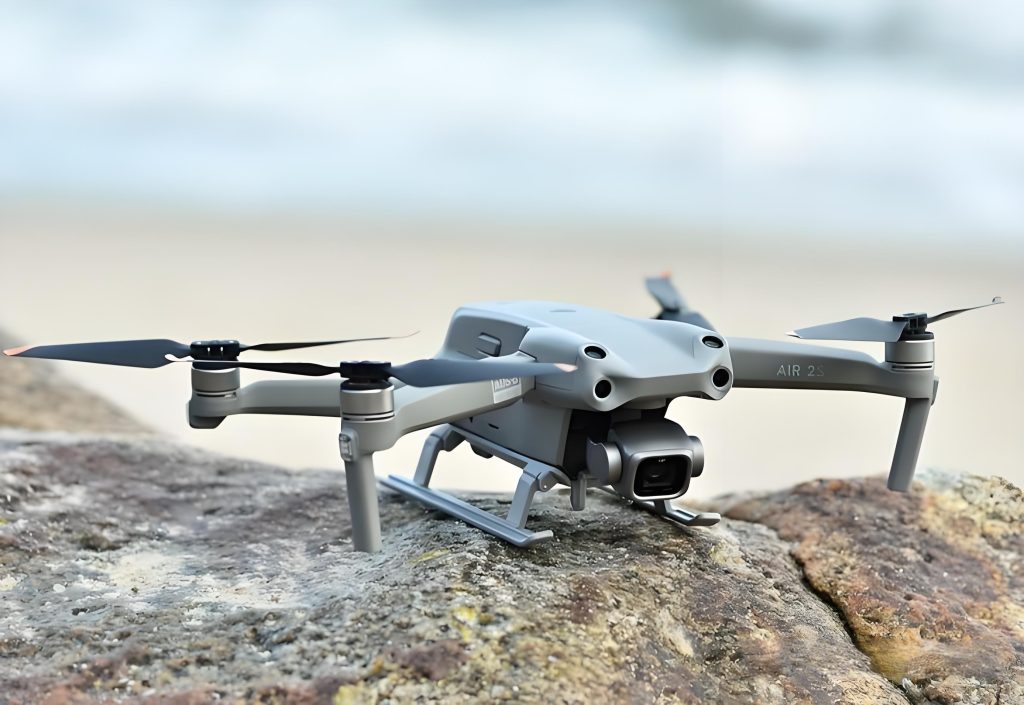
โดรนผู้บริโภคแบบพับได้: ใช้ในบริเวณบานพับที่ต้องพับหลายพันเท่าตลอดอายุการใช้งานของผลิตภัณฑ์.
-
เอฟพีวี (มุมมองบุคคลที่หนึ่ง) โดรนแข่ง: กำจัดตัวเชื่อมต่อเพื่อลดน้ำหนักและปรับปรุงอัตราส่วนแรงขับต่อน้ำหนัก.
-
กล้องกิมบอล: เชื่อมต่อมอเตอร์เข้ากับแผงวงจรหลักด้วยวงจรที่ยืดหยุ่นได้ดี เพื่อให้แน่ใจว่าสัญญาณล่าช้าเป็นศูนย์ในระหว่างการเคลื่อนไหวอย่างรวดเร็ว.
-
โดรนแบบผูกเชือก: ที่ 1 ทองแดงออนซ์ในส่วนที่แข็งจะจัดการกับกระแสไฟสูงและกระจายความร้อนได้อย่างมีประสิทธิภาพในระหว่างการใช้งานที่ยาวนาน.
9. ทำไมต้องเลือก UGPCB?
UGPCB เชี่ยวชาญด้าน แผงวงจรพิมพ์ที่แข็ง ด้วยสแต็กอัพที่ซับซ้อน. เรามีประสบการณ์ที่ได้รับการพิสูจน์แล้วในการผลิตการออกแบบที่ประณีต (4 พัน/4 พัน) และโครงสร้างไม่สมมาตร (1.0มม. แข็ง + 0.15มม. ดิ้น). ความมุ่งมั่นของเราประกอบด้วย:
-
ข้อกำหนดที่ตรงกันทุกประการ: เราสร้างตามข้อกำหนดไฟล์ Gerber และสแต็กอัปของคุณอย่างเคร่งครัด.
-
การสร้างต้นแบบอย่างรวดเร็ว: เราเสนอ 5- สู่บริการเร่งด่วน 7 วันสำหรับนักพัฒนาโดรนที่ต้องการการทำซ้ำอย่างรวดเร็ว.
-
สนับสนุนการออกแบบ: ทีมวิศวกรของเราจะตรวจสอบไฟล์ของคุณเพื่อเพิ่มประสิทธิภาพการเปลี่ยนแบบยืดหยุ่นและลดความเสี่ยงในการผลิต.
10. ขอใบเสนอราคา
คุณกำลังพัฒนาโดรนและต้องการ UAV rigid-flex PCB ที่ทำให้น้ำหนักสมดุล, ความทนทาน, และความสมบูรณ์ของสัญญาณ? UGPCB สนับสนุนโครงการตั้งแต่ต้นแบบไปจนถึงการผลิตจำนวนมาก. ติดต่อทีมขายของเราเพื่อขอราคาที่แข่งขันได้โดยพิจารณาจากความแข็งแกร่ง 4 ชั้นของคุณ, 2-ข้อกำหนดการยืดหยุ่นของเลเยอร์.
คลิก "สอบถามตอนนี้" เพื่อให้ UGPCB สนับสนุนการออกแบบโดรนรุ่นต่อไปของคุณ.