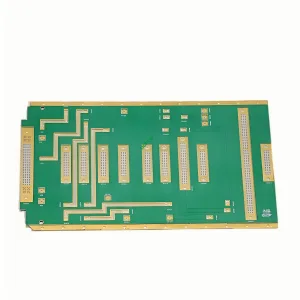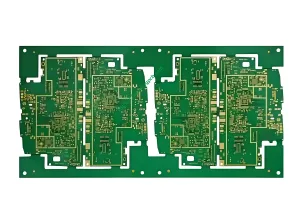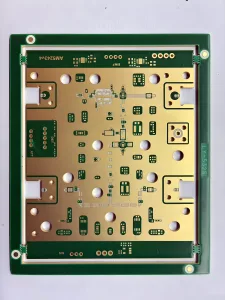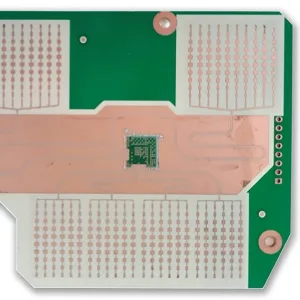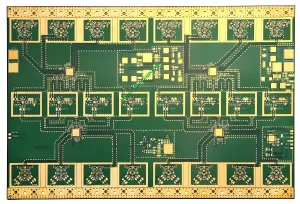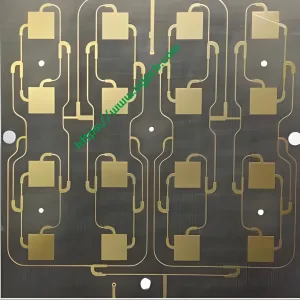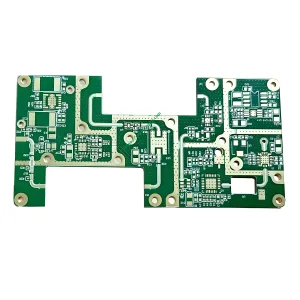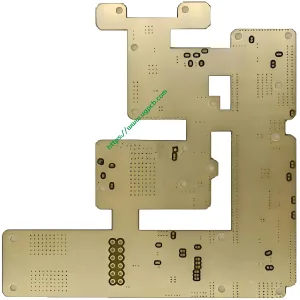
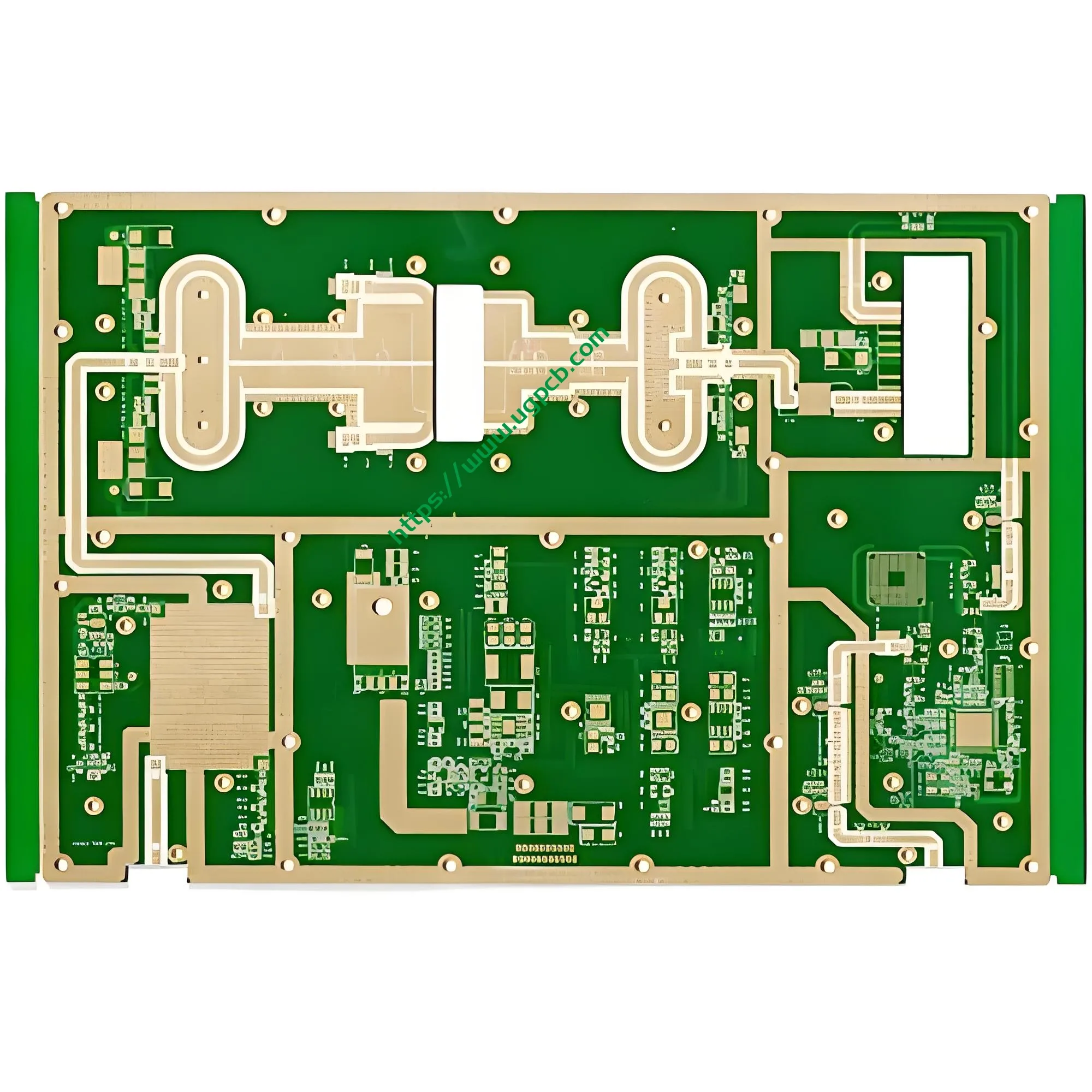
ด้วยการเติบโตอย่างรวดเร็วของการสื่อสาร 5G, เรดาร์คลื่นมิลลิเมตร, และการสื่อสารผ่านดาวเทียม, การออกแบบ PCB วิศวกรต้องเผชิญกับภาวะที่กลืนไม่เข้าคายไม่ออกแบบคลาสสิก. โดยใช้วัสดุความถี่สูงระดับไฮเอนด์เช่น Rogers RO4350B สำหรับทั้งบอร์ดให้ประสิทธิภาพทางไฟฟ้าที่ดีเยี่ยมแต่กลับมีราคาแพงเกินไป. การใช้ FR4 มาตรฐานสำหรับทั้งบอร์ดช่วยประหยัดต้นทุน, แต่การสูญเสียสัญญาณความถี่สูงจะสูงและค่าคงที่ไดอิเล็กทริกไม่เสถียร.
บอร์ดไฮบริดความถี่สูง Rogers RO4350B+FR4 ของ UGPCB แก้ปัญหานี้ได้อย่างสมบูรณ์แบบ. บทความนี้ครอบคลุมถึงภาพรวมผลิตภัณฑ์, แนวทางการออกแบบ, หลักการทำงาน, พารามิเตอร์ทางเทคนิค, กระบวนการผลิต, และแอปพลิเคชัน. โดยให้ข้อมูลอ้างอิงที่เชื่อถือได้สำหรับวิศวกร RF และผู้มีอำนาจตัดสินใจในการจัดซื้อ.
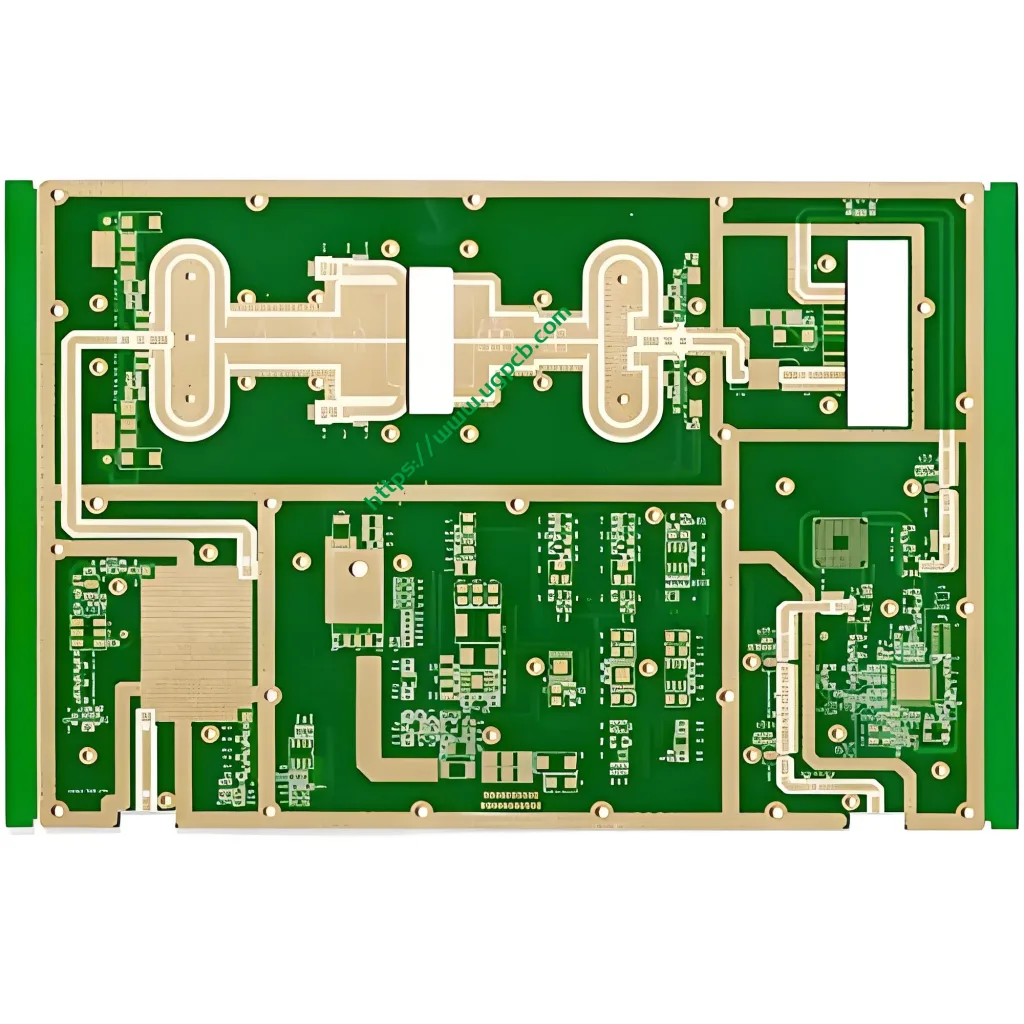
1. ภาพรวมผลิตภัณฑ์: PCB ไฮบริดความถี่สูง Rogers RO4350B+FR4 คืออะไร?
1.1 คำนิยาม
PCB ไฮบริดความถี่สูง Rogers RO4350B+FR4 ใช้ทั้งลามิเนตความถี่สูง Rogers RO4350B และผ้าแก้วอีพ็อกซี่ FR-4 มาตรฐานบนแผงวงจรเดียวกัน. ผลิตภัณฑ์ของ UGPCB ใช้การซ้อนแบบสมมาตร 4 ชั้น: สองชั้นนอกของ Rogers RO4350B สำหรับการกำหนดเส้นทางสัญญาณ RF, และชั้นใน FR4 สองชั้นสำหรับการกระจายกำลังและระนาบกราวด์. สิ่งนี้จะสร้างมาตรฐาน “สัญญาณ-กราวด์-กำลัง-สัญญาณ” กองขึ้น.
1.2 ข้อเสนอคุณค่าหลัก
นี้ PCB ไฮบริด โซลูชันมอบความสมดุลที่แม่นยำระหว่างประสิทธิภาพและราคา. ใช้วัสดุ Rogers ประสิทธิภาพสูงเฉพาะในชั้นนอกซึ่งมีสัญญาณความถี่สูงเคลื่อนที่. ใช้ FR4 ราคาประหยัดในชั้นใน. สิ่งนี้จะช่วยลดยอดรวมลงอย่างมาก การผลิต PCB ต้นทุนโดยไม่กระทบต่อประสิทธิภาพของ RF. ประมาณการทางอุตสาหกรรมแสดงให้เห็นว่าต้นทุนวัสดุลดลง 30%–50% เมื่อเทียบกับบอร์ด Rogers แบบเต็ม.
2. พารามิเตอร์ทางเทคนิคที่สำคัญ (ข้อมูลอย่างเป็นทางการของโรเจอร์ส & ข้อมูลจำเพาะ UGPCB)
| พารามิเตอร์ | ค่า | สภาพการทดสอบ / มาตรฐาน | แหล่งที่มา |
|---|---|---|---|
| การผสมผสานวัสดุ | 2 ชั้น Rogers RO4350B + 2 ชั้น FR4 | 4-สแต็คอัพแบบสมมาตรของเลเยอร์ | UGPCB |
| ความหนาของแผ่นสำเร็จรูป | 1.2 มม | - | UGPCB |
| ความหนาของฟอยล์ทองแดง | 1 ออนซ์ด้านนอก / 1 ออนซ์ด้านใน | ทองแดงเสร็จแล้ว | UGPCB |
| ความหนาของอิเล็กทริก | 0.508 มม | - | UGPCB |
| ค่าคงที่ไดอิเล็กทริก Dk | 3.48 ± 0.05 @ 10 กิกะเฮิรตซ์ | IPC-TM-650 | เอกสารข้อมูลอย่างเป็นทางการของ Rogers |
| ปัจจัยการกระจาย Df | 0.0037 @ 10 กิกะเฮิรตซ์ | IPC-TM-650 | เอกสารข้อมูลอย่างเป็นทางการของ Rogers |
| การนำความร้อน แล | 0.69 W/m·K @ 50°C | มาตรฐาน ASTM D5470 | เอกสารข้อมูลอย่างเป็นทางการของ Rogers |
| คะแนนความไวไฟ | อล 94 วี-0 | อล 94 | เอกสารข้อมูลอย่างเป็นทางการของ Rogers |
| ความต้านทานต่อปริมาตร ρ_v | 1.2 × 10¹⁰ โมห์ม·ซม | - | เอกสารข้อมูลอย่างเป็นทางการของ Rogers |
| ความต้านทานพื้นผิว ρ_s | 5.7 × 10⁹ โมห์ม | - | เอกสารข้อมูลอย่างเป็นทางการของ Rogers |
| Z-Axis CTE | 32 ppm/° C | -55องศาเซลเซียส ถึง 288 องศาเซลเซียส | เอกสารข้อมูลอย่างเป็นทางการของ Rogers |
| ความหนาแน่น | 1.9 กรัม/ซม.³ | - | เอกสารข้อมูลอย่างเป็นทางการของ Rogers |
3. แนวทางการออกแบบสำหรับ PCB แบบไฮบริด RO4350B+FR4 ของ Rogers
วิศวกรจะต้องมุ่งเน้นไปที่ประเด็นทางเทคนิคที่สำคัญเหล่านี้เมื่อออกแบบ PCB แบบไฮบริดด้วย Rogers RO4350B และ FR4.
3.1 การออกแบบการจับคู่ความต้านทาน
ความแตกต่างคงที่ไดอิเล็กตริกระหว่าง RO4350B และ FR4 มีความสำคัญ. RO4350B มี Dk = 3.48 ที่ 10 กิกะเฮิรตซ์, ในขณะที่ FR4 มาตรฐานมี Dk อยู่ระหว่าง 4.2 และ 4.8. ความต้านทานของสายสัญญาณเปลี่ยนแปลงไปขึ้นอยู่กับชั้นวัสดุ.
ตัวอย่างสายไมโครสตริป 50Ω:
- บนชั้น RO4350B (ดค=3.48, 1 ออนซ์ทองแดง), 50Ω ความกว้างของการติดตาม data 0.4 มม
- บนชั้น FR4 (ดเคเอสบี4.5, ทองแดงเดียวกัน), 50Ω ความกว้างของการติดตาม data 0.25 มม
คำแนะนำการออกแบบ:
- เก็บร่องรอยสัญญาณความถี่สูงไว้ภายในเลเยอร์สัญญาณ RO4350B ทั้งหมด. หลีกเลี่ยงการข้ามขอบเขตวัสดุที่อิมพีแดนซ์เปลี่ยนแปลงกะทันหัน.
- หากไม่สามารถหลีกเลี่ยงการเปลี่ยนแปลงข้ามเลเยอร์ได้, ใช้ความกว้างการติดตามแบบเรียวที่ขอบเขต RO4350B-FR4. หรือใช้การจำลองแม่เหล็กไฟฟ้าเพื่อลดการสะท้อนของสัญญาณที่เกิดจากการเปลี่ยนแปลง Dk อย่างกะทันหัน.
3.2 การออกแบบซ้อนซ้อนแบบสมมาตร
การป้องกันการบิดเบี้ยวของบอร์ดถือเป็นข้อกังวลหลักในการออกแบบการวางซ้อนแบบไฮบริด. RO4350B มี CTE แกน X/Y ประมาณ 10/12 ppm/° C, ในขณะที่ FR4 มีประมาณ 16 ppm/° C. ความไม่ตรงกันนี้มีความสำคัญ.
UGPCB ปฏิบัติตามหลักการสแต็กอัปแบบสมมาตรอย่างเคร่งครัด. เราใช้การกระจายความหนาของทองแดง:
1 ออนซ์ RO4350B (สัญญาณด้านบน) - 0.5 ออนซ์ FR4 (พื้น) - 0.5 ออนซ์ FR4 (พลัง) - 1 ออนซ์ RO4350B (สัญญาณด้านล่าง).
ทำให้กระจายความเครียดจากความร้อนได้แม้ในระหว่างการเคลือบ และลดความเสี่ยงจากการบิดเบี้ยวได้อย่างมาก.
3.3 การเลือกสายส่งสำหรับ RF PCB
สำหรับการใช้งานความถี่สูง, เราขอแนะนำท่อนำคลื่นโคพลานาร์ที่มีการต่อสายดิน (กปปส) แทนการใช้เส้นไมโครสตริปแบบดั้งเดิม. GCPW วางรั้วหนาแน่นทั้งสองด้านของสายสัญญาณ. สิ่งนี้จะป้องกัน crosstalk ได้อย่างมีประสิทธิภาพและลดการรบกวนทางแม่เหล็กไฟฟ้า. มันทำงานได้ดีเป็นพิเศษกับคลื่น 5G มิลลิเมตรและ 77 เรดาร์ยานยนต์ GHz.
3.4 กระบวนการขุดเจาะและ Desmear
UGPCB ใช้พารามิเตอร์การเจาะที่แนะนำโดย Rogers สำหรับ RO4350B. นอกจากนี้เรายังปรับกระบวนการ desmear สำหรับวัสดุผสมให้เหมาะสมอีกด้วย. กากเรซิน FR4 อาจทำให้ผนังรูขรุขระได้. ดังนั้น, เราขยายเวลาพลาสมาเดสเมียร์ออกไปประมาณหนึ่ง 30% เมื่อเทียบกับบอร์ด Rogers ล้วนๆ. ช่วยให้ผนังรูสะอาดและการเคลือบโลหะคุณภาพสูง.
4. หลักการทำงานและสมรรถนะทางไฟฟ้า
4.1 เสถียรภาพอิเล็กทริกคงที่
RO4350B เป็นของลามิเนตเติมไฮโดรคาร์บอน/เซรามิกซีรีส์ RO4000 ของ Rogers. คุณลักษณะสำคัญของมันคือความคลาดเคลื่อนคงที่ของไดอิเล็กตริกที่ ±0.05 ในช่วงความถี่กว้าง. ความแปรผันของ Dk กับอุณหภูมิเป็นเพียงเท่านั้น +50 ppm/° C (น้อยกว่า 0.4% เปลี่ยนจาก -50°C เป็น 150°C). ช่วยให้มั่นใจได้ถึงการทำงานของอุปกรณ์สื่อสารอย่างเสถียรตลอดช่วงอุณหภูมิเต็ม.
4.2 การวิเคราะห์การสูญเสียสัญญาณ
ที่ 10 กิกะเฮิรตซ์, ปัจจัยการกระจาย Df ของ RO4350B คือ 0.0037. ซึ่งต่ำกว่า FR4 ทั่วไปที่ความถี่เดียวกันมาก (DF µ 0.015–0.025). คุณสมบัติการสูญเสียต่ำนี้รักษาความสมบูรณ์ของสัญญาณในระยะไกลสำหรับสัญญาณคลื่นมิลลิเมตร. ในย่านคลื่น 5G มิลลิเมตร (ข้างบน 24 กิกะเฮิรตซ์), โดยทั่วไปบอร์ดไฮบริดของ UGPCB จะแสดงการสูญเสียการแทรกด้านล่าง 0.5 dB/นิ้ว และการสูญเสียกลับด้านบน 15 DB (ผู้ใช้ควรตรวจสอบกับ VNA เกี่ยวกับการออกแบบเฉพาะของตน).
4.3 การนำความร้อนและการจัดการความร้อน
RO4350B มีค่าการนำความร้อนเท่ากับ 0.69 w/m · k, ประมาณสองเท่าของ FR4 ธรรมดา (หยาบคาย 0.3 วัตต์/เมตร·เค). ซึ่งช่วยให้ PCB ความถี่สูงแบบไฮบริดนำความร้อนจากอุปกรณ์กำลังสูง เช่น เพาเวอร์แอมป์ได้อย่างมีประสิทธิภาพ (ป้า) ไปจนถึงชั้นทองแดงและจุดผ่านความร้อน, แล้วเกลี่ยผ่านระนาบทองแดงด้านใน FR4. นี่เป็นโซลูชันการจัดการระบายความร้อนที่ยอดเยี่ยมสำหรับโมดูลเครื่องขยายสัญญาณเสียง RF.
5. การจำแนกประเภทผลิตภัณฑ์
| มิติการจำแนกประเภท | หมวดหมู่ |
|---|---|
| ประเภทวัสดุ | PCB อิเล็กทริกไฮบริด / แผ่นลามิเนตไฮบริดความถี่สูง |
| จำนวนชั้น | 4-PCB หลายชั้น |
| ความถี่ในการสมัคร | RF/ไมโครเวฟ PCB, ครอบคลุมแถบคลื่นขนาดมิลลิเมตร (79 สูงสุดกิกะเฮิรตซ์) |
| กระบวนการผลิต | การเคลือบหลายชั้นแบบผสม |
| คะแนนความไวไฟ | อล 94 วี-0 จัดอันดับ PCB |
UGPCB ผลิตและทดสอบตาม IPC-6012 (ข้อกำหนดคุณสมบัติและประสิทธิภาพสำหรับบอร์ดพิมพ์แข็ง) และไอพีซี-4101 (ข้อกำหนดสำหรับวัสดุฐานสำหรับบอร์ดพิมพ์แข็งและหลายชั้น).
6. โครงสร้างแบบซ้อนกันของ PCB ไฮบริด 1.2 มม. 4 ชั้น
บอร์ดไฮบริดความถี่สูง Rogers RO4350B+FR4 หนา 1.2 มม. ของ UGPCB ใช้สแต็กอัพแบบสมมาตรมาตรฐาน:
- L1 (ชั้นบนสุด): Rogers RO4350B, 1 OZ ทองแดงสำเร็จรูป - ชั้นสัญญาณ RF
- L2 (ชั้น 2): FR4, 1 ทองแดง OZ – ระนาบกราวด์
- L3 (ชั้น 3): FR4, 1 ทองแดง OZ – การกระจายกำลัง / สัญญาณควบคุมความถี่ต่ำ (เครื่องบินพลังงาน)
- L4 (ชั้นล่าง): Rogers RO4350B, 1 OZ ทองแดงสำเร็จรูป - ชั้นสัญญาณ RF
ความหนาอิเล็กทริกรวมคือ 0.508 มม. ความหนาของแผ่นสำเร็จรูปคือ 1.2 มม.
พื้นผิวเสร็จสิ้น: เห็นด้วย (ทองคำแช่นิเกิลแบบไม่ใช้ไฟฟ้า) – ตรงตามข้อกำหนดการบัดกรีและความต้านทานต่อการเกิดออกซิเดชันที่มีความน่าเชื่อถือสูง.
7. การวิเคราะห์วัสดุ
7.1 วัสดุความถี่สูง Rogers RO4350B
RO4350B เป็นลามิเนตคอมโพสิตของเรซินไฮโดรคาร์บอน, ฟิลเลอร์เซรามิก, และผ้าทอแก้ว. ข้อดีหลักๆ ได้แก่:
- ความเข้ากันได้ของกระบวนการ: การประดิษฐ์เกือบจะเหมือนกับ FR-4. ไม่จำเป็นต้องดูแลผนังรูพิเศษ (แตกต่างจากวัสดุ PTFE). ต้นทุนการผลิตต่ำกว่าลามิเนตไมโครเวฟแบบเดิมมาก.
- อล 94 วี-0 คะแนนความไวไฟ: เหมาะสำหรับอุปกรณ์ที่ใช้งานและการออกแบบ RF กำลังสูง.
- แกน z ต่ำ CTE (32 ppm/° C): รับประกันความน่าเชื่อถือสูงของการชุบทะลุรู (พท) ในวงจรหลายชั้น.
7.2 พื้นผิว FR4
เราใช้วัสดุ Tg FR4 สูง (Tg ≥ 170°C) เพื่อให้ตรงกับหน้าต่างการประมวลผลความร้อนของ Rogers RO4350B. FR4 ทำหน้าที่เป็นชั้นส่งกำลังและกราวด์ในบอร์ดไฮบริด. ต้นทุนของมันเป็นเพียง 1/5 ถึง 1/3 วัสดุของโรเจอร์ส, ลดยอดรวมลงอย่างมาก พีซีบี ต้นทุนการผลิต.
8. กระบวนการผลิต PCB ความถี่สูงแบบไฮบริด
UGPCB ปฏิบัติตามกระบวนการควบคุมคุณภาพอย่างเข้มงวดสำหรับบอร์ดไฮบริดความถี่สูง:
- การตัดและการเกิดสีน้ำตาล: ใช้การเคลือบสีน้ำตาลกับแกน RO4350B และแกน FR4 เพื่อปรับปรุงการยึดเกาะของชั้น.
- การสร้างลวดลายวงจรชั้นใน: สร้างรูปแบบเลเยอร์กราวด์และพาวเวอร์บนเลเยอร์ FR4 ภายใน.
- การเคลือบแบบไฮบริด (ขั้นตอนที่สำคัญ): ใช้โปรไฟล์การเคลือบแบบอุณหภูมิขั้นบันได (เช่น, 120°ซ → 170°ซ → 220°ซ). เลือกพรีเพกที่เข้ากันได้กับวัสดุทั้งสอง. ควบคุมอัตราการลาดและเวลาในการกดอย่างเคร่งครัดเพื่อหลีกเลี่ยงการหลุดร่อนหรือช่องว่าง.
- การเจาะและการดูหมิ่น: ใช้พารามิเตอร์การเจาะที่ Rogers แนะนำ. เพิ่มเวลาพลาสมาเดสเมียร์ประมาณ 30% สำหรับวัสดุผสมเพื่อให้ผนังรูสะอาด.
- ชุบผ่านรู (พท): อบบอร์ดที่อุณหภูมิ 150°C เป็นเวลา 2 ชั่วโมงก่อนการสะสมของทองแดงโดยไม่ใช้ไฟฟ้าเพื่อชดเชยความแตกต่างในการดูดซับความชื้น (การดูดซึมน้ำ FR4 >0.1%, RO4350B <0.02%).
- การสร้างลวดลายวงจรชั้นนอก: สร้างร่องรอยสัญญาณที่ชั้น RO4350B ด้านบนและด้านล่าง.
- หน้ากากประสานและการตกแต่งพื้นผิว: ไม่มีหน้ากากประสานในช่องเสาอากาศ. ใช้ตกลง (ทองคำแช่นิเกิลแบบไม่ใช้ไฟฟ้า).
- การทดสอบทางไฟฟ้าและการตรวจสอบความน่าเชื่อถือ: 100% การทดสอบทางไฟฟ้า, Aoi การตรวจสอบด้วยแสง, การตรวจสอบการจัดตำแหน่งเอ็กซ์เรย์แบบชั้นต่อชั้น, พร้อมการวัดและแก้ไขความเรียบก่อนจัดส่ง.
9. ประสิทธิภาพและคุณสมบัติของ Hybrid PCB
9.1 ค่าประสิทธิภาพหลัก
- ค่าคงที่ไดอิเล็กทริก Dk: 3.48 ± 0.05 @ 10 กิกะเฮิรตซ์ (โรเจอร์สอย่างเป็นทางการ)
- ปัจจัยการกระจาย Df: 0.0037 @ 10 กิกะเฮิรตซ์
- การนำความร้อน: 0.69 W/m·K @ 50°C (มาตรฐาน ASTM D5470)
- ช่วงอุณหภูมิการทำงาน: -50°ซ ถึง +150°ซ
- คะแนนความไวไฟ: อล 94 วี-0
- ความต้านทานต่อปริมาตร: 1.2 × 10¹⁰ โมห์ม·ซม
- ความต้านทานพื้นผิว: 5.7 × 10⁹ โมห์ม
- ความหนาแน่น: 1.9 กรัม/ซม.³
9.2 คุณสมบัติผลิตภัณฑ์ (เหตุใดจึงเลือก PCB ไมโครเวฟ RF 4 ชั้นนี้)
- ✅ สมดุลต้นทุนประสิทธิภาพที่ดีที่สุด: ประหยัดต้นทุนวัสดุ 30%–50% เทียบกับ. โซลูชั่นโรเจอร์สเต็มรูปแบบ.
- ✅ ค่าคงที่ไดอิเล็กทริกที่เสถียร: ± 0.05 ความอดทนที่แน่นหนา, การเปลี่ยนแปลงน้อยที่สุดตามอุณหภูมิ/ความถี่.
- ✅ การส่งผ่านการสูญเสียต่ำ: DF=0.0037 @ 10 กิกะเฮิรตซ์, ความสมบูรณ์ของสัญญาณคลื่นมิลลิเมตรที่ยอดเยี่ยม.
- ✅ กระบวนการที่เข้ากันได้กับ FR4: ไม่มีการรักษาผนังรูพิเศษ, ประสิทธิภาพการผลิตสูง.
- ✅ การจัดการระบายความร้อนที่ดี: การนำความร้อน 0.69 w/m · k, การกระจายความร้อนที่มีประสิทธิภาพ.
- ✅ วี-0 คะแนนความไวไฟ: ตรงตามมาตรฐาน UL 94 วี-0 มาตรฐานความปลอดภัย.
- ✅ การปรับแต่งที่ยืดหยุ่น: 1.2 ความหนา มม, รองรับพื้นผิวได้หลายแบบ.
10. การใช้งานของ Rogers RO4350B+FR4 PCB ไฮบริดความถี่สูง
ด้วยประสิทธิภาพ RF ที่ยอดเยี่ยมและความได้เปรียบด้านต้นทุน, PCB แบบไฮบริดนี้ทำหน้าที่ในฟิลด์สำคัญต่างๆ มากมาย:
10.1 5โครงสร้างพื้นฐานการสื่อสาร
- 5แผงเสาอากาศสถานีฐาน G Macro และโมดูลเครื่องขยายกำลัง (ชั้น PA ใช้ RO4350B, ชั้นพลังงาน/กราวด์ใช้ Tg FR4 สูงด้วย 2+ ทองแดงหนาออนซ์)
- ไมโครเวฟแบบจุดต่อจุด (พีทูพี) อุปกรณ์เชื่อมต่อ
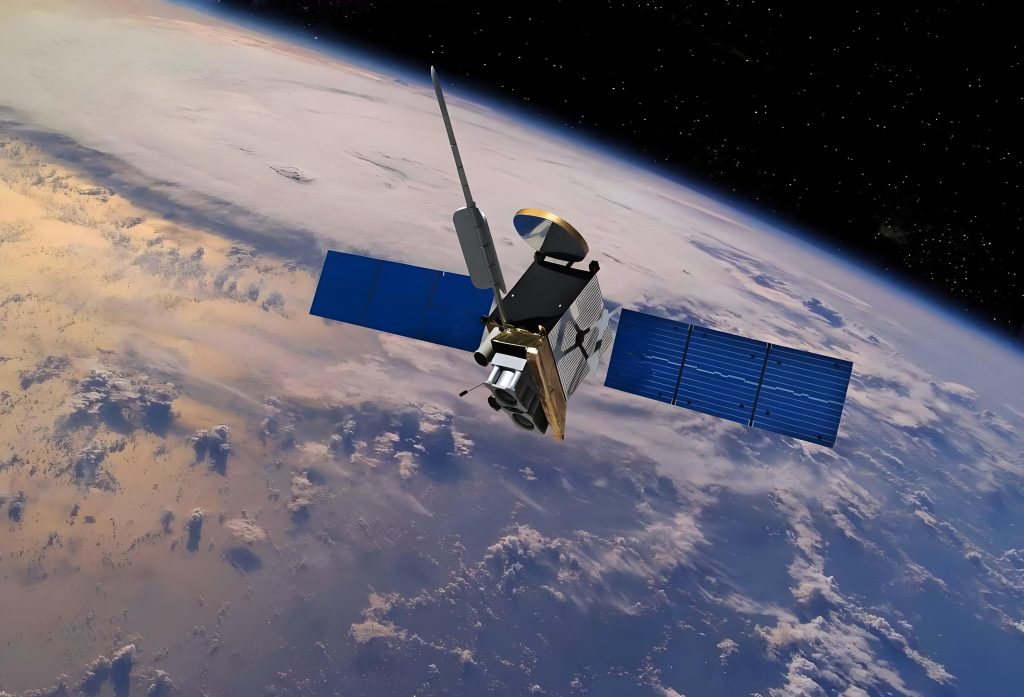
- LNB ขั้วต่อภาคพื้นดินการสื่อสารผ่านดาวเทียม
10.2 อิเล็กทรอนิกส์ยานยนต์และการขับขี่อัตโนมัติ
- 77 กิกะเฮิรตซ์ / 79 เรดาร์คลื่นมิลลิเมตรยานยนต์ GHz - ส่วนประกอบการตรวจจับหลักสำหรับ ADAS และการขับขี่อัตโนมัติ; ต้องมีคุณสมบัติ AEC-Q100
- พาหนะสู่ทุกสิ่ง (V2X) โมดูลการสื่อสาร
- 24 เซ็นเซอร์เรดาร์ตรวจจับจุดบอด GHz
10.3 โมดูลส่วนหน้า RF
- เพาเวอร์แอมป์ (ป้า) และเครื่องขยายสัญญาณรบกวนต่ำ (แอลเอ็นเอ) โมดูล
- ส่วนหน้าของตัวรับส่งสัญญาณ RF
- โมดูล T/R เสาอากาศอาเรย์แบบแบ่งระยะคลื่นมิลลิเมตร
10.4 อุปกรณ์อุตสาหกรรมและการแพทย์
- เครื่องอ่านและแท็ก RFID
- วงจรประมวลผลสัญญาณความถี่สูงในภาพทางการแพทย์ (MRI, กะรัต)
- เครื่องมือตรวจสอบและวัดความแม่นยำ
10.5 IoT และเครื่องใช้ไฟฟ้า
- 5จี ซีพีอี (อุปกรณ์สถานที่ของลูกค้า)
- ระบบสื่อสารอุปนัยไร้สาย
- โมดูลเสาอากาศ Wi-Fi 6E/7
11. เหตุใดจึงเลือก UGPCB สำหรับ PCB ไฮบริดความถี่สูงของคุณ?
UGPCB มีระบบกระบวนการที่ครบกำหนดและประสบการณ์เชิงปฏิบัติมากมายในความถี่สูง บอร์ดไฮบริด การผลิต.
- 🏍กระบวนการครบกำหนด: เทคนิคการเคลือบแบบไฮบริดแกนหลัก – รอบการกดแบบเป็นขั้น, ความสิ้นหวังในพลาสมา, การควบคุมการจัดตำแหน่งแบบชั้นต่อชั้น.
- 📋 100% ทดสอบแล้ว: การควบคุมคุณภาพกระบวนการเต็มรูปแบบ, 100% การทดสอบทางไฟฟ้า, การตรวจสอบด้วยแสงของ AOI, การตรวจสอบการจัดตำแหน่งเอ็กซ์เรย์.
- ⚡จัดส่งรวดเร็ว: สต็อควัตถุดิบที่เพียงพอของ RO4350B และ FR4 ช่วยให้มั่นใจได้ถึงระยะเวลารอคอยสินค้าที่ควบคุมได้.
- 📞 การสนับสนุนทางเทคนิคอย่างมืออาชีพ: การสนับสนุนด้านวิศวกรรมแบบครบวงจรตั้งแต่การให้คำปรึกษาด้านการออกแบบสแต็กอัพไปจนถึงการจำลองอิมพีแดนซ์.
- 🏭 ประสบการณ์การผลิตที่กว้างขวาง: หลายปีแล้ว PCB ความถี่สูง การผลิต, ให้บริการลูกค้าทั่วโลก.
รับใบเสนอราคาด่วน & การให้คำปรึกษาด้านเทคนิค
UGPCB ให้คำปรึกษาด้านการออกแบบอิมพีแดนซ์ฟรีและการผลิตตัวอย่างที่มีความแม่นยำสูง.
📧ส่งคำถามมาที่: sales@ugpcb.com
📸ขอใบเสนอราคาด่วน: โปรดระบุไฟล์ Gerber, ข้อกำหนดของวัสดุ (RO4350B+FR4), จำนวนชั้น (4 ชั้น), ความหนาของบอร์ด (1.2มม), ความหนาของทองแดง (1 ออนซ์), และข้อกำหนดกระบวนการอื่น ๆ
🏍การสนับสนุนด้านเทคนิค: ติดต่อทีมวิศวกรของ UGPCB เพื่อออกแบบสแต็กอัพ, การคำนวณการจับคู่อิมพีแดนซ์, และพารามิเตอร์กระบวนการเคลือบแบบไฮบริด.
💡 ทิปสอบถาม: เพื่อให้แน่ใจว่าใบเสนอราคาถูกต้อง, รวมไฟล์ Gerber ที่สมบูรณ์ (มีชั้นเจาะ), ข้อกำหนดในการซ้อน, ความกว้าง/ระยะห่างการติดตามขั้นต่ำ, และข้อกำหนดการตกแต่งพื้นผิว.
คำเตือน & คำชี้แจงความถูกต้องของข้อมูล
พารามิเตอร์ทางเทคนิคทั้งหมดในเอกสารนี้ได้รับการตรวจสอบด้วยตนเองโดยเทียบกับเอกสารข้อมูลอย่างเป็นทางการของ Rogers (2025-2026 ฉบับ), มาตรฐาน IPC, และเอกสารรับรอง UL. ข้อมูลหลัก – Dk=3.48 (@10 GHz), ฟ=0.0037 (@10 GHz), การนำความร้อน 0.69 w/m · k (@50°C ต่อ ASTM D5470) – มาจากเอกสารข้อมูล Rogers RO4350B โดยตรง. บทความนี้เป็นไปตามแนวทางการใช้งานโดยชอบธรรมสำหรับการอ้างอิง และได้รับการปรับเปลี่ยนและปรับโครงสร้างใหม่อย่างสมเหตุสมผล.
© 2026 UGPCB. สงวนลิขสิทธิ์. | การออกแบบ PCB ไฮบริดความถี่สูง & ผู้เชี่ยวชาญด้านการผลิต