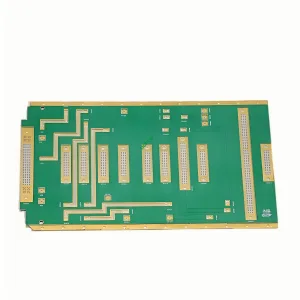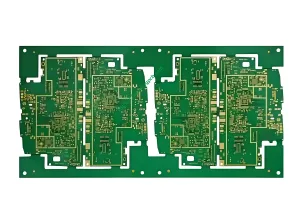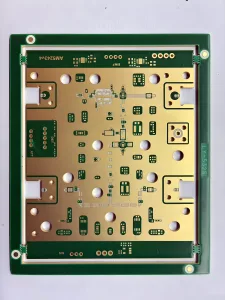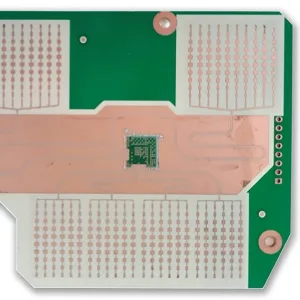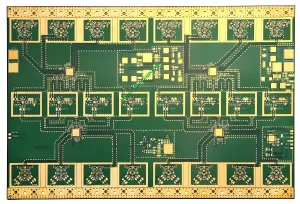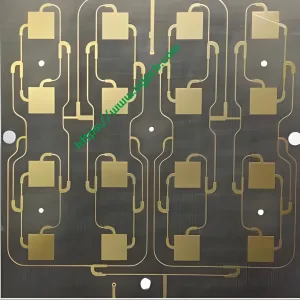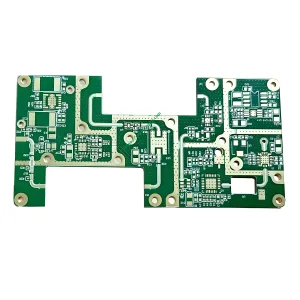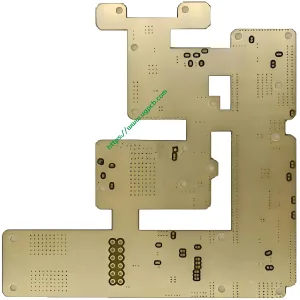
1. ภาพรวมผลิตภัณฑ์: PCB แบบไฮบริด 6 ชั้นที่ปรับสมดุลประสิทธิภาพ 5G RF และต้นทุน
อุปกรณ์อิเล็กทรอนิกส์สมัยใหม่มักรวม RF front-end เข้าด้วยกัน, สัญญาณดิจิตอลความเร็วสูง, และการจัดการพลังงานบนบอร์ดเดียว. การใช้วัสดุความถี่สูงราคาแพงสำหรับทั้งบอร์ดนั้นไม่ประหยัดหรือจำเป็น. ตรรกะนี้ให้กำเนิดPCB ไฮบริดความถี่สูง.
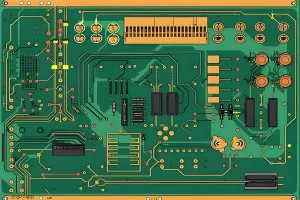
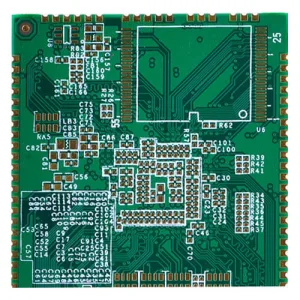
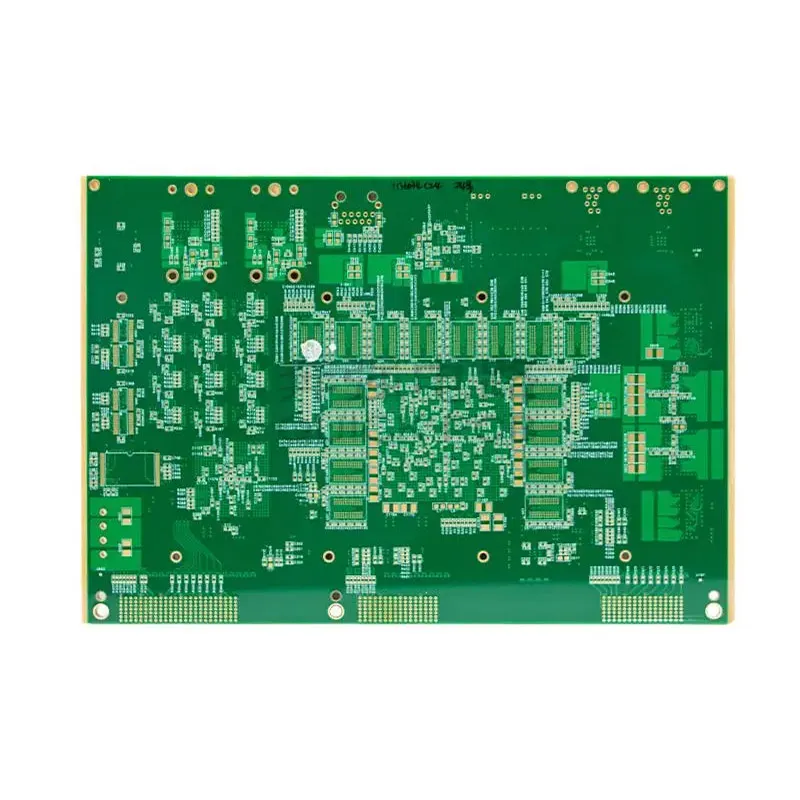
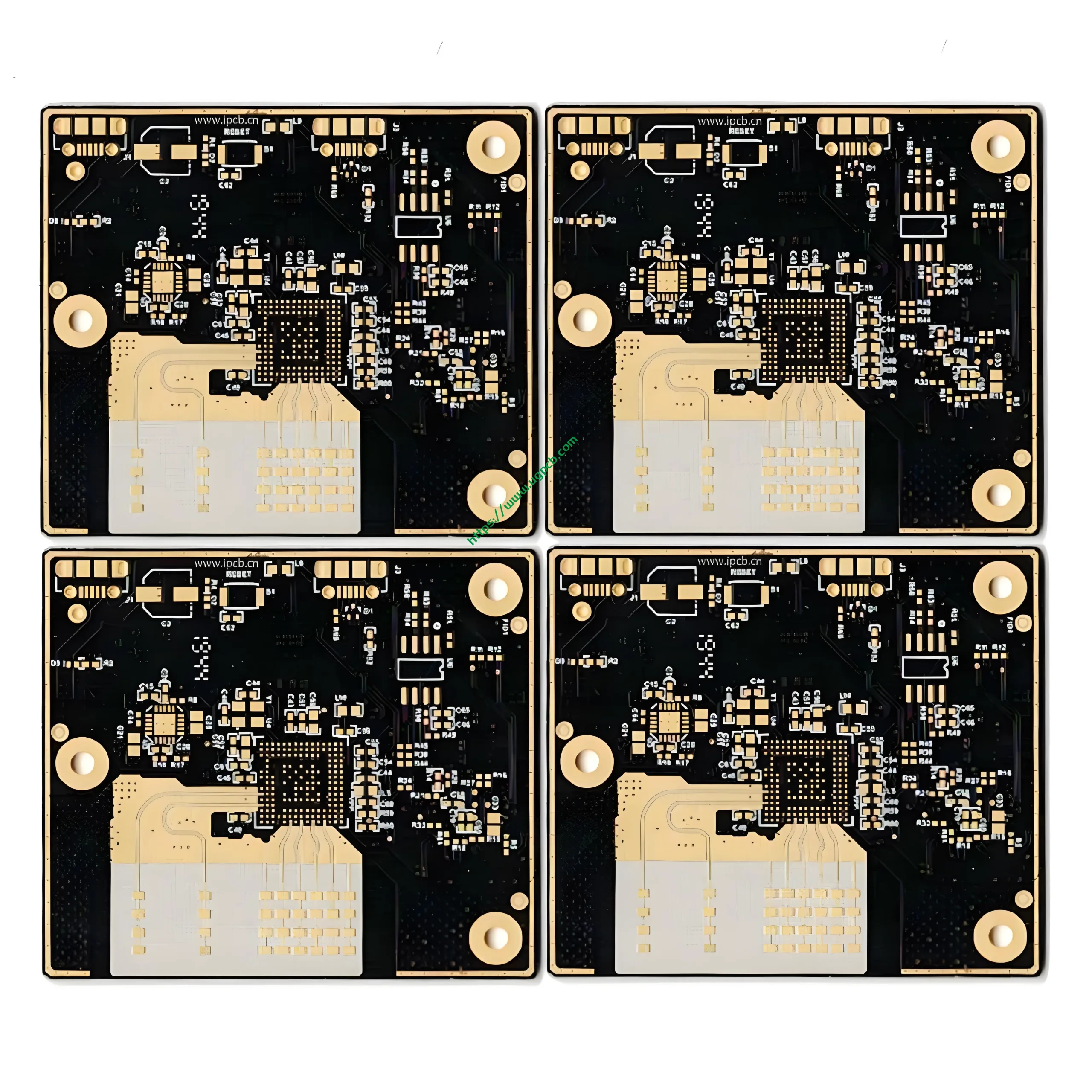
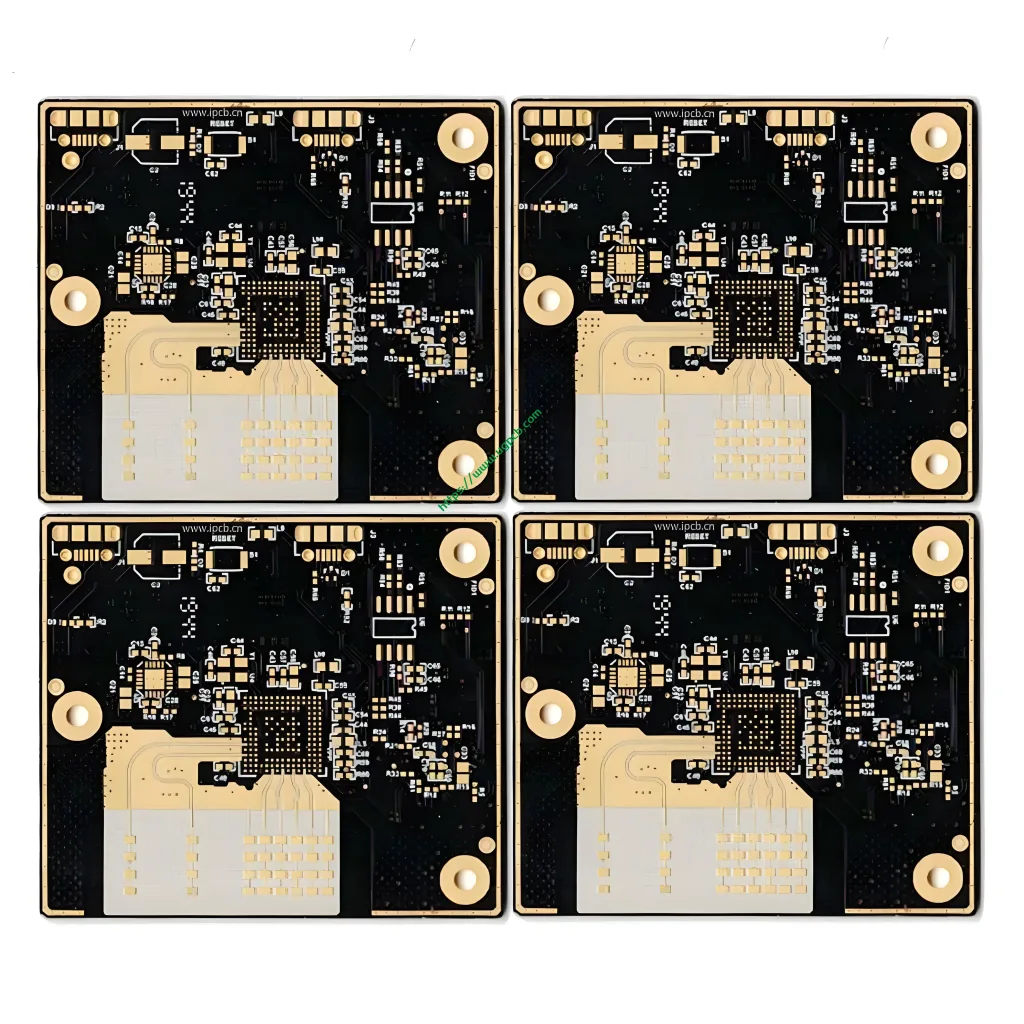
UGPCB RO4835 + IT180 PCB ไฮบริดความถี่สูง 6 ชั้น ตระหนักถึงแนวคิดนี้. มันเป็นลามิเนต ลามิเนตความถี่สูง Rogers RO4835 กับ วัสดุ ITEQ IT180 Tg FR-4 สูง ในกองเดียว. แผ่นสุดท้ายมีความหนารวม 1.5 มม, 1OZ เสร็จสิ้นทองแดง, และ 50 อิมพีแดนซ์ลักษณะเฉพาะของโอห์ม.
ชั้นสัญญาณ RF ใช้ RO4835 เพื่อรับรองความสมบูรณ์ของสัญญาณ. ชั้นพลังงานและการควบคุมใช้ IT180 เพื่อลดต้นทุนวัสดุและให้การสนับสนุนทางกล. วิธีการแบบผสมผสานนี้จะช่วยลดต้นทุนวัสดุลงได้30%–50% เมื่อเปรียบเทียบกับโซลูชันของ Rogers แบบเต็ม. ประสิทธิภาพ RF ยังคงแทบไม่เปลี่ยนแปลง. ทำให้เป็นตัวเลือกอันดับต้นๆ สำหรับโครงการการผลิตจำนวนมากที่คำนึงถึงต้นทุน เช่น สถานีฐาน 5G, 77 เรดาร์ยานยนต์ GHz, และการสื่อสารการบินและอวกาศ.
2. คำนิยาม: “RO4835.คืออะไร” + IT180 PCB ไฮบริดความถี่สูง”?
อันPCB ไฮบริดความถี่สูง เชื่อมโยงวัสดุอิเล็กทริกที่แตกต่างกันตั้งแต่สองชนิดขึ้นไปเข้าด้วยกันเป็นบอร์ดหลายชั้นแผ่นเดียว. แนวคิดหลักนั้นเรียบง่าย - ใช้วัสดุความถี่สูงราคาแพงบนชั้นสัญญาณ RF เท่านั้น. ใช้มาตรฐานต้นทุนต่ำกว่า FR-4 บนชั้นอื่นๆ เพื่อความแข็งแรงทางกลและต้นทุนที่ต่ำกว่า.
RO4835 เป็นลามิเนตความถี่สูงเทอร์โมเซตที่เติมไฮโดรคาร์บอน/เซรามิกจากซีรีส์ RO4000® ของ Rogers. มีการสูญเสียอิเล็กทริกต่ำมาก (ดฟ = 0.0037 @ 10 กิกะเฮิรตซ์) และค่าคงที่ไดอิเล็กตริกคงที่ (ดค = 3.48 ± 0.05). แตกต่างจากวัสดุที่ใช้ PTFE, RO4835 ทำงานร่วมกับการประมวลผล FR-4 มาตรฐาน. ไม่จำเป็นต้องแกะสลักพลาสมาหรือการรักษาพื้นผิวเป็นพิเศษ.
it180 เป็นลามิเนตอีพ็อกซี่ FR-4 ไร้สารตะกั่ว Tg สูงจาก ITEQ. อุณหภูมิการเปลี่ยนสถานะคล้ายแก้ว (ทีจี) คือ 175°C (วิธีดีเอสซี). ดเค µ 4.1 และ Df อยู่ที่ 0.016 ที่ 10 กิกะเฮิรตซ์. IT180 มีความต้านทาน CAF ที่ยอดเยี่ยม, CTE แกน Z ต่ำ, และความน่าเชื่อถือของรูทะลุที่ดี. มีการใช้กันอย่างแพร่หลายในอุปกรณ์อิเล็กทรอนิกส์ยานยนต์, แบ็คเพลนการสื่อสาร, และเมนบอร์ดเซิร์ฟเวอร์.
การรวม RO4835 และ IT180 เข้าด้วยกันทำให้เกิดอินเทอร์เฟซที่แยกทางไฟฟ้าและเข้ากันได้กับความร้อน. RO4835 รับประกันความสมบูรณ์ของสัญญาณ. IT180 มีความแข็งแกร่งและความได้เปรียบด้านต้นทุน.
3. การจำแนกประเภททางวิทยาศาสตร์ (ตามมาตรฐาน IPC และ UL)
ตาม IPC-4101 “ข้อกำหนดสำหรับวัสดุฐานสำหรับบอร์ดพิมพ์แบบแข็งและหลายชั้น”, สินค้าชิ้นนี้เป็นของPCB หลายชั้นแบบไฮบริด หมวดหมู่.
- สำหรับ IPC-4103: RO4835 เป็นของลามิเนตวงจรความถี่สูง.
- ต่อ IPC-4101C/126: IT180 เป็นของลามิเนต Tg FR-4 สูง.
- ประเภทบอร์ด: PCB หลายชั้นแข็ง.
- จำนวนเลเยอร์: 6 ชั้น (HDI มีตัวเลือกให้เลือก).
- แอปพลิเคชัน: RF/ไมโครเวฟ PCB สำหรับ RF front-ends, เรดาร์คลื่นมิลลิเมตร, และการประมวลผลสัญญาณผสม.
- พื้นผิวเสร็จสิ้น: เห็นด้วย (ทองคำแช่นิเกิลแบบไม่ใช้ไฟฟ้า) สำหรับการบัดกรีไร้สารตะกั่วและการติดลวดละเอียด.
4. ข้อควรพิจารณาในการออกแบบที่สำคัญสำหรับ Hybrid Stackup
การออกแบบไฮบริด PCB ความถี่สูง ต้องการมากกว่าการซ้อน RO4835 และ IT180 เพียงอย่างเดียว. กฎการออกแบบสี่ข้อกำหนดความสำเร็จ.
4.1 การควบคุมความต้านทานและการจับคู่ค่าคงที่ไดอิเล็กทริก
เป้าหมายผลิตภัณฑ์นี้50 โอห์ม อิมพีแดนซ์ลักษณะเฉพาะ – มาตรฐานสำหรับระบบ RF และไมโครเวฟ. เพื่อให้ได้การควบคุม 50Ω ที่แม่นยำ, คุณต้องคำนึงถึง Dk ของทั้งเลเยอร์ RO4835 และ IT180.
- RO4835 (ชั้นสัญญาณ RF): ดค = 3.48 ± 0.05 @ 10 กิกะเฮิรตซ์ (มูลค่ากระบวนการ); ดค = 3.66 (ค่าการออกแบบ). ใช้ 3.66 สำหรับการคำนวณเรขาคณิตของไมโครสตริปหรือท่อนำคลื่น coplanar เพื่อให้ได้การจับคู่อิมพีแดนซ์ที่ดีที่สุด.
- it180 (ชั้นใน/ชั้นพลัง): ดค = 4.4 @ 1 เมกะเฮิรตซ์; ดค = 4.1 @ 10 กิกะเฮิรตซ์. หลีกเลี่ยงการกำหนดเส้นทางสัญญาณ RF ในแนวตั้งข้ามเลเยอร์ด้วยค่า Dk ที่แตกต่างกัน. ขั้นตอนอิมพีแดนซ์ทำให้เกิดการสะท้อนของสัญญาณ.
4.2 การจัดการ CTE ที่ไม่ตรงกัน
RO4835 CTE บนเครื่องบิน (แกน X/Y) คือ 10–12 ppm/°C. โดยทั่วไปแล้ว FR-4 CTE จะอยู่ที่ประมาณ 17 ppm/° C. ความแตกต่างในการขยายตัวเนื่องจากความร้อนอาจทำให้เกิดการบิดเบี้ยวได้, การแยกส่วน, หรือแม้กระทั่งบอร์ดแตกระหว่างการเคลือบและการรีโฟลว์.
มาตรการรับมือทั่วไป ได้แก่: ทำให้สแต็กอัพมีความสมมาตร (ความหนาและประเภทวัสดุเดียวกันทั้งด้านบนและด้านล่าง), โดยใช้การเคลือบแบบขั้นบันได (อุณหภูมิและความดันเพิ่มขึ้นอย่างค่อยเป็นค่อยไป), และเพิ่มทองแดงทอดสมอในพื้นที่เปลี่ยนผ่านสำหรับข้อจำกัดทางกล.
4.3 การซ้อนเลเยอร์และการกำหนดเลเยอร์สัญญาณ
สำหรับ RO4835 6 ชั้น + บอร์ดไฮบริด IT180, สแต็คอัพแบบสมมาตรที่แนะนำคือ:
| ชั้น | วัสดุ | การทำงาน |
|---|---|---|
| ชั้น 1 (สูงสุด) | RO4835 | ไมโครสตริป RF / สัญญาณเสาอากาศ |
| ชั้น 2 | ชั้นใน | ระนาบกราวด์อ้างอิง |
| ชั้น 3 | แกน IT180 FR-4 | ดิจิตอลความเร็วต่ำ / พลัง |
| ชั้น 4 | แกน IT180 FR-4 | เครื่องบินภาคพื้นดิน |
| ชั้น 5 | ชั้นใน | ระนาบกราวด์อ้างอิง |
| ชั้น 6 (ด้านล่าง) | RO4835 | ไมโครสตริป RF / เครือข่ายฟีด |
การออกแบบที่สมมาตรนี้ช่วยลดการบิดเบี้ยวที่ไม่สมมาตรจากความเครียดจากความร้อน. ทั้งชั้นบนและชั้นล่างใช้ RO4835 ซึ่งเป็นโครงสร้างแบบแซนวิช. แกน IT180 ภายในให้ความแข็งแกร่งและประหยัดต้นทุน.
4.4 การแยก RF ออกจากสัญญาณดิจิตอล
ความแตกต่าง Dk ระหว่าง RO4835 (~3.48) และไอที180 (~4.1) เป็นเรื่องเกี่ยวกับ 0.6. หากสัญญาณความถี่สูงข้ามอินเทอร์เฟซแบบไฮบริด, การสะท้อนกลับและการแปลงโหมดจะเพิ่มการสูญเสียการแทรกอย่างมาก. ดังนั้น, กำหนดเส้นทางการติดตามความเร็วสูง/RF ทั้งหมดบนเลเยอร์ RO4835 เท่านั้น. ห้ามกำหนดเส้นทาง RF ข้ามขอบเขตไฮบริดไปยังภูมิภาค IT180.
5. หลักการทำงาน: เหตุใด RO4835 จึงมีความเป็นเลิศที่ความถี่สูง?
ความท้าทายหลักของวงจรความถี่สูงนั้นเรียบง่าย: ความถี่ของสัญญาณที่สูงขึ้นหมายถึงการสูญเสียปรสิตใน พีซีบี พื้นผิว. พารามิเตอร์หลักสองตัวกำหนดการสูญเสียนี้ – ค่าคงที่ไดอิเล็กทริก (ดีเค) และปัจจัยการกระจายตัว (ฟ).
5.1 ค่าคงที่ไดอิเล็กตริก (ดีเค)
Dk วัดปริมาณพลังงานไฟฟ้าที่วัสดุสามารถกักเก็บได้. ยิ่ง Dk เปลี่ยนแปลงตามความถี่น้อยลง, ความสม่ำเสมอของอิมพีแดนซ์ในแบนด์วิธที่กว้างก็จะยิ่งดีขึ้นเท่านั้น. Dk ของ RO4835 คือ3.48 ± 0.05 ที่ 10 กิกะเฮิรตซ์ (มูลค่ากระบวนการ). มีความเสถียรทางความร้อนเท่านั้น 50 ppm/°C ตั้งแต่ -50°C ถึง 150°C. นั่นหมายความว่า Dk แทบจะไม่ลอยตามอุณหภูมิเลย.
5.2 ปัจจัยการกระจาย (ฟ)
ฟ (สูญเสียแทนเจนต์) วัดพลังงานสัญญาณที่สูญเสียไปเป็นความร้อนในอิเล็กทริกโดยตรง. Df ที่ต่ำกว่าหมายถึงพลังงานที่สูญเสียน้อยลง. Df ของ RO4835 เท่านั้น0.0037 ที่ 10 กิกะเฮิรตซ์. เพื่อการเปรียบเทียบ, มาตรฐาน FR-4 มี Df อยู่รอบๆ 0.02 ที่ 1 กิกะเฮิรตซ์. การสูญเสียของ RO4835 กำลังจะจบลง1/5 ของ FR-4.
RO4835 บรรลุการสูญเสียที่ต่ำนี้ผ่านระบบตัวเติมไฮโดรคาร์บอน/เซรามิกที่เป็นเอกลักษณ์. ไฮโดรคาร์บอนเป็นกระดูกสันหลังของโมเลกุลที่มีขั้วต่ำ. ฟิลเลอร์เซรามิกช่วยรักษาขนาดทางกลและปรับปรุงการนำความร้อน. หลังจากการบ่มที่อุณหภูมิสูง, วัสดุนี้สร้างเครือข่ายเทอร์โมเซ็ตแบบเชื่อมโยงข้าม ซึ่งเป็นเหตุผลว่าทำไม RO4835 จึงทำงานร่วมกับกระบวนการ FR-4 PCB มาตรฐาน.
6. การใช้งาน: กรณีการใช้งานหลักห้าประการสำหรับ RO4835 + IT180 ไฮบริด PCB
คุณค่าของ PCB แบบไฮบริดนี้ไม่ใช่แค่ประสิทธิภาพทางไฟฟ้าเท่านั้น แต่ยังรวมถึงการทำงานที่เชื่อถือได้ภายใต้สภาวะการใช้งานจริงด้วย. ด้านล่างนี้คือขอบเขตการใช้งานหลักห้าด้าน.
6.1 5โครงสร้างพื้นฐานการสื่อสาร
5แถบคลื่น G มิลลิเมตร (เช่น, n257/n258/n261, 24.25–29.5 กิกะเฮิร์ตซ์) ต้องการการสูญเสีย PCB ต่ำมาก. ตามรายงานของ 360iResearch, เข้าถึงตลาด PCB 5G ทั่วโลกแล้ว $22.3 พันล้านใน 2025 และคาดว่าจะเติบโตไป $59.44 พันล้านโดย 2032 ที่ CAGR ของ 15.03%.
RO4835 + PCB แบบไฮบริด IT180 ใช้ในเซลล์ขนาดเล็ก 5G, อาร์เรย์เสาอากาศ MIMO ขนาดใหญ่, และโมดูลส่วนหน้า RF. พวกเขาควบคุมต้นทุนวัสดุในการผลิตจำนวนมากในขณะที่ปฏิบัติตามข้อกำหนดการสูญเสียการแทรกที่เข้มงวด.
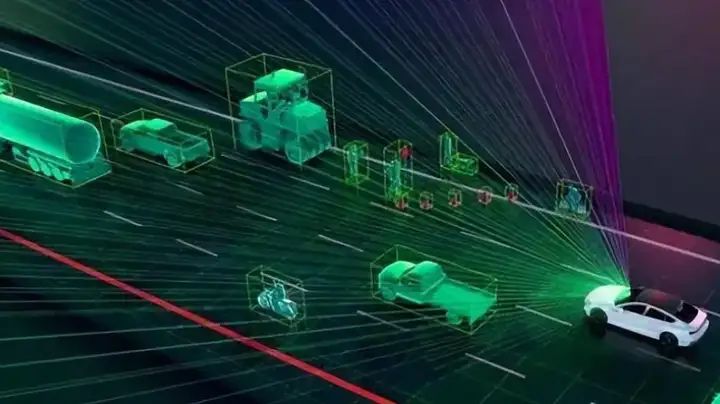
6.2 77 เรดาร์ยานยนต์ GHz (อดาส)
การใช้ระบบ ADAS สมัยใหม่ 77 เรดาร์คลื่นมิลลิเมตร GHz. นี่เป็นหนึ่งในแอปพลิเคชันที่เป็นตัวแทนมากที่สุดสำหรับ PCB ไฮบริดความถี่สูง. Dk ของ RO4835 ที่ 77 GHz เป็นเรื่องเกี่ยวกับ 3.2 (ลงมาจาก 3.48 ที่ 10 กิกะเฮิรตซ์). เมื่อใช้ร่วมกับฟอยล์ทองแดงที่ผ่านการเคลือบ LoPRO®, การสูญเสียการแทรกจะลดลง.
Tg ของ IT180 ที่ 175°C และ T260 > 60 นาทีให้ความน่าเชื่อถือทางความร้อนสูง. ซึ่งช่วยให้โมดูลเรดาร์สามารถทนต่อการหมุนเวียนของความร้อนที่รุนแรงตั้งแต่ -40°C ถึง +125°C ใกล้กับห้องเครื่องยนต์.
6.3 การบินและอวกาศและการสื่อสารผ่านดาวเทียม
ต้องการการใช้งานด้านการบินและอวกาศ วัสดุ PCB เพื่อรักษาความน่าเชื่อถือภายใต้สุญญากาศ, รังสีสูง, และอุณหภูมิสุดขั้ว. ข้อเสนอ RO4835 10 ต้านทานการเกิดออกซิเดชันได้ดีกว่าเท่าตัว กว่าวัสดุเทอร์โมเซ็ตทั่วไป. นอกจากนี้ยังผ่านการทดสอบการแยกชั้นแบบไม่เป็นโมฆะอีกด้วย, ทำให้เป็นตัวเลือกที่เชื่อถือได้สำหรับเพย์โหลดการสื่อสารผ่านดาวเทียม LEO และเสาอากาศอาเรย์แบบแบ่งเฟส.
6.4 เครื่องขยายสัญญาณเสียง RF
ในเครื่องขยายสัญญาณเสียงของสถานีฐาน (ป้า) โมดูล, การสูญเสียที่ต่ำของ RO4835 แปลโดยตรงไปยังกำลังเอาต์พุตที่สูงขึ้นและการสร้างความร้อนที่ลดลง. การนำความร้อนของ 0.69 w/m · k (วัด) นำความร้อนออกจากชิป PA ไปยังแผงระบายความร้อนได้อย่างรวดเร็ว, ยืดอายุการใช้งานของอุปกรณ์.
6.5 บอร์ดสัญญาณผสมความเร็วสูง
เมื่อบอร์ดมี ADC/DAC ความเร็วสูง, FPGA, และช่อง RF front-end, crosstalk กลายเป็นปัญหาร้ายแรง. RO4835 + ไฮบริด IT180 สร้างกำแพงกั้นคงที่ไดอิเล็กทริกตามธรรมชาติระหว่างชั้น RF และเลเยอร์ดิจิทัล. สิ่งนี้จะยับยั้งการเชื่อมต่อสัญญาณรบกวนดิจิทัลในเส้นทาง RF ได้อย่างมีประสิทธิภาพ.
7. วัสดุ: ข้อมูลจำเพาะทางเทคนิคโดยละเอียดของ RO4835 และ IT180
ตารางด้านล่างแสดงรายการพารามิเตอร์หลักอย่างเป็นทางการสำหรับ RO4835 และ IT180 พร้อมการอ้างอิงวิธีทดสอบ.
| พารามิเตอร์ | RO4835 (โรเจอร์ส) | it180 (iteq) | มาตรฐานการทดสอบ / แหล่งที่มา |
|---|---|---|---|
| dk @ 10 กิกะเฮิรตซ์ | 3.48 ± 0.05 (กระบวนการ) | 4.1 | IPC-TM-650 2.5.5.5 / 2.5.5.13 |
| dk @ 1 เมกะเฮิรตซ์ | - | 4.4 | IPC-TM-650 2.5.5.9 |
| df @ 10 กิกะเฮิรตซ์ | 0.0037 | 0.016 | IPC-TM-650 2.5.5.5 / 2.5.5.13 |
| ทีจี (DSC) | ≥280องศาเซลเซียส | 175องศาเซลเซียส | IPC-TM-650 2.4.24.3 |
| TD (5% การลดน้ำหนัก) | 390องศาเซลเซียส | 345องศาเซลเซียส | มาตรฐาน ASTM D3850 / TGA |
| การนำความร้อน | 0.66–0.69 วัตต์/เมตร·เค | - | ASTM C518 / มาตรฐาน ASTM D5470 |
| คะแนนความไวไฟ | อล 94 วี-0 | อล 94 วี-0 | อล 94 |
| ความต้านทานต่อปริมาตร | 5 × 10⁸ MΩ·ซม | สำหรับ IPC-4101 | IPC-TM-650 2.5.17.1 |
| ซีทีอี (แกน X/Y) | 10 / 12 ppm/° C | 11–13 / 13–15 ppm/°C | IPC-TM-650 2.1.24 / ทีเอ็มเอ |
| ซีทีอี (แกน Z, A1) | 31 ppm/° C | 45 ppm/° C | IPC-TM-650 2.1.24 / ทีเอ็มเอ |
| การดูดซึมความชื้น | 0.05% | - | มาตรฐาน ASTM D570 |
หมายเหตุความถูกต้องของข้อมูล: ค่าทั้งหมดข้างต้นได้รับการตรวจสอบเทียบกับเอกสารข้อมูลอย่างเป็นทางการของ Rogers Corporation และ ITEQ. ค่าความต้านทานของปริมาตร 5×10⁸ MΩ·cm มาจากเอกสารอย่างเป็นทางการของ Rogers. เอกสารก่อนหน้านี้บางฉบับใช้ 1.2×10¹⁰ Ω·cm ซึ่งอาจเป็นผลมาจากการแปลงหน่วย แต่ไม่เปลี่ยนข้อสรุปว่าวัสดุมีคุณสมบัติเป็นฉนวนที่ดีเยี่ยม.
8. คุณสมบัติด้านประสิทธิภาพ
ขึ้นอยู่กับพารามิเตอร์ทางเทคนิคข้างต้น, PCB ไฮบริดความถี่สูงนี้มีข้อดีหลักห้าประการ:
- การสูญเสียสัญญาณต่ำมาก: ดฟ = 0.0037 @ 10 GHz – ประมาณ 1/5 ของ FR-4 ธรรมดา. ในแถบคลื่น 5G mmWave, นี่หมายถึงระยะการส่งข้อมูลที่ยาวขึ้น, ข้อผิดพลาดลดลง, และความร้อนน้อยลง.
- ค่าคงที่ไดอิเล็กทริกที่เสถียร: ดค = 3.48 ± 0.05 @ 10 กิกะเฮิรตซ์. มีความเสถียรมากในช่วงความถี่และอุณหภูมิที่กว้าง. รับประกันความต้านทาน 50Ω ที่แม่นยำภายใต้สภาวะการทำงานทั้งหมด.
- ทนความร้อนและออกซิเดชั่นได้ดีเยี่ยม: RO4835 มี 10 ต้านทานการเกิดออกซิเดชันได้ดีกว่าวัสดุเทอร์โมเซตแบบดั้งเดิมถึงสองเท่า. ใช้งานได้ยาวนานในอากาศที่มีอุณหภูมิสูงโดยไม่มีการย่อยสลายอย่างมีนัยสำคัญ.
- ความสามารถในการผลิตที่เหนือกว่า: ไม่มีการรักษาพื้นผิวแบบพิเศษ (เหมือนการกัดด้วยพลาสมา) จำเป็น. เข้ากันได้อย่างสมบูรณ์กับกระบวนการ FR-4 มาตรฐาน. ซึ่งจะทำให้ระยะเวลารอคอยสินค้าสั้นลงอย่างมาก.
- การออกแบบที่คุ้มค่า: เฉพาะชั้นวิกฤต RF เท่านั้นที่ใช้ RO4835. ชั้นในใช้ IT180. ต้นทุนวัสดุต่ำกว่าโซลูชันของ Rogers แบบเต็มประมาณ 30%–50% ภายใต้ข้อจำกัดทางไฟฟ้าเดียวกัน.
9. กระบวนการผลิต: 8 ขั้นตอนสำคัญจากวัสดุไปจนถึงบอร์ดสำเร็จรูป
RO4835 ที่ผ่านการรับรอง + PCB ไฮบริดความถี่สูง IT180 ต้องผ่านกระบวนการสำคัญแปดกระบวนการต่อไปนี้:
1 การตรวจสอบวัสดุที่เข้ามา – ตัวอย่างการทดสอบความสอดคล้อง Dk/Df ของชุด RO4835 และ IT180. ตรวจสอบให้แน่ใจว่าพารามิเตอร์ตรงตามข้อกำหนดอย่างเป็นทางการของ Rogers และ ITEQ.
2 การสร้างวงจรชั้นใน – การถ่ายโอนรูปแบบและการแกะสลักบนเลเยอร์ IT180 สำหรับสายสัญญาณดิจิทัลและระนาบกำลัง/กราวด์.
3 การบำบัดด้วยบราวน์ออกไซด์ – ทำให้ผิวทองแดงชั้นในหยาบด้วยสารเคมี. ปรับปรุงการยึดเกาะด้วยพรีเพกในระหว่างการเคลือบ.
④ การเคลือบ – ขั้นตอนที่สำคัญที่สุด. สแต็ค RO4835, เตรียมการ, และคอร์ IT180 ในรูปแบบสแต็กอัปแบบสมมาตร. โหลดลงในเครื่องกดสุญญากาศ. ควบคุมอุณหภูมิทางลาดได้อย่างแม่นยำ, เส้นโค้งความดัน, และเวลาพักเพื่อลดความเครียดจาก CTE ที่ไม่ตรงกัน. สำหรับสินค้า 6 ชั้นนี้, การเคลือบที่อุณหภูมิสูงเพียงครั้งเดียวเป็นเรื่องปกติ. การออกแบบ HDI ใช้การเคลือบตามลำดับ.
⑤ การเจาะ – ใช้สว่านโซลิดคาร์ไบด์หรือการเจาะด้วยเลเซอร์. ปรับพารามิเตอร์ให้เหมาะสมสำหรับความหนาของบอร์ด 1.5 มม. เพื่อให้แน่ใจว่าความหยาบของผนังรูตรงตามข้อกำหนดการชุบทองแดง PTH.
⑥ ทองแดงแบบไม่ใช้ไฟฟ้า / การชุบแผง – ทำให้รูทะลุเป็นโลหะ. สร้างการเชื่อมต่อไฟฟ้าระหว่างชั้น.
⑦ การสร้างวงจรชั้นนอก – สร้างเส้นไมโครสตริปอิมพีแดนซ์ 50Ω หรือการติดตาม RF ที่ชั้น RO4835 ด้านบนและด้านล่าง. ใช้การแกะสลักอิมพีแดนซ์แบบควบคุมเพื่อรักษาค่าเผื่อความกว้างของร่องรอยให้อยู่ภายใน ±5%.
⑧ การตกแต่งพื้นผิว - เห็นด้วย (ทองคำแช่นิเกิลแบบไม่ใช้ไฟฟ้า) สำหรับการบัดกรีไร้สารตะกั่วและการติดลวดละเอียด. ความหนาของทองคำโดยทั่วไป 0.05–0.1 μm. ความหนาของนิกเกิล 3–5 μm.
⑨ การทดสอบทางไฟฟ้าและการบิน - 100% การทดสอบทางไฟฟ้ารวมถึงการทดสอบอิมพีแดนซ์แบบเปิด/สั้นและ TDR. ตรวจสอบให้แน่ใจว่าแต่ละบอร์ดมีความต้านทานต่อความต้านทาน 50Ω.
10. โครงสร้างทางกายภาพของบอร์ดไฮบริด 6 ชั้น
ด้านล่างนี้คือโครงสร้างทางกายภาพของ RO4835 ของ UGPCB + IT180 บอร์ด 6 ชั้น (จากบนลงล่าง):
| รายการ | ส่วนประกอบ | วัสดุ | ความหนาทั่วไป | การทำงาน |
|---|---|---|---|---|
| 1 | ฟอยล์ทองแดงด้านบน | ทองแดงอีดี (LoPRO® เป็นทางเลือก) | 1 ออนซ์ (➤35 ไมโครเมตร) | สัญญาณชั้นนอก / เสาอากาศ |
| 2 | อิเล็กทริกยอดนิยม | RO4835 | 0.127 มม | ฉนวนสัญญาณความถี่สูง |
| 3 | ทองแดงชั้นใน (L2/L5) | ทองแดง | 1 ออนซ์ | ระนาบกราวด์อ้างอิง |
| 4 | แกนกลาง | IT180 FR-4 | ต่อการออกแบบสแต็คอัพ | สัญญาณดิจิตอล / ชั้นพลังงาน |
| 5 | แกนกลาง | IT180 FR-4 | ต่อการออกแบบสแต็คอัพ | เครื่องบินภาคพื้นดิน |
| 6 | ทองแดงชั้นใน (L3/L4) | ทองแดง | 1 ออนซ์ | เส้นทางภายใน / พลัง |
| 7 | อิเล็กทริกด้านล่าง | RO4835 | 0.127 มม | ฉนวนสัญญาณความถี่สูง |
| 8 | ฟอยล์ทองแดงด้านล่าง | ทองแดงอีดี (LoPRO® เป็นทางเลือก) | 1 ออนซ์ (➤35 ไมโครเมตร) | สัญญาณล่าง / เครือข่ายฟีด |
| 9 | พื้นผิวเสร็จสิ้น | เห็นด้วย | 0.05–0.1 ไมโครเมตร (AU) | ความสามารถในการบัดกรีและความต้านทานต่อการเกิดออกซิเดชัน |
ความหนาของบอร์ดรวมคือ 1.5 มม. รวมถึงชั้นทองแดงและอิเล็กทริกทั้งหมด.
11. การอ้างอิงการเลือกผลิตภัณฑ์โดยย่อ
| พารามิเตอร์ | ข้อมูลจำเพาะ | ช่วงที่ปรับแต่งได้ |
|---|---|---|
| การรวมกันของลามิเนต | โรเจอร์ส RO4835 + ITEQ IT180 | RO4350B + FR-4 หรือซีรี่ส์ ITEQ อื่น ๆ |
| จำนวนชั้น | 6 ชั้น | ขยายได้ถึง 4/6/8/10 เลเยอร์บวก HDI |
| ความหนาของบอร์ด | 1.5 มม | 0.8–3.0 มม (ขึ้นอยู่กับจำนวนเลเยอร์และสแต็กอัพ) |
| ความหนาของทองแดง | ที่เสร็จเรียบร้อย 1 ออนซ์ | 0.5 ออนซ์ / 1 ออนซ์ / 2 ออนซ์ |
| การควบคุมความต้านทาน | 50 โอห์ม (จบเดียว) | ดิฟเฟอเรนเชียล 90Ω/100Ω และอื่นๆ |
| ความหนาของอิเล็กทริก | 0.127 มม | ขึ้นอยู่กับข้อกำหนดการซ้อน |
| ดีเค (RO4835 @10กิกะเฮิร์ตซ์) | 3.48 ± 0.05 | ขึ้นอยู่กับวัสดุ |
| ฟ (RO4835 @10กิกะเฮิร์ตซ์) | 0.0037 | ขึ้นอยู่กับวัสดุ |
| คะแนนความไวไฟ | อล 94 วี-0 | ที่จำเป็น |
| พื้นผิวเสร็จสิ้น | เห็นด้วย | โอป, ดีบุกแช่, เงินแช่ |
12. เหตุใดจึงเลือก UGPCB สำหรับความต้องการ PCB แบบไฮบริดของคุณ?
UGPCB มีประสบการณ์ด้านวิศวกรรมเชิงลึกเกี่ยวกับ PCB ไฮบริดความถี่สูง. เราช่วยลูกค้าหลีกเลี่ยงความเสี่ยงทั่วไป เช่น ความไม่เข้ากันของวัสดุ, การแยกชั้น, และความล้มเหลวในการทดสอบความน่าเชื่อถือ. จุดแข็งหลักของเราได้แก่:
- ✅ รองรับการออกแบบความถี่สูงที่แข็งแกร่ง – จากการคำนวณความต้านทาน (ใช้ Rogers MWI และ Polar SI9000) ถึงการจำลองความเครียด CTE ของสแต็กอัพ.
- ✅ การควบคุมกระบวนการที่แม่นยำ – การจัดตำแหน่งเอ็กซ์เรย์แบบเรียลไทม์และ AOI รับประกันการลงทะเบียนแบบชั้นต่อชั้นภายใน ±3 ล้าน.
- ✅ ความสม่ำเสมอของแบทช์ – แม้จะอยู่ในการผลิตจำนวนมาก, ความแปรผันของแบตช์ RO4835 Dk อยู่ภายใน ±0.05. 50Ω ผลผลิตอิมพีแดนซ์เกิน 98%.
- ✅ การตอบสนองที่รวดเร็วและการส่งมอบตรงเวลา – สินค้าคงคลังเชิงกลยุทธ์ของวัตถุดิบ Rogers และ ITEQ. ระยะเวลาดำเนินการสำหรับ PCB แบบเลี้ยวเร็วแบบไฮบริดนั้นสั้นเพียง 7–10 วันทำการ.
ขอใบเสนอราคาตอนนี้
RO4835 + PCB ไฮบริดความถี่สูง IT180 เป็นทางออกที่ดีที่สุดสำหรับการรักษาสมดุลระหว่างประสิทธิภาพและราคา. ไม่ว่าคุณจะออกแบบเซลล์ขนาดเล็ก 5G หรือมีคุณสมบัติ 77 โมดูลเรดาร์ GHz สำหรับการผลิตจำนวนมาก, UGPCB ให้บริการแบบครบวงจรตั้งแต่การตรวจสอบทางวิศวกรรมไปจนถึงการผลิตในปริมาณมาก.
📧ติดต่อทีมวิศวกรรม UGPCB: sales@ugpcb.com
📞สายด่วนด้านเทคนิค: +86-XXX-XXXXXXX
🌐เยี่ยมชมเว็บไซต์ของเรา: www.ugpcb.com
【รับใบเสนอราคาที่คุณกำหนดเองตอนนี้】
กรุณาระบุข้อมูลต่อไปนี้:
- จำนวนชั้น PCB และความหนาของบอร์ดเป้าหมาย
- จำนวนชั้น RF และช่วงความถี่
- ปริมาณประจำปีโดยประมาณ (ต้นแบบ / ชุดเล็ก / การผลิตจำนวนมาก)
- ข้อกำหนดการควบคุมความต้านทาน (ปลายเดียว/ส่วนต่าง, ค่าเป้าหมายและความอดทน)
- ข้อกำหนดกระบวนการพิเศษใด ๆ (การเจาะกลับ, จุดแวะฝัง / ตาบอด, ควบคุมการเจาะลึก, ฯลฯ)
ทีมวิศวกรของ UGPCB จะตอบกลับภายใน 24 ชั่วโมงพร้อมการสนับสนุนทางเทคนิคและใบเสนอราคาโดยละเอียด.
*ข้อมูลทางเทคนิคทั้งหมดในเอกสารนี้มาจากเอกสารข้อมูลอย่างเป็นทางการของ Rogers Corporation (ดีเอส RO4835) และข้อกำหนดทางเทคนิค ITEQ IT-180A. วิธีทดสอบเป็นไปตามซีรี่ส์ IPC-TM-650 และมาตรฐาน ASTM ที่บังคับใช้. แหล่งข้อมูลตลาด: 360ไอรีเสิร์ช “5G ตลาดแผงวงจรพิมพ์” รายงาน (มกราคม 2026). UGPCB มีหน้าที่รับผิดชอบต่อความถูกต้องและทันเวลาของข้อมูล. สำหรับคำถามทางเทคนิค, โปรดติดต่อทีมวิศวกรของเราเพื่อยืนยัน*