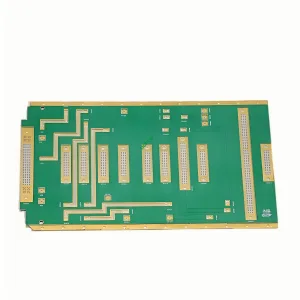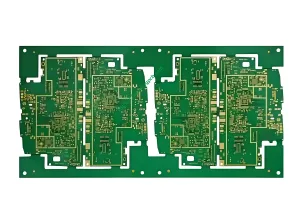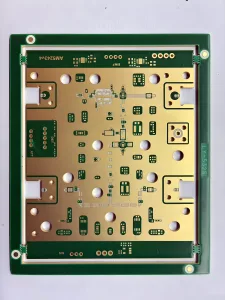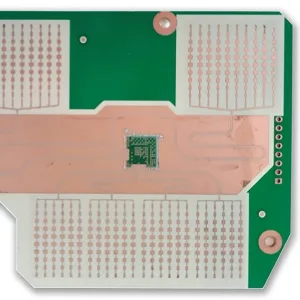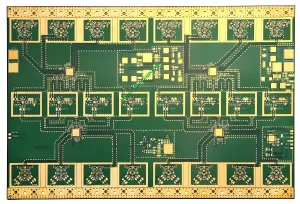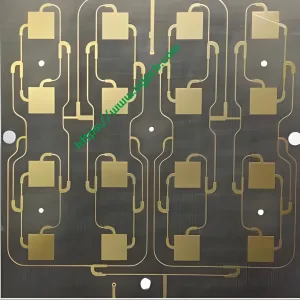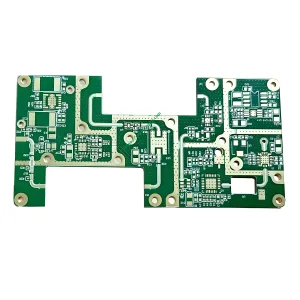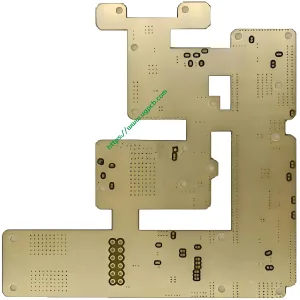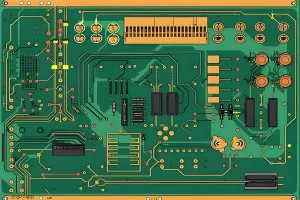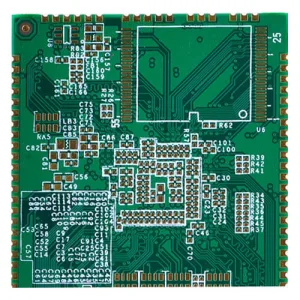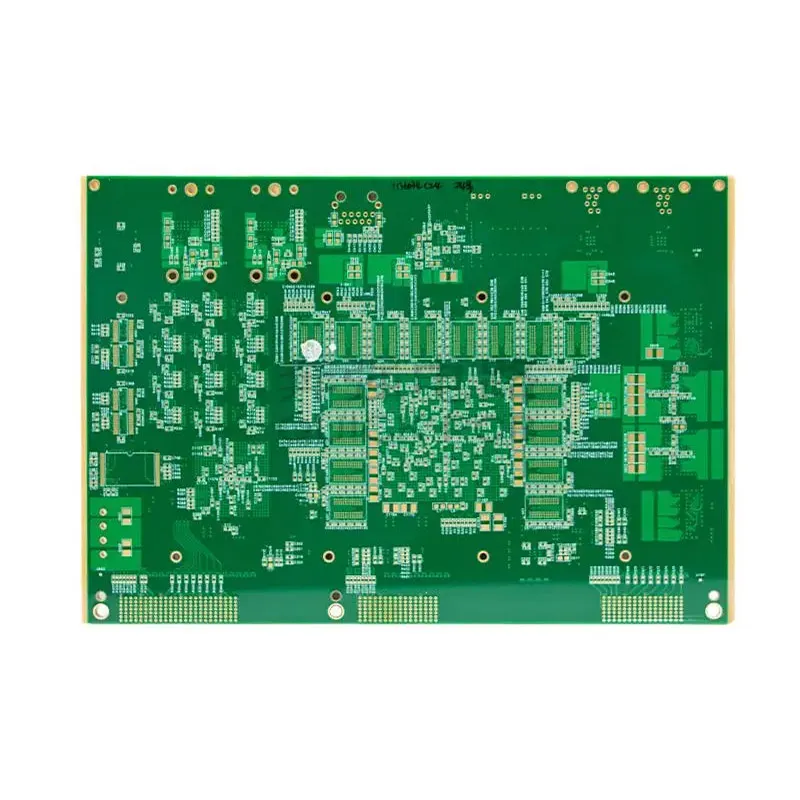
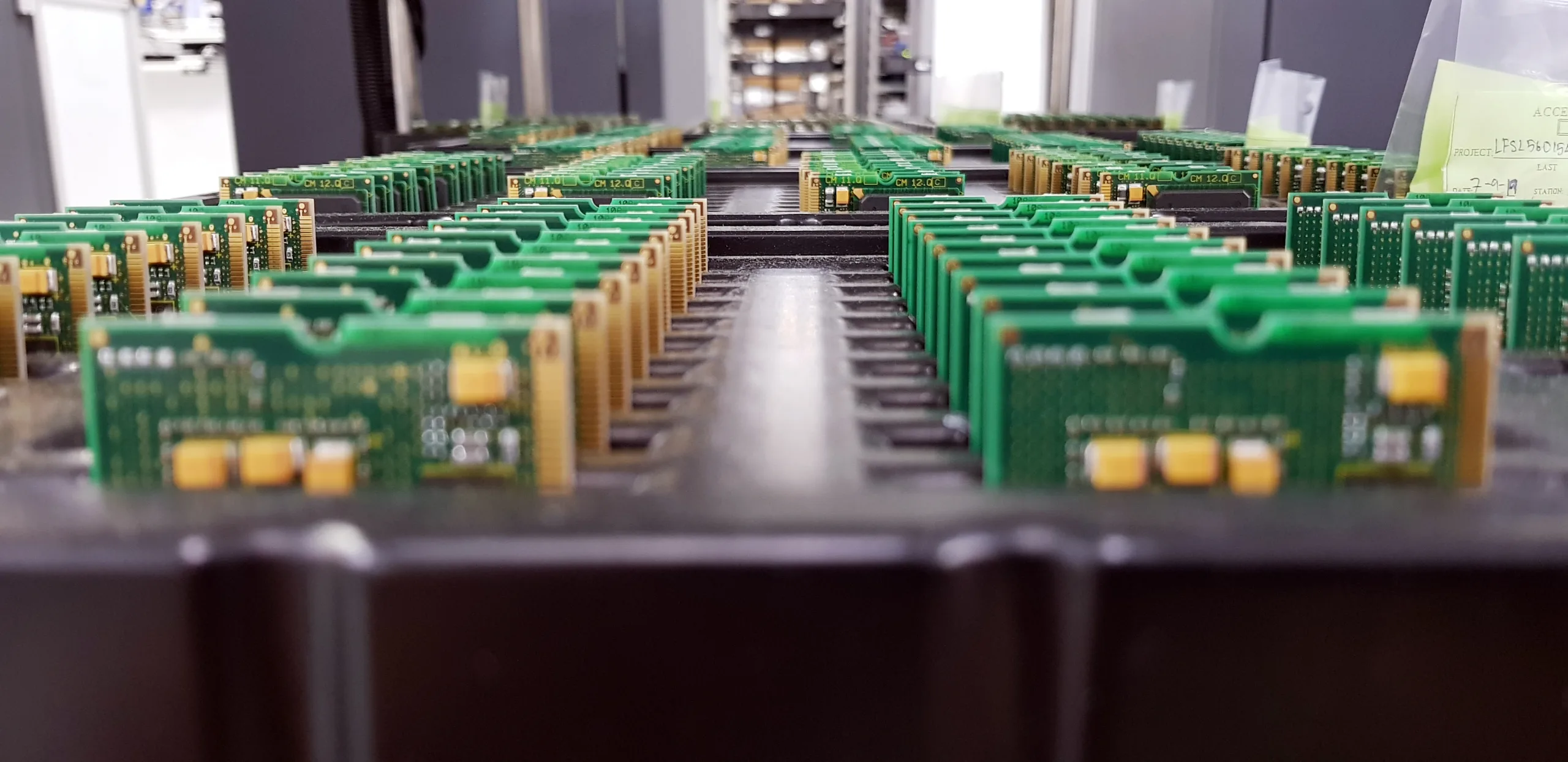
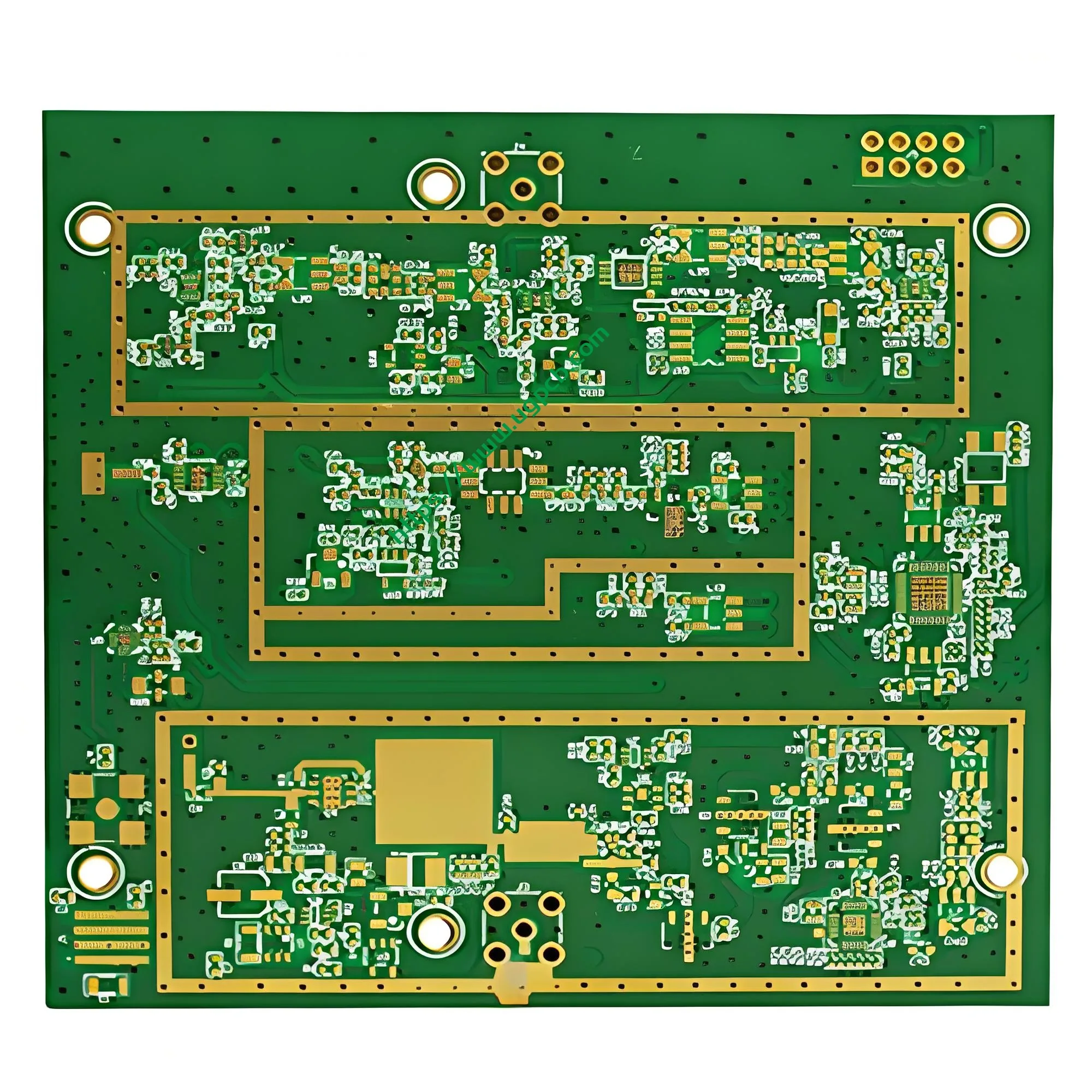
1. คำจำกัดความของผลิตภัณฑ์: โรเจอร์ส 6 ชั้นคืออะไร + FR4 ไฮบริด PCB แบบเรียงซ้อน?
โรเจอร์ส 6 ชั้น + PCB แบบซ้อนกันแบบไฮบริด FR4 เป็นแผงวงจรเคลือบหลายอิเล็กทริก. มันรวมวัสดุความถี่สูงของ Rogers (โดยทั่วไปแล้วซีรีย์ RO4000) มีมาตรฐาน วัสดุพิมพ์ FR-4 ในกองเดียว.
ใน PCB 6 ชั้นนี้, ชั้น Rogers มีสัญญาณ RF ความถี่สูง. เลเยอร์ FR4 จัดการสัญญาณความเร็วต่ำ, การกระจายพลังงาน, และการสนับสนุนทางกล. แผ่นบอนด์พลีทแบบพิเศษจะยึดวัสดุต่าง ๆ ภายใต้อุณหภูมิและความดันสูง. สำหรับการวางซ้อนกันแบบสมมาตร โดยที่ Rogers นั่งอยู่บนชั้นนอกและ FR4 อยู่บนชั้นใน, โซลูชันไฮบริดจะช่วยประหยัด 30% ถึง 50% ต้นทุนวัสดุเมื่อเปรียบเทียบกับการออกแบบของ Rogers แบบเต็ม. ในเวลาเดียวกัน, ประสิทธิภาพของ RF ยังคงเหมือนเดิม.
2. การจำแนกประเภททางวิทยาศาสตร์ & มาตรฐานการตั้งชื่อ
ผลิตภัณฑ์นี้จัดอยู่ในหมวดหมู่มาตรฐานอุตสาหกรรมต่อไปนี้:
- ตามโครงสร้างวัสดุ: PCB ความถี่สูงอิเล็กทริกผสม
- ตามจำนวนชั้น: 6-กระดานหลายชั้นแข็งชั้น
- ตามมาตรฐานไอพีซี: ไอพีซี-6012 (บอร์ดพิมพ์แข็ง) / ไอพีซี-4103 (วัสดุฐานความถี่สูง)
- โดยการสมัคร: 5โมดูลขยายกำลังสถานีฐาน G
- โดยคุณสมบัติกระบวนการ: การเคลือบแบบไฮบริด / ไฮบริดกด PCB
3. พารามิเตอร์ที่สำคัญ & ข้อกำหนดวัสดุ
3.1 พื้นผิว: โรเจอร์ส + FR4 ไฮบริด
PCB ไฮบริดซ้อนกัน 6 ชั้นนี้ใช้วัสดุเซรามิกไฮโดรคาร์บอนของ Rogers (RO4350B เป็นประเภทที่พบบ่อยที่สุด) รวมกับ FR4. RO4350B สอดคล้องกับ IPC-4103 สำหรับวัสดุฐานความเร็วสูงและความถี่สูง. สามารถประมวลผลบนสายการผลิต FR4 มาตรฐานได้.
ตารางด้านล่างแสดงคุณสมบัติทางไฟฟ้าที่สำคัญจากหนังสือข้อมูลอย่างเป็นทางการของ Rogers:
| วัสดุ | ดีเค @ 10GHz | Df @ 10GHz | ทีจี (องศาเซลเซียส) | อล 94 ความติดไฟได้ | การนำความร้อน (w/m · k) |
|---|---|---|---|---|---|
| RO4350B | 3.48 ± 0.05 | 0.0037 | >280 | วี-0 | 0.62 |
| RO4003C | 3.38 ± 0.05 | 0.0027 | >280 | N/A | 0.71 |
| RO4835 | 3.48 ± 0.05 | 0.0037 | >280 | วี-0 | 0.66 |
แหล่งข้อมูล: เอกสารข้อมูลซีรีส์ Rogers RO4000
ชิ้นส่วน FR4 ใช้ลามิเนตเสริมแรง Tg สูง (ทีจี >= 170°ซ) ตามมาตรฐาน IPC-4101/126. สิ่งนี้เป็นไปตามความเสถียรของวงจรความร้อนที่จำเป็นสำหรับอุปกรณ์สื่อสาร.
3.2 ความหนาของทองแดง & ความหนาของบอร์ด
- ความหนาของทองแดง: 1 ออนซ์ (35 ไมโครเมตร) ทองแดงสำเร็จรูปทุกสัญญาณ, พลัง, และชั้นดิน.
- ความหนาของบอร์ดทั้งหมด: 2.3 มม. ความหนานี้ช่วยรักษาสมดุลของความแข็งแกร่งทางกล, ความเสถียรของการเคลือบ, และการแพร่กระจายความร้อนสำหรับเครือข่ายกระแสสูง.
3.3 หน้ากากบัดกรี & ซิลค์สกรีน
- สีหน้ากากประสาน: สีเขียว (ปรับแต่งได้)
- สีซิลค์สกรีน: สีขาว (ปรับแต่งได้)
3.4 การตกแต่งพื้นผิว – ENIG (ทองคำแช่นิเกิลแบบไม่ใช้ไฟฟ้า)
PCB 6 ชั้นนี้ใช้ ENIG เป็นพื้นผิวขั้นสุดท้าย. ชั้นนิกเกิลช่วยป้องกันการแพร่กระจายและการปกป้องทางกล. ชั้นทองช่วยให้มั่นใจในการบัดกรี, ความต้านทานต่อการเกิดออกซิเดชัน, และความต้านทานการสัมผัสต่ำ. ENIG ยังทนต่อรอบการรีโฟลว์หลายครั้ง. สำหรับช่องความถี่สูง, พื้นผิวเรียบช่วยลดการสูญเสียผลกระทบต่อผิวหนัง.
3.5 ความกว้างของการติดตามชั้นนอก / ระยะห่าง
ใช้การออกแบบชั้นนอก7 ความกว้างของร่องรอยล้านและ 7 ระยะห่างล้าน (ประมาณ. 178 ไมโครเมตร / 178 ไมโครเมตร). ตัวเลือกนี้ตรงตามความต้องการหลายประการ:
- บรรลุผลสำเร็จ 50 อิมพีแดนซ์ลักษณะเฉพาะของโอห์มสำหรับสัญญาณ RF บนสแต็กอัพไฮบริด 6 เลเยอร์.
- จับคู่หน้าต่างที่ให้ผลตอบแทนสูงสำหรับการถ่ายโอนรูปแบบในการผลิต PCB ทั่วไป.
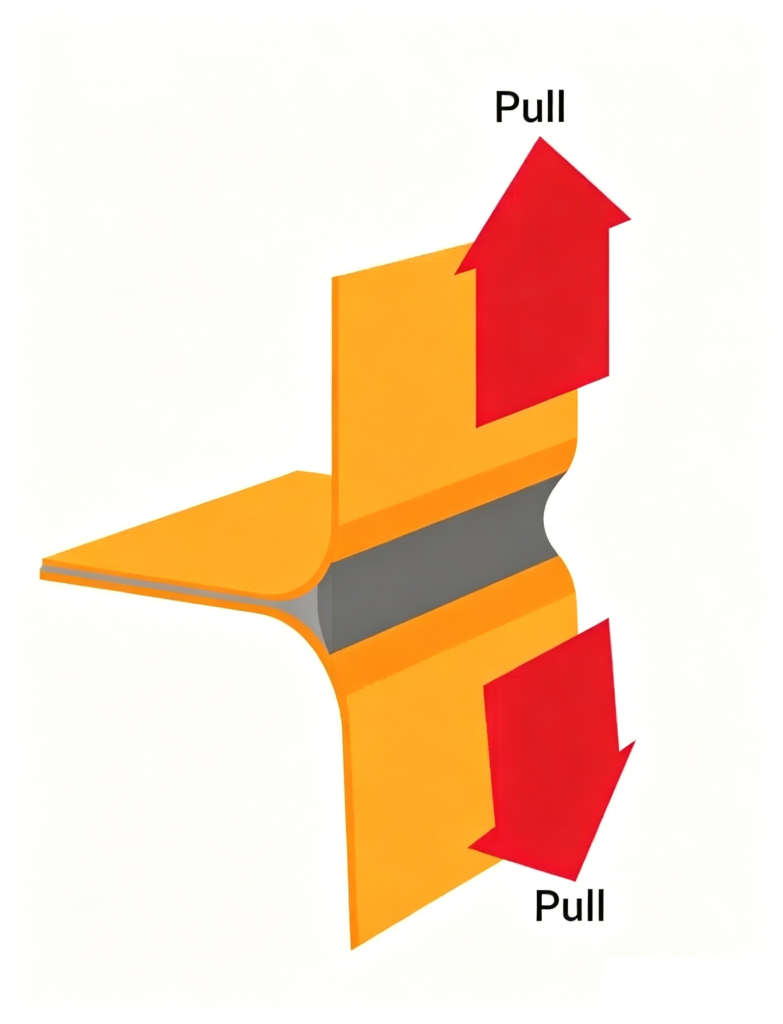
- ให้ความแข็งแรงในการลอกทองแดงและความสามารถในการรับกระแสไฟเพียงพอ.
4. โครงสร้างกองซ้อน & หลักการออกแบบ PCB 6 ชั้น
การออกแบบซ้อนเป็นแกนหลักของสื่อผสม การผลิต PCB. อ้างอิงจาก IPC-2221B, การซ้อนซ้อนแบบไฮบริด 6 ชั้นต้องเป็นไปตามหลักการเหล่านี้.
4.1 หลักการสมมาตร (การบิดเบี้ยวต่ำ)
ผลิตภัณฑ์นี้ใช้การวางซ้อนกันแบบสมมาตร: ชั้น 1 และเลเยอร์ 6 เป็นวัสดุของโรเจอร์ส (ส่งสัญญาณไมโครแถบ RF). เลเยอร์ 2 ถึง 5 คือ FR4 (ประกอบด้วยระนาบพื้นเต็ม, เครื่องบินพลังงาน, และร่องรอยการควบคุมความเร็วต่ำ).
การวางซ้อนแบบสมมาตรจะปรับสมดุลความเครียดจากความร้อนในระหว่างการเคลือบที่อุณหภูมิสูงและการบัดกรีแบบรีโฟลว์. Warpage ยังคงอยู่ด้านล่าง 0.6% ในสายการผลิตทั่วไป. การออกแบบที่ไม่สมมาตรสามารถเกิดการบิดเบี้ยวด้านบนได้ 1.2%.
4.2 สัญญาณ – การแนบระนาบอ้างอิง (ความสมบูรณ์ของสัญญาณ RF)
ชั้นสัญญาณ RF ความเร็วสูง (ชั้น 1) ตั้งอยู่ติดกับระนาบอ้างอิงพื้นแข็งโดยตรง (ชั้น 2). สิ่งนี้สร้างโครงสร้างไมโครสตริปหรือท่อนำคลื่นโคระนาบ. กระแสย้อนกลับเป็นไปตามเส้นทางที่สั้นที่สุด, ซึ่งช่วยลดการเหนี่ยวนำลูปและการแผ่รังสี EMI.
ใน PCB 6 ชั้นนี้, ทุกชั้นสัญญาณมีระนาบทองแดงที่สมบูรณ์ที่อยู่ติดกัน. สิ่งนี้จะระงับการส่งสัญญาณข้ามและปรับปรุงภูมิคุ้มกันของ EMI.
4.3 กำลัง - การจับคู่ระนาบกราวด์ (ความต้านทาน PDN ต่ำ)
ชั้น 3 และเลเยอร์ 4 ทำหน้าที่เป็นระนาบจำหน่ายไฟฟ้าและระนาบกราวด์หลัก, ตามลำดับ. พวกเขาเชื่อมโยงกันอย่างแน่นหนา. โดยการควบคุมความหนาของอิเล็กทริกระหว่างพวกเขาภายในบอร์ด 2.3 มม, เครือข่ายการกระจายอำนาจ (พีดีเอ็น) ความต้านทานสามารถลดลงเหลือหลายสิบมิลลิโอห์ม. สิ่งนี้รองรับความต้องการกระแสชั่วคราวของเครื่องขยายกำลัง (ป้า) ทรานซิสเตอร์.
4.4 ความเข้ากันได้ของกระบวนการ & การควบคุมความต้านทาน
อ้างอิงจาก IPC-2221, ความทนทานต่ออิมพีแดนซ์ทั่วไปสำหรับ PCB ความเร็วสูงคือ +/-5%. อาจต้องใช้การออกแบบไมโครเวฟความถี่สูงที่แม่นยำหรือการเชื่อมต่อระหว่างกันแบบดิจิทัล 100Gbps+ +/-3%. สินค้าชิ้นนี้ตั้งเป้าไปที่ +/-5% ความอดทนสำหรับการตรวจสอบ.
5. หลักการทำงาน: การส่งสัญญาณแม่เหล็กไฟฟ้าในอิเล็กทริกผสม
5.1 การแพร่กระจายสัญญาณ RF
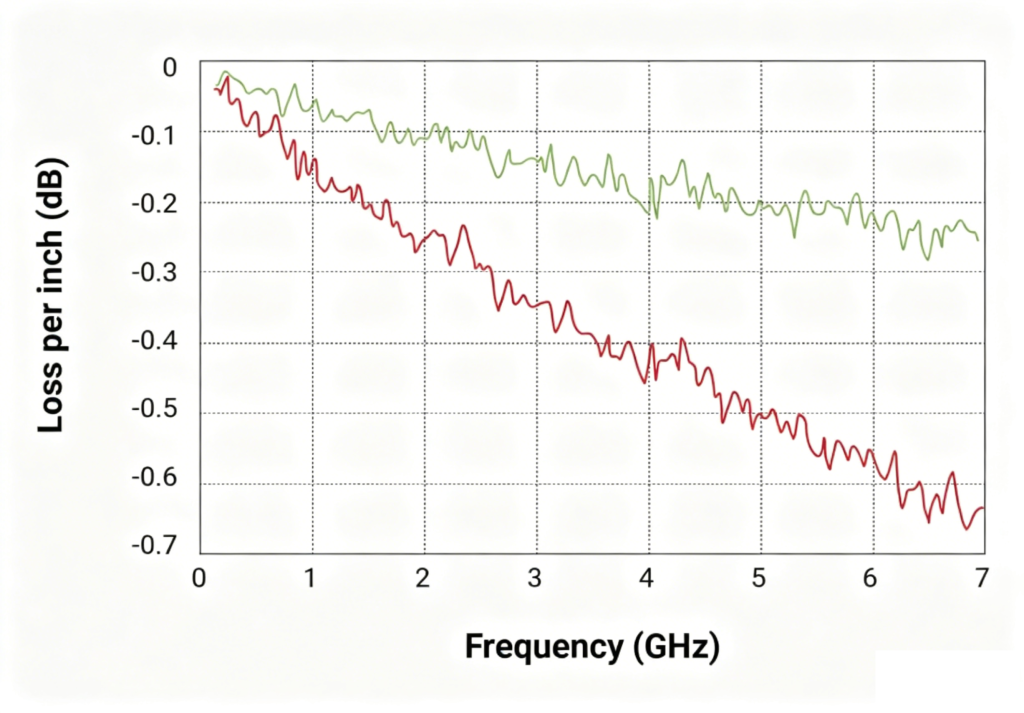
ใน PCB ไฮบริด Rogers+FR4 6 ชั้นนี้, สัญญาณไมโครเวฟความถี่สูงเคลื่อนที่ภายในไมโครสตริปหรือโครงสร้างสตริปไลน์บนอิเล็กทริกของโรเจอร์ส. วัสดุ Rogers มีปัจจัยการกระจายต่ำมาก (ดฟ = 0.0037 สำหรับ RO4350B ที่ 10GHz) และค่าคงที่ไดอิเล็กตริกคงที่ (ดค = 3.48 +/-0.05). เป็นผลให้, การลดทอนสัญญาณที่ความถี่ GHz นั้นต่ำกว่า FR4 มาก.
สำหรับสายไมโครสตริปบน RO4350B, การสูญเสียการแทรกที่ 28GHz อยู่ที่ประมาณ 0.4 เดซิเบล/นิ้ว. วัสดุ FR4 มาตรฐานที่ความถี่เดียวกันแสดงมากกว่า 1.2 เดซิเบล/นิ้ว.
5.2 ความสมบูรณ์ของสัญญาณในสื่อไฮบริด
การวางซ้อนแบบไฮบริดใช้กลยุทธ์การแยกวัสดุ. สัญญาณที่ไวต่อความถี่สูงทำงานบนชั้นโรเจอร์ส (ภายนอกหรือภายในด้วยอิเล็กทริกการสูญเสียต่ำ). การกระจายพลังงานและการควบคุมแบบดิจิตอลใช้ชั้นใน FR4. วิธีการนี้ช่วยลดต้นทุนได้อย่างมากเมื่อเทียบกับการออกแบบของ Rogers แบบเต็ม. เพื่อหลีกเลี่ยงการสะท้อนกลับและข้อผิดพลาดด้านจังหวะเวลาที่ขอบเขตระหว่างค่าคงที่ไดอิเล็กทริกที่ต่างกัน, วิศวกรจะต้องคำนวณความหนาของอิเล็กทริกอย่างแม่นยำ, ความกว้างของการติดตาม, และระยะห่างระนาบอ้างอิง. จากนั้นพวกเขาจะตรวจสอบการออกแบบด้วยการทดสอบความต้านทาน TDR.
6. แอปพลิเคชัน: เพาเวอร์แอมป์ในอุตสาหกรรมการสื่อสาร
6ชั้นนี้ PCB ไฮบริด ได้รับการออกแบบมาโดยเฉพาะสำหรับเพาเวอร์แอมป์ (ไม่) ในอุตสาหกรรมการสื่อสาร. กรณีการใช้งานทั่วไปได้แก่:
- 5G มาโครและสถานีฐานเซลล์ขนาดเล็ก (โมดูลส่วนหน้า RF) : กำลังเอาต์พุต PA ในย่านความถี่ Sub-6GHz และ mmWave มักจะเกิน 30W. PA ของสถานีฐานมาโครสามารถเข้าถึงได้มากกว่า 50W. บอร์ดจะต้องมีทั้งเส้นทาง RF การสูญเสียต่ำและการกระจายความร้อนที่เชื่อถือได้.
- อาร์เรย์เสาอากาศ MIMO ขนาดใหญ่: วัสดุพิมพ์ความถี่สูงต้องโฮสต์ตัวรับส่งสัญญาณหลายตัว (ต.ร) ส่วนประกอบและวงจรควบคุม. โครงสร้างไฮบริด 6 ชั้นแยกส่วน RF และดิจิทัลได้อย่างมีประสิทธิภาพ.
- หน่วยเสาอากาศที่ใช้งานอยู่ (AAU) และเซลล์ขนาดเล็ก: สิ่งเหล่านี้ต้องการความสมดุลระหว่างความสมบูรณ์ของสัญญาณและความสมบูรณ์ของพลังงาน. การออกแบบไฮบริด 6 เลเยอร์ตรงตามข้อกำหนดการกำหนดเส้นทางที่หนาแน่นผ่านการกำหนดฟังก์ชันเลเยอร์ที่ปรับให้เหมาะสม.
ข้อได้เปรียบหลักที่ชัดเจน: เลเยอร์ Rogers ให้การสูญเสียสัญญาณ RF ต่ำเป็นพิเศษ, ในขณะที่ชั้น FR4 ภายในมีไฟ DC และลอจิกควบคุมสำหรับทรานซิสเตอร์ GaN/GaAs PA. ซึ่งจะช่วยรักษาการสูญเสียการแทรกโดยรวมและความต้านทานความร้อนให้อยู่ภายในขีดจำกัดที่เข้มงวดของ PA ในการสื่อสาร.
7. ประสิทธิภาพของผลิตภัณฑ์: เกี่ยวกับไฟฟ้า, ความร้อน & ตัวชี้วัดความน่าเชื่อถือ
7.1 ประสิทธิภาพไฟฟ้า RF
- เสถียรภาพคงที่ของอิเล็กทริก: RO4350B มี Dk โดยทั่วไปเป็น 3.48 ที่ 10GHz โดยมีความทนทานต่อ +/-0.05. และยังรักษาเสถียรภาพอุณหภูมิได้ดีตั้งแต่ -50°C ถึง 150°C (ทีซีดีเค data 50 ppm/° C).
- ปัจจัยการกระจาย: ฟ <- 0.004 จาก 3.5GHz ถึง 28GHz. สิ่งนี้ทำให้มั่นใจได้ว่าการสูญเสียการแทรกช่อง RF เป็นไปตามข้อกำหนด 5G. ตัวอย่างเช่น, ที่ 28GHz, ดฟ = 0.0037 ให้การสูญเสียน้อยกว่าบอร์ด FR4 มาตรฐานที่มีความหนาเท่ากันมาก.
- การควบคุมความต้านทาน: ด้วยรอยเส้น/พื้นที่ 7/7 มิล และความหนาไดอิเล็กตริกที่เหมาะสมและเค้าโครงระนาบอ้างอิง, คณะกรรมการประสบความสำเร็จ 50 โอห์ม +/-10% ความต้านทาน. ซึ่งตรงกับข้อกำหนดพอร์ต RF ของโมดูลการสื่อสารมาตรฐาน.
7.2 ประสิทธิภาพความร้อน
- การนำความร้อน: RO4350B จัดให้ 0.62 w/m · k, ดีกว่า FR4 มาตรฐาน. ซึ่งจะช่วยกระจายความร้อนจากจุดร้อนของ PA ผ่านทางจุดผ่านและแผ่นทองแดง.
- อุณหภูมิการเปลี่ยนแก้ว: วัสดุ Rogers มี Tg > 280องศาเซลเซียส. ชั้นในที่มี Tg FR4 สูงจะมี Tg >= 170°ซ. ช่วยให้มั่นใจได้ถึงความแข็งแกร่งในช่วงอุณหภูมิที่กว้างและให้การบัดกรีแบบรีโฟลว์ที่ดี.
7.3 ตัวชี้วัดความน่าเชื่อถือ
- คะแนนความไวไฟ: RO4350B คือ UL 94 วี-0 ได้รับการรับรอง, เป็นไปตามมาตรฐานความปลอดภัยของอุปกรณ์สื่อสาร.
- การดูดซึมความชื้น: RO4350B มีการดูดซึมความชื้น <- 0.06%. ประสิทธิภาพทางไฟฟ้ายังคงมีเสถียรภาพในสภาพแวดล้อมที่ชื้น.
- การยึดเกาะของการเคลือบ: พันธบัตรที่ทุ่มเท (เช่น, RO4450F) ช่วยให้เกิดความผูกพันอันแน่นแฟ้นระหว่าง Rogers และ FR4. การทดสอบวงจรความร้อนไม่แสดงการแยกส่วน.
- การผลิต PCB & การตรวจสอบ: ผลิตภัณฑ์นี้ผลิตและยอมรับตาม IPC-6012. ตัวบ่งชี้ประสิทธิภาพหลักทั้งหมดได้รับการทดสอบอย่างสมบูรณ์หรือทดสอบตัวอย่างก่อนจัดส่ง.
8. คุณสมบัติเชิงโครงสร้าง
①การแยกอิเล็กทริกแบบไฮบริด: ชั้นสัญญาณ RF ใช้ Rogers ที่มีการสูญเสียต่ำ. ชั้นที่เหลือใช้ Tg FR4 สูง. สิ่งนี้ทำให้สามารถแลกเปลี่ยนระหว่างประสิทธิภาพและราคาได้อย่างแม่นยำ.
②สแต็คอัพที่สมมาตรเต็มที่: L1 และ L6 คือโรเจอร์ส. L2 ถึง L5 คือ FR4. ความสมมาตรช่วยลดการบิดเบี้ยว.
๓เครื่องบินพลังงานและภาคพื้นดินฝังอยู่: ระนาบด้านในทำด้วยทองแดงเต็มรูปแบบให้เส้นทางที่มีอิมพีแดนซ์ต่ำและการป้องกัน EMI.
④การออกแบบกระดานหนา (2.3มม) : ให้ความแข็งแกร่งของโครงสร้างและมวลความร้อนสำหรับอุปกรณ์ PA กำลังสูง.
⑤รูปแบบชั้นนอกที่มีความแม่นยำสูง: 7/7การติดตาม/ช่องว่างจำนวนหนึ่งช่วยให้แม่นยำ 50 สายส่ง RF โอห์ม.
⑥พื้นผิวเคลือบ ENIG: แฟลต, พื้นผิวแผ่นที่มีความหยาบต่ำจะช่วยลดการสูญเสียผลกระทบของผิวหนังที่ความถี่สูง ในขณะเดียวกันก็รับประกันความสามารถในการบัดกรีและความน่าเชื่อถือในการสัมผัส.
9. กระบวนการผลิต: 8 ขั้นตอนสำคัญ
① การเตรียมวัสดุ & การตรวจสอบที่เข้ามา – ตรวจสอบลามิเนตความถี่สูงของ Rogers และแกน FR4 กับ IPC-4103 และ IPC-4101.
② การถ่ายภาพชั้นใน (L2 ถึง L5) - ใช้ LDI การเปิดรับแสงและการกัดด้วยอัลคาไลน์เพื่อสร้างระนาบกำลัง, เครื่องบินภาคพื้นดิน, และควบคุมการติดตามบนแกน FR4.
3. AOI ชั้นใน & การบำบัดด้วยออกไซด์ – ทำการตรวจสอบด้วยแสงอัตโนมัติ จากนั้นจึงทำแบล็คออกไซด์ / การบำบัดด้วยออกไซด์สีน้ำตาลเพื่อปรับปรุงการยึดเกาะของการเคลือบ.
④ การเตรียมการเคลือบแบบไฮบริด & การกด – แกนสแต็กโรเจอร์ส, ผูกมัด, และชั้นใน FR4 สลับกันตามการซ้อนขึ้น. ลามิเนตภายใต้อุณหภูมิและความดันสูง. อุณหภูมิการเคลือบทั่วไป: 190องศาเซลเซียส ถึง 218 องศาเซลเซียส. ความดัน: 200 ถึง 300 PSI (ประมาณ. 14 ถึง 21 บาร์).
⑤ การเจาะ & การทำให้เป็นโลหะ – เจาะรูทะลุด้วยดอกทังสเตนคาร์ไบด์คุณภาพสูง. แล้วทำความละอายใจ, การสะสมทองแดงแบบไม่ใช้ไฟฟ้า, และการชุบแผงเพื่อสร้างการเชื่อมต่อแบบชั้นต่อชั้น. จุดแวะกราวด์ที่สำคัญบางอย่างอาจถูกเสียบด้วยเรซิน.
⑥ การถ่ายภาพชั้นนอก (L1 และ L6) - เปิดเผย, พัฒนา, และกัดกรดเพื่อสร้างเส้นไมโครสตริป RF ขนาด 7/7 มิล.
⑦ หน้ากากประสาน & ตำนาน – ใช้หมึกหน้ากากประสานสีเขียวให้ทั่วกระดาน. บ่มที่อุณหภูมิสูงแล้วพิมพ์ตำนานสีขาว.
⑧ การตกแต่งพื้นผิว – ENIG – ฝากทองคำ 0.05~0.1μm บนนิกเกิล 3~5μm บนแผ่นวงจร. ในที่สุด, ทำการทดสอบทางไฟฟ้าและการตรวจสอบขั้นสุดท้าย, จากนั้นจึงแพ็คสูญญากาศเพื่อจัดส่ง.
ในระหว่างกระบวนการพิเศษของการเคลือบแบบไฮบริด, ควบคุมอัตราทางลาด, ความดัน, และจับคู่วัสดุอย่างระมัดระวัง. จึงทำให้มีความหนาแน่น, พันธะที่ปราศจากโมฆะระหว่างไดอิเล็กทริกที่แตกต่างกัน.
10. เหตุใดจึงเลือก PCB ความถี่สูงไฮบริด Rogers+FR4 6 ชั้นของ UGPCB?
❶17+ ประสบการณ์หลายปีในการผลิต RF PCB – UGPCB จบลงแล้ว 10 ประสบการณ์หลายปีใน PCB ความถี่สูง การพัฒนาและการผลิตในประเทศจีน. เรามีการควบคุมกระบวนการที่สมบูรณ์สำหรับการเคลือบไฮบริด Rogers+FR4.
❷ประหยัดต้นทุนของ 30% หรือมากกว่านั้น – โดยการใช้ Rogers บนเลเยอร์ RF ที่สำคัญและ FR4 ที่อื่นเท่านั้น, อย่างน้อยเราก็ประหยัด 30% ต้นทุนวัสดุเมื่อเปรียบเทียบกับการออกแบบของ Rogers แบบเต็ม.
❸อล 94 วี-0 และการปฏิบัติตาม IPC – เราใช้ RO4350B กับ V-0 คะแนนและ Tg FR4 สูง. ซึ่งเป็นไปตามข้อกำหนดด้านความปลอดภัยจากอัคคีภัยสำหรับสถานีฐานการสื่อสารและระบบคุณภาพอุตสาหกรรม.
❹บริการครบวงจร – UGPCB จัดการทุกอย่างตั้งแต่การตรวจสอบการออกแบบของ Gerber, การจำลองกระบวนการสแต็คอัพแบบไฮบริด, การสร้างต้นแบบตัวอย่าง, เพื่อการผลิตจำนวนมาก. ซึ่งจะช่วยลดค่าใช้จ่ายในการสื่อสารในห่วงโซ่อุปทาน.
❺100% การทดสอบทางไฟฟ้าและการตรวจสอบความต้านทาน – เราใช้ โพรบบิน หรือการทดสอบฟิกซ์เจอร์สำหรับบอร์ดทั้งหมด. เราทำการทดสอบ TDR บนเส้นอิมพีแดนซ์วิกฤตเพื่อให้แน่ใจว่าผลิตภัณฑ์ตรงกับความคาดหวังในการออกแบบ.
11. วิธีการขอใบเสนอราคา?
วิศวกร, ผู้เชี่ยวชาญด้านการจัดซื้อจัดจ้าง, และ r&ผู้จัดการ D สามารถส่ง RFQ ไปยัง UGPCB ได้. หากคุณต้องการ PCB ไฮบริด Rogers+FR4 6 ชั้น หรือบริการการผลิต PCBA ความถี่สูงที่คล้ายกัน, โปรดติดต่อเราดังต่อไปนี้:
- ส่งไฟล์ Gerber, แผ่นข้อมูลจำเพาะ PCB (รวมถึงความหนา 2.3 มม, 1ทองแดง, จบ ENIG), และข้อกำหนดความต้านทานเป้าหมายของคุณ.
- ระบุใบสมัครของคุณ (เครื่องขยายเสียงพลังการสื่อสาร) และข้อกำหนดด้านปริมาณ.
ขอใบเสนอราคาตอนนี้ – UGPCB จะให้การตรวจสอบทางวิศวกรรมอย่างรวดเร็วและราคาปริมาณที่แข่งขันได้. ทีมสนับสนุนด้านเทคนิคของเราจะช่วยคุณตรวจสอบการออกแบบสแต็คอัพแบบไฮบริด. เราจะช่วยให้คุณบรรลุความสมดุลที่ดีที่สุดระหว่างประสิทธิภาพความถี่สูงและความสามารถในการผลิตจำนวนมาก.
หมายเหตุสำคัญ: คุณสมบัติทางไฟฟ้าของ Rogers RO4000 series (ดีเค, ฟ, ทีจี, การนำความร้อน, ฯลฯ) อ้างถึงในเอกสารนี้มาจากเอกสารข้อมูลอย่างเป็นทางการของ Rogers. การอ้างอิงถึง IPC-2221B, ไอพีซี-6012, ไอพีซี-4103, และมาตรฐาน IPC อื่นๆ อ้างอิงจากเอกสารทางเทคนิคของ IPC ที่เปิดเผยต่อสาธารณะ. ข้อมูลทั้งหมดควรได้รับการตรวจสอบเทียบกับผู้ผลิตดั้งเดิมและเอกสารที่เผยแพร่โดย IPC เพื่อเป็นข้อมูลอ้างอิงขั้นสุดท้าย.