ภาพรวมผลิตภัณฑ์
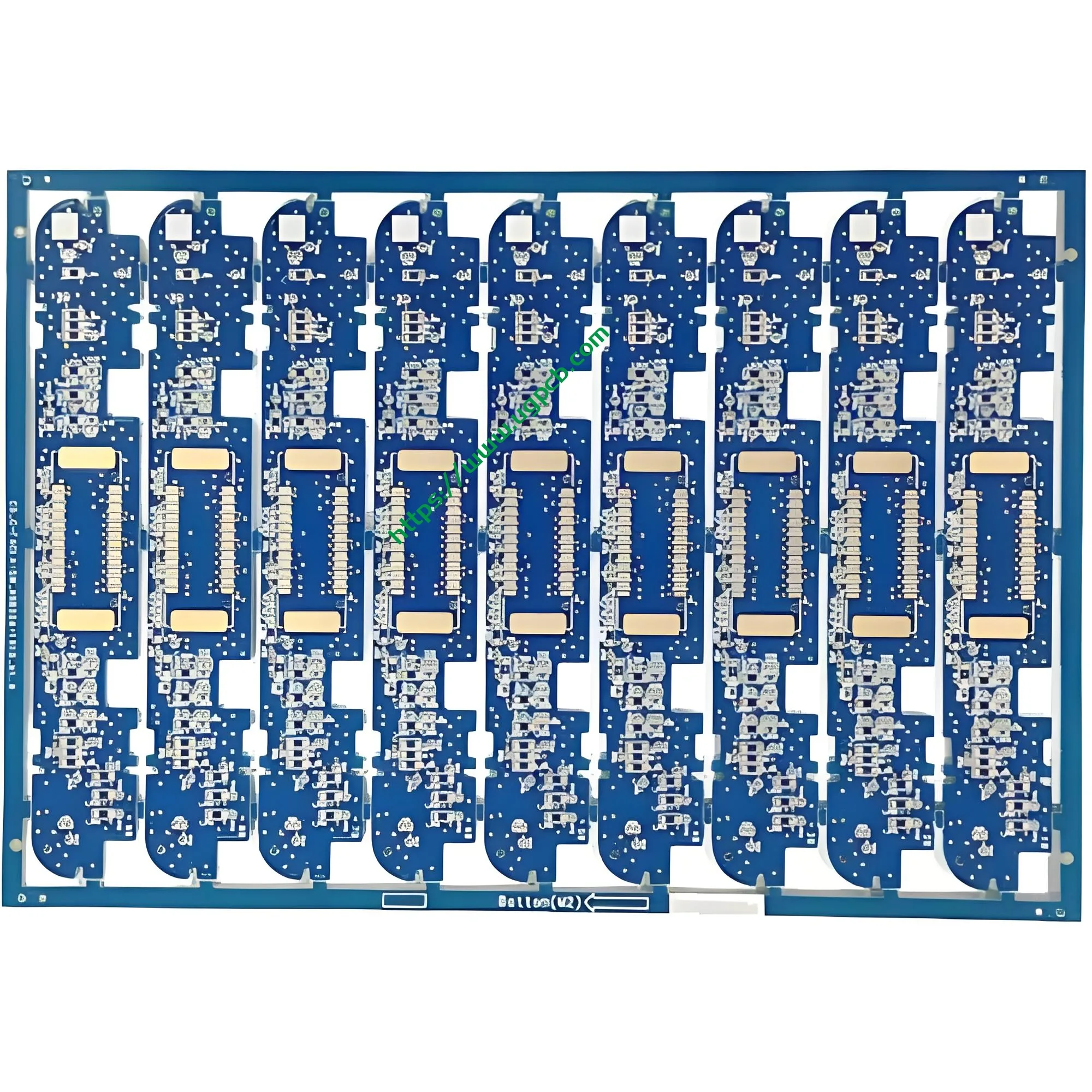
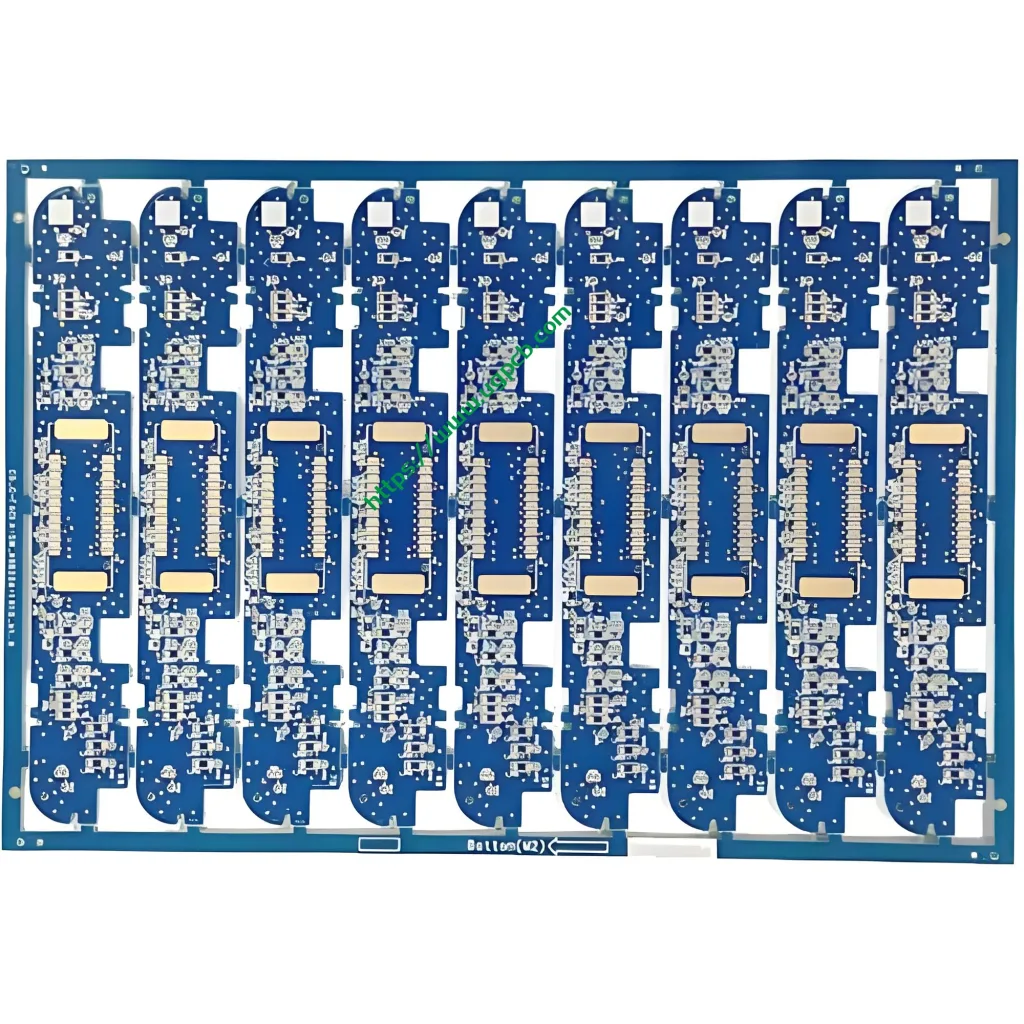
UGPCB แนะนำ PCB ควบคุมมอเตอร์หุ่นยนต์, สองด้านที่มีความน่าเชื่อถือสูง แผงวงจรพิมพ์ ออกแบบมาโดยเฉพาะสำหรับระบบควบคุมการเคลื่อนที่ของหุ่นยนต์. ผลิตภัณฑ์นี้ใช้ลามิเนตผ้าแก้วอีพ็อกซี่เคลือบทองแดง Kingboard KB6160A และปฏิบัติตามข้อกำหนดข้อกำหนด IPC-4101E/21 อย่างเคร่งครัด. วัสดุนี้ให้ความต้านทานความร้อนได้ดีเยี่ยม, ความแข็งแรงเชิงกล, และประสิทธิภาพไฟฟ้า. คุณสมบัติเหล่านี้เป็นรากฐานด้านฮาร์ดแวร์ที่แข็งแกร่งสำหรับหุ่นยนต์ขับเคลื่อนมอเตอร์และแอปพลิเคชันควบคุม.
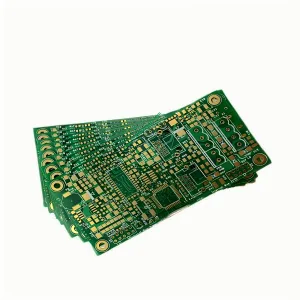
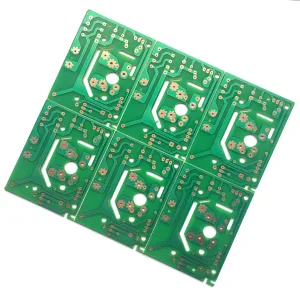
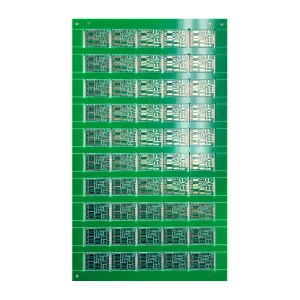
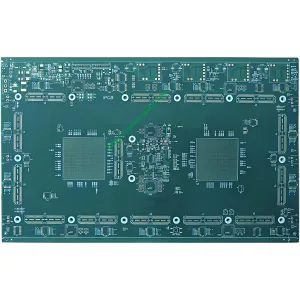
นี้แผงวงจรควบคุมมอเตอร์หุ่นยนต์ มาตรการ 96.83 × 30.6 มม. ด้วย 1.6 ความหนาของบอร์ด มม. มีโครงสร้างสายไฟสองด้าน (2 ชั้น) ที่ตรงตามข้อกำหนดพื้นที่ของระบบควบคุมหุ่นยนต์ขนาดกะทัดรัด. ผลิตภัณฑ์มีค่ารูรับแสงต่ำสุดที่ 0.27 มม, ความกว้างการติดตาม/ระยะห่างของ 0.32/0.382 มม, และความหนาของฟอยล์ทองแดง 35/35 μm (1 ทองแดงออนซ์ทั้งสองด้าน). การรักษาพื้นผิวใช้ OSP (สารกันบูดที่สามารถบัดกรีได้แบบอินทรีย์) สารต้านอนุมูลอิสระเสร็จสิ้น. หน้ากากประสานมีสีฟ้า, และตำนานปรากฏเป็นสีขาว.
คำจำกัดความของผลิตภัณฑ์และการปฏิบัติตามมาตรฐาน
ที่PCB ควบคุมมอเตอร์หุ่นยนต์ เป็นแผงวงจรพิมพ์เฉพาะสำหรับระบบขับเคลื่อนข้อต่อหุ่นยนต์, การควบคุมเซอร์โวมอเตอร์, การ์ดควบคุมการเคลื่อนไหว, และแอปพลิเคชันที่คล้ายกัน. PCB นี้ส่งสัญญาณขับเคลื่อนมอเตอร์, กระจายอำนาจ, และดำเนินการตรรกะการควบคุม. มันทำหน้าที่เป็นองค์ประกอบสำคัญในหุ่นยนต์ “ระบบประสาท”
ผลิตภัณฑ์นี้ผ่านการผลิตและการออกแบบตามมาตรฐานสากลอย่างเคร่งครัดดังต่อไปนี้:
- ไอพีซี-4101E/21 (ข้อกำหนดสำหรับวัสดุฐานสำหรับบอร์ดพิมพ์แข็งและหลายชั้น): ลามิเนต KB6160A ตรงตามข้อกำหนดนี้.
- ไอพีซี-6012E (ข้อกำหนดคุณสมบัติและประสิทธิภาพสำหรับบอร์ดพิมพ์แข็ง): ซึ่งครอบคลุมถึงข้อกำหนดด้านคุณสมบัติและประสิทธิภาพสำหรับบอร์ดสองด้าน.
- ไอพีซี-A-600K (การยอมรับของบอร์ดพิมพ์): สิ่งนี้ทำหน้าที่เป็นมาตรฐานการยอมรับที่แสดงไว้.
- ไอพีซี-4555 (ข้อกำหนดด้านประสิทธิภาพสำหรับสารกันบูดที่สามารถบัดกรีอินทรีย์ที่อุณหภูมิสูงสำหรับบอร์ดพิมพ์): สิ่งนี้ควบคุมกระบวนการตกแต่งพื้นผิว OSP.
- อล 94 วี-0 (มาตรฐานการติดไฟ): นี่แสดงถึงระดับการหน่วงไฟสูงสุด.
แหล่งข้อมูล: ข้อมูลมาตรฐานข้างต้นมาจาก IPC (สมาคมเชื่อมต่ออุตสาหกรรมอิเล็กทรอนิกส์) เอกสารมาตรฐานอย่างเป็นทางการและ UL (ห้องปฏิบัติการรับประกันการจัดจำหน่าย) มาตรฐานความปลอดภัย.
การออกแบบไฮไลท์
การเลือกใช้วัสดุ – ข้อดีหลักของ KB6160A
KB6160A เป็นลามิเนตเคลือบทองแดงหุ้มผ้าใยแก้วอีพ็อกซี่ FR-4 ทั่วไปจาก Kingboard Laminates Holdings. พารามิเตอร์ประสิทธิภาพหลักปรากฏด้านล่าง:
| คุณสมบัติ | วิธีทดสอบ (IPC-TM-650) | ข้อมูลจำเพาะ | ค่าทั่วไป |
|---|---|---|---|
| อุณหภูมิการเปลี่ยนแก้ว (ทีจี) | 2.4.25 (DSC) | ≥130℃ | 135℃ |
| ความเครียดจากความร้อน (288℃ บัดกรีลอย) | 2.4.13.1 | ≥10วินาที | ≥180วิ |
| ซีทีอี (A1) แกน Z | 2.4.24 (ทีเอ็มเอ) | - | 58 ppm/℃ |
| ซีทีอี (A2) แกน Z | 2.4.24 (ทีเอ็มเอ) | - | 286 ppm/℃ |
| อุณหภูมิการสลายตัวทางความร้อน (TD) | 2.4.24.6 (TGA) | - | 305℃ |
| ความติดไฟได้ (คะแนนเปลวไฟ) | อล 94 | วี-0 | วี-0 |
| ความต้านทานพื้นผิว | 2.5.17.1 | ≥1.0×10⁴ เมกะวัตต์ | 1.0×10⁶ เมกะวัตต์ |
| ความต้านทานระดับเสียง | 2.5.17.1 | ≥1.0×10⁶ MΩ·ซม | 1.0×10⁸ MΩ·ซม |
| ค่าคงที่ไดอิเล็กตริก (@1 เมกะเฮิรตซ์) | 2.5.5.2 | ≤5.4 | 4.58 |
| ปัจจัยการกระจาย (@1 เมกะเฮิรตซ์) | 2.5.5.2 | ≤0.035 | 0.022 |
| ความแข็งแรงของเปลือกทองแดง (125℃) | 2.4.8 | ≥0.70 นิวตัน/มม | 1.70 n/mm |
| ความแข็งแรงของการโค้งงอ (วาร์ป) | 2.4.4 | ≥415 นิวตัน/มม.² | 565 นิวตัน/ตร.มม |
แหล่งข้อมูล: ข้อมูลข้างต้นมาจากเอกสารทางเทคนิคของผลิตภัณฑ์อย่างเป็นทางการของ Kingboard Laminates Holdings และมาตรฐานวิธีทดสอบ IPC-TM-650.
ลามิเนต KB6160A นำเสนอคุณสมบัติหลักเหล่านี้:
- การปิดกั้น UVB และความเข้ากันได้ของ AOI: วัสดุรองรับการปิดกั้นแสงยูวีและ การตรวจสอบด้วยแสงอัตโนมัติ (Aoi). สิ่งนี้ช่วยปรับปรุงประสิทธิภาพและความแม่นยำในการผลิต PCB.
- ความเสถียรของมิติที่ดีเยี่ยม: ค่าการบิดเบี้ยวโดยทั่วไปจะเข้าถึงได้เท่านั้น 0.17%/0.35%, ต่ำกว่าข้อกำหนดมาตรฐาน IPC ที่ ≤1.0%.
- ประสิทธิภาพการระบายความร้อนที่เหนือกว่า: Tg ≥130℃ (โดยทั่วไป 135 ℃) มีความต้านทานต่อความเครียดจากความร้อน≥180วินาทีที่ 288 ℃บัดกรีลอย.
- คุณสมบัติทางกลที่โดดเด่น: ความแข็งแรงดัดงอโดยทั่วไปถึง 565 นิวตัน/ตร.มม.
การออกแบบความกว้าง/ระยะห่างและรูรับแสงของการติดตาม
ผลิตภัณฑ์นี้มีรูรับแสงขั้นต่ำที่0.27 มม และความกว้างของการติดตาม/ระยะห่างของ0.32/0.382 มม. อ้างอิงจาก IPC-2221, มาตรฐานการออกแบบพื้นฐานสำหรับเอกสารทั้งหมดในซีรีส์ IPC-2220, ความสามารถในการรับกระแสไฟฟ้าของตัวนำเป็นไปตามสูตรนี้:
ผม = k × ΔT^0.44 × A^0.725
โดยที่ฉันแสดงถึงความสามารถในการรองรับปัจจุบัน (อัน), k คือปัจจัยการแก้ไข (0.024 สำหรับชั้นใน, 0.048 สำหรับชั้นนอก), ΔT คืออุณหภูมิที่เพิ่มขึ้น (℃), และ A คือพื้นที่หน้าตัดของตัวนำ (ล้าน²). สำหรับตัวนำชั้นนอกที่อุณหภูมิเพิ่มขึ้น 10 ℃, อัน 0.32 ความกว้างของรอยเส้น มม (ประมาณ 12.6 MIL) กับ 35 μm (1 ออนซ์) ความหนาของทองแดงให้ประมาณ1.2 อัน ความจุปัจจุบัน. การออกแบบนี้รองรับการส่งสัญญาณและความต้องการไดรฟ์กระแสไฟปานกลางสำหรับการใช้งานควบคุมมอเตอร์หุ่นยนต์.
ความหนาของบอร์ดและการซ้อนชั้น
ที่ 1.6 มม ความหนาของบอร์ดแสดงถึงความหนามาตรฐานสำหรับความแข็ง PCBS. มันสร้างความสมดุลระหว่างความแข็งแรงทางกลกับประสิทธิภาพทางไฟฟ้า. ที่ สองด้าน (2-ชั้น) โครงสร้างสายไฟช่วยให้สามารถแบ่งพาร์ติชันพลังงานและสัญญาณได้อย่างมีประสิทธิภาพภายในพื้นที่จำกัด. ซึ่งเป็นไปตามหลักการแบ่งพาร์ติชันการทำงานของวงจรควบคุมมอเตอร์หุ่นยนต์, แยกมอเตอร์ไดรฟ์อย่างชัดเจน, ตัวควบคุมหลัก, อินเทอร์เฟซเซ็นเซอร์, และโมดูลการจัดการพลังงาน.
หลักการทำงาน
ที่PCB ควบคุมมอเตอร์หุ่นยนต์ ทำหน้าที่เป็น “ศูนย์ประสาท” ภายในระบบหุ่นยนต์. หลักการทำงานของมันสามารถเข้าใจได้หลายชั้น:
การส่งสัญญาณ: รอยทองแดงบน PCB ก่อให้เกิดเครือข่ายไฟฟ้าที่ส่งสัญญาณควบคุมจาก MCU หลักได้อย่างแม่นยำ (ไมโครคอนโทรลเลอร์) ไปจนถึงชิปตัวขับมอเตอร์ เช่น ตัวขับเกตและพรีไดรเวอร์. ที่ 0.32 ความกว้างของการติดตาม มม. ช่วยให้มั่นใจในความสมบูรณ์ของสัญญาณ. ที่ 0.27 ช่องรับแสงขั้นต่ำ มม. รองรับแพ็คเกจส่วนประกอบที่มีความหนาแน่นสูง รวมถึง QFN และ BGA.
พาวเวอร์ไดรฟ์: สองด้าน 1 ออนซ์ (35 μm) ทองแดงมีความสามารถในการรองรับกระแสไฟฟ้าที่เพียงพอสำหรับกระแสสูงชั่วคราวที่มอเตอร์ไดรฟ์ต้องการ. วางส่วนประกอบกำลังสูงไว้ใกล้ขอบบอร์ดเพื่อช่วยกระจายความร้อน.
ความเข้ากันได้ของแม่เหล็กไฟฟ้า (EMC): การออกแบบสายดินและกลยุทธ์การกำหนดเส้นทางที่เหมาะสมช่วยลดการรบกวนทางแม่เหล็กไฟฟ้าได้อย่างมีประสิทธิภาพ (อีเอ็มไอ) เกิดขึ้นระหว่างการเปลี่ยนมอเตอร์. ช่วยให้มั่นใจได้ถึงสัญญาณควบคุมที่สะอาดทั่วทั้งระบบ.
การใช้งานผลิตภัณฑ์
นี้แผงวงจรควบคุมมอเตอร์หุ่นยนต์ รองรับการใช้งานดังต่อไปนี้:
- การควบคุมการขับเคลื่อนข้อต่อหุ่นยนต์อุตสาหกรรม: การควบคุมเซอร์โวมอเตอร์สำหรับแขนหุ่นยนต์หลายแกน
- บริการควบคุมการเคลื่อนไหวของหุ่นยนต์: ระบบขับเคลื่อนแชสซีและการตอบสนองความเร็วล้อสำหรับหุ่นยนต์ส่งของและหุ่นยนต์นำทาง
- แพลตฟอร์มหุ่นยนต์เพื่อการศึกษา: แผงควบคุมสำหรับการสอนและหุ่นยนต์ในห้องปฏิบัติการ
- ระบบควบคุมการบิน UAV: การควบคุมและควบคุมความเร็วของมอเตอร์
- ระบบอัตโนมัติในบ้านอัจฉริยะ: ระบบควบคุมการขับเคลื่อนมอเตอร์สำหรับม่านไฟฟ้าและสมาร์ทล็อค
- อุปกรณ์สำนักงานอัตโนมัติ: ควบคุมมอเตอร์สำหรับเครื่องพิมพ์และเครื่องถ่ายเอกสาร
- อุปกรณ์สื่อสาร: การควบคุมมอเตอร์พัดลมระบายความร้อนสำหรับสถานีฐานและสวิตช์
การจำแนกประเภทผลิตภัณฑ์
ผลิตภัณฑ์นี้สามารถจำแนกทางวิทยาศาสตร์ได้หลายมิติตามมาตรฐานแผงวงจรพิมพ์สากล:
| มิติการจำแนกประเภท | หมวดหมู่ | มาตรฐานการปกครอง |
|---|---|---|
| ประเภทวัสดุฐาน | บอร์ดพิมพ์แข็ง FR-4 | ไอพีซี-4101E/21 |
| จำนวนเลเยอร์ที่เป็นสื่อกระแสไฟฟ้า | กระดานสองด้าน (2-ชั้น) | ไอพีซี-6012E |
| ผ่านประเภท | ชุบ-ผ่านรู (พท) กระดานสองด้าน | ไอพีซี-6012E |
| สารหน่วงไฟ | อล 94 วี-0 เรตติ้ง | อล 94 |
| พื้นผิวเสร็จสิ้น | โอป (สารกันบูดที่สามารถบัดกรีได้แบบอินทรีย์) | ไอพีซี-4555 |
| โดเมนแอปพลิเคชัน | PCB หุ่นยนต์/ควบคุมอุตสาหกรรม | - |
แหล่งข้อมูล: มาตรฐานการจำแนกประเภทขึ้นอยู่กับ IPC-4101E, ไอพีซี-6012E, ไอพีซี-4555, และยูล 94 ข้อกำหนดระหว่างประเทศ.
วัสดุที่ใช้
วัสดุฐาน - ลามิเนตผ้าแก้วอีพ็อกซี่เคลือบทองแดง KB6160A
KB6160A เป็นของFR-4 ผ้าแก้วอีพ็อกซี่เคลือบทองแดงลามิเนต ตระกูล. องค์ประกอบของวัสดุประกอบด้วย:
- การเสริมแรง: ผ้าแก้ว E เกรดอิเล็กทรอนิกส์
- เครื่องผูก: อีพอกซีเรซินทนไฟ
- ฟอยล์ทองแดง: ฝากด้วยไฟฟ้า (เอ็ด) ทองแดง, 35 μm (1 ออนซ์) ความหนา
- ระบบหน่วงไฟ: อล 94 วี-0 สารเติมแต่งสารหน่วงไฟที่ได้มาตรฐาน
การตกแต่งพื้นผิว – OSP (สารกันบูดที่สามารถบัดกรีได้แบบอินทรีย์)
OSP เป็นสารเคลือบอินทรีย์บางๆ ที่ใช้กับพื้นผิวทองแดงเปลือย. ป้องกันการเกิดออกซิเดชันของทองแดงและรักษาความสามารถในการบัดกรี. อ้างอิงจาก IPC-4555, อายุการเก็บรักษาของการเคลือบ OSP คืออย่างน้อยหกเดือน.
ข้อดีของการตกแต่งพื้นผิว OSP:
- คุ้มค่า: ประหยัดกว่า ENIG (ทองคำแช่นิเกิลแบบไม่ใช้ไฟฟ้า) หรือ HASL (การปรับระดับการบัดกรีด้วยอากาศร้อน)
- เป็นมิตรกับสิ่งแวดล้อม: เข้ากันได้อย่างสมบูรณ์กับกระบวนการบัดกรีไร้สารตะกั่ว
- ความสามารถในการบัดกรีที่ดี: เหมาะสำหรับผลิตภัณฑ์ที่มีวงจรชีวิตสั้นถึงปานกลางหรือมีสภาพแวดล้อมที่ไม่เอื้ออำนวย
หน้ากากประสานและตำนาน
- หน้ากากบัดกรี: หมึกสีน้ำเงินช่วยป้องกันฉนวนและป้องกันการบัดกรี
- ตำนาน: หมึกสีขาวสำหรับระบุส่วนประกอบและคำแนะนำในการประกอบ
สรุปพารามิเตอร์ประสิทธิภาพ
| พารามิเตอร์ | ข้อมูลจำเพาะ |
|---|---|
| ประเภทลามิเนต | KB6160A (คิงบอร์ด FR-4) |
| ความหนาของบอร์ด | 1.6 มม |
| จำนวนเลเยอร์ | 2 เลเยอร์ (สองด้าน) |
| ขนาดกระดาน | 96.83 × 30.6 มม |
| รูรับแสงขั้นต่ำ | 0.27 มม |
| ความกว้างการติดตามขั้นต่ำ | 0.32 มม |
| ระยะห่างการติดตามขั้นต่ำ | 0.382 มม |
| ความหนาของฟอยล์ทองแดง | 35/35 μm (1 ออนซ์ทั้งสองด้าน) |
| พื้นผิวเสร็จสิ้น | OSP สารต้านอนุมูลอิสระ |
| สีหน้ากากประสาน | สีฟ้า |
| สีในตำนาน | สีขาว |
| ทีจี (อุณหภูมิการเปลี่ยนแก้ว) | ≥130℃ (โดยทั่วไป 135 ℃) |
| คะแนนเปลวไฟ | อล 94 วี-0 |
| ความเครียดจากความร้อน (288℃) | ≥10วินาที (โดยทั่วไป ≥180 วินาที) |
คุณสมบัติเชิงโครงสร้าง
- การกำหนดเส้นทางสองด้าน: ทั้งชั้นบนและชั้นล่างมีวงจร, เพิ่มความหนาแน่นของเส้นทางได้อย่างมีประสิทธิภาพ
- รูชุบทะลุ (พท) ออกแบบ: ช่วยให้สามารถเชื่อมต่อโครงข่ายไฟฟ้าระหว่างชั้นได้
- การปกป้องพื้นผิว OSP: การป้องกันการเกิดออกซิเดชันที่พื้นผิวทองแดงช่วยให้มั่นใจในการบัดกรีที่เชื่อถือได้
- หน้ากากประสานสีน้ำเงินพร้อมตำนานสีขาว: ความคมชัดของภาพที่ชัดเจนช่วยให้การประกอบและการตรวจสอบสะดวกยิ่งขึ้น
- 1.6 ความหนาของแผ่นมาตรฐาน มม: ปรับสมดุลความแข็งแรงทางกลด้วยการผลิตที่ได้มาตรฐาน
กระบวนการผลิต
UGPCB ผลิตPCB ควบคุมมอเตอร์หุ่นยนต์ ผ่านกระบวนการไหลที่เป็นมาตรฐานนี้:
- การตัดวัสดุ: แผงหุ้มทองแดงขนาดใหญ่ KB6160A ถูกตัดตามขนาดแผงที่ใช้งานจริง
- การขุดเจาะ: ซีเอ็นซี การเจาะควบคุมเชิงตัวเลขบรรลุผลสำเร็จ 0.27 รูรับแสงต่ำสุด มม
- การชุบทองแดง/แผงแบบไม่ใช้ไฟฟ้า: การสะสมทองแดงด้วยสารเคมีตามด้วยการชุบแผงด้วยไฟฟ้าเพื่อการชุบโลหะของรู
- การถ่ายโอนรูปแบบชั้นนอก: การเคลือบ → การเปิดรับแสง → การพัฒนาจะสร้างรูปแบบวงจร
- การชุบลวดลาย: ตัวต้านทานทองแดงและตะกั่วดีบุกถูกชุบด้วยไฟฟ้าบนรูปแบบวงจร
- การแกะสลัก: ฟอยล์ทองแดงที่ถูกเปิดเผยจะถูกเอาออกเพื่อสร้างวงจรสุดท้าย
- การปอกดีบุก: ตัวต้านทานตะกั่วดีบุกจะถูกลบออก
- การรักษาพื้นผิว OSP: สารกันบูดประสานอินทรีย์ OSP ถูกนำไปใช้ตาม IPC-4555
- การพิมพ์หน้ากากประสาน: ใช้หมึกหน้ากากประสานสีน้ำเงิน, ถูกเปิดเผย, และพัฒนา
- การพิมพ์ในตำนาน: ตัวอักษรระบุสีขาวจะถูกพิมพ์บนหน้าจอ
- การกำหนดเส้นทางโปรไฟล์: การกำหนดเส้นทาง CNC เป็นขั้นตอนสุดท้าย 96.83 × 30.6 ขนาดมม
- การทดสอบทางไฟฟ้า: การบินโพรบหรือการทดสอบสากลตรวจสอบเงื่อนไขเปิด/สั้น
- การตรวจสอบขั้นสุดท้าย: การตรวจสอบด้วยสายตาและมิติตาม IPC-A-600K
- บรรจุภัณฑ์และการจัดส่ง: บรรจุภัณฑ์สูญญากาศพร้อมแผงกั้นความชื้น
สถานการณ์การใช้งาน
สถานการณ์ 1: การควบคุมไดรฟ์เซอร์โวหุ่นยนต์อุตสาหกรรม
ในหุ่นยนต์อุตสาหกรรมหกแกน, นี้พีซีบี ทำหน้าที่เป็นแผงควบคุมไดรเวอร์เซอร์โว. รับคำสั่งการเคลื่อนไหวจากคอมพิวเตอร์โฮสต์. สัญญาณควบคุม PWM เดินทางผ่าน 0.32 mm ติดตามไปยังสเตจไดรเวอร์ IGBT หรือ MOSFET, บรรลุแรงบิดที่แม่นยำและการควบคุมความเร็วของเซอร์โวมอเตอร์.
สถานการณ์ 2: บริการขับเคลื่อนแชสซีหุ่นยนต์
ในหุ่นยนต์ขนส่งและ AGV (ยานพาหนะนำทางอัตโนมัติ), นี้แผงวงจร ทำหน้าที่เป็นแกนหลักสำหรับการควบคุมการขับเคลื่อนแบบอิสระด้วยมอเตอร์คู่. โดยจะควบคุมความเร็วของล้อขับเคลื่อนซ้ายและขวาและการบังคับเลี้ยวอย่างอิสระ, ทำให้สามารถเดินทางเป็นเส้นตรงและหมุนแบบอยู่กับที่.
สถานการณ์ 3: แพลตฟอร์มการพัฒนาหุ่นยนต์เพื่อการศึกษา
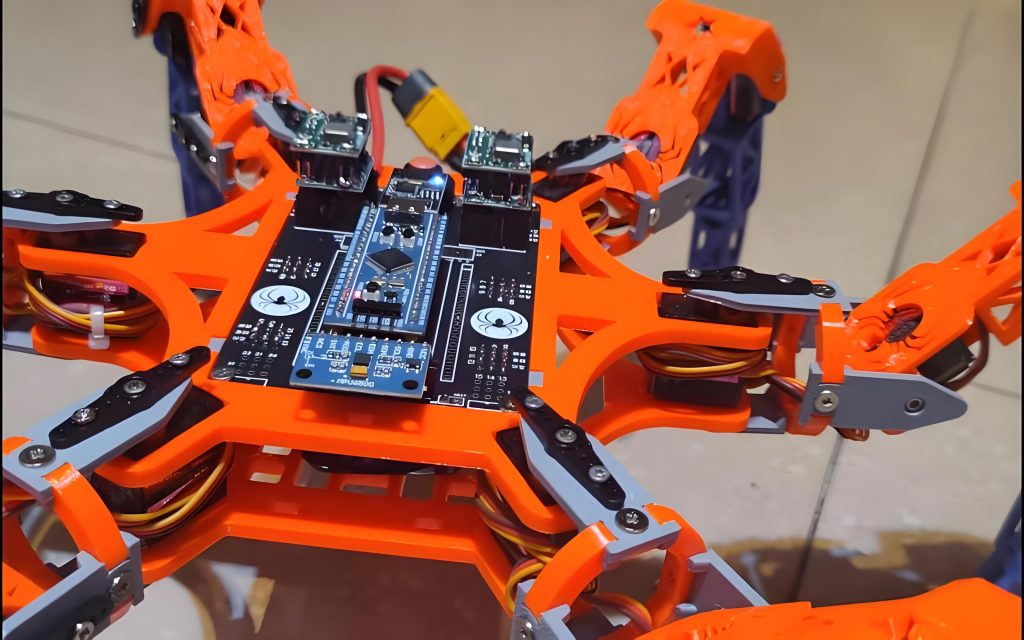
ในห้องปฏิบัติการหุ่นยนต์ของมหาวิทยาลัยและพื้นที่ผลิต, นี้PCB ควบคุมมอเตอร์หุ่นยนต์ ทำหน้าที่เป็นกระดานหลักสำหรับระบบควบคุมหุ่นยนต์. รองรับการพัฒนาของนักเรียนและการตรวจสอบอัลกอริธึมการขับเคลื่อนมอเตอร์ รวมถึง FOC (การควบคุมเชิงภาคสนาม) และระบบควบคุมความเร็วแบบ PID.
สถานการณ์ 4: การควบคุมความเร็วมอเตอร์ UAV
ในควอดคอปเตอร์, PCB นี้สามารถทำหน้าที่เป็น ESC ได้ (ตัวควบคุมความเร็วอิเล็กทรอนิกส์) คณะกรรมการควบคุม. มันแปลงคำสั่งควบคุมการบินเป็นสัญญาณขับเคลื่อนมอเตอร์, บรรลุการควบคุมการตอบสนองความเร็วสูงของมอเตอร์แบบไร้แปรงถ่าน.
เหตุใดจึงเลือก PCB ควบคุมมอเตอร์หุ่นยนต์ของ UGPCB?
- การปฏิบัติตามมาตรฐานสากลเต็มรูปแบบ: ผลิตภัณฑ์ได้รับการออกแบบและผลิตตาม IPC-4101E/21, ไอพีซี-6012E, ไอพีซี-A-600K, ไอพีซี-4555, และยูล 94 วี-0
- การรับประกันวัสดุระดับพรีเมี่ยม: Kingboard KB6160A FR-4 เคลือบด้วย Tg ≥130℃, อล 94 วี-0 คะแนนเปลวไฟ, และความต้านทานความเครียดจากความร้อน ≥180 วินาที
- การผลิตที่มีความแม่นยำสูง: 0.27 มม. รูรับแสงต่ำสุดและ 0.32 ความกว้างการติดตามขั้นต่ำ มม. ตรงตามข้อกำหนดการกำหนดเส้นทางที่มีความหนาแน่นสูง
- บริการครบวงจร: การสนับสนุนแบบครบวงจรตั้งแต่การเพิ่มประสิทธิภาพการออกแบบ PCB และการจัดหาส่วนประกอบไปจนถึงการประกอบ SMT/DIP และการทดสอบการทำงาน
- 10+ ประสบการณ์หลายปีในอุตสาหกรรม: เสิร์ฟแล้ว 3,000 ลูกค้าองค์กรทั่วโลก
UGPCB คือผู้ให้บริการออกแบบ PCB ชั้นนำของโลก, การผลิต, และบริการประกอบ PCBA. ก่อตั้งขึ้นใน 2014, บริษัทมุ่งมั่นที่จะนำเสนอโซลูชั่น PCB ที่มีความแม่นยำสูงและเชื่อถือได้สูงให้กับลูกค้าทั่วโลก.
รับใบเสนอราคาและตัวอย่างเลย
UGPCB รองรับคุณPCB ควบคุมมอเตอร์หุ่นยนต์ โครงการด้วย:
- ✅ ฟรี ดีเอฟเอ็ม (การออกแบบเพื่อการผลิต) รายงาน
- ✅สร้างต้นแบบอย่างรวดเร็วด้วย 24-ชั่วโมง มีบริการจัดส่ง
- ✅ปริมาณการผลิตด้วย 20%+ อัตราผลตอบแทนสูงกว่าค่าเฉลี่ยอุตสาหกรรม
- ✅มีทีมวิศวกรมืออาชีพคอยให้การสนับสนุนด้านเทคนิค
📧ติดต่อเราเพื่อขอใบเสนอราคาฟรี: เยี่ยมชมเว็บไซต์ UGPCB เพื่อส่งไฟล์ Gerber และ BOM ของคุณ. รับใบเสนอราคาอัตโนมัติชั้นนำของอุตสาหกรรม.
📞สายด่วน: ติดต่อเราผ่านการแชทออนไลน์หรืออีเมลของเว็บไซต์ของเรา.
การประกาศแหล่งข้อมูล
ข้อมูลทางเทคนิคและข้อมูลมาตรฐานทั้งหมดที่อ้างถึงในบทความนี้มาจากแหล่งข้อมูลที่เชื่อถือได้ต่อไปนี้:
- คิงบอร์ด ลามิเนทส์ โฮลดิ้งส์ จำกัด. — เอกสารทางเทคนิคของผลิตภัณฑ์ KB-6160A (ข้อมูลทางเทคนิคของเคบี)
- IPC (สมาคมเชื่อมต่ออุตสาหกรรมอิเล็กทรอนิกส์) — ข้อมูลจำเพาะ IPC-4101E/21 สำหรับวัสดุฐานสำหรับบอร์ดพิมพ์แข็งและหลายชั้น, ข้อกำหนดคุณสมบัติและประสิทธิภาพของ IPC-6012E สำหรับบอร์ดพิมพ์แบบแข็ง, การยอมรับ IPC-A-600K ของบอร์ดพิมพ์, ข้อมูลจำเพาะด้านประสิทธิภาพ IPC-4555 สำหรับสารกันบูดที่สามารถบัดกรีได้อินทรีย์ที่อุณหภูมิสูง (โอป) สำหรับบอร์ดพิมพ์ลาย, คู่มือวิธีทดสอบ IPC-TM-650, IPC-2221 มาตรฐานทั่วไปเกี่ยวกับการออกแบบบอร์ดพิมพ์
- อล (ห้องปฏิบัติการรับประกันการจัดจำหน่าย) — ยูล 94 มาตรฐานการทดสอบความไวไฟของวัสดุพลาสติกสำหรับชิ้นส่วนในอุปกรณ์และเครื่องใช้
- ฐานข้อมูลวัสดุ PCBWay — พารามิเตอร์ทางเทคนิค KB-6160/6160A/6160C
- เอกสารทางเทคนิคของ OSHPark — เอกสารข้อมูลจำเพาะของวัสดุพิมพ์ KB6160A
คำเตือน: ค่าทั่วไปข้างต้นเป็นข้อมูลการทดสอบในห้องปฏิบัติการที่ให้ไว้เพื่อการอ้างอิงเท่านั้น. ประสิทธิภาพของผลิตภัณฑ์ที่แท้จริงอาจแตกต่างกันไปขึ้นอยู่กับกระบวนการผลิตและสภาพแวดล้อมการใช้งาน.