1. ภาพรวมผลิตภัณฑ์: PCB เครื่องดูดฝุ่นไร้สายคืออะไร?
PCB เครื่องดูดฝุ่นไร้สาย (แผงวงจรพิมพ์) เป็นส่วนประกอบอิเล็กทรอนิกส์หลักที่รับผิดชอบในการควบคุมมอเตอร์ไดรฟ์, การจัดการพลังงาน, ปฏิสัมพันธ์ของผู้ใช้, และการป้องกันความปลอดภัยภายในเครื่องดูดฝุ่นไร้สาย. ในแง่ง่ายๆ, โดยทำหน้าที่เป็น “สมอง” และ “ศูนย์กลางประสาท” ของอุปกรณ์. มันรับคำสั่งของปุ่ม, ควบคุมความเร็วมอเตอร์แบบไร้แปรงถ่าน, จัดการการชาร์จและการคายประจุแบตเตอรี่, ติดตามสถานะการทำงาน, และใช้การป้องกันความปลอดภัยหลายประการ.
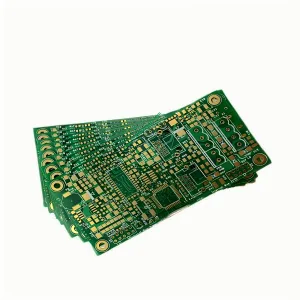
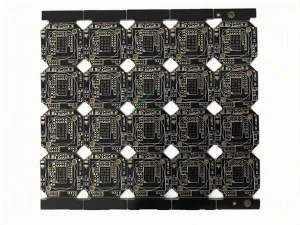
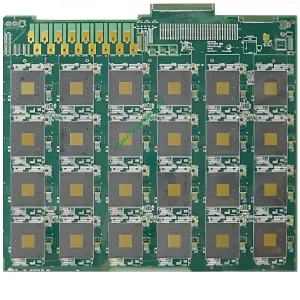
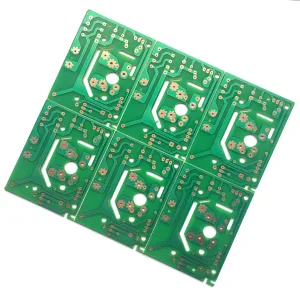
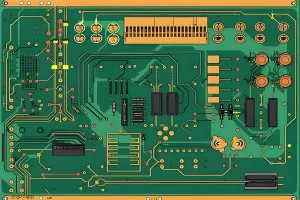
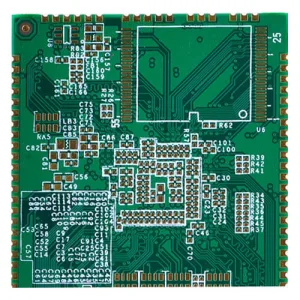
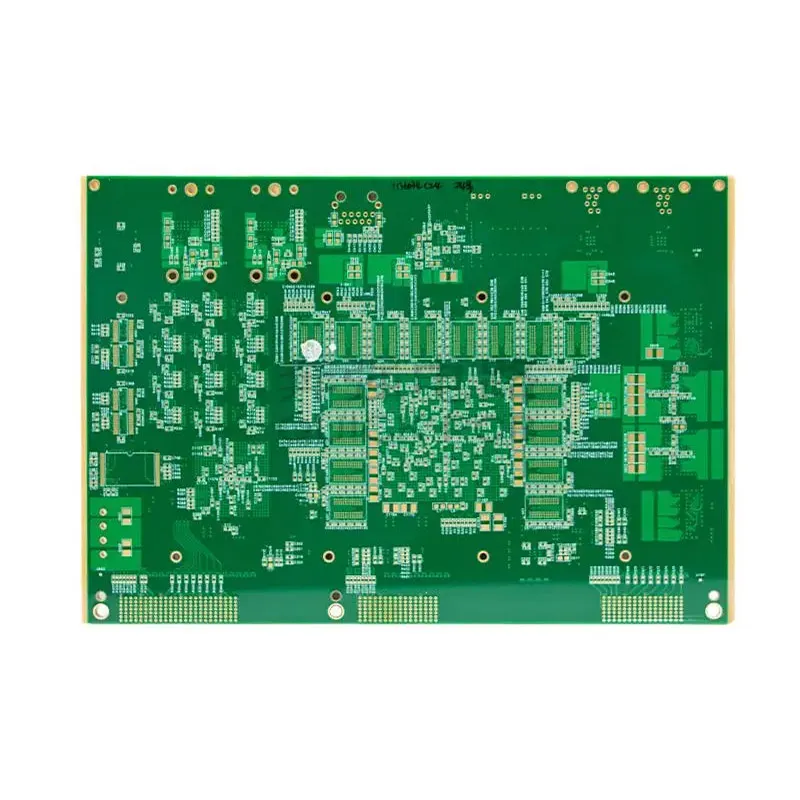
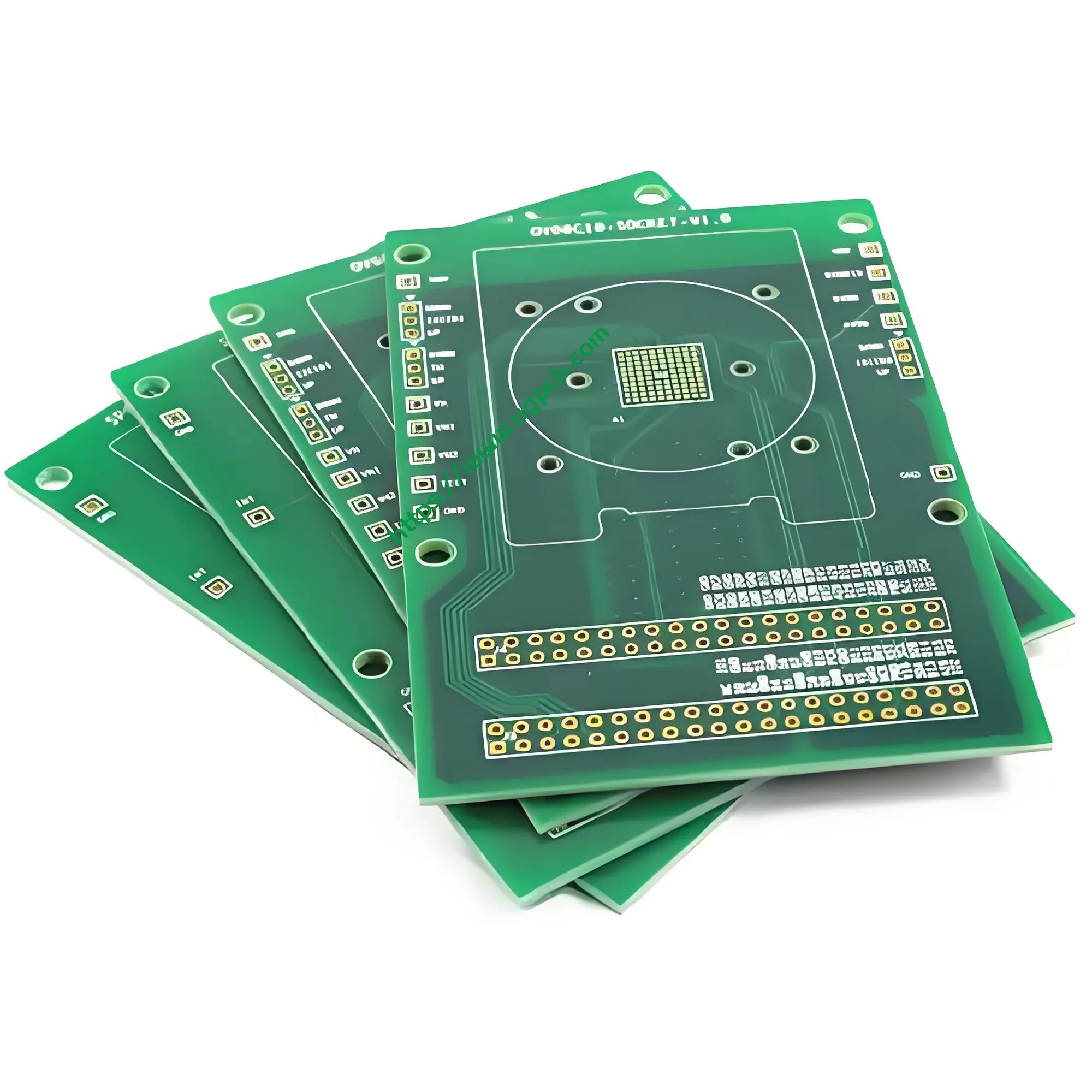
UGPCB ขอแนะนำ PCB เครื่องดูดฝุ่นไร้สาย – ก 2-แผงวงจรพิมพ์แข็งชั้น ออกแบบมาเฉพาะสำหรับอุปกรณ์ทำความสะอาดแบบพกพา. มันใช้ FR-4 แก้วอีพ็อกซี่เคลือบทองแดงลามิเนต เป็นวัสดุฐาน. ความหนาของบอร์ด 1.0 มม, และขนาดคือ 86.37 × 72.6มม. ขนาดกะทัดรัดนี้ลงตัวพอดีกับพื้นที่ภายในที่คับแคบของเครื่องดูดฝุ่นไร้สายแบบมือถือและแบบแท่ง.
ต่อ IPC-6012F ข้อกำหนดคุณสมบัติและประสิทธิภาพสำหรับบอร์ดพิมพ์แข็ง, ผลิตภัณฑ์นี้อยู่ภายใต้ บอร์ดพิมพ์สองหน้าแข็ง (มีรูชุบทะลุ) หมวดหมู่. เป็นส่วนสำคัญของบริการครบวงจรของ UGPCB พีซีบี การแก้ปัญหา, ผลิตภัณฑ์นี้เป็นไปตามมาตรฐานสากล IPC ตั้งแต่การออกแบบจนถึงการผลิตและการควบคุมคุณภาพ. ช่วยให้ผู้ผลิตเครื่องดูดฝุ่นมีความน่าเชื่อถือสูง, คุ้มค่า พีซีบี สารละลาย.
2. การจำแนกประเภทผลิตภัณฑ์: ตำแหน่งทางวิทยาศาสตร์และการจัดหมวดหมู่อุตสาหกรรม
ต่อ IPC-6012F และ PCB มาตรฐาน ระบบการจำแนกประเภทอุตสาหกรรม, ผลิตภัณฑ์นี้สามารถแบ่งตามหลักวิทยาศาสตร์ได้ดังนี้:
| มิติการจำแนกประเภท | หมวดหมู่ |
|---|---|
| ตามโครงสร้าง | กระดานพิมพ์สองหน้าแข็ง (มีรูชุบทะลุ) |
| โดยวัสดุฐาน | FR-4 อีพ็อกซี่ทอกระจกเคลือบทองแดงลามิเนต (สอดคล้องกับ IPC-4101) |
| โดยการนับเลเยอร์ | 2-คณะกรรมการชั้น (PCB สองด้าน) |
| โดยพื้นผิวเสร็จสิ้น | HASL ไร้สารตะกั่ว (การปรับระดับการบัดกรีด้วยอากาศร้อน) |
| ตามระดับความไวไฟ | อล 94 วี-0 |
| โดยการสมัคร | อุปกรณ์อิเล็กทรอนิกส์สำหรับผู้บริโภค / บอร์ดควบคุมเครื่องใช้ไฟฟ้าขนาดเล็ก (PCBA เครื่องดูดฝุ่น) |
ภายในอุตสาหกรรมอิเล็กทรอนิกส์เครื่องดูดฝุ่น, สินค้าชิ้นนี้เป็นของมอเตอร์ขับเคลื่อนและควบคุม PCBA หมวดหมู่. พร้อมด้วยแผงควบคุมหลักและบอร์ดจัดการพลังงาน, เป็นโมดูลวงจรหลักสามโมดูลของเครื่องดูดฝุ่นไร้สาย.
3. พารามิเตอร์ทางเทคนิคที่สำคัญ
3.1 วัสดุฐานและความหนาของบอร์ด
- วัสดุฐาน: FR-4 (ลามิเนตเคลือบทองแดงอีพ็อกซี่เสริมใยแก้ว)
- ความหนาของบอร์ด: 1.0มม
FR-4 เป็นสารตั้งต้นที่มีความแข็งที่ใช้กันอย่างแพร่หลายมากที่สุดในอุตสาหกรรม PCB. สำหรับ IPC-4101, FR-4 เป็นฉนวนไฟฟ้าที่ดีเยี่ยม, ความแข็งแรงเชิงกล, และความต้านทานความร้อน. มาตรฐาน FR-4 มีอุณหภูมิการเปลี่ยนสถานะคล้ายแก้ว (ทีจี) 130–140°C. สำหรับ IPC-6012, ช่วงความอดทนสำหรับความหนาของบอร์ด 1.0 มม. คือ ± 0.1 มม.
3.2 จำนวนเลเยอร์และขนาด
- จำนวนเลเยอร์: 2 ชั้น (บอร์ดสองด้าน)
- ขนาด: 86.37 × 72.6 มม
โครงสร้าง 2 ชั้นช่วยควบคุมต้นทุนการผลิตได้อย่างมีประสิทธิภาพ ขณะเดียวกันก็ให้ประสิทธิภาพทางไฟฟ้าที่มั่นคง. ทำให้เป็นตัวเลือกกระแสหลักสำหรับบอร์ดควบคุมเครื่องดูดฝุ่นไร้สาย. ขนาดกะทัดรัด 86.37 ขนาด × 72.6 มม. ได้รับการปรับให้เหมาะสมสำหรับพื้นที่จำกัดภายในเครื่องดูดฝุ่น.
3.3 ความกว้างของรอยเส้น/ระยะห่างและขนาดรูขั้นต่ำ
- ขนาดรูขั้นต่ำ: 0.45มม
- ติดตามความกว้าง/ระยะห่าง: 0.45มม / 0.391มม
ต่อ IPC-2221Cมาตรฐานทั่วไปเกี่ยวกับการออกแบบแผ่นพิมพ์, การออกแบบความกว้างของรอยเส้นและระยะห่างต้องคำนึงถึงประสิทธิภาพทางไฟฟ้า, กำลังการผลิตปัจจุบัน, และความสามารถในการผลิต. ขนาดรูขั้นต่ำ 0.45 มม. รองรับการบัดกรีที่เชื่อถือได้ของส่วนประกอบ DIP ทั่วไปและชิ้นส่วนรูทะลุ.
สำหรับความสามารถในการรองรับกระแสไฟ, สูตรมาตรฐานอุตสาหกรรมผม = k·ΔT^0.44·A^0.725 (โดยที่ A คือพื้นที่หน้าตัดของร่องรอย) แสดงว่าด้วยทองแดง 1 ออนซ์, 0.45มม (ประมาณ. 18MIL) กระแสสามารถไหลได้ประมาณ 1.8–2.0A. PCB เครื่องดูดฝุ่นไร้สายใช้ความกว้างการติดตามนี้สำหรับสัญญาณขับเคลื่อนมอเตอร์และสัญญาณควบคุม, ทำให้มั่นใจได้ถึงการทำงานที่มั่นคงในระยะยาว.
3.4 ความหนาของฟอยล์ทองแดง
- ความหนาของฟอยล์ทองแดง: 1/1 ออนซ์ (1 ออนซ์บนชั้นนอกทั้งสอง)
1ฟอยล์ทองแดงออนซ์ (ประมาณ. 35μm) คือการกำหนดค่ามาตรฐานสำหรับ PCB อิเล็กทรอนิกส์สำหรับผู้บริโภค. มีความสมดุลที่ยอดเยี่ยมระหว่างความสามารถในการรองรับกระแสไฟ, การนำความร้อน, และค่าใช้จ่าย.
3.5 พื้นผิวเสร็จสิ้น
- พื้นผิวเสร็จสิ้น: HASL ไร้สารตะกั่ว (การปรับระดับการบัดกรีด้วยอากาศร้อน)
HASL เป็นพื้นผิว PCB ที่ครบกำหนดและประหยัด. HASL ไร้สารตะกั่วเป็นไปตามข้อกำหนดด้านสิ่งแวดล้อม RoHS. ตามมาตรฐาน IPC, โดยทั่วไป HASL ไร้สารตะกั่วจะมีความหนาของชั้นดีบุก1–40μm, ด้วยกระบวนการทั่วไปที่ควบคุมที่ 5–25μm. การเคลือบผิวนี้มีความสามารถในการบัดกรีที่ดีเยี่ยม (ความสามารถในการเปียกน้ำ) และอายุการเก็บรักษาที่ดีถึง 12 เดือน.
3.6 หน้ากากประสานและตำนาน
- สีหน้ากากประสาน: หมึกเขียว
- สีในตำนาน: สีขาว
หน้ากากประสานสีเขียวเป็นตัวเลือกยอดนิยมของอุตสาหกรรม. ให้การป้องกันฉนวนที่ดีเยี่ยมและมีความเปรียบต่างสูง Aoi (การตรวจสอบด้วยแสงอัตโนมัติ). ตำนานสีขาวมีความชัดเจนและอ่านง่าย, อำนวยความสะดวกในการจัดวางส่วนประกอบและการบำรุงรักษาในอนาคต.
4. แนวทางการออกแบบ: เป็นไปตามมาตรฐาน IPC-2221C
PCB เครื่องดูดฝุ่นไร้สายที่ออกแบบมาอย่างดีจะต้องเป็นไปตามหลักการสำคัญเหล่านี้ (ต่อ IPC-2221C):
4.1 การออกแบบสมรรถนะทางไฟฟ้า
- ความกว้างการติดตามพลังงาน: คำนวณโดยใช้สูตร ผม = k·ΔT^0.44·A^0.725 เพื่อให้แน่ใจว่าอุณหภูมิที่เพิ่มขึ้นจะต่ำกว่า 10°C ที่กระแสไฟสูงสุดในการทำงาน.
- ความสมบูรณ์ของสัญญาณ: ใช้ความกว้างการติดตาม 0.45 มม. สำหรับสัญญาณควบคุมเพื่อรับประกันการส่งสัญญาณควบคุมความเร็ว PWM และสัญญาณเซ็นเซอร์โดยสมบูรณ์.
- การออกแบบสายดิน: ใช้กลยุทธ์การต่อลงดินจุดเดียวหรือแยกสายดินเพื่อป้องกันการรบกวนลูปกำลังกับลูปควบคุม.
4.2 การออกแบบการจัดการความร้อน
เครื่องดูดฝุ่นไร้สายสร้างความร้อนจำนวนมากจาก MOSFET ในระหว่างการทำงาน. ที่ การออกแบบ PCB ต้องแก้ไขปัญหานี้โดย:
- การวางความร้อนผ่านอาร์เรย์ใต้อุปกรณ์ไฟฟ้า.
- ขยายร่องรอยกระแสสูงหรือเพิ่มทองแดงที่เปิดเผยเพื่อการกระจายความร้อนที่ดีขึ้น.
- ใช้ความหนาของบอร์ด 1.0 มม. เพื่อปรับสมดุลการนำความร้อนและความแข็งแรงทางกล.
4.3 การออกแบบโครงสร้างเครื่องกล
ที่ 86.37 ขนาด × 72.6 มม. ต้องตรงกับตัวเครื่องเครื่องดูดฝุ่น. ตำแหน่งรูยึดและตำแหน่งของตัวเชื่อมต่อต้องเป็นไปตามข้อกำหนดการออกแบบโครงสร้าง. ขนาดรูขั้นต่ำ 0.45 มม. รองรับการบัดกรีทะลุรูสำหรับส่วนประกอบและตัวเชื่อมต่อ DIP ต่างๆ.
5. หลักการทำงาน
PCB เครื่องดูดฝุ่นไร้สายทำงานผ่านกระบวนการหลักต่อไปนี้:
1 การป้อนพลังงานและการจัดการ: ชุดแบตเตอรี่ลิเธียม (โดยทั่วไปคือ 21.6V หรือ 25.2V) ผ่านวงจรการจัดการพลังงานบน PCB. ซึ่งให้แรงดันไฟฟ้าที่เสถียรแก่ชิปควบคุมหลักและวงจรไดรเวอร์.
2. การคำนวณชิปควบคุมหลัก: มจร (ไมโครคอนโทรลเลอร์) บน PCB จะได้รับคำสั่งจากปุ่ม. คำนวณและส่งสัญญาณไดรฟ์สามเฟสโดยใช้ FOC (การควบคุมเชิงภาคสนาม) หรืออัลกอริธึมควบคุมคลื่นสี่เหลี่ยม.
3 มอเตอร์ขับเคลื่อน: สัญญาณไดรฟ์ถูกขยายโดยอุปกรณ์จ่ายไฟ MOSFET. สัญญาณเหล่านี้จะขับเคลื่อนมอเตอร์กระแสตรงไร้แปรงถ่าน (บีแอลดีซี) เพื่อหมุนด้วยความเร็วสูง, สร้างกระแสลมที่จำเป็นสำหรับการดูด.
④ ข้อเสนอแนะและการป้องกัน: PCB จะตรวจสอบกระแสมอเตอร์อย่างต่อเนื่อง, แรงดันแบตเตอรี่, อุณหภูมิ, และพารามิเตอร์อื่นๆ. เมื่อตรวจพบสภาวะที่ผิดปกติ เช่น กระแสไฟเกิน, เกินอุณหภูมิ, แรงดันตก, หรือล็อคโรเตอร์, มันจะดำเนินการป้องกันทันที.
6. วัสดุที่ใช้
| ส่วนประกอบ | วัสดุ | คำอธิบาย |
|---|---|---|
| พื้นผิว | อีพ็อกซี่แก้ว FR-4 | สอดคล้องกับ IPC-4101 |
| ชั้นสื่อกระแสไฟฟ้า | ฟอยล์ทองแดงด้วยไฟฟ้า (1ออนซ์) | 1ออนซ์บนชั้นนอกทั้งสอง |
| หน้ากากบัดกรี | หมึกพิมพ์ภาพได้สีเขียว | การป้องกันฉนวน, ความต้านทานต่อการเกิดออกซิเดชัน |
| พื้นผิวเสร็จสิ้น | โลหะผสม HASL ไร้สารตะกั่ว | ตามมาตรฐาน Rohs |
| หมึกในตำนาน | หมึกอีพ๊อกซี่สีขาว | คอนทราสต์สูง, ทนความร้อน |
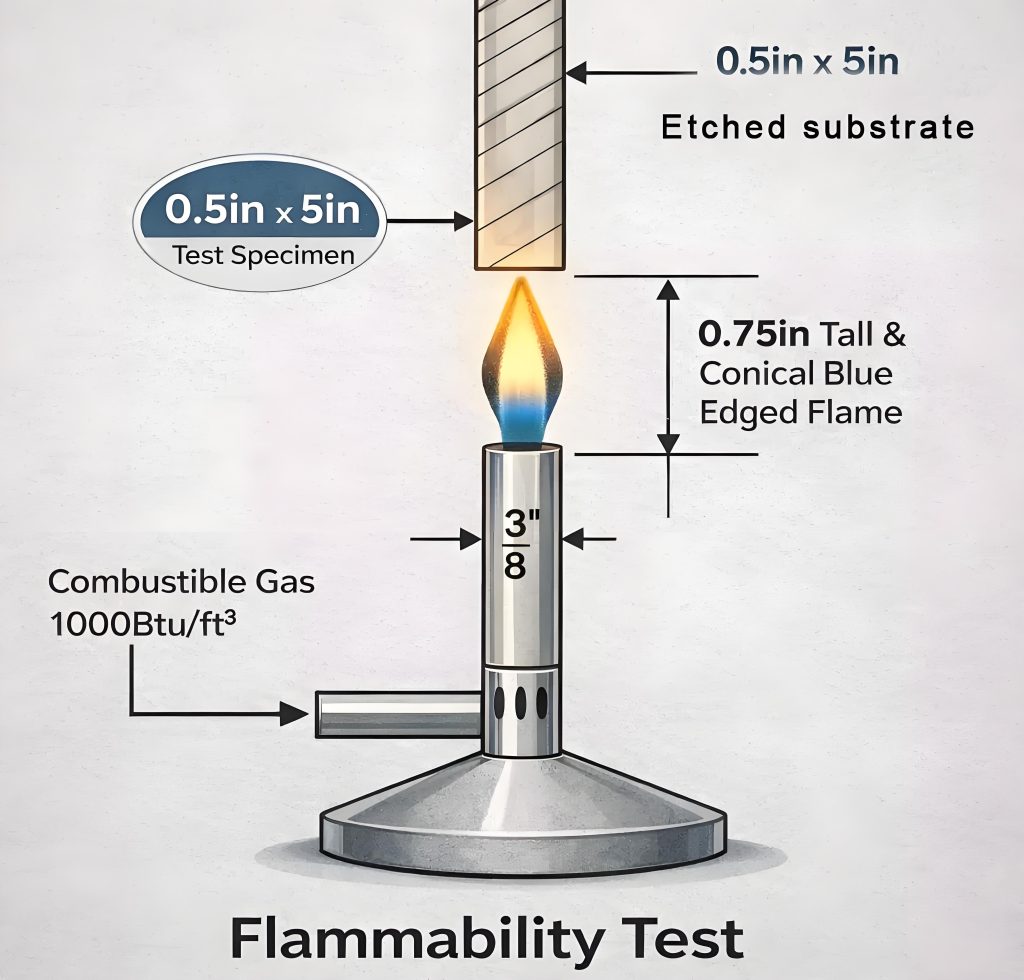
วัสดุพิมพ์ FR-4 มี UL 94 วี-0 คะแนนความไวไฟ. ในการทดสอบการเผาไหม้ในแนวตั้ง, เปลวไฟดับอยู่ภายใน 10 วินาทีหลังจากการถอดออก, โดยไม่มีหยดน้ำที่ลุกไหม้. คุณลักษณะนี้มีความสำคัญอย่างยิ่งต่อพลังงานสูง, อุปกรณ์ที่ใช้พลังงานแบตเตอรี่ เช่น เครื่องดูดฝุ่นไร้สาย. ช่วยลดความเสี่ยงจากไฟไหม้ที่เกิดจากความผิดปกติของวงจรได้อย่างมาก.
7. ข้อมูลจำเพาะด้านประสิทธิภาพ
7.1 ประสิทธิภาพไฟฟ้า
| พารามิเตอร์ | ข้อมูลจำเพาะ | มาตรฐานอ้างอิง |
|---|---|---|
| ความต้านทานของฉนวน | ≥10^6 เมกะวัตต์ | ไอพีซี-6012F |
| อิเล็กทริกทนต่อแรงดันไฟฟ้า | สูงถึง 500V (ขึ้นอยู่กับการออกแบบ) | ไอพีซี-2221C |
| ความต้านทานการนำไฟฟ้า | ≤50mΩ (ทั่วไป) | ไอพีซี-6012F |
| ความต้านทานลักษณะ | สามารถควบคุมได้ตามคำขอ (50โอห์ม/90Ω/100Ω) | ไอพีซี-2221C |
7.2 ประสิทธิภาพความร้อน
| พารามิเตอร์ | ข้อมูลจำเพาะ | มาตรฐานอ้างอิง |
|---|---|---|
| อุณหภูมิการเปลี่ยนแก้ว (ทีจี) | ≥135°ซ (วิธีดีเอสซี) | IPC-TM-650 2.4.25 |
| บัดกรีต้านทานความร้อน | 288องศาเซลเซียส / 10S, ไม่มีการปราบปราม | ไอพีซี-4101 |
| Z-Axis CTE (ซีทีอีซ) | ≤65 ppm/°ซ (50–260°ซ) | ไอพีซี-4101 |
7.3 สมรรถนะทางกล
| พารามิเตอร์ | ข้อมูลจำเพาะ | มาตรฐานอ้างอิง |
|---|---|---|
| ความทนทานต่อความหนาของบอร์ด | ±0.1มม | ไอพีซี-6012 |
| ความอดทนขนาดรู | ± 0.05 มม. | ไอพีซี-6012F |
| คะแนนความไวไฟ | อล 94 วี-0 | อล 94 |
7.4 ความน่าเชื่อถือ
- การทดสอบความสามารถในการบัดกรี: สอดคล้องกับ IPC-J-STD-003
- การทดสอบอายุ: 500 ชั่วโมงภายใต้เงื่อนไข double-85 (85องศาเซลเซียส / 85%RH) โดยไม่มีความผิดปกติใดๆ
8. คุณสมบัติเชิงโครงสร้าง
8.1 2-ข้อดีของเลเยอร์บอร์ด
ชั้นบนสุดประกอบด้วยส่วนประกอบหลักและร่องรอยสัญญาณ. ชั้นล่างสุดจัดการกับส่วนประกอบเสริมและการเททองแดงกราวด์/กำลัง. การออกแบบ 2 ชั้นช่วยให้บรรลุผลต้นทุนที่ดีที่สุด และความน่าเชื่อถือสูงสุด สมดุลสำหรับฟังก์ชันควบคุมเครื่องดูดฝุ่นไร้สาย.
8.2 ชุบ-ผ่านรู (พท) กระบวนการ
รูทะลุทั้งหมดใช้กระบวนการเจาะรูทะลุ. ช่วยให้มั่นใจได้ถึงการเชื่อมต่อระหว่างชั้นบนและชั้นล่างที่เชื่อถือได้. นอกจากนี้ยังให้การสนับสนุนทางกลที่มั่นคงและการเชื่อมต่อทางไฟฟ้าสำหรับส่วนประกอบ DIP.
8.3 กระบวนการสะพานประสานหน้ากาก
หน้ากากประสานสีเขียวเป็นสะพานเชื่อมระหว่างแผ่นอิเล็กโทรดที่อยู่ติดกัน. ซึ่งจะช่วยป้องกันไม่ให้เกิดการลัดวงจรและเพิ่มผลผลิตของตำแหน่ง SMT.
9. ผังกระบวนการผลิต
UGPCB ปฏิบัติตามมาตรฐาน IPC-6012F อย่างเคร่งครัดเพื่อควบคุมทุกขั้นตอนการผลิต:
1 การตรวจสอบวัสดุที่เข้ามา →2 การสร้างวงจรชั้นใน (สำหรับกระดาน 2 ชั้น, นี่คือชั้นนอกโดยตรง) →3 การเคลือบ (ไม่สามารถใช้ได้กับบอร์ด 2 ชั้น) →④ การเจาะ (ขนาดรูเจาะขั้นต่ำ 0.45 มม) →⑤ การสะสมทองแดงแบบไม่ใช้ไฟฟ้า / การชุบแผง →⑥ วงจรชั้นนอก →⑦ การชุบลวดลาย →⑧ การแกะสลัก →⑨ หน้ากากประสาน (หมึกสีเขียว) →⑩ การตกแต่งพื้นผิว (HASL ไร้สารตะกั่ว) →⑪ ตำนาน (ตัวอักษรสีขาว) →⑫ การกำหนดเส้นทางโปรไฟล์ (86.37 × 72.6มม) →⑬ การทดสอบทางไฟฟ้า →⑭ การตรวจสอบขั้นสุดท้าย (สำหรับ IPC-A-600) →⑮ บรรจุภัณฑ์และการจัดส่ง
ทุกชุดผ่านการทดสอบการบินของโพรบ หรือการทดสอบฟิกซ์เจอร์โดยเฉพาะ เพื่อให้แน่ใจว่า 100% ไม่มีการเปิดหรือลัดวงจร.
10. สถานการณ์การใช้งาน
10.1 แอปพลิเคชันหลัก
- เครื่องดูดฝุ่นไร้สายแบบมือถือ: การขับเคลื่อนและการควบคุมมอเตอร์ในพื้นที่ขนาดกะทัดรัด
- เครื่องดูดฝุ่นไร้สายแบบแท่ง: การจัดการแบตเตอรี่และไดรฟ์มอเตอร์แบบไร้แปรงถ่าน
- หุ่นยนต์ดูดฝุ่น: การควบคุมการนำทางและการขับเคลื่อนมอเตอร์
- เครื่องดูดฝุ่นในรถยนต์: 12การปรับและควบคุมกำลังไฟ V/24V
- อุปกรณ์ทำความสะอาดอัจฉริยะ: การเชื่อมต่อ IoT และการควบคุมอัจฉริยะ
10.2 ตัวอย่างผลิตภัณฑ์ขั้นสุดท้าย
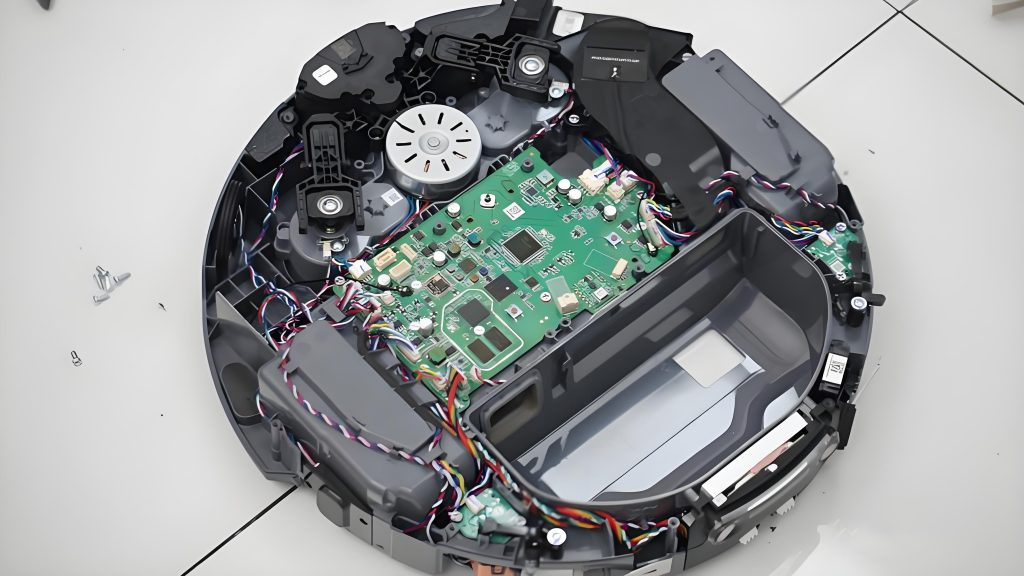
PCB นี้สามารถนำมาใช้กันอย่างแพร่หลายในแผงควบคุมและบอร์ดไดรเวอร์สำหรับเครื่องดูดฝุ่นไร้สายและอุปกรณ์ทำความสะอาดที่คล้ายกันจากแบรนด์ต่างๆ เช่น Xiaomi, ไดสัน, ติเนโก, และลีฟไฮต์.
11. เหตุใดจึงเลือก PCB เครื่องดูดฝุ่นไร้สายของ UGPCB?
✅การปฏิบัติตามมาตรฐานสากล: ออกแบบ, การผลิต, และการตรวจสอบเป็นไปตาม IPC-6012F อย่างสมบูรณ์, ไอพีซี-A-600, ไอพีซี-2221C, และมาตรฐานสากลอื่นๆ
✅UL94V-0 ความปลอดภัยจากอัคคีภัย: สารตั้งต้น FR-4 มีระดับการเผาไหม้ในแนวตั้งสูงสุด, รับประกันความปลอดภัยของอุปกรณ์
✅กระบวนการเป็นมิตรกับสิ่งแวดล้อมไร้สารตะกั่ว: พื้นผิว HASL ไร้สารตะกั่วเป็นไปตามข้อกำหนด RoHS และ REACH ด้านสิ่งแวดล้อม
✅ความสามารถในการผลิตที่ได้รับการพิสูจน์แล้ว: UGPCB ให้บริการแบบครบวงจรตั้งแต่การออกแบบและการผลิต PCB ไปจนถึงการประกอบ PCBA
✅การควบคุมคุณภาพอย่างเข้มงวด: การตรวจสอบด้วยสายตาตาม IPC-A-600 และ 100% การทดสอบทางไฟฟ้าทำให้มั่นใจในคุณภาพการขนส่ง
✅ขนาดที่ปรับให้เหมาะสมที่สุด: ที่ 86.37 ขนาด × 72.6 มม. พอดีกับพื้นที่ภายในของเครื่องดูดฝุ่นไร้สายรุ่นต่างๆ อย่างสมบูรณ์แบบ
12. รับใบเสนอราคาและตัวอย่างเลย
UGPCB มุ่งมั่นที่จะมอบความแม่นยำสูง, โซลูชัน PCB และ PCBA ที่มีความน่าเชื่อถือสูงสำหรับผู้ผลิตอุปกรณ์อิเล็กทรอนิกส์ทั่วโลก. ไม่ว่าคุณจะต้องการ PCB เปลือย, PCBA ที่ประกอบอย่างสมบูรณ์, หรือ บริการแบบครบวงจรตั้งแต่การออกแบบไปจนถึงการผลิตจำนวนมาก, UGPCB มีความเชี่ยวชาญที่จะสนับสนุนคุณ.
📧ติดต่อ UGPCB เพื่อขอใบเสนอราคาที่กำหนดเองวันนี้ →
- เว็บไซต์: www.ugpcb.com
- มีการปรับเปลี่ยนการออกแบบที่กำหนดเองและการเพิ่มประสิทธิภาพ
- ฟรี ดีเอฟเอ็ม (ออกแบบเพื่อการผลิต) ทบทวน
- มีทั้งการสร้างต้นแบบอย่างรวดเร็วและการผลิตปริมาณมาก
การประกาศแหล่งข้อมูล
มาตรฐานทางเทคนิคและข้อมูลที่อ้างถึงในบทความนี้มาจากองค์กรที่เชื่อถือได้ดังต่อไปนี้:
- IPC (สมาคมเชื่อมต่ออุตสาหกรรมอิเล็กทรอนิกส์): ไอพีซี-6012F ข้อกำหนดคุณสมบัติและประสิทธิภาพสำหรับบอร์ดพิมพ์แข็ง, ไอพีซี-A-600 การยอมรับของบอร์ดพิมพ์, ไอพีซี-2221C มาตรฐานทั่วไปเกี่ยวกับการออกแบบแผ่นพิมพ์, ไอพีซี-4101 ข้อกำหนดสำหรับวัสดุฐานสำหรับบอร์ดพิมพ์แข็งและหลายชั้น, IPC-TM-650 คู่มือวิธีทดสอบ
- อล (ห้องปฏิบัติการรับประกันการจัดจำหน่าย): อล 94 มาตรฐานความปลอดภัยความไวไฟของวัสดุพลาสติกสำหรับชิ้นส่วนในอุปกรณ์และเครื่องใช้ – วี-0 การให้คะแนน
- สูตรวิศวกรรมมาตรฐานอุตสาหกรรม: สูตรความจุกระแสไฟของ PCB ผม = k·ΔT^0.44·A^0.725