
PCB 설계, 조작, PCB, PECVD, 원 스톱 서비스를 사용한 구성 요소 선택

다운로드 | 에 대한 | 연락하다 | 사이트맵

PCB Raw Material Prices Surge Up to 40%: How AI-Driven High-End CCL Demand Reshapes the Supply Chain - UGPCB

무역 뉴스

PCB Raw Material Prices Surge Up to 40%: How AI-Driven High-End CCL Demand Reshapes the Supply Chain

그만큼 PCB industry is experiencing a powerful price wave that starts from raw materials and spreads across the entire electronics manufacturing chain. 일찍 2026, leading Copper Clad Laminate (CCL) suppliers – Taiwan Union Technology (TUC), Iteq Corporation, and Elite Material – issued consecutive price hike notices. High-end CCL grades have risen by 20% 에게 40%. AI computing power is rapidly transmitting value upward, ~에서 PCB 설계 to final PCBA 조립. This article analyzes the fundamental drivers of this PCB raw material inflation and provides actionable insights for PCB procurement and supply chain management.

1. A US$100 Billion Market: Structural Growth Powered by AI

According to the Taiwan Printed Circuit Association (TPCA) and the Industrial Economics and Knowledge Center (포함), AI servers and high-performance computing (HPC) continue to drive the PCB industry toward higher value and advanced specifications.Global PCB output in 2025 is estimated at US$92.36 billion, representing a strong annual growth rate of 15.4%. ~ 안에 2026, output is expected to reach US$105.2 billion, 위로 13.9%, officially breaking the US$100 billion barrier.

Prismark data confirms this trend: the global PCB market grew 15.8% year-over-year in 2025 to approximately US$85.1 billion, and will grow another 12.5% ~에 2026 to US$95.7 billion. The compound annual growth rate (cagr) ~에서 2025 에게 2030 stands at 7.7%, with AI infrastructure, high-speed networking, and satellite communications as the core growth drivers.

Segment growth is even more impressive. HDI 보드 are growing at about 14.5% driven by AI server and high-speed network demand. High-layer-count 다층 보드 (18+ 레이어) will surge by approximately 62.4% – an exponential jump.

2. CCL Price Hikes: From Cost Push to Material Revolution

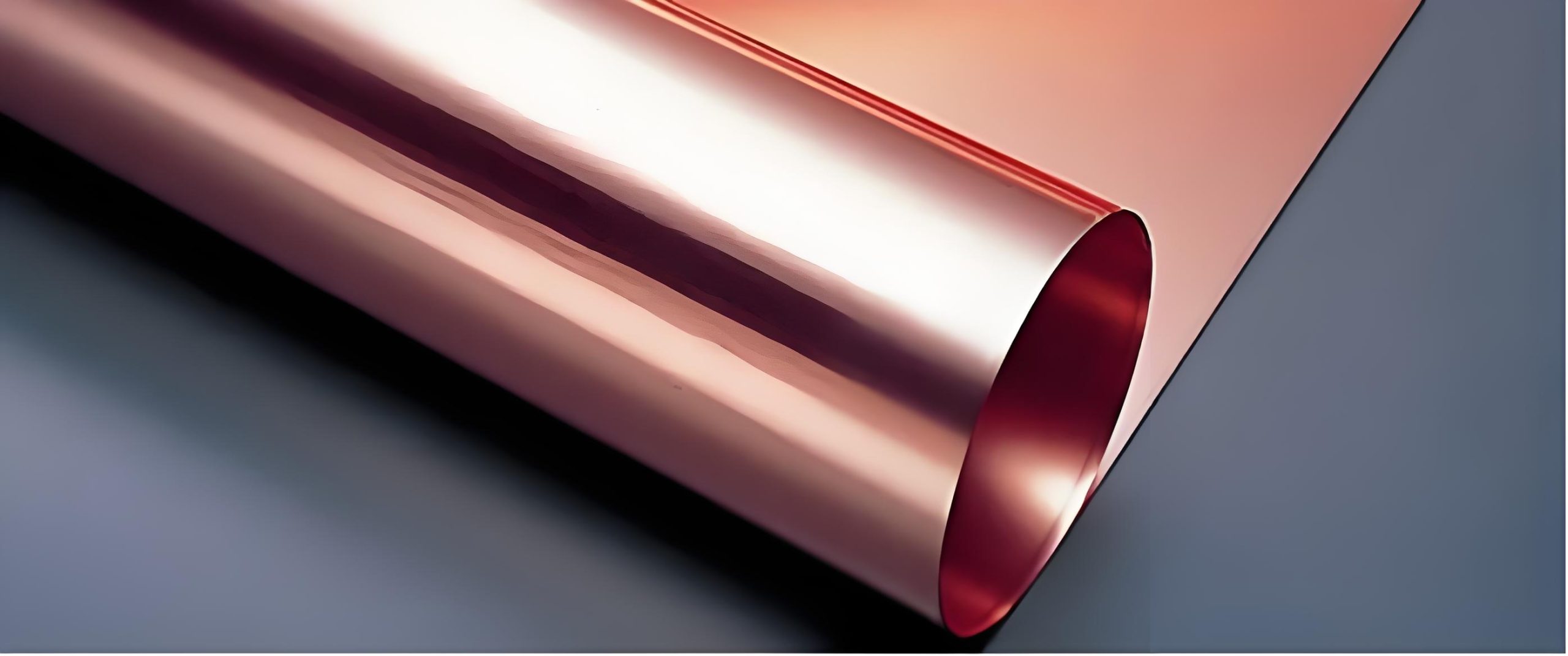
CCL is the core structural component of a PCB, and its price trend acts as a bellwether for the entire PCB industry. Over the past six months, the CCL industry has experienced multiple rounds of price increases. In December 2025, major manufacturers such as Kingboard and Nanya issued dense price adjustment letters, with CCL prices rising 10% 에게 20% in a single week.

 - 무역 뉴스 - 1

In April 2026, the price wave expanded into high-end applications. Iteq Corporation formally notified customers of a CCL price adjustment effective April 25,with certain product series rising by 20% 에게 40%. Taiwan Union Technology and Elite Material announced a new round of price increases for high-end materials starting in the second quarter, each at 10%, targeting AI servers and switches. 일본에서, semiconductor material maker Resonac raised prices by over 30% effective March 1, and Mitsubishi Gas Chemical increased all product series by up to 30% effective April 1.

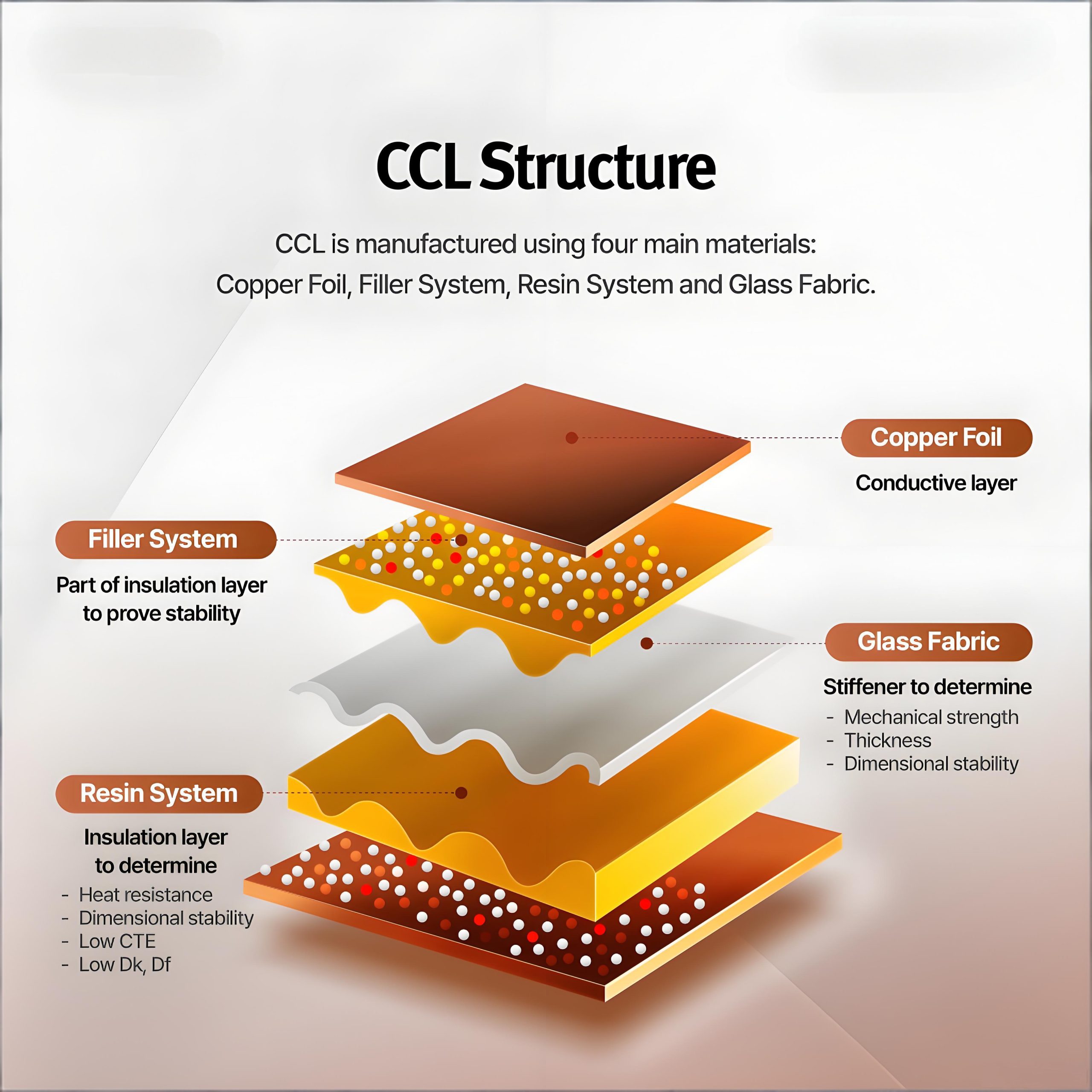
Kaiyuan Securities points out that the fundamental driver of this CCL price surge is a comprehensive and sustained cost push from all major raw materials. In traditional CCL cost structures, 구리박, 수지, and fiberglass cloth have long accounted for the largest shares. 하지만, with the explosion of AI server and high-speed communication demand, substrates are evolving toward high-frequency, high-speed grades (M9 and above). The physical modification space for low dielectric constant (낮은 DK/DF) and ultra-low coefficient of thermal expansion (CTE) in the three major materials is approaching its physical limits.

 - 무역 뉴스 - 2

3. Silica Powder: From Cheap Filler to Critical Strategic Material

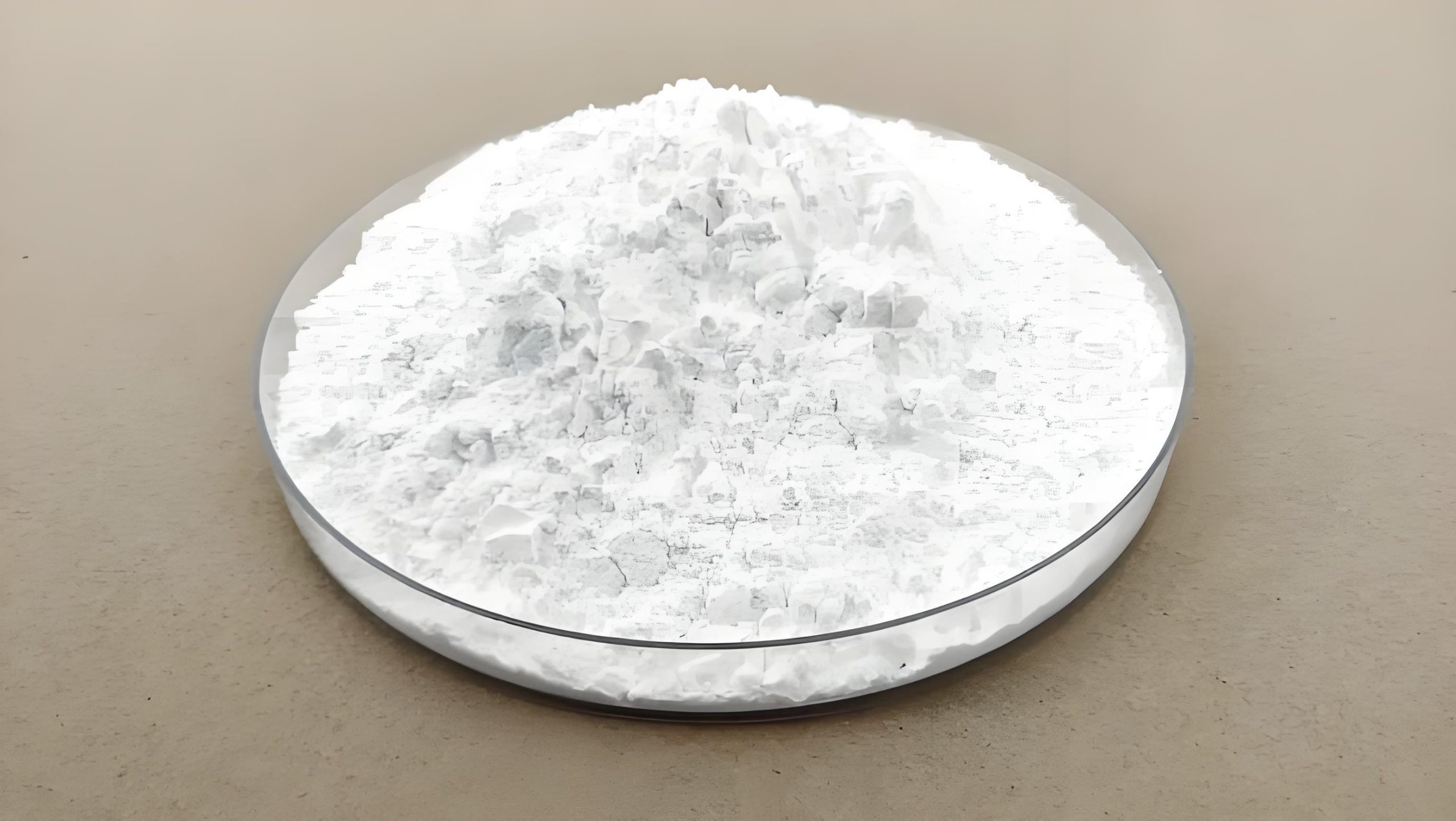
As physical material modification reaches its limits, a once-overlooked component – silica powder (fused silica) – is becoming the key that determines PCB performance.

Northeast Securities notes that in the pursuit of ultra-low dielectric loss and thermal expansion, silica powder (traditionally used as a low-cost filler at about 15% loading) will see its loading ratio expand to 40% in coming years. For AI chip substrates and M8+ grade applications, the requirements for particle size, purity, and sphericity become extremely stringent.

Different CCL grades demand different silica powder specifications: M6 grade uses spherical silica powder; M7 upgrades to spherical plus sub-micron spherical silica; M8 requires sub-micron spherical silica; 그리고M9 grade demands chemically synthesized silica powder.

The global high-end CCL silica powder market has long been dominated by Japanese players such as Denka and Nippon Steel, which together hold about 70% of the global spherical silica powder market. But local substitution is accelerating.Novoray Corporation (688300) has achieved breakthroughs in spheroidization technology and low alpha-ray control, successfully entering the supply chains of leading CCL makers like Shengyi Technology and Nanya New Material. Lingwe Technology (301373) has acquired chemical synthesis spherical silica powder production capacity through a controlling stake in Jiangsu Huimai, perfectly matching the demanding requirements of M8 and M9 ultra-high-frequency substrates. As domestic chemical synthesis capacity gradually comes online, Chinese-made silica powder is expected to move from a marginal filler to a core supply position within three years.

 - 무역 뉴스 - 3

4. End-Market Demand Explosions: High-End HDI, 자동차 PCB, and IC Substrates

This price surge is not just cost-driven – demand-side fundamentals are exceptionally strong. A research report from Western Securities indicates that high-end HDI benefits from AI terminal integration demand, with the global market expected to reach US$16.9 billion by 2029. The global automotive PCB market will grow to US$12.2 billion by 2030. For IC substrates, strong downstream memory demand has extended BT substrate lead times to 16–20 weeks, creating a valuable entry opportunity for domestic suppliers.

For PCB procurement and supply chain decision-makers, the key now is to re-evaluate technical variables in the bill of materials.The upgrading of silica powder deeply affects PCB processing parameters. While spherical silica powder improves CCL flowability and filler loading, it also imposes stricter precision requirements on drilling and lamination processes. On the PCBA assembly side, widespread adoption of low-loss materials demands adjustments to SMT reflow profiles and solder paste formulations.

In this wave of AI-driven industrial upgrading, supply chain patterns are being reshaped. If you are looking for PCB or PCBA suppliers with high-end CCL capabilities, or need the latest PCB quote for AI server or automotive electronics applications, please contact our supply chain expert team.

All data cited in this article are sourced from TPCA (Taiwan Printed Circuit Association), 프리즘, public securities research reports, and company disclosures. Data as of April 2026. For reference only.

이전:

답장을 남겨주세요

메시지를 남겨주세요