UGPCB 로고
What is a BGA PCB?
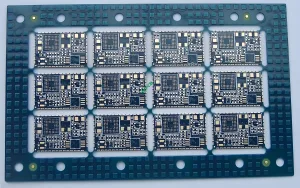
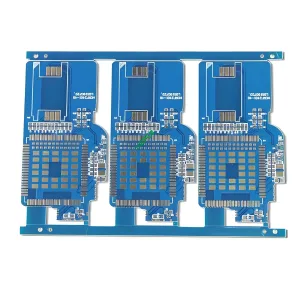
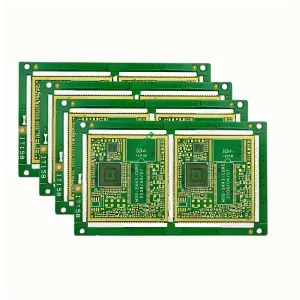
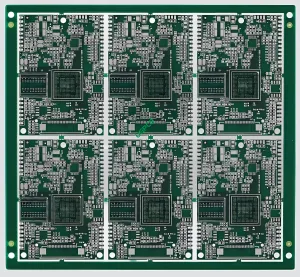
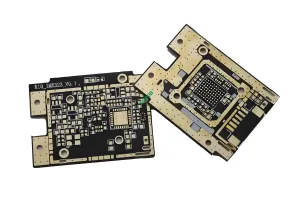
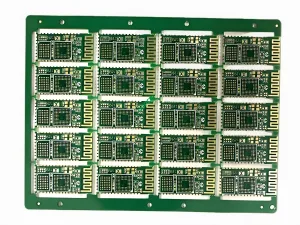
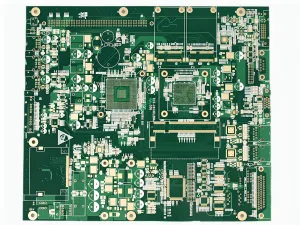
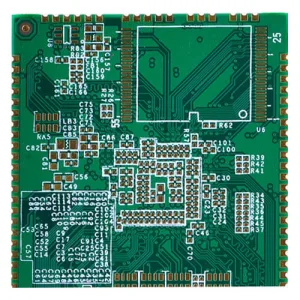
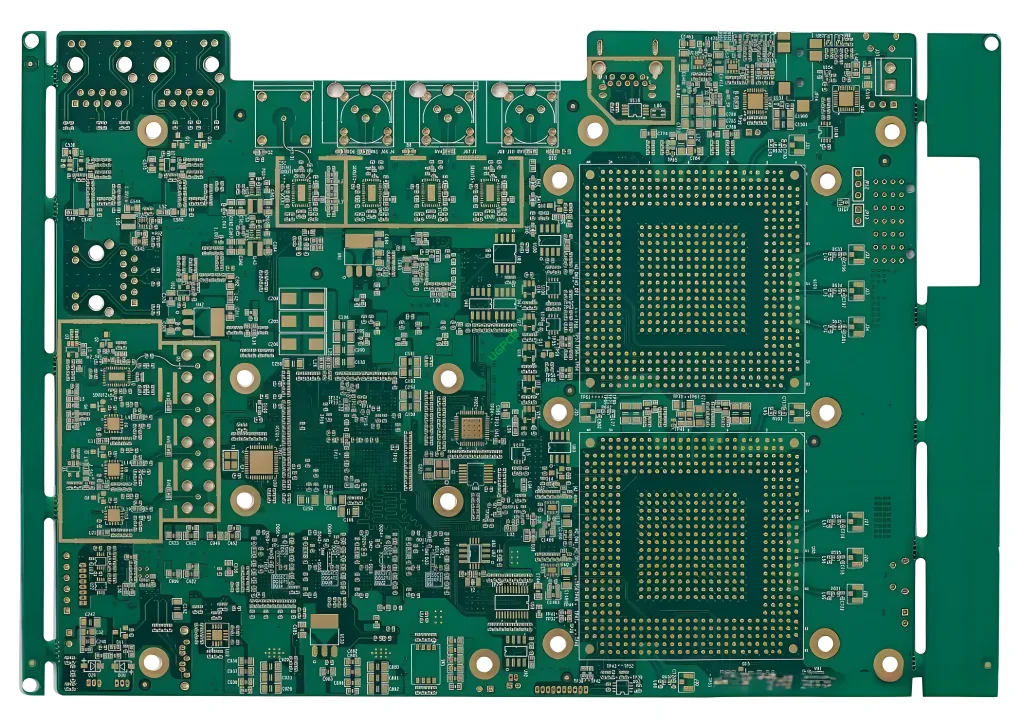
A Ball Grid Array (BGA) 인쇄 회로 기판 (PCB) is a type of 회로 기판 that features a grid of solder balls on its underside, used for connecting 전자 구성 요소 to the board. This design allows for higher input/output connection density and improved electrical performance compared to traditional through-hole or surface-mount technology (SMT) PCB.
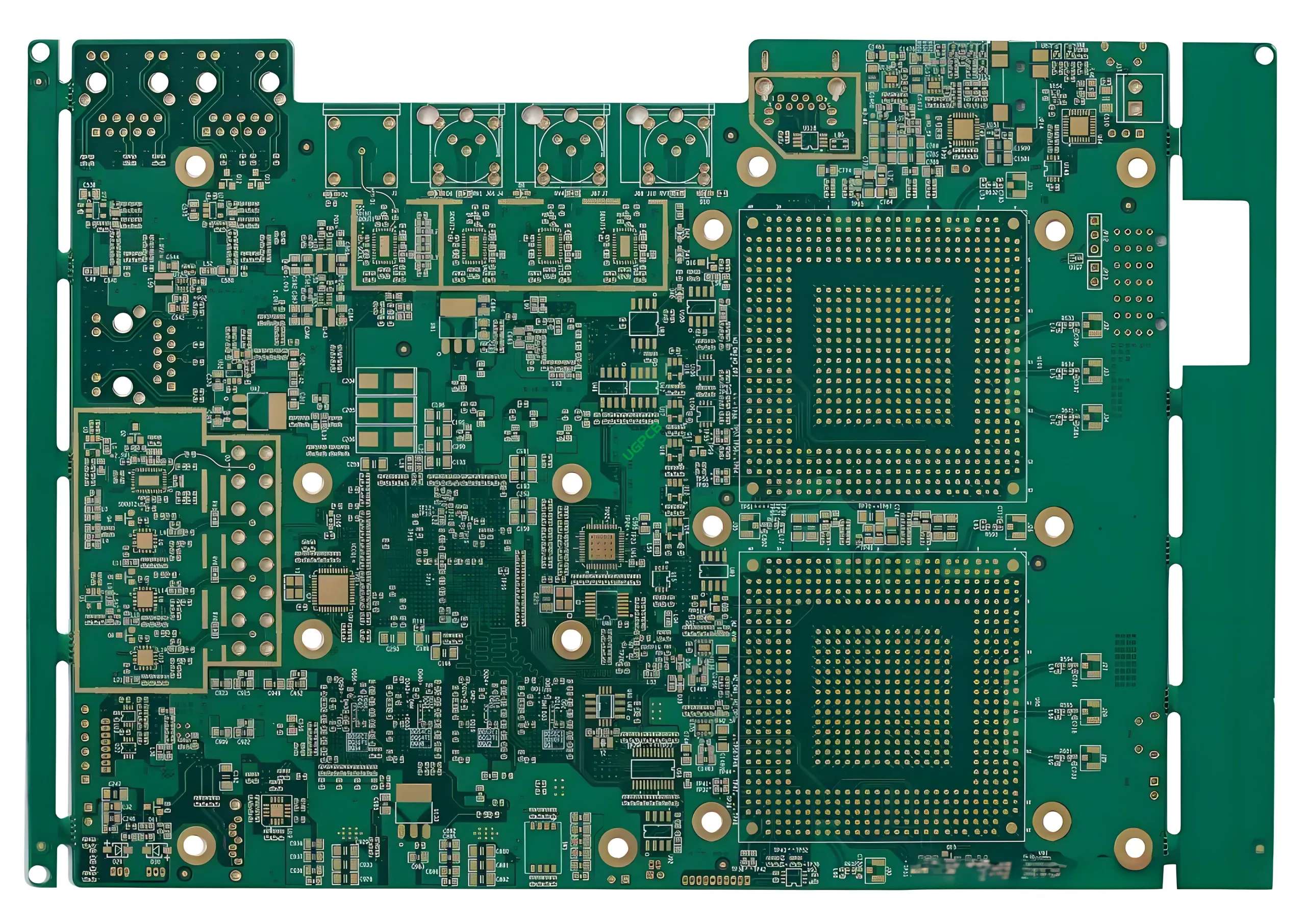
설계 요구 사항
Designing a BGA PCB involves several key considerations:
- 재료: Typically made from FR-4, a composite material known for its excellent electrical properties and affordability.
- 레이어 수: Multilayer designs are common, providing more space for complex circuitry.
- 구리 두께: Generally specified as 1/1OZ, balancing conductivity with cost-effectiveness.
- 표면 처리: Often includes immersion gold to enhance solderability and protect against oxidation.
- 추적과 공간: Minimum trace and space are typically set at 4mil, allowing for fine details in the circuit design.
어떻게 작동하나요??
The BGA PCB functions by providing a platform where electronic components can be mounted and interconnected using a grid of solder balls. These balls are aligned in a pattern on the underside of the board, corresponding to contact pads on the component. When heat is applied, the solder melts and creates a strong bond, ensuring reliable electrical connections.
응용
Due to their high density and reliability, BGA PCBs are widely used in various electronic products including:
- Computer motherboards
- High-performance servers
- 네트워킹 장비
- Advanced consumer electronics like gaming consoles and smart devices
분류
BGA PCBs can be classified based on several factors:
- 재료로: Most commonly made from FR-4 due to its balance of cost, 힘, 및 전기 특성.
- 레이어 수에 의해: Can range from double-sided to multilayer configurations, 회로의 복잡성에 따라.
- 표면 처리에 의한: Options include immersion gold, hasl, or organic solderability preservatives (OSP), each offering different levels of protection and solderability.
사용된 재료
기본 재료 used in manufacturing BGA PCBs include:
- FR-4: 우수한 기계적 강도와 열적 안정성을 제공하는 유리 강화 에폭시 적층판.
- 구리: 전도층에 사용, 설계 요구 사항에 따라 두께가 다양함.
- 솔더 마스크: 일반적으로 녹색 또는 흰색, 산화 및 우발적인 단락으로부터 구리 트레이스를 보호합니다..
- 이머젼 골드: A surface treatment that improves solderability and protects against corrosion.
성능 특성
Key performance attributes of a BGA PCB include:
- 고밀도: Allows for more components to be packed into a smaller area.
- 신뢰할 수 있음: The use of solder balls reduces the risk of mechanical failure due to vibration or impact.
- 신호 무결성: 더 짧은 신호 경로와 감소된 누화로 인해 개선됨.
구조적 구성
구조적으로, a BGA PCB comprises:
- 전도성 층: 구리로 만든, 원하는 회로 패턴으로 에칭.
- 절연층: 전도성 층 사이의 전기적 단락 방지.
- 솔더볼: Arranged in a grid pattern on the underside of the board for component attachment.
독특한 특징
Some notable features of a BGA PCB are:
- 파인 피치: Allows for high-density interconnects, making it ideal for compact devices.
- 견고성: The use of solder balls provides a strong mechanical bond between the board and components.
- 다재: 사용자 정의 가능한 레이어 수 및 재료 선택으로 인해 광범위한 응용 분야에 적합합니다..
생산 과정
The manufacturing process of a BGA PCB involves several steps:
- 디자인 및 레이아웃: 전문 소프트웨어를 사용하여 회로 패턴 생성.
- 재료 준비: 기본 재료를 크기에 맞게 절단하고 표면을 청소합니다..
- 라미네이션: 열과 압력을 가해 개별 레이어를 적층하고 접착.
- 에칭: 원하는 회로 경로를 형성하기 위해 과도한 구리를 제거합니다..
- 도금: 비아와 노출된 구리 영역에 얇은 금속층 추가.
- 솔더 마스크 적용: 흔적을 보호하기 위해 녹색 또는 흰색 코팅 적용.
- 표면 처리: Applying immersion gold or other treatments for solderability.
- 최종검사: 배송 전 품질과 기능성 보장.
사용 사례
Common scenarios where a BGA PCB might be employed include:
- High-density interconnect applications in mobile devices.
- 낮은 신호 손실이 요구되는 고급 통신 시스템.
- 열악한 환경에서 안정적인 성능이 필요한 휴대용 의료 기기.
- 견고성과 수명을 요구하는 자동차 전자 장치.
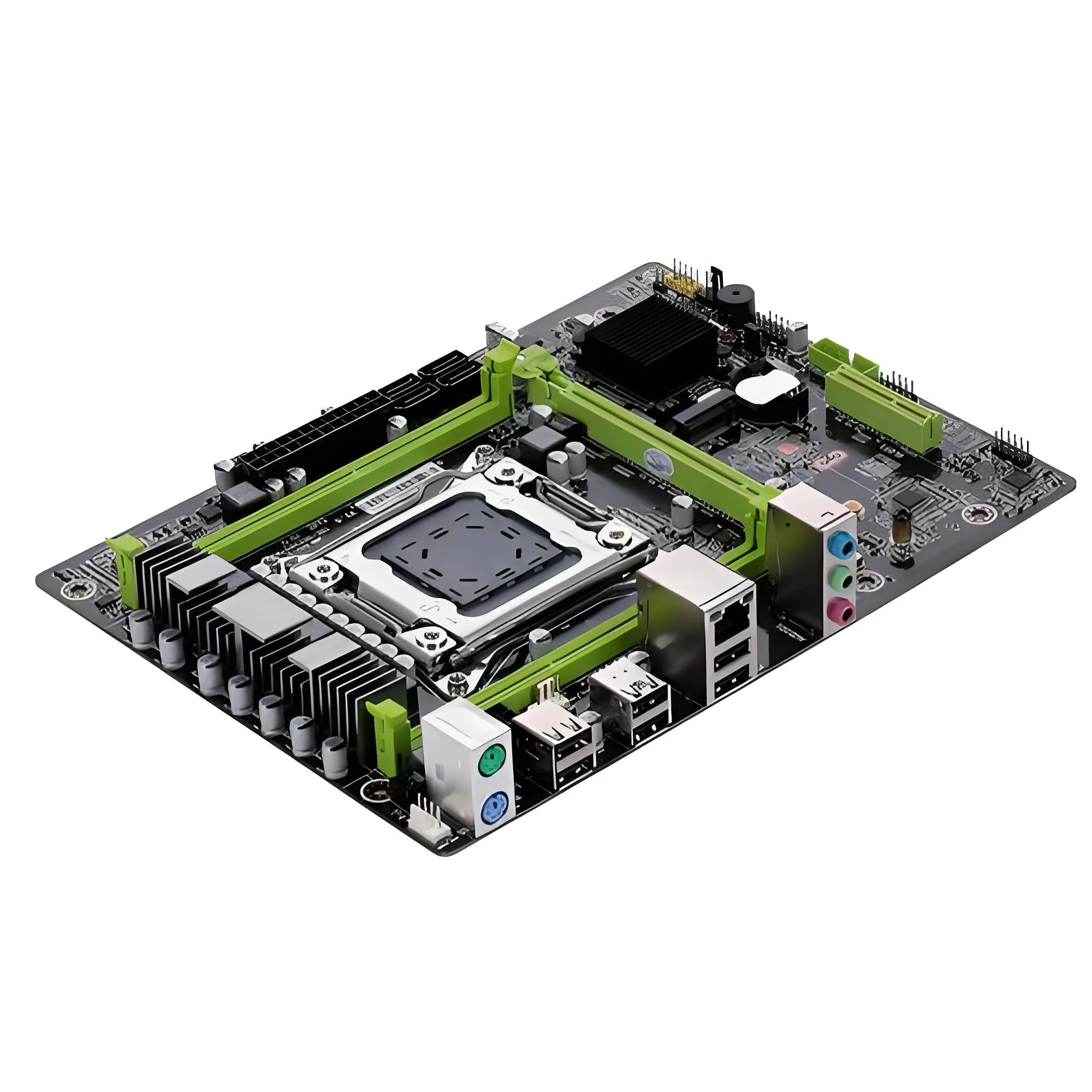
요약하면, the BGA PCB represents a significant advancement in printed circuit board technology, offering unparalleled complexity and performance for modern electronic applications. Its design flexibility, combined with superior signal integrity and durability, makes it an essential component in the development of next-generation electronic products and beyond