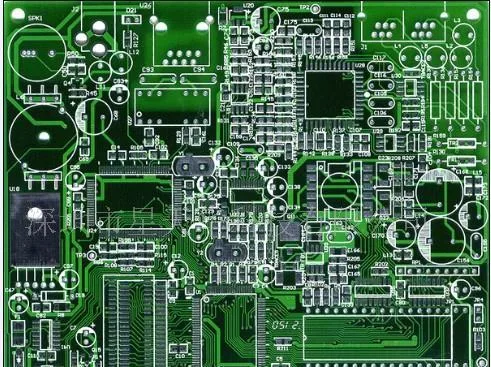
What is a multilayer printed circuit board?
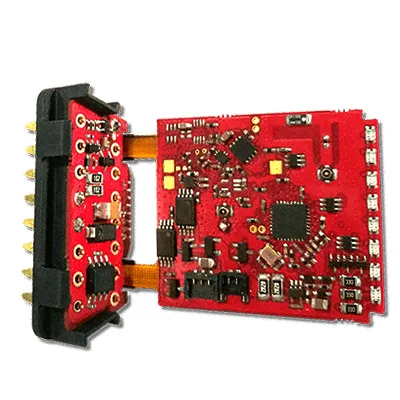
Multilayer printed circuit boardscontain three or more conductive layers of copper, usually with plated through holes. If a multilayer circuit board is composed of flexible and rigid materials, it is called a rigid-flex circuit board. A rigid-flex circuit board is a 3D interconnect that can be bent and folded into almost any shape. Rigid-flex technology allows designers to replace multiple PCBs with interconnected wires and/or cables into a single unit, providing improved performance and enhanced readability.
Rigid-flex board technology reduces the need for bulky wiring harness cables in electronic systems. It also saves installation time and parts costs, and results in cleaner (and often more compact) top-of-the-line assemblies.
PCB (인쇄 회로 기판) combines the best features of rigid PCB and flexible PCB, making it easier for manufacturers to mount PCBs in tight spaces. The added flexibility enables manufacturers to precisely and easily manipulate the board during installation.
하지만, before you can take advantage of them, you must first understand and follow the rigid-flex PCB design guidelines. Knowing the trade-off between flexibility and stiffness will help ensure you’re not compromising quality either.
What is Rigid-Flex PCB?
이름에서 알 수 있듯이, a rigid-flex PCB is a hybrid of flexible and rigid circuits. Their design offers unique solutions and applications as an alternative to rigid PCBs. One of the best aspects of rigid-flex PCBs is that they combine the benefits of both flex and rigid PCBs.
In addition to being used in electronic equipment, rigid-flex circuit boards have a wide range of commercial and industrial applications. They are also used in advanced aircraft-mounted weapons guidance systems; rigid-flex printed circuit boards are widely used in military and avionics manufacturing.
Other rigid-flex PCB applications include:
ABS sensors, CT 스캔, 디지털 카메라, smart jackets, 휴대폰, barcode scanners, 맥박 조정기.
Advantages of rigid-flex PCB
By combining the properties of rigid and flex PCBs, rigid-flex PCBs offer many benefits to manufacturers and consumers.Mechanical stability: Their basic structure consists of interchanged layers of rigid and flexible PCBs. This ensures they are both stable and flexible for easy installation in tight spaces.
Connection Reliability – With a rigid-flex PCB, you get greater stability and polarity, making connections to other components easier and safer. You also need fewer connector components per application.
동적 – In addition to repeatability and precision, you also enjoy greater packaging flexibility.
Cost Effective – By using Rigid-Flex PCBs, you can reduce your overall outlay.
고밀도 애플리케이션 – 리지드 플렉스 PCB의 가장 큰 이점은 고밀도 장치 집단에서의 사용입니다.. 이는 유연성 때문입니다., 안정성과 낮은 공간 활용도.
높은 충격 및 진동 저항 – 전자 부품은 다양한 품목에 사용됩니다., 그 중 일부는 지속적인 진동을 경험합니다.. 그러한 장치로, Rigid-Flex PCB는 충격과 진동에 매우 강하므로 손상에 대해 걱정할 필요가 없습니다..
Rigid-Flex PCB 설계 지침
Rigid-Flex PCB 설계로 전환하는 경우, 여러 요소를 고려해야 합니다., 새로운 것. 여기에는 다음이 포함됩니다: 레이어 수를 고려하여, 적절한 열 방출을 고려하여
고밀도 애플리케이션 – 리지드 플렉스 PCB의 가장 큰 이점은 고밀도 장치 집단에서의 사용입니다.. 이는 유연성 때문입니다., 안정성과 낮은 공간 활용도.
높은 충격 및 진동 저항 – 전자 부품은 다양한 품목에 사용됩니다., 그 중 일부는 지속적인 진동을 경험합니다.. 그러한 장치로, Rigid-Flex PCB는 충격과 진동에 매우 강하므로 손상에 대해 걱정할 필요가 없습니다..
Rigid-Flex PCB 설계 지침
Rigid-Flex PCB 설계로 전환하는 경우, 여러 요소를 고려해야 합니다., 새로운 것. 여기에는 다음이 포함됩니다: 레이어 수를 고려하여, 적절한 열 방출을 고려하여
Detailed analysis of material layup
- Consider the number of layers
Rigid-flex PCBs are made from alternating layers of flex and rigid PCB materials. As you prepare to make the switch, determine how many layers your intended use requires. Afterwards, consult with your original equipment manufacturer (OEM) to ensure it meets these requirements.
- 열 방출
When electricity flows through an electronic device, heat is dissipated. The amount of heat released depends on factors such as device characteristics, 힘, 및 PCB 설계. As heat builds, it can affect the performance of your device and can cause damage. Take steps to reduce the amount of heat emitted.
The PCB in the device should facilitate heat dissipation. This can be achieved by adhering to rigid-flex PCB design guidelines.
- Material layup
For rigid-flex boards, material stackup is a key factor. Obtaining the best stackup requires working closely with your manufacturer on: UL flammability ratings, suitable materials, minimum bend radius required, RoHS certification, 임피던스 제어, mechanical considerations, lead-free assembly compatibility, materials Stackup has a big impact on cost, performance and manufacturability.
Dedicate enough time and resources to finding the best layup. After a suitable model has been developed, let the designer do the necessary calculations, which are then verified by the manufacturer.
Boards with different layers can be used. 예를 들어, you might have one with 20 layers and another with 12 레이어. 하지만, it is important that they have similar layups, similar thicknesses and adhere to flex-rigid design PCB rules. This will help reduce manufacturing issues that can derail a project.
Rigid VS Flex PCB: 어느 것이 더 나은가?
The debate between rigid PCBs and flex PCBs has been going on for some time. To determine which is ideal, it’s best to first understand how they compare to each other.
가장 먼저, Rigid PCB is the standard type of PCB and is what most people think of when they think of circuit boards. They use conductive tracks and other components laid out on a non-conductive substrate to connect electronic components. 자주, non-conductive substrates also contain glass to make the board stronger. In addition to strong support, rigid circuit boards also provide great heat resistance for electronic components.
In addition to rigid and base materials, there are some notable differences between flex and rigid PCBs. 여기에는 다음이 포함됩니다:
제조공정: Rigid PCBs are made using a solder mask. 하지만, for flexible PCB designs, a process called overlay or overlay is used. This ensures protection of the exposed circuitry of the flex PCB.
Conductive material: Unlike rigid PCBs, flexible PCB boards should be able to bend. To achieve this feature, flexible rolled annealed copper was used instead of electrodeposited copper as the conductive material.
비용: Rigid PCBs are less expensive than flex circuit boards. 하지만, when you need a PCB that can fit in tight spaces, you should be willing to incur flexible PCB costs.
How Rigid-Flex PCBs Can Help You
Both rigid and flexible PCBs have unique features that are invaluable for specific applications. 하지만, you are not necessarily limited to one of them. To benefit from the characteristics of both, switch to a rigid-flex PCB. 요약하면, the benefits of rigid-flex boards include:
비용 효율적입니다, reduced package weight, simplified assembly, can withstand hundreds of bend cycles, increased circuit density, quality is non-negotiable, your manufacturer must be experienced and knowledgeable in rigid-flex PCB design rules. They should also offer personalized customer support and a wide range of design and laying options. This will ensure that your Rigid-Flex PCB meets your needs.