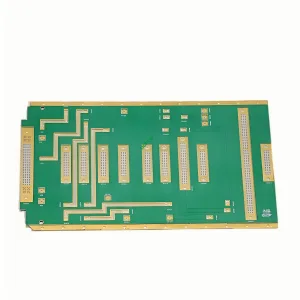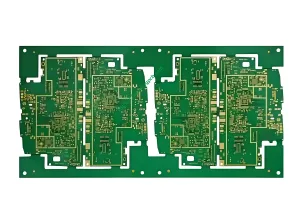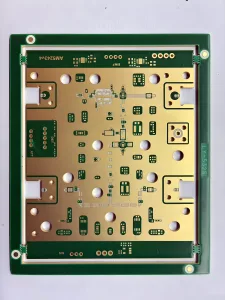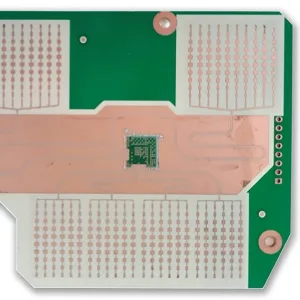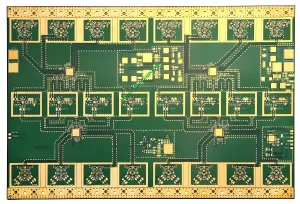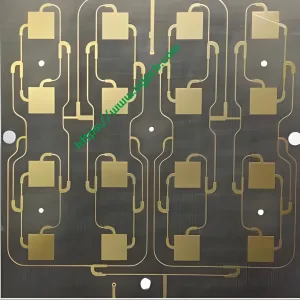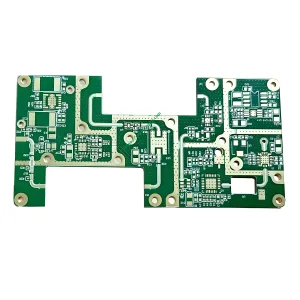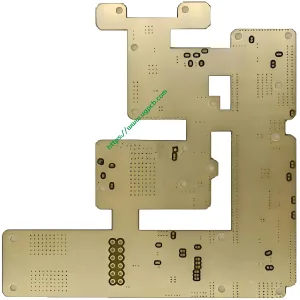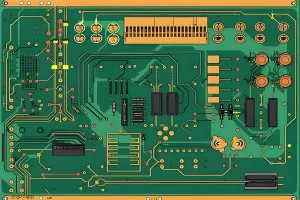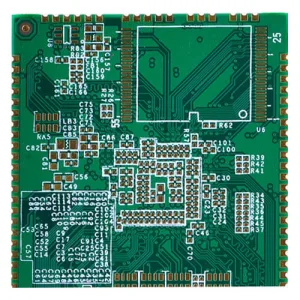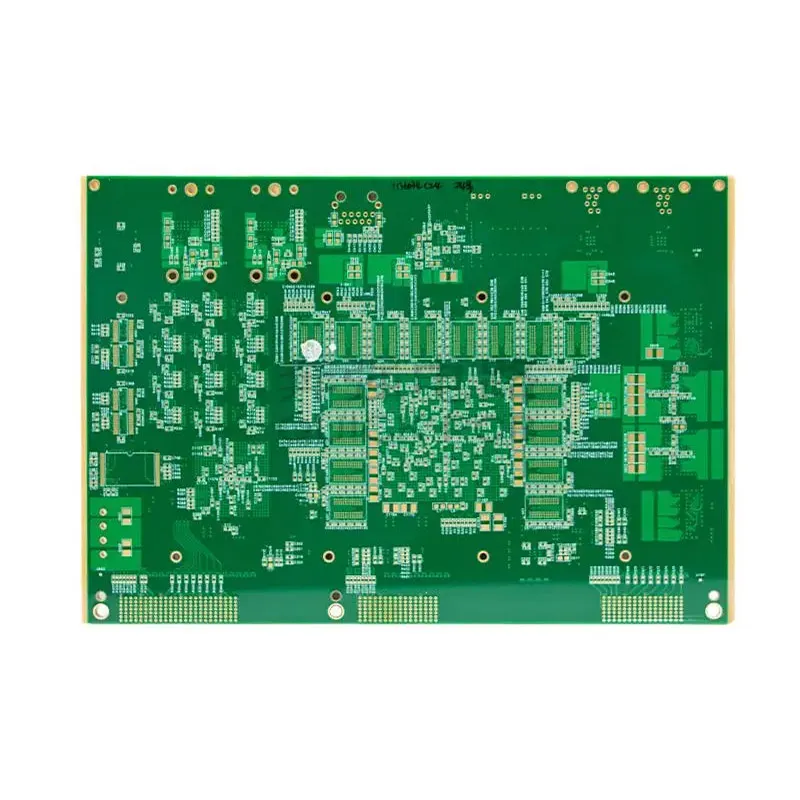
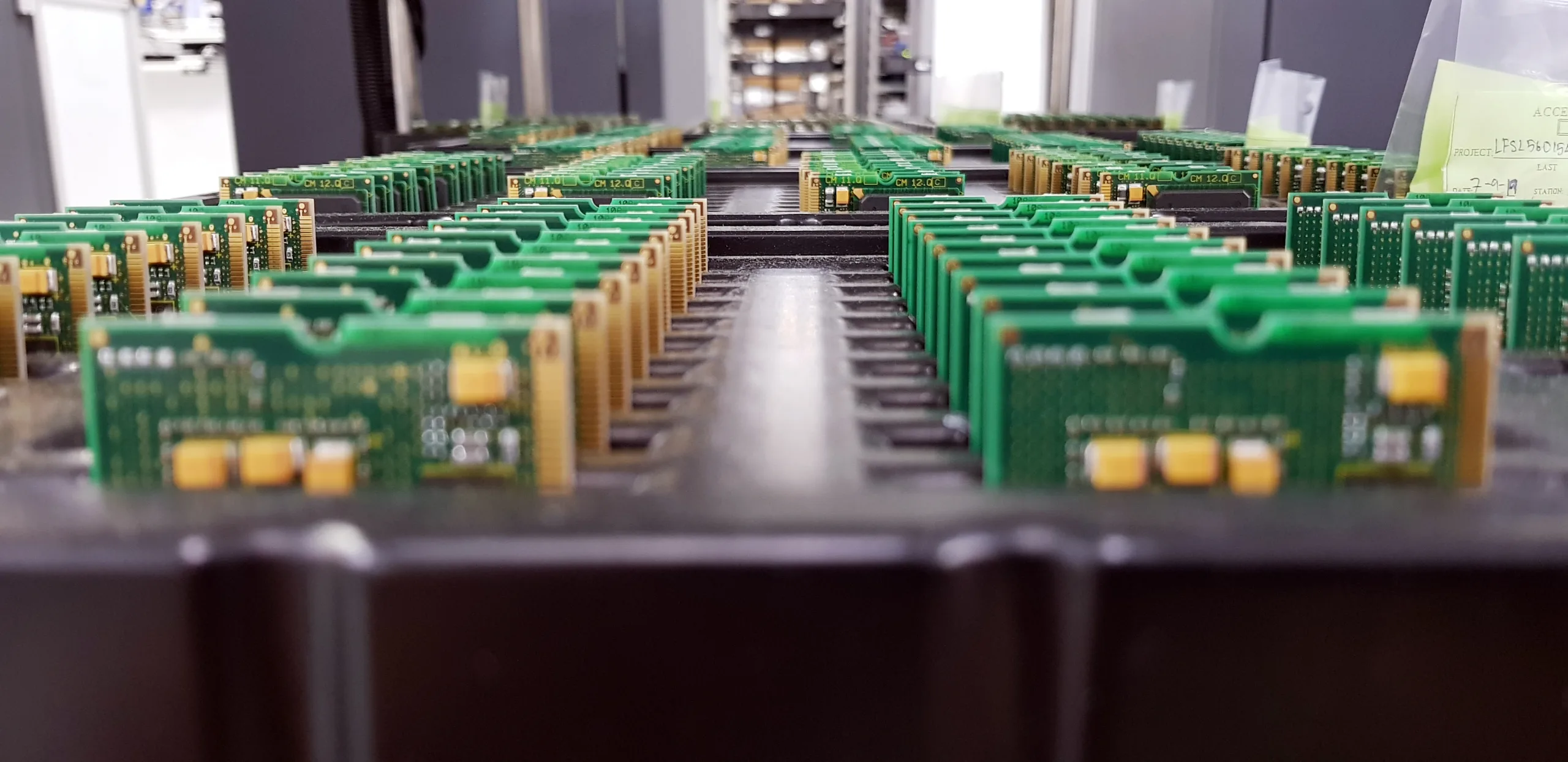
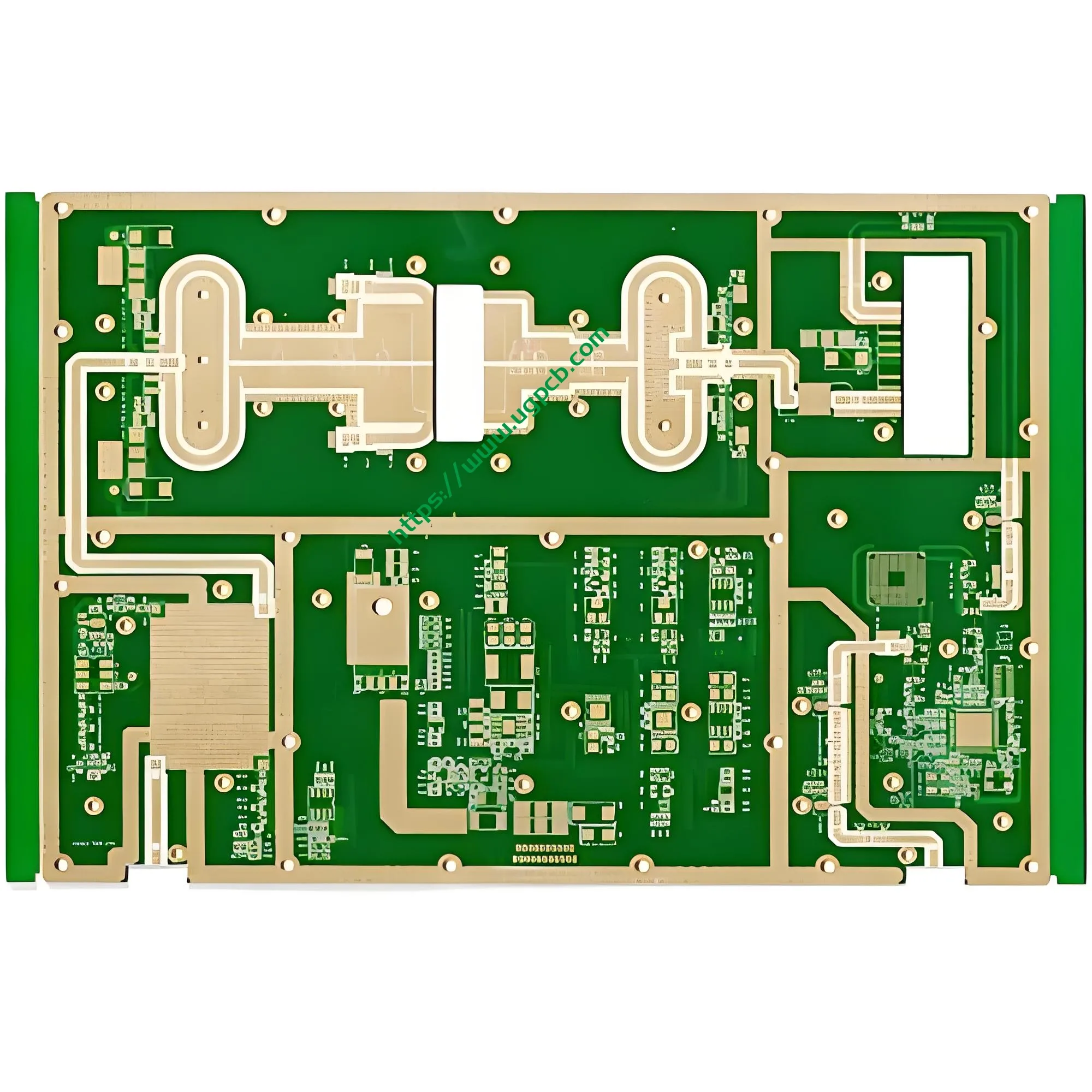
5G 통신의 급속한 성장으로, 밀리미터파 레이더, 위성 통신, PCB 설계 엔지니어들은 고전적인 딜레마에 직면해 있습니다.. 와 같은 고급 고주파 소재를 사용하여 로저스 RO4350B 전체 보드에 대해 우수한 전기적 성능을 제공하지만 너무 비싸집니다.. 전체 보드에 표준 FR4를 사용하면 비용이 절감됩니다., 그러나 고주파 신호 손실이 높고 유전 상수가 불안정합니다..
UGPCB의 Rogers RO4350B+FR4 고주파 하이브리드 보드는 이 문제를 완벽하게 해결합니다.. 이 문서에서는 제품 개요를 다룹니다., 디자인 지침, 작동 원리, 기술 매개 변수, 제조 공정, 및 응용 프로그램. RF 엔지니어와 구매 의사 결정자에게 신뢰할 수 있는 참고 자료를 제공합니다..
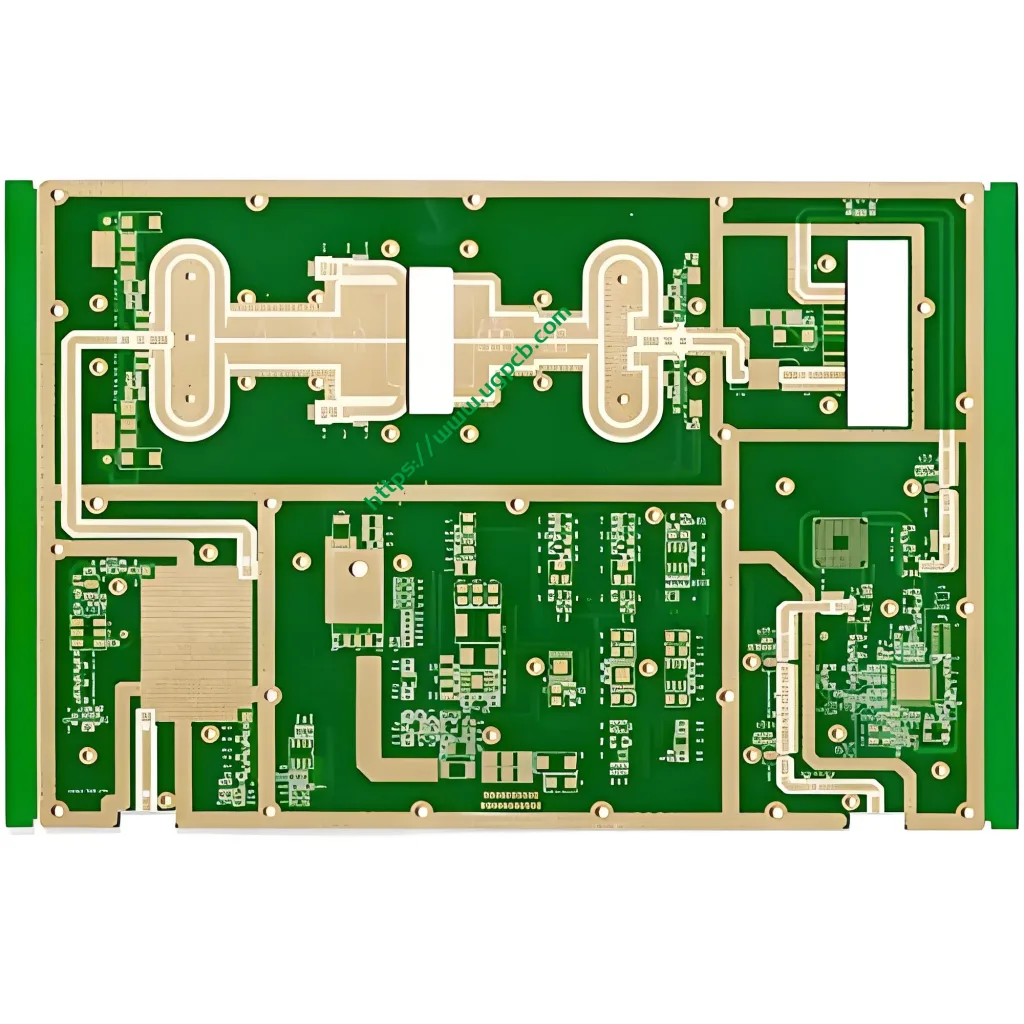
1. 제품개요: Rogers RO4350B+FR4 고주파 하이브리드 PCB란 무엇입니까??
1.1 정의
Rogers RO4350B+FR4 고주파 하이브리드 PCB는 동일한 회로 기판에 Rogers RO4350B 고주파 라미네이트와 표준 FR-4 에폭시 유리 직물을 모두 사용합니다.. UGPCB 제품은 4단 대칭 스택업을 사용합니다.: RF 신호 라우팅을 위한 Rogers RO4350B의 두 외부 레이어, 전력 분배 및 접지면을 위한 FR4 내부 레이어 2개. 이는 표준을 만듭니다. “신호 - 접지 - 전원 - 신호” 쌓이다.
1.2 핵심 가치 제안
이것 하이브리드 PCB 솔루션은 성능과 비용 간의 정확한 균형을 제공합니다.. 고주파 신호가 전달되는 외층에만 고성능 로저스 소재를 사용합니다.. 내부 레이어에 저가형 FR4를 사용합니다.. 이로 인해 총계가 크게 감소합니다. PCB 제조 RF 성능 저하 없이 비용 절감. 업계 추정에 따르면 전체 Rogers 보드에 비해 재료비가 30%~50% 절감됩니다..
2. 주요 기술 매개변수 (로저스 공식 데이터 & UGPCB 사양)
| 매개 변수 | 값 | 테스트 조건 / 기준 | 원천 |
|---|---|---|---|
| 재료 조합 | 2 레이어 로저스 RO4350B + 2 레이어 FR4 | 4-레이어 대칭 스택업 | UGPCB |
| 완성된 보드 두께 | 1.2 mm | - | UGPCB |
| 동박 두께 | 1 오즈 아우터 / 1 오즈 이너 | 완성된 구리 | UGPCB |
| 유전체 두께 | 0.508 mm | - | UGPCB |
| 유전 상수 Dk | 3.48 ± 0.05 @ 10 GHz | IPC-TM-650 | Rogers 공식 데이터시트 |
| 소산계수 Df | 0.0037 @ 10 GHz | IPC-TM-650 | Rogers 공식 데이터시트 |
| 열전도율 λ | 0.69 W/m·K @ 50°C | ASTM D5470 | Rogers 공식 데이터시트 |
| 가연성 등급 | UL 94 다섯-0 | UL 94 | Rogers 공식 데이터시트 |
| 체적 저항률 ρ_v | 1.2 × 101⁰ Mohm·cm | - | Rogers 공식 데이터시트 |
| 표면 저항률 ρ_s | 5.7 × 10⁹ 모옴 | - | Rogers 공식 데이터시트 |
| z 축 Cte | 32 ppm/°C | -55°C~288°C | Rogers 공식 데이터시트 |
| 밀도 | 1.9 gm/cm3 | - | Rogers 공식 데이터시트 |
3. Rogers RO4350B+FR4 하이브리드 PCB 설계 지침
엔지니어는 Rogers RO4350B 및 FR4를 사용하여 하이브리드 PCB를 설계할 때 이러한 핵심 기술 사항에 집중해야 합니다..
3.1 임피던스 매칭 디자인
RO4350B와 FR4의 유전 상수 차이는 상당합니다.. RO4350B의 Dk = 3.48 ~에 10 GHz, 표준 FR4에는 Dk가 있습니다. 4.2 그리고 4.8. 물질층에 따라 신호선 임피던스가 변화함.
50Ω 마이크로스트립 라인의 예:
- RO4350B 레이어 (Dk=3.48, 1 오즈 구리), 50Ω 트레이스 폭 ≒ 0.4 mm
- FR4 레이어 (Dk ≒4.5, 같은 구리), 50Ω 트레이스 폭 ≒ 0.25 mm
디자인 추천:
- RO4350B 신호 레이어 내에서 고주파 신호 트레이스를 완전히 유지합니다.. 임피던스가 갑자기 변하는 재료 경계를 넘지 마십시오..
- 레이어 간 전환이 불가피한 경우, RO4350B-FR4 경계에서 점점 가늘어지는 트레이스 폭을 사용합니다.. 또는 전자기 시뮬레이션을 사용하여 급격한 Dk 변화로 인한 신호 반사를 최소화합니다..
3.2 대칭형 스택업 디자인
보드 뒤틀림 방지는 하이브리드 스택업 설계의 핵심입니다.. RO4350B의 X/Y축 CTE는 약 10/12 ppm/°C, FR4는 약 16 ppm/°C. 이 불일치는 중요합니다..
UGPCB는 대칭형 스택업 원리를 엄격하게 따릅니다.. 우리는 구리 두께 분포를 사용합니다.:
1 오즈 RO4350B (최고 신호) - 0.5 오즈 FR4 (지면) - 0.5 오즈 FR4 (힘) - 1 오즈 RO4350B (하단 신호).
이로 인해 적층 중에도 열응력이 분산되어 변형 위험이 크게 감소됩니다..
3.3 RF PCB용 전송선 선택
고주파 애플리케이션용, 접지된 동일 평면 도파관을 권장합니다 (GCPW) 기존의 마이크로스트립 라인 대신. GCPW는 신호선 양쪽에 촘촘한 비아 펜스를 배치합니다.. 이는 누화를 효과적으로 보호하고 전자기 간섭을 줄입니다.. 특히 5G 밀리미터파 및 77 GHz 자동차 레이더.
3.4 드릴링 및 디스미어 공정
UGPCB는 RO4350B에 Rogers가 권장하는 드릴링 매개변수를 사용합니다.. 또한 혼합 재료에 대한 디스미어 공정을 최적화합니다.. FR4 수지 잔여물로 인해 구멍 벽이 거칠어질 수 있음. 그러므로, 플라즈마 디스미어 시간을 약 연장합니다. 30% 순정 로저스 보드에 비해. 이는 깨끗한 홀 벽과 고품질 금속화를 보장합니다..
4. 작동 원리 및 전기적 성능
4.1 유전 상수 안정성
RO4350B는 Rogers의 RO4000 시리즈 탄화수소/세라믹 충전 라미네이트에 속합니다.. 주요 특징은 넓은 주파수 범위에 걸쳐 ±0.05의 엄격한 유전 상수 허용 오차입니다.. 온도에 따른 Dk 변화는 다음과 같습니다. +50 ppm/°C (미만 0.4% -50°C에서 150°C로 변경). 이는 전체 온도 범위에서 통신 장비의 안정적인 작동을 보장합니다..
4.2 신호 손실 분석
~에 10 GHz, RO4350B의 소산 인자 Df는 다음과 같습니다. 0.0037. 이는 동일한 주파수의 일반 FR4보다 훨씬 낮습니다. (Df ≒ 0.015–0.025). 이 저손실 특성은 밀리미터파 신호의 장거리에 걸쳐 신호 무결성을 유지합니다.. 5G 밀리미터파 대역에서 (~ 위에 24 GHz), UGPCB의 하이브리드 보드는 일반적으로 다음과 같은 삽입 손실을 나타냅니다. 0.5 dB/인치 및 반사 손실 초과 15 DB (사용자는 특정 설계에 대해 VNA를 통해 확인해야 합니다.).
4.3 열전도율 및 열 관리
RO4350B의 열전도율은 다음과 같습니다. 0.69 w/m · k, 일반 FR4의 약 2배 (≒0.3W/m·K). 이를 통해 하이브리드 고주파 PCB가 전력 증폭기와 같은 고전력 장치의 열을 효율적으로 전도할 수 있습니다. (아빠) 구리 층 및 열 비아에, 그런 다음 FR4 내부 구리 평면을 통해 확산시킵니다.. 이는 RF 전력 증폭기 모듈에 탁월한 열 관리 솔루션을 제공합니다..
5. 제품 분류
| 분류 차원 | 범주 |
|---|---|
| 재료 유형 | 하이브리드 유전체 PCB / 고주파 하이브리드 적층판 |
| 레이어 수 | 4-레이어 다층 PCB |
| 적용빈도 | RF/마이크로파 PCB, 밀리미터파 대역까지 커버 (79 최대 GHz) |
| 제조공정 | 혼합 적층 다층 |
| 가연성 등급 | UL 94 다섯-0 정격 PCB |
UGPCB는 IPC-6012에 따라 제조 및 테스트됩니다. (경질 인쇄 기판의 자격 및 성능 사양) 및 IPC-4101 (경질 및 다층 인쇄 기판용 기본 재료 사양).
6. 4단 1.2mm Hybrid PCB의 적층구조
UGPCB의 1.2mm 두께 4층 Rogers RO4350B+FR4 고주파 하이브리드 보드는 표준 대칭 스택업을 사용합니다.:
- L1 (최상층): 로저스 RO4350B, 1 OZ 마감 구리 – RF 신호층
- L2 (층 2): FR4, 1 OZ 구리 – 접지면
- L3 (층 3): FR4, 1 OZ 구리 – 배전 / 저주파 제어 신호 (동력 비행기)
- L4 (하단 레이어): 로저스 RO4350B, 1 OZ 마감 구리 – RF 신호층
총 유전체 두께는 0.508 mm. 완성된 보드 두께는 1.2 mm.
표면 마감: 동의하다 (무전해 니켈 침지 금) – 높은 신뢰성의 납땜 및 내산화성 요구 사항을 충족합니다..
7. 재료 분석
7.1 Rogers RO4350B 고주파 소재
RO4350B는 석유수지 복합 적층판입니다., 세라믹 필러, 그리고 짠 유리 직물. 주요 장점은 다음과 같습니다:
- 공정 호환성: 제작은 FR-4와 거의 동일합니다.. 특별한 구멍 벽 처리가 필요하지 않습니다. (PTFE 재질과 달리). 제조 비용은 기존 마이크로파 라미네이트보다 훨씬 저렴합니다..
- UL 94 다섯-0 가연성 등급: 능동 소자 및 고전력 RF 설계에 적합.
- 낮은 z 축 Cte (32 ppm/°C): 도금 관통 구멍의 높은 신뢰성 보장 (PTH) 다층 회로에서.
7.2 FR4 기판
높은 Tg FR4 소재를 사용합니다. (Tg ≥ 170°C) Rogers RO4350B의 열처리 창과 일치하도록. FR4는 하이브리드 보드의 전원 및 접지 레이어 역할을 합니다.. 그 비용은 단지 1/5 에게 1/3 로저스 소재의 것, 총계 대폭 감소 PCB 제조 비용.
8. 하이브리드 고주파 PCB 제조 공정
UGPCB는 고주파 하이브리드 보드에 대한 엄격한 품질 관리 프로세스를 따릅니다.:
- 절단 및 브라우닝: RO4350B 코어 및 FR4 코어에 브라우닝 처리를 적용하여 층 접착력 향상.
- 내층 회로 패터닝: 내부 FR4 레이어에 접지 및 전력 레이어 패턴 생성.
- 하이브리드 라미네이션 (중요한 단계): 계단식 온도 적층 프로파일 사용 (예를 들어, 120°C → 170°C → 220°C). 두 재료 모두와 호환되는 프리프레그를 선택하세요.. 박리 또는 보이드를 방지하기 위해 램프 속도 및 프레스 시간을 엄격하게 제어합니다..
- 드릴링 및 디스미어: Rogers가 권장하는 드릴링 매개변수 사용. 플라즈마 디스미어 시간을 약 증가시킵니다. 30% 깨끗한 홀 벽을 보장하기 위한 혼합 재료용.
- 도금 관통 구멍 (PTH): 150°C에서 보드를 굽습니다. 2 수분 흡수 차이를 보상하기 위해 무전해 구리 증착 몇 시간 전 (FR4 수분 흡수 >0.1%, RO4350B <0.02%).
- 외층 회로 패터닝: 상단 및 하단 RO4350B 레이어의 신호 트레이스를 형성합니다..
- 솔더 마스크 및 표면 마감: 안테나 개구부에 솔더 마스크 없음. 동의 사용 (무전해 니켈 침지 금).
- 전기적 시험 및 신뢰성 검사: 100% 전기 테스트, AOI 광학 검사, X선 레이어 간 정렬 확인, 플러스 선적 전 평탄도 측정 및 수정.
9. Hybrid PCB의 성능 및 특징
9.1 핵심 성과 가치
- 유전 상수 Dk: 3.48 ± 0.05 @ 10 GHz (로저스 공식)
- 소산계수 Df: 0.0037 @ 10 GHz
- 열전도율: 0.69 W/m·K @ 50°C (ASTM D5470)
- 작동 온도 범위: -50°C ~ +150°C
- 가연성 등급: UL 94 다섯-0
- 부피 저항성: 1.2 × 101⁰ Mohm·cm
- 표면 저항: 5.7 × 10⁹ 모옴
- 밀도: 1.9 gm/cm3
9.2 제품 기능 (이 4층 RF 마이크로파 PCB를 선택하는 이유)
- ✅ 최고의 성능-비용 균형: 기존 대비 재료비 30%~50% 절감. 완전한 로저스 솔루션.
- ✅ 안정적인 유전체 상수: ±0.05 엄격한 공차, 온도/주파수에 따른 변화 최소화.
- ✅ 저손실 전송: Df=0.0037 @ 10 GHz, 탁월한 밀리미터파 신호 무결성.
- ✅ FR4 호환 프로세스: 특별한 구멍 벽 처리 없음, 높은 제조 효율성.
- ✅ 우수한 열 관리: 열전도율 0.69 w/m · k, 효과적인 열 방출.
- ✅ 다섯-0 가연성 등급: UL 충족 94 다섯-0 안전기준.
- ✅ 유연한 맞춤화: 1.2 MM 두께, 다양한 표면 마감 지원.
10. Rogers RO4350B+FR4 고주파 하이브리드 PCB의 응용
탁월한 RF 성능 및 비용 이점 덕분에, 이 하이브리드 PCB는 다양한 핵심 분야에 사용됩니다.:
10.1 5G 커뮤니케이션 인프라
- 5G 매크로 기지국 안테나 보드 및 전력 증폭기 모듈 (PA 레이어는 RO4350B를 사용합니다., 전원/접지 레이어는 높은 Tg FR4를 사용합니다. 2+ 온스 두꺼운 구리)
- 전자레인지 지점 간 (P2P) 연결 장비
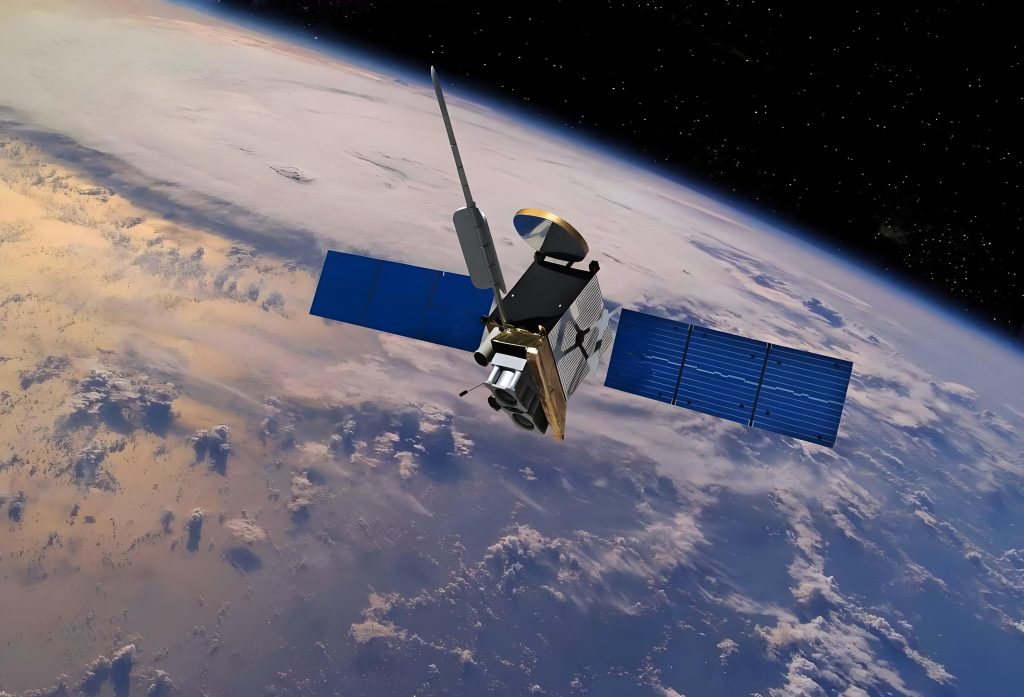
- 위성통신 지상단말 LNB
10.2 자동차 전자 장치 및 자율 주행
- 77 GHz / 79 GHz 자동차 밀리미터파 레이더 - ADAS 및 자율 주행을 위한 핵심 감지 구성 요소; AEC-Q100 인증이 필요합니다.
- 차량-모든 것 (V2X) 통신 모듈
- 24 GHz 사각지대 감지 레이더 센서
10.3 RF 프런트엔드 모듈
- 전력 증폭기 (아빠) 저잡음 증폭기 (LNA) 모듈
- RF 트랜시버 프런트엔드
- 밀리미터파 위상배열 안테나 T/R 모듈
10.4 산업 및 의료 장비
- RFID 리더 및 태그
- 의료 영상의 고주파 신호 처리 회로 (MRI, CT)
- 정밀 검사 및 측정 장비
10.5 IoT 및 가전제품
- 5G CPE (고객 구내 장비)
- 무선 유도 통신 시스템
- Wi-Fi 6E/7 안테나 모듈
11. 고주파수 하이브리드 PCB에 UGPCB를 선택하는 이유?
UGPCB는 성숙한 공정 시스템과 고주파수 분야의 풍부한 실무 경험을 보유하고 있습니다. 하이브리드 보드 조작.
- 🔧 성숙한 과정: 마스터 코어 하이브리드 라미네이션 기술 - 단계별 프레스 사이클, 플라즈마 디스미어, 레이어 간 정렬 제어.
- 📋 100% 테스트를 거쳤습니다.: 전체 공정 품질 관리, 100% 전기 테스트, AOI 광학검사, X선 정렬 검증.
- ⚡ 빠른 배송: RO4350B 및 FR4의 충분한 원자재 재고로 리드 타임을 제어할 수 있습니다..
- 📞 전문 기술 지원: 스택업 설계 컨설팅부터 임피던스 시뮬레이션까지 원스톱 엔지니어링 지원.
- 🏭 광범위한 제조 경험: 수년 동안 고주파 PCB 생산, 글로벌 고객에게 서비스를 제공.
빠른 견적 받기 & 기술상담
UGPCB는 무료 임피던스 설계 컨설팅 및 고정밀 샘플 제작을 제공합니다..
📧문의사항은 다음으로 보내주세요: sales@ugpcb.com
📝빠른 견적을 요청하세요: Gerber 파일을 제공해주세요, 재료 사양 (RO4350B+FR4), 레이어 수 (4 레이어), 보드 두께 (1.2mm), 구리 두께 (1 온스), 및 기타 프로세스 요구사항
🔧기술지원: 스택업 설계는 UGPCB 엔지니어링 팀에 문의하세요., 임피던스 매칭 계산, 및 하이브리드 라미네이션 공정 매개변수.
💡 문의팁: 정확한 견적을 위해, 완전한 Gerber 파일 포함 (드릴 레이어 포함), 스택업 요구 사항, 최소 트레이스 폭/간격, 및 표면조도 사양.
부인 성명 & 데이터 정확성 진술
이 문서의 모든 기술 매개변수는 Rogers 공식 데이터시트와 비교하여 수동으로 검증되었습니다. (2025-2026 판), IPC 표준, 및 UL 인증 문서. 핵심 데이터 – Dk=3.48 (@10 GHz), DF = 0.0037 (@10 GHz), 열전도도 0.69 w/m · k (ASTM D5470에 따라 @50°C) – Rogers RO4350B 데이터시트에서 직접 가져옴. 이 기사는 인용에 대한 공정 사용 지침을 따르며 합리적으로 조정 및 재구성되었습니다..
© 2026 UGPCB. 모든 권리 보유. | 고주파 하이브리드 PCB 설계 & 제조 전문가