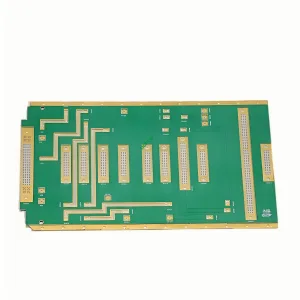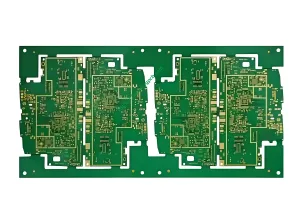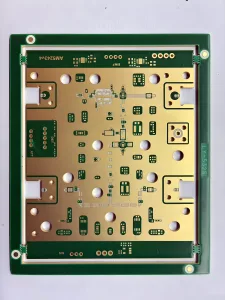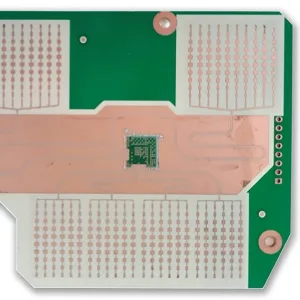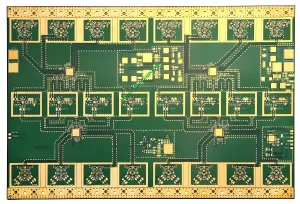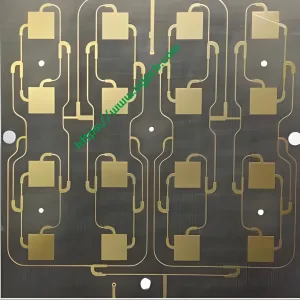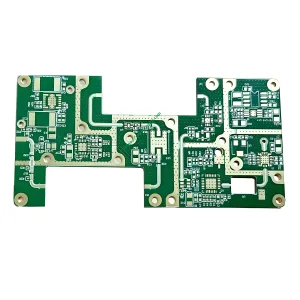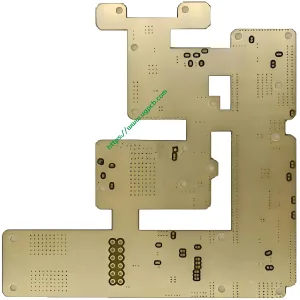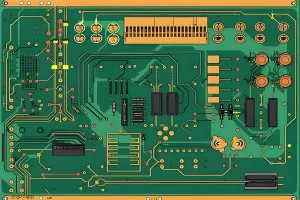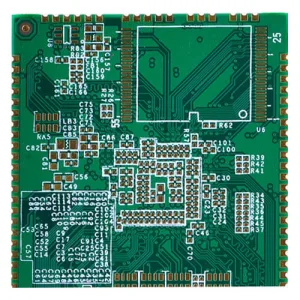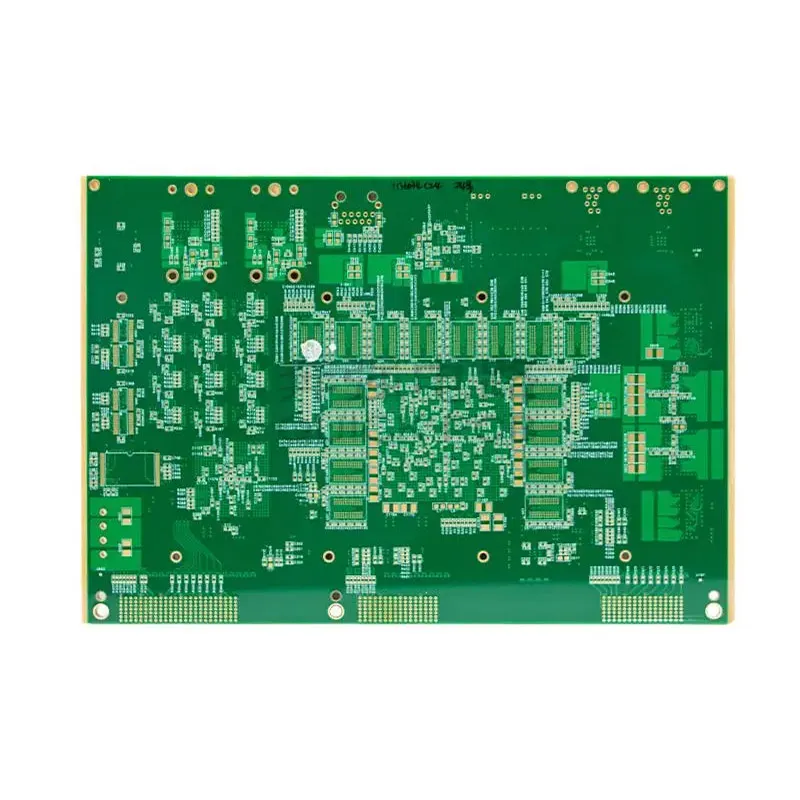
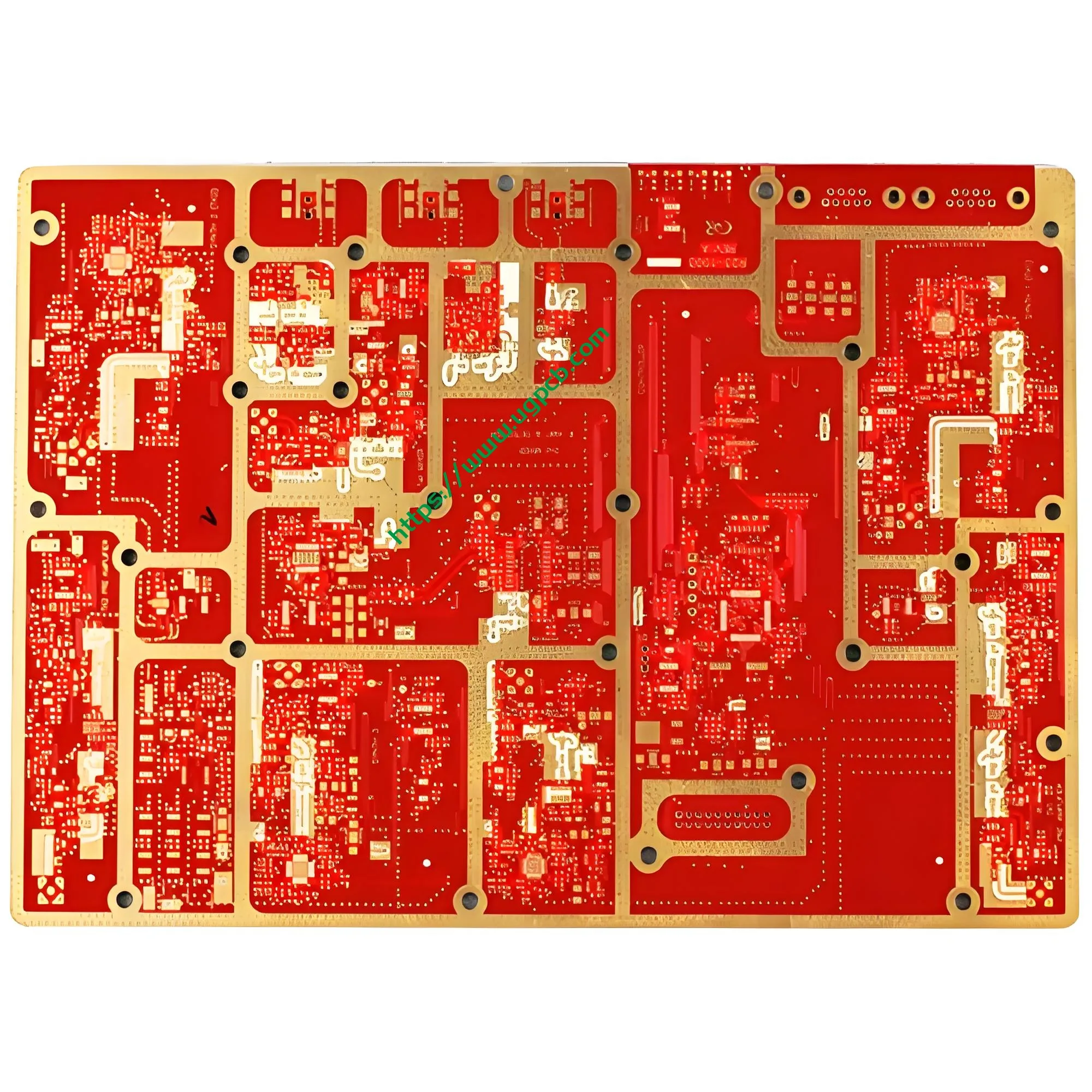
Quando os sistemas digitais e de RF ultrapassam vários GHz, convencional Materiais de PCB atingiu gargalos na integridade do sinal, Estabilidade térmica, e controle de impedância. O PCB híbrido de comunicação de alta frequência da UGPCB resolve esses desafios.
1. Visão geral do produto
Nome do produto: PCB híbrida de alta frequência de comunicação de 6 camadas UGPCB
Modelo: UG-HYBRID-6L-RF01
Especificações principais: 6 camadas / Dielétrico misto Ro4350B+FR4 / 1.6espessura da placa mm / 210tamanho mm × 280 mm / Acabamento superficial ENIG / furo mecânico mínimo 0,25 mm
Posicionamento: Uma solução de interconexão econômica para front-ends de RF e circuitos digitais mistos de alta velocidade. Ao colocar o laminado de alta frequência Rogers RO4350B nas camadas superiores do sinal de RF e FR-4 nas camadas digitais de potência/terra inferiores e de baixa velocidade, este design equilibra a integridade do sinal, Estabilidade térmica, e custo de fabricação.
2. Definição - O que é um PCB híbrido de alta frequência?
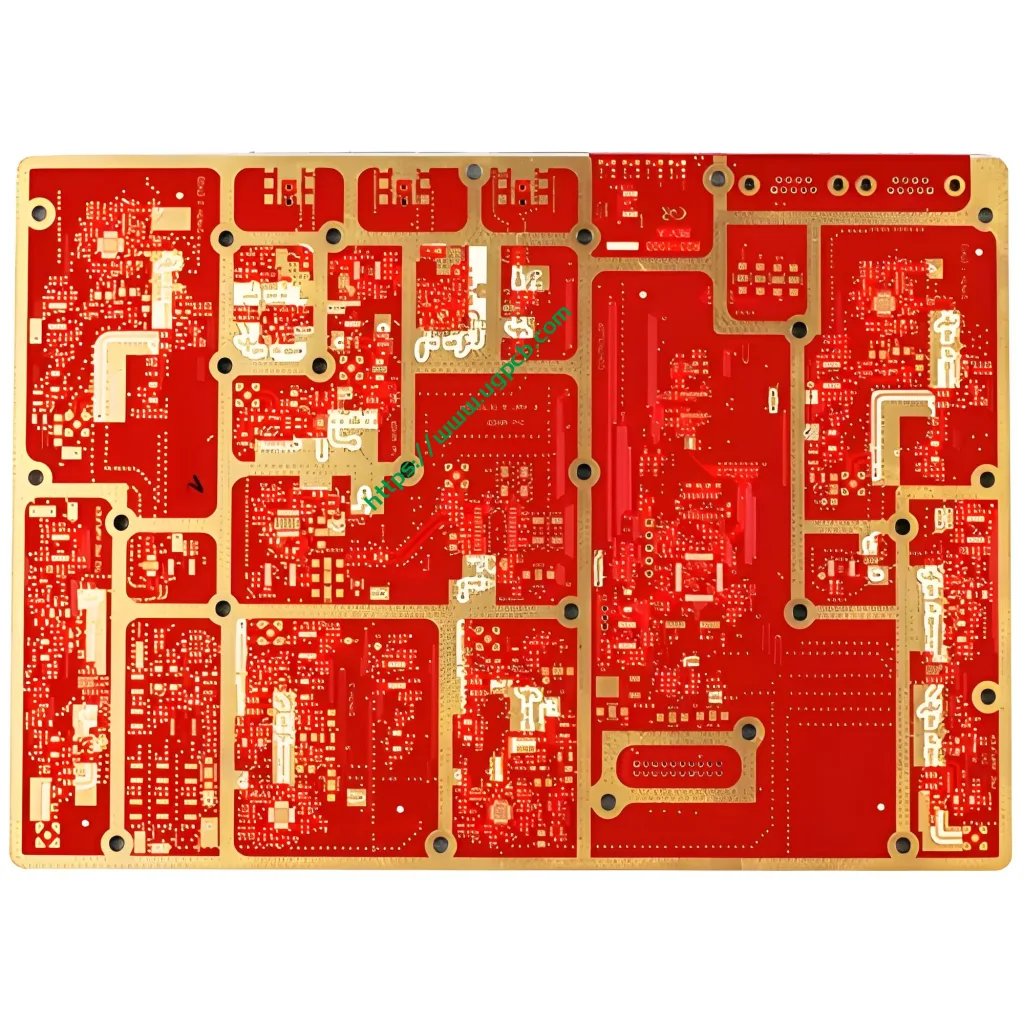
UM PCB híbrido de alta frequência (também chamado placa multicamada dielétrica mista) usa dois ou mais materiais com propriedades dielétricas diferentes em um placa de circuito impresso multicamadas.
Este PCB híbrido de 6 camadas tem o seguinte empilhamento:
| Camada | Função | Material | Parâmetro chave |
|---|---|---|---|
| L1 | Sinal RF | RO4350B (0.2milímetros) | Dk=3,48±0,05@10GHz, Df=0,0037 |
| L2 | Terra de RF | RO4350B | Plano de referência de baixa perda |
| L3 | Digital de alta velocidade | Camada adesiva RO4450™ + FR-4 | Transição, correspondência de impedância |
| L4 | Avião de força | FR-4 | Alta Tg, baixo custo |
| L5 | Sinal digital | FR-4 | Vidro epóxi padrão |
| L6 | Terreno digital | FR-4 | Suporte mecânico e dissipação de calor |
“A construção dielétrica mista reduz significativamente os custos – usando material de alta frequência apenas nas camadas que transportam sinais de RF, e FR-4 para o resto.”
3. Diretrizes de projeto
3.1 Parâmetros Críticos de Materiais
Este produto utiliza Rogers RO4350B (laminado de hidrocarboneto preenchido com cerâmica) e FR-4. Principais especificações do RO4350B (fonte: Ficha técnica de Rogers):
| Parâmetro | Valor típico | Condição de teste | Referência |
|---|---|---|---|
| Processo Dk | 3.48± 0,05 | 10GHz | IPC‑TM‑650 2.5.5.5 |
| Projeto Dk | 3.66 | 10GHz | Correção de rugosidade do cobre |
| Fator de dissipação (Df) | 0.0037 | 10GHz | Aplicações de RF de baixa perda |
| CTE do eixo Z | 32 ppm/℃ | -55℃ a 288 ℃ | Combina com cobre (17 ppm/℃) |
| Condutividade térmica | 0.69 W/m · k | 50℃, ASTM D5470 | Melhor que FR-4 |
| Inflamabilidade | UL 94 V-0 | Padrão UL | Para RF ativa e de alta potência |
Fonte de dados: Folha de dados do laminado Rogers Corporation RO4350B™
3.2 Controle de impedância
O controle de impedância em uma PCB híbrida de 6 camadas é um desafio devido à descontinuidade Dk. Use um solucionador eletromagnético 3D e aplique um fator de correção de rugosidade de cobre (normalmente 1,2–1,5). De acordo com IPC‑2141A, a tolerância de impedância característica para PCBs de RF deve estar dentro de ±7%. UGPCB atinge ±5%.
3.3 Design de empilhamento de laminado (Espessura total 1,6 mm)
- Principal (L1-L2): RO4350B 0,2 mm × 2 = 0,4 mm
- Meio (L3): RO4450™ pré-impregnado 0,1 mm + Núcleo FR-4 0,6 mm = 0,7 mm
- Fundo (L4-L6): Núcleo FR-4 + pré-impregnado = 0,5 mm
- Total: 1.6milímetros
Use uma curva de pressão dinâmica durante a laminação para gerenciar a tensão causada pela incompatibilidade de CTE entre RO4350B e FR-4.
4. Princípio de funcionamento
Integridade do sinal: A perda dielétrica domina a perda de alta frequência. A constante de atenuação média é:
Onde:
- = constante de atenuação dielétrica
- = permissividade relativa (valor do projeto)
- = comprimento de onda do espaço livre
- = fator de dissipação (Df)
RO4350B tem Df = 0.0037 vs.. FR-4 0.020. Isso reduz a perda dielétrica em cerca de 80%, garantindo transmissão de baixa perda de até 30 GHz.
Estabilidade termomecânica: CTE do eixo Z do RO4350B de 32 ppm/℃ corresponde ao cobre (17 ppm/℃) muito melhor que FR-4 (50–70 ppm/℃). Isso melhora o furo passante revestido (PTH) confiabilidade sob ciclagem térmica. Testado de acordo com IPC‑TM‑650 2.6.7, o conselho sobrevive 1000 ciclos de -55°C a 125°C sem delaminação.
5. Aplicações primárias
O PCB híbrido de alta frequência de comunicação de 6 camadas da UGPCB atende cinco áreas principais:
5.1 5Estações Base de Comunicação G (AAU/RRU)
- Bandas de frequência: 28Ondas milimétricas de GHz e 39GHz
- Exigência: Perda de inserção < 0.31 dB/cm@40GHz, manipulação de energia >200 W/m²@38GHz
- Vantagem: A construção híbrida reduz o custo do material em 30-40% vs.. material totalmente de alta frequência

5.2 77Radar automotivo GHz/79 GHz
- Casos de uso: Radar de imagem 4D de direção autônoma, detecção de ponto cego, Controle de cruzeiro adaptativo
- Exigência: Erro de intervalo <0.25m de -40℃ a 125℃, resolução de azimute 0,08°
- Desempenho: IMS 2025 relatório mostra consistência de fase de ±0,8° em toda a faixa de temperatura para módulos de radar híbridos de 77 GHz
5.3 Cargas úteis de comunicação por satélite (Banda da equipe)
- Faixa de frequência: 17.7 - 31 GHz
- Vantagem: 45% redução de peso vs.. substratos cerâmicos, mantendo uma eficiência >85%
5.4 Fibra para casa (FTTH) Equipamento
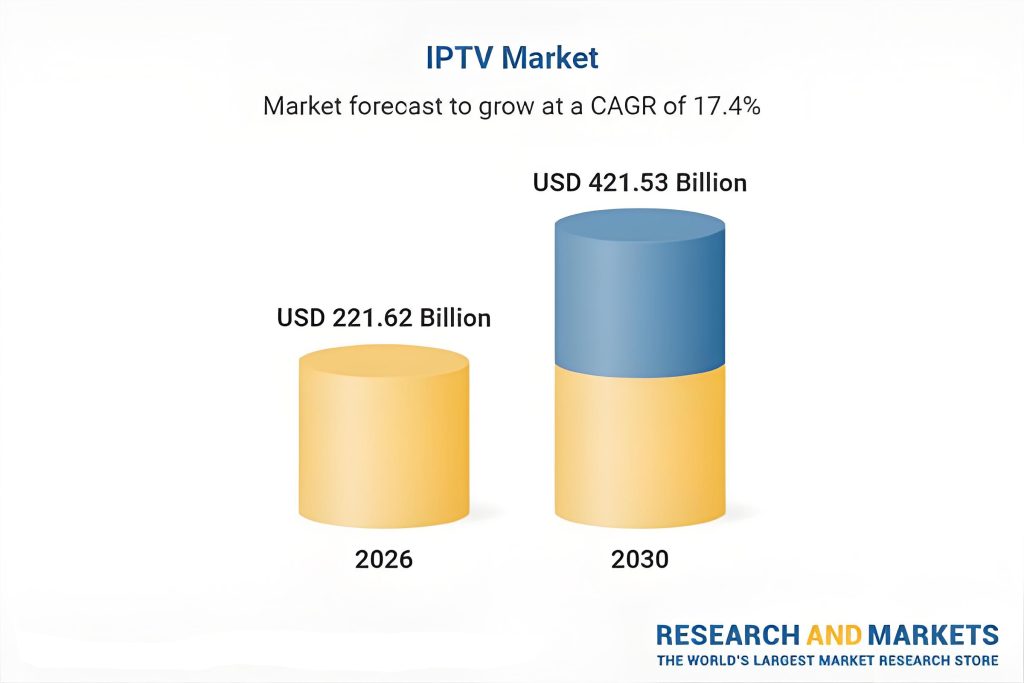
- Tendência do mercado: Mercado global de IPTV de US$ 189,25 bilhões (2025) para US$ 421,53 bilhões (2030), Cagr 17.4%
- Impacto: Largura de banda alta, PCBs de baixa latência são essenciais
5.5 Sistemas digitais de sinais mistos de alta velocidade
- Campos: Imagens médicas, inspeção industrial de alta frequência, terminais de comunicação militar
- Exigência: Coexistir 10+ Sinais digitais de Gbps com sinais de RF na faixa de GHz
6. Classificação Científica (para IPC‑2221)
| Dimensão de Classificação | Categoria | Base |
|---|---|---|
| Sistema de materiais | PCB dielétrico misto | RO4350B + FR-4 |
| Característica de frequência | RF / PCB de microondas | Até 30 GHz |
| Contagem de camadas | 6placa multicamadas de ‑camadas | 6 camadas condutoras |
| Dificuldade técnica | Laminação híbrida HDI | Correspondência de material sem expansão |
| Aplicativo | PCB de comunicação RF | Infraestrutura de telecomunicações |
| Classe de desempenho IPC | Classe IPC‑6012 3 | Equipamento de alta confiabilidade |
7. Materiais em detalhe
7.1 Laminado de alta frequência RO4350B
- Hidrocarboneto reforçado com vidro + enchimento cerâmico
- Dk: 3.48±0,05@10GHz, coeficiente de temperatura ~ -50 ppm/℃ (-50℃ a +150 ℃)
- Df: 0.0037@10GHz
- CTE do eixo Z: 32 ppm/℃ – corresponde ao cobre para confiabilidade do PTH
- Condutividade térmica: 0.69 W/m · k (vs.. FR-4 0,25–0,35)
- UL 94 V-0 – adequado para projetos de RF ativos e de alta potência
- Compatibilidade de processos: Mesmo processamento FR-4; nenhum pré-tratamento especial necessário (ao contrário do PTFE)
7.2 Laminado de vidro epóxi FR‑4
- Tecido de vidro tecido + resina epóxi
- Dk: 4.2–4,8 (1MHz–1GHz), Df: 0.020–0,025
- Custo: 1/5 para 1/10 de RO4350B
7.3 RO4450™ Bondply de alta frequência
- Camada de ligação entre RO4350B e FR‑4
- Dk: 3.52±0,05@10GHz (transição gradiente)
- Df: 0.0040@10GHz
7.4 Acabamento de Superfície ENIG (Ouro de imersão em níquel eletrolítico)
- Espessura do níquel: 3–6μm (Classe IPC‑4552 2)
- Espessura do ouro: 0.05–0,10μm
- Vantagens: Soldabilidade, planicidade, resistência à oxidação, conjunto BGA de passo fino
- Padrão: IPC‑4552
8. Especificações de desempenho
8.1 Desempenho elétrico
| Parâmetro | Valor | Método de teste |
|---|---|---|
| Impedância característica (Camadas RF) | 50Ω±5% (personalizável) | IPC-2141A |
| Dk (Camadas RF @10GHz) | 3.48± 0,05 | IPC‑TM‑650 2.5.5.5 |
| Perda de inserção | 0.31 dB/cm a 40 GHz | Linha de microfita VNA |
| Rigidez dielétrica | ≥40kV/mm | IPC‑TM‑650 2.5.6 |
| Resistência ao isolamento | >10⁹ Ah (condição normal) | IPC‑TM‑650 2.5.17 |
| Suportando tensão | 1000 VDC, 60não há avaria | IPC‑TM‑650 2.5.7 |
8.2 Desempenho Mecânico
| Parâmetro | Valor | Método de teste |
|---|---|---|
| Tolerância de espessura | ± 10% | IPC‑6012 |
| Estabilidade dimensional | <0.3 mm/m | IPC‑TM‑650 2.2.4 |
| Força de casca (1onças de cobre) | ≥1,0 N/mm | IPC‑TM‑650 2.4.8 |
| Resistência à flexão | ≥350MPa | IPC‑TM‑650 2.4.4 |
| Força de retirada da almofada | ≥5,0kg/cm² | IPC‑TM‑650 2.4.21 |
8.3 Desempenho térmico
| Parâmetro | Valor | Método de teste |
|---|---|---|
| Tg (Área FR-4) | ≥150℃ (TG150) | IPC‑TM‑650 2.4.25 |
| Estresse térmico | 288℃, 10s × 5 ciclos | IPC‑TM‑650 2.4.13 |
| Ciclismo térmico | -55℃ ↔ 125 ℃, 1000 ciclos, Sem delaminação | IPC‑TM‑650 2.6.7 |
| Refluxo sem chumbo | 260℃, 5 ciclos | IPC/JEDEC J-STD-020 |
| Nível de sensibilidade à umidade | MSL 1 | IPC/JEDEC J-STD-020 |
8.4 Certificações de confiabilidade
- Classe IPC‑6012 3 – equipamentos de alta confiabilidade
- IPC‑6018B – qualificação para alta frequência (microondas) PCB
- UL 94 V-0
- MIL‑PRF‑31032 - 1000 ciclos térmicos de -55°C a 125°C
100% teste elétrico da sonda voadora + AOI. O produto final atende à classe IPC‑A‑600 3.
9. Características estruturais
Construção híbrida assimétrica de 6 camadas:
- L1-L2 (RO4350B): Front-end de RF (PA, LNA, filtros) – zona crítica de integridade do sinal
- L3 (transição): Correspondência de impedância e mudança de camada de sinal – isola RF de sinal digital de alta velocidade
- L4-L6 (FR-4): Gerenciamento de energia, controle digital, suporte mecânico – circuitos convencionais de baixo custo
Acabamento ENIG: Superfície plana garante controle de impedância consistente. Suporta BGA, QFN, pacotes de pitch fino. A camada de ouro protege o cobre e garante a soldabilidade após longo armazenamento.
Perfuração de precisão & PTH: Diâmetro mínimo do furo mecânico 0,25 mm (Microvias HDI de até 0,1 mm disponíveis). Espessura do cobre do furo ≥20μm (Classe IPC 3). Tratamento de plasma com diferentes misturas de gases para camadas RO4350B e FR‑4.
10. Fluxo do Processo de Fabricação
18 etapas principais:
① IQC → ② Imagem da camada interna (RF e digital separadamente) → ③ Óxido marrom → ④ Ativação de plasma pré-laminação → ⑤ Laminação híbrida → ⑥ Laminação de alta pressão (curva de pressão dinâmica) → ⑦ Perfuração com alvo de raios X → ⑧ Perfuração mecânica (0.25mm min) → ⑨ Desmearecimento de plasma (ciclo duplo) → ⑩ Cobre sem eletricidade → ⑪ Imagem da camada externa → ⑫ Revestimento de padrão (cobre + estanho) → ⑬ Gravura da camada externa (tira de estanho) → ⑭ AOI → ⑮ Máscara de solda → ⑯ ENIG → ⑰ Teste elétrico → ⑱ Inspeção final/embalagem
Detalhes críticos do processo:
- Plasma pré-laminação (etapa 4): CF₄‑N₂‑O₂ para FR‑4; hélio (Ele) para RO4350B
- Curva de laminação (etapa 6): Pressão dinâmica – FR‑4 cura primeiro (~180°C), então a pressão e a temperatura aumentam para> 200 ℃ para RO4350B
- Perfuração (etapa 8): O avanço escalonado e o gerenciamento da vida útil da ferramenta lidam com a diferença de dureza
- Desmear & PTH (etapas 9 a 10): Processo de ciclo duplo devido a diferentes comportamentos químicos; furo de cobre ≥20μm
11. Vantagens Competitivas
Equilíbrio custo-desempenho: Custos de material de 6 camadas All-RO4350B >$200/m². Híbrido usa RO4350B apenas em 25% de espessura →30-40% de redução de custos de material.
Confiabilidade: RO4350B Eixo Z CTE = 32 ppm/℃ corresponde ao cobre (17 ppm/℃). O FR‑4 completo tem 50‑70 ppm/℃. Híbrido reduz o estresse do PTH. Passes 1000 ciclos -55℃ a 125℃ (IPC‑TM‑650 2.6.7).
Estabilidade dimensional: CTE baixo reduz empenamento, melhora o rendimento SMT.
| Direção | RO4350B CTE | FR-4 CTE (típico) |
|---|---|---|
| Eixo X | 10 ppm/℃ | 14 ppm/℃ |
| Eixo Y | 12 ppm/℃ | 16 ppm/℃ |
| Eixo Z | 32 ppm/℃ | 50-70 ppm/℃ |
Contra. PTFE completo (por exemplo, Rogers RT/Duroid):
| Recurso | Híbrido RO4350B+FR‑4 | PTFE completo |
|---|---|---|
| Compatibilidade de processos | Linha FR‑4 padrão | Equipamento especial & tratamento |
| Metalização PTH | Padrão | Naftaleno de sódio ou plasma |
| Estabilidade dimensional | Excelente (vidro reforçado) | Pobre, fluxos |
| Custo | 30-50% menor | Alto |
12. Resumo & Orientação para consulta
A PCB híbrida de alta frequência de comunicação de 6 camadas da UGPCB é a interconexão ideal para sistemas de sinal misto digital/RF. Atende estações base 5G, cargas úteis de banda Ka de satélite, 77Radar automotivo GHz, e aplicações digitais de alta velocidade. Colocando o RO4350B apenas nas camadas críticas de RF, alcançamos o desempenho ideal a um custo significativamente menor.
Recapitulação dos principais dados:
✅ Dk = 3.48 ± 0.05 @10GHz (Oficial de Rogers)
✅ Df = 0.0037 @10GHz
✅ Eixo Z CTE = 32 ppm/℃ (combina com cobre)
✅ Perda de inserção ≤ 0.31 dB/cm a 40 GHz (IPC‑6018B verificado)
✅30-40% de redução de custos de material vs.. material totalmente de alta frequência
✅ Passes 1000 ciclos térmicos -55℃ ↔ 125℃
Oferta de prototipagem por tempo limitado
📩 Obtenha seu orçamento personalizado e proposta técnica
UGPCB oferece um 7-serviço de entrega rápida em dias úteis para 4 a 10 camadas PCBs híbridos. Nós fornecemos análise DFM gratuita.
👉 Envie seus arquivos Gerber e design de empilhamento para nosso e-mail de suporte técnico. Responderemos com uma avaliação técnica e um orçamento preciso dentro 4 horas.
UGPCB – Seu fabricante confiável de PCB híbrida de alta frequência. Do protótipo à produção em massa, fornecemos soluções dielétricas mistas de 6 camadas completas para acelerar seus produtos de radar 5G e de ondas milimétricas.
*Fontes de dados: Folha de dados do RO4350B™ da Rogers Corporation, Padrões IPC‑6012D/6018B, Métodos de teste IPC‑TM‑650, GSMA 2026 perspectivas de telecomunicações, IMS 2025 Relatório técnico do Simpósio Internacional de Microondas.*