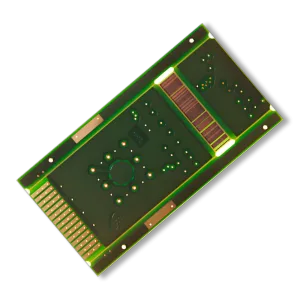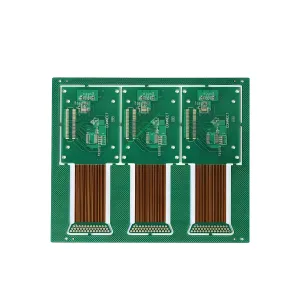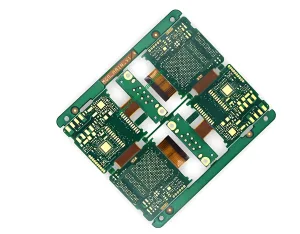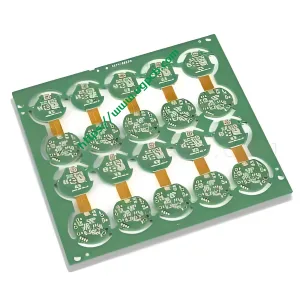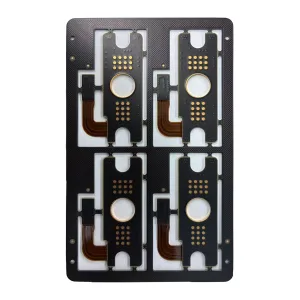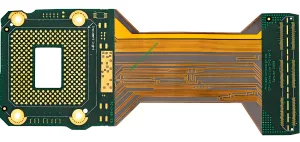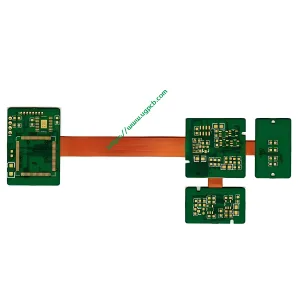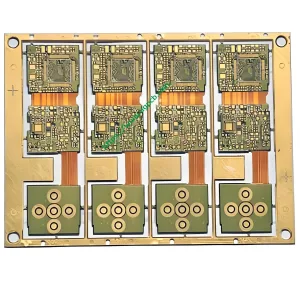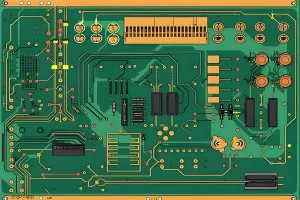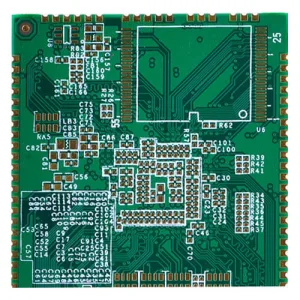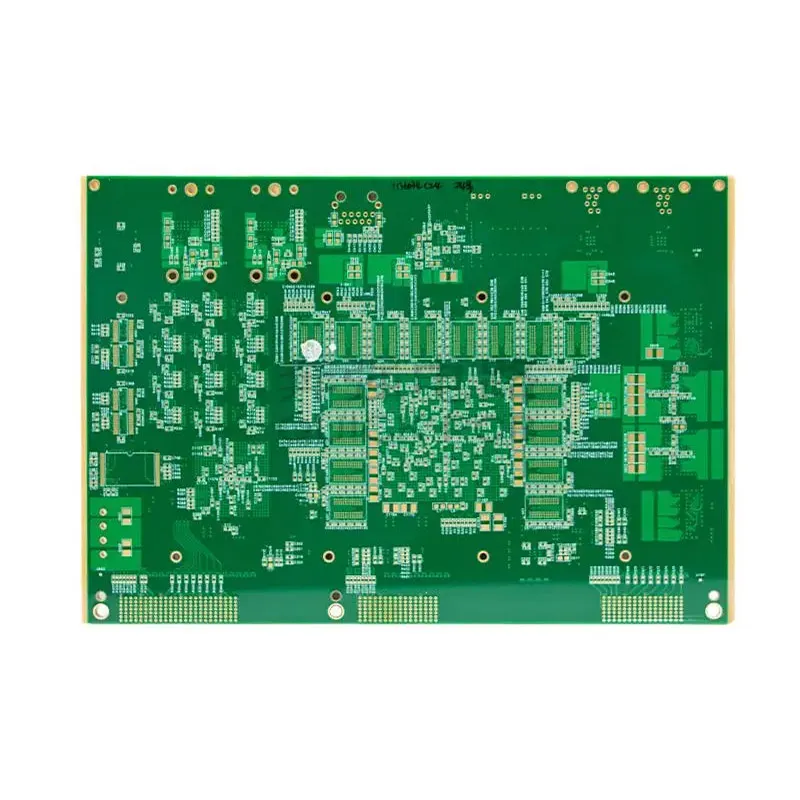
ภาพรวมผลิตภัณฑ์: PCB แบบแข็ง-Flex คืออะไร?
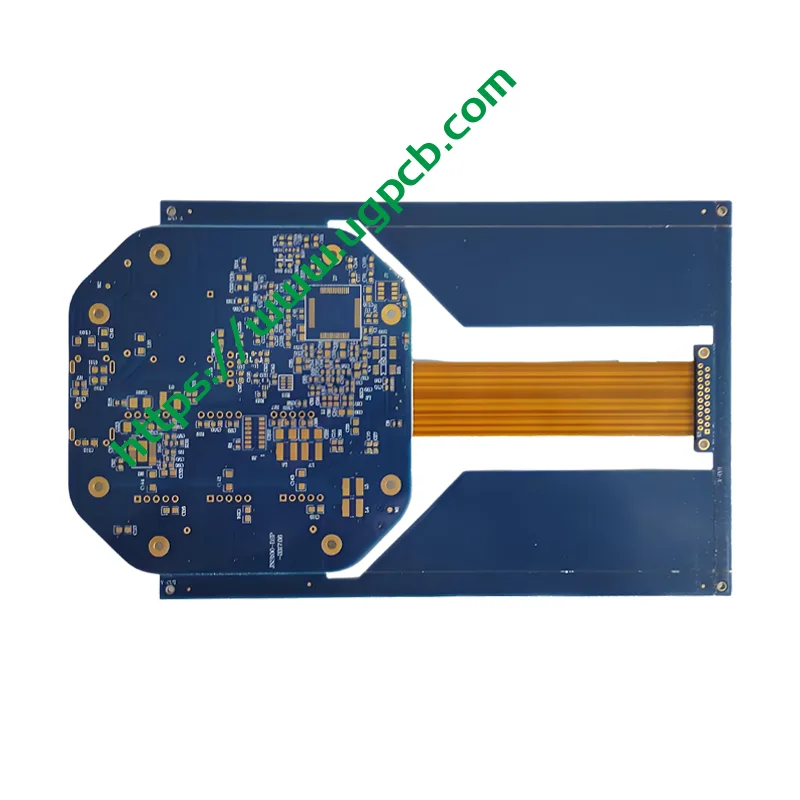
ผลิตภัณฑ์อิเล็กทรอนิกส์สมัยใหม่ต้องการการออกแบบที่มีน้ำหนักเบา, มัลติฟังก์ชั่น, และมีความน่าเชื่อถือสูง. วิศวกรต้องเผชิญกับความท้าทายร่วมกัน: วิธีการใช้วงจรที่ซับซ้อนภายในพื้นที่จำกัด ในขณะเดียวกันก็รับประกันความน่าเชื่อถือทางกลไกและความสมบูรณ์ของสัญญาณ. Blue Solder Mask 4-Layer Rigid-Flex PCB ของ UGPCB ช่วยแก้ปัญหานี้. นำเสนอโซลูชันการเชื่อมต่อระหว่างกันที่มีการบูรณาการสูง.
Rigid-Flex PCB ผสมผสานวัสดุแผงวงจรแข็งเข้ากับวัสดุวงจรที่ยืดหยุ่นผ่านกระบวนการเคลือบที่มีความแม่นยำ. อ้างอิงจาก IPC-2223 (มาตรฐานการออกแบบแบบตัดขวางสำหรับบอร์ดพิมพ์แบบยืดหยุ่น/แข็ง-ยืดหยุ่น) และไอพีซี-6013 (ข้อกำหนดคุณสมบัติและประสิทธิภาพสำหรับบอร์ดพิมพ์แบบยืดหยุ่นและแบบแข็งและยืดหยุ่น), Rigid-Flex PCB มีคุณสมบัติที่กำหนดสามประการ: วัสดุแข็งและยืดหยุ่นเข้าด้วยกัน, ชั้นสื่อกระแสไฟฟ้าตั้งแต่สามชั้นขึ้นไป, และชุบเป็นรู. มาตรฐาน IPC แบ่งประเภท PCB แบบแข็งเป็น พิมพ์ 4.
Blue Solder Mask 4-Layer Rigid-Flex PCB ของ UGPCB ใช้ลามิเนตแก้วอีพ็อกซี่ FR-4 ในพื้นที่แข็งและโพลีอิไมด์ (PI) ฟิล์มในบริเวณที่ยืดหยุ่น. กระบวนการเคลือบแบบรวมศูนย์จะประสานวัสดุเหล่านี้ได้อย่างลงตัว, การสร้างโครงสร้างที่ยังคงความแข็งแกร่งเมื่อจำเป็นและโค้งงอเมื่อจำเป็น.
ข้อมูลจำเพาะของผลิตภัณฑ์และพารามิเตอร์ทางเทคนิค
ตารางต่อไปนี้แสดงรายการข้อกำหนดทางเทคนิคหลักของ Blue Solder Mask 4-Layer Rigid-Flex PCB ของ UGPCB.
| พารามิเตอร์ | ข้อมูลจำเพาะ |
|---|---|
| รุ่นสินค้า | Blue Solder Mask PCB แบบแข็ง (R-FPCB) |
| การผสมผสานวัสดุ | FR-4 + PI |
| จำนวนเลเยอร์ | 4 เลเยอร์ |
| สีหน้ากากประสาน | สีฟ้า / สีขาว |
| ความหนาสำเร็จรูป | 0.6 มม |
| ความหนาของทองแดง | 0.025 มม (ประมาณ. 0.7 ออนซ์) |
| การรักษาพื้นผิว | ทองแช่ (เห็นด้วย) |
| ความกว้างบรรทัดขั้นต่ำ / ระยะห่าง | 0.1 มม |
| แอปพลิเคชัน | อุปกรณ์สื่อสารดิจิทัล |
โดยทั่วไปความหนาของส่วนที่แข็งของ FR-4 จะอยู่ในช่วงตั้งแต่ 0.2 มม. ถึง 1.6 มม. ซึ่งให้การสนับสนุนทางกลที่มั่นคงสำหรับการติดตั้งส่วนประกอบ. ความหนาของส่วนที่ยืดหยุ่นของ PI มีตั้งแต่ 0.025 มม. ถึง 0.1 มม. สิ่งนี้ทำให้สามารถใช้งานฟังก์ชันการเชื่อมต่อระหว่างกันแบบโค้งงอได้.
คำจำกัดความของผลิตภัณฑ์: โครงสร้างความแม่นยำในการเชื่อมต่อระหว่างกันแบบรวม
จากมุมมองของคำจำกัดความเชิงโครงสร้าง, Rigid-Flex PCB ของ UGPCB ผสมผสานวงจรพิมพ์ที่มีความยืดหยุ่น (FPC) ด้วยแผงวงจรพิมพ์ที่แข็งแกร่ง (พีซีบี) ผ่านการเคลือบ. สิ่งนี้จะสร้างบอร์ดที่แสดงทั้งคุณลักษณะ FPC และ PCB. พื้นที่แข็งตัว (ส่วน FR-4) ให้การสนับสนุนทางกลและแพลตฟอร์มการจัดวางส่วนประกอบ. พื้นที่ที่มีความยืดหยุ่น (ส่วนพีไอ) เชื่อมต่อส่วนที่แข็งเข้าด้วยกัน. นอกจากนี้ยังช่วยให้ PCB โค้งงอและงอได้, เปิดใช้งานการกำหนดค่าเชิงพื้นที่ 3 มิติและสถาปัตยกรรมการเชื่อมต่อระหว่างกันสามมิติ.
Rigid-Flex PCB ของ UGPCB ผลิตขึ้นเป็นยูนิตรวมเดี่ยว, แตกต่างจากสิ่งที่แนบมาทำให้แข็งธรรมดาบนกระดานที่มีความยืดหยุ่น. ส่วนที่แข็งและยืดหยุ่นมีชั้นทองแดงเหมือนกัน. กระบวนการเคลือบที่มีความแม่นยำจะเชื่อมชั้นเหล่านี้เข้าด้วยกัน, โดยมีรอยทองแดงขยายอย่างต่อเนื่องจากส่วนที่แข็งไปสู่ส่วนที่ยืดหยุ่น. การออกแบบชิ้นเดียวนี้ให้ความต่อเนื่องทางไฟฟ้าและความน่าเชื่อถือทางกลไกที่ไม่มีใครเทียบได้กับโซลูชันตัวเชื่อมต่อหรือสายเคเบิลใดๆ.
การจำแนกประเภทผลิตภัณฑ์: ระบบการจำแนกประเภททางวิทยาศาสตร์สำหรับ PCB แบบยืดหยุ่น
มาตรฐาน IPC-2223 กำหนดระบบการจำแนกประเภทหลายมิติสำหรับ PCB แบบแข็ง.
ตามประเภทโครงสร้าง
-
พิมพ์ 1: พื้นที่ยืดหยุ่นด้านเดียว + พื้นที่แข็งด้านเดียว
-
พิมพ์ 2: พื้นที่ยืดหยุ่นสองด้าน + พื้นที่แข็งสองด้าน
-
พิมพ์ 3: พื้นที่ยืดหยุ่นหลายชั้น + พื้นที่แข็งหลายชั้น
-
พิมพ์ 4: โครงสร้างคอมโพสิตแบบแข็งและยืดหยุ่นหลายชั้น (ผลิตภัณฑ์ของ UGPCB จัดอยู่ในหมวดหมู่นี้)
โดยการนับเลเยอร์
-
2-4 ชั้น (สินค้าของ UGPCB มี 4 ชั้น, อยู่ในหมวดหมู่นี้)
-
6-8 ชั้น
-
10+ ชั้นสำหรับการใช้งานที่มีความหนาแน่นสูง
ตามสถานการณ์การใช้งาน
-
การดัดแบบคงที่: บอร์ดงอหนึ่งครั้งระหว่างการติดตั้ง และไม่งอซ้ำๆ ระหว่างการใช้งาน
-
การดัดงอแบบไดนามิก: บอร์ดจะงอซ้ำๆ ระหว่างการทำงานของอุปกรณ์, เช่นในโทรศัพท์จอพับได้
-
การติดตั้งคงที่: พื้นที่เข้มงวดรองรับการทำงานหลัก ในขณะที่พื้นที่ยืดหยุ่นรองรับความต้องการการเชื่อมต่อภายใน
Blue Solder Mask 4-Layer Rigid-Flex PCB ของ UGPCB เป็นของ Type 4 โครงสร้างคอมโพสิตหลายชั้น. โดยส่วนใหญ่จะรองรับสถานการณ์การดัดแบบคงที่และการดัดแบบคงที่ในอุปกรณ์ดิจิทัลการสื่อสาร.
วัสดุ: FR-4 และ PI – การรวมกันสีทอง
การเลือกวัสดุเป็นรากฐานของการออกแบบ PCB แบบแข็ง. มันส่งผลโดยตรงต่อความน่าเชื่อถือทางกล, ประสิทธิภาพความร้อน, และคุณสมบัติไฟฟ้า. Blue Solder Mask 4-Layer Rigid-Flex PCB ของ UGPCB ใช้ FR-4 แบบคลาสสิก + การรวมกันของวัสดุ PI.
วัสดุพื้นที่แข็ง: FR-4
ลามิเนตผ้าแก้วอีพ็อกซี่ FR-4 ทำหน้าที่เป็นวัสดุพื้นที่แข็ง. ข้อเสนอคอมโพสิตอีพอกซีที่ทนไฟนี้:
-
ความแข็งแรงทางกลสูง – FR-4 ให้การสนับสนุนทางกลที่มั่นคงสำหรับส่วนประกอบที่มีความแม่นยำ เช่น IC และแบตเตอรี่
-
ฉนวนไฟฟ้าที่ดีเยี่ยม – ค่าคงที่ไดอิเล็กทริก (ดีเค) มีตั้งแต่ 4.2 ถึง 4.7, เป็นไปตามข้อกำหนดการส่งสัญญาณมาตรฐาน
-
ความคุ้มค่า – FR-4 เป็นวัสดุพื้นผิวที่ใช้กันอย่างแพร่หลายและเติบโตเต็มที่ในอุตสาหกรรม PCB ที่เข้มงวด
-
ความเข้ากันได้ของกระบวนการ – FR-4 ทำงานได้อย่างราบรื่นกับกระบวนการผลิต PCB มาตรฐาน
วัสดุพื้นที่ยืดหยุ่น: โพลีอิมด์ (PI)
ฟิล์มโพลีอิไมด์ทำหน้าที่เป็นวัสดุบริเวณที่มีความยืดหยุ่น. นี่เป็นวัสดุฉนวนเทอร์โมเซตติงทั่วไปที่ใช้ในการผลิตวงจรแบบยืดหยุ่น. โดยทั่วไปจะมีความหนาตั้งแต่ 12.5 ไมโครเมตรถึง 125 μm. ผลิตภัณฑ์ของ UGPCB ใช้ความหนาของฟิล์ม PI ระหว่าง 0.025 มม. และ 0.1 มม.
วัสดุ PI มีคุณสมบัติที่โดดเด่น:
-
ความต้านทานความร้อนสูง – ทนทานต่ออุณหภูมิการบัดกรีไร้สารตะกั่วที่สูงกว่า 260°C
-
มีความยืดหยุ่นดีเยี่ยม -รอดไปได้ 100,000 รอบการดัดงอโดยไม่แตกหัก
-
ฉนวนที่เหนือกว่า – ป้องกันการลัดวงจรได้อย่างมีประสิทธิภาพ
-
ประสิทธิภาพอิเล็กทริกที่เสถียร – ค่าคงที่ไดอิเล็กทริกโดยประมาณ 3.4 ถึง 3.5
การเลือกฟอยล์ทองแดง
การใช้ผลิตภัณฑ์ของ UGPCB 0.025 ความหนาของฟอยล์ทองแดง มม. ในกลยุทธ์การเลือกใช้วัสดุ, โดยทั่วไปจะใช้พื้นที่ยืดหยุ่น รีดอบอ่อน (RA) ทองแดง เนื่องจากมีความเหนียวที่เหนือกว่า. ทนทานต่อการแตกหักระหว่างการดัดงอ. การใช้พื้นที่ที่เข้มงวด ขั้วไฟฟ้า (เอ็ด) ทองแดง เพื่อตอบสนองความต้องการด้านการนำไฟฟ้าและความแข็งแรงทางกล. การเลือกวัสดุเฉพาะโซนนี้รับประกันความน่าเชื่อถือในพื้นที่ที่โค้งงอได้และประสิทธิภาพทางไฟฟ้าในพื้นที่แข็ง.
วัสดุกาวและสารยึดเกาะ
การยึดติดระหว่างชั้นแข็งและชั้นยืดหยุ่นขึ้นอยู่กับกาวอะคริลิกหรืออีพอกซี. สิ่งเหล่านี้จะต้องให้ความแข็งแรงพันธะและความยืดหยุ่นที่เพียงพอเพื่อป้องกันการหลุดออกระหว่างการโค้งงอหรือการหมุนรอบด้วยความร้อน. UGPCB ใช้กระบวนการติดกาวที่มีความแม่นยำสูง. ความสม่ำเสมอของความหนาของฟิล์มถูกควบคุมภายในพิกัดความเผื่อ ≤5 μm, รับประกันคุณภาพการเคลือบที่สม่ำเสมอ.
แนวทางการออกแบบ: หลักการทางวิศวกรรมตามมาตรฐาน IPC
การออกแบบ PCB แบบแข็งมีความซับซ้อนมากกว่าการออกแบบ PCB แบบแข็งมาก. ต้องเป็นไปตามข้อกำหนดทางกลและไฟฟ้าสำหรับทั้งส่วนที่แข็งและยืดหยุ่น. แนวทางการออกแบบต่อไปนี้อิงตาม IPC-2223.
การออกแบบรัศมีโค้ง
รัศมีการโค้งงอเป็นพารามิเตอร์ทางกลที่สำคัญที่สุดในการออกแบบ PCB แบบแข็ง. อ้างอิงจาก IPC-2223:
-
การดัดแบบคงที่: รัศมีโค้งงอขั้นต่ำควรเป็น 6 ถึง 12 คูณด้วยความหนาของชั้นยืดหยุ่นทั้งหมด
-
การดัดงอแบบไดนามิก: รัศมีโค้งงอขั้นต่ำต้องเกิน 100 คูณด้วยความหนาของชั้นที่ยืดหยุ่นเพื่อให้ได้อายุการใช้งานการดัดงอแบบไดนามิกที่เกินกว่า 1 ล้านรอบ
สูตรรัศมีโค้งงอคือ: R_นาที = k × เสื้อ
ที่ไหน:
-
R_min = รัศมีโค้งต่ำสุด
-
t = ความหนาของชั้นยืดหยุ่นทั้งหมด (ฟอยล์ทองแดง + สารตั้งต้น PI)
-
k = ปัจจัยด้านความปลอดภัย (6-12 สำหรับการดัดแบบคงที่, 100 สำหรับการดัดงอแบบไดนามิก)
ตัวอย่างเช่น, หากพื้นที่ยืดหยุ่นมีความหนาของสารตั้งต้น PI 25 μm และความหนาของทองแดง 12 μm, รัศมีขั้นต่ำของการดัดงอแบบไดนามิกควรเป็น ≥ 3.7 มม.
การควบคุมความต้านทานและความสมบูรณ์ของสัญญาณ
การจับคู่อิมพีแดนซ์เป็นสิ่งสำคัญสำหรับความถี่สูง, แอพพลิเคชั่นความเร็วสูง. Rigid-Flex PCB ของ UGPCB ประสบความสำเร็จ ความทนทานต่อความต้านทานควบคุมภายใน ± 5% . ความสัมพันธ์ระหว่างความเร็วในการส่งสัญญาณและค่าคงที่ไดอิเล็กตริกเป็นไปตามสูตรนี้:
วี = ค / √εr
ที่ไหน:
-
v = ความเร็วในการส่งสัญญาณ
-
c = ความเร็วแสงในสุญญากาศ (ประมาณ 3×10⁸ m/s)
-
εr = ค่าคงที่ไดอิเล็กตริก
วัสดุ PI มีค่าคงที่ไดอิเล็กตริกอยู่รอบๆ 3.5. ความเร็วในการส่งสัญญาณอยู่ที่ประมาณ 1.6×10⁸ m/s, เหมาะสำหรับการใช้งานความถี่สูงทั่วไป.
การออกแบบโซนเปลี่ยนผ่าน
มีเขตกันชนอย่างน้อย 1.5 ต้องสงวนไว้ มม. ที่ทางแยกระหว่างพื้นที่แข็งและยืดหยุ่นเพื่อหลีกเลี่ยงความเข้มข้นของความเครียด. ส่วนปลายของรางควรมีแผ่นรูปหยดน้ำเพื่อกระจายแรงเค้นสูงสุด. ความกว้างของช่องเปิดฝาครอบในบริเวณดัดงอควรเกินความยาวส่วนโค้งงอเพื่อป้องกันฟิล์มย่น.
หลักการกำหนดเส้นทาง
ร่องรอยในพื้นที่ยืดหยุ่นต้องมีการกระจายอย่างสม่ำเสมอและไม่ควรหนาแน่นเกินไป. ทุกมุมควรได้รับการออกแบบให้มีส่วนโค้ง (รัศมี ≥ 0.2 มม) เพื่อลดความเข้มข้นของความเครียด. ทิศทางการกำหนดเส้นทางควรตั้งฉากกับแกนดัดทุกครั้งที่เป็นไปได้. ซึ่งช่วยลดความเครียดได้ถึง 30%.
หลักการทำงาน: การส่งสัญญาณและฟังก์ชันทางกล
หลักการทำงานของ Rigid-Flex PCB สามารถเข้าใจได้จากสองมุมมอง: การส่งสัญญาณไฟฟ้าและฟังก์ชันโครงสร้างทางกล.
หลักการทำงานของไฟฟ้า
Rigid-Flex PCB ทำหน้าที่เป็นโครงสร้างเชื่อมต่อหลายชั้น. วัตถุประสงค์หลักคือเพื่อให้สามารถเชื่อมต่อไฟฟ้าระหว่างพื้นที่ต่างๆ ของแผงวงจรได้. วงจรในพื้นที่แข็งเกร็งจะทำให้เกิดความต่อเนื่องทางไฟฟ้าโดยวงจรในพื้นที่ยืดหยุ่นผ่านการชุบผ่านรู (พท). สัญญาณส่งได้อย่างราบรื่นระหว่างชั้นแข็ง FR-4 และชั้นยืดหยุ่น PI. เพราะทั้งระบบถูกผลิตขึ้นเป็นหน่วยบูรณาการ, การส่งสัญญาณไม่จำเป็นต้องใช้ตัวเชื่อมต่อหรือสายเคเบิล. ความสมบูรณ์ของสัญญาณจะถูกรักษาไว้ดีกว่าในสถานการณ์การส่งสัญญาณความเร็วสูงด้วยการจับคู่อิมพีแดนซ์ที่เหมาะสม.
หลักการทำงานของเครื่องกล
ในส่วนของโครงสร้างทางกล, พื้นที่แข็งทำให้มีแท่นยึดส่วนประกอบคงที่และส่วนรองรับทางกล. ช่วยให้มั่นใจได้ถึงการวางตำแหน่งชิ้นส่วนอิเล็กทรอนิกส์ภายในอุปกรณ์อย่างมั่นคง. พื้นที่ยืดหยุ่นทำหน้าที่เป็นสะพานเชื่อมระหว่างพื้นที่แข็งต่างๆ. นอกจากนี้ยังช่วยให้ระบบ PCB ทั้งหมดโค้งงอและพับในพื้นที่สามมิติได้, ปรับให้เข้ากับรูปแบบอุปกรณ์ภายในที่มีขนาดกะทัดรัด.
หลักกระบวนการเคลือบ
แกนหลักของเทคโนโลยี Rigid-Flex PCB อยู่ที่กระบวนการเคลือบ. พื้นผิวแข็ง (FR-4), พื้นผิวที่ยืดหยุ่น (PI), และพรีเพก (ฟิล์มยึดติดอีพอกซีเรซิน) ถูกอัดเข้าด้วยกันภายใต้อุณหภูมิสูงและแรงดันสูง. อุณหภูมิการเคลือบจะถูกควบคุมที่ 170-180°C, ความดันที่ 2-3 MPa, และระยะเวลาที่ 60-90 นาที. หลังการเคลือบ, PCB ผ่านการอบเพื่อบรรเทาความเครียดที่อุณหภูมิ 120°C เป็นเวลา 2 ชั่วโมง. ซึ่งจะช่วยคลายความเครียดภายในและป้องกันการบิดเบี้ยวระหว่างการประมวลผลในภายหลัง.
คุณสมบัติผลิตภัณฑ์: ข้อดีหลักสิบประการของ PCB แบบแข็ง
Blue Solder Mask 4 ชั้น Rigid-Flex PCB ของ UGPCB ผสมผสานข้อดีของ PCB แบบแข็งและ FPC แบบยืดหยุ่นเข้าด้วยกัน. มันมีคุณสมบัติหลักสิบประการต่อไปนี้:
-
ประหยัดพื้นที่ – Rigid-Flex PCB เข้ามาแทนที่บอร์ดแบบแข็งแบบเดิม + ขั้วต่อ + ชุดสายเคเบิล. พวกเขาลดน้ำหนักด้วย 60-75% เมื่อเทียบกับกระดานแข็ง + โซลูชั่นเคเบิล. เค้าโครง 3 มิติช่วยให้วงจรซับซ้อนมากขึ้นภายในพื้นที่จำกัด.
-
ปรับปรุงความน่าเชื่อถือในการเชื่อมต่อ – การถอดตัวเชื่อมต่อและสายเคเบิลระหว่างบอร์ดกับบอร์ดช่วยลดจุดที่เกิดข้อผิดพลาดทั่วไป (ปัญหาการติดต่อของตัวเชื่อมต่อ). สิ่งนี้ช่วยปรับปรุงความน่าเชื่อถือของระบบได้อย่างมาก.
-
การประกอบแบบง่าย – ส่วนประกอบและขั้นตอนการประกอบน้อยลงช่วยลดต้นทุนการประกอบด้วย 15-25% เมื่อเทียบกับกระดานแข็งแบบดั้งเดิม + การออกแบบชุดสายไฟ.
-
ทนต่อการสั่นสะเทือนและแรงกระแทกได้ดีเยี่ยม – ส่วนที่ยืดหยุ่นสามารถดูดซับและกระจายความเครียดทางกลได้อย่างมีประสิทธิภาพ, ป้องกันการแตกหักของการเชื่อมต่อที่เกิดจากการสั่นสะเทือน.
-
ความสมบูรณ์ของสัญญาณที่เหนือกว่า – ไม่มีขั้วต่อและสายเคเบิล, การส่งสัญญาณมีการจับคู่อิมพีแดนซ์ที่ดีกว่าและการสะท้อนสัญญาณน้อยลง.
-
3D ความสามารถในการประกอบ – กระดานสามารถโค้งงอได้, พับ, และม้วน, ปรับให้เข้ากับข้อกำหนดการกำหนดค่าเชิงพื้นที่ 3D ที่ซับซ้อนต่างๆ.
-
ทนต่ออุณหภูมิสูง – วัสดุ PI ทนทานต่ออุณหภูมิการบัดกรีไร้สารตะกั่วที่สูงกว่า 260°C.
-
สีหน้ากากประสานที่ปรับแต่งได้ – ตัวเลือกหน้ากากประสานสีน้ำเงิน/ขาวตอบสนองความต้องการการใช้งานที่แตกต่างกันสำหรับการระบุตัวตนด้วยภาพและการจัดการแสง.
-
การออกแบบโปรไฟล์ที่บาง – เฉพาะความหนาที่เสร็จแล้วเท่านั้น 0.6 มม, เหมาะสำหรับน้ำหนักเบา, ผลิตภัณฑ์อิเล็กทรอนิกส์บาง ๆ.
-
การผลิตที่มีความแม่นยำสูง – ความกว้าง/ระยะห่างของเส้นขั้นต่ำ 0.1 มม, ตอบสนองความต้องการการเชื่อมต่อระหว่างกันที่มีความหนาแน่นสูง.
โครงสร้างผลิตภัณฑ์: การวิเคราะห์การซ้อนชั้นของ PCB แบบแข็ง 4 ชั้น
โครงสร้างการซ้อนเลเยอร์ทั่วไปของ Blue Solder Mask 4-Layer Rigid-Flex PCB ของ UGPCB (จากบนลงล่าง) เป็นดังนี้:
-
หน้ากากประสานยอดนิยม: หมึกหน้ากากประสานสีน้ำเงิน, ปกป้องวงจรด้านบนและป้องกันการเกิดออกซิเดชัน
-
เลเยอร์วงจรด้านบน (L1) : ความหนาของทองแดง 0.025 มม
-
ฉนวนชั้นอิเล็กทริก: อีพอกซีเรซิน FR-4 (พื้นที่แข็ง) / หนังพีไอ (พื้นที่ยืดหยุ่น)
-
เลเยอร์วงจรภายใน (L2) : ความหนาของทองแดง 0.025 มม
-
ชั้นแกนฉนวน: อีพอกซีเรซิน FR-4 / หนังพีไอ
-
เลเยอร์วงจรภายใน (L3) : ความหนาของทองแดง 0.025 มม
-
ฉนวนชั้นอิเล็กทริก: อีพอกซีเรซิน FR-4 (พื้นที่แข็ง) / หนังพีไอ (พื้นที่ยืดหยุ่น)
-
เลเยอร์วงจรด้านล่าง (L4) : ความหนาของทองแดง 0.025 มม
-
หน้ากากประสานด้านล่าง: หมึกหน้ากากประสานสีน้ำเงิน/ขาว
-
การรักษาพื้นผิว: ทองแช่ (เห็นด้วย)
รอยทองแดงในบริเวณที่แข็งและยืดหยุ่นขยายออกไปอย่างต่อเนื่อง. พวกเขาบรรลุการเชื่อมต่อไฟฟ้าที่ไร้รอยต่อในโซนการเปลี่ยนผ่านแบบแข็งเกร็ง. พื้นที่แข็งใช้การชุบทะลุรู (พท) สำหรับการเชื่อมต่อระหว่างชั้น.
ข้อมูลจำเพาะด้านประสิทธิภาพ: การประกันคุณภาพตาม IPC-6013
ข้อมูลจำเพาะด้านประสิทธิภาพที่สำคัญของ Blue Solder Mask 4-Layer Rigid-Flex PCB ของ UGPCB ตรงตามคลาส IPC-6013 2 / ระดับ 3 ความต้องการ.
| พารามิเตอร์ประสิทธิภาพ | ข้อมูลจำเพาะ / มาตรฐาน | มาตรฐานอ้างอิง |
|---|---|---|
| ช่วงอุณหภูมิในการทำงาน | -40°ซ ถึง +105°ซ | ไอพีซี-6013 |
| บัดกรีต้านทานความร้อน | 260องศาเซลเซียส / 10 ไม่กี่วินาที | IPC-TM-650 |
| ความต้านทานของฉนวน | ≥ 100 MΩ | ไอพีซี-6013 |
| ความทนทานต่อความต้านทานลักษณะเฉพาะ | ± 10% (มาตรฐาน) / ± 5% (ความแม่นยำ) | ไอพีซี-2223 |
| ความแม่นยำในการลงทะเบียน | ±25-50 ไมโครเมตร | ไอพีซี-6013 |
| ความแข็งแรงของเปลือก | ≥ 0.8 n/mm | IPC-TM-650 |
| การยึดเกาะของหน้ากากประสาน | ตรงตามมาตรฐาน IPC-SM-840 | ไอพีซี-SM-840 |
| ชีวิตการดัดแบบคงที่ | เกิน 1 ล้านรอบ | ตรงตามมาตรฐาน IPC-2223 |
*แหล่งข้อมูล: ข้อกำหนดคุณสมบัติและประสิทธิภาพของ IPC-6013 สำหรับบอร์ดพิมพ์แบบยืดหยุ่นและแบบแข็ง, คู่มือวิธีทดสอบ IPC-TM-650*
กระบวนการผลิต: แปดขั้นตอนกระบวนการหลัก
การผลิต PCB แบบแข็ง-Flex สิ้นสุดลงแล้ว 30% ซับซ้อนกว่าการผลิต PCB ทั่วไป. ข้อกำหนดที่แม่นยำคือ 2-3 เข้มงวดมากขึ้น. UGPCB ปฏิบัติตามขั้นตอนกระบวนการหลักทั้ง 8 ขั้นตอนนี้อย่างเคร่งครัด.
ขั้นตอน 1 – การเตรียมพื้นผิว
-
การรักษาพื้นผิว PI: การทำความสะอาดด้วยพลาสม่าจะขจัดน้ำมันบนพื้นผิว. การแกะสลักแบบไมโครทำให้พื้นผิวขรุขระเพื่อเพิ่มการยึดเกาะ.
-
การบำบัดสารตั้งต้น FR-4: อบที่อุณหภูมิ 100-120°C นาน 2-4 ชั่วโมงจะปลดปล่อยความเครียดภายใน.
-
การบำบัดด้วยฟิล์มกาว: มีการควบคุมความสม่ำเสมอของความหนา (ข้อผิดพลาด ≤5 μm). การอบล่วงหน้าจะขจัดความชื้น.
ขั้นตอน 2 – การสร้างวงจรบริเวณที่ยืดหยุ่น
กระบวนการตัดด้วยเลเซอร์หรือการแกะสลักจะสร้างรูปแบบวงจรบนฟอยล์ทองแดงของซับสเตรต PI. ถึงความกว้างการติดตามขั้นต่ำ 25 μm. ขอบมีรอยเรียบและไม่มีเสี้ยน. การยึดเกาะของแผ่นปิดคือ ≥ 0.8 n/mm.
ขั้นตอน 3 – การผลิตวงจรพื้นที่แข็ง
กระบวนการถ่ายโอนรูปแบบทำให้ได้ความกว้างของเส้น/ความแม่นยำของระยะห่างที่ควบคุมที่ ±10 μm (บอร์ดแบบแข็งแบบดั้งเดิมจะมี ±20 μm). พื้นที่แข็งจะสำรองแผ่นเชื่อมต่อสำหรับพื้นที่ยืดหยุ่น. ความแม่นยำในการวางตำแหน่งของแผ่นอิเล็กโทรดถูกควบคุมที่ ±5 μm.
ขั้นตอน 4 – พันธะเคลือบ
พื้นผิวแข็ง, พื้นผิวที่ยืดหยุ่น, และพรีเพกจะถูกอัดเข้าด้วยกันภายใต้อุณหภูมิสูงและความดันสูง. อุณหภูมิ: 170-180องศาเซลเซียส, ความดัน: 2-3 MPa, ระยะเวลา: 60-90 นาที. เบาะยางซิลิโคนอยู่ใต้ส่วนที่ยืดหยุ่นขณะกด.
ขั้นตอน 5 – การขุดเจาะ
พื้นที่แข็งใช้การเจาะแบบกล. พื้นที่ที่มีความยืดหยุ่นจำเป็นต้องมีการเจาะด้วยเลเซอร์เพื่อหลีกเลี่ยงความเสียหายจากความเครียดทางกล. การเจาะด้วยเลเซอร์ทำให้ได้เส้นผ่านศูนย์กลางรูขั้นต่ำที่ 0.1 มม.
ขั้นตอน 6 – การสะสมและการชุบทองแดงแบบไม่ใช้ไฟฟ้า
กระบวนการสะสมทองแดงโดยไม่ใช้ไฟฟ้าจะสะสมชั้นทองแดงที่เป็นสื่อกระแสไฟฟ้าไว้บนผนังรู, เปิดใช้งานการเชื่อมต่อระหว่างชั้น. ความสม่ำเสมอของความหนาของการสะสมของทองแดงถูกควบคุมเพื่อให้แน่ใจว่าการเชื่อมต่อผ่านรูที่เชื่อถือได้.
ขั้นตอน 7 – การถ่ายโอนรูปแบบและการแกะสลัก
มีการสร้างรูปแบบวงจรชั้นนอกขึ้น. การแกะสลักจะขจัดทองแดงที่ไม่ต้องการ, ออกจากรูปแบบวงจรสุดท้าย.
ขั้นตอน 8 – การรักษาพื้นผิวและการจัดทำโปรไฟล์ขั้นสุดท้าย
-
ทองแช่ (เห็นด้วย) : อันดับแรก, ชั้นนิกเกิลถูกชุบบนพื้นผิวทองแดง (เพื่อป้องกันการแพร่กระจายของทองแดง). จากนั้นจะมีชั้นทองคำเกิดขึ้น (เพื่อป้องกันการเกิดออกซิเดชัน). สิ่งนี้ทำให้พื้นผิวแผงวงจรเรียบและมั่นคง, เหมาะสำหรับการติดตั้งส่วนประกอบที่มีความแม่นยำและการบัดกรีแบบรีโฟลว์หลายรอบ.
-
การทำโปรไฟล์ขั้นสุดท้าย: หัวกัดที่มีความเที่ยงตรงสูงจะกำหนดรูปร่างของบอร์ดให้เป็นขนาดสุดท้าย, รับประกันความถูกต้องของโปรไฟล์.
สถานการณ์การใช้งาน: ตัวเลือกในอุดมคติสำหรับอุปกรณ์ดิจิทัลเพื่อการสื่อสาร
PCB แบบแข็ง 4 ชั้น Blue Solder Mask ของ UGPCB ถูกนำมาใช้กันอย่างแพร่หลายในสถานการณ์ต่อไปนี้เนื่องจากมีความน่าเชื่อถือสูง, รายละเอียดบาง, และคุณสมบัติประหยัดพื้นที่.
อุปกรณ์สื่อสารดิจิทัล – นี่คือขอบเขตการใช้งานหลักสำหรับผลิตภัณฑ์นี้. ในสถานีฐาน 5G, อุปกรณ์เครือข่ายการส่งผ่านแสง, และสถานีฐาน WiMax, Rigid-Flex PCB สามารถใช้แทนสายเคเบิลได้มากมาย. ตัวอย่างเช่น, เปลี่ยนสถานีฐาน WiMax หนึ่งสถานี 75 สายเคเบิลที่มี PCB แบบแข็ง, บรรลุการประหยัดต้นทุนและการเพิ่มประสิทธิภาพพื้นที่ได้อย่างมาก.
เทอร์มินัลการสื่อสารเคลื่อนที่ – เหมาะสำหรับสมาร์ทโฟน, แท็บเล็ต, และอุปกรณ์เคลื่อนที่อื่นๆ ที่ต้องการประสิทธิภาพการใช้พื้นที่สูง.
อุปกรณ์อิเล็กทรอนิกส์แบบพกพา – เหมาะสำหรับนาฬิกาอัจฉริยะ, อุปกรณ์ที่สวมใส่ได้, เครื่องมือแพทย์แบบพกพา, และผลิตภัณฑ์อื่นๆ ที่ต้องการน้ำหนักเบา, การออกแบบที่บาง.
เครื่องมือทดสอบและวัด – เหมาะสำหรับอุปกรณ์ที่ต้องการการเชื่อมต่อระหว่างกันที่แม่นยำและการปรับพื้นที่ให้เหมาะสม.
ระบบควบคุมอุตสาหกรรม – เหมาะสำหรับระบบอัตโนมัติทางอุตสาหกรรมและอุปกรณ์ควบคุมที่ต้องการการเชื่อมต่อระหว่างกันที่มีความน่าเชื่อถือสูง.
แนวโน้มตลาด: การเติบโตอย่างรวดเร็วของตลาด PCB แบบแข็ง
ตามข้อมูลการวิจัยตลาด, ตลาด Rigid-Flex PCB ทั่วโลกกำลังเติบโตอย่างรวดเร็ว. ขนาดตลาด Rigid-Flex PCB ทั่วโลกอยู่ที่ประมาณ $2.462 พันล้านดอลลาร์สหรัฐใน 2025. คาดว่าจะไปถึง $3.471 พันล้านดอลลาร์สหรัฐฯ โดย 2032, ด้วยอัตราการเติบโตแบบทบต้นต่อปี (cagr) ของ 5.1%. การศึกษาอีกชิ้นหนึ่งแสดงให้เห็นว่าตลาด SSD Rigid-Flex PCB มี CAGR สูงถึง 8.84%. แนวโน้มการเติบโตนี้ได้รับแรงหนุนจากความต้องการโซลูชั่นการเชื่อมต่อที่มีการบูรณาการสูงในอุปกรณ์สื่อสาร 5G, อุปกรณ์อิเล็กทรอนิกส์สำหรับผู้บริโภค, อุปกรณ์อิเล็กทรอนิกส์ยานยนต์, และอุปกรณ์การแพทย์.
เหตุใดจึงเลือก Blue Solder Mask 4-Layer Rigid-Flex PCB ของ UGPCB?
-
ความสามารถในการผลิตที่แม่นยำ – ความกว้างบรรทัดขั้นต่ำ / ระยะห่างของ 0.1 มม. ตรงตามข้อกำหนดการเชื่อมต่อระหว่างกันที่มีความหนาแน่นสูง
-
การควบคุมคุณภาพอย่างเข้มงวด – การปฏิบัติตามมาตรฐาน IPC-6013 และ IPC-2223 แบบเต็มกระบวนการ
-
ประสบการณ์กระบวนการที่สมบูรณ์ – การผสมผสานวัสดุ FR-4+PI ได้รับการตรวจสอบผ่านประสบการณ์โครงการที่กว้างขวาง
-
บริการปรับแต่ง – มีตัวเลือกหน้ากากประสานสีน้ำเงิน/ขาวสำหรับความต้องการใช้งานที่แตกต่างกัน
-
การสนับสนุนด้านเทคนิคอย่างมืออาชีพ – บริการแบบครบวงจรตั้งแต่การทบทวนการออกแบบไปจนถึงการผลิตจำนวนมาก
รับใบเสนอราคาวันนี้เลย
ทีมงาน UGPCB พร้อมที่จะมอบโซลูชัน Rigid-Flex PCB ระดับมืออาชีพสำหรับโครงการของคุณ. โปรดระบุข้อมูลต่อไปนี้เพื่อการเสนอราคาที่รวดเร็ว:
-
จำนวนชั้น PCB แบบแข็ง-Flex, ขนาด, และข้อกำหนดโครงร่าง
-
ขนาดโดยละเอียดสำหรับพื้นที่แข็งและยืดหยุ่น
-
ข้อกำหนดความกว้าง/ระยะห่างของเส้นขั้นต่ำและความหนาของทองแดง
-
ประเภทการรักษาพื้นผิว (เห็นด้วย, โอป, ฯลฯ)
-
การเลือกสีของหน้ากากประสาน (น้ำเงิน/ขาว)
-
ปริมาณการสั่งซื้อที่คาดหวัง
ติดต่อเรา:
📧 อีเมล: sales@ugpcb.com
🌐 เว็บไซต์: www.ugpcb.com
📞 โทร: +86-755-XXXXXXXXX
ให้ทีมงานมืออาชีพของ UGPCB มอบโซลูชัน Rigid-Flex PCB ที่น่าเชื่อถือที่สุดสำหรับผลิตภัณฑ์อิเล็กทรอนิกส์ของคุณ!
การอ้างอิงและมาตรฐาน
ข้อมูลทางเทคนิค, แนวทางการออกแบบ, และข้อกำหนดด้านประสิทธิภาพที่อ้างถึงในเอกสารนี้มาจากแหล่งข้อมูลที่เชื่อถือได้ต่อไปนี้:
-
ไอพีซี-2223E: มาตรฐานการออกแบบแบบตัดขวางสำหรับบอร์ดพิมพ์แบบยืดหยุ่น/แข็ง-ยืดหยุ่น (IPC - สมาคมที่เชื่อมต่ออุตสาหกรรมอิเล็กทรอนิกส์)
-
ไอพีซี-6013E: ข้อกำหนดคุณสมบัติและประสิทธิภาพสำหรับบอร์ดพิมพ์แบบยืดหยุ่นและแบบแข็งและยืดหยุ่น (IPC - สมาคมที่เชื่อมต่ออุตสาหกรรมอิเล็กทรอนิกส์)
-
ไอพีซี-2221: มาตรฐานทั่วไปเกี่ยวกับการออกแบบแผ่นพิมพ์ (IPC - สมาคมที่เชื่อมต่ออุตสาหกรรมอิเล็กทรอนิกส์)
-
IPC-TM-650: คู่มือวิธีทดสอบ (IPC - สมาคมที่เชื่อมต่ออุตสาหกรรมอิเล็กทรอนิกส์)
-
ไอพีซี-SM-840: ข้อกำหนดคุณสมบัติและประสิทธิภาพสำหรับหน้ากากประสานถาวร (IPC - สมาคมที่เชื่อมต่ออุตสาหกรรมอิเล็กทรอนิกส์)
-
แหล่งข้อมูลการตลาด: QYการวิจัย, ดีรีเสิร์ช, และองค์กรวิจัยอุตสาหกรรมอื่นๆ’ รายงานการวิเคราะห์ตลาด Rigid-Flex PCB