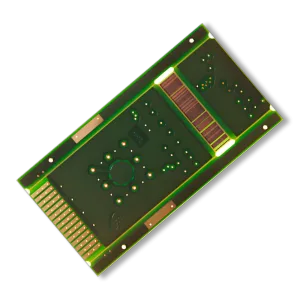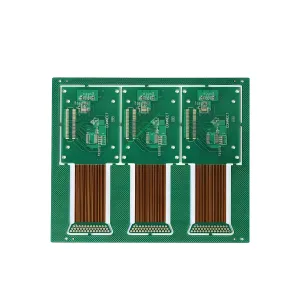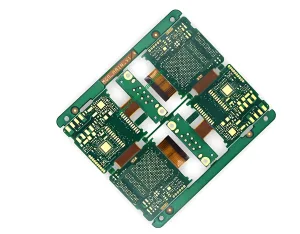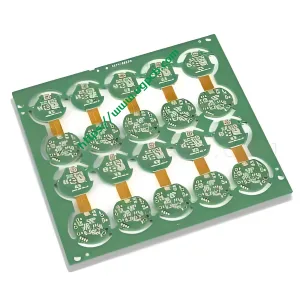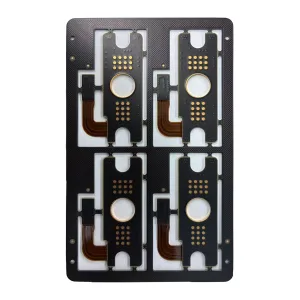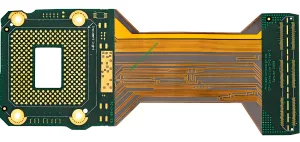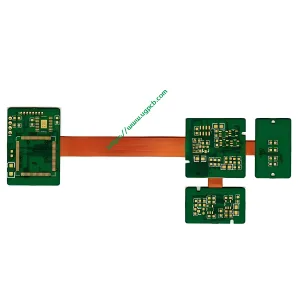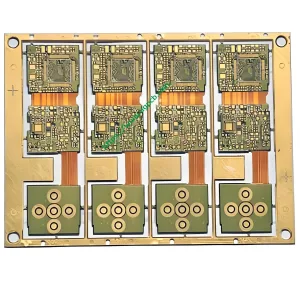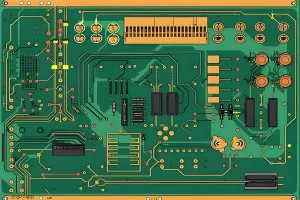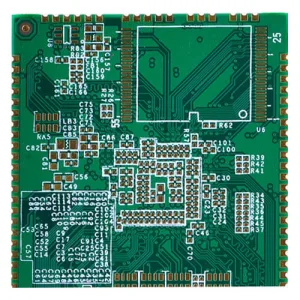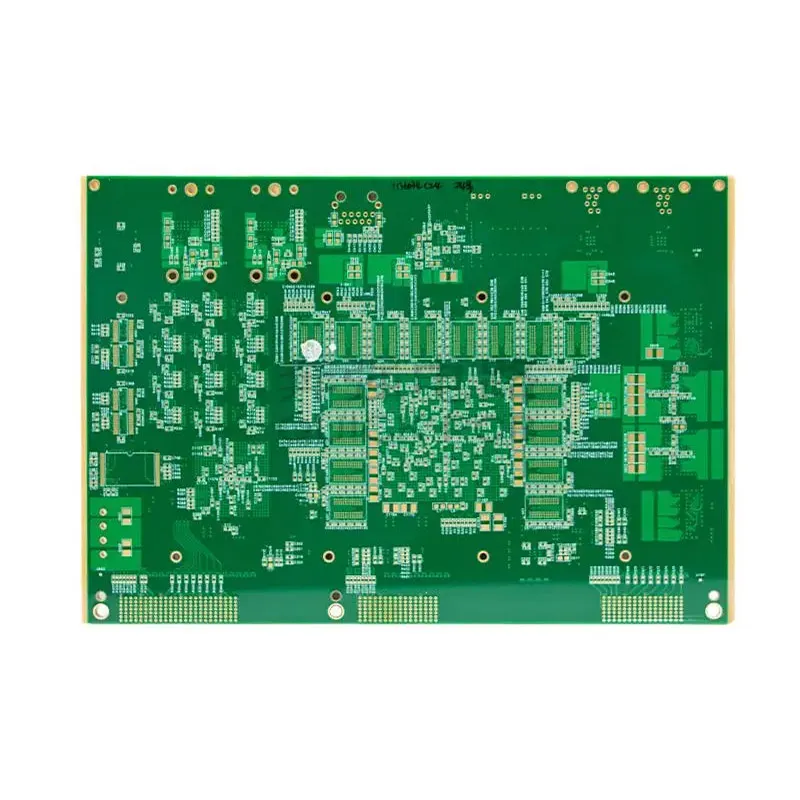
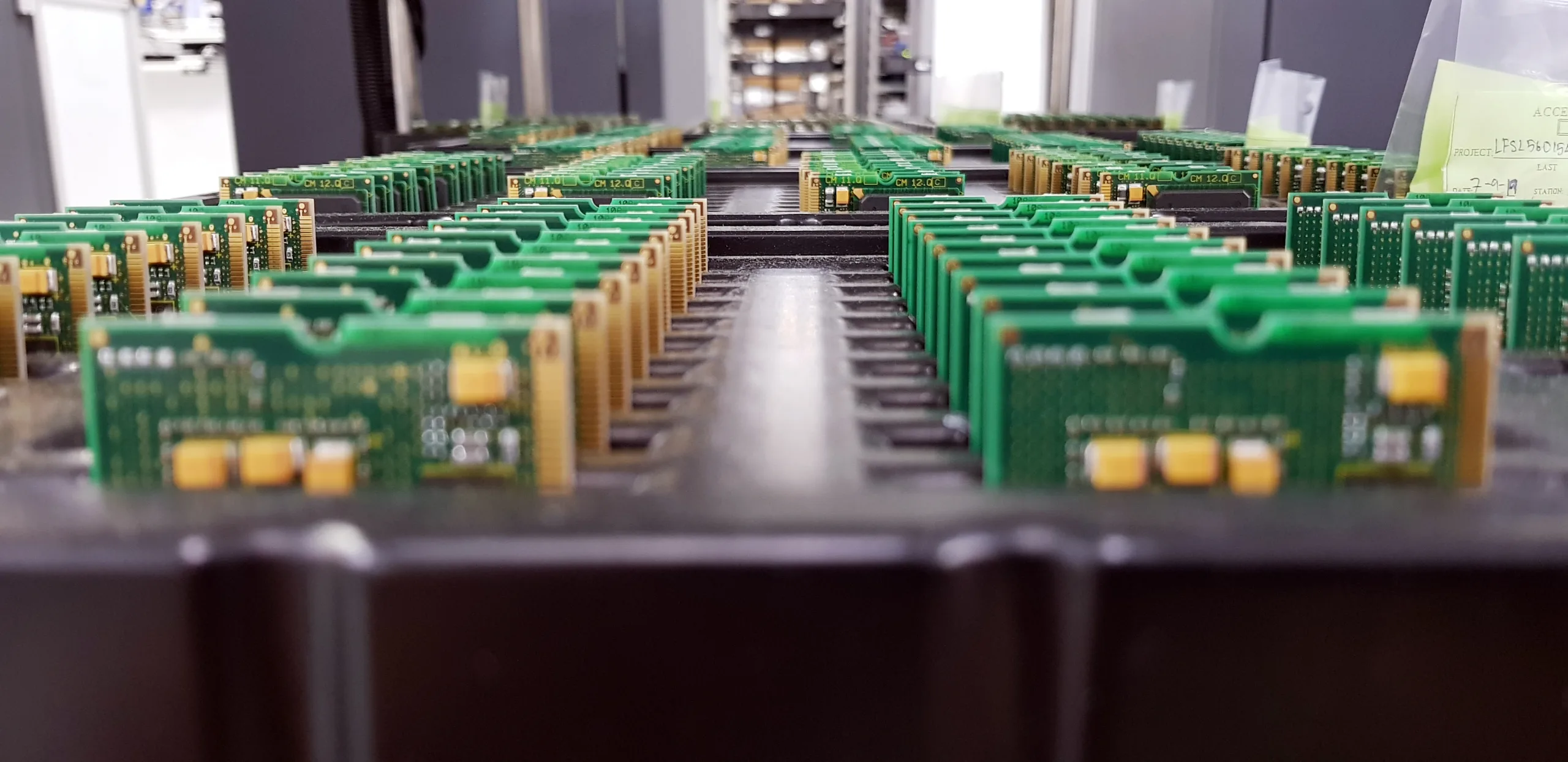
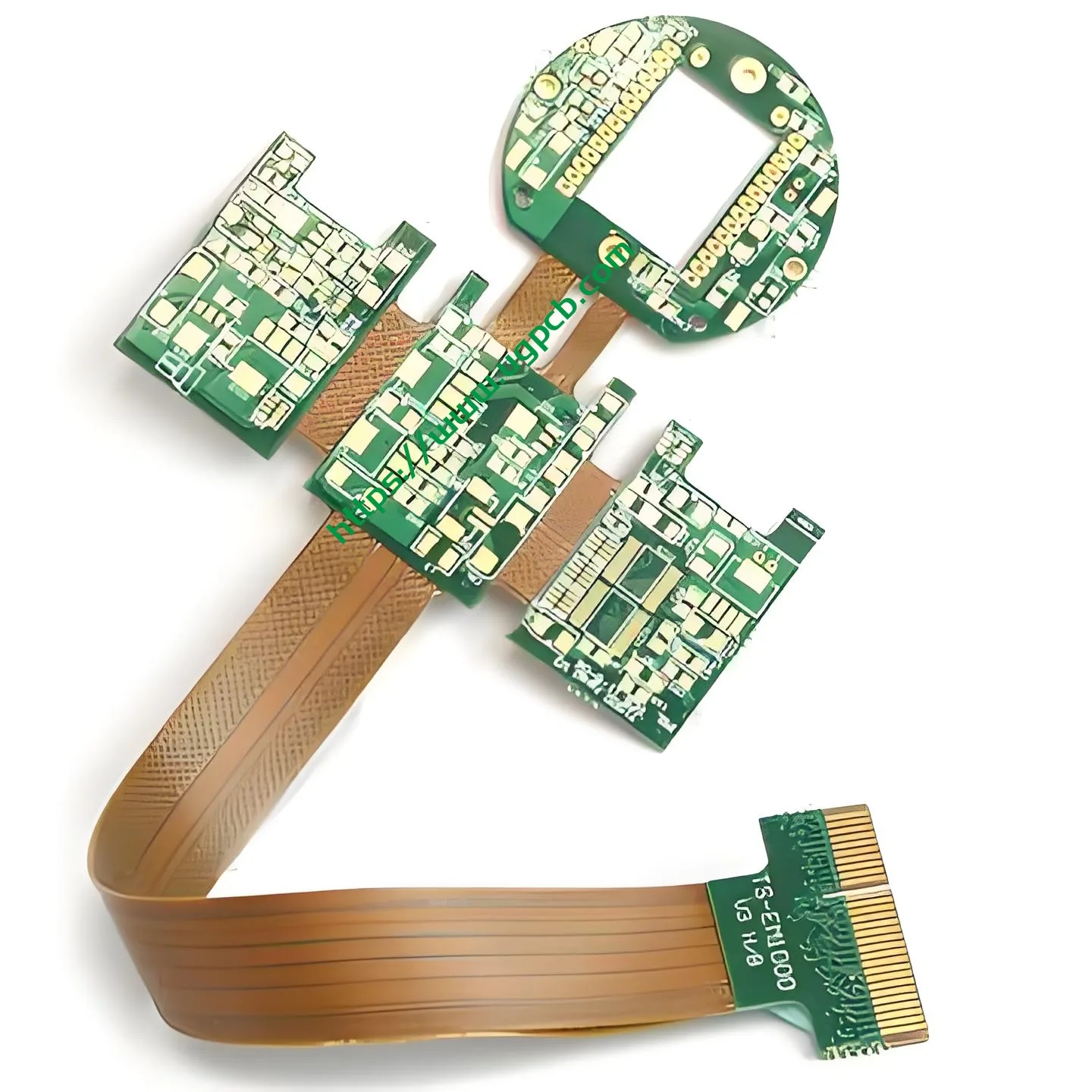
PCB แบบยืดหยุ่น 6 ชั้นที่มีความแม่นยำสูงนี้สร้างขึ้นสำหรับผู้ช่วยด้านสุขภาพอัจฉริยะ, อุปกรณ์ทางการแพทย์ที่สวมใส่ได้, และจอภาพผู้ป่วยแบบพกพา. UGPCB™ ผสานรวม FR-4 แบบแข็งและพอลิอิไมด์แบบยืดหยุ่น (PI) เป็นโมดูลที่แข็งแกร่งเพียงโมดูลเดียว. การออกแบบนี้จะถอดขั้วต่อและสายเคเบิลภายในออก. ช่วยลดจุดล้มเหลวและเพิ่มความเสถียรของระบบ.
ภาพรวมผลิตภัณฑ์
UGPCB Smart Health Assistant Rigid-Flex PCB เป็นของ IPC 6013 พิมพ์ 4 (แผ่นแข็งแบบหลายชั้นพร้อมรูชุบ). ชั้นแข็งใช้ผ้าแก้วอีพ็อกซี่ FR-4. ชั้นที่ยืดหยุ่นใช้โพลีอิไมด์ (PI). การรวมกันนี้ให้ความน่าเชื่อถือสูง, รายละเอียดบาง, และการบูรณาการ 3 มิติ.
ข้อมูลการตลาดแสดงให้เห็นว่าตลาดอุปกรณ์เพื่อสุขภาพที่สวมใส่ได้อัจฉริยะทั่วโลกเข้าถึงได้ $28.6 พันล้านใน 2025. ตลาดของจีนเพียงอย่างเดียวก็ได้รับผลกระทบ $4.53 พันล้าน. ตลาด PCB ทางการแพทย์ของจีนเติบโตที่ 5.2% cagr, รองจากการบินและอวกาศเท่านั้น. ในสาขาที่เติบโตอย่างรวดเร็วนี้, PCB แบบยืดหยุ่นที่มีความแม่นยำสูงกลายเป็นโซลูชันการเชื่อมต่อหลักสำหรับอุปกรณ์สุขภาพอัจฉริยะ.
UGPCB ให้การสนับสนุนบริการเต็มรูปแบบ: การออกแบบ PCB, การสร้างต้นแบบ, และปริมาณการผลิต. เราช่วยลดระยะเวลาการพัฒนาผลิตภัณฑ์ของคุณ, ลดต้นทุนการผลิต, และปรับปรุงความน่าเชื่อถือ.
การจำแนกประเภททางวิทยาศาสตร์ & คำนิยาม
คำนิยาม: อาร์แผงวงจรพิมพ์ igid-flex (เรียกอีกอย่างว่า PCB แข็ง-Flex หรือ FPCB) รวมพื้นผิวที่แข็งและยืดหยุ่นเข้าไว้ในโครงสร้างเดียว. ประกอบด้วยพื้นที่ที่เข้มงวดตั้งแต่หนึ่งพื้นที่ขึ้นไป (สำหรับส่วนประกอบและการรองรับทางกล) และหนึ่งหรือพื้นที่ที่ยืดหยุ่น (สำหรับการดัดและพับในอุปกรณ์ขนาดกะทัดรัด).
การจำแนกประเภท IPC: ประเภท IPC-6013 4 – บอร์ด Rigid-Flex แบบหลายชั้นพร้อมส่วนหลายชั้นแบบแข็งและหลายชั้นแบบยืดหยุ่น.
| พารามิเตอร์ | คำอธิบาย |
|---|---|
| ประเภทไอพีซี | IPC 6013 พิมพ์ 4, ด้วย PTH |
| เกรดทางการแพทย์ | ชั้น 2/ชั้น 3, ISO 13485 เป็นไปได้ |
| การใช้พื้นที่แบบยืดหยุ่น | โค้งงอคงที่ (เกิดขึ้นครั้งเดียวระหว่างการประกอบ) |
| เลเยอร์สแต็ค | 6-ไฮบริดชั้น: 6 เชื่อมต่อกันอย่างเข้มงวด + เฟล็กซ์หลายชั้น |
| พื้นผิวเสร็จสิ้น | ตกลงตาม IPC-4552 (ทอง 0.025–0.125μm, นิกเกิล 3–6μm) |
พารามิเตอร์หลัก & วัสดุ
| พารามิเตอร์ | ข้อมูลจำเพาะ | มาตรฐาน |
|---|---|---|
| แบบอย่าง | ผู้ช่วยด้านสุขภาพอัจฉริยะ PCB แบบแข็ง | - |
| จำนวนเลเยอร์ | 6 | ประเภท IPC-6013 4 |
| วัสดุแข็ง | FR-4 (ผ้าแก้วอีพ็อกซี่) | IPC-4101 คลาส B/L |
| วัสดุยืดหยุ่น | โพลีอิมด์ (PI) | ไอพีซี-6013D |
| ความหนาแข็ง | 0.8มม | - |
| ความหนาแบบยืดหยุ่น | 0.2มม | - |
| ความหนาของทองแดง | 0.025มม (ประมาณ. 0.7 ออนซ์/ฟุต²) | - |
| พื้นผิวเสร็จสิ้น | ทองแช่ / เห็นด้วย | ไอพีซี-4552 |
| การติดตาม/อวกาศขั้นต่ำ | 0.1มม (4 MIL) | ไอพีซี-2221 |
| สีหน้ากากประสาน | สีเขียว / สีขาว (ไม่จำเป็น) | - |
| แอปพลิเคชัน | ผู้ช่วยด้านสุขภาพที่ชาญฉลาด, สวมใส่ได้, จอภาพแบบพกพา | - |
รายละเอียดวัสดุ:
-
FR-4 (แข็ง): ลามิเนตอีพ๊อกซี่เสริมใยแก้ว. Tg ≥130°C. CTE 12–16 ppm/°C. ความแข็งแรงทางกลที่ดีเยี่ยม, ทนต่อสารเคมี, และฉนวน (≥10¹²Ωที่ 500V DC). เป็นสารตั้งต้นที่มีความแข็งมาตรฐานอุตสาหกรรมสำหรับ PCB ทางการแพทย์.
-
โพลีอิมด์ (ดิ้น): ภาพยนตร์ PI กับ Tg >300องศาเซลเซียส. ใช้งานได้ตั้งแต่ -55°C ถึง +300°C. รัศมีโค้งงอต่ำสุด 0.1 มม. อายุการใช้งานดิ้นแบบไดนามิก ≥50,000 รอบ. PI มีเสถียรภาพและความยืดหยุ่นทางความร้อนที่โดดเด่น.
-
ทองแดง (0.025มม / 0.7 ออนซ์): ปรับสมดุลความจุกระแสไฟและการกัดแบบละเอียด. อ้างอิงจาก IPC-2221, รอย 0.1 มม (ชั้นนอก, 10°C อุณหภูมิสูงขึ้น) จ่ายกระแสไฟประมาณ 100–150mA ซึ่งเพียงพอสำหรับสัญญาณเซ็นเซอร์ทางการแพทย์ส่วนใหญ่.
หลักการทำงาน
PCB แบบยืดหยุ่นทำงานผ่านการเชื่อมต่อโครงข่ายที่ประสานกันและการส่งสัญญาณระหว่างโซนแข็งและโซนยืดหยุ่น.
โซนแข็ง: ซ้อนชั้นทองแดงหกชั้นและเคลือบบน FR-4. ชุบผ่านรู (พท) ให้การเชื่อมต่อระหว่างกันในแนวตั้ง. คุณประสานหรือเมานต์ ส่วนประกอบ บนพื้นผิวแข็ง. นี่เป็นระบบวงจรแกนกลาง: ไมโครคอนโทรลเลอร์ (มจร), ไอซีการจัดการพลังงาน (พีเอ็มไอซี), โมดูลบลูทูธ/WiFi, ฯลฯ. โซนแข็งให้การสนับสนุนทางกลที่มั่นคงเพื่อการบัดกรีที่เชื่อถือได้.
โซนที่ยืดหยุ่น: สารตั้งต้นโพลีอิไมด์มีร่องรอยสัญญาณที่โค้งงอได้. แผ่นปิดช่วยปกป้องวงจรทองแดง. โซนโค้งงอ, พับ, หรือบิดเพื่อเชื่อมต่อเซ็นเซอร์ (อัตราการเต้นของหัวใจ, ออกซิเจนในเลือด, มาตรความเร่ง). ซึ่งจะทำให้สามารถกำหนดเส้นทางสัญญาณ 3D ได้. อิมพีแดนซ์ยังคงต่อเนื่องตลอดแนวดิ่ง, รับประกันการส่งสัญญาณทางสรีรวิทยาความถี่สูง เช่น ECG และ PPG โดยไม่สูญเสียคุณภาพ.
แนวทางการออกแบบ (ไอพีซี-2221 & ไอพีซี-2223)
ปฏิบัติตามกฎสำคัญเหล่านี้เมื่อออกแบบ PCB แบบยืดหยุ่นของผู้ช่วยด้านสุขภาพอัจฉริยะ:
-
การออกแบบซ้อนกัน: ใช้ชั้นแข็ง 6 ชั้นที่สมมาตรเหมือนกระจก (เช่น, Top-GND-สัญญาณ-Power-GND-ด้านล่าง). วาร์ปไว้ด้านล่าง 0.75%. สำหรับบริเวณดิ้น, ใช้สูงสุด 2-4 ชั้นเพื่อรักษาความยืดหยุ่นในการดัดงอ.
-
ติดตาม/ช่องว่าง: ขั้นต่ำ 0.1 มม (4 MIL) สำหรับสัญญาณมาตรฐานตาม IPC-2221. สำหรับคู่เฟืองท้ายความเร็วสูง (ไอทูซี, เอสพีไอ, RF), ใช้ 0.15 มม. เพื่อปรับปรุงการจับคู่อิมพีแดนซ์.
-
การกำหนดเส้นทางพื้นที่ดัด: ใช้ส่วนโค้งและรอยทำมุม – ห้ามทำมุม 90° – เพื่อหลีกเลี่ยงการรวมตัวของความเครียด. สำหรับไดนามิกเฟล็กซ์, ใช้ 0.5 ทองแดง (บางกว่า 0.7 ออนซ์) เพื่อยืดอายุการยืดหยุ่น.
-
การควบคุมความต้านทาน: ควบคุมสัญญาณความเร็วสูง (≥1กิกะเฮิร์ตซ์) ความอดทน ±10%. ปรับความกว้างของการติดตามและระยะห่างของเลเยอร์. เป้าหมาย 50Ω single-ended หรือ 90/100Ω differential. สำหรับสัญญาณคลื่นไฟฟ้าหัวใจ (ความถี่ต่ำ, ความต้านทานสูง), ตรวจสอบความต้านทานอินพุต >10MΩ.
-
การจัดการความร้อน: อุปกรณ์เพื่อสุขภาพอัจฉริยะมีขนาดกะทัดรัดและหนาแน่นด้วยความร้อน. เพิ่มการเททองแดงหรือจุดผ่านความร้อนใต้โมดูลพลังงาน – พื้นที่ทองแดงอย่างน้อย 1.5 เท่าของพื้นที่ส่วนประกอบ. เก็บส่วนประกอบที่ร้อนให้ห่างจากเซ็นเซอร์อุณหภูมิอย่างน้อย 5 มม. เพื่อหลีกเลี่ยงการรบกวนจากความร้อน.
UGPCB เสนอการตรวจสอบ DFM ฟรี. เราจะตรวจสอบการออกแบบแบบยืดหยุ่นแข็งของคุณ มาตรฐาน IPC และความสามารถในการผลิต. [ส่งไฟล์การออกแบบของคุณเพื่อรับการตรวจทานฟรี →]
โครงสร้าง & ส่วนประกอบ
PCB แบบยืดหยุ่นผู้ช่วยด้านสุขภาพอัจฉริยะมีสามส่วนหลัก:
-
โซนแข็ง (6-ชั้น FR-4, 0.8รวมมม): บรรจุส่วนประกอบขนาดใหญ่: มจร, โมดูลบลูทูธ/WiFi, พีเอ็มไอซี, ขั้วต่อแบตเตอรี่. ส่วนประกอบแนบผ่าน SMT.
-
โซนที่ยืดหยุ่น (0.2มม. โพลีอิไมด์): เชื่อมต่อโซนที่เข้มงวดกับเซ็นเซอร์. โค้งงอและพับสำหรับการประกอบ 3D. Coverlay ช่วยปกป้องร่องรอยทองแดง.
-
โซนเปลี่ยนผ่าน (อินเทอร์เฟซแบบยืดหยุ่นแบบแข็ง): พันธะพรีเพกแบบไม่มีการไหลเชื่อมชั้น FR-4 และ PI ทีละชั้น. ความอดทนในการจัดตำแหน่งที่สำคัญ: ≤±0.05มม.
ผลงาน & การปฏิบัติตามมาตรฐาน
| มาตรฐาน | คำอธิบาย | ข้อกำหนดที่สำคัญ |
|---|---|---|
| ไอพีซี-2221 | การออกแบบ PCB ทั่วไป | การติดตามขั้นต่ำ/ช่องว่าง ≥0.1มม, ความต้านทานของฉนวน ≥10¹²Ω |
| ประเภท IPC-6013 4 | คุณสมบัติยืดหยุ่น/แข็ง-ดิ้น | ความแข็งแรงของการลอก ≥0.6N/มม, ไดนามิกเฟล็กซ์ ≥50,000 รอบ |
| ไอพีซี-4552 | ข้อมูลจำเพาะของ ENIG | ทอง 0.05–0.23μm, นิกเกิล 3–6μm |
| ไอพีซี-6012 | คุณสมบัติ PCB ที่เข้มงวด | ความทนทานต่อร่องรอย ±0.03 มม, ส่วนเบี่ยงเบนตำแหน่งรู ≤0.05มม |
| เจ-STD-003C | การทดสอบความสามารถในการบัดกรี | 288อ่างบัดกรี°C สำหรับ 10 ไม่กี่วินาที, ไม่มีการหลุดร่อนหรือพุพอง |
| ISO 13485 | การจัดการคุณภาพทางการแพทย์ | การควบคุมกระบวนการสำหรับ PCB เกรดทางการแพทย์ |
| อล 94 วี-0 | คะแนนความไวไฟ | วัสดุฐาน FR-4 – V สูงสุด-0 การให้คะแนน |
ความจุปัจจุบัน (อ้างอิง IPC-2221): สำหรับความกว้าง 0.2 มม, 0.025มม (0.7 ออนซ์) การติดตามชั้นนอกที่อุณหภูมิแวดล้อม 25°C และเพิ่มขึ้น 10°C, ความจุประมาณ 0.25–0.3A (เชิงประจักษ์). ออกแบบด้วย 30% อัตรากำไรขั้นต้น - เป้าหมายกระแสไฟทำงานสูงสุด 0.2A.
พื้นผิวเสร็จสิ้น: เห็นด้วย (ทองแช่)
UGPCB ใช้ ENIG ตาม IPC-4552.
-
ทองหนา: 0.025–0.125μm (1–5 ไมโครนิ้ว). เราล็อคที่ 0.05μm – รับประกันความสามารถในการบัดกรี, ความต้านทานต่อการเกิดออกซิเดชัน, และความต้านทานการสัมผัสต่ำ.
-
ความหนาของนิกเกิล: 3–6μm (118–236 ไมโครนิ้ว). แผงกั้นการแพร่กระจายนี้ช่วยป้องกันการก่อตัวของโลหะระหว่างทองแดงและทองคำที่เปราะ.
-
ประโยชน์ที่สำคัญ: ความเรียบดีเยี่ยม (±15ไมโครเมตร). เหมาะสำหรับบรรจุภัณฑ์ที่มีระยะพิทช์ละเอียด (BGA, CSP) และการเชื่อมลวดอลูมิเนียม.
ENIG ต้านทานการกัดกร่อนจากเหงื่อ, เจลแอลกอฮอล์, และสารตกค้างทางชีวภาพ. ผ่านการทดสอบสเปรย์เกลือ 72 ชั่วโมง ไม่เป็นสนิม.
ผังกระบวนการผลิต
-
การตัดวัสดุ PI flex → 2. เจาะรู & พลาสมาสะอาด → 3. ทองแดงแบบไม่ใช้ไฟฟ้า / พีทีเอช → 4. รูปแบบวงจร (ฟิล์มแห้ง/กัดกรด) → 5. การตรวจสอบ AOI → 6. ลามิเนต (FR-4 + PI) → 7. สว่านรอง (โซนแข็ง) → 8. วงจรชั้นนอก → 9. หน้ากากประสาน (เขียว/ขาว) → 10. การตกแต่งพื้นผิว ENIG → 11. การกำหนดเส้นทาง / V-ตัด / แยกแผง → 12. การทดสอบทางไฟฟ้า (โพรบบิน/อุปกรณ์ติดตั้ง) → 13. QC ขั้นสุดท้าย → แพ็คสุญญากาศ
คุณสมบัติ & ข้อดี
-
3การรวม D ช่วยประหยัดพื้นที่: พื้นที่โค้งงอและพับ, ลดระดับเสียงของอุปกรณ์ลง 30–50%. ไม่มีขั้วต่อหรือสายเคเบิลระหว่างบอร์ดกับบอร์ด.
-
ความน่าเชื่อถือสูง: ตัวเชื่อมต่อและข้อต่อที่น้อยลงจะลดอัตราความล้มเหลวของระบบลง 60%. ชีวิตดิ้นแบบไดนามิก >50,000 รอบ.
-
การผลิตที่แม่นยำ: รอยเส้นขั้นต่ำ/ช่องว่าง 0.1 มม (4 MIL). การวางแนวที่ไม่ตรงจากชั้นสู่ชั้น ≤±0.05มม. ตรงตามคลาส IPC 3 มาตรฐานความน่าเชื่อถือสูง.
-
พื้นผิวเกรดทางการแพทย์: ENIG ผ่านการทดสอบการพ่นเกลือและการบัดกรีเป็นเวลา 72 ชั่วโมงเพื่อความทนทานในระยะยาว.
-
บริการครบวงจร: สร้างต้นแบบอย่างรวดเร็วใน 3–7 วัน. ปริมาณการผลิตภายใน 10-15 วัน. สามารถตรวจสอบย้อนกลับได้อย่างสมบูรณ์และการเก็บรักษาตัวอย่าง.
สถานการณ์การใช้งาน (ผู้ช่วยด้านสุขภาพอัจฉริยะ PCB แบบแข็ง)
-
นาฬิกาสุขภาพอัจฉริยะ (คลื่นไฟฟ้าหัวใจ, ความดันโลหิต, การตรวจสอบ SpO₂)
-
เครื่องตรวจน้ำตาลกลูโคสอย่างต่อเนื่อง (ซีจีเอ็ม)
-
แผ่นแปะ ECG แบบพกพา / จอภาพหัวใจ
-
แผ่นแปะอุณหภูมิอัจฉริยะ / เครื่องวัดอุณหภูมิที่สวมใส่ได้
-
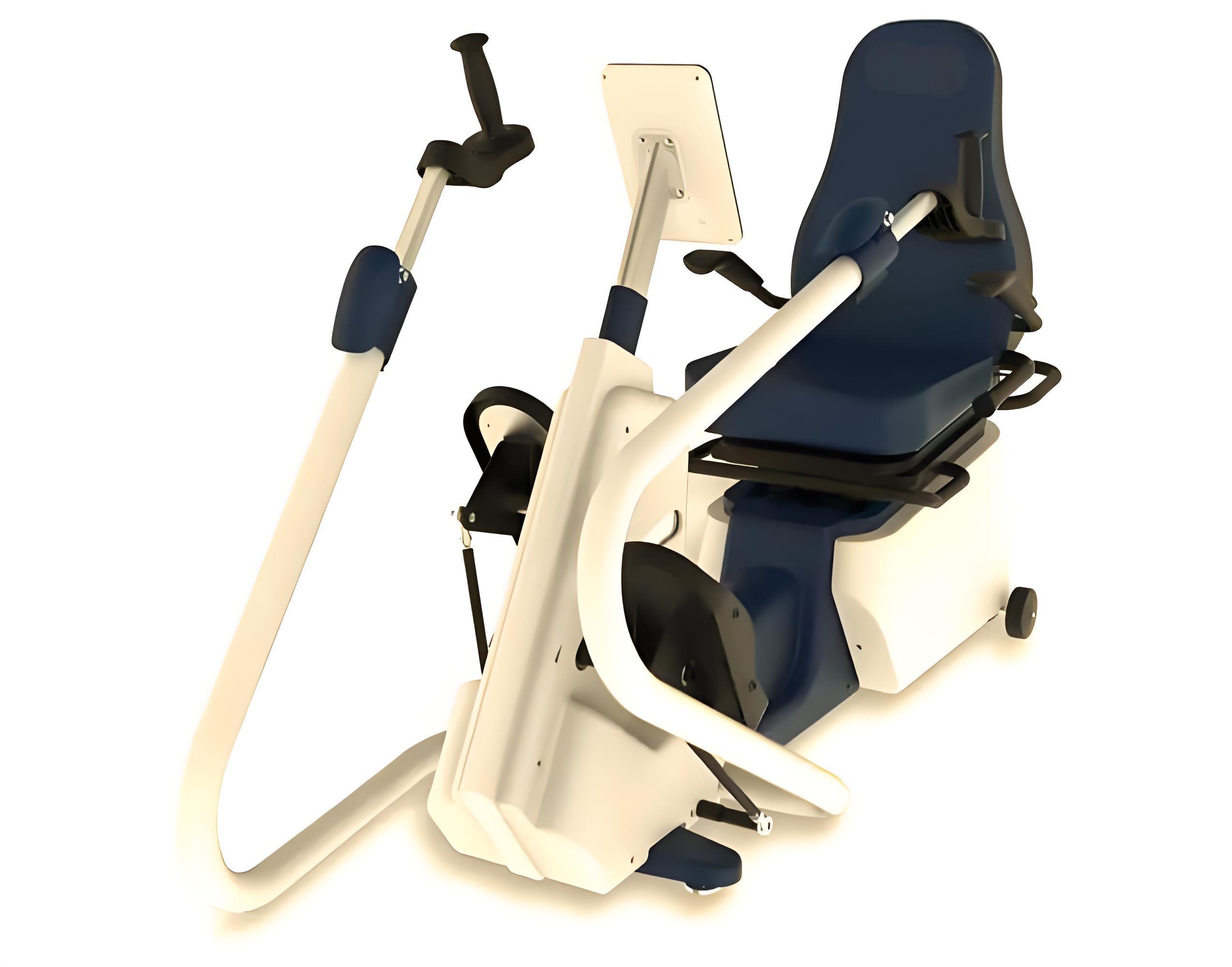
อุปกรณ์การฟื้นฟูและการพยาบาลอัจฉริยะ
-
สถานีตรวจสุขภาพแบบหลายพารามิเตอร์สำหรับใช้ในบ้าน
ทำไมต้องเลือก UGPCB?
UGPCB จบลงแล้ว 10 ประสบการณ์การผลิต PCB ระดับสูงหลายปี. เราถือ ISO 9001, ISO 13485, และใบรับรอง UL. เรามีบริการแบบครบวงจร: การผลิต PCB, การจัดหาส่วนประกอบ, แอสเซมบลี SMT, และ พีซีบี การทดสอบการทำงาน.
อุปกรณ์ช่วยเหลือด้านสุขภาพอันชาญฉลาดของคุณกำลังประสบปัญหาพื้นที่จำกัดหรือไม่, ชีวิตยืดหยุ่นสั้น, หรือตัวเชื่อมต่อล้มเหลว? ติดต่อ UGPCB เพื่อขอโซลูชัน PCB แบบแข็งแบบกำหนดเอง.
📧 อีเมล: sales@ugpcb.com
🌐 เว็บไซต์: www.ugpcb.com
📞 สายด่วนด้านเทคนิค: +86 755-27211481
เมื่อส่งคำถาม, โปรดระบุทีมวิศวกรของเราด้วย: ไฟล์เกอร์เบอร์ / ข้อกำหนดการออกแบบ PCB / ประเภทอุปกรณ์ผู้ช่วยด้านสุขภาพอัจฉริยะ / ปริมาณประจำปีโดยประมาณ.
สำหรับรายงานการวิเคราะห์ DFM ฟรี, ส่งอีเมลไฟล์การออกแบบของคุณ. ทีมวิศวกรของ UGPCB จะตอบกลับภายใน 24 ชั่วโมงพร้อมคำแนะนำในการเพิ่มประสิทธิภาพกระบวนการและข้อเสนอการลดต้นทุน.
*(แหล่งข้อมูล: ไอพีซี-2221, ประเภท IPC-6013 4, ไอพีซี-4552; ข้อมูลการตลาดจาก CSRankings, จือหยาน คอนซัลติ้ง, รายงานตลาดในอนาคต)*