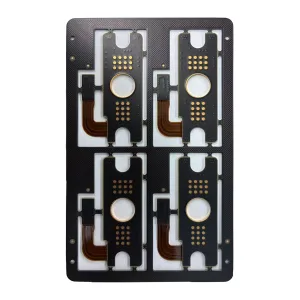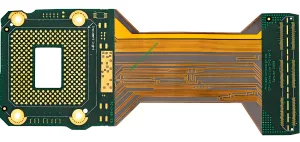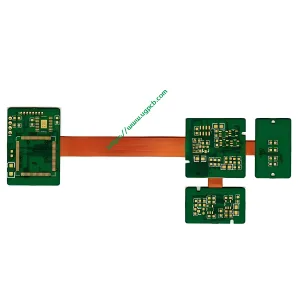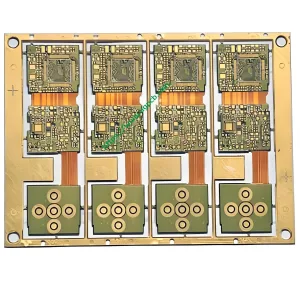
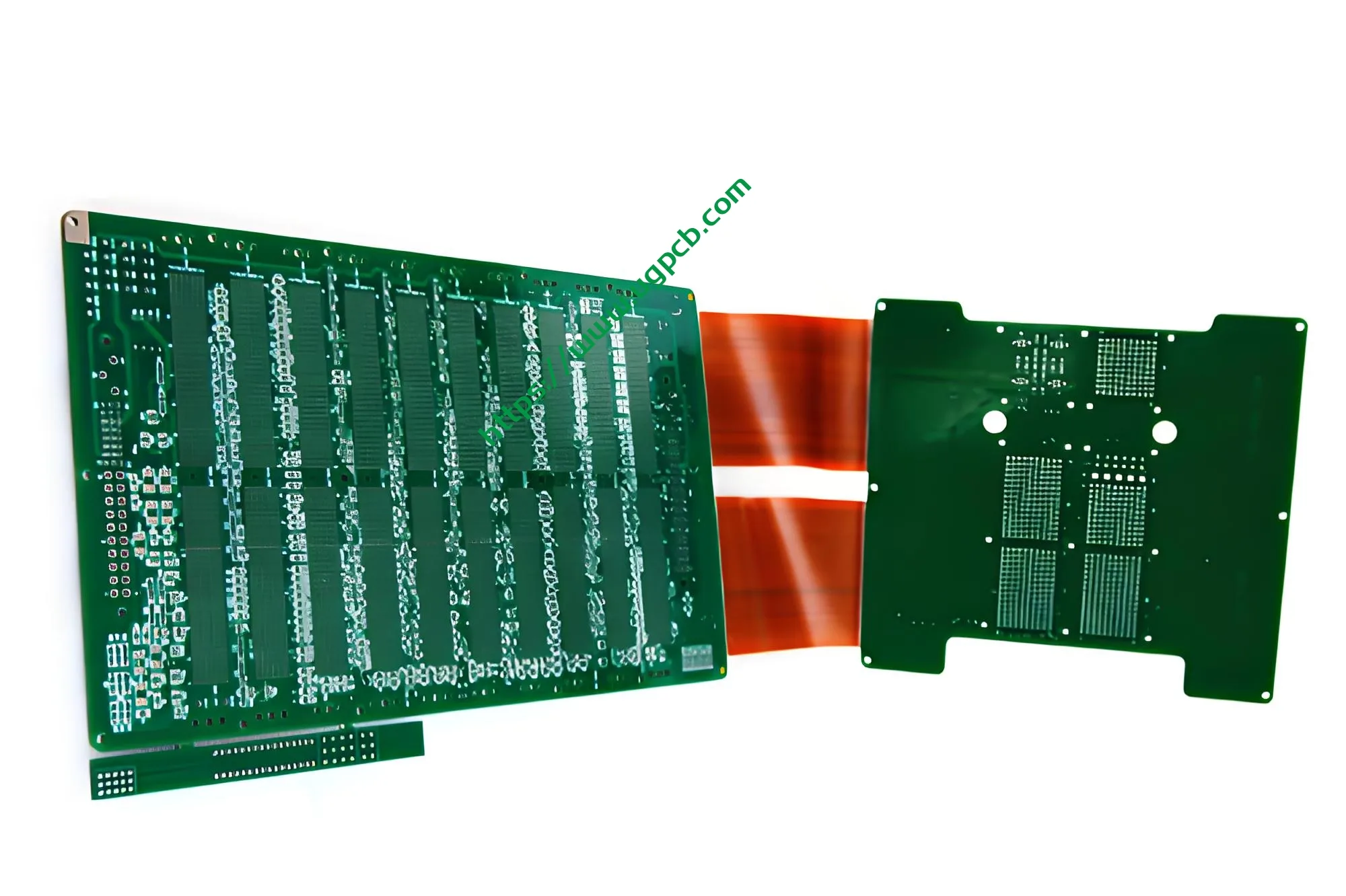
ในภูมิทัศน์อิเล็กทรอนิกส์ที่เปลี่ยนแปลงอย่างรวดเร็วในปัจจุบัน, ความต้องการขนาดกะทัดรัด, มีน้ำหนักเบา, และโซลูชั่นการเชื่อมต่อระหว่างกันที่มีความน่าเชื่อถือสูงไม่เคยยิ่งใหญ่เท่านี้มาก่อน. ไม่ว่าคุณกำลังพัฒนาอุปกรณ์สวมใส่ก็ตาม, เครื่องมือแพทย์, หรือระบบดิจิทัลขั้นสูง, PCB แบบแข็งเกร็ง เป็นเทคโนโลยีหลักที่เชื่อมช่องว่างระหว่างเสถียรภาพที่แข็งแกร่งและความยืดหยุ่นแบบไดนามิก. ที่ UGPCB, เราเชี่ยวชาญในการส่งมอบงานวิศวกรรมที่มีความแม่นยำ ต้นแบบ PCB แบบแข็งเกร็ง ที่ตรงตามข้อกำหนดด้านการออกแบบและประสิทธิภาพที่เข้มงวดที่สุด. คู่มือนี้จะอธิบายทุกแง่มุมของผลิตภัณฑ์เด่นของเรา — ก 2+2+2 PCB แข็ง-Flex สร้างด้วย FR-4 และโพลีอิไมด์ — และแสดงให้คุณเห็นว่าเหตุใดจึงเป็นตัวเลือกที่ดีที่สุดสำหรับครั้งต่อไปของคุณ ดิจิตอล ต้นแบบ PCB โครงการ.
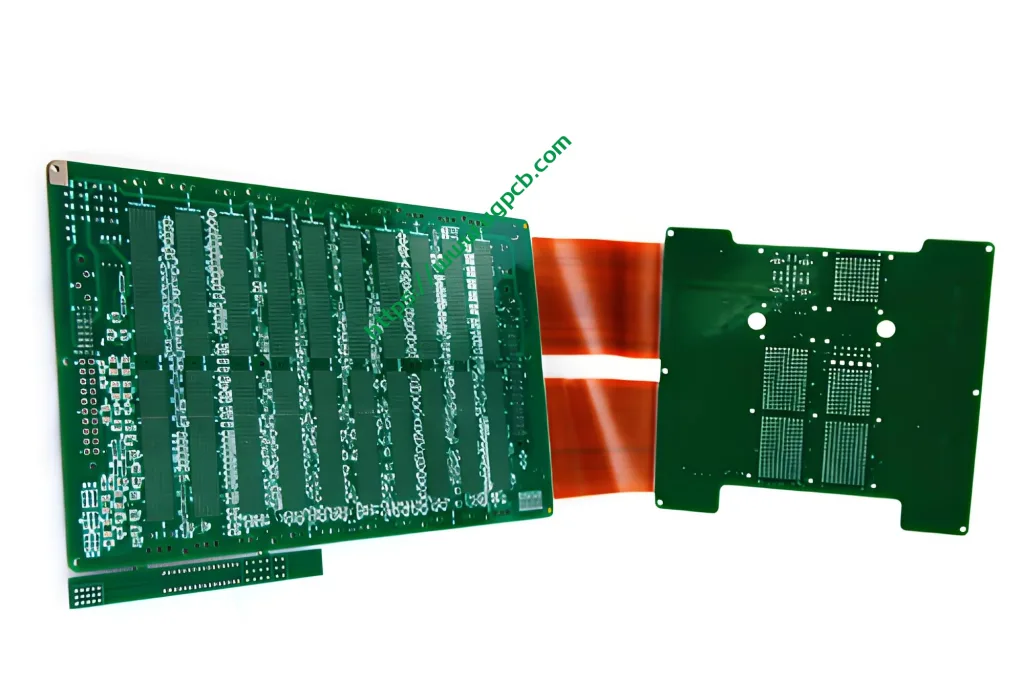
Rigid-Flex PCB คืออะไร (R-FPCB)?
อัน PCB แข็ง-Flex, มักเรียกสั้น ๆ ว่า R-FPCB, เป็นแผงวงจรพิมพ์แบบไฮบริดที่รวมวัสดุพื้นผิวที่มีความแข็งและยืดหยุ่นเข้าไว้ด้วยกันเป็นโครงสร้างเดียว. ต่างจากแข็งแบบเดิมๆ PCBS ที่ใช้เฉพาะลามิเนตแบบแข็งเท่านั้น, หรือวงจรยืดหยุ่นแบบสแตนด์อโลน, PCB แบบแข็งเกร็ง อนุญาตให้มีบรรจุภัณฑ์สามมิติโดยกำจัดตัวเชื่อมต่อและสายแพระหว่างส่วนที่แข็ง. การบูรณาการที่ราบรื่นนี้ช่วยเพิ่มความสมบูรณ์ของสัญญาณได้อย่างมาก, ลดต้นทุนการประกอบ, และปรับปรุงความน่าเชื่อถือโดยรวมของอุปกรณ์. การกำหนด “2+2+2” อธิบายถึงการซ้อนกันของเลเยอร์: สองชั้นนอกแข็ง, สองชั้นด้านในที่ยืดหยุ่น, และชั้นแข็งเพิ่มเติมอีกสองชั้นที่เชื่อมติดกัน, สร้างเป็น 6 ชั้น PCB แข็ง-Flex เหมาะอย่างยิ่งสำหรับการใช้งานดิจิทัลที่ต้องการพื้นที่และน้ำหนักเป็นพิเศษ.
[ข้อเสนอแนะรูปภาพ: แผนภาพหน้าตัดของ a 2+2+2 PCB แบบยืดหยุ่นแสดงส่วน FR-4 แบบแข็ง, ชั้นโพลีอิไมด์ที่ยืดหยุ่น, และชุบรูทะลุ.
ข้อความแสดงแทน: ภาพตัดขวางของ 2+2+2 สแต็คอัพ PCB แบบแข็งพร้อมชั้นแข็ง FR-4 และชั้นยืดหยุ่น PI]
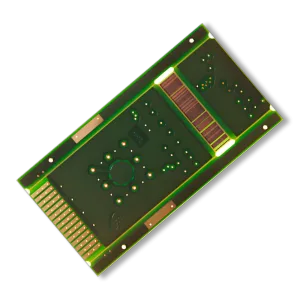
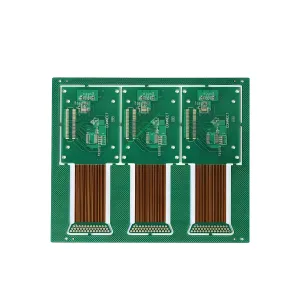
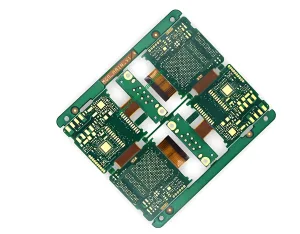
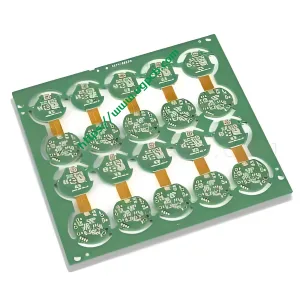
ภาพรวมผลิตภัณฑ์: UGPCB 2+2+2 ต้นแบบ PCB แบบแข็ง-Flex
ถึง UGPCB, มาตรฐานของเรา ต้นแบบ PCB แบบแข็งเกร็ง ข้อเสนอได้รับการออกแบบทางวิศวกรรมเพื่อเร่งวงจรการพัฒนาผลิตภัณฑ์ของคุณ. ข้อมูลจำเพาะที่สำคัญของโครงสร้างที่โดดเด่นของเราคือ:
-
แบบอย่าง: PCB แบบแข็ง (R-FPCB)
-
วัสดุ: FR-4 (เข้มงวด) + PI – โพลีอิไมด์ (ยืดหยุ่นได้)
-
โครงสร้างเลเยอร์: 2+2+2 (6-โครงสร้างแบบยืดหยุ่นแบบชั้นแข็ง)
-
สีหน้ากากประสาน: สีเขียว / สีขาว
-
ความหนาสำเร็จรูป: 1.0 มม (พื้นที่แข็ง) + 0.15 มม (พื้นที่ยืดหยุ่น)
-
ความหนาของทองแดง: 0.035 มม (1 ออนซ์) ในทุกชั้น
-
การรักษาพื้นผิว: ทองแช่ (เห็นด้วย)
-
ความกว้างบรรทัดขั้นต่ำ / ระยะทาง: 0.1 มม / 0.1 มม
-
แอปพลิเคชัน: การสร้างต้นแบบ PCB แบบแข็งแบบดิจิทัล
การกำหนดค่านี้ได้รับการปรับให้เหมาะสมสำหรับวงจรดิจิทัลความหนาแน่นสูงที่ต้องใช้ทั้งการโค้งงอทางกลและโซนการติดตั้งส่วนประกอบที่เข้มงวด.
Rigid-Flex PCB ทำงานอย่างไร
หลักการทำงานของก PCB แข็ง-Flex ใช้ประโยชน์จากคุณสมบัติของวัสดุที่เป็นเอกลักษณ์ของส่วนประกอบ. ชั้นแข็ง, โดยทั่วไปจะทำมาจาก FR-4 ลามิเนตกระจกอีพ็อกซี่, ให้การสนับสนุนด้านโครงสร้างและแพลตฟอร์มที่มั่นคงสำหรับส่วนประกอบที่ยึดบนพื้นผิวและรูทะลุ. ชั้นที่มีความยืดหยุ่น, สร้างจาก โพลีอิมด์ (PI) ฟิล์ม, ทำหน้าที่เป็น "บานพับ" ในตัวที่สามารถโค้งงอแบบไดนามิกหรือพับแบบคงที่เพื่อให้พอดีกับตู้ขนาดกะทัดรัด. ทางด้านไฟฟ้า, ชั้นต่างๆ เชื่อมต่อกันผ่านรูทะลุที่ชุบแล้วและจุดแวะฝังไว้, ก่อตัวอย่างต่อเนื่อง พีซีบี วงจร. โดยการกำจัดการเชื่อมต่อระหว่างบอร์ดกับบอร์ด, ที่ PCB แข็ง-Flex ลดการลดทอนและการสะท้อนของสัญญาณ, ซึ่งมีความสำคัญอย่างยิ่งในการใช้งานดิจิทัลความเร็วสูง. เมื่อส่วนที่ยืดหยุ่นงอ, สารตั้งต้นโพลีอิไมด์ทนทานต่อความเครียดได้ดีกว่า FR-4 มาก, โดยที่รัศมีการโค้งงอจะคำนึงถึงขีดจำกัดทางกลของวัสดุ.
สิ่งจำเป็นในการออกแบบสำหรับ 2+2+2 PCB แบบแข็ง
การออกแบบ 2+2+2 PCB แข็ง-Flex ต้องมีความเข้าใจอย่างลึกซึ้งเกี่ยวกับข้อจำกัดทางกลและไฟฟ้า. สำคัญ การออกแบบ PCB แบบยืดหยุ่น ข้อควรพิจารณาได้แก่:
-
การคำนวณรัศมีโค้ง: อ้างอิงจาก IPC-2223, สำหรับแอปพลิเคชันไดนามิกเฟล็กซ์, รัศมีโค้งงอขั้นต่ำควรมีอย่างน้อย 10 คูณความหนาของวงจรดิ้น. ของเราด้วย 0.15 ชั้นยืดหยุ่น มม, รัศมีโค้งงอขั้นต่ำที่แนะนำคือ 1.5 มม.
-
ติดตามเส้นทางในพื้นที่โค้ง: เส้นและช่องว่างต้องตั้งฉากกับแกนโค้งเพื่อหลีกเลี่ยงไม่ให้ทองแดงแตก. ของเรา 0.1 ความสามารถในการติดตาม/พื้นที่ขนาด มม. ช่วยให้กำหนดเส้นทางหนาแน่นในขณะที่ยังคงความน่าเชื่อถือ.
-
ภาพตัดขวางของเลเยอร์: โซนการเปลี่ยนผ่านจากแบบแข็งไปจนถึงแบบยืดหยุ่นจะต้องได้รับการออกแบบอย่างระมัดระวังเพื่อหลีกเลี่ยงตัวสร้างความเครียด. โครงสร้างแบบเย็บเล่มหนังสือใช้เพื่อค่อยๆ ปลดชั้นที่ยืดหยุ่นออกจากปึกแข็ง.
-
ผ่านทางตำแหน่ง: ไม่ควรวางจุดเคลือบไว้ภายในโซนโค้ง, เนื่องจากมีแนวโน้มที่จะเกิดความล้มเหลวเมื่อยล้า. จุดซ่อนเร้นและจุดซ่อนในส่วนที่แข็งช่วยเสริมการออกแบบจุดผ่านในแผ่นเพื่อให้มีความหนาแน่นสูง พีซีบี.
โดยกล่าวถึงสิ่งเหล่านี้ แนวทางการออกแบบ PCB แบบแข็งเกร็ง, UGPCB สามารถเปลี่ยนแผนผังของคุณให้แข็งแกร่งได้ ต้นแบบแบบแข็งแบบดิจิทัล ที่ทำงานได้อย่างไม่มีที่ติ.
แอปพลิเคชันและกรณีการใช้งาน
ความเก่งกาจของ 2+2+2 PCB แข็ง-Flex ทำให้เหมาะสำหรับระบบสัญญาณดิจิตอลและสัญญาณผสมที่หลากหลาย. ทั่วไป การใช้งาน PCB แบบแข็งเกร็ง รวม:
-
อุปกรณ์อิเล็กทรอนิกส์ที่สวมใส่ได้: สมาร์ทวอทช์, ตัวติดตามฟิตเนส, และแผ่นแปะทางการแพทย์ที่บอร์ดต้องสอดคล้องกับรูปร่างของร่างกาย.
-
อุปกรณ์การแพทย์: การวินิจฉัยแบบฝัง, เครื่องช่วยฟัง, และระบบภาพส่องกล้องที่ต้องใช้รอบการฆ่าเชื้อซ้ำและมีความน่าเชื่อถือสูง.
-
เซ็นเซอร์ IoT อุตสาหกรรม: โหนดเซ็นเซอร์ขนาดกะทัดรัดที่ต้องพอดีกับตัวเครื่องขนาดเล็กและทนทานต่อการสั่นสะเทือน.
-
การบินและอวกาศและการป้องกัน: เอวิโอนิกส์, ระบบดาวเทียม, และระบบอิเล็กทรอนิกส์นำวิถีมิสไซล์ซึ่งช่วยลดน้ำหนักและต้านทานแรงกระแทกได้สูง.
-
ผลิตภัณฑ์ดิจิตอลสำหรับผู้บริโภค: สมาร์ทโฟนแบบพับได้, กล้อง, และอุปกรณ์เล่นเกมแบบพกพาที่พึ่งพิง PCB แข็ง-Flex เทคโนโลยีเพื่อการย่อส่วน.
ในรูปแบบดิจิทัล PCB Prototyping, ความสามารถในการทดสอบการทำงานของระบบเต็มรูปแบบด้วยเฟล็กซ์ในตัวช่วยลดตัวแปรที่เกิดจากตัวเชื่อมต่อ, ช่วยให้ตรวจสอบความสมบูรณ์ของสัญญาณและการกระจายพลังงานได้เร็วขึ้น.
การจำแนกประเภทของ PCB แบบแข็ง
เพื่อวางตำแหน่งผลิตภัณฑ์ของเราอย่างเหมาะสมตามมาตรฐานอุตสาหกรรม, บอร์ดแบบแข็งงอได้จัดประเภทตาม IPC-6013 ตามโครงสร้างและการใช้งานปลายทาง:
-
พิมพ์ 1: PCB แบบยืดหยุ่นด้านเดียว
-
พิมพ์ 2: PCB แบบยืดหยุ่นสองด้านพร้อมรูทะลุแบบชุบ
-
พิมพ์ 3: PCB ที่มีความยืดหยุ่นหลายชั้น
-
พิมพ์ 4: PCB หลายชั้นแบบแข็งงอ - ของเรา 2+2+2 การกำหนดค่าจัดอยู่ในหมวดหมู่นี้อย่างสมบูรณ์, โดยที่ชั้นแข็งและยืดหยุ่นถูกผสมเข้าด้วยกันเพื่อสร้างแผงวงจรรวมแผ่นเดียว.
-
พิมพ์ 5: หลายชั้นแบบยืดหยุ่นหรือแบบแข็งพร้อมตัวทำให้แข็งแบบแข็ง
พิมพ์ 4 เป็นที่แพร่หลายมากที่สุดสำหรับแอปพลิเคชันดิจิทัลเนื่องจากช่วยให้สามารถเชื่อมต่อระหว่างกันที่ซับซ้อนข้ามโดเมนที่เข้มงวดหลายแห่งในขณะที่ยังคงความสมบูรณ์ไว้ได้ พีซีบี ความเข้ากันได้.
วัสดุและสมรรถนะ
ในก 2+2+2 PCB แข็ง-Flex, การเลือกใช้วัสดุส่งผลโดยตรงต่อประสิทธิภาพและอายุการใช้งานที่ยาวนาน.
-
FR-4 (ลามิเนตแข็ง): คอมโพสิตอีพอกซี/แก้ว ไม่ลามไฟ ซึ่งให้ความคงตัวของขนาดที่ดีเยี่ยม, ค่าคงที่ไดอิเล็กทริก (ดีเค) ประมาณ 4.2–4.6 ที่ 1 เมกะเฮิรตซ์, และอุณหภูมิการเปลี่ยนสถานะคล้ายแก้ว (ทีจี) โดยทั่วไปจะอยู่ที่ประมาณ 135°C ถึง 170°C. ในการสร้างของเรา, Tg FR-4 สูงเป็นมาตรฐานในการทนต่ออุณหภูมิการประกอบที่ปราศจากสารตะกั่ว.
-
โพลีอิมด์ (ลามิเนตที่มีความยืดหยุ่น): ฟิล์มโพลีอิไมด์มีความต้านทานความร้อนได้ดีเยี่ยม (บริการต่อเนื่องได้ถึง 200°C), การปล่อยก๊าซที่ต่ำมาก, และ Dk ประมาณ 3.5 ที่ 1 เมกะเฮิรตซ์. ความยืดหยุ่นนี้ทนทานต่อรอบการโค้งงอแบบไดนามิกหลายล้านครั้งเมื่อปฏิบัติตามแนวทางรัศมีการโค้งงอ.
-
ทองแช่ (เห็นด้วย) พื้นผิวเสร็จสิ้น: Electroless Nickel Immersion Gold ให้ความเรียบ, พื้นผิวที่สามารถบัดกรีได้โดยมีความหนานิกเกิลทั่วไป 3–6 µm และความหนาของทองคำ 0.05–0.15 µm. ช่วยให้มั่นใจได้ถึงอายุการเก็บรักษาที่ดีเยี่ยม, ความสามารถในการเชื่อมลวด, และระนาบร่วมที่สม่ำเสมอสำหรับส่วนประกอบที่มีระยะพิทช์ละเอียด ซึ่งมีความสำคัญอย่างยิ่งเมื่อมีความหนาแน่นสูง พีซีบี การประกอบ.
คุณสมบัติหลักและคุณประโยชน์
UGPCB 2+2+2 ต้นแบบ PCB แบบแข็งเกร็ง นำเสนอข้อดีที่โดดเด่นซึ่งออกแบบมาเพื่อนักออกแบบดิจิทัลโดยเฉพาะ:
-
ย่อส่วนแบบพิเศษ: รวมการเชื่อมต่อถึงกันหกชั้นในแพ็คเกจที่สามารถพับเป็นเสี้ยวหนึ่งของพื้นที่ที่ต้องการโดยแยกแผงแข็งและสายเคเบิลแยกกัน.
-
ความสมบูรณ์ของสัญญาณที่เหนือกว่า: การติดตามความต้านทานที่ควบคุมจะถูกรักษาไว้ทั่วทั้ง พีซีบี โดยไม่ขาดการเชื่อมต่อของตัวเชื่อมต่อ. สำหรับก 0.1 ความกว้างของรอยเส้น มม, สามารถปรับอิมพีแดนซ์ลักษณะเฉพาะได้อย่างแม่นยำ 50 Ω หรือ 100 Ω ดิฟเฟอเรนเชียล, จำเป็นสำหรับโปรโตคอลดิจิตอลความเร็วสูงเช่น USB 3.0, หน่วยความจำ DDR, และ MIPI.
-
ความน่าเชื่อถือสูง: พื้นผิวนิกเกิล-ทองช่วยปกป้องทองแดงจากการเกิดออกซิเดชัน, ทำให้มั่นใจได้ถึงข้อต่อประสานที่แข็งแกร่ง. ตามคลาส IPC-A-600 2 เกณฑ์การยอมรับ, บอร์ดของเราได้รับการตรวจสอบอย่างเข้มงวด.
-
การสร้างต้นแบบที่คุ้มค่า: โดยจัดให้มีการเลี้ยวอย่างรวดเร็ว ต้นแบบ PCB แบบแข็งเกร็ง บริการ, เราช่วยให้ทีมออกแบบสามารถทำซ้ำได้อย่างรวดเร็วก่อนที่จะดำเนินการผลิตจำนวนมาก.
-
บูรณาการอย่างราบรื่นกับ PCBA: บอร์ดนี้เข้ากันได้อย่างสมบูรณ์กับกระบวนการประกอบ SMT อัตโนมัติ. ความเรียบและพื้นผิวทำให้ได้ผลผลิตสูง ส่วนประกอบ ตำแหน่ง, เปลี่ยนของคุณ พีซีบี ให้เป็นที่สมบูรณ์ พีซีบี โดยมีการทำงานซ้ำน้อยที่สุด.
กระบวนการผลิต PCB แบบแข็ง-Flex
การผลิตที่เชื่อถือได้ 2+2+2 PCB แข็ง-Flex ต้องการการควบคุมกระบวนการที่แม่นยำ. UGPCB เป็นไปตามโฟลว์ที่ได้รับการพิสูจน์แล้ว:
-
การถ่ายภาพชั้นใน & จำหลัก: ทั้งชั้นแกนกลาง FR-4 ที่แข็งและโพลีอิไมด์ที่ยืดหยุ่นได้รับการถ่ายภาพและแกะสลักเพื่อสร้างรูปแบบวงจรที่ต้องการ, การบำรุงรักษา 0.1 ความอดทนต่อความกว้างของเส้น มม.
-
การเคลือบ: ชั้นที่ยืดหยุ่นถูกประกบอยู่ระหว่างพรีเพกแบบไม่ไหลและชั้นนอก FR-4 แบบแข็ง. ภายใต้อุณหภูมิและความดันสูง, สแต็กถูกผูกมัดอย่างถาวร. เทคนิค "bookbinder" จะสร้างโซนการเปลี่ยนแปลงแบบค่อยเป็นค่อยไป.
-
การขุดเจาะ & การชุบ: การเจาะด้วยเครื่องกลหรือด้วยเลเซอร์ทำให้เกิดจุดแวะ. การเคลือบโลหะโดยตรงและการชุบทองแดงด้วยไฟฟ้าสร้าง 0.035 มม (1 ออนซ์) ทองแดงหนาทุกถัง.
-
การถ่ายภาพชั้นนอก & จำหลัก: ชั้นแข็งด้านนอกมีลวดลาย, กำหนดแผ่นและร่องรอย.
-
แอปพลิเคชันมาสก์ประสาน: ใช้หน้ากากประสานสีเขียวหรือสีขาวและถ่ายภาพในส่วนที่แข็ง, ปล่อยให้พื้นที่ที่มีความยืดหยุ่นถูกเปิดเผย.
-
พื้นผิวเสร็จสิ้น: มีการสะสมทองคำแช่นิเกิลแบบไม่ใช้ไฟฟ้า, มั่นใจได้ถึงอินเทอร์เฟซการบัดกรีที่สมบูรณ์แบบ.
-
การกำหนดเส้นทาง & การตัดด้วยเลเซอร์: มีการกำหนดเส้นทางโครงร่างที่เข้มงวด, และส่วนที่ยืดหยุ่นถูกตัดอย่างแม่นยำโดยใช้เลเซอร์ UV เพื่อป้องกันความเครียดทางกล.
-
การทดสอบไฟฟ้า & Aoi: ทั้งหมด พีซีบี เป็น 100% ผ่านการทดสอบ netlist และตรวจสอบด้วยสายตาเพื่อให้แน่ใจว่าไม่มีช่องเปิดหรือขาด.
เหตุใดจึงเลือก UGPCB สำหรับต้นแบบ Digital Rigid-Flex PCB ของคุณ?
ลองนึกภาพการถือวงจรแบบชิ้นเดียวซึ่งมาแทนที่แผงแข็งสามแผ่นและชุดสายไฟที่ซับซ้อนสองชุด. นั่นคือพลังของก 2+2+2 PCB แข็ง-Flex จาก UGPCB. ทีมสนับสนุนด้านวิศวกรรมของเราช่วยเหลือในการออกแบบซ้อน, การคำนวณความต้านทาน, และการตรวจสอบรัศมีโค้งงอเพื่อให้แน่ใจว่าต้นแบบของคุณตรงตามมาตรฐาน IEEE และ IPC. เรามอบประสบการณ์การเสนอราคาต่อการส่งมอบที่ราบรื่น, ด้วยราคาที่โปร่งใสและการขนส่งตรงเวลา.
พร้อมเปลี่ยนการออกแบบดิจิทัลของคุณให้กลายเป็นความเป็นจริงประสิทธิภาพสูง? ส่งไฟล์ Gerber ของคุณวันนี้ผ่านทางพอร์ทัลออนไลน์ของเราเพื่อรับใบเสนอราคาทันที ต้นแบบ PCB แบบแข็งเกร็ง. ผู้เชี่ยวชาญของเราพร้อมเสมอที่จะตรวจสอบความต้องการของคุณและช่วยคุณหลีกเลี่ยงข้อผิดพลาดทั่วไป. คลิกปุ่ม "รับใบเสนอราคา" ตอนนี้และก้าวแรกสู่ไฟแช็ค, เร็วขึ้น, และผลิตภัณฑ์ที่เชื่อถือได้มากขึ้น.