ภาพรวมผลิตภัณฑ์
เช่น การผลิต PCB ต้นทุนยังคงเพิ่มขึ้นอย่างต่อเนื่อง, วิศวกรและผู้เชี่ยวชาญด้านการจัดซื้อกำลังมองหาโซลูชันที่คุ้มต้นทุนโดยไม่กระทบต่อประสิทธิภาพการทำงาน. ที่ แผงวงจรน้ำมันคาร์บอนสองด้าน เสนอคำตอบที่น่าสนใจสำหรับความท้าทายนี้.
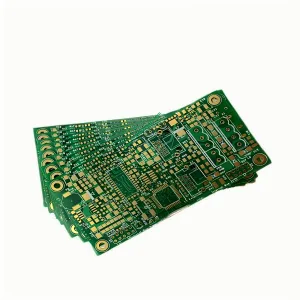
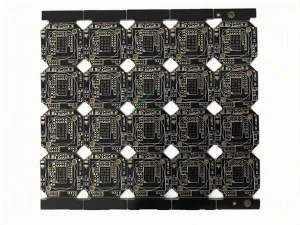
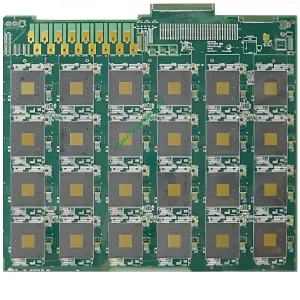
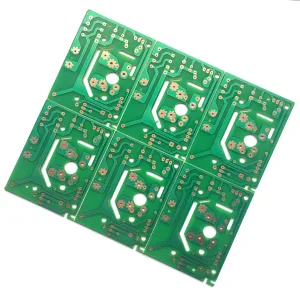
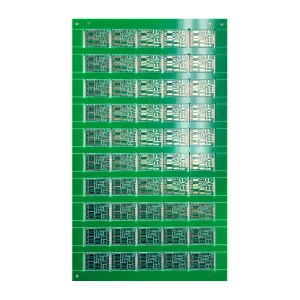
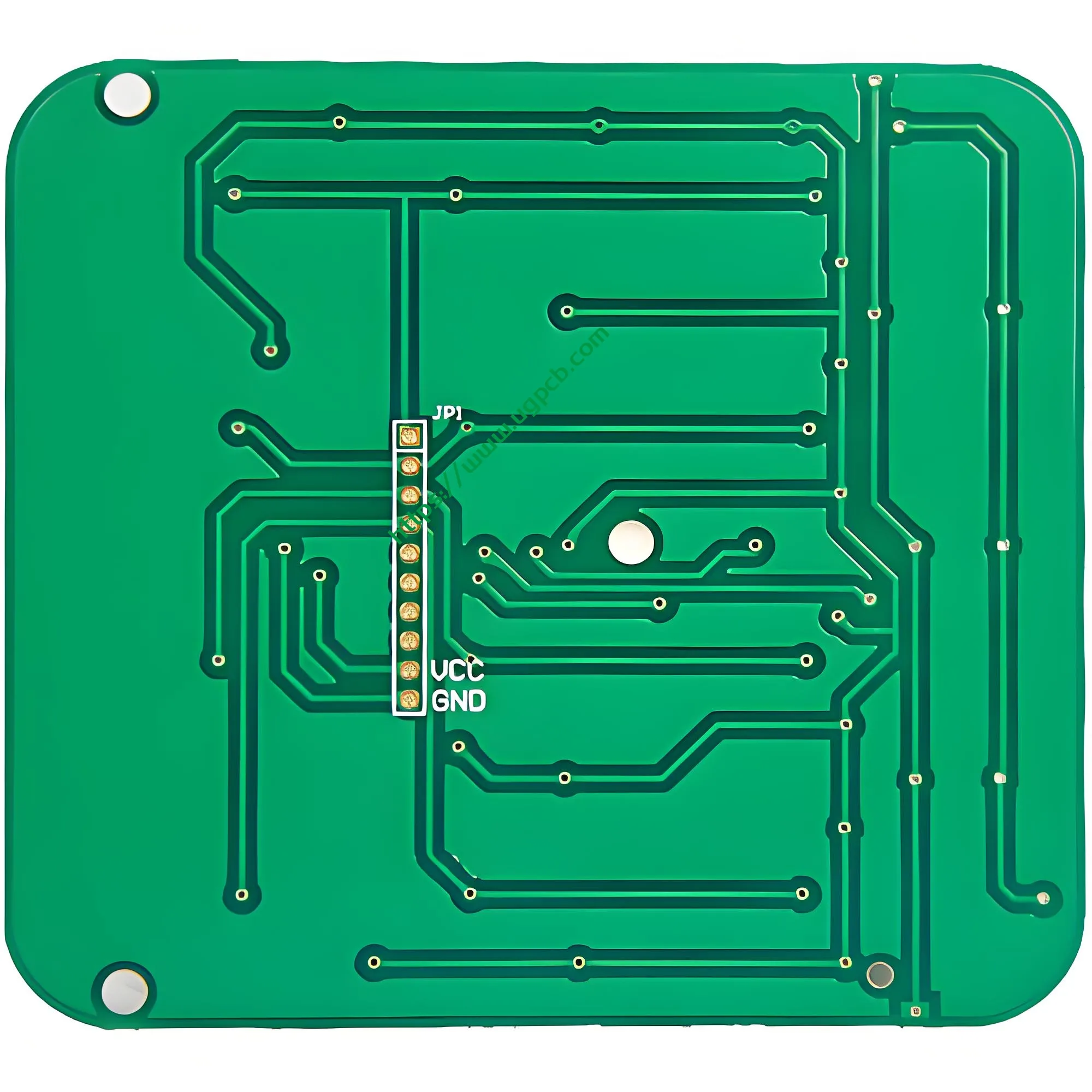
UGPCB นำเสนอสิ่งนี้แผงวงจรน้ำมันคาร์บอนสองด้าน โดยมีข้อกำหนดดังต่อไปนี้:
| พารามิเตอร์ | ข้อมูลจำเพาะ |
|---|---|
| วัสดุฐาน | FR4 |
| ความหนาของบอร์ด | 1.6มม |
| จำนวนเลเยอร์ | 2 ชั้น (สองด้าน) |
| ขนาดกระดาน | 43.68 × 38.9มม |
| เส้นผ่านศูนย์กลางรูขั้นต่ำ | 0.33มม |
| ร่องรอยความกว้าง / ระยะห่าง | 0.32 × 0.36มม |
| ความหนาของฟอยล์ทองแดง | 35/35μm (1ออนซ์ทั้งสองด้าน) |
| พื้นผิวเสร็จสิ้น | กระบวนการน้ำมันคาร์บอน |
| หน้ากากบัดกรี / ตำนาน | หน้ากากประสานสีเขียว / ซิลค์สกรีนสีขาว |
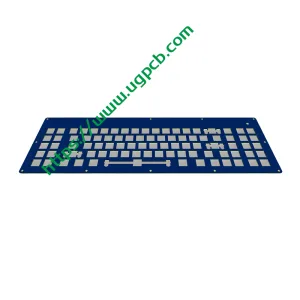
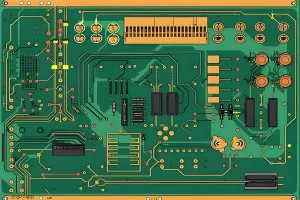
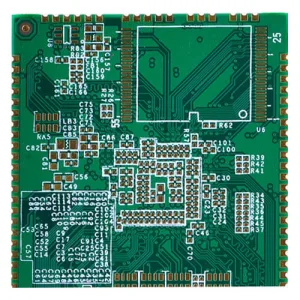
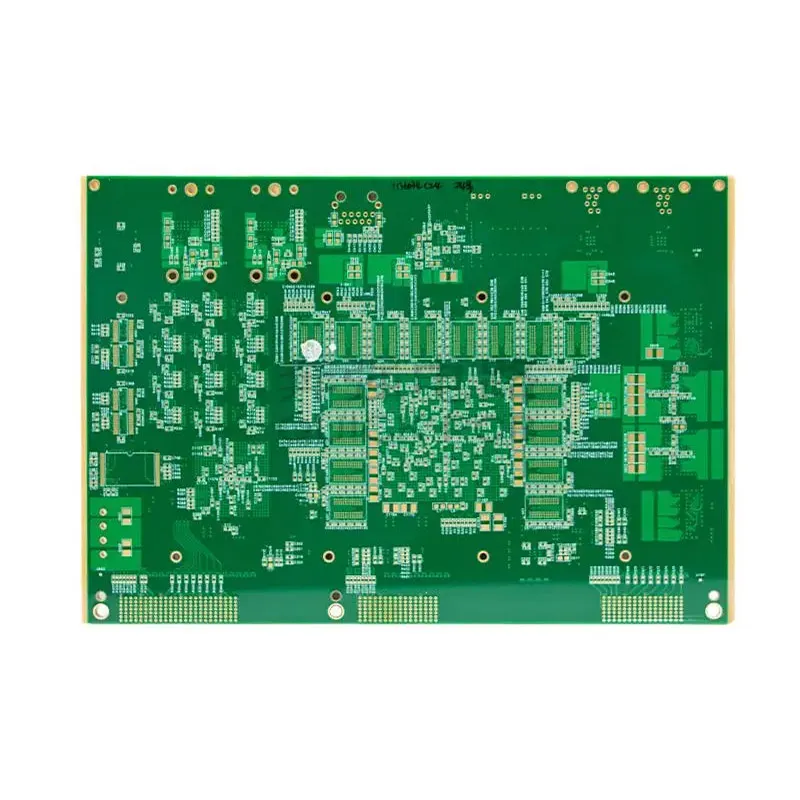
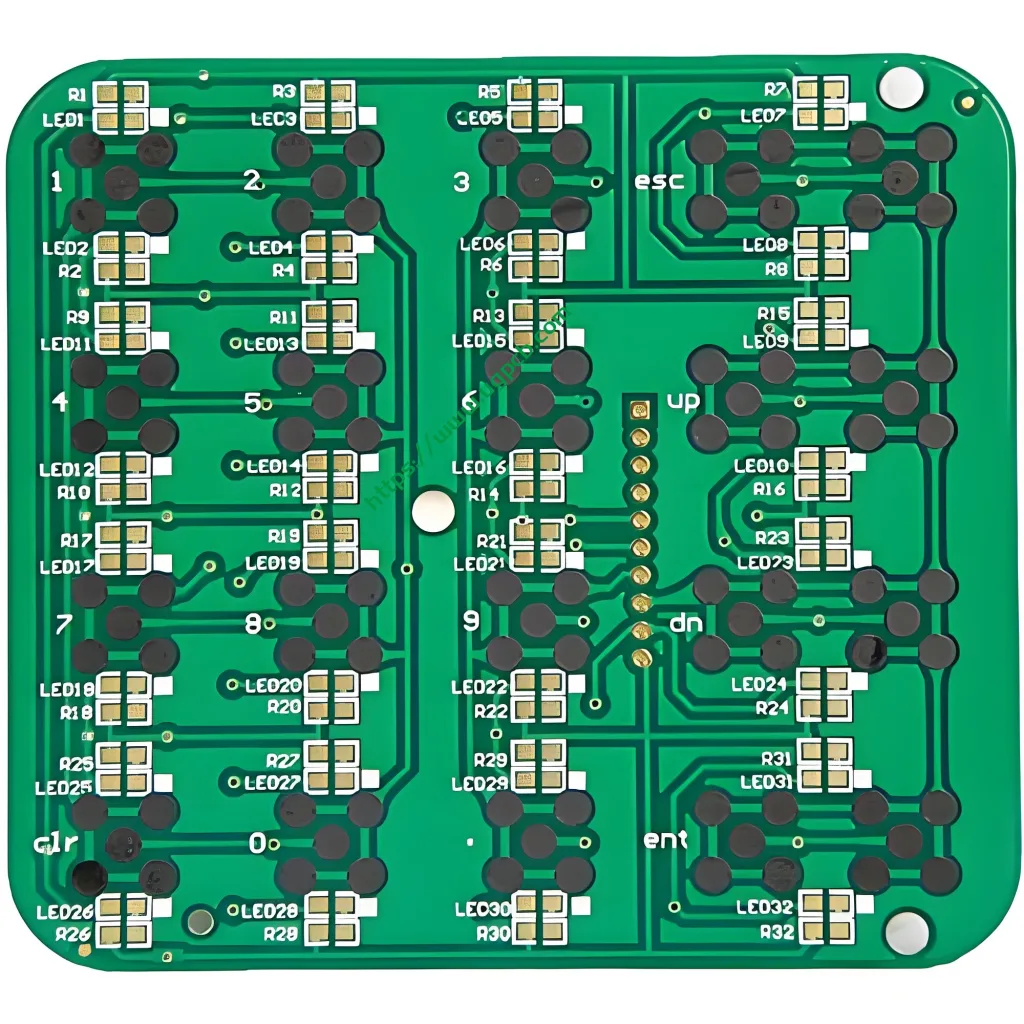
นี่คือกPCB สองด้านแข็งมาตรฐาน. มันผสมผสานร่องรอยทองแดงแบบดั้งเดิมเข้ากับผิวเคลือบน้ำมันคาร์บอน ที่สร้างแผ่นฟิล์มคาร์บอนนำไฟฟ้า ณ ตำแหน่งที่กำหนด. ผลลัพธ์ที่ได้คือบอร์ดที่ให้ทั้งค่าการนำไฟฟ้าที่ดีเยี่ยมของรอยทองแดง และความต้านทานการสึกหรอที่เหนือกว่าของหน้าสัมผัสฟิล์มคาร์บอน. ทำให้เป็นตัวเลือกที่เหมาะสำหรับการใช้งานแผงปุ่มกดในอุปกรณ์อิเล็กทรอนิกส์สำหรับผู้บริโภค, อุปกรณ์อิเล็กทรอนิกส์ยานยนต์, และอุปกรณ์การแพทย์.
แผงวงจรน้ำมันคาร์บอนสองด้านคืออะไร?
อัน แผงวงจรน้ำมันคาร์บอนสองด้าน เป็นแผงวงจรพิมพ์ที่ใช้ หมึกนำไฟฟ้าที่มีคาร์บอน (โดยทั่วไปเรียกว่าน้ำมันคาร์บอนหรือหมึกคาร์บอน) นำไปใช้โดยการพิมพ์สกรีนลงบนพื้นที่ที่กำหนดของ สารตั้งต้น PCB. หลังจากการบ่ม, รูปแบบนี้ รูปแบบการนำไฟฟ้าของฟิล์มคาร์บอน.
น้ำมันคาร์บอนเป็น หมึกนำไฟฟ้า ประกอบด้วยผงคาร์บอนนำไฟฟ้าเป็นหลัก, เทอร์โมเซตติงเรซิน, และสารเติมแต่งต่างๆ. มันถูกพิมพ์อย่างแม่นยำไปยังสถานที่เฉพาะบน แผงวงจร – โดยทั่วไปบริเวณหน้าสัมผัสของปุ่มกด – การใช้งาน เทคโนโลยีการพิมพ์สกรีน. หลังจากการบ่มที่อุณหภูมิสูง, น้ำมันคาร์บอนจะก่อตัวเป็นฟิล์มคาร์บอนที่มีค่าความต้านทานตามที่กำหนด.
เมื่อเทียบกับแบบดั้งเดิมปุ่มกดเคลือบทอง, ปุ่มกดน้ำมันคาร์บอนมีข้อได้เปรียบที่ชัดเจนแผงปุ่มกดน้ำมันคาร์บอนมีความทนทานต่อการสึกหรอสูงและสามารถทนต่อการทำงานซ้ำๆ ได้, โดยทั่วไปจะคงอยู่นานนับแสนหรือหลายล้านรอบการสลับ. การเปลี่ยนแผงปุ่มกดสีทองราคาแพงด้วยแผงปุ่มกดน้ำมันคาร์บอนกลายเป็นเทรนด์สำคัญของอุตสาหกรรม.
แผงน้ำมันคาร์บอนเป็นวิธีการรักษาพื้นผิวทั่วไปสำหรับ PCB แบบด้านเดียวและสองด้าน. ผ่านกระบวนการต่างๆ รวมถึงการตรวจสอบ, การทดสอบ, และการทดสอบการเบิร์นอิน, เหล่านี้ PCBS บรรลุการดำเนินงานระยะยาวที่เชื่อถือได้.
แนวทางการออกแบบ
การออกแบบแผงวงจรน้ำมันคาร์บอนสองด้าน ต้องให้ความสนใจกับประเด็นทางเทคนิคที่สำคัญต่อไปนี้:
ความกว้างและระยะห่างของการติดตามน้ำมันคาร์บอน
ตามข้อกำหนดการผลิตน้ำมันคาร์บอน PCB ของอุตสาหกรรม, ความกว้างของการติดตามน้ำมันคาร์บอนต้องมากกว่า 6mil (ประมาณ 0.152 มม). ฟิล์มน้ำมันคาร์บอนจะถูกระบุเป็น “จีทีซี” (ชั้นบนสุด) หรือ “จีบีซี” (ชั้นล่างสุด) และถูกส่งออกเป็นภาพยนตร์เชิงบวก.
เนื่องจากมีค่าการนำไฟฟ้าที่ดีเยี่ยมของน้ำมันคาร์บอน, ต้องรักษาระยะห่างที่เหมาะสมระหว่างคุณสมบัติของน้ำมันคาร์บอนบนบอร์ดที่เสร็จแล้วเพื่อป้องกันการลัดวงจร. การฝึกปรือขั้นต่ำโดยทั่วไปคือ:
ค่าเผื่อการจัดตำแหน่งขั้นต่ำสำหรับน้ำมันคาร์บอนคือ±6ล้าน.
หน้าต่างน้ำมันคาร์บอนและระยะห่างแบบทองแดง
เพื่อคำนึงถึงความคลาดเคลื่อนของการจัดตำแหน่งและป้องกันการรั่วไหลของน้ำมันที่อาจสัมผัสกับทองแดง, แผ่นน้ำมันคาร์บอนจะต้องมีขนาดใหญ่กว่าแผ่นทองแดงด้วย:
ต้องรักษาระยะห่างเดียวกันระหว่างหน้าต่างน้ำมันคาร์บอนและลวดลายทองแดงโดยรอบ เพื่อป้องกันไม่ให้น้ำมันคาร์บอนปกคลุมร่องรอยทองแดงที่อยู่ติดกันและทำให้เกิดการลัดวงจร.
การควบคุมความหนาของน้ำมันคาร์บอน
ความหนาของน้ำมันคาร์บอนส่งผลโดยตรงต่อความต้านทานของแผ่นและความต้านทานต่อการสึกหรอ. ข้อกำหนดมาตรฐานอุตสาหกรรมมีดังนี้:
- ความหนาของน้ำมันคาร์บอนพิมพ์ครั้งเดียว: 0.3–1.0ล้าน, ความอดทน ±0.3mil
- ความหนาของน้ำมันคาร์บอนพิมพ์สองครั้ง: 1.0–2.0ล้าน, ความอดทน ±0.4mil
สำหรับความหนาของน้ำมันคาร์บอนเกิน 1.0mil, จำเป็นต้องมีกระบวนการพิมพ์ซ้ำ. ฟิล์มน้ำมันคาร์บอนสำหรับการพิมพ์ครั้งที่สองจะต้องมีขนาดเล็กกว่าฟิล์มพิมพ์ครั้งแรก 3mil ในแต่ละด้าน.
การอ้างอิงมาตรฐานการออกแบบ
เมื่อออกแบบกแผงวงจรน้ำมันคาร์บอนสองด้าน, ควรปฏิบัติตามมาตรฐานสากลดังต่อไปนี้:
- ไอพีซี-2221: มาตรฐานทั่วไปเกี่ยวกับการออกแบบแผ่นพิมพ์ - ครอบคลุมระยะห่าง, การกวาดล้าง, และข้อกำหนดการออกแบบโครงสร้าง
- ไอพีซี-6012: ข้อกำหนดคุณสมบัติและประสิทธิภาพสำหรับบอร์ดพิมพ์แข็ง – กำหนดข้อกำหนดด้านประสิทธิภาพและเกณฑ์คุณสมบัติของผลิตภัณฑ์
- IPC-TM-650: คู่มือวิธีทดสอบ – ให้ขั้นตอนการทดสอบที่เป็นมาตรฐานสำหรับประสิทธิภาพของ PCB น้ำมันคาร์บอน
หลักการทำงาน
ที่แผงวงจรน้ำมันคาร์บอนสองด้าน ดำเนินงานในสองระดับพื้นฐาน:
หลักการการนำ
ค่าการนำไฟฟ้าของน้ำมันคาร์บอนถูกกำหนดโดยสูตรผสม, ซึ่งประกอบด้วยผงคาร์บอนนำไฟฟ้า, เทอร์โมเซตติงเรซิน, และสารเติมแต่งต่างๆ. การนำไฟฟ้าวัดโดยความต้านทานของแผ่น (หน่วย: โอ้/□).
ตามกฎของโอห์ม:
R = ρ × ลิตร / ส
โดยที่ R คือแนวต้าน, ρ คือความต้านทาน, L คือความยาวตัวนำ, และ S คือพื้นที่หน้าตัดของตัวนำ. สำหรับชั้นสื่อกระแสไฟฟ้าของฟิล์มคาร์บอน, ความต้านทานของแผ่นจะแปรผกผันกับความหนาของฟิล์ม: อาร์เอส = ρ / T (โดยที่ t คือความหนาของฟิล์มคาร์บอน).
โดยทั่วไปบอร์ดน้ำมันคาร์บอนจะมีความต้านทานแผ่นที่ ≤20Ω/□, นำเสนอประสิทธิภาพด้านต้นทุนที่ยอดเยี่ยม. สูตรน้ำมันคาร์บอนต้านทานต่ำบางสูตรยังผสมน้ำมันซิลเวอร์จำนวนเล็กน้อยเพื่อเพิ่มการนำไฟฟ้าอีกด้วย.
หลักการสลับปุ่มกด
ในแอพพลิเคชั่นปุ่มกด, ที่แผงวงจรน้ำมันคาร์บอนสองด้าน ทำงานดังต่อไปนี้: เมื่อเป็นปุ่มกดยาง (หรือองค์ประกอบยืดหยุ่นอื่น ๆ) ถูกกด, อนุภาคคาร์บอนที่เป็นสื่อกระแสไฟฟ้าที่ด้านล่างของแผงปุ่มกดจะสัมผัสกับแผ่นน้ำมันคาร์บอน บน PCB, เสร็จสิ้นวงจร. แผ่นน้ำมันคาร์บอนทำหน้าที่เป็นปุ่มกดตัวนำการติดต่อ, แทนที่หน้าสัมผัสเคลือบทองแบบเดิมๆ.
ข้อดีของหน้าสัมผัสน้ำมันคาร์บอนได้แก่:
- มีความแข็งผิวสูงและทนต่อการสึกหรอได้ดีเยี่ยม
- ความต้านทานการสัมผัสต่ำและเวลาตอบสนองที่รวดเร็ว
- ความเฉื่อยทางเคมี, การเสนอขายความต้านทานการกัดกร่อนและความต้านทานต่อการเกิดออกซิเดชัน
การใช้งาน
แผงวงจรน้ำมันคาร์บอนสองด้าน มีการใช้กันอย่างแพร่หลายในอุตสาหกรรมต่างๆ:
อุปกรณ์อิเล็กทรอนิกส์สำหรับผู้บริโภค
- การควบคุมระยะไกล: รีโมตทีวี, รีโมทเครื่องปรับอากาศ
- เครื่องคิดเลข: แผงปุ่มกด
- คีย์บอร์ด: คีย์บอร์ดคอมพิวเตอร์, คีย์บอร์ดเมมเบรน
- อุปกรณ์เล่นเกมและคีย์บอร์ดอิเล็กทรอนิกส์
อุปกรณ์อิเล็กทรอนิกส์ยานยนต์
- แผงควบคุมสวิตช์หน้าต่าง
- แผงควบคุมเครื่องปรับอากาศ
- แผงหน้าปัดและตัวควบคุมที่นั่ง
อุปกรณ์การแพทย์
- แผงควบคุมอุปกรณ์การแพทย์
- อิเล็กโทรดแถบทดสอบน้ำตาลในเลือด
อุตสาหกรรมและการสื่อสาร
- แผงอุปกรณ์ควบคุมอุตสาหกรรม
- อุปกรณ์สื่อสาร
- ป้ายอัจฉริยะ RFID
ทางเลือกอื่นที่คุ้มค่า
แผงวงจรน้ำมันคาร์บอน สามารถทดแทนกระบวนการดั้งเดิมต่อไปนี้ได้:
- กระบวนการรูทะลุชุบทองแดง
- กระบวนการเติมซิลเวอร์เพสต์
- กระบวนการเติมทองแดงผ่านกระบวนการเติม
เป็นมิตรกับสิ่งแวดล้อม, การเติมคาร์บอนแบบวางต้นทุนต่ำเป็นแนวโน้มอุตสาหกรรมหลัก. Microsoft ได้นำน้ำมันคาร์บอนมาใช้สำหรับการเติมผ่านแผงจ่ายไฟ, แทนที่บอร์ดสองชั้นอย่างสมบูรณ์ด้วยรูชุบทองแดง.
การจำแนกประเภทผลิตภัณฑ์
แผงวงจรน้ำมันคาร์บอนสองด้าน สามารถจำแนกได้ตามมิติต่างๆ ดังต่อไปนี้:
ตามประเภทการนำไฟฟ้า
- บอร์ดน้ำมันคาร์บอนความต้านทานต่ำ: ความต้านทานของแผ่น ≤20Ω/□ – เหมาะสำหรับหน้าสัมผัสแผงปุ่มกด
- บอร์ดน้ำมันคาร์บอนความต้านทานสูง: เหมาะสำหรับโพเทนชิโอมิเตอร์และชั้นตัวต้านทาน
- บอร์ดเติมน้ำมันคาร์บอน: ใช้น้ำมันคาร์บอนเพื่อเติมผ่านรูสำหรับการเชื่อมต่อระหว่างชั้น
โดยวัสดุฐาน
- แผงน้ำมันคาร์บอน FR4: พื้นผิวใยแก้ว/อีพ็อกซี่ (ผลิตภัณฑ์นี้)
- บอร์ดน้ำมันคาร์บอน CEM-1: วัสดุรองพื้นอีพ็อกซี่คอมโพสิต
- แผงน้ำมันคาร์บอนโพลีอิไมด์: พื้นผิวที่ยืดหยุ่น
โดยการนับเลเยอร์
- กระดานน้ำมันคาร์บอนด้านเดียว
- บอร์ดน้ำมันคาร์บอนสองด้าน (ผลิตภัณฑ์นี้)
- แผงน้ำมันคาร์บอนหลายชั้น
โดยการผสมผสานการตกแต่งพื้นผิว
- เห็นด้วย + น้ำมันคาร์บอน
- เลือดออก + น้ำมันคาร์บอน
- โอป + น้ำมันคาร์บอน
- น้ำมันคาร์บอน + ดีบุกแช่ (ปัจจุบันไม่เหมาะสำหรับการผลิตจำนวนมากเนื่องจากปัญหาการปนเปื้อนที่ผิวดีบุก)
วัสดุ
วัสดุฐาน – FR4
สินค้าชิ้นนี้ใช้ FR4 เป็นวัสดุฐาน. FR4 เป็นชื่อในอุตสาหกรรมสำหรับลามิเนตเคลือบทองแดงอีพอกซีเรซินเสริมใยแก้ว, การเสนอขาย:
- ความแข็งแรงทางกลที่ดีเยี่ยมและความเสถียรของมิติ
- คุณสมบัติของฉนวนไฟฟ้าที่เหนือกว่า
- ทนต่อความชื้นและความร้อนได้ดี
- ค่าคงที่ไดอิเล็กตริกประมาณ 4.2–4.3
FR4 เป็นวัสดุฐานที่ใช้กันมากที่สุดสำหรับ PCB ที่มีความแข็ง และมีการยึดเกาะที่ดีกับน้ำมันคาร์บอน.
ชั้นสื่อกระแสไฟฟ้า – ฟอยล์ทองแดง
ใช้ทั้งสองด้าน35μm (1ออนซ์) ฟอยล์ทองแดง, ช่วยให้มั่นใจได้ถึงการนำไฟฟ้าและความสามารถในการรองรับกระแสไฟฟ้าที่ดีเยี่ยม.
วัสดุน้ำมันคาร์บอน
น้ำมันคาร์บอนเป็นหมึกนำไฟฟ้าที่มีคาร์บอน ประกอบด้วย:
- ผงคาร์บอนนำไฟฟ้า: 30%–50% เนื้อหา – กำหนดการนำไฟฟ้า
- เทอร์โมเซตติงเรซิน: ให้คุณสมบัติการยึดเกาะและการแข็งตัว
- สารเติมแต่งต่างๆ: ควบคุมลักษณะการไหลและประสิทธิภาพการยึดเกาะ
น้ำมันคาร์บอนจะต้องแสดงการยึดเกาะที่แข็งแกร่ง, ความต้านทานการลอก, และทนต่อการสึกหรอ.
หน้ากากประสานและตำนาน
- หน้ากากประสาน: หมึกสีเขียว – ป้องกันวงจรและป้องกันการลัดวงจร
- ตำนาน: ซิลค์สกรีนสีขาว – ระบุตำแหน่งของส่วนประกอบและหมายเลขกระดาน
ข้อมูลจำเพาะด้านประสิทธิภาพ
ประสิทธิภาพไฟฟ้า
| พารามิเตอร์ | ข้อมูลจำเพาะ | อ้างอิง |
|---|---|---|
| ความต้านทานของแผ่น | ≤20Ω/□ | มาตรฐานอุตสาหกรรม |
| อัตราการเปลี่ยนแปลงความต้านทาน | ≤10% (หลังจาก 1 ล้านรอบ) | มาตรฐานอุตสาหกรรม |
สมรรถนะทางกล
ความแม่นยำของมิติ
| พารามิเตอร์ | ข้อมูลจำเพาะ |
|---|---|
| เส้นผ่านศูนย์กลางรูขั้นต่ำ | 0.33มม |
| ความกว้างการติดตามขั้นต่ำ | 0.32มม |
| ระยะห่างการติดตามขั้นต่ำ | 0.36มม |
| ความหนาของบอร์ด | 1.6มม |
ความน่าเชื่อถือด้านสิ่งแวดล้อม
ต่อIPC-TM-650 ข้อกำหนดมาตรฐาน:
- การทดสอบความร้อนชื้น (IPC-TM-650 2.6.3.7): 1000 ชั่วโมงที่ 40°C / 90% RH – ความต้านทานของแผ่นน้ำมันคาร์บอนเปลี่ยนแปลง ≤20%
- การทดสอบการปั่นจักรยานด้วยอุณหภูมิ (IPC-TM-650 2.6.7): 100 รอบตั้งแต่ -40°C ถึง 85°C – น้ำมันคาร์บอนไม่แตกร้าว, ความผันผวนของความต้านทาน ≤15%
- การทดสอบความต้านทานการขัดถู (IPC-TM-650 2.5.9): หลังจาก 1000 รอบ – ค่าสัมประสิทธิ์การขัดถู ≤5 มก
โครงสร้างผลิตภัณฑ์
โครงสร้างทั่วไปของกแผงวงจรน้ำมันคาร์บอนสองด้าน (จากบนลงล่าง):
- ชั้นตำนาน (สีขาว): ตัวกำหนดอ้างอิงส่วนประกอบ
- ชั้นหน้ากากประสาน (สีเขียว): การป้องกันวงจรและการป้องกันการลัดวงจร
- ชั้นน้ำมันคาร์บอน: ฟิล์มคาร์บอนนำไฟฟ้าที่ตำแหน่งแผงปุ่มกดที่กำหนด
- ร่องรอยทองแดงด้านบน (35μm): วงจรนำไฟฟ้า
- สารตั้งต้น FR4 (1.6มม): การสนับสนุนฉนวน
- ร่องรอยทองแดงด้านล่าง (35μm): วงจรนำไฟฟ้า
- ชั้นหน้ากากประสาน (สีเขียว): การป้องกันวงจรชั้นล่าง
- ชั้นตำนาน (สีขาว): ตัวระบุชั้นล่างสุด
ชั้นน้ำมันคาร์บอนถูกนำไปใช้กับพื้นที่สัมผัสของแผงปุ่มกดหรือโซนสื่อกระแสไฟฟ้าที่กำหนดเท่านั้น, ไม่ทั่วถึงทั้งกระดาน.
คุณสมบัติที่สำคัญ
ความได้เปรียบด้านต้นทุนที่สำคัญ
กระบวนการน้ำมันคาร์บอนช่วยลดขั้นตอนการชุบทองแดงและการแกะสลัก, ลดต้นทุนวัสดุลง 15%–25%. เมื่อเทียบกับการชุบทองแข็ง, ต้นทุนหมึกคาร์บอนลดลง 40%–60%.
อายุการใช้งานยาวนาน
แผงปุ่มกดน้ำมันคาร์บอนมีความทนทานต่อการสึกหรอเป็นพิเศษ, ยาวนานกว่า 1 ล้านรอบการสลับ ด้วยอัตราการเปลี่ยนแปลงความต้านทาน ≤10%.
เรียบง่าย, กระบวนการที่มีประสิทธิภาพ
การใช้น้ำมันคาร์บอนการพิมพ์หน้าจอ แทนที่จะเป็นกระบวนการชุบด้วยไฟฟ้าที่ใช้เวลานาน. ระยะเวลารอคอยการผลิตสามารถสั้นลงกว่า 30%.
ทนต่อสิ่งแวดล้อมได้ดีเยี่ยม
น้ำมันคาร์บอนก็คือเฉื่อยทางเคมี, ให้ความต้านทานต่อกรดและด่างได้ดีกว่าทองแดง. มันทำงานได้อย่างน่าเชื่อถือมากขึ้นในสภาพแวดล้อมที่ชื้นหรือมีฝุ่นมาก. ความแข็งผิวของฟิล์มคาร์บอนถึง3ชม (การทดสอบความแข็งของดินสอ), มีประสิทธิภาพเหนือกว่าพื้นผิวทองแดงที่ไม่มีการป้องกัน (1-2H).
ตัวเลือกการออกแบบที่ยืดหยุ่น
น้ำมันคาร์บอนสามารถพิมพ์โดยตรงเพื่อสร้างตัวต้านทานได้, ปุ่มกด, และโมดูลการทำงานอื่นๆ, ลดจำนวนข้อต่อประสานลง 30%–50%.
กระบวนการผลิต
กระบวนการผลิตโดยทั่วไปสำหรับกแผงวงจรน้ำมันคาร์บอนสองด้าน:
- การตัดวัสดุ: ตัดลามิเนตหุ้มทองแดง FR4 ตามขนาดการทำงาน
- การขุดเจาะ: เจาะผ่านรูและรูยึด (เส้นผ่านศูนย์กลางขั้นต่ำ 0.33 มม)
- การทำความสะอาดพื้นผิว: การทำความสะอาดสารเคมีเพื่อกำจัดออกไซด์, น้ำมัน, และสารปนเปื้อน
- ทองแดงแบบไม่ใช้ไฟฟ้า / การชุบด้วยไฟฟ้า: การชุบผ่านรูสำหรับการเชื่อมต่อระหว่างชั้น
- การถ่ายโอนรูปแบบ: การเปิดรับและการพัฒนาเพื่อสร้างรูปแบบวงจร
- การแกะสลัก: นำฟอยล์ทองแดงออกจากบริเวณที่ไม่ใช่วงจร
- เปลื้องผ้า: ลบความต้านทานฟิล์มแห้ง
- การพิมพ์หน้ากากประสาน: ใช้หมึกหน้ากากประสานสีเขียว
- การบ่มหน้ากากประสาน: การบ่มหน้ากากประสานด้วยอุณหภูมิสูง
- การตกแต่งพื้นผิว – การพิมพ์น้ำมันคาร์บอน:
- สกรีนน้ำมันคาร์บอนตามจุดที่กำหนด (พิมพ์เดี่ยวหรือสองครั้ง)
- ก่อนอบ (80°ซ × 30 นาที)
- การรักษาหลัก (150°ซ × 30–60 นาที)
- การพิมพ์ในตำนาน: พิมพ์ตัวระบุซิลค์สกรีนสีขาว
- การทำโปรไฟล์: การกำหนดเส้นทางเราเตอร์, V-ตัด, ฯลฯ.
- การทดสอบทางไฟฟ้า: การทดสอบความต่อเนื่อง, การทดสอบฉนวน
- การตรวจสอบขั้นสุดท้ายและบรรจุภัณฑ์
สำหรับ PCB ด้วยเห็นด้วย + น้ำมันคาร์บอน การรวมกันเสร็จสิ้น, โดยทั่วไปการพิมพ์น้ำมันคาร์บอนจะดำเนินการหลังจาก ENIG, โดยติดเทปสีน้ำเงินเพื่อปกป้องพื้นที่น้ำมันคาร์บอน.
สถานการณ์การใช้งาน
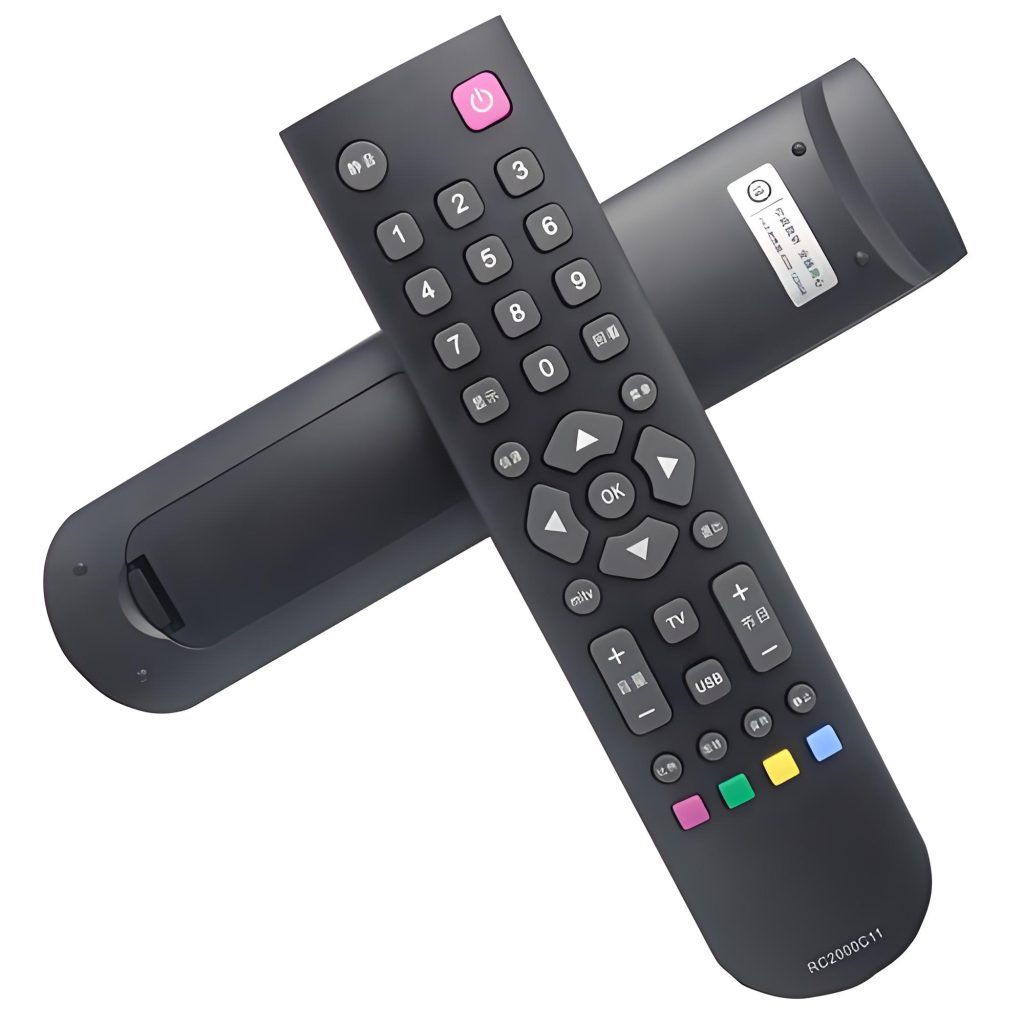
รีโมทคอนโทรลและแผงควบคุมอุปกรณ์
ข้อเสนอหน้าสัมผัสน้ำมันคาร์บอนกดชีวิตยาว และความต้านทานการสัมผัสต่ำเพื่อการตอบสนองที่รวดเร็ว. การใช้งานทั่วไปได้แก่รีโมททีวี, รีโมทเครื่องปรับอากาศ, และแผงควบคุมเครื่องซักผ้า.
โมดูลควบคุมอิเล็กทรอนิกส์ยานยนต์
นำเสนอวงจรน้ำมันคาร์บอนภายในแผงประตูรถยนต์ทนต่อการกัดกร่อนได้ดี, ดำเนินการได้อย่างน่าเชื่อถือในสภาพแวดล้อมของยานยนต์ที่ซับซ้อน และแก้ไขปัญหาการเกิดออกซิเดชันและการแตกหักที่มักพบในโซลูชันแบบเดิม.
แผงควบคุมการทำงานของอุปกรณ์การแพทย์
พื้นที่การตรวจจับแบบสัมผัสที่พิมพ์ด้วยน้ำมันคาร์บอนช่วยรักษาการทำงานที่มั่นคงในน้ำมัน, สภาพแวดล้อมที่ชื้น. วัสดุน้ำมันคาร์บอนยังให้ความเป็นเลิศอีกด้วยความเข้ากันได้ทางชีวภาพ.
คีย์บอร์ดอุตสาหกรรมและระบบ POS
ในเครื่อง POS และคีย์บอร์ดอุตสาหกรรม, วงจรที่รวมน้ำมันคาร์บอนกับซับสเตรต FR4 จะปรับตามการเปลี่ยนแปลงของอุณหภูมิและให้ความเสถียร, ประสิทธิภาพที่เชื่อถือได้.
เหตุใดจึงเลือก UGPCB สำหรับแผงวงจรน้ำมันคาร์บอนสองด้านของคุณ?
✅ เป็นไปตามมาตรฐานสากล
การออกแบบผลิตภัณฑ์และการผลิตปฏิบัติตามอย่างเคร่งครัดไอพีซี-2221 (มาตรฐานทั่วไปเกี่ยวกับการออกแบบแผ่นพิมพ์), ไอพีซี-6012 (ข้อกำหนดด้านประสิทธิภาพของบอร์ดที่เข้มงวด), และIPC-TM-650 (คู่มือวิธีทดสอบ).
✅ความสามารถในการผลิตที่แม่นยำ
- เส้นผ่านศูนย์กลางรูขั้นต่ำ 0.33 มม. – รองรับการออกแบบที่มีความหนาแน่นสูง
- ความกว้าง/ระยะห่างการติดตามขั้นต่ำ 0.32 × 0.36 มม. – ความแม่นยำระดับชั้นนำของอุตสาหกรรม
- ความต้านทานของแผ่นน้ำมันคาร์บอน ≤20Ω/□ – การนำไฟฟ้าได้ดีเยี่ยม
✅บริการแบบครบวงจร
UGPCB ให้บริการแบบ end-to-end จาก การออกแบบ PCB และการผลิตเพื่อ แอสเซมบลี PCBA.
✅ รับประกันความน่าเชื่อถือสูง
หน้าสัมผัสน้ำมันคาร์บอนช่วยยืดอายุการใช้งาน≥1ล้านรอบ ด้วยอัตราการเปลี่ยนแปลงความต้านทาน ≤10%, ทำให้มั่นใจได้ถึงการทำงานที่มั่นคงในระยะยาว.
ขอใบเสนอราคาวันนี้เลย
ที่แผงวงจรน้ำมันคาร์บอนสองด้าน คือโซลูชั่นที่คุ้มค่าสูง สำหรับการใช้งานปุ่มกดในอุปกรณ์อิเล็กทรอนิกส์สำหรับผู้บริโภค, อุปกรณ์อิเล็กทรอนิกส์ยานยนต์, และอุปกรณ์การแพทย์.
ไม่ว่าคุณจะต้องการ PCB Prototyping, ปริมาณการผลิต, หรือ บริการ PCBA แบบครบวงจร, UGPCB ให้การสนับสนุนด้านเทคนิคอย่างมืออาชีพและราคาที่แข่งขันได้.
📧ติดต่อเราวันนี้เพื่อรับคำปรึกษาด้านเทคนิคฟรีและใบเสนอราคาที่กำหนดเอง!
- เว็บไซต์: www.ugpcb.com
- บริการครบวงจร: การออกแบบ PCB, การผลิต, และชุดประกอบ PCBA
การประกาศแหล่งข้อมูล
ข้อมูลทางเทคนิคและมาตรฐานที่อ้างถึงในบทความนี้ได้มาจากแหล่งข้อมูลที่เชื่อถือได้ดังต่อไปนี้:
- IPC (สมาคมเชื่อมต่ออุตสาหกรรมอิเล็กทรอนิกส์) มาตรฐาน:
- IPC-2221 – มาตรฐานทั่วไปเกี่ยวกับการออกแบบบอร์ดพิมพ์
- IPC-6012 – คุณสมบัติและข้อกำหนดด้านประสิทธิภาพสำหรับบอร์ดพิมพ์แข็ง
- IPC-TM-650 – คู่มือวิธีทดสอบ
- ข้อมูลจำเพาะทางเทคนิคมาตรฐานอุตสาหกรรม:
- ข้อกำหนดการผลิตน้ำมันคาร์บอน PCB (ความกว้างของการติดตามน้ำมันคาร์บอน≥6mil, แบบแผนการตั้งชื่อภาพยนตร์, ฯลฯ)
- ข้อกำหนดการควบคุมความหนาของการพิมพ์สกรีนน้ำมันคาร์บอน (พิมพ์เดียว: 0.3–1.0ล้าน; พิมพ์สองครั้ง: 1.0–2.0ล้าน)
- วรรณคดีทางเทคนิคอุตสาหกรรม:
- ข้อกำหนดการผลิต PCB น้ำมันคาร์บอน - มิติสำคัญสามประการ
- การวิเคราะห์ทางเทคนิค PCB ของกระบวนการน้ำมันคาร์บอน
- น้ำมันคาร์บอน PCB เทียบกับ. การเปรียบเทียบ PCB มาตรฐาน