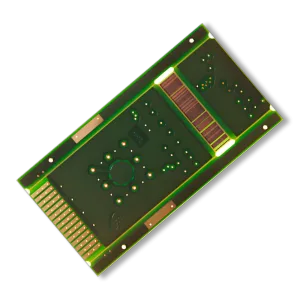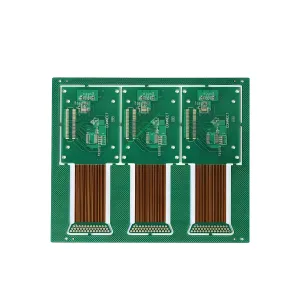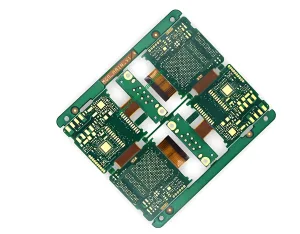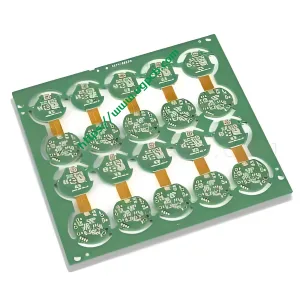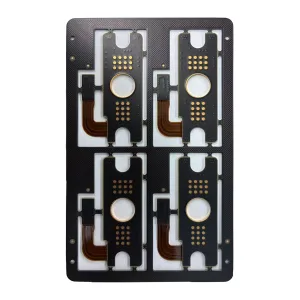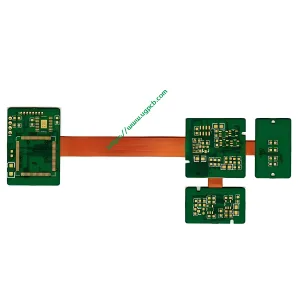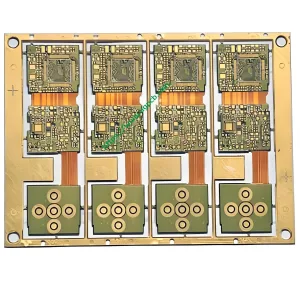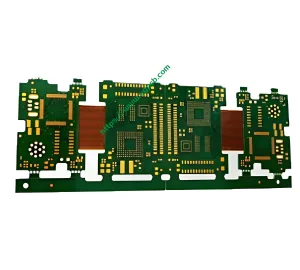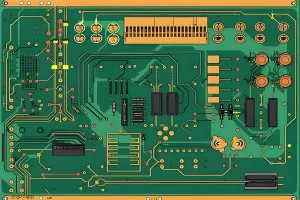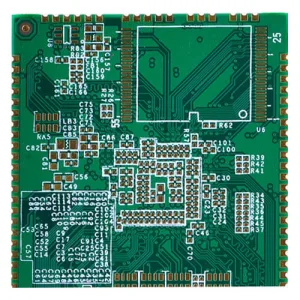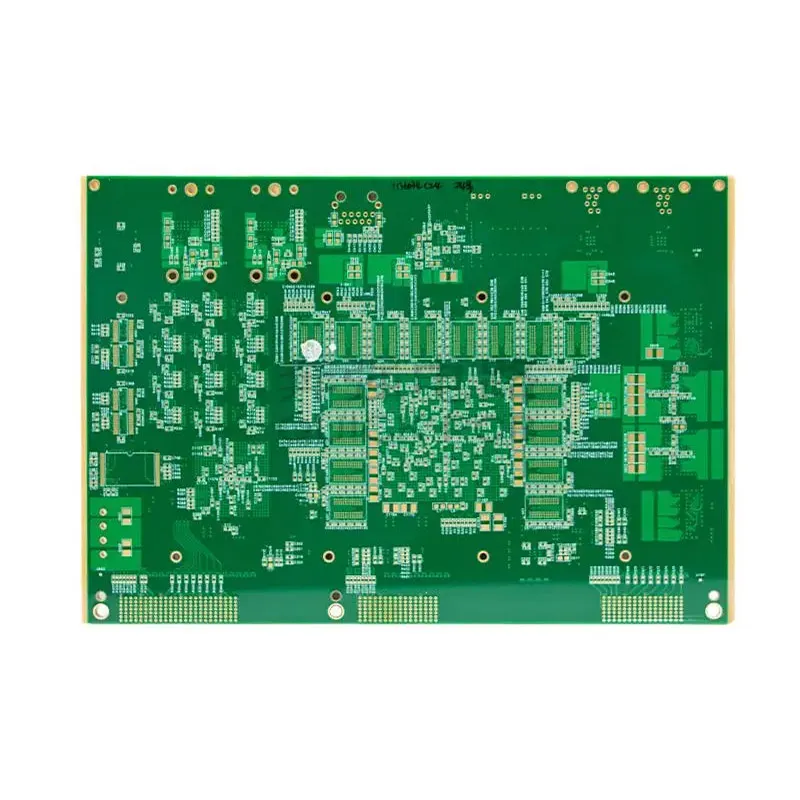
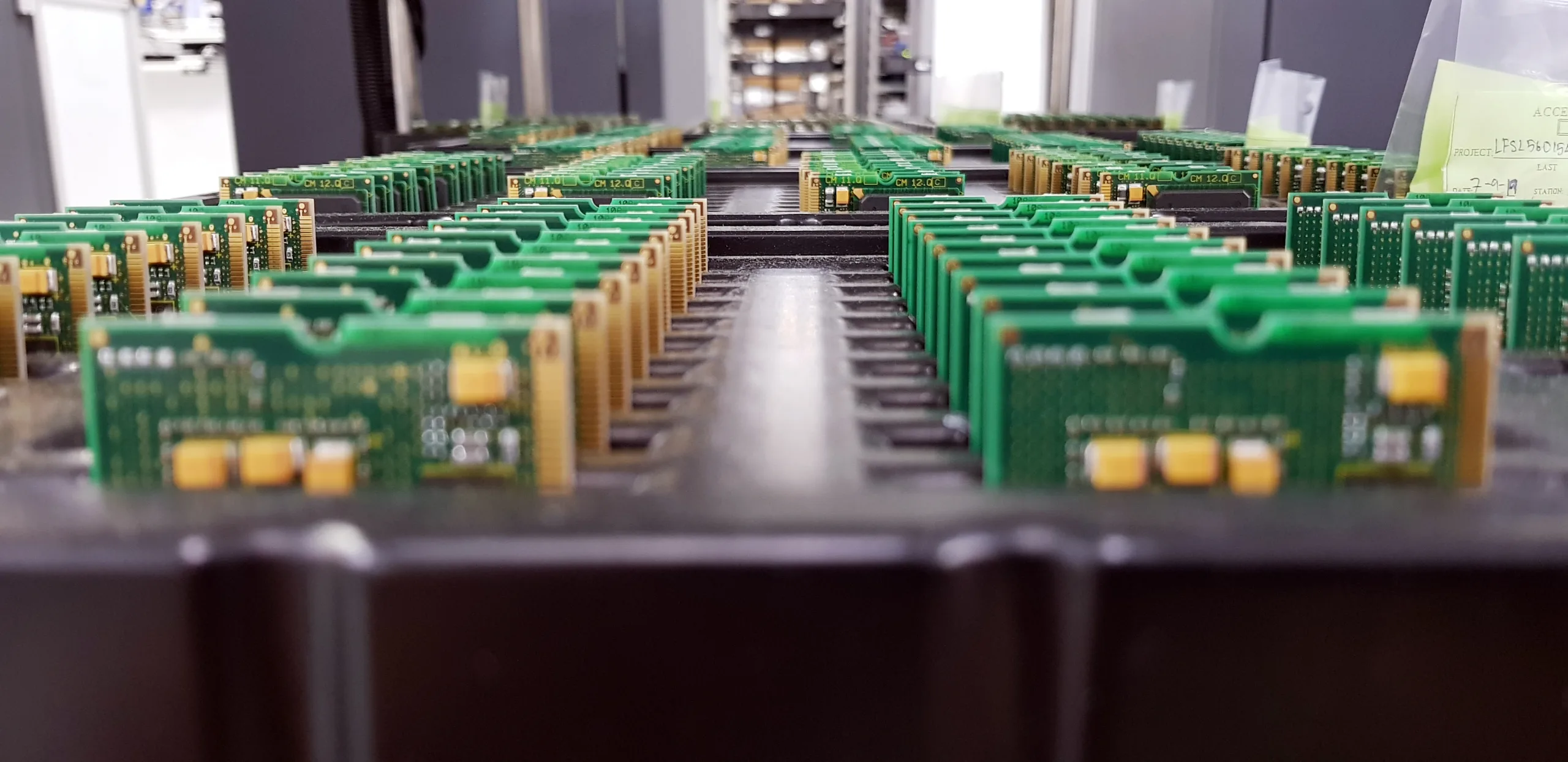
A medida que los productos electrónicos modernos exigen una mayor integración, Factores de forma más pequeños, y confiabilidad mejorada, Los PCB rígidos tradicionales o los circuitos impresos flexibles independientes a menudo se quedan cortos en diseños tridimensionales complejos.. PCB de flexión rígida Ofrecer una solución combinando el soporte mecánico de placas rígidas con la flexibilidad de circuitos flexibles., convirtiéndolos en la opción preferida para aplicaciones electrónicas de alta gama.
UGPCB se especializa en precisión fabricación de PCB. Este artículo presenta nuestro producto estrella: el PCB rígido flexible multicapa (4 Capas rígidas + 2 Capas flexibles) - y explica cómo su estructura admite diseños de productos digitales avanzados..
1. ¿Qué es una PCB rígida-flexible??
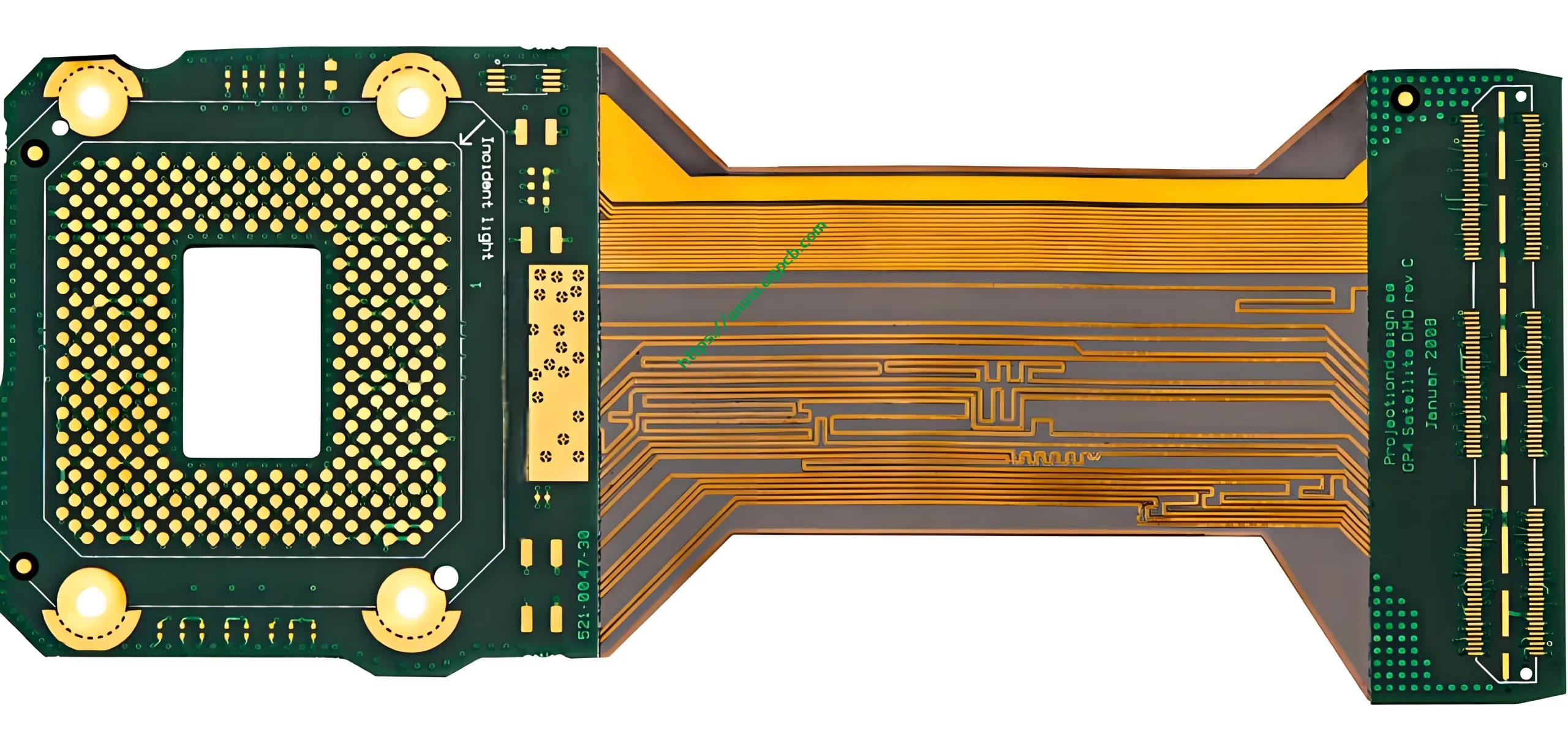
A PCB rígido-flexible integra secciones de tablero rígido y secciones de circuito flexible en una sola unidad mediante laminación. A diferencia de los ensamblajes convencionales que utilizan conectores para unir tableros rígidos y flexibles separados., Una PCB rígido-flexible establece conexiones eléctricas perfectas a través de vías plateadas y transiciones de capas..
Esta estructura proporciona una mayor flexibilidad de diseño.. Permite plegar o doblar la PCB dentro del dispositivo., reduciendo el uso de espacio y eliminando conectores y cables. Esto mejora la resistencia a los golpes y la integridad de la señal..
2. Descripción general del producto: UGPCB 4+2 PCB rígido flexible multicapa
UGPCB ofrece una PCB rígida-flexible con un diseño clásico rígido-flexible-rígido amontonamiento. Los parámetros clave se enumeran a continuación..
-
Modelo: PCB rígido flexible multicapa
-
Apilado de capas: 4 capas rígidas + 2 capas flexibles
-
Material: FR-4 (secciones rígidas) + poliimida (sección flexible)
-
Acabado superficial: Oro de inmersión (ACEPTAR)
-
Espesor terminado: 1.0milímetros (área rígida) + 0.15milímetros (área flexible)
-
Espesor de cobre: 1 onz
-
Seguimiento mínimo / Espacio: 3 mil / 3 mil
-
Solicitud: Productos digitales
3. Clasificación y Aplicaciones
Los PCB rígidos-flexibles generalmente se clasifican por estructura y uso previsto.. Las ofertas de UGPCB admiten los siguientes tipos comunes:
-
PCB rígido-flexibles de una o dos caras – adecuado para dispositivos compactos como auriculares TWS y relojes inteligentes.
-
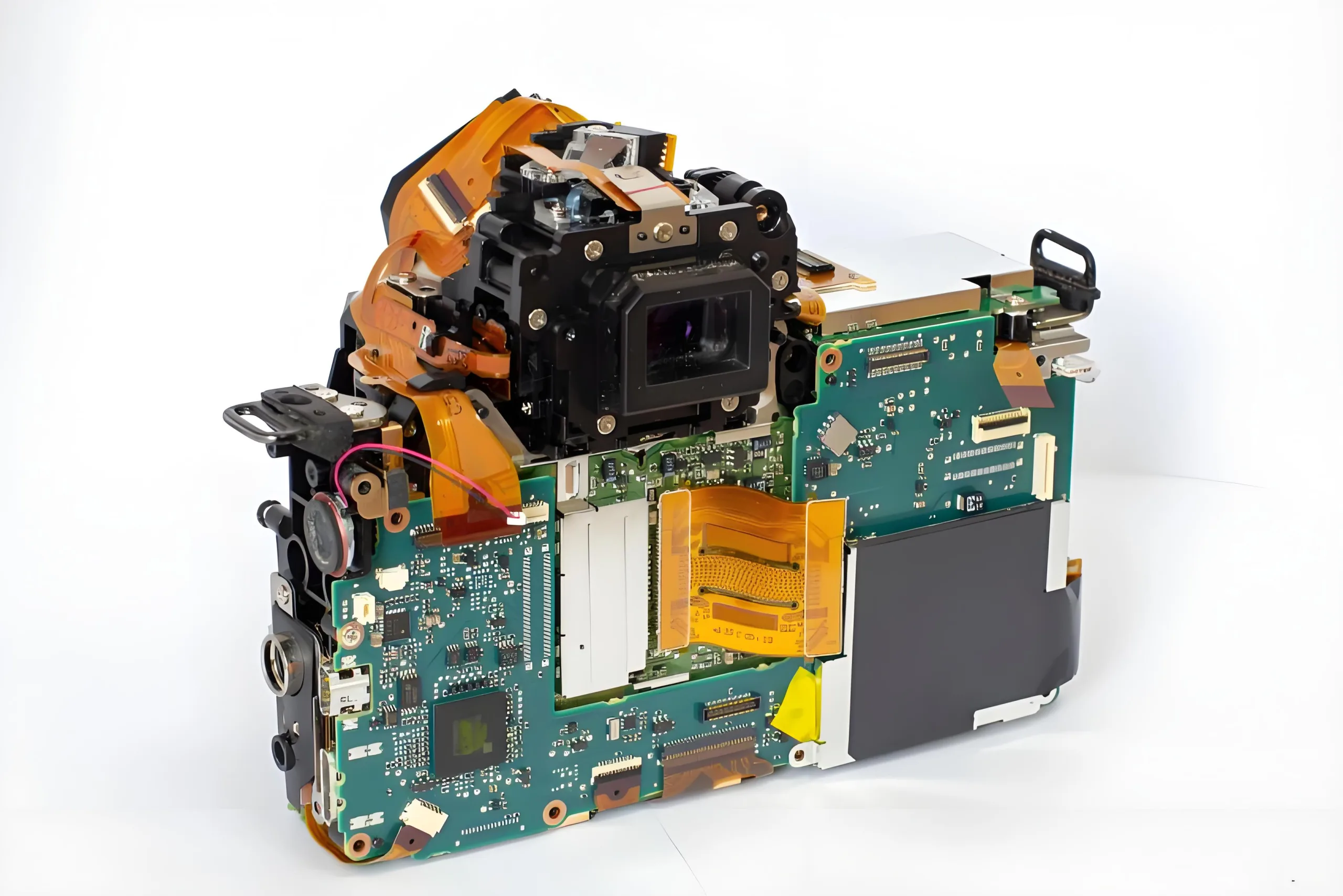
PCB rígido-flexibles multicapa – UGPCB 4 rígido + 2 capa flexible El diseño pertenece a esta categoría.. Admite la colocación de componentes de alta densidad y enrutamiento complejo, haciéndolo ideal para teléfonos inteligentes, cámaras digitales, y productos digitales similares.
-
PCB rígido-flexibles reforzados localmente – utilizado en robótica industrial o pantallas plegables donde se requiere una alta vida útil.
4. Consideraciones de diseño y principio de funcionamiento
El principio de funcionamiento de una PCB rígido-flexible es sencillo: componentes de soporte de secciones rígidas, mientras que las secciones flexibles proporcionan interconexiones flexibles. Sin embargo, una implementación exitosa requiere un diseño cuidadoso.
Las prácticas de diseño clave incluyen:
-
Simetría de apilamiento – Las estructuras de capas simétricas evitan la deformación causada por el estrés térmico durante la laminación.
-
Tratamiento de la zona de transición - El interfaz rígido-flexible es la zona más sensible. UGPCB sigue las pautas de DFM mediante el uso de almohadillas en forma de lágrima y trazos cónicos para reducir el estrés.. Se evitan los ángulos agudos para evitar grietas..
-
Enrutamiento de capa flexible – Las marcas en la zona flexible deben encaminarse perpendicular al eje de curvatura. Se deben evitar cambios bruscos de dirección o trazas apiladas para mantener la flexibilidad..
5. Materiales y rendimiento
La selección del material afecta directamente el rendimiento y la confiabilidad..
-
Sección rígida – FR-4 – Proporciona estabilidad mecánica y disipación de calor para componentes como BGA y conectores.
-
Sección flexible – Poliimida (PI) – Ofrece alta resistencia al calor, aislamiento, y flexibilizar la vida. Cuando se combina con 1 oz de cobre recocido laminado, Admite aplicaciones dinámicas y flexibles..
-
Acabado superficial – Inmersión Oro (ACEPTAR) – Proporciona un piso, Superficie resistente a la oxidación adecuada para componentes de paso fino y que garantiza una soldabilidad fiable.
6. Proceso de fabricación
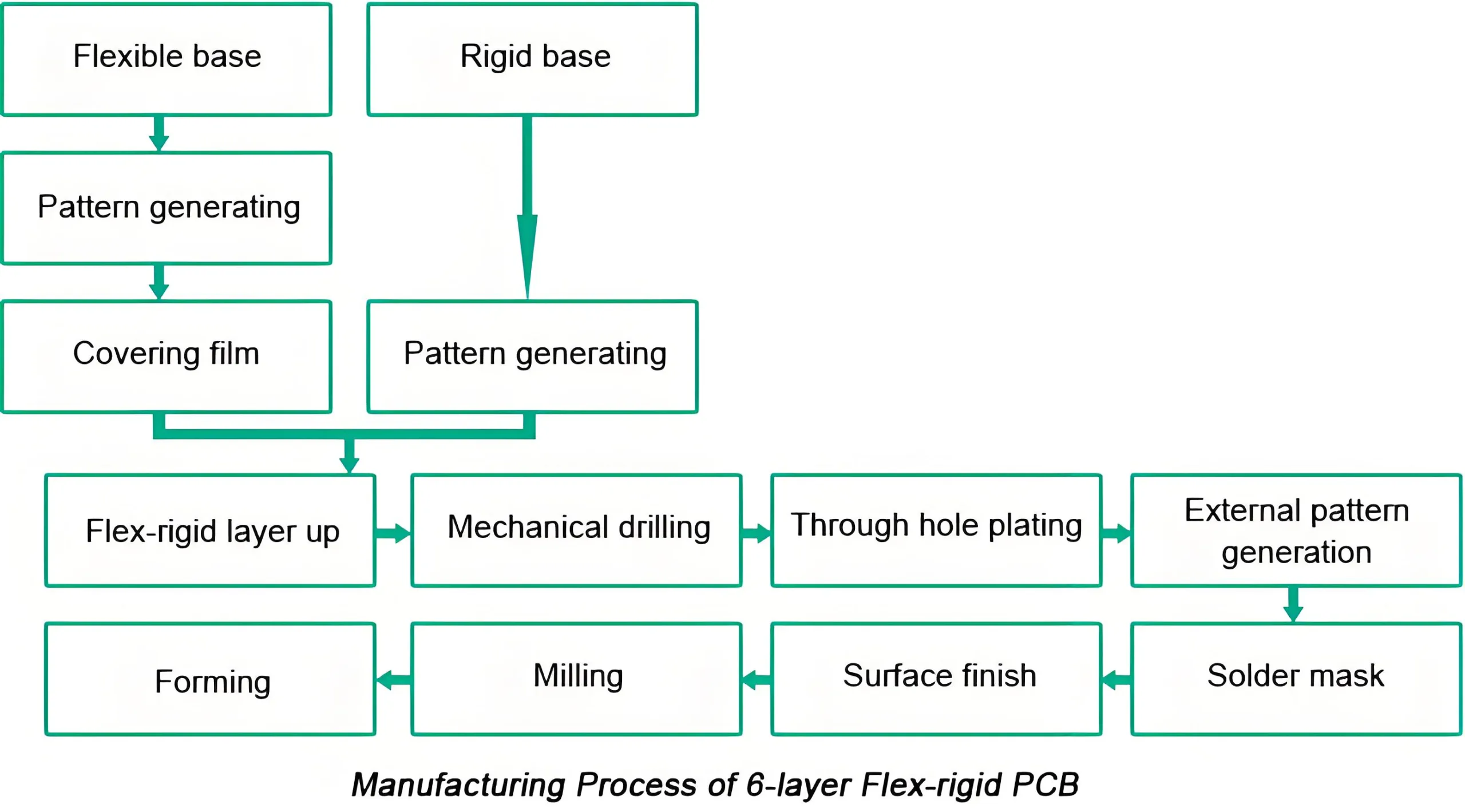
La producción de una PCB rígida-flexible multicapa de alta calidad requiere un estricto control del proceso. UGPCB sigue prácticas estándar de la industria para garantizar la confiabilidad.
-
Preparación de materiales e imágenes de la capa interna. – Los materiales FR-4 y PI se cortan por separado. Los circuitos de la capa interna se forman mediante la exposición., desarrollo, y grabado, con 3 Ancho de traza en mil controlado con precisión. La inspección AOI verifica la calidad.
-
Tratamiento con plasma y dorado. – La limpieza con plasma mejora la actividad de la superficie y mejora la adhesión entre FR-4 y PI antes de la laminación..
-
Laminación – Las capas internas, preparar, y la lámina de cobre se laminan al vacío y a alta temperatura.. Controlar el flujo de preimpregnado para evitar que la resina se derrame en el área flexible es fundamental.
-
Perforación y revestimiento – La perforación mecánica y láser crea conexiones entre capas.. La deposición de cobre no electrolítica y el revestimiento electrolítico forman orificios pasantes que conectan los 4 capas rígidas y 2 capas flexibles.
-
Imagen de la capa exterior y eliminación de la capa de cobertura – Después de la formación del circuito de la capa exterior, La capa de cobertura sobre el área flexible se retira con precisión mediante láser o métodos químicos para liberar la sección flexible..
-
Acabado superficial y fresado – Se aplica oro de inmersión, seguido del enrutamiento final hasta la forma requerida.
7. Ventajas clave
La PCB rígida-flexible multicapa de UGPCB ofrece varios beneficios:
-
Eficiencia espacial – Reemplaza dos tableros rígidos y un conjunto de cables con una sola unidad plegada, ahorrando hasta 40% del espacio interno.
-
Fiabilidad mejorada – Elimina conectores y cables, reducir los posibles puntos de falla. El camino continuo de cobre mejora la resistencia a los golpes..
-
Mejor integridad de la señal – Cada conector introduce discontinuidades de impedancia. Los PCB rígidos y flexibles proporcionan una ruta de transmisión continua adecuada para señales de alta velocidad.
-
Alta precisión - 3 capacidad de rastreo y espacio mil, combinado con acabado dorado por inmersión, admite componentes de tono fino y Diseños HDI.
-
Menor costo total – Aunque el coste unitario puede ser mayor, pasos de montaje reducidos, menos artículos de lista de materiales, y los costos laborales más bajos a menudo conducen a ahorros de costos generales.
8. Solicitar una cotización
UGPCB proporciona soporte de diseño, creación de prototipos, y producción en volumen. Si su proyecto enfrenta limitaciones de espacio, preocupaciones de confiabilidad, o desafíos de señal de alta velocidad, nuestro equipo está listo para ayudar.
Da el siguiente paso:
-
Revisión gratuita de DFM – Envía tus archivos Gerber. Nuestros ingenieros proporcionarán comentarios sobre la capacidad de fabricación..
-
cotización rápida – Utilice el formulario de consulta para compartir sus requisitos. Se proporcionará una cotización competitiva dentro de 24 horas.
-
Apoyo técnico – Nuestros ingenieros de aplicaciones están disponibles para analizar el diseño de apilamiento o la selección de materiales..
[Solicitar una cotización / Obtener muestras / Contactar con soporte]